
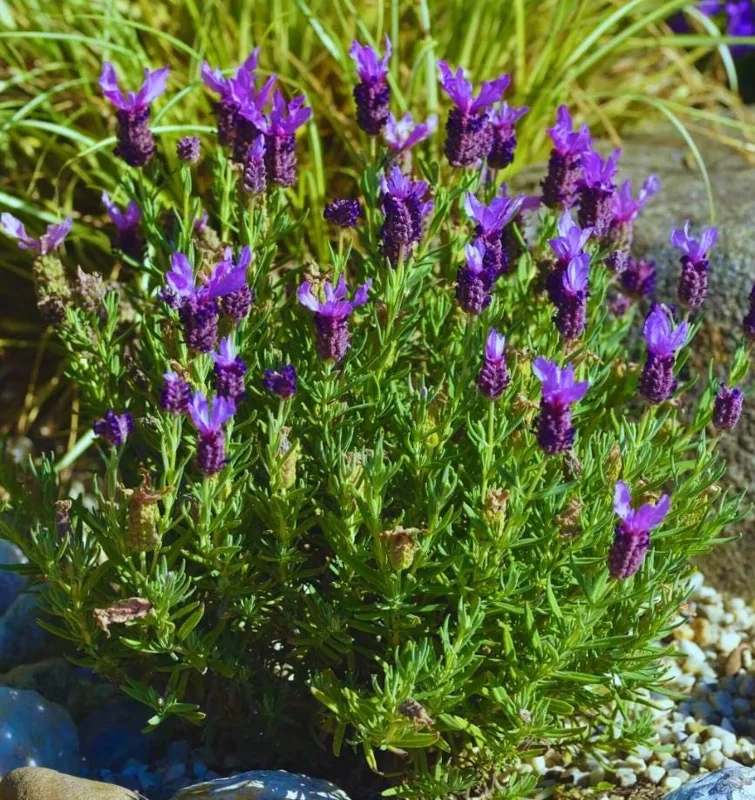
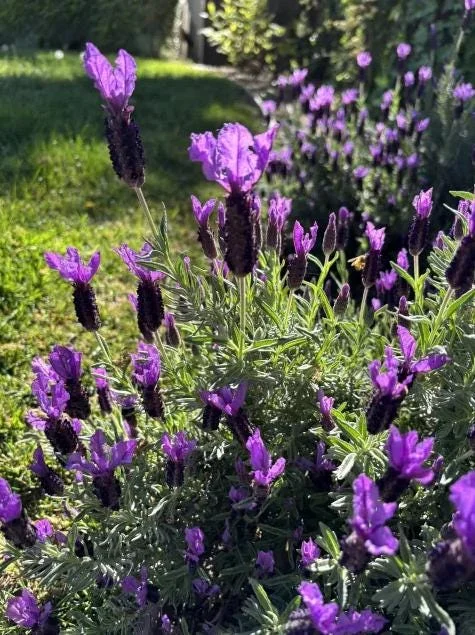
Spanish Lavender Live Plant – Deep Purple Flowering Herb – 2-4” Tall in 3” Pot – Full Sun
Original price was: $28.99.$8.99Current price is: $8.99.
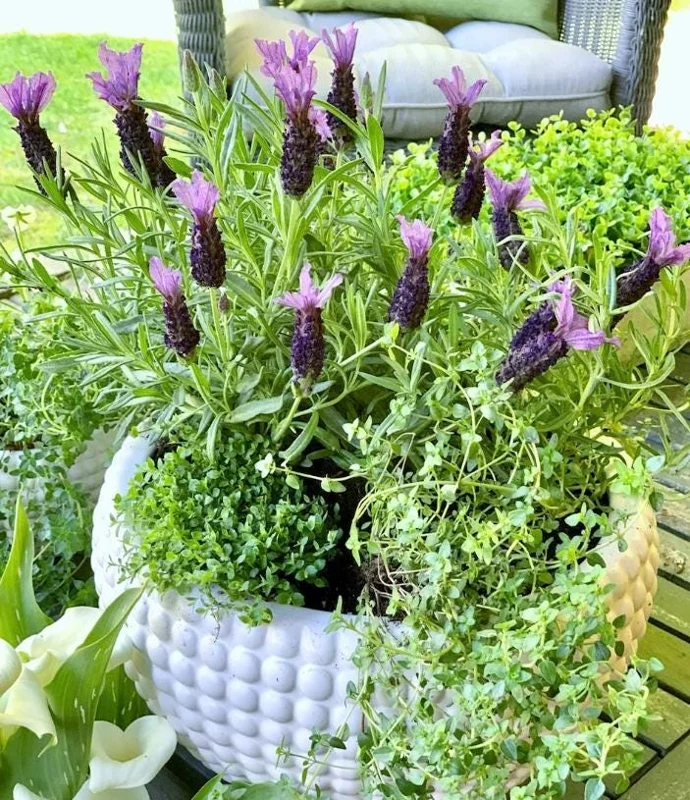
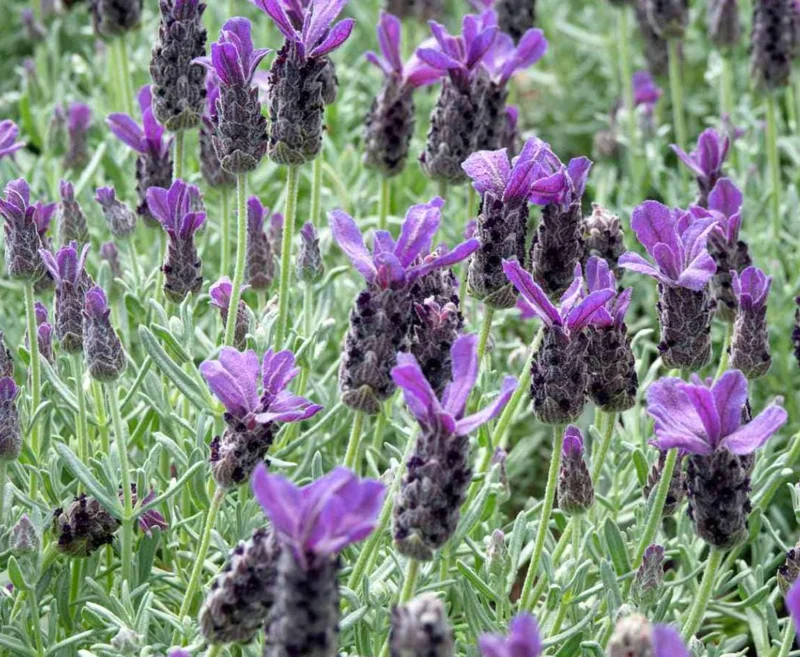
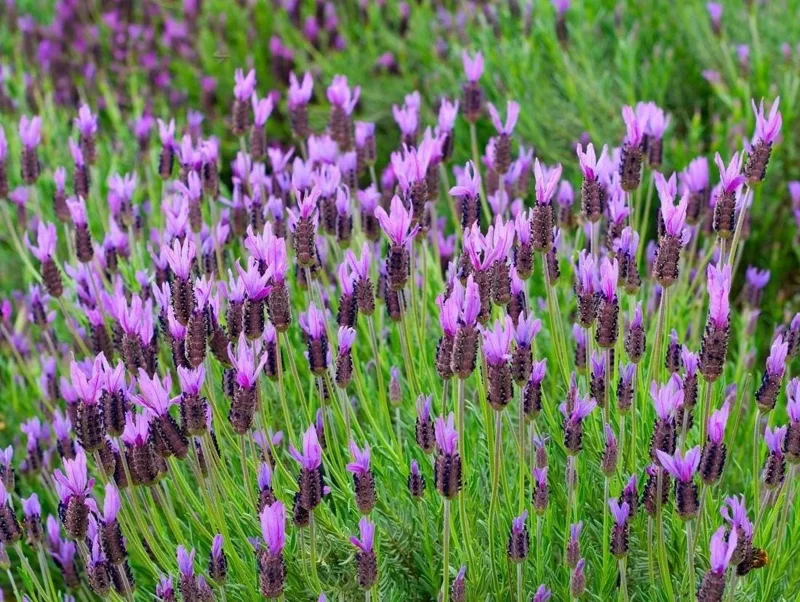
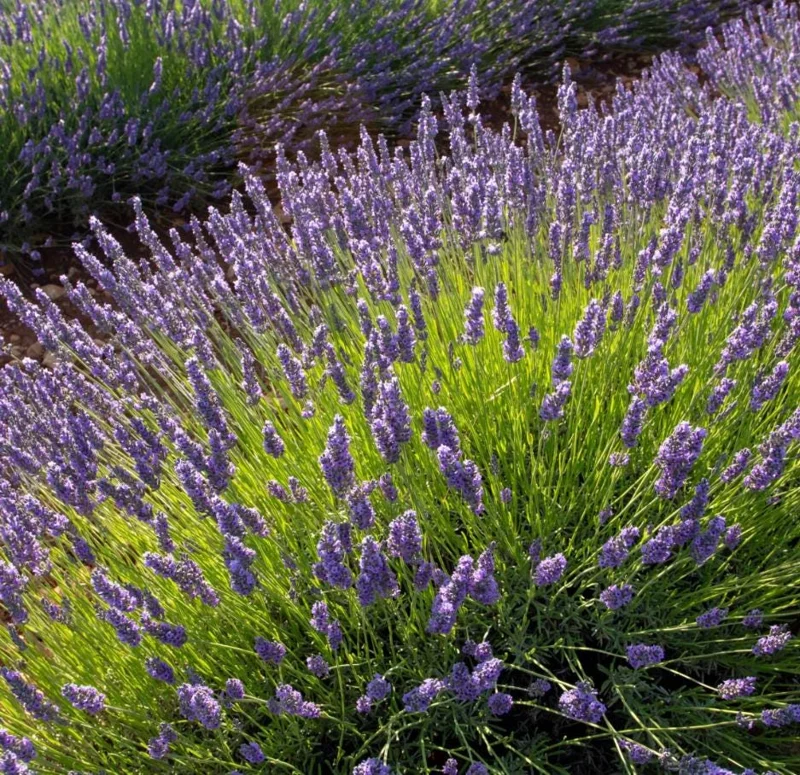
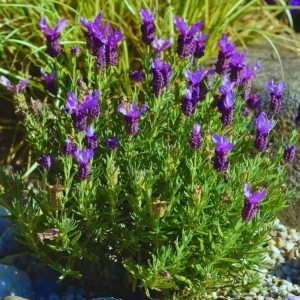
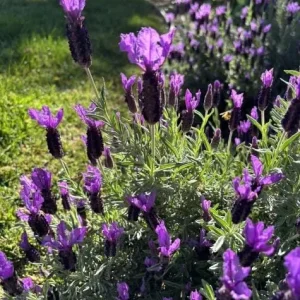
Add beauty and fragrance to your garden with a spanish lavender live plant. This compact herb features vibrant deep purple flowers and aromatic foliage, thriving in full sun. Ideal for containers, garden beds, or as a deer-resistant landscape accent.
-
USDA Hardiness Zone
USDA Zones 8-11 -
Soil Type
Well-drained, sandy or loamy soil -
Sunlight Exposure
Full sun -
Expected Planting Period
Spring to early summer

You can track your order HERE
Mar 24
Mar 29 - Mar 31
Apr 03 - Apr 07
Shipping and return policies: Our Alive & Thrive Guarantee covers issues with your plants within the first 30 days. Reach out to us. Our team will answer your questions and help you find the plants that are truly suitable for your environment, climate, and personal preferences.

Overview
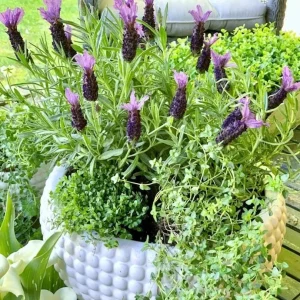
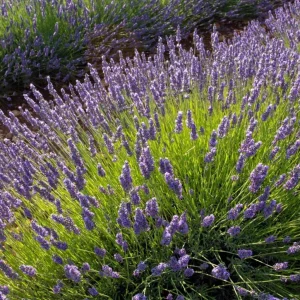
Introduce the captivating beauty and aromatic charm of a spanish lavender live plant to your outdoor space. Known botanically as Lavandula stoechas, this exquisite flowering herb is celebrated for its distinctive deep purple blooms and highly fragrant foliage. Originating from the Mediterranean region, Spanish Lavender brings a touch of rustic elegance and a delightful scent to any garden. These compact plants, typically 2-4 inches tall when shipped in a 3-inch pot, are perfect for gardeners looking to establish a vibrant, low-maintenance, and aromatic addition to their landscape. Whether you’re creating a dedicated herb garden, beautifying a patio, or adding a fragrant border, this spanish lavender live plant is an excellent choice that thrives in sunny conditions.
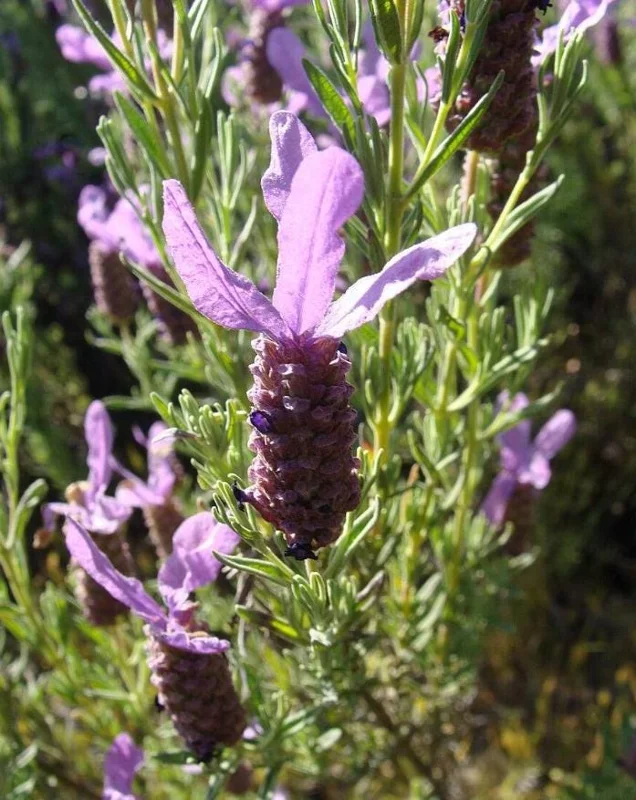
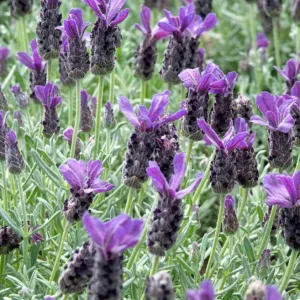
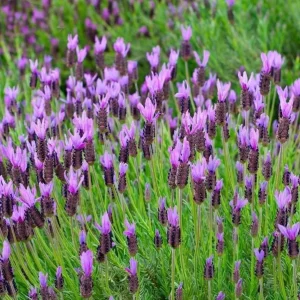
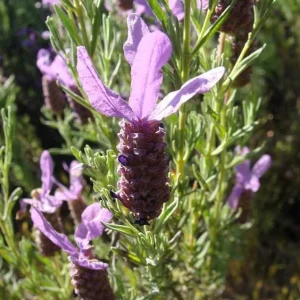
The unique ‘rabbit ear’ bracts that emerge from the top of the flower spikes give Spanish Lavender its characteristic appearance, making it a standout among other lavender varieties. Its robust nature and attractive appearance make it a popular selection for both novice and experienced gardeners. This lavandula stoechas plant is not only visually appealing but also provides a soothing fragrance that can deter pests while attracting beneficial pollinators like bees and butterflies to your garden.
Key Benefits
Cultivating a spanish lavender live plant offers a multitude of advantages beyond its aesthetic appeal. Its versatility and resilience make it a fantastic addition to various garden styles and purposes. Here are some of the key benefits you can expect:
- Vibrant Deep Purple Blooms: Enjoy a long season of spectacular, rich purple flowers that provide continuous color and visual interest from late spring through summer. These unique blooms are a garden highlight.
- Aromatic Fragrance: The foliage and flowers release a delightful, soothing scent that is characteristic of lavender, enhancing the sensory experience of your garden and acting as a natural air freshener.
- Attracts Pollinators: The fragrant blossoms are a magnet for bees, butterflies, and other beneficial pollinators, contributing to the biodiversity and health of your garden ecosystem.
- Deer and Rabbit Resistant: Gardeners often struggle with pests, but the strong aroma of fragrant lavender herb naturally deters deer and rabbits, protecting your plants from unwanted munching.
- Drought Tolerant: Once established, Spanish Lavender is remarkably drought-tolerant, requiring minimal watering and making it an ideal choice for xeriscaping or water-wise gardens.
- Versatile Landscaping Plant: Perfect for full sun gardens, rock gardens, borders, containers, or even as a fragrant groundcover. Its compact growth habit suits various design schemes.
- Low Maintenance: This hardy plant requires relatively little care once established, making it suitable for busy gardeners or those new to gardening. Regular pruning is mainly for shaping and encouraging more blooms.
Plant Care & Growing Tips
Caring for your spanish lavender live plant is relatively straightforward, as it is a resilient and adaptable herb. To ensure vigorous growth and abundant blooms, proper attention to its specific needs is crucial. Spanish Lavender thrives in areas that mimic its native Mediterranean climate, meaning plenty of sun and well-drained soil.
Sunlight requirements: Provide your full sun lavender with at least 6-8 hours of direct sunlight per day. Full sun is essential for robust growth and prolific flowering. In hotter climates, some afternoon shade can be beneficial, but generally, the more sun, the better. Ensure it is not overshadowed by larger plants or structures. Watering schedule and soil moisture preferences: Lavender prefers dry conditions. Water thoroughly after planting, then allow the soil to dry out completely between waterings. Overwatering is the most common cause of lavender failure, leading to root rot. Reduce watering significantly during cooler, dormant months. Soil type and drainage requirements: This plant demands well-drained soil. Sandy or loamy soil with a neutral to slightly alkaline pH is ideal. If you have heavy clay soil, amend it generously with sand, gravel, or organic matter to improve drainage. Good drainage is non-negotiable for a healthy lavandula stoechas plant.
Temperature range and USDA hardiness zone: Spanish Lavender is generally hardy in USDA Zones 8-11. It prefers warm to hot temperatures and can tolerate mild frosts. In colder zones, it can be grown as an annual or overwintered indoors in a bright, cool location. Fertilization schedule and type: Lavender is not a heavy feeder. Fertilize sparingly, if at all, with a balanced, slow-release granular fertilizer in early spring. Avoid high-nitrogen fertilizers, which can promote leafy growth at the expense of flowers. Pruning: Prune your deep purple lavender after the first flush of flowers to encourage reblooming and maintain a compact, bushy shape. Remove spent flower spikes and trim back about one-third of the plant’s growth, avoiding cutting into old woody stems. Common problems and solutions: Watch for root rot if the soil is too wet. Pests are rare due to its strong aroma, but occasionally, whiteflies or aphids might appear; treat with insecticidal soap if necessary. Ensure good air circulation to prevent fungal issues.
Size & Details
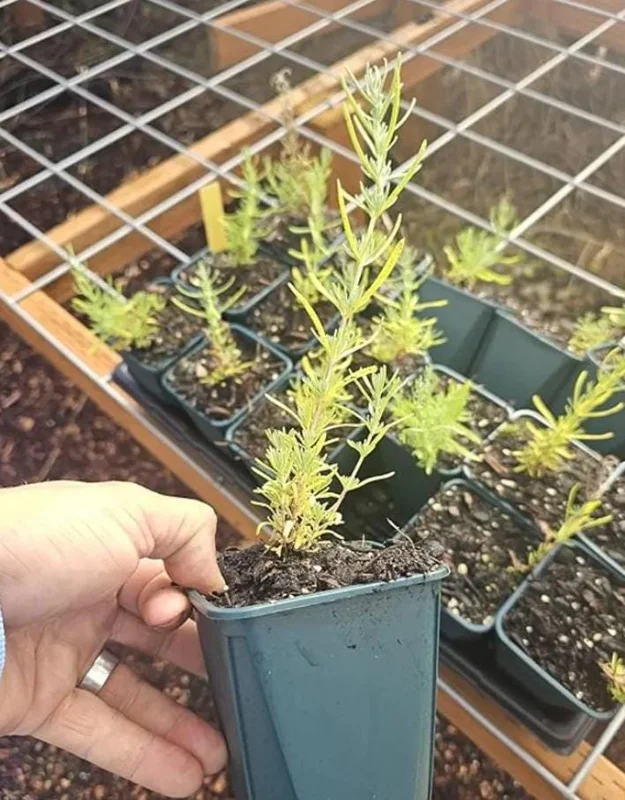
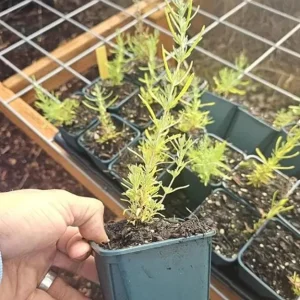
Each spanish lavender live plant arrives as a well-rooted specimen, typically measuring 2-4 inches tall from the top of the soil, housed in a 3-inch nursery pot. These compact plants are ready for immediate transplanting into larger containers or directly into your garden beds. Spanish Lavender (Lavandula stoechas) is a relatively small and bushy variety, generally reaching a mature height of approximately 18-24 inches and a similar spread, depending on growing conditions and pruning. It exhibits a moderate growth rate, establishing itself well within the first growing season.
The plants are shipped in their pots with soil, ensuring minimal shock during transit and providing a healthy start in your garden. Expect the first flush of characteristic deep purple blooms to appear from late spring to early summer, with successive flushes throughout the warmer months, especially with proper deadheading. This variety forms a neat, mounding habit, making it an excellent choice for a variety of landscape designs where a tidy yet impactful presence is desired. The aromatic foliage is a constant delight, even when the plant is not in bloom.
Frequently Asked Questions
- Q: How big does this Spanish Lavender plant get? A: This spanish lavender live plant typically grows to a mature height and spread of about 18-24 inches, forming a compact, bushy mound. Its size can vary slightly based on growing conditions and pruning.
- Q: What size pot does it come in? A: Each live plant is carefully shipped in a 3-inch nursery pot, providing a healthy root system ready for transplanting.
- Q: Is this an indoor or outdoor plant? A: While it can be overwintered indoors in colder climates, full sun lavender is primarily an outdoor plant that thrives in full sun and well-drained soil in gardens and containers.
- Q: How much sunlight does it need? A: For optimal growth and flowering, this fragrant lavender herb requires at least 6-8 hours of direct sunlight daily. It is a true sun-lover.
- Q: Is this plant easy to care for? A: Yes, Spanish Lavender is considered a low-maintenance plant once established, making it suitable for both beginner and experienced gardeners. Its primary needs are full sun and well-drained soil.
- Q: What condition will it arrive in? A: Your lavandula stoechas plant will arrive well-rooted in its pot with soil, carefully packaged to ensure it reaches you in healthy, ready-to-plant condition.
- Q: Can I use this lavender in cooking? A: While Spanish Lavender is highly aromatic, its flavor is generally considered more camphoraceous and less palatable for culinary uses compared to English Lavender. It is primarily grown for its ornamental beauty and fragrance.
- Q: How long until it blooms? A: With proper care and sufficient sunlight, your Spanish Lavender should begin to produce its distinctive deep purple blooms from late spring to early summer, and continue through the warmer months.
- Q: Will it survive winter in my zone? A: This lavender is hardy in USDA Zones 8-11. In colder zones, it can be grown as an annual or brought indoors to a bright, cool location for winter protection.
- Q: What type of soil is best for this plant? A: The best soil for deep purple lavender is well-draining, sandy or loamy, with a neutral to slightly alkaline pH. Avoid heavy, water-retentive soils.
Be the first to review “Spanish Lavender Live Plant – Deep Purple Flowering Herb – 2-4” Tall in 3” Pot – Full Sun”
People Also Viewed
Sold 54 products
From $13.98
Sold 80 products
From $99.80
Sold 96 products
From $16.48
Sold 66 products
From $9.08
Sold 73 products
Original price was: $37.47.$12.49Current price is: $12.49.
Sold 58 products
Original price was: $123.80.$61.90Current price is: $61.90.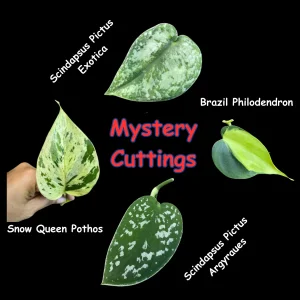
HousePlants
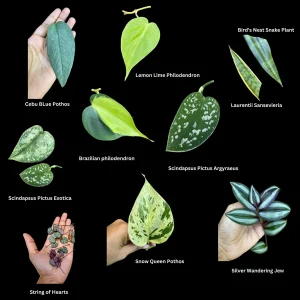
Mystery House Plant Cuttings Bundle – Unrooted Clippings for Propagation – Assorted Indoor Plants
Sold 91 products
From $16.98
Sold 91 products
From $17.99
Sold 97 products
Original price was: $47.58.$23.79Current price is: $23.79.
Sold 53 products
Original price was: $25.00.$20.00Current price is: $20.00.
Sold 54 products
Original price was: $23.96.$11.98Current price is: $11.98.
Sold 88 products
Original price was: $30.78.$15.39Current price is: $15.39.
Sold 71 products
From $4.26
Sold 50 products
From $34.98
Sold 97 products
Original price was: $160.00.$128.00Current price is: $128.00.
Sold 97 products
From $19.00
Sold 63 products
Original price was: $87.92.$43.96Current price is: $43.96.

Sold 57 products
Original price was: $33.98.$27.18Current price is: $27.18.


Reviews
There are no reviews yet.