
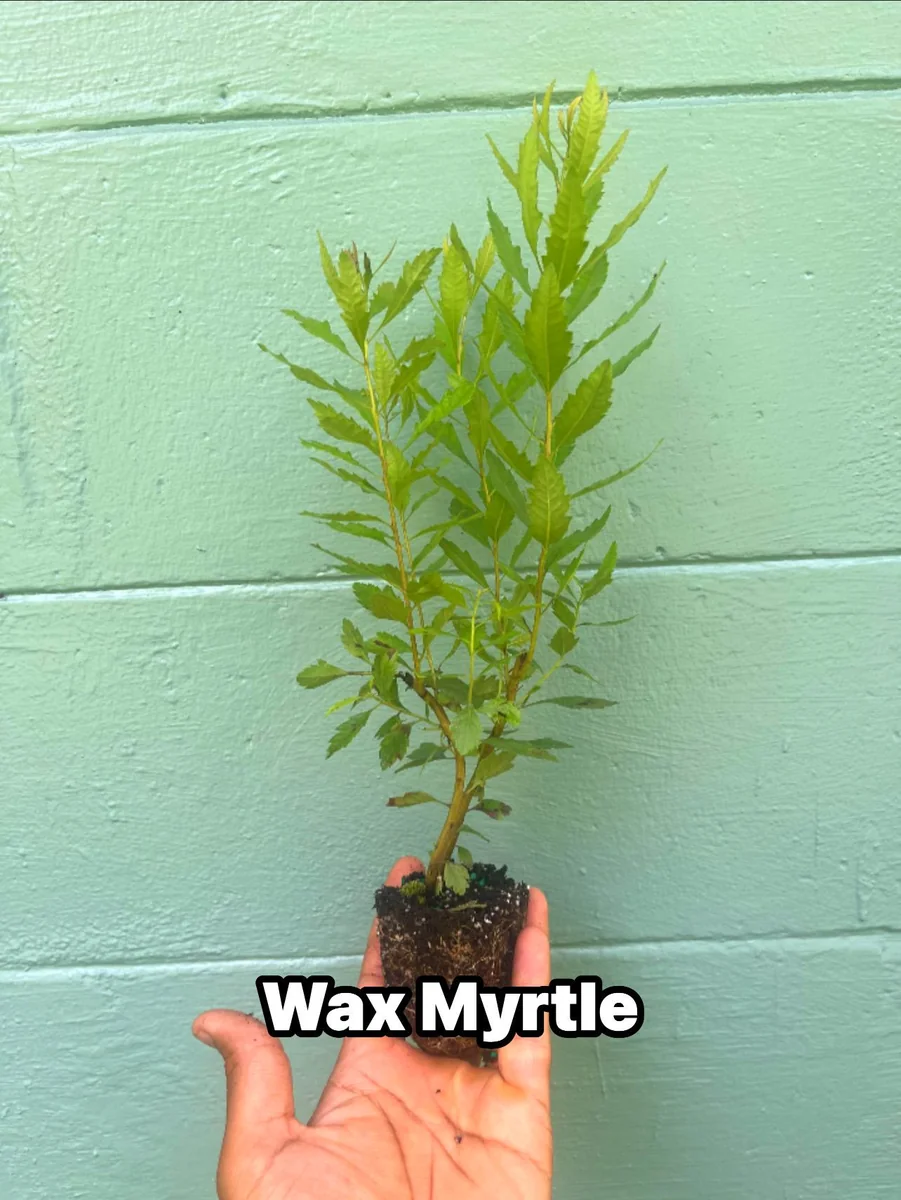


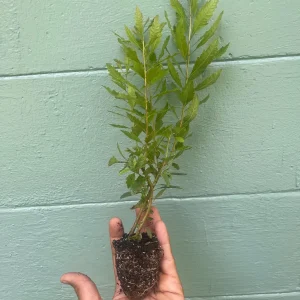
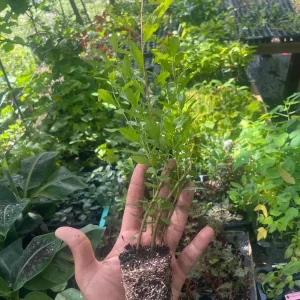
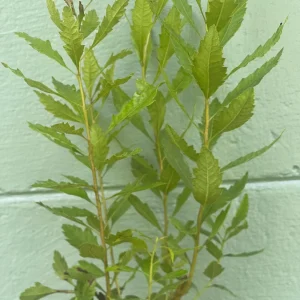
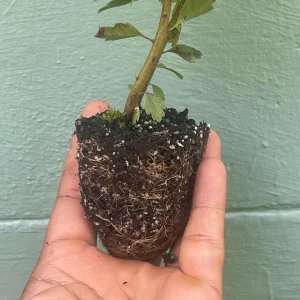
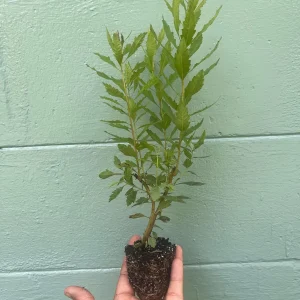
Southern Wax Myrtle Live Plant – Myrica cerifera Evergreen Shrub 10-20+ ft Outdoor
Original price was: $25.98.$22.08Current price is: $22.08.
Bring year-round beauty and wildlife to your garden with the Southern Wax Myrtle live plant (Myrica cerifera). This adaptable, salt-tolerant evergreen shrub is perfect for USDA Zones 7-11, offering dense foliage and berries for birds, plus historic uses in candlemaking.
-
USDA Hardiness Zone
7-11 -
Soil Type
Well-draining soil (sandy, loamy, clay) -
Sunlight Exposure
Full sun–partial shade -
Expected Planting Period
Spring or Fall

You can track your order HERE
Feb 27
Mar 04 - Mar 06
Mar 09 - Mar 13
Shipping and return policies: Our Alive & Thrive Guarantee covers issues with your plants within the first 30 days. Reach out to us. Our team will answer your questions and help you find the plants that are truly suitable for your environment, climate, and personal preferences.

Overview
The Southern Wax Myrtle live plant (Myrica cerifera), also known as southern bayberry or candleberry, is a magnificent and versatile addition to any landscape. This hardy evergreen shrub or small tree is native to North and Central America, thriving in a variety of conditions. Valued for its aromatic foliage, dense growth, and wax-coated berries, the Myrica cerifera shrub offers year-round visual interest and ecological benefits. Whether you’re looking to attract local wildlife, explore traditional crafting, or simply enjoy a low-maintenance, beautiful plant, the Southern Wax Myrtle live plant is an excellent choice. It’s an ideal plant for creating natural privacy screens, windbreaks, or as a specimen plant in a mixed border, providing evergreen structure and a distinctive fragrance.
This remarkable plant is not only aesthetically pleasing but also serves multiple practical purposes. Its resilience and adaptability make it a favorite among gardeners seeking sustainable and eco-friendly options. The Southern Wax Myrtle live plant is a true workhorse in the garden, contributing to biodiversity and offering unique resources for those interested in historical uses of native flora. Its ability to thrive in challenging environments, from coastal areas to various soil types, underscores its robust nature, making it a reliable and rewarding plant for a wide range of gardening enthusiasts.
Key Benefits
The Southern Wax Myrtle live plant provides a multitude of advantages for both your garden and the environment. Its unique characteristics make it a standout choice for various landscaping needs, contributing to a vibrant and healthy ecosystem.
- Wildlife Habitat: The dense foliage of the Myrica cerifera shrub provides excellent shelter and nesting sites for numerous bird species. Its wax-coated berries are a crucial food source, especially during winter, for birds like wild turkeys, quail, tree swallows, and myrtle warblers, making it a fantastic evergreen wildlife plant.
- Historic & Culinary Uses: The berries of the Southern Wax Myrtle live plant have been historically used to extract natural wax for traditional bayberry candles and soaps, lending a unique, earthy fragrance. The aromatic leaves can also be used as a culinary herb to season stews and sauces, while the berries can be dried and used as a spice, offering a distinct flavor profile.
- Easy to Grow & Adaptable: This shrub is celebrated for its incredible hardiness. It is highly salt-tolerant, making it suitable for coastal gardens, and remarkably drought-resistant once established. Its ability to fix nitrogen in the soil improves soil fertility, reducing the need for external fertilizers. It adapts well to a wide range of soil types, from sandy to clay.
- Year-Round Greenery: As an evergreen, the Southern Wax Myrtle live plant provides consistent greenery throughout the year, maintaining garden interest even in colder months when many other plants have lost their leaves. This makes it an invaluable plant for creating a stable and appealing landscape.
- Drought Tolerance: Once established, the drought tolerant shrub requires minimal watering, making it an excellent choice for xeriscaping and water-wise gardens. This characteristic significantly reduces maintenance efforts and water consumption.
- Natural Fragrance: Both the leaves and berries emit a pleasant, distinctive aroma when crushed, adding an extra sensory dimension to your garden experience. This natural scent can be particularly enjoyable during garden walks.
- Low Maintenance: Beyond its adaptability, the Myrica cerifera shrub generally requires little pruning or special care, making it a perfect choice for gardeners seeking a beautiful yet undemanding plant.
Plant Care & Growing Tips
Caring for your Southern Wax Myrtle live plant is straightforward due to its robust nature, making it an excellent choice for gardeners of all experience levels. This versatile shrub thrives with minimal intervention once established, but providing optimal conditions initially will ensure a strong and healthy start. Understanding its basic needs for sunlight, water, and soil will help you cultivate a flourishing Myrica cerifera shrub that enhances your garden for years to come.
For sunlight, the Southern Wax Myrtle live plant performs best in full sun to partial shade. Ideally, it should receive at least 6 hours of direct sunlight per day for optimal growth and berry production. While it tolerates partial shade, too much shade can lead to sparser foliage and fewer berries. When it comes to watering, young plants require regular moisture to establish a strong root system. Once mature, this drought tolerant shrub is highly resistant to dry conditions, needing supplemental water only during extended periods of drought. Ensure the soil drains well to prevent root rot, as the plant prefers not to sit in standing water. The ideal soil type is adaptable, but it thrives in moist, well-draining soils, including sandy, loamy, or clay compositions. Its nitrogen-fixing capabilities mean it can enrich the soil it grows in, benefiting nearby plants.
The Southern Wax Myrtle live plant is hardy in USDA Zones 7–11, tolerating a range of temperatures from mild winters to hot summers. Fertilization is generally not necessary for established plants, especially in good soil, given its nitrogen-fixing ability. If growth appears slow or foliage is pale, a light application of a balanced, slow-release fertilizer in early spring can be beneficial. Pruning can be done in late winter or early spring to maintain shape, control size, or remove any dead or damaged branches. This shrub is generally pest and disease resistant, making it a low-concern plant for common garden issues. Keep an eye out for any signs of stress, but problems are rare. The evergreen wildlife plant is a resilient choice for a diverse and thriving garden.
Size & Details
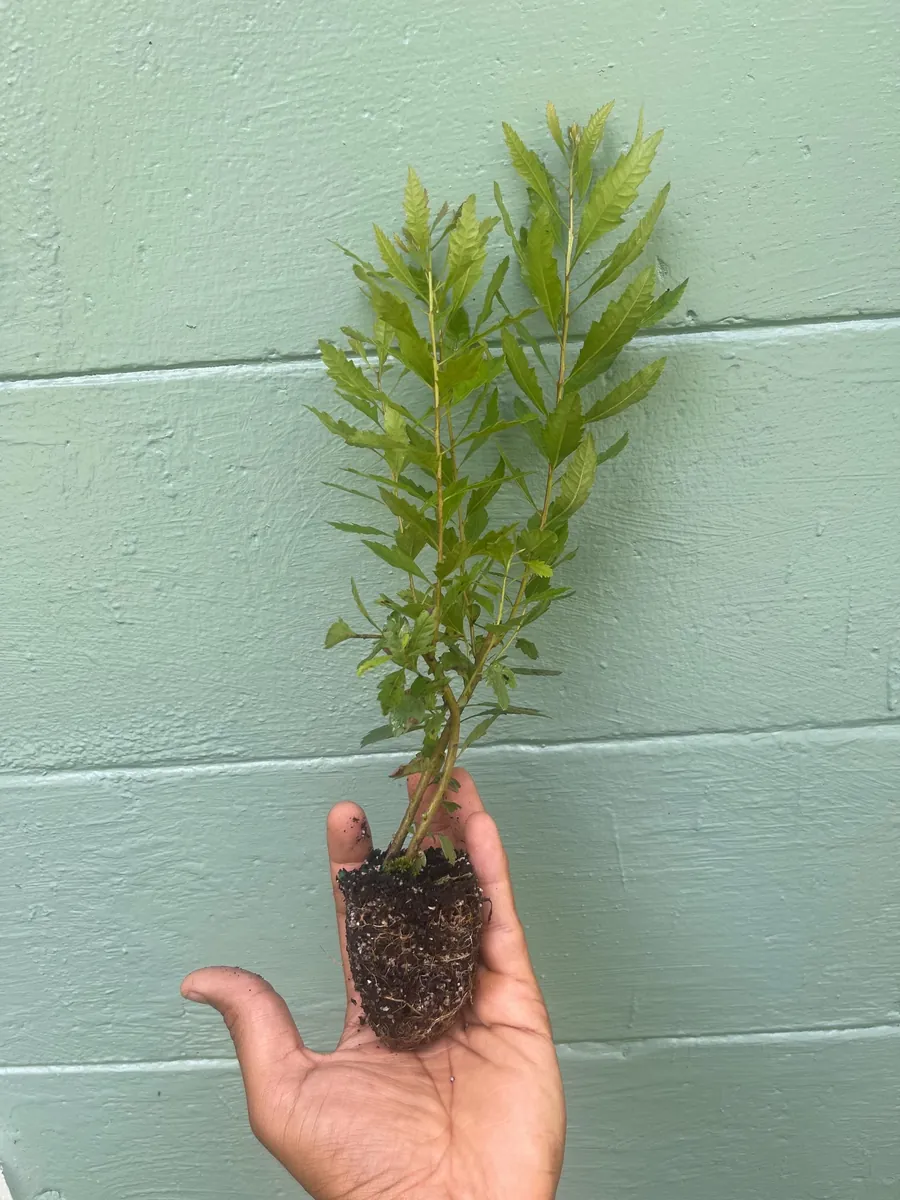
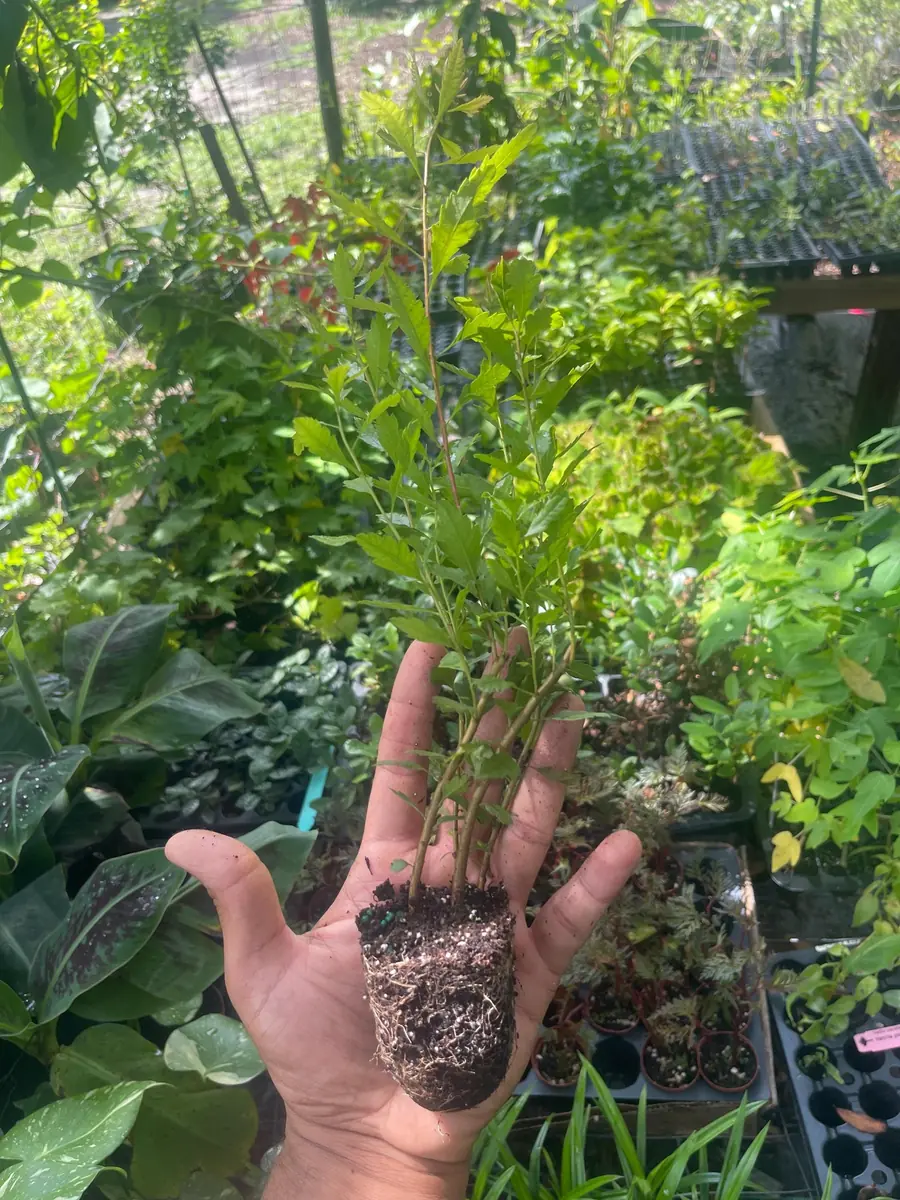
The Southern Wax Myrtle live plant is a dynamic and fast-growing evergreen that can adapt its form to suit various landscape needs. Typically, it grows as a large shrub, reaching heights of 10–20+ feet tall with a similar spread. However, with proper pruning, it can be trained into a small, multi-trunked tree, adding vertical interest to your garden. Its growth rate is moderate to fast, allowing it to establish quickly and provide significant coverage within a few years. When you receive your Myrica cerifera shrub, it will arrive as a healthy, actively growing plant, ready to be transplanted into your garden. The exact size will vary depending on the pot size at the time of shipment, but it will be well-rooted and robust.
This versatile plant maintains its lush green foliage year-round, offering continuous visual appeal. The berries appear in late summer to fall and persist through winter, providing sustained interest and food for wildlife. It’s important to note that the Southern Wax Myrtle live plant is dioecious, meaning individual plants are either male or female. Only female plants produce berries, so if you desire berries for wildlife or candlemaking, it’s advisable to plant multiple individuals to ensure pollination. This evergreen wildlife plant is a long-lived species, providing decades of beauty and ecological benefits with minimal care.
Frequently Asked Questions
- Q: How big does this Southern Wax Myrtle live plant typically get? A: The Southern Wax Myrtle live plant usually grows as a large shrub, reaching heights of 10 to 20 feet or more, with a similar spread. It can also be pruned into a small tree. Its ultimate size depends on growing conditions and whether it’s pruned.
- Q: Is this an indoor or outdoor plant? A: The Southern Wax Myrtle live plant is primarily an outdoor plant, well-suited for landscaping. It thrives in various outdoor environments within its USDA hardiness zones. It is not typically grown as an indoor houseplant due to its size and light requirements.
- Q: How much sunlight does the Myrica cerifera shrub need? A: This shrub prefers full sun to partial shade. For the best growth and berry production, it should receive at least 6 hours of direct sunlight daily. It can tolerate some shade but may become sparser.
- Q: Is this plant easy to care for? A: Yes, the Southern Wax Myrtle live plant is considered very easy to care for. It’s known for its adaptability, drought tolerance, and resistance to salt, making it a low-maintenance choice for many gardeners, even beginners.
- Q: What condition will the plant arrive in? A: Your Southern Wax Myrtle live plant will arrive as a healthy, actively growing plant, carefully packaged to minimize transit shock. It will be well-rooted and ready for planting in your garden.
- Q: Can I use the berries from the bayberry candle plant for candlemaking? A: Yes, the berries of the female Southern Wax Myrtle live plant are traditionally used to extract wax for making bayberry candles and soaps. You will need a female plant and a male plant nearby for pollination to ensure berry production.
- Q: What’s the best time to plant a drought tolerant shrub like this? A: The best time to plant the Southern Wax Myrtle live plant is in spring or fall when temperatures are moderate. This allows the plant to establish its root system before extreme summer heat or winter cold sets in.
- Q: Will the evergreen wildlife plant attract birds to my garden? A: Absolutely! The berries of the Southern Wax Myrtle live plant are a vital food source for many bird species, especially during winter, and its dense foliage provides excellent shelter and nesting sites, making it a superb evergreen wildlife plant.
- Q: What kind of soil does it prefer? A: The Southern Wax Myrtle live plant is highly adaptable to various soil types, including sandy, loamy, or clay soils. It prefers well-draining soil and can even improve soil fertility due to its nitrogen-fixing capabilities.
- Q: Is the Myrica cerifera shrub salt-tolerant? A: Yes, it is notably salt-tolerant, making it an excellent choice for coastal gardens or areas where salt spray might be an issue. This resilience contributes to its overall hardiness and ease of care.
Be the first to review “Southern Wax Myrtle Live Plant – Myrica cerifera Evergreen Shrub 10-20+ ft Outdoor”
People Also Viewed

Sold 54 products
Original price was: $49.08.$29.44Current price is: $29.44.
Sold 79 products
Original price was: $111.96.$55.98Current price is: $55.98.
Succulents
Taco Leaf Peperomia Live Plant – Peperomia axilaris – Easy Succulent Houseplant – 2.5″ Pot
Sold 57 products
Original price was: $28.76.$14.38Current price is: $14.38.

Flower Plants
African Violet Live Plant Houseplant – Dark Blue Flower, 4 Inch Pot – Indoor Ready to Grow
Sold 86 products
Original price was: $75.98.$37.99Current price is: $37.99.
Sold 85 products
Original price was: $49.98.$34.98Current price is: $34.98.

Sold 78 products
Original price was: $63.96.$31.98Current price is: $31.98.

Sold 89 products
$61.58
Sold 73 products
Original price was: $49.98.$24.99Current price is: $24.99.
Succulents
Kalanchoe Pink Butterfly Live Plant – Variegated Succulent – 2 Inch Pot – Pink – Indoor/Outdoor
Sold 50 products
Original price was: $35.98.$17.99Current price is: $17.99.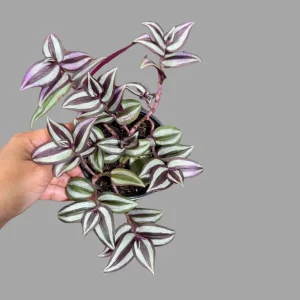
HousePlants
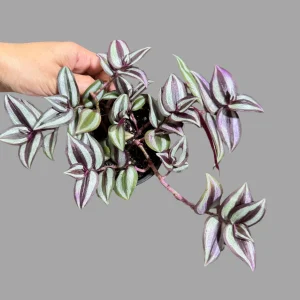
Pink Silver Wandering Jew Live Plant – Tradescantia in 3″ Nursery Pot – Easy Care Indoor Houseplant
Sold 77 products
Original price was: $55.96.$27.98Current price is: $27.98.
Sold 80 products
$41.78

Sold 90 products
From $7.98
Sold 98 products
Original price was: $80.00.$64.00Current price is: $64.00.
Sold 83 products
Original price was: $37.98.$20.99Current price is: $20.99.
Sold 63 products
$85.78
Sold 97 products
Original price was: $45.98.$22.99Current price is: $22.99.
Sold 98 products
From $43.80
Sold 99 products
Original price was: $21.56.$10.78Current price is: $10.78.



Reviews
There are no reviews yet.