
Solomon’s Seal Bare-root Plant – Hardy Perennial Herb for Shade
From $47.80
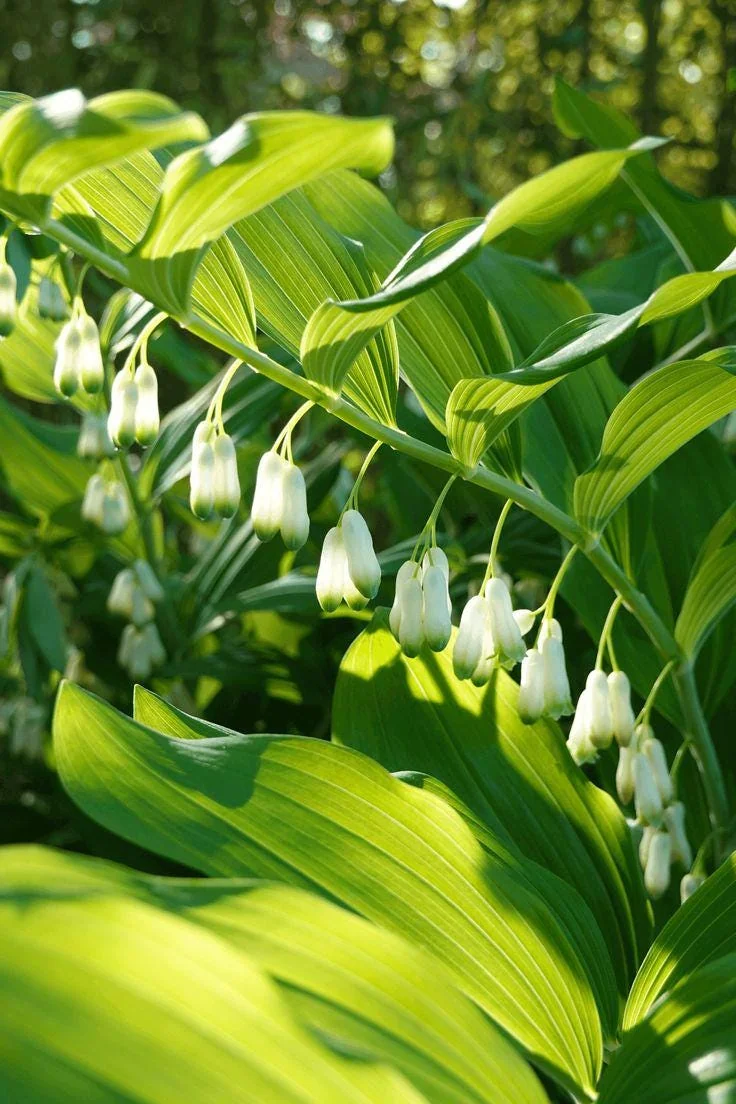
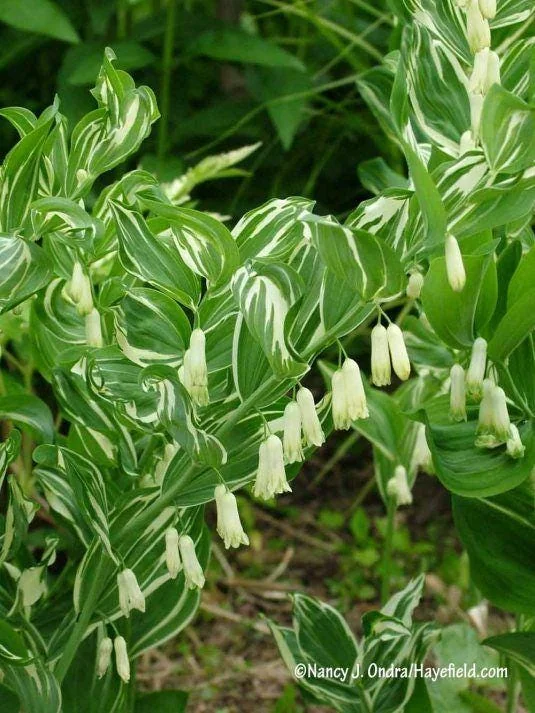
Bring elegance to your shade garden with a Solomon’s Seal bare-root plant. This hardy perennial features arching stems with bell-shaped, yellow-green flowers and vibrant foliage, thriving in woodland conditions for a touch of natural beauty.
-
USDA Hardiness Zone
USDA zones 3-9 -
Soil Type
Moist, well-draining, rich in organic matter -
Sunlight Exposure
Partial to full shade -
Expected Planting Period
Early spring or fall

You can track your order HERE
Mar 03
Mar 08 - Mar 10
Mar 13 - Mar 17
Shipping and return policies: Our Alive & Thrive Guarantee covers issues with your plants within the first 30 days. Reach out to us. Our team will answer your questions and help you find the plants that are truly suitable for your environment, climate, and personal preferences.

Overview
Introduce a touch of woodland charm to your garden with the exquisite Solomon’s Seal bare-root plant. Known scientifically as Polygonatum biflorum, this perennial herb is a true gem for shaded areas, offering graceful arching stems and delicate, bell-shaped flowers that dangle beneath its broad leaves. Our high-quality bare-root specimens ensure a robust start, allowing you to establish this captivating plant with ease. Native to North America, Solomon’s Seal is celebrated not only for its ornamental beauty but also for its historical medicinal and culinary uses. It’s an ideal choice for gardeners seeking to create a tranquil, naturalized landscape, thriving where many other plants struggle.
The distinctive circular scars on its rhizome, resembling ancient seals, give this plant its intriguing name and add to its mystique. Growing 18 inches to 2 feet or more, its stems bend over elegantly, presenting large, light green, ovate leaves alternately. The tubular, succulent, light yellow-green flowers bloom from April to June, followed by small, blue-black berries. This resilient plant is perfect for naturalizing in moist, shady woodland settings, providing year after year of understated elegance and ecological benefit.
Key Benefits
Cultivating Solomon’s Seal bare-root offers a multitude of advantages for both your garden and well-being. This versatile woodland perennial is a fantastic addition to any landscape, providing beauty and ecological value.
- Exceptional Shade Performance: Thrives in challenging shaded areas where other plants often fail, making it perfect for woodland gardens, under trees, or on the north side of buildings. Its ability to flourish in low light conditions makes it an invaluable asset for creating lush, green spaces.
- Graceful Ornamental Appeal: Features elegant, arching stems with attractive foliage and delicate, dangling bell-shaped flowers that add architectural interest and a serene aesthetic to your garden from spring through fall. The unique structure and subtle beauty of the Solomon’s Seal plant create a calming atmosphere.
- Low Maintenance and Hardy: Once established, this plant requires minimal care, making it an excellent choice for busy gardeners. It’s very hardy, tolerating a range of conditions and resisting most pests and diseases, ensuring a resilient addition to your landscape.
- Historical Medicinal & Edible Uses: Historically valued for its rhizome, which has been used in traditional medicine as an astringent, demulcent, and tonic. Young shoots are also edible when prepared like asparagus, offering a unique culinary experience for those interested in foraging.
- Pollinator Friendly: The subtle flowers attract pollinators, contributing to the biodiversity and health of your garden ecosystem. Supporting local wildlife is a key benefit of growing Solomon’s Seal.
- Naturalizes Easily: Spreads slowly by rhizomes, forming attractive colonies over time, which helps to suppress weeds and create a beautiful groundcover effect in appropriate settings. This makes it an excellent choice for a naturalized garden.
- Deer Resistant: Generally not favored by deer, making it a reliable choice for gardens in areas with deer populations, ensuring your beautiful foliage remains intact.
Plant Care & Growing Tips
Ensuring successful establishment and continued growth of your Solomon’s Seal bare-root requires understanding its preferred environment. This hardy perennial is relatively unfussy once settled, but initial care is crucial. Plant your bare-root in early spring or fall, ensuring the ‘eyes’ or buds on the rhizome are just below the soil surface. Space plants about 12-18 inches apart to allow for mature growth and natural spread.
Sunlight requirements: Solomon’s Seal thrives in partial to full shade. While it can tolerate a little morning sun, direct afternoon sun can scorch its leaves, especially in warmer climates. Mimic its natural woodland habitat by planting it under deciduous trees or in shaded borders. It prefers a light soil that is rich in organic matter and consistently moist, but not waterlogged. Good drainage is essential to prevent rhizome rot. Amend heavy clay soils with compost or peat moss to improve structure.
Watering schedule and soil moisture preferences: Keep the soil consistently moist, especially during dry spells and in its first year of establishment. Once mature, it is moderately drought-tolerant but will perform best with regular moisture. Avoid overhead watering to reduce the risk of fungal issues. Growing Solomon’s Seal is straightforward if these conditions are met. It is hardy in USDA zones 3-9. Fertilization is generally not required if planted in rich soil, but a light application of balanced, slow-release granular fertilizer in spring can encourage vigorous growth. Watch for slugs and snails, which can be deterred with organic baits or hand-picking. This plant is generally disease-resistant, contributing to easy Solomon’s Seal plant care.
Size & Details
Each order includes a healthy Solomon’s Seal bare-root, carefully selected and prepared for planting. These bare-roots are robust and ready to establish quickly in your garden. Once mature, the plant typically reaches a height of 18 inches to 2 feet, with some varieties growing even taller, creating a graceful arching form. The spread can be similar, as it slowly naturalizes through its creeping rhizomes, forming attractive clumps over time. The light green leaves are broad and ovate, providing a lush backdrop for the delicate, tubular yellow-green flowers that emerge in spring.
The bare-root form allows for easy planting and ensures the plant’s energy is directed towards root and shoot development once in the ground. Expect to see initial foliage growth within the first few weeks after planting, with flowering typically occurring in its second year. The plant will reach its full mature size within 3-5 years, creating a stunning and reliable presence in your shade garden. This resilient perennial offers long-term beauty with minimal fuss, making it an excellent investment for any gardener looking for a reliable woodland plant.
Frequently Asked Questions
- Q: How big does a Solomon’s Seal plant get? A: Solomon’s Seal typically grows to a height of 18 inches to 2 feet, though some varieties can reach up to 3 feet. It forms a graceful, arching clump with a similar spread over time as it naturalizes.
- Q: Is this an indoor or outdoor plant? A: Solomon’s Seal bare-root is an outdoor perennial plant, ideally suited for woodland gardens, shaded borders, or naturalized areas. It is not typically grown as an indoor houseplant.
- Q: How much sunlight does it need? A: This plant thrives in partial to full shade. It prefers dappled light, similar to its native woodland habitat. Avoid direct afternoon sun, which can scorch its delicate leaves.
- Q: Is this plant easy to care for? A: Yes, Solomon’s Seal is considered a low-maintenance and easy-to-care-for plant once established. It’s quite hardy and tolerant of various conditions, especially in its preferred shady, moist environment.
- Q: What condition will the bare-root arrive in? A: Your Solomon’s Seal bare-root will arrive dormant and carefully packaged, ready for immediate planting. It will appear as a section of rhizome with visible ‘eyes’ or buds, indicating future growth.
- Q: When is the best time to plant Solomon’s Seal bare-root? A: The best times to plant Solomon’s Seal bare-root are in early spring after the last frost or in the fall, several weeks before the ground freezes. This allows the roots to establish before extreme temperatures.
- Q: Will it survive winter in my zone? A: Yes, Solomon’s Seal is exceptionally hardy and will survive winter in USDA zones 3 through 9, dying back to the ground in fall and re-emerging in spring.
- Q: Can I use medicinal Solomon’s Seal? A: While Solomon’s Seal has a history of traditional medicinal and culinary uses, it’s crucial to consult with a qualified health professional before using any plant for medicinal purposes. Some parts are considered toxic if not properly prepared.
- Q: What kind of soil does it prefer? A: It prefers a light, well-draining soil that is rich in organic matter and consistently moist. Adding compost to your soil before planting will provide an excellent foundation for growing Solomon’s Seal.
- Q: How long until it blooms? A: While some growth will be visible the first year, Solomon’s Seal typically starts to produce its characteristic bell-shaped flowers in its second year after planting.
| Salomon seal | 10, 15, 5 |
|---|
Be the first to review “Solomon’s Seal Bare-root Plant – Hardy Perennial Herb for Shade”
People Also Viewed
Sold 66 products
$43.98
Sold 63 products
Original price was: $1,470.00.$735.00Current price is: $735.00.
Sold 61 products
Original price was: $463.96.$231.98Current price is: $231.98.
Sold 73 products
Original price was: $107.96.$53.98Current price is: $53.98.
Sold 64 products
Original price was: $39.99.$19.99Current price is: $19.99.
Flower Plants
Fire and Ice Hosta Bare Root Live Plant – Variegated Perennial for Shade Gardens, Zones 3-9
Sold 100 products
From $83.80
Sold 61 products
Original price was: $39.36.$19.68Current price is: $19.68.
Sold 71 products
Original price was: $36.00.$28.80Current price is: $28.80.
Sold 94 products
From $34.12
Sold 69 products
Original price was: $43.96.$21.98Current price is: $21.98.
Sold 64 products
Original price was: $37.47.$12.49Current price is: $12.49.
Sold 80 products
Original price was: $144.00.$115.20Current price is: $115.20.
Sold 84 products
Original price was: $87.80.$43.90Current price is: $43.90.
Sold 80 products
Original price was: $56.00.$44.80Current price is: $44.80.
Sold 74 products
Original price was: $23.96.$11.98Current price is: $11.98.
Sold 55 products
Original price was: $155.80.$77.90Current price is: $77.90.
Aquatic Plant Seeds
Pink Lotus Water Lily Aquatic Plant Seeds – Easy Grow for Ponds & Aquariums
Sold 99 products
Original price was: $22.76.$11.38Current price is: $11.38.
Sold 67 products
Original price was: $39.96.$19.98Current price is: $19.98.


Reviews
There are no reviews yet.