
Silver Squill Live Plant – Ledebouria Socialis – 3 inch Pot – Potted Houseplant
Original price was: $28.58.$20.00Current price is: $20.00.
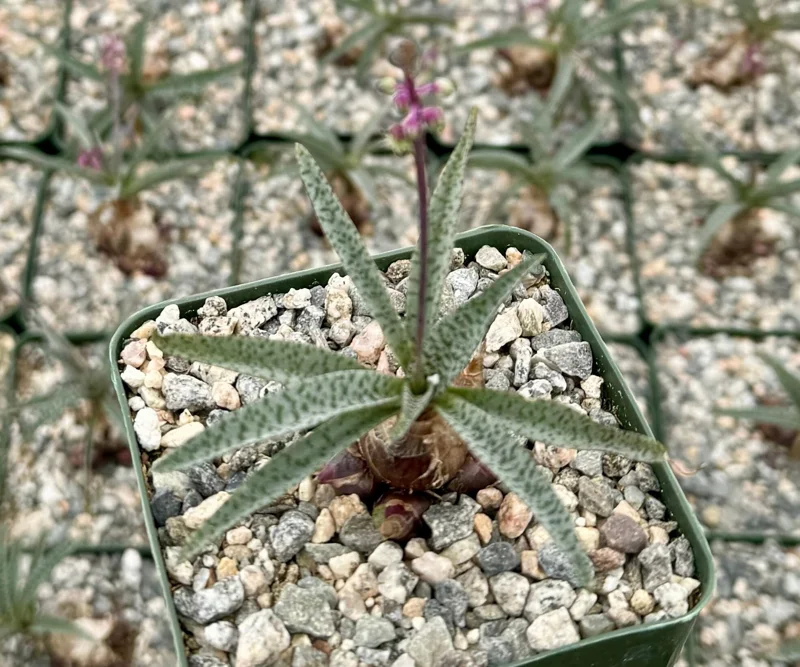
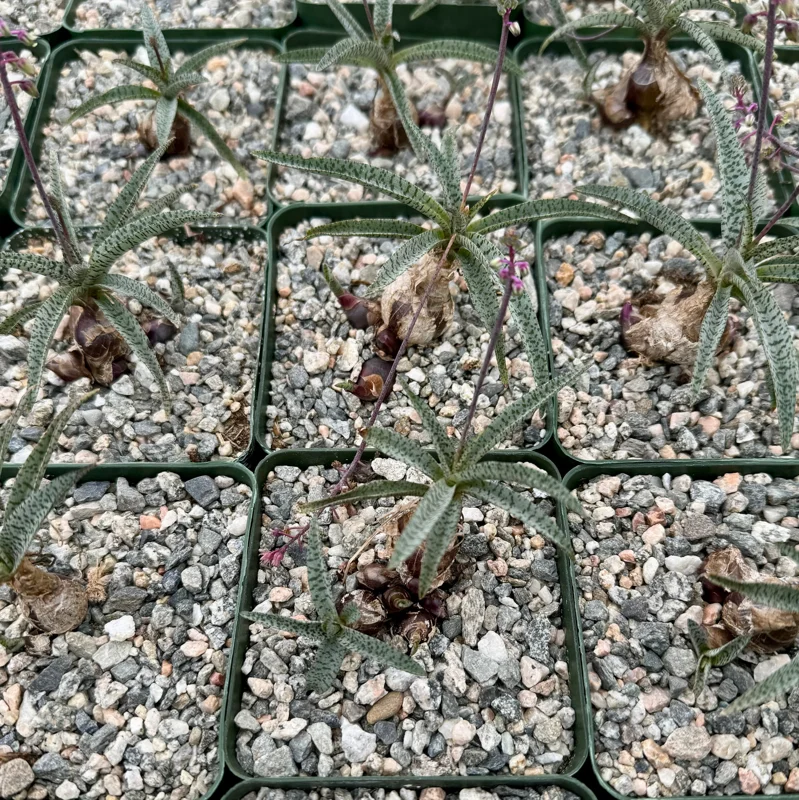
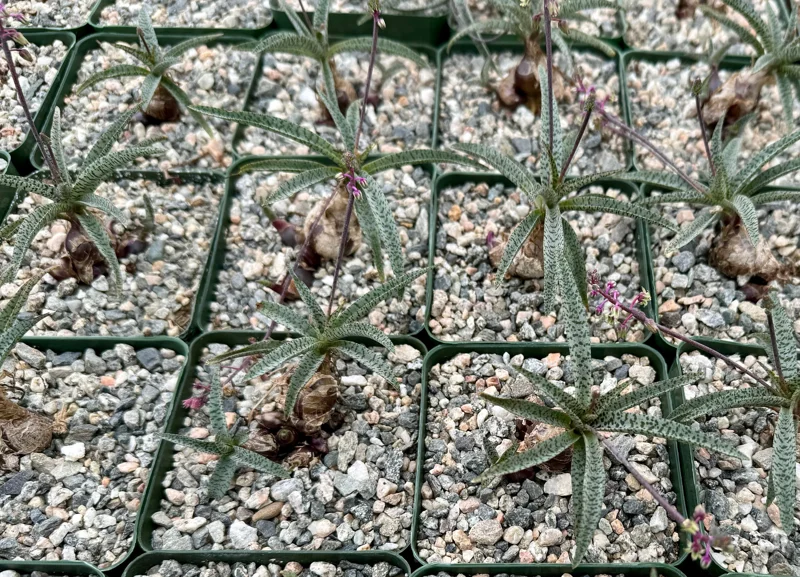
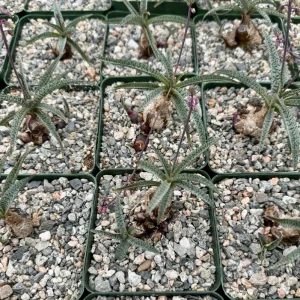
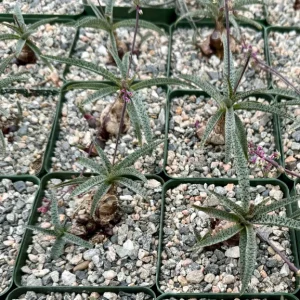
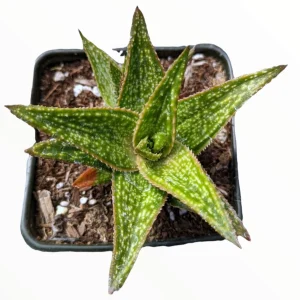
Bring home a beautiful silver squill live plant, also known as Ledebouria Socialis. This charming patterned foliage plant comes in a 3-inch pot, offering unique silvery-green leaves with dark spots. It’s an easy-to-care-for silver squill indoor choice, perfect for adding a touch of natural elegance to any space.
-
USDA Hardiness Zone
USDA zones 10-11 (outdoors) or year-round indoors -
Soil Type
Well-draining potting mix (cactus/succulent blend) -
Sunlight Exposure
Bright indirect light -
Expected Planting Period
Year-round indoors

You can track your order HERE
Sep 20
Sep 25 - Sep 27
Sep 30 - Oct 04
Shipping and return policies: Our Alive & Thrive Guarantee covers issues with your plants within the first 30 days. Reach out to us. Our team will answer your questions and help you find the plants that are truly suitable for your environment, climate, and personal preferences.

Overview
Introduce a touch of exotic beauty to your home with the captivating silver squill live plant. Known botanically as Ledebouria Socialis, this unique bulbous perennial is celebrated for its striking foliage and distinctive appearance. Originating from the Eastern Cape Province of South Africa, the Silver Squill is a member of the Hyacinthaceae family, making it a distant relative of hyacinths. While it produces small, delicate purple flowers on tall stalks, its primary appeal lies in its extraordinary leaves. The foliage typically displays a mesmerizing silvery-green hue adorned with intricate dark green spots and markings, creating a truly eye-catching display. This makes it a fantastic choice for collectors and those seeking a low-maintenance yet visually stunning houseplant. Whether you’re a seasoned plant enthusiast or just starting your green journey, the silver squill live plant offers an effortless way to enhance your indoor garden with its unique charm.
The Ledebouria Socialis is not just beautiful; it’s also remarkably resilient and adaptable. This makes it an ideal candidate for various indoor settings, from bright windowsills to office desks. Its compact growth habit ensures it fits well in smaller spaces, making it a versatile addition to any plant collection. Often referred to as a caudex plant for sale due to its bulbous base, it stores water efficiently, contributing to its drought tolerance. Embrace the allure of this South African native and enjoy the distinctive patterns and easy-care nature of the Silver Squill.
Key Benefits
The silver squill live plant offers a multitude of benefits that make it a highly desirable addition to any indoor plant collection. Its unique characteristics contribute to both aesthetic appeal and ease of care, ensuring a rewarding experience for plant lovers.
- Unique Patterned Foliage: The most striking feature of the Ledebouria Socialis is its distinctive silvery-green leaves with dark green spots. This beautiful, intricate patterning provides year-round visual interest, making it a conversation starter and a focal point in any room. It’s truly a standout among patterned foliage plant varieties.
- Low Maintenance: This plant is incredibly forgiving and requires minimal attention, making it perfect for busy individuals or beginner gardeners. Its succulent-like qualities mean it can tolerate periods of neglect, reducing the stress of constant watering and care. Enjoy the beauty without the fuss.
- Compact Size: Growing to a modest size, the Silver Squill is ideal for small spaces, windowsills, desks, or terrariums. Its compact nature allows it to fit comfortably in various settings without overcrowding other plants or decor.
- Drought Tolerant: Thanks to its bulbous base, which stores water, the silver squill indoor plant is highly drought-tolerant. This feature helps prevent overwatering, a common issue for many houseplants, and ensures the plant remains healthy even if you occasionally forget to water it.
- Attractive Caudex: Over time, the plant develops an exposed bulb (caudex) at its base, adding another layer of unique texture and interest. This characteristic is why it’s often sought after as a caudex plant for sale.
- Easy to Propagate: The Silver Squill readily produces offsets, making it easy to propagate and share with friends or expand your collection. This allows for continuous enjoyment and growth.
- Adaptable to Various Conditions: While it thrives in bright, indirect light, the Silver Squill can adapt to a range of indoor lighting conditions, demonstrating its versatility and resilience in different home environments.
Plant Care & Growing Tips
Caring for your silver squill live plant, or Ledebouria Socialis, is a straightforward and rewarding experience, suitable for gardeners of all levels. Understanding its basic needs will ensure your plant thrives and continues to display its beautiful patterned foliage. For optimal growth, provide bright, indirect light. A south or east-facing window is ideal, where it can receive plenty of light without direct, harsh sunlight which can scorch its leaves. If natural light is limited, the plant will also do well under grow lights. Rotate the pot occasionally to encourage even growth and prevent it from leaning towards the light source.
When it comes to watering, less is often more for your silver squill indoor plant. Allow the soil to dry out completely between waterings, then water thoroughly until water drains from the bottom of the pot. During its active growing season (spring and summer), you might water every 1-2 weeks, while in the dormant winter months, watering can be reduced significantly to once every 3-4 weeks or even less, depending on your home’s humidity. Overwatering is the most common cause of problems, leading to bulb rot, so always err on the side of underwatering. The ideal soil for Ledebouria Socialis care is a well-draining potting mix. A succulent or cactus mix, or a standard potting mix amended with perlite or coarse sand, works perfectly to ensure adequate drainage and prevent waterlogged roots. This helps maintain a healthy root system and supports the plant’s bulbous structure.
The Silver Squill prefers average room temperatures, typically between 65-80°F (18-27°C). It can tolerate slightly cooler temperatures but should be protected from frost. Humidity levels found in most homes are usually sufficient, as this plant is not particularly demanding when it comes to atmospheric moisture. Fertilize sparingly during the growing season (spring and summer) with a balanced liquid fertilizer diluted to half strength, once every 4-6 weeks. Avoid fertilizing in fall and winter when the plant’s growth slows. Repotting is generally only needed when the plant becomes root-bound or the bulb outgrows its current container, usually every 2-3 years. When repotting, select a pot only slightly larger than the current one to prevent excess moisture retention, which can be detrimental to the health of this caudex plant for sale. With these simple guidelines, your Silver Squill will flourish, providing continuous enjoyment of its unique beauty.
Size & Details
This silver squill live plant, Ledebouria Socialis, is carefully cultivated and delivered in a 3 inch pot, making it a perfect starter plant for any collection. At the time of shipping, the plant typically stands approximately 4-6 inches tall from the base of the pot, with a spread of 3-5 inches, depending on its growth stage. The plant exhibits a moderate growth rate, gradually expanding its cluster of bulbs and producing new offsets over time. Its distinctive silvery-green leaves, marked with dark spots, will be prominently displayed, showcasing the unique appeal of this patterned foliage plant. The bulbous base, or caudex, will be beginning to develop, adding to its unique character.
Your Silver Squill will arrive as a healthy, established live plant, securely packaged to ensure its safe journey. It is ready to be placed in your preferred spot immediately upon arrival. While the plant is compact initially, it has the potential to form a beautiful clump over several years, with individual bulbs reaching up to an inch in diameter and foliage growing up to 8-12 inches in height under ideal conditions. This makes it an excellent long-term addition to your indoor garden or a thoughtful gift for any plant enthusiast looking for an easy-care and visually interesting specimen.
Frequently Asked Questions
- Q: How big does this plant get? A: The silver squill live plant typically grows to about 6-12 inches tall with a similar spread. It will form a clumping habit as it produces offsets, filling out its pot over time.
- Q: What size pot does it come in? A: This Ledebouria Socialis is shipped in a 3 inch pot, which is a perfect size for its initial growth. You can keep it in this pot for a while or repot it into a slightly larger one after it acclimates.
- Q: Is this an indoor or outdoor plant? A: While it can tolerate outdoor conditions in very warm climates (USDA Zone 10+), the silver squill indoor is primarily cultivated as a houseplant in most regions due to its sensitivity to cold.
- Q: How much sunlight does it need? A: The Silver Squill thrives in bright, indirect light. Avoid direct, intense afternoon sun, which can scorch its unique patterned foliage plant leaves.
- Q: Is this plant easy to care for? A: Yes, the Ledebouria Socialis care is considered very easy. It’s drought-tolerant and requires minimal attention, making it an excellent choice for beginners or busy individuals.
- Q: What condition will it arrive in? A: Your caudex plant for sale will arrive as a healthy, established live plant, carefully packaged to ensure its safety during transit. It will be rooted in its 3-inch nursery pot.
- Q: When is the best time to repot a Silver Squill? A: The best time to repot is during the spring or summer growing season, when the plant is actively growing. Repot only when it becomes root-bound or the bulb significantly outgrows its container.
- Q: Does the Silver Squill flower? A: Yes, it produces small, delicate purple flowers on tall stalks, usually in spring or summer. However, it is primarily grown for its attractive foliage.
- Q: Is it safe for pets? A: While generally considered low toxicity, it’s always best to keep plants out of reach of pets to prevent any potential irritation from ingestion.
- Q: How often should I water my Silver Squill? A: Water thoroughly when the soil has completely dried out. This could be every 1-2 weeks during summer and much less frequently in winter.
Be the first to review “Silver Squill Live Plant – Ledebouria Socialis – 3 inch Pot – Potted Houseplant”
People Also Viewed
Sold 97 products
Original price was: $36.64.$18.32Current price is: $18.32.
Sold 94 products
Original price was: $39.36.$19.68Current price is: $19.68.
HousePlants
Sold 100 products
Original price was: $49.98.$24.99Current price is: $24.99.
Sold 96 products
Original price was: $39.99.$29.99Current price is: $29.99.

Sold 88 products
From $38.92
Sold 63 products
$27.98
Sold 79 products
Original price was: $49.98.$24.99Current price is: $24.99.
Sold 57 products
Original price was: $153.98.$59.19Current price is: $59.19.
Sold 92 products
Original price was: $112.00.$89.60Current price is: $89.60.
Sold 78 products
Original price was: $107.80.$83.01Current price is: $83.01.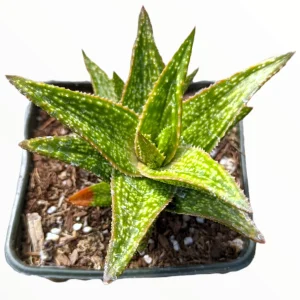
Sold 85 products
Original price was: $73.28.$36.64Current price is: $36.64.
HousePlants
Sold 59 products
Original price was: $30.78.$21.54Current price is: $21.54.
Sold 88 products
Original price was: $83.44.$72.56Current price is: $72.56.
Sold 71 products
Original price was: $43.98.$28.99Current price is: $28.99.
Sold 64 products
From $19.00
Sold 72 products
Original price was: $41.96.$20.98Current price is: $20.98.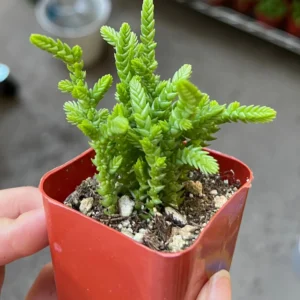
Succulents
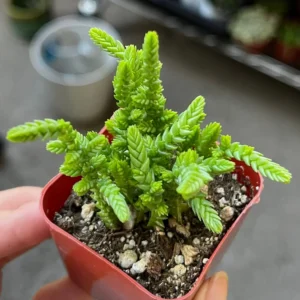
Giant Watch Chain Succulent Live Plant – Crassula muscosa Princess Pine – 2 inch Potted Houseplant
Sold 96 products
Original price was: $16.76.$8.38Current price is: $8.38.




Reviews
There are no reviews yet.