
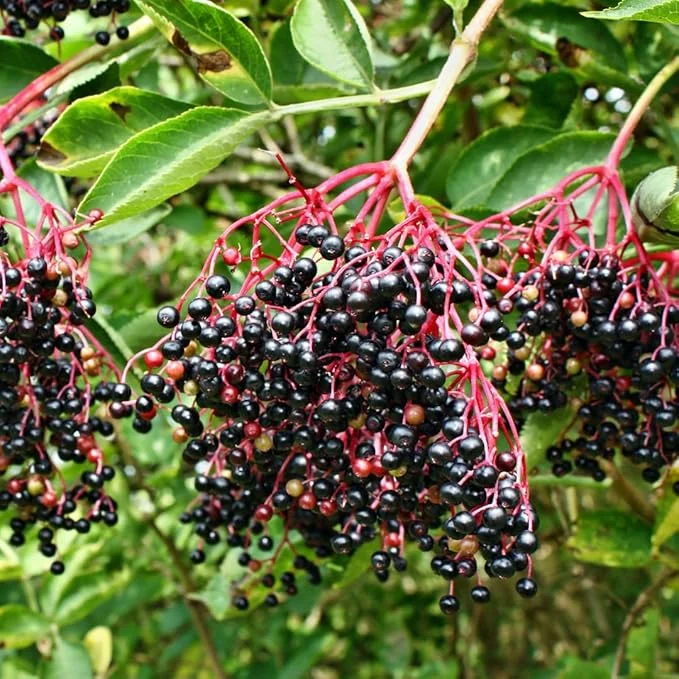
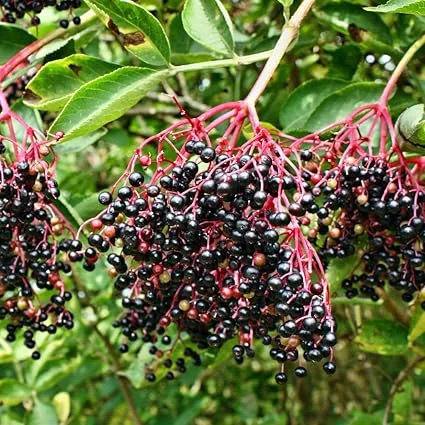
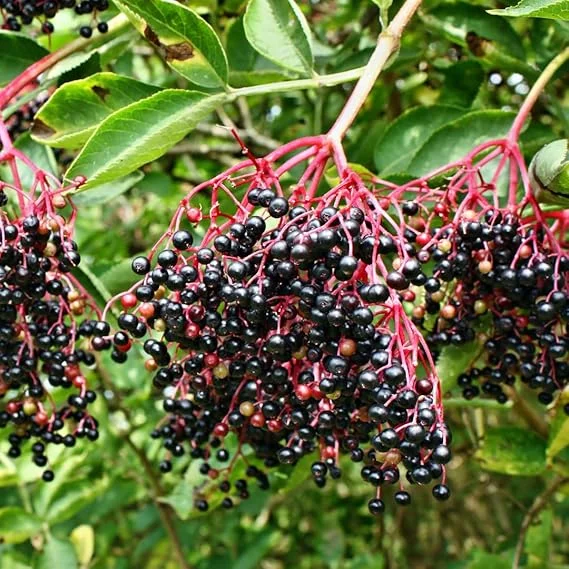
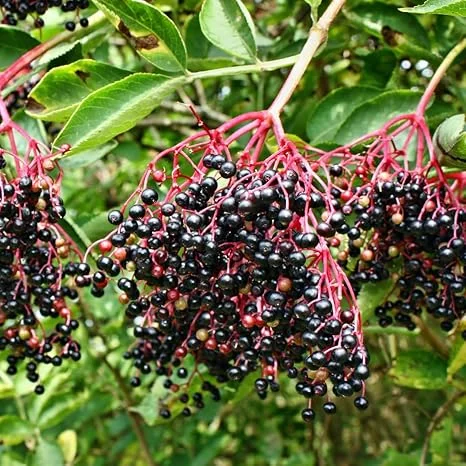
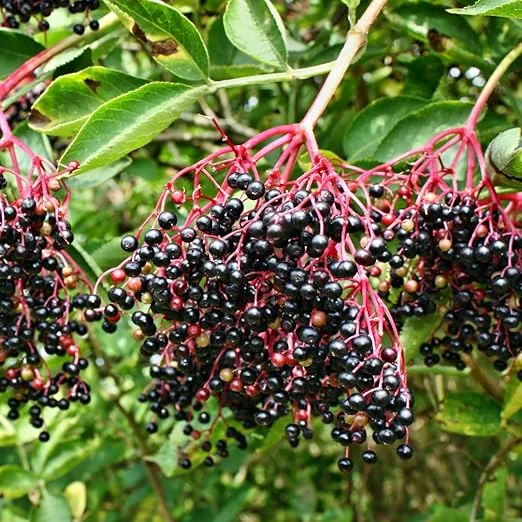
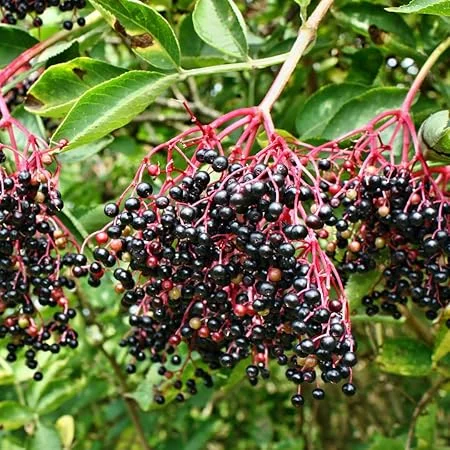
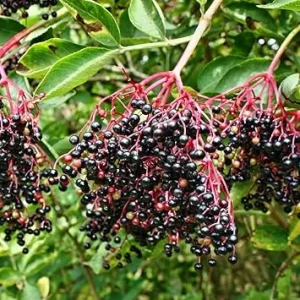
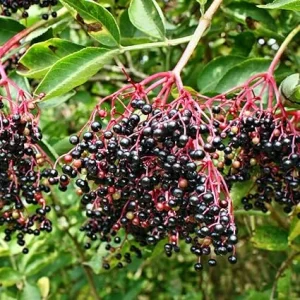
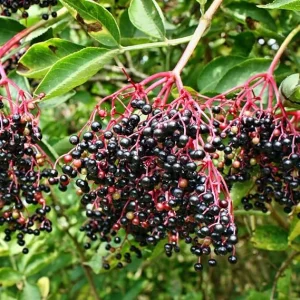
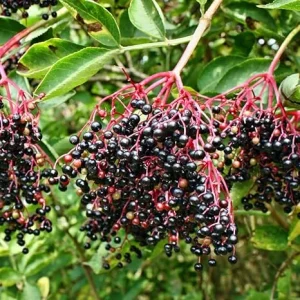
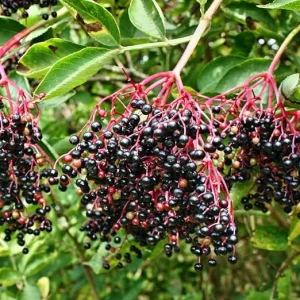
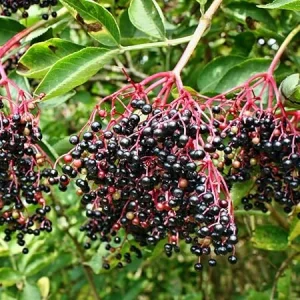
Set of 2 Black Elderberry Live Plants, 5-9 Inch Tall Perennial Fruit Bush, Dormant
$59.38
Cultivate your own fruit with this black elderberry live plant set. You receive two 5-9 inch tall perennial bushes, dormant and ready for planting. Ideal for USDA Zones 5-9, these plants are perfect for garden beds, borders, or even containers.
-
USDA Hardiness Zone
USDA Zones 5–9 -
Soil Type
Well drained soil -
Sunlight Exposure
Full Sun -
Expected Planting Period
Early spring to fall

You can track your order HERE
Apr 01
Apr 06 - Apr 08
Apr 11 - Apr 15
Shipping and return policies: Our Alive & Thrive Guarantee covers issues with your plants within the first 30 days. Reach out to us. Our team will answer your questions and help you find the plants that are truly suitable for your environment, climate, and personal preferences.

Overview
Bring the joy of home-grown fruit to your garden with this exceptional black elderberry live plant set. You will receive two young elderberry bushes, measuring approximately 5 to 9 inches tall, ready to establish themselves in your landscape. These perennial fruit plants are shipped dormant, which is the ideal state for transplanting, ensuring a smooth transition to their new home. Elderberries (Sambucus nigra) are not only valued for their delicious, antioxidant-rich berries but also for their ornamental appeal, boasting attractive foliage and fragrant white flowers in spring. This easy-to-grow shrub is a fantastic addition for both novice and experienced gardeners looking to add a productive and beautiful element to their outdoor space. Enjoy the benefits of fresh elderberries for years to come, knowing your plants will return stronger each season.
The black elderberry live plant is a versatile and resilient choice for a variety of garden styles. Whether you’re planning a food forest, a naturalized area, or simply wish to enjoy fresh berries, these plants offer a rewarding gardening experience. Their hardiness and adaptability make them a popular choice across many regions, providing both aesthetic beauty and a bountiful harvest. Prepare to enjoy the vibrant growth and delicious fruit that these elderberry bushes will bring to your home.
Key Benefits
Investing in a black elderberry live plant offers numerous advantages for your garden and lifestyle. These robust shrubs are known for their ease of care and generous yields, making them a gardener’s delight. Here are some of the key benefits you can expect:
- Abundant Fruit Production: Enjoy a consistent supply of dark, nutrient-rich elderberries, perfect for making jams, jellies, pies, wines, and health-boosting syrups. Each bush is capable of producing a significant harvest once mature.
- Cold Hardy and Perennial: These plants are designed to withstand cold temperatures, thriving in USDA Zones 5-9. As perennials, they will return year after year, establishing a stronger root system and producing more fruit over time.
- Low Maintenance: Elderberries are remarkably easy to care for, requiring minimal attention once established. They tolerate a range of soil conditions and are generally pest and disease resistant, making them perfect for busy gardeners.
- Versatile Landscaping: Beyond their fruit, these bushes offer attractive foliage and beautiful white flowers, making them suitable for borders, privacy screens, or as a decorative backdrop in your garden. They can also be grown in large containers.
- Wildlife Attraction: The flowers and berries attract pollinators like bees and beneficial wildlife, contributing to a healthy and vibrant ecosystem in your yard.
- Fast Growing: Experience quick growth with these elderberry plants. They establish rapidly and begin producing fruit relatively quickly compared to many other fruit-bearing shrubs.
- Health Benefits: Elderberries are renowned for their high antioxidant content and immune-boosting properties, providing a natural and delicious way to support your well-being.
Plant Care & Growing Tips
Caring for your black elderberry live plant is straightforward, ensuring a healthy and productive bush. Elderberries are remarkably adaptable and can thrive in various conditions, but providing optimal care will maximize fruit production and plant vigor. These plants prefer a location with full sun exposure, meaning at least 6 hours of direct sunlight per day. While they can tolerate partial shade, fruit production will be significantly reduced. Ensure the chosen spot has well-drained soil; elderberries do not like wet feet. They can grow in a range of soil types, from sandy to clay, as long as drainage is adequate. Amending heavy clay soils with organic matter can improve both drainage and fertility.
When planting, dig a hole twice as wide as the root ball and just as deep. Place the dormant plant in the hole, ensuring the crown is level with the soil surface. Backfill with soil, gently tamping down to remove air pockets, and water thoroughly. For the first growing season, consistent watering is crucial, especially during dry spells, to help the plant establish a strong root system. Once established, elderberry plant care becomes even easier, as they are moderately drought-tolerant. Fertilize in early spring with a balanced slow-release fertilizer or compost to support vigorous growth and fruit development. Pruning is best done in late winter or early spring while the plant is still dormant. Remove any dead, damaged, or weak canes, and thin out older canes to encourage new growth, as elderberries produce fruit on one-year-old wood.
These plants are generally hardy and resistant to most pests and diseases. However, keep an eye out for common garden issues like aphids or powdery mildew, and address them promptly with organic solutions if they appear. The USDA Hardiness Zones 5-9 indicate that these plants can withstand winter temperatures down to -20°F (-28.9°C), making them suitable for a wide range of climates. With proper care, your perennial fruit bush will provide a beautiful landscape feature and a bounty of delicious berries for many years.
Size & Details
This offering includes a set of two black elderberry live plant specimens, each measuring approximately 5 to 9 inches in height. These plants are shipped dormant, without a pot, which is a standard and effective method for shipping bare-root perennials. Dormancy allows the plant to conserve energy during transit and reduces transplant shock, preparing it for robust growth once planted in your garden. Upon arrival, the plants may appear to be just sticks, but they are very much alive and will begin to leaf out as temperatures rise and they establish in their new environment. The ultimate size of an elderberry bush can vary depending on growing conditions and pruning habits, typically reaching 6-10 feet tall and wide, forming a substantial perennial fruit bush. Expect your plants to begin producing fruit within 1-2 years after planting, with yields increasing significantly as they mature.
These vigorous plants are known for their relatively fast growth rate, quickly filling out their designated space. They are delivered ready to be planted directly into the ground or into a large container if you prefer. Their adaptability makes them an excellent choice for various garden designs, from edible landscapes to naturalized areas. The root systems are carefully preserved for shipping, ensuring that your plants arrive in prime condition for successful establishment. Enjoy the journey of watching these small starters transform into productive, beautiful bushes.
Frequently Asked Questions
- Q: How big does this plant get? A: A mature black elderberry live plant typically grows to be 6-10 feet tall and wide, forming a substantial bush. Its ultimate size can depend on your local growing conditions and how often you prune it.
- Q: Is this an indoor or outdoor plant? A: This elderberry is an outdoor plant, designed to thrive in garden settings. It requires full sun exposure and is hardy in USDA Zones 5-9, meaning it can withstand cold winters outdoors.
- Q: How much sunlight does it need? A: For optimal growth and fruit production, elderberry plants require full sun, meaning at least 6 hours of direct sunlight per day. They can tolerate some partial shade, but fruit yields may be reduced.
- Q: Is this plant easy to care for? A: Yes, elderberry plants are known for being very easy to care for. Once established, they are low-maintenance, drought-tolerant, and generally resistant to pests and diseases, making them excellent for beginners and experienced gardeners alike.
- Q: What condition will it arrive in? A: Your elderberry plants will arrive dormant, typically as bare-root plants without a pot. This is a healthy and effective way to ship perennials, ensuring they are ready to establish themselves once planted.
- Q: Can I use the elderberries for consumption? A: Yes, the berries from a growing elderberries plant are edible and commonly used for jams, jellies, pies, wines, and medicinal syrups. However, ensure they are cooked before consumption, as raw elderberries can cause digestive upset.
- Q: When is the best time to plant these elderberry bushes? A: The best time to plant dormant elderberry bushes is in early spring, after the last frost, or in the fall before the ground freezes. This allows the roots to establish before extreme temperatures.
- Q: Will it survive winter in my zone? A: These elderberry plants are cold hardy and suitable for USDA Zones 5-9, meaning they are well-equipped to survive winter in these regions. They will go dormant in winter and return in spring.
- Q: What kind of soil does this perennial fruit bush prefer? A: Elderberries prefer well-drained soil. They are adaptable to various soil types but perform best in slightly acidic to neutral soil that is rich in organic matter. Avoid constantly waterlogged conditions.
- Q: How long until it starts producing fruit? A: You can typically expect your elderberry plants to start producing fruit within 1-2 years after planting. Production will increase significantly as the plants mature over subsequent years.
Be the first to review “Set of 2 Black Elderberry Live Plants, 5-9 Inch Tall Perennial Fruit Bush, Dormant”
People Also Viewed
Sold 97 products
From $51.80
Sold 66 products
Original price was: $130.00.$104.00Current price is: $104.00.
Sold 71 products
Original price was: $55.80.$27.90Current price is: $27.90.
Sold 61 products
Original price was: $136.00.$108.80Current price is: $108.80.
Sold 61 products
Original price was: $60.00.$48.00Current price is: $48.00.
Sold 73 products
Original price was: $60.00.$48.00Current price is: $48.00.
Sold 97 products
Original price was: $34.00.$27.20Current price is: $27.20.
Sold 98 products
Original price was: $319.96.$159.98Current price is: $159.98.
Sold 98 products
Original price was: $136.00.$108.80Current price is: $108.80.
Sold 84 products
Original price was: $165.16.$82.58Current price is: $82.58.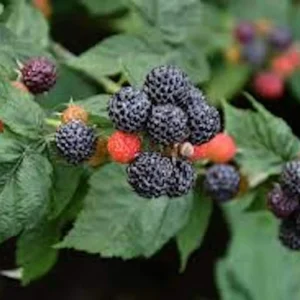
Fruits
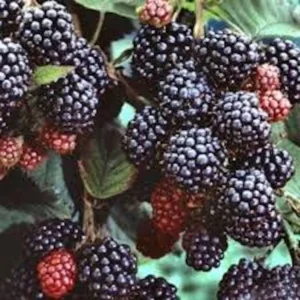
10 Black Hawk Black Raspberry Live Plants – Rubus occidentalis – 1-2 Yr Old Hardy Fruit Shrub
Sold 91 products
Original price was: $130.00.$104.00Current price is: $104.00.

Sold 54 products
Original price was: $80.00.$64.00Current price is: $64.00.
Sold 65 products
Original price was: $80.00.$64.00Current price is: $64.00.
Sold 87 products
Original price was: $136.00.$108.80Current price is: $108.80.
Sold 75 products
Original price was: $39.18.$19.59Current price is: $19.59.
Sold 73 products
Original price was: $147.16.$73.58Current price is: $73.58.
Sold 65 products
Original price was: $64.98.$32.49Current price is: $32.49.
Sold 73 products
Original price was: $60.00.$48.00Current price is: $48.00.


Reviews
There are no reviews yet.