
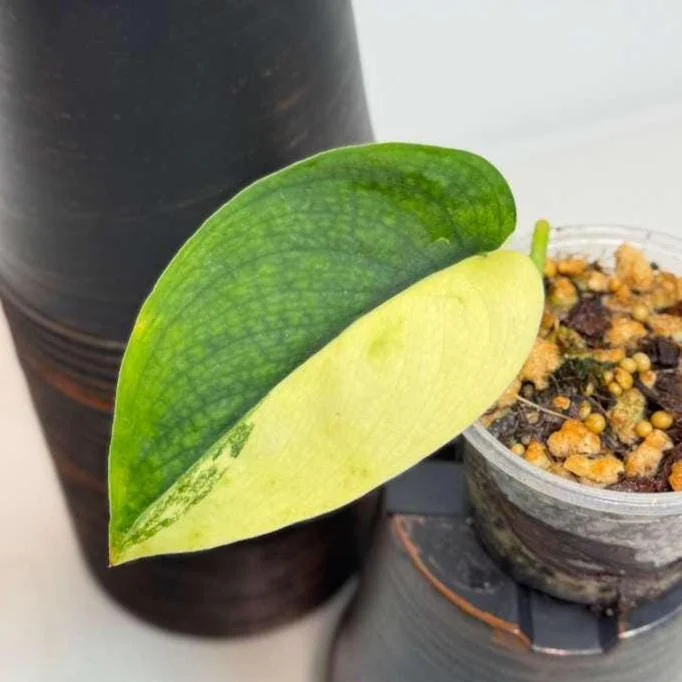
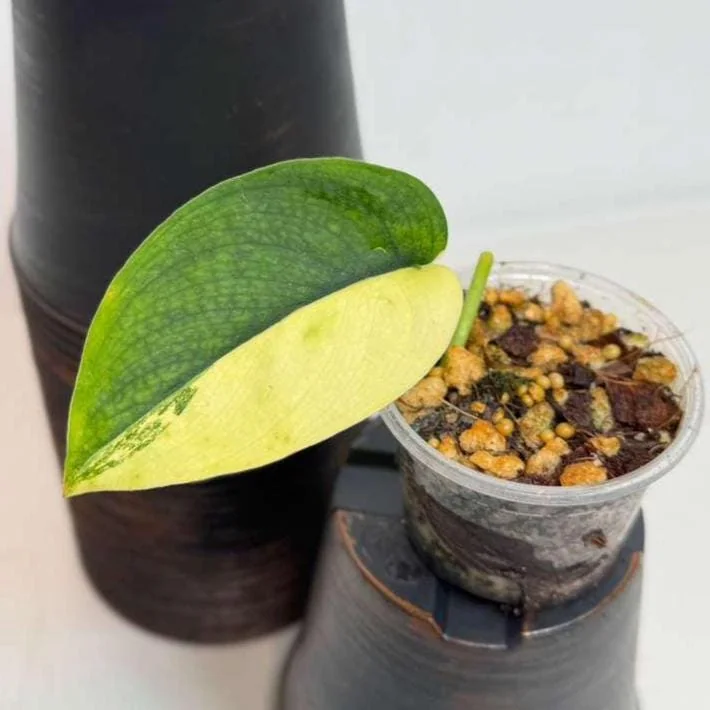
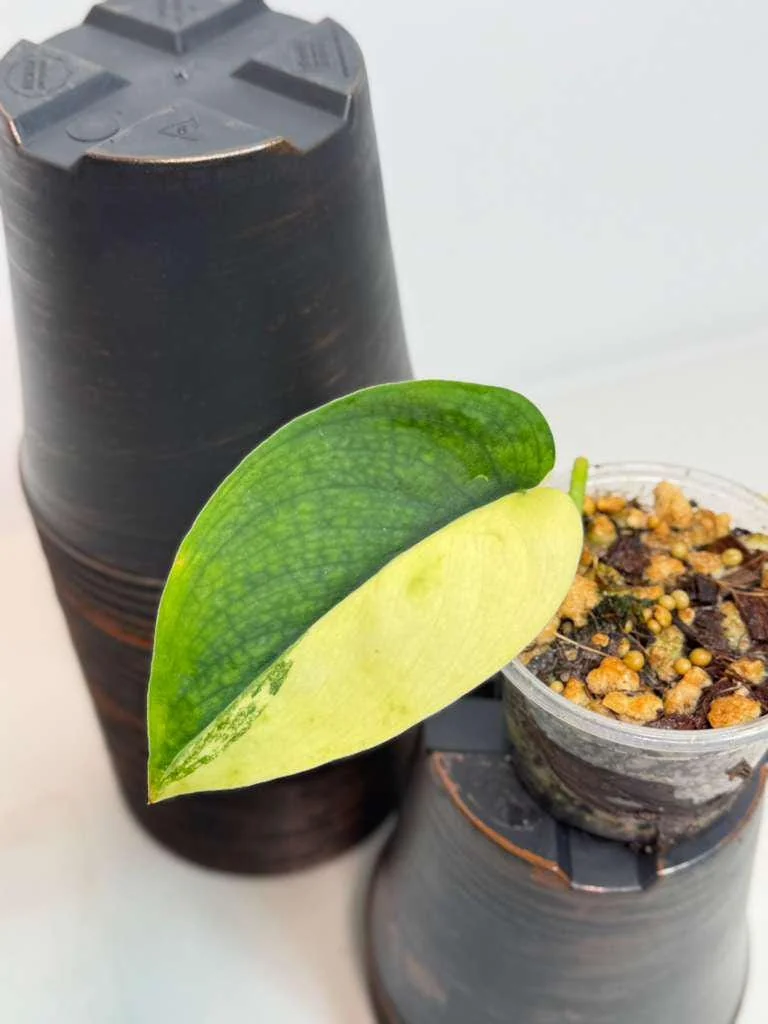
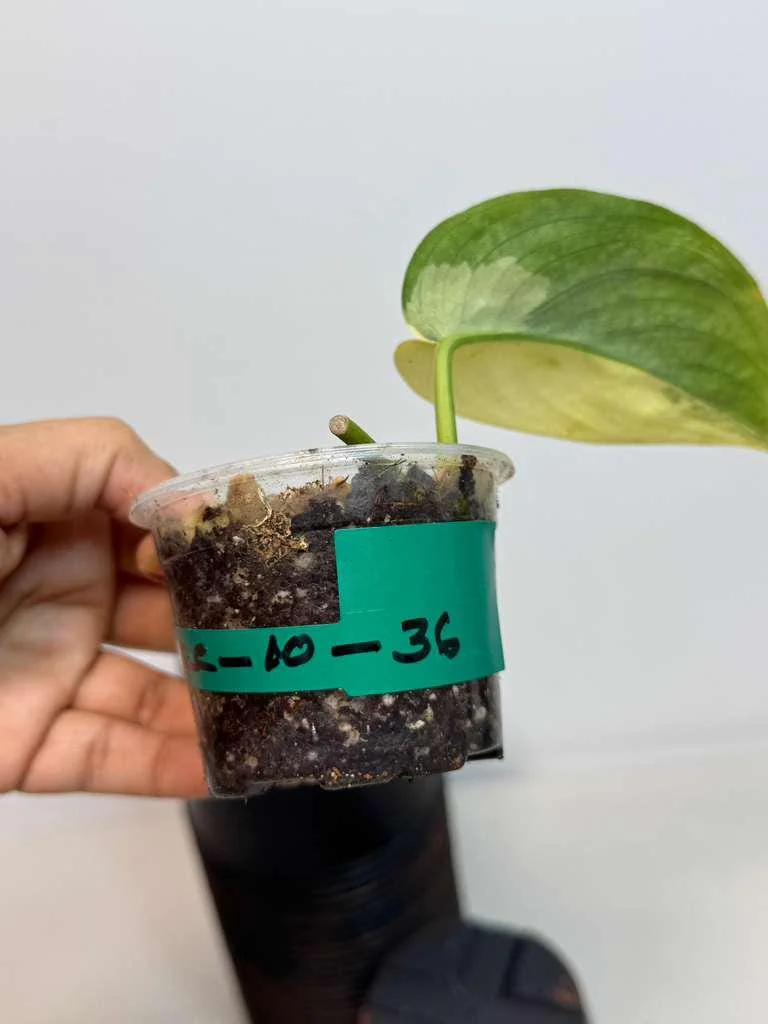
Scindapsus Jade Satin Variegated Live Plant – Potted Houseplant Tropical
Original price was: $112.00.$56.00Current price is: $56.00.
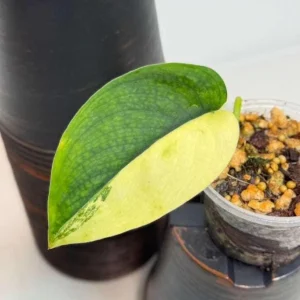
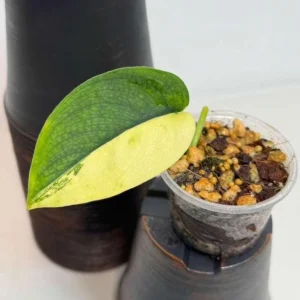
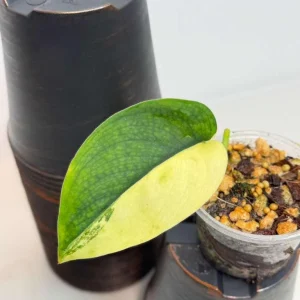
Bring home the exquisite Scindapsus Jade Satin variegated plant, a stunning rare tropical houseplant known for its unique creamy-white and dark green foliage. This beautiful indoor vining plant adds a touch of elegance and natural beauty to any living space, making it a perfect choice for plant enthusiasts seeking something special.
-
USDA Hardiness Zone
USDA zones 10-12 (indoors in colder zones) -
Soil Type
Well-draining, peat-based potting mix -
Sunlight Exposure
Bright, indirect light -
Expected Planting Period
Year-round indoors

You can track your order HERE
Mar 06
Mar 11 - Mar 13
Mar 16 - Mar 20
Shipping and return policies: Our Alive & Thrive Guarantee covers issues with your plants within the first 30 days. Reach out to us. Our team will answer your questions and help you find the plants that are truly suitable for your environment, climate, and personal preferences.

Overview
Introduce a touch of tropical elegance to your home with the magnificent Scindapsus Jade Satin variegated plant. This highly sought-after live plant, often referred to simply as Variegated Scindapsus, is celebrated for its distinctive foliage and graceful vining habit. Each heart-shaped leaf showcases a captivating pattern of creamy-white to light yellow variegation against a rich, dark green background. As a rare tropical houseplant, it brings an exotic and sophisticated charm to any indoor environment. Ideal for hanging baskets or trailing from shelves, the Scindapsus Jade Satin creates a lush, cascading display as it matures. Its unique coloration and relatively easy care make it a favorite among both novice and experienced plant collectors looking to enhance their indoor plant collection with something truly special and visually striking.
The Scindapsus genus, part of the Araceae family, originates from the tropical and subtropical regions of Southeast Asia. This particular variegated variety stands out with its intricate leaf patterns, offering a living piece of art. It thrives indoors, adapting well to typical household conditions, and is known for its resilience. Whether you’re starting your plant journey or expanding an existing collection, the Scindapsus Jade Satin variegated plant is a rewarding addition that promises year-round beauty and a vibrant green presence.
Key Benefits
The Scindapsus Jade Satin variegated plant offers numerous advantages, making it a valuable addition to any indoor space. Its striking appearance and adaptable nature contribute to a healthier and more beautiful home environment.
- Striking Variegated Foliage: The primary appeal of this plant lies in its unique creamy-white to light yellow variegation on deep green, heart-shaped leaves. This intricate pattern ensures that each leaf is a miniature work of art, providing a constant source of visual interest and enhancing the aesthetic appeal of any room.
- Natural Air Purifier: Like many houseplants, the Scindapsus Jade Satin variegated plant contributes to improved indoor air quality by filtering out common airborne toxins. It helps create a fresher and healthier living environment, making it beneficial for your well-being.
- Versatile Decor Element: With its vining growth habit, this plant is incredibly versatile in terms of placement. It can be grown in hanging baskets, allowed to trail elegantly from shelves, or even trained to climb a moss pole, offering various decorative possibilities to suit your interior design.
- Relatively Easy to Care For: Despite its exotic appearance, the Scindapsus Jade Satin variegated plant is surprisingly low-maintenance. It tolerates a range of indoor conditions and is forgiving of occasional neglect, making it an excellent choice for busy individuals or those new to plant care.
- Adds Tropical Ambiance: The lush foliage and unique variegation instantly transport a sense of the tropics into your home. It helps create a serene and relaxing atmosphere, reminiscent of a lush jungle, perfect for unwinding after a long day.
- Unique Collector’s Item: As a rare tropical houseplant, the Scindapsus Jade Satin is often sought after by plant collectors. Owning one adds a unique and special touch to your collection, distinguishing it from more common houseplants.
- Promotes Well-being: Studies show that having plants indoors can reduce stress, boost mood, and increase productivity. Caring for a beautiful plant like this can provide a sense of accomplishment and connection to nature, enhancing overall mental well-being.
Plant Care & Growing Tips
Caring for your Scindapsus Jade Satin variegated plant is straightforward, ensuring it remains vibrant and healthy for years to come. Understanding its basic needs will help you maintain its beautiful variegated foliage and encourage robust growth. This indoor vining plant thrives with consistent, but not overly demanding, attention.
Light: The Variegated Scindapsus prefers bright, indirect light. Placing it near an east or north-facing window is ideal, where it can receive ample light without direct sun exposure. While it can tolerate lower light conditions, its stunning variegation will be more vibrant and pronounced with adequate brightness. Direct sunlight, especially during the harsh afternoon hours, can scorch its delicate leaves, causing brown spots and fading of the variegation. If your plant isn’t showing its best colors, consider moving it to a brighter spot. For optimal growth and to maintain its unique patterns, consistent indirect light is key.
Watering: Proper watering is crucial to prevent common issues like root rot. Allow the top inch or two of the soil to dry out completely between waterings. You can check this by gently inserting your finger into the soil. When it’s dry to the touch, water thoroughly until you see water draining from the bottom of the pot. Always ensure your pot has adequate drainage holes. During the active growing season (spring and summer), you may need to water more frequently. In the dormant period (fall and winter), reduce watering as the plant’s metabolic rate slows down. Overwatering is a common mistake, so err on the side of underwatering rather than overwatering.
Soil: Use a well-draining, peat-based potting mix for your Scindapsus Jade Satin variegated plant. A good quality indoor potting mix designed for aroids or tropical plants is suitable. To further improve drainage and aeration, consider adding amendments like perlite, orchid bark, or coco coir. This ensures that roots do not sit in soggy soil, which can lead to root rot. Repotting should be done when the plant becomes root-bound, typically every 1-2 years, moving it to a pot that is only slightly larger than the previous one.
Temperature and Humidity: As a rare tropical houseplant, it thrives in warm temperatures, ideally between 65°F (18°C) and 80°F (27°C). Avoid exposing it to temperatures below 55°F (13°C), as cold drafts can damage the foliage. High humidity is also beneficial, mimicking its natural jungle habitat. You can increase humidity by misting the leaves regularly, placing the pot on a pebble tray filled with water, or using a room humidifier. Grouping plants together can also create a microclimate with higher humidity.
Fertilization: During the growing season (spring and summer), feed your Scindapsus Jade Satin with a balanced liquid fertilizer diluted to half strength every 2-4 weeks. Reduce or cease fertilization during the fall and winter months when the plant’s growth slows down. Over-fertilization can lead to nutrient burn, so always follow the product instructions carefully.
Pruning: Pruning is beneficial for maintaining shape, encouraging bushier growth, and propagating new plants. You can trim back leggy stems to promote branching. Always use clean, sharp scissors or pruners to make cuts just below a node (where a leaf attaches to the stem). This practice also helps maintain the desired length of your indoor vining plant.
Pests and Diseases: The Scindapsus Jade Satin variegated plant is generally resistant to pests, but occasionally, it may encounter common houseplant pests like spider mites, mealybugs, or scale insects. Regularly inspect your plant’s leaves, especially the undersides, for any signs of infestation. If pests are detected, treat them promptly with an insecticidal soap or neem oil solution. Good air circulation and proper watering can also help prevent fungal issues.
Size & Details
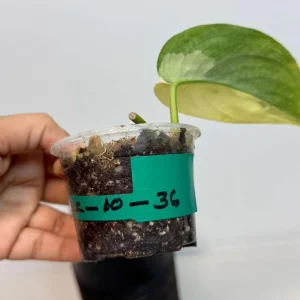
This Scindapsus Jade Satin variegated plant is a live, actively growing specimen, ready to thrive in your home. It typically ships as a well-rooted plant in a nursery pot, ensuring it is established and healthy upon arrival. The exact size of the plant can vary, but it generally comes in a 4-inch nursery pot, with vines that may be compact or already starting to trail gracefully. As an indoor vining plant, its growth rate is moderate, and with proper care, it can achieve impressive trailing lengths, often reaching several feet over time.
The individual leaves typically measure between 4-6 inches in length, displaying their characteristic creamy-white and dark green variegation. This plant is primarily grown for its stunning foliage and is not known for showy flowers when grown indoors. It’s a long-lived houseplant that, with consistent care, will continue to grow and become a more prominent feature in your living space. The plant’s mature size and overall fullness will depend on environmental conditions and pruning practices, offering flexibility in how you choose to cultivate this beautiful specimen.
Frequently Asked Questions
- Q: How big does this plant get? A: The Scindapsus Jade Satin variegated plant is a vining species that can trail several feet long. Its length depends on growing conditions and whether it’s pruned. It can be kept compact with regular trimming or allowed to grow into a long, cascading display.
- Q: Is this an indoor or outdoor plant? A: This is primarily an indoor vining plant. As a rare tropical houseplant, it thrives in controlled indoor environments and is not suited for outdoor conditions in most climates, especially where temperatures drop below 55°F (13°C).
- Q: How much sunlight does it need? A: The Scindapsus Jade Satin variegated plant prefers bright, indirect light. Avoid direct harsh sunlight, which can scorch its leaves and diminish the vibrancy of its variegation. Too little light may cause the variegation to fade.
- Q: Is this plant easy to care for? A: Yes, despite being a rare tropical houseplant, the Variegated Scindapsus is considered relatively easy to care for. It’s forgiving of minor care inconsistencies, making it suitable for beginners and experienced plant enthusiasts alike.
- Q: What condition will it arrive in? A: Your Scindapsus Jade Satin variegated plant will arrive as a live, potted plant in a nursery pot, carefully packaged to ensure its health and safety during transit. It will be well-rooted and ready to be placed in your home.
- Q: Is this plant pet-safe? A: No, like many plants in the Araceae family, the Scindapsus Jade Satin contains calcium oxalate crystals, which can be irritating if ingested by pets. It’s best to keep this plant out of reach of curious pets.
- Q: What’s the best soil for this plant? A: A well-draining, peat-based potting mix with added perlite or orchid bark is ideal. This type of soil ensures good aeration and prevents waterlogging, which is crucial for the health of your Scindapsus Jade Satin variegated plant.
- Q: How often should I water my Variegated Scindapsus? A: Water when the top 1-2 inches of soil feel dry to the touch. The frequency will vary depending on your home’s humidity, temperature, and light conditions. Always ensure excess water drains away to prevent root rot.
- Q: When is the best time to repot this plant? A: Repotting is generally recommended every 1-2 years, or when you notice the plant becoming root-bound. The best time to repot is during the spring or early summer, when the plant is actively growing.
- Q: Will the variegation change over time? A: The variegation on your Scindapsus Jade Satin variegated plant is generally stable, but its vibrancy can be influenced by light levels. Brighter, indirect light will encourage more pronounced and vibrant variegation, while lower light might cause it to become less distinct.
Be the first to review “Scindapsus Jade Satin Variegated Live Plant – Potted Houseplant Tropical”
People Also Viewed
Sold 55 products
From $120.99
Sold 64 products
$43.98
Sold 63 products
Original price was: $40.00.$20.00Current price is: $20.00.
Flower Plants
Madagascar Hibiscus Moscheutos Starter Live Plant – Mallow Rose of Sharon Indoor/Outdoor
Sold 81 products
Original price was: $50.76.$25.38Current price is: $25.38.
HousePlants
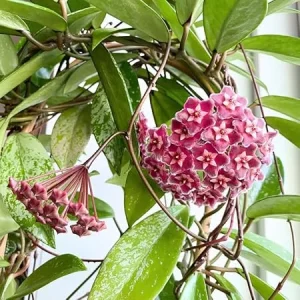
Hoya Plant Live Houseplant – Pink Flower Silver Leaf – 5 Inch Bareroot for Indoor/Outdoor
Sold 88 products
Original price was: $52.18.$26.09Current price is: $26.09.
Sold 60 products
Original price was: $59.98.$29.99Current price is: $29.99.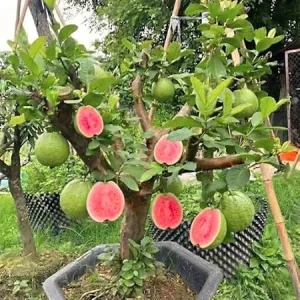
Fruits
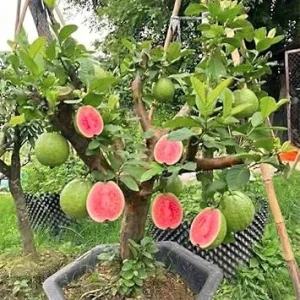
Grafted Ruby Guava Tree Live Plant – 3-4 Feet Tall – Ready to Bear Fruit – Zones 9-11 – Outdoor
Sold 73 products
Original price was: $139.98.$69.99Current price is: $69.99.
Sold 52 products
From $55.40
Seeds
Saffron Milk Cap Mycelium Spawn (Lactarius deliciosus) on Dry Seeds – Outdoor Mushroom Cultivation
Sold 66 products
Original price was: $36.00.$18.00Current price is: $18.00.
Sold 56 products
Original price was: $147.16.$73.58Current price is: $73.58.
Sold 89 products
Original price was: $355.96.$177.98Current price is: $177.98.
Sold 89 products
Original price was: $65.98.$32.99Current price is: $32.99.
Sold 64 products
Original price was: $30.76.$15.38Current price is: $15.38.
Sold 91 products
Original price was: $147.16.$73.58Current price is: $73.58.
Sold 96 products
Original price was: $27.98.$19.58Current price is: $19.58.

Sold 64 products
From $71.80
Sold 88 products
Original price was: $52.99.$32.99Current price is: $32.99.
Sold 79 products
Original price was: $147.16.$73.58Current price is: $73.58.



Reviews
There are no reviews yet.