
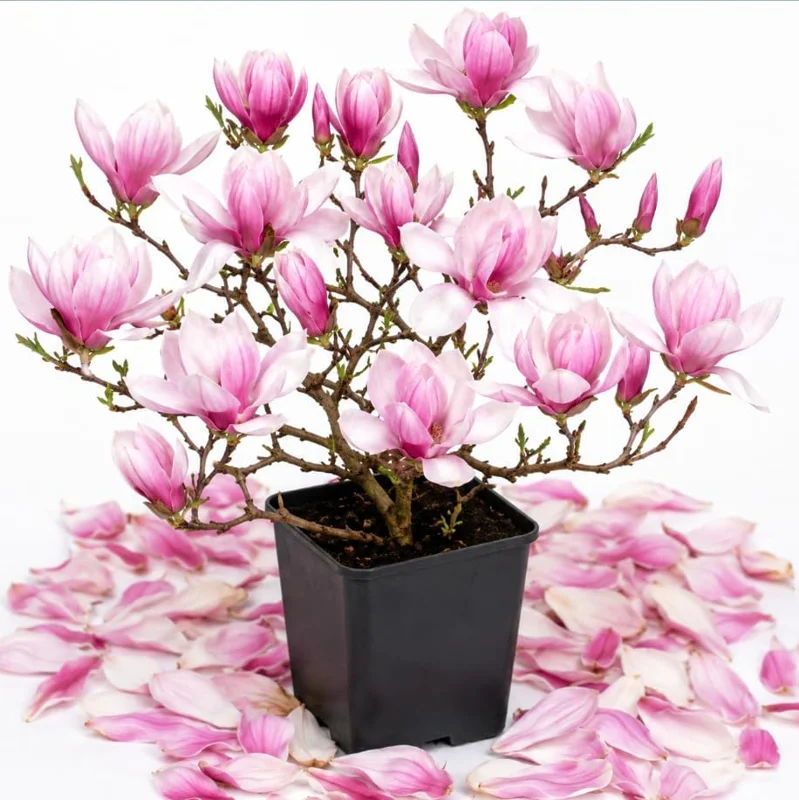
Saucer Magnolia Tree Live Plant – Pink & White Blooms, 6-12″ Tall, 2.5″ Pot, Outdoor Shrub
Original price was: $31.98.$15.99Current price is: $15.99.
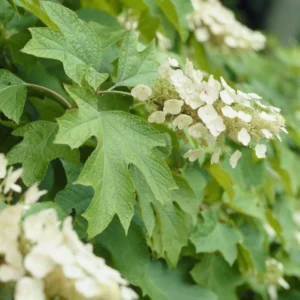
Introduce elegance to your outdoor space with a saucer magnolia tree, known for its magnificent pink and white blooms. This live plant, arriving 6-12 inches tall in a 2.5-inch pot, is ready to be transplanted and become a focal point in your garden or landscape. Perfect for creating a stunning visual display.
-
USDA Hardiness Zone
USDA zones 4-9 -
Soil Type
Well-draining, slightly acidic to neutral soil -
Sunlight Exposure
Full sun to partial shade -
Expected Planting Period
Spring to early fall

You can track your order HERE
Nov 02
Nov 07 - Nov 09
Nov 12 - Nov 16
Shipping and return policies: Our Alive & Thrive Guarantee covers issues with your plants within the first 30 days. Reach out to us. Our team will answer your questions and help you find the plants that are truly suitable for your environment, climate, and personal preferences.

Overview
Transform your garden into a vibrant sanctuary with the exquisite saucer magnolia tree. This deciduous live plant, scientifically known as Magnolia x soulangeana, is celebrated for its breathtakingly beautiful, large, cup-shaped flowers that burst forth in early spring, often before its leaves emerge. The blooms showcase a delicate blend of pink and white hues, creating a spectacular visual display that signals the arrival of warmer weather. Arriving as a young plant, typically 6-12 inches tall in a 2.5-inch pot, it is perfectly sized for transplanting and establishing roots in your chosen outdoor location. The saucer magnolia tree is a versatile addition to any landscape, capable of being grown as a multi-stemmed shrub or trained into a charming small tree, making it an ideal choice for a variety of garden designs and sizes. Its stunning floral show and elegant form make it a cherished favorite among gardeners seeking a touch of classic beauty.
The saucer magnolia tree is a hybrid magnolia that has gained immense popularity due to its hardiness and prolific flowering. Its early spring blooms provide a much-needed splash of color after the winter months, offering a delightful fragrance that can perfume your entire garden. This particular offering provides a healthy, young specimen, ensuring it will acclimate well to its new environment and grow into a robust, flowering mature plant. Whether you are an experienced gardener or just starting, this pink magnolia plant offers an accessible way to introduce high-impact beauty into your outdoor living space.
Key Benefits
Adding a saucer magnolia tree to your garden provides numerous advantages, enhancing both the aesthetic appeal and ecological value of your outdoor environment. Its captivating blooms and adaptable growth habit make it a rewarding choice for many landscapes.
- Spectacular Early Spring Blooms: The primary allure of the saucer magnolia tree is its stunning display of large, fragrant pink and white flowers that appear in early spring, often before the leaves. These showstopping blooms provide a dramatic focal point and an early burst of color, making your garden stand out.
- Versatile Growth Habit: This plant can be cultivated as a sizable shrub or expertly trained into a small, elegant tree. This flexibility allows it to fit into various garden designs, from mixed borders to specimen plantings, making it a highly adaptable choice for different landscape needs.
- Fragrant Flowers: Beyond their visual appeal, the beautiful pink and white flowers emit a sweet, pleasant fragrance. This natural perfume adds another sensory dimension to your garden, creating a more inviting and enjoyable outdoor space.
- Robust & Easy to Grow: Known for its resilience, the sweet magnolia shrub is relatively low maintenance once established. It tolerates a range of soil conditions and is generally resistant to many common pests and diseases, making it suitable for both novice and experienced gardeners.
- Attracts Pollinators: The early spring flowers of the saucer magnolia tree provide an important nectar source for early emerging pollinators, such as bees, contributing to the biodiversity and health of your garden ecosystem.
- Elegant Landscape Addition: With its graceful form and showy blooms, this magnolia serves as an excellent specimen plant, an anchor for a garden bed, or a charming addition to a woodland garden. It adds a touch of classic sophistication to any outdoor setting.
- Long-Term Beauty: A well-cared-for outdoor flowering tree like the saucer magnolia will provide decades of beauty and enjoyment, growing into a cherished part of your home landscape.
Plant Care & Growing Tips
To ensure your saucer magnolia tree thrives and delivers its spectacular early spring blooms, proper care and attention to its growing conditions are essential. This plant, while generally robust, benefits from specific environmental factors to reach its full potential. When planting, choose a site with well-draining soil. Magnolias prefer slightly acidic to neutral soil, rich in organic matter. If your soil is heavy clay, amend it with compost or peat moss to improve drainage and aeration. Dig a hole twice as wide as the root ball and just as deep, ensuring the top of the root ball is level with the soil surface. Water thoroughly after planting to settle the soil around the roots.
Sunlight requirements for the saucer magnolia tree are critical for abundant flowering. It thrives in full sun to partial shade, meaning it should receive at least 6 hours of direct sunlight per day for optimal bloom production. In hotter climates, some afternoon shade can protect the leaves from scorching. Watering should be consistent, especially during the first year of establishment. Keep the soil evenly moist but not waterlogged. Once established, magnolias are somewhat drought-tolerant but will perform best with regular watering during dry spells. Avoid overhead watering to prevent fungal issues. Temperature range and USDA hardiness zone are important considerations; the saucer magnolia tree is generally hardy in USDA zones 4-9. It can withstand cold winters but may suffer bud damage from late frosts, which can impact spring flowering.
Fertilization is best done in early spring before new growth appears. Use a balanced, slow-release granular fertilizer formulated for trees and shrubs, or an organic compost. Avoid high-nitrogen fertilizers, which can promote leafy growth at the expense of flowers. Pruning should be minimal and done immediately after flowering to shape the tree and remove any dead or crossing branches. Avoid heavy pruning in late summer or fall, as this can remove next year’s flower buds. Common problems include magnolia scale and powdery mildew, though these are typically not severe if the plant is healthy. Ensuring good air circulation and proper watering practices can help prevent most issues. By following these care guidelines, your magnolia tree care routine will ensure a healthy, vibrant plant for years to come.
Size & Details
This offering is for one healthy saucer magnolia tree live plant, carefully nurtured to ensure a strong start in your garden. Each plant arrives in a 2.5-inch nursery pot, providing a secure environment for its young root system during transit and initial establishment. Upon arrival, the plant will stand approximately 6-12 inches tall, a perfect size for transplanting into its permanent outdoor location. This height allows for easy handling and quick adaptation to its new surroundings, whether you choose to plant it directly into a garden bed or a larger container initially. The plant is shipped as a young starter, meaning it will be without blooms upon arrival, as flowering typically occurs after the plant has established itself and matured, usually within 2-3 years, and during its appropriate growing season in early spring.
The sweet magnolia shrub is known for its moderate growth rate, typically adding 1-2 feet in height per year under ideal conditions. When mature, it can reach a height of 15-25 feet with a similar spread, forming a beautiful, rounded canopy. Its flexibility allows it to be grown as a multi-stemmed shrub or pruned to develop a single trunk, creating a more tree-like form. This pink magnolia plant is a long-lived specimen, offering decades of ornamental value to your landscape. The young plant’s robust root system is ready to expand, ensuring a smooth transition and vigorous growth once planted in its final spot, embodying the promise of future magnificent blooms.
Frequently Asked Questions
- Q: How big does this plant get? A: This saucer magnolia tree ships as a young plant, 6-12 inches tall. When mature, it can reach a height of 15-25 feet with a similar spread, depending on whether it’s grown as a shrub or trained into a tree.
- Q: What size pot does it come in? A: The saucer magnolia tree arrives in a 2.5-inch nursery pot, ready for you to transplant it into a larger container or directly into your garden.
- Q: Is this an indoor or outdoor plant? A: This is an outdoor plant, best suited for garden beds, landscapes, or large outdoor containers where it can receive adequate sunlight and space to grow into a beautiful outdoor flowering tree.
- Q: How much sunlight does it need? A: The saucer magnolia tree thrives in full sun to partial shade, ideally receiving at least 6 hours of direct sunlight daily for the best bloom production.
- Q: Is this plant easy to care for? A: Yes, once established, the sweet magnolia shrub is relatively low-maintenance. It requires consistent watering during establishment and minimal pruning after flowering. It’s a good choice for gardeners of varying experience levels.
- Q: What condition will it arrive in? A: Your saucer magnolia tree will arrive as a healthy, young starter plant, carefully packaged to ensure its safe journey. It will be un-bloomed, as flowering occurs after establishment.
- Q: How long until it blooms? A: As a young starter plant, your pink magnolia plant will typically begin to flower 2-3 years after planting and establishment, during its appropriate early spring growing season.
- Q: When is the best time to plant? A: The best time to plant your saucer magnolia tree is in spring or early fall, allowing the roots ample time to establish before extreme temperatures.
- Q: Will it survive winter in my zone? A: The saucer magnolia tree is hardy in USDA Zones 4-9. If you are within these zones, it should successfully overwinter, though late frosts can sometimes damage early flower buds.
- Q: What type of soil does it prefer? A: It prefers well-draining, slightly acidic to neutral soil, rich in organic matter. Amending heavy clay soils with compost is recommended for optimal growth and drainage.
Be the first to review “Saucer Magnolia Tree Live Plant – Pink & White Blooms, 6-12″ Tall, 2.5″ Pot, Outdoor Shrub”
People Also Viewed


Sold 91 products
From $47.80


Sold 79 products
Original price was: $39.98.$19.99Current price is: $19.99.














Reviews
There are no reviews yet.