

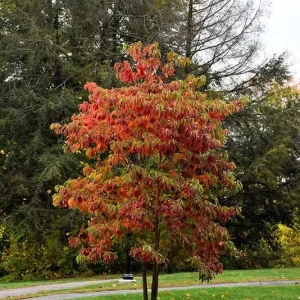
Sassafras Tree Bare-Root Plant – Sassafras Albidum – Deciduous, Aromatic
From $87.96
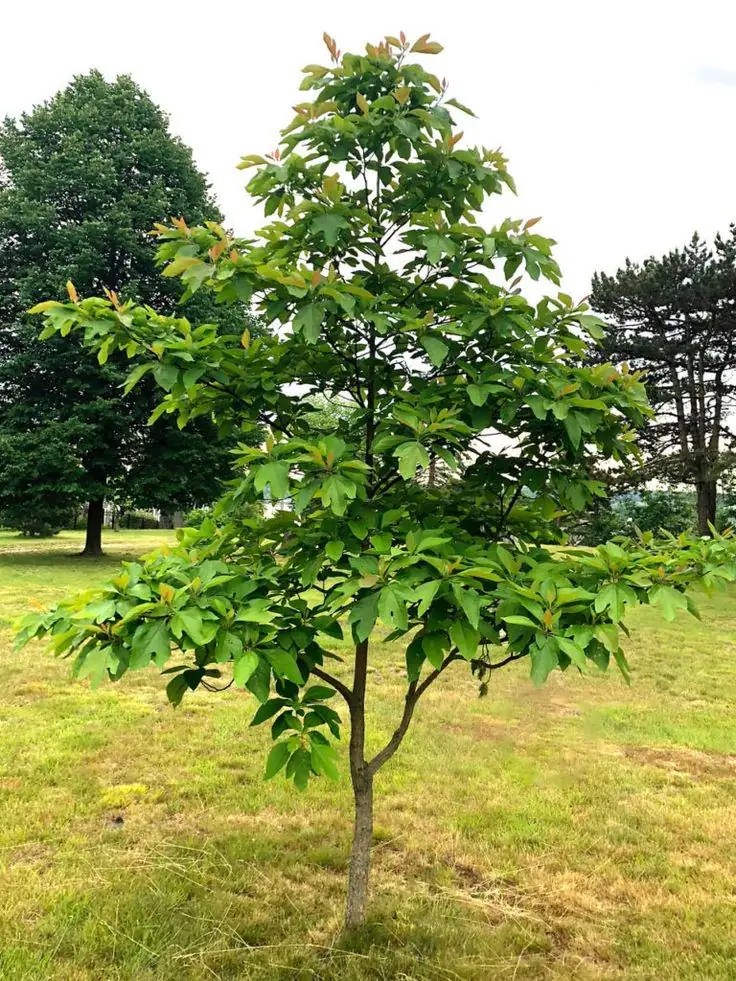
Cultivate a piece of North American wilderness with our sassafras tree bare-root plant. This sassafras albidum plant is a deciduous tree known for its aromatic foliage, striking fall colors, and distinctive leaves. Easy to establish, it’s perfect for naturalizing or as a unique landscaping specimen.
-
USDA Hardiness Zone
USDA zones 4-9 -
Soil Type
Well-draining, sandy, acidic soil -
Sunlight Exposure
Full sun to partial shade -
Expected Planting Period
Early spring or late fall

You can track your order HERE
Mar 18
Mar 23 - Mar 25
Mar 28 - Apr 01
Shipping and return policies: Our Alive & Thrive Guarantee covers issues with your plants within the first 30 days. Reach out to us. Our team will answer your questions and help you find the plants that are truly suitable for your environment, climate, and personal preferences.

Overview
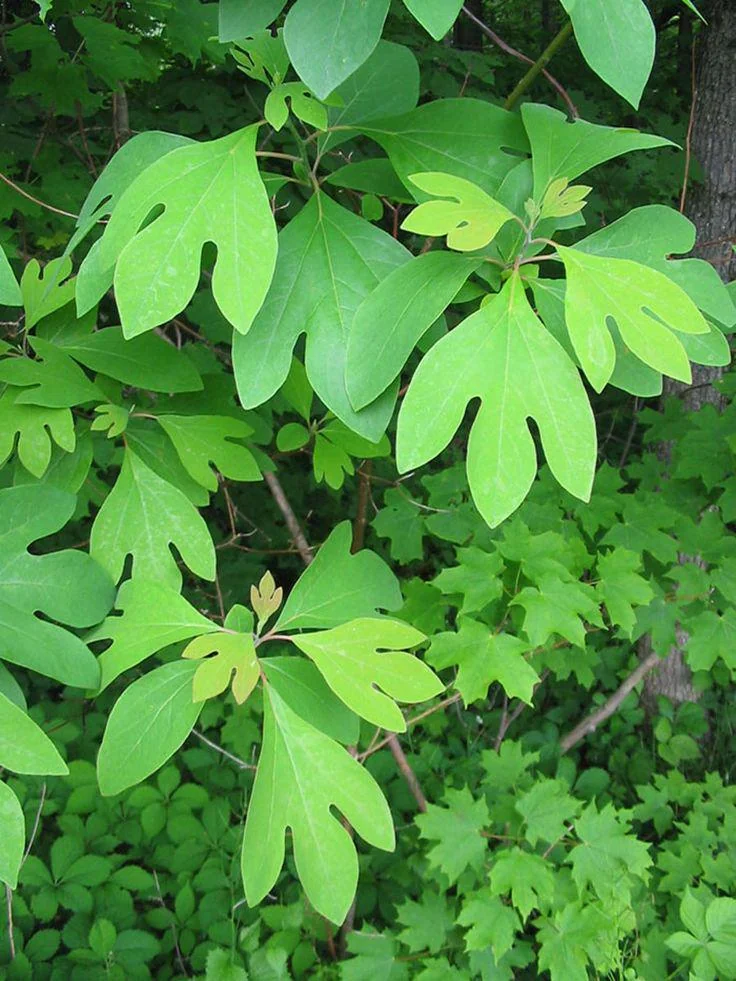
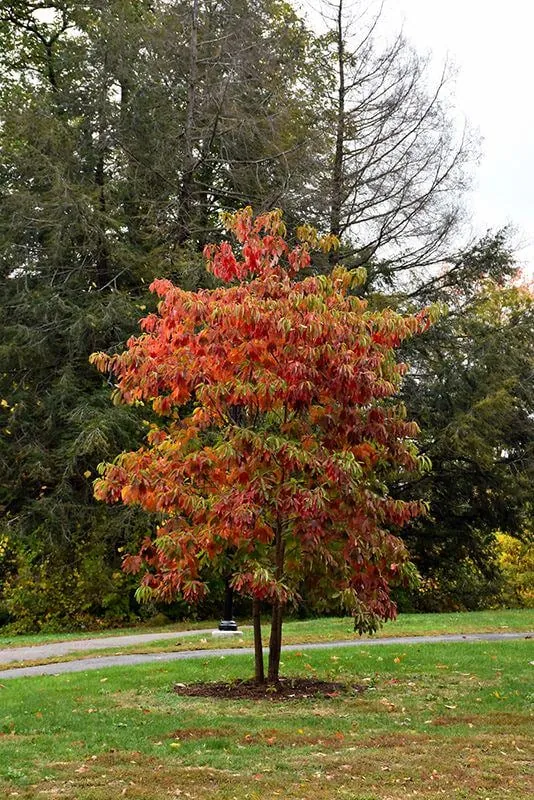
Introduce a touch of natural beauty to your landscape with the sassafras tree bare-root. This unique and aromatic deciduous tree, scientifically known as Sassafras albidum, is a cherished native of North America, offering year-round interest. Known as the common sassafras tree, it stands out with its distinctive three-lobed leaves, which emit a pleasant, spicy fragrance when crushed. In spring, it graces the garden with delicate, bright yellow-green flower clusters, followed by attractive blue drupes on female trees. As autumn arrives, the foliage transforms into a breathtaking display of yellow, orange, and red hues, making it a spectacular addition to any garden or naturalized area. This bare-root specimen is an economical and effective way to establish this beautiful tree, allowing for robust root development once planted. Whether you are looking to attract wildlife, add an aromatic element, or simply enjoy its seasonal color changes, the sassafras albidum plant is an excellent choice for a diverse and vibrant outdoor space.
The sassafras tree bare-root is an ideal choice for gardeners seeking a plant with both aesthetic appeal and ecological value. Its adaptability to various soil conditions (provided they are well-drained) and its drought tolerance once established make it a relatively low-maintenance option. This tree is not only a visual delight but also supports local ecosystems by providing food for birds and other wildlife with its berries. Its historical significance and unique characteristics make it a conversation starter in any setting. When considering planting sassafras tree, you are investing in a resilient and rewarding garden feature that will thrive for many years.
Key Benefits
The sassafras tree bare-root offers a multitude of benefits for both the gardener and the environment, making it a highly desirable addition to any landscape. From its aesthetic appeal to its ecological contributions, this tree is a true garden asset.
- Stunning Seasonal Interest: Enjoy bright yellow-green flowers in spring, followed by attractive blue berries, and a spectacular fall display of yellow, orange, and red foliage. The common sassafras tree provides visual appeal throughout the growing season.
- Aromatic Foliage: The leaves and twigs release a distinctive, spicy scent when bruised or broken, adding a unique sensory experience to your garden. This natural fragrance is a hallmark of the sassafras albidum plant.
- Wildlife Attraction: The blue, fleshy drupes produced by female trees are a valuable food source for various bird species, enhancing biodiversity in your yard.
- Drought Tolerant: Once established, the sassafras tree bare-root exhibits good drought resistance, reducing the need for frequent watering in drier climates.
- Adaptable to Soil Conditions: While preferring well-drained, sandy, acidic soils, this tree can adapt to a variety of soil types as long as drainage is adequate. This makes planting sassafras tree less restrictive.
- Native Plant: Being native to large parts of eastern and central North America, it integrates well into local ecosystems and requires less intervention than non-native species.
- Versatile Growth Habit: Can be allowed to grow into a stately tree or pruned to maintain a shrub-like form, offering flexibility in landscape design and allowing for specific sassafras tree care.
Plant Care & Growing Tips
Ensuring the healthy growth of your sassafras tree bare-root involves understanding its specific needs, although it is generally a resilient plant. Proper care from the start will lead to a thriving specimen. When considering planting sassafras tree, choose a location that receives ample sunlight. Sassafras thrives in full sun to partial shade, meaning it should get at least 4-6 hours of direct sunlight daily. More sun generally leads to better flowering and fall color. Young trees may benefit from some afternoon shade in very hot climates to prevent leaf scorch.
For soil conditions, the sassafras albidum plant prefers well-drained, sandy, and acidic soils. However, it is quite adaptable and will tolerate other soil types as long as they do not retain excessive moisture. Good drainage is crucial to prevent root rot. Once established, the tree is drought tolerant, but during its first few years, consistent watering is important, especially during dry spells. Water deeply once or twice a week, allowing the top few inches of soil to dry out between waterings. Fertilization is generally not heavily required for native sassafras trees if planted in reasonably fertile soil. If growth seems slow, a balanced, slow-release fertilizer can be applied in early spring, following package directions. Protecting young trees from extreme winter weather can be beneficial in colder zones, especially during their initial establishment phase, which is a key aspect of good sassafras tree care.
The common sassafras tree has a tendency to sucker, forming thickets. If a single-trunk tree is desired, these suckers should be regularly removed from the base. Alternatively, sassafras can be pruned back to the ground every 2-3 years to maintain a shrub-like form, which can be an interesting landscaping choice. Due to its large taproot, transplanting established sassafras trees can be difficult, so choose its permanent location carefully when you are planting sassafras tree. Monitoring for common pests and diseases is part of routine sassafras tree care, though it is generally robust. Ensure good air circulation and avoid overwatering to prevent fungal issues.
Size & Details
Our sassafras tree bare-root plants are typically shipped ready for immediate planting upon arrival. A bare-root plant means that the tree is shipped without soil around its roots, making it lighter and easier to transport, while also encouraging rapid establishment in its new environment. These trees are typically young saplings, often ranging from 1 to 2 feet in height at the time of shipment, representing a vigorous start for your garden. The sassafras albidum plant is a medium to large deciduous tree, capable of reaching heights of 30 to 60 feet (9 to 18 meters) with a spread of 25 to 40 feet (7.5 to 12 meters) at maturity. Its growth rate is moderate, typically adding 1 to 2 feet per year under optimal conditions. The distinctive leaves are often mitten-shaped, oval, or three-lobed, adding unique texture to the landscape.
Expect your common sassafras tree to begin showing significant growth and establishing its root system within the first year after planting sassafras tree. The vibrant fall colors usually begin to appear in early to mid-autumn, depending on your local climate. This tree can live for many decades, providing long-term beauty and ecological benefits. The bare-root format allows the roots to spread naturally into the surrounding soil, fostering a strong foundation for future growth. Regular sassafras tree care during its initial establishment period will ensure it develops into a robust and healthy specimen.
Frequently Asked Questions
- Q: How big does a sassafras tree get? A: A sassafras tree bare-root plant can grow into a medium to large tree, typically reaching heights of 30 to 60 feet (9 to 18 meters) with a spread of 25 to 40 feet (7.5 to 12 meters) at maturity. Its ultimate size depends on growing conditions and whether it’s pruned.
- Q: Is this an indoor or outdoor plant? A: The sassafras albidum plant is an outdoor tree, well-suited for landscaping, woodlands, and naturalized areas. It is not suitable for indoor cultivation.
- Q: How much sunlight does the common sassafras tree need? A: The common sassafras tree thrives in full sun to partial shade, ideally receiving at least 4-6 hours of direct sunlight per day. More sun usually results in better flowering and fall foliage color.
- Q: What condition will the bare-root sassafras tree arrive in? A: Your sassafras tree bare-root will arrive dormant, without soil, with its roots carefully packaged to maintain moisture. It should be planted as soon as possible after arrival for best results.
- Q: When is the best time for planting sassafras tree? A: The best time for planting sassafras tree bare-root specimens is typically in early spring, after the last frost, or in late fall after the leaves have dropped and before the ground freezes.
- Q: What kind of soil does the sassafras tree prefer? A: The sassafras albidum plant prefers well-drained, sandy, acidic soils. However, it is adaptable and will tolerate a range of soil types as long as drainage is good.
- Q: Is the sassafras tree drought-tolerant? A: Yes, once the common sassafras tree is well-established, it is considered drought-tolerant, meaning it can withstand periods of dry weather without extensive watering.
- Q: Will the sassafras tree attract wildlife? A: Absolutely! Female sassafras tree bare-root plants produce blue drupes that are a favorite food source for many bird species, contributing to local wildlife diversity.
- Q: How do I care for a sassafras tree? A: Key sassafras tree care involves providing adequate sunlight, well-drained soil, consistent watering during establishment, and removing suckers if a single trunk is desired. It’s a relatively low-maintenance tree once mature.
- Q: Can sassafras trees be pruned into a shrub? A: Yes, the sassafras albidum plant can be pruned back to the ground every 2-3 years to encourage a shrub-like growth habit, offering versatility in landscape design.
| Size | 12-18'', 18-24'' |
|---|
Be the first to review “Sassafras Tree Bare-Root Plant – Sassafras Albidum – Deciduous, Aromatic”
People Also Viewed

Sold 73 products
Original price was: $14.76.$7.38Current price is: $7.38.
Sold 96 products
From $63.80

Sold 79 products
Original price was: $18.76.$9.38Current price is: $9.38.
Sold 95 products
Original price was: $34.88.$17.44Current price is: $17.44.
Sold 54 products
From $50.00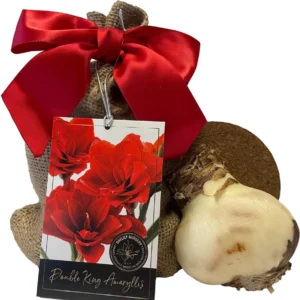
Flower Bulbs
Double King Amaryllis Growing Kit – Red Ceramic Pot, Bulb, Growing Medium – Indoor Plant Gift
Sold 60 products
Original price was: $119.80.$59.90Current price is: $59.90.
Sold 79 products
Original price was: $58.98.$29.49Current price is: $29.49.
Sold 90 products
Original price was: $30.78.$15.39Current price is: $15.39.
Flower Plants
Sold 51 products
Original price was: $27.98.$13.99Current price is: $13.99.
Sold 68 products
Original price was: $136.00.$108.80Current price is: $108.80.

Sold 74 products
Original price was: $89.98.$44.99Current price is: $44.99.
Sold 97 products
Original price was: $39.98.$19.99Current price is: $19.99.
Sold 87 products
Original price was: $47.58.$23.79Current price is: $23.79.
Sold 61 products
Original price was: $427.96.$213.98Current price is: $213.98.
Sold 62 products
From $5.98
Sold 72 products
Original price was: $26.76.$13.38Current price is: $13.38.
Sold 55 products
From $4.26
Sold 55 products
From $5.98


Reviews
There are no reviews yet.