
Red Twig Dogwood Shrub 12-24in Tall – Cornus sericea Live Plant – Outdoor
Original price was: $34.00.$27.20Current price is: $27.20.
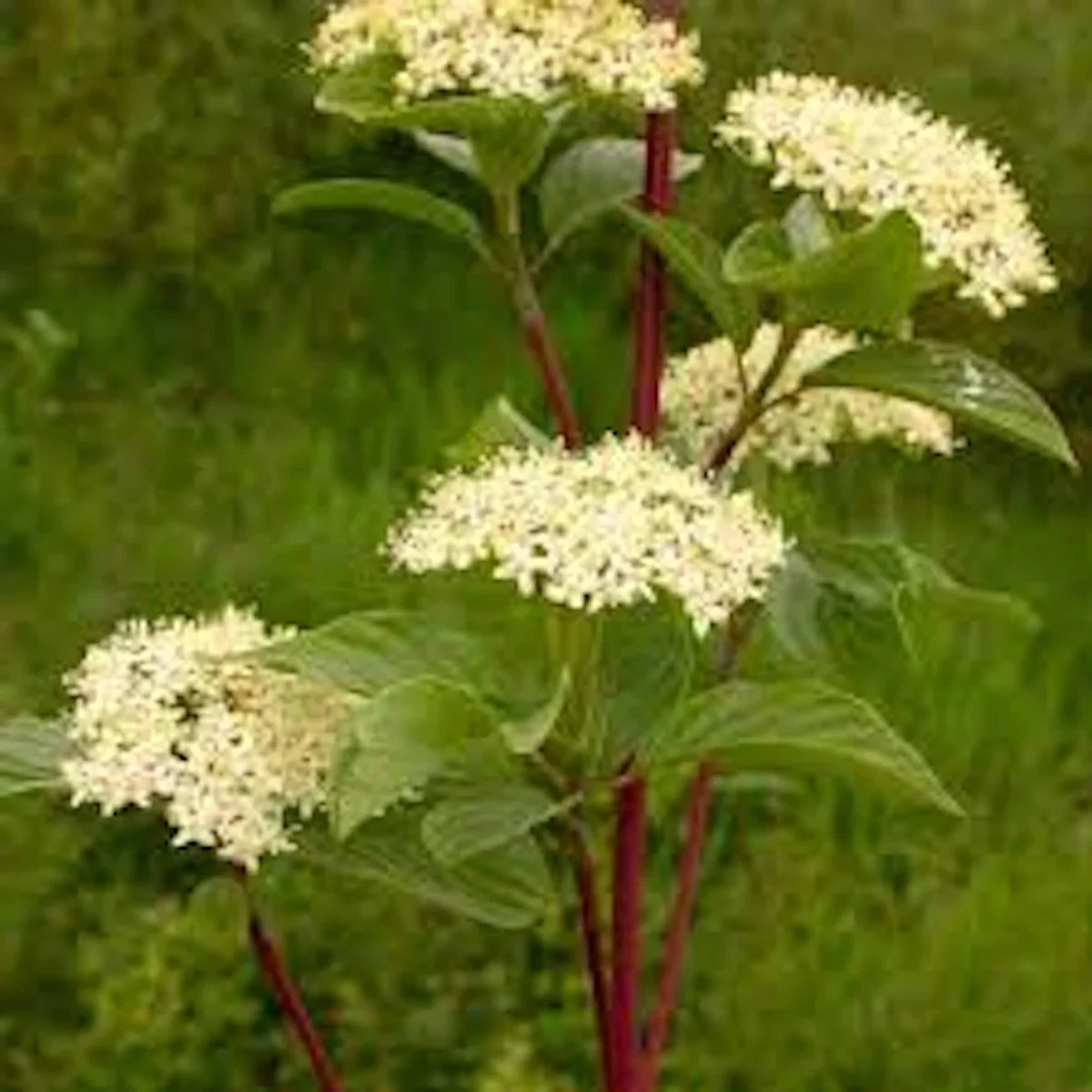
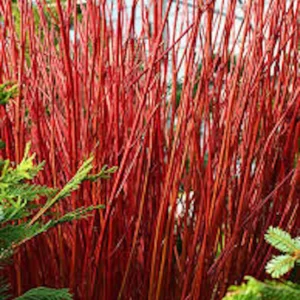
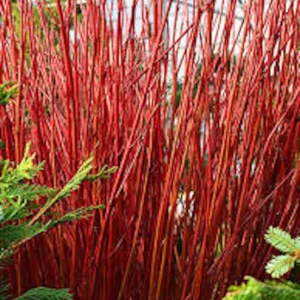
Add dramatic winter color to your landscape with the red twig dogwood shrub. This 12-24 inch tall Cornus sericea plant features vibrant red stems, offering year-round visual interest and low-maintenance beauty for your garden.
-
USDA Hardiness Zone
USDA zones 3 through 8 -
Soil Type
Well-draining, loamy soil -
Sunlight Exposure
Full sun to partial shade -
Expected Planting Period
Spring or Fall

You can track your order HERE
Mar 01
Mar 06 - Mar 08
Mar 11 - Mar 15
Shipping and return policies: Our Alive & Thrive Guarantee covers issues with your plants within the first 30 days. Reach out to us. Our team will answer your questions and help you find the plants that are truly suitable for your environment, climate, and personal preferences.

Overview
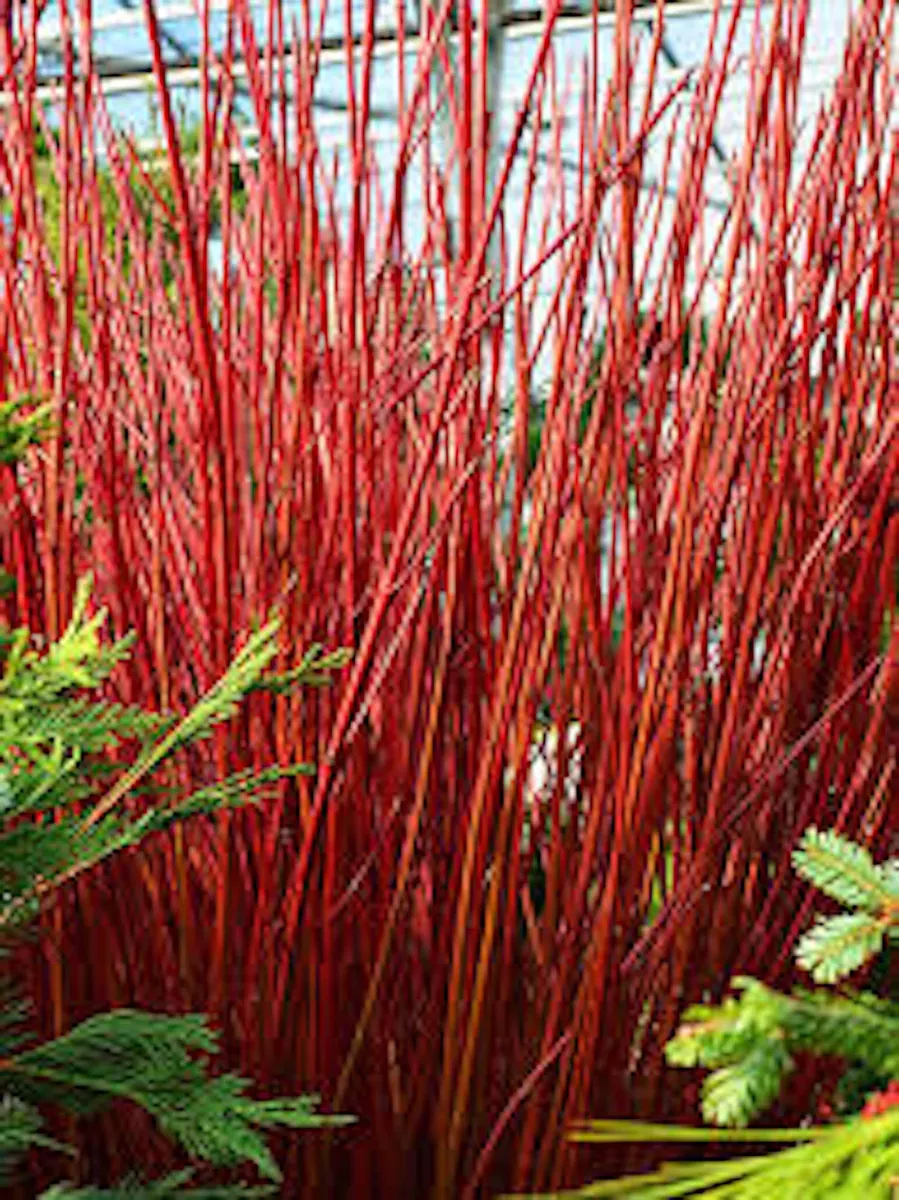
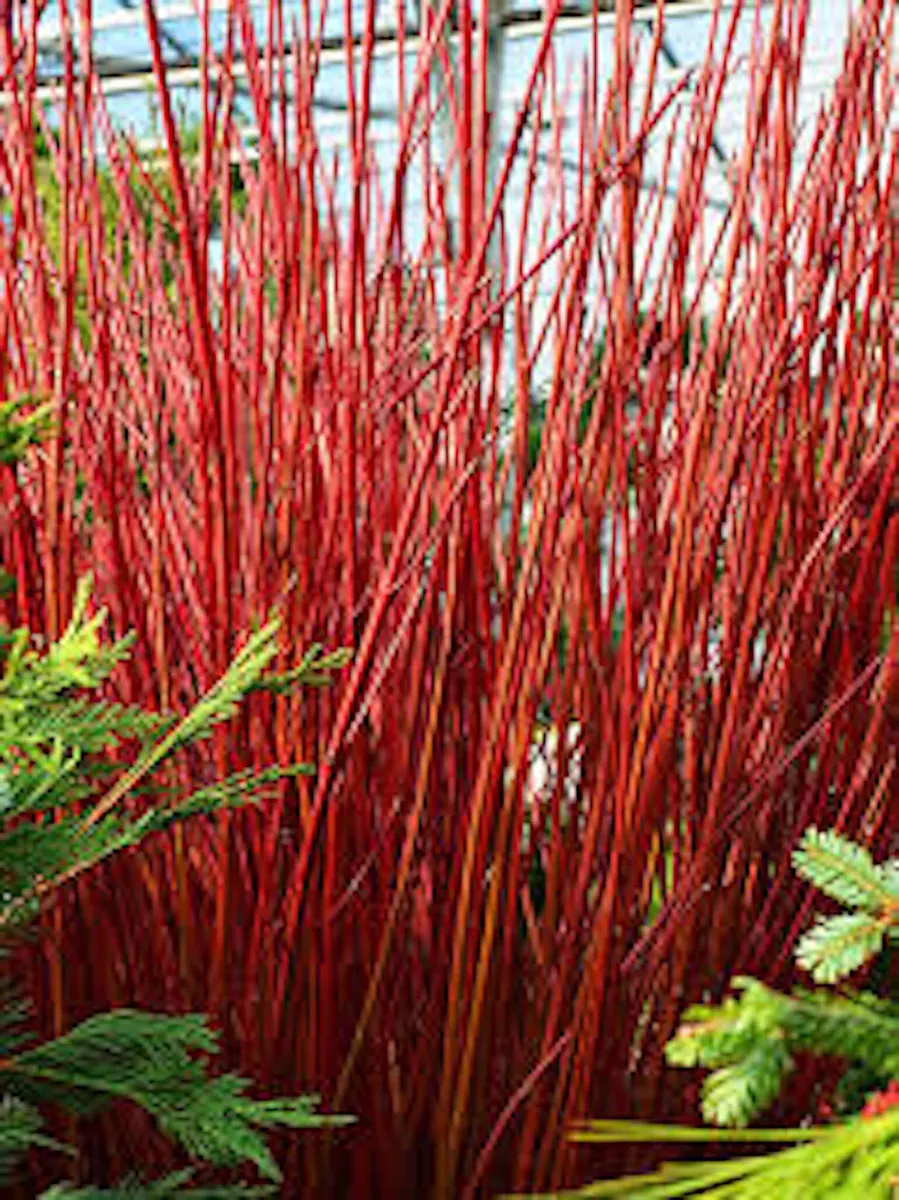
Introduce a splash of vibrant color and year-round interest to your garden with the stunning red twig dogwood shrub. This deciduous plant, scientifically known as Cornus sericea, is celebrated for its striking red stems that truly come alive during the dormant winter months when much of the landscape is muted. Perfect for creating a focal point or adding texture to borders, this hardy live plant offers exceptional beauty with minimal fuss. The Cornus sericea plant is a versatile addition to any outdoor space, thriving in various conditions and providing a dynamic visual appeal throughout the seasons. Its common names also include Redosier Dogwood and Redtwig Dogwood, all referring to its signature crimson bark that provides unmatched winter interest.
This particular offering is for a healthy 12-24 inch tall specimen, ready to establish itself in your garden. Whether you’re a seasoned gardener or a landscape designer, the red twig dogwood shrub is an excellent choice for its robust nature and captivating presence. It’s a true four-season plant, providing green foliage in spring and summer, subtle flowers, berries for wildlife, and its iconic red stems when the leaves have fallen.
Key Benefits
The red twig dogwood shrub offers a multitude of benefits, making it a highly sought-after plant for various landscape designs and garden settings. Its unique characteristics contribute to its popularity and enduring appeal.
- Exceptional Winter Interest: The most prominent feature of this plant is its brilliant red stems, which provide a spectacular display against a snowy backdrop or in an otherwise drab winter garden. This makes it an invaluable asset for extending the beauty of your landscape into the colder months.
- Hardy and Adaptable: Known for its resilience, the Cornus sericea plant can tolerate a wide range of soil conditions and climates, making it suitable for many regions. Its robust nature ensures it can withstand various environmental stressors.
- Low Maintenance Care: Once established, the redtwig dogwood care requirements are minimal. It’s a perfect choice for gardeners looking for high impact with little effort, requiring only occasional pruning to maintain its vibrant stem color.
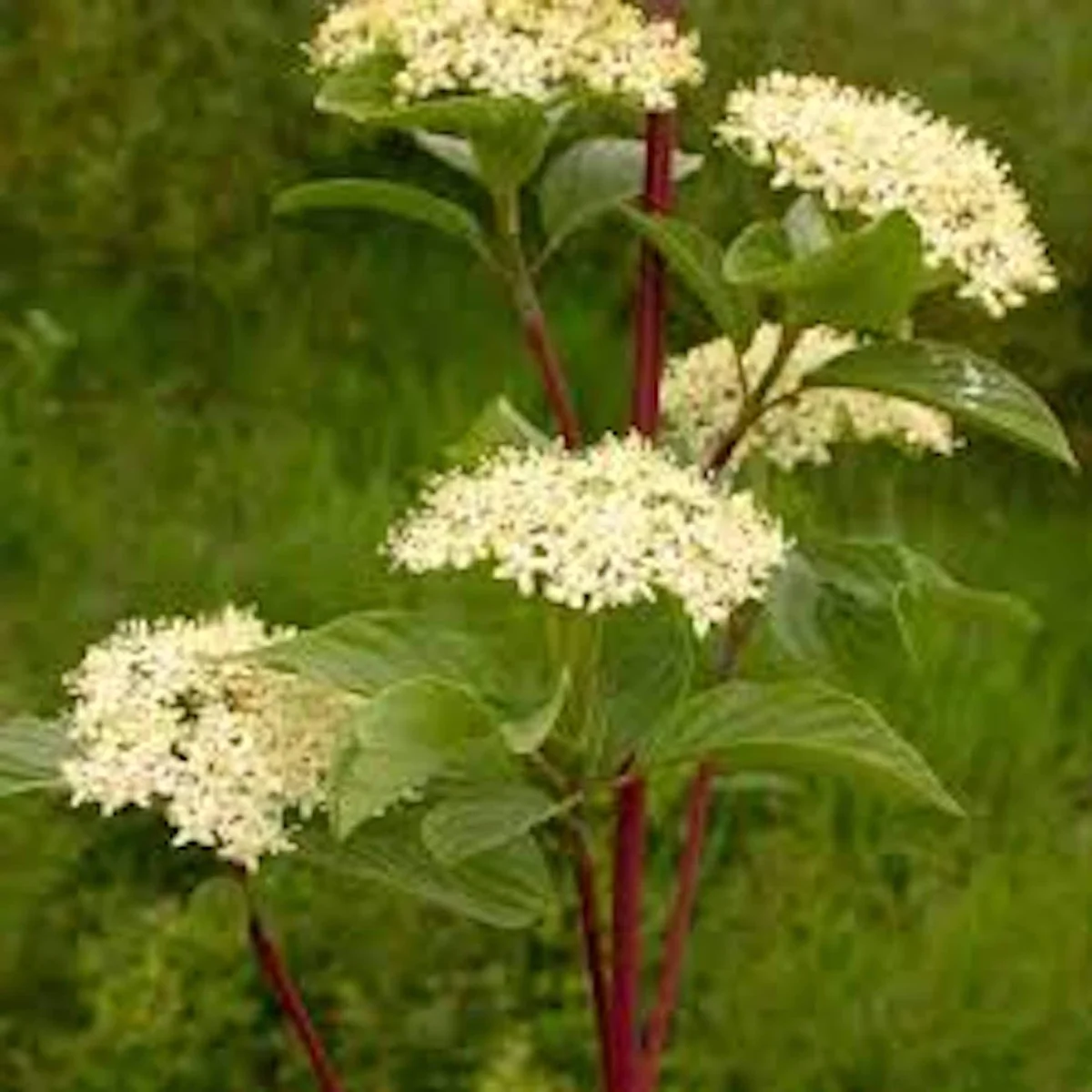
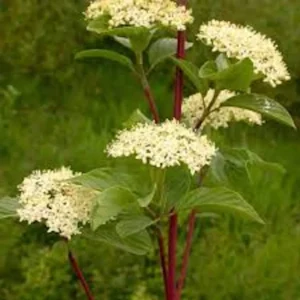
- Wildlife Attraction: In late spring, the plant produces clusters of small white flowers, followed by white or bluish-white berries in summer. These berries serve as a food source for various bird species, adding ecological value to your garden.
- Erosion Control: Its extensive root system makes it an excellent choice for stabilizing soil on slopes or along streambanks, helping to prevent erosion in vulnerable areas.
- Versatile Landscape Use: Ideal for mass plantings, hedges, borders, or as a standalone specimen, this shrub can be incorporated into many garden styles, from naturalized areas to formal designs. Its ability to thrive in moist conditions also makes it suitable for rain gardens.
- Attractive Foliage: Beyond its stems, the shrub sports attractive green foliage throughout the growing season, which turns to shades of red and purple in the fall before dropping, adding another layer of seasonal appeal.
Plant Care & Growing Tips
Caring for your red twig dogwood shrub is relatively straightforward, thanks to its hardy nature. To ensure your Cornus sericea plant thrives and displays its most vibrant red stems, follow these essential care guidelines. This plant is hardy in USDA zones 3 through 8, making it suitable for a wide range of climates across the United States. It can adapt to various conditions but performs best with consistent moisture and proper light exposure.
For optimal stem color, the red twig dogwood shrub prefers full sun to partial shade. Aim for at least 6 hours of direct sunlight per day for the most intense red coloration. While it can tolerate some shade, too much shade may result in less vibrant stems. When it comes to watering, this shrub prefers consistently moist soil but can tolerate periods of wetness, making it an excellent choice for areas with poor drainage or near water features. Ensure the soil remains damp, especially during dry spells, but avoid standing water around the roots for extended periods. The ideal soil for this shrub is a well-draining, loamy soil rich in organic matter. It can adapt to clay or sandy soils but will benefit from soil amendments to improve structure and fertility. A slightly acidic to neutral pH is preferred.
Fertilization is generally not heavily required once the plant is established. If your soil is poor, a balanced, slow-release granular fertilizer applied in early spring can encourage healthy growth. Pruning is crucial for maintaining the vibrant red stem color. The brightest red stems appear on new growth. Therefore, it’s recommended to prune about one-third of the oldest stems back to the ground in late winter or early spring before new growth begins. This encourages the plant to produce fresh, colorful stems. Common problems are few, but watch for leaf spot or canker, especially in overly wet conditions. Ensure good air circulation and avoid overhead watering to minimize fungal issues. The mature height of a red twig dogwood shrub is typically 6 to 9 feet, with a similar spread, so plan your planting location accordingly.
Size & Details
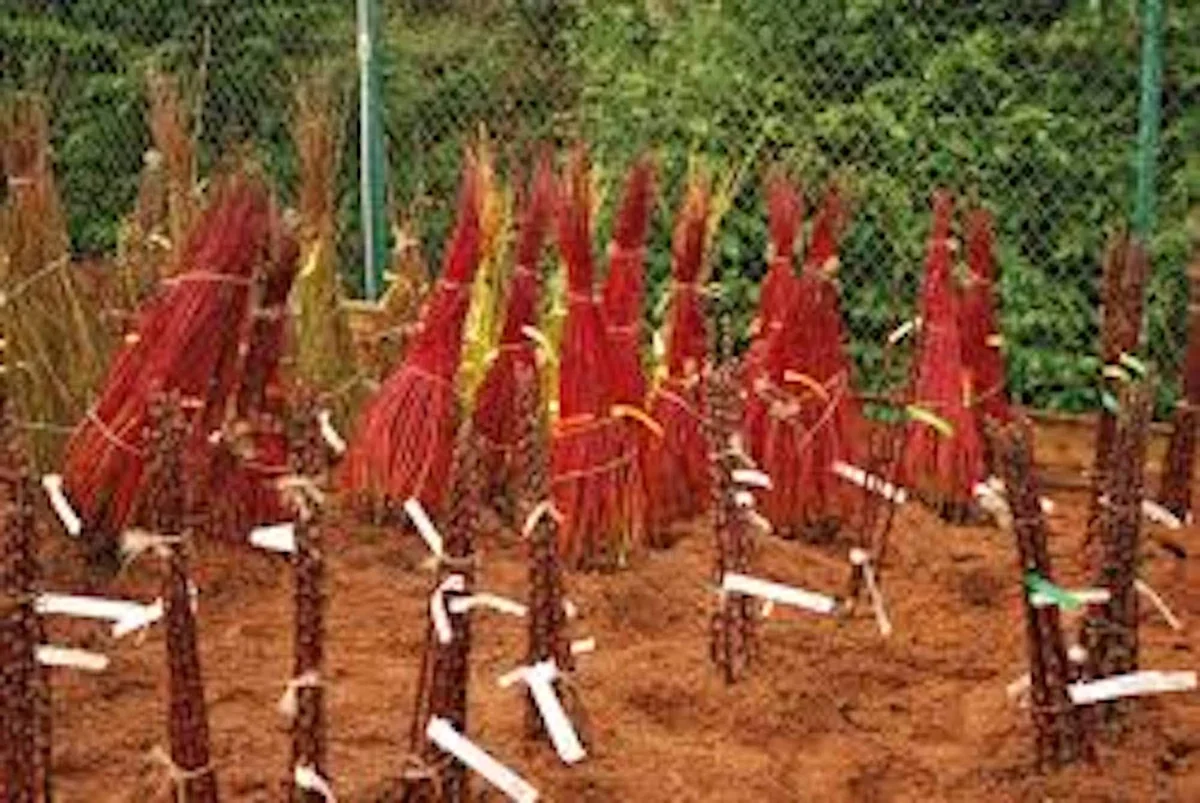
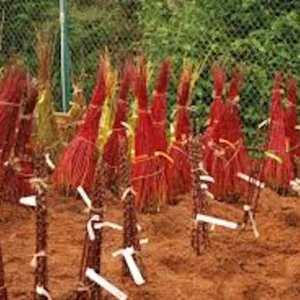
This offering provides one red twig dogwood shrub, measuring approximately 12-24 inches tall at the time of shipment. During the fall and winter months, until warmer weather arrives, this shrub typically ships bare root. Once the growing season commences, the plants will be shipped in a pot, ensuring a healthy transition to your garden. The Cornus sericea plant is a moderately fast-growing shrub, capable of reaching its mature height of 6 to 9 feet with a similar spread within a few years under ideal conditions. Its growth rate allows for quick establishment and visual impact in your landscape.
This variety is known for its upright, spreading habit, forming a dense clump of branches that showcase the bright red bark. The plant’s deciduous nature means it will lose its leaves in the fall, revealing the stunning stem color that makes it a prized addition to any garden, particularly for those seeking a winter interest shrub. Expect the plant to establish well within its first year, with significant growth and vibrant stem development in subsequent seasons.
Frequently Asked Questions
- Q: How big does this plant get? A: The red twig dogwood shrub typically grows to a mature height of 6 to 9 feet and can have a similar spread, forming a dense, multi-stemmed bush. Its size makes it suitable for various landscape applications from hedges to specimen plantings.
- Q: Is this an indoor or outdoor plant? A: The red twig dogwood shrub is an outdoor plant, highly valued for its hardiness and ability to thrive in garden settings. It requires outdoor conditions to properly grow and display its seasonal characteristics.
- Q: How much sunlight does it need? A: This shrub prefers full sun to partial shade. For the most intense red stem color, aim for at least 6 hours of direct sunlight per day. It can tolerate more shade, but the stem coloration may be less vibrant.
- Q: What condition will it arrive in? A: In fall and winter, the red twig dogwood shrub ships bare root. During the warmer growing season, it will be shipped in a pot. Regardless of the shipping method, care is taken to ensure the plant arrives healthy and ready for planting.
- Q: Is this plant easy to care for? A: Yes, the red twig dogwood shrub is considered a low-maintenance plant. Once established, it is quite hardy and adaptable, requiring minimal redtwig dogwood care, primarily focused on pruning for optimal stem color.
- Q: When is the best time to plant? A: The best time to plant a red twig dogwood shrub is in the spring or fall when temperatures are moderate. This allows the plant to establish its root system before extreme summer heat or winter cold.
- Q: Will it survive winter in my zone? A: Absolutely! The red twig dogwood shrub is exceptionally cold-hardy, thriving in USDA Zones 3 through 8. It is specifically known for its stunning winter appeal, with its bright red stems providing color even in snowy conditions.
- Q: What’s the minimum temperature it can tolerate? A: This shrub can tolerate very cold temperatures, typically down to -40°F (-40°C), making it suitable for many northern climates. Its robust nature makes it a reliable choice for cold-weather gardens.
- Q: Can I use this plant for erosion control? A: Yes, the red twig dogwood shrub is an excellent choice for erosion control. Its fibrous root system helps to stabilize soil, particularly on slopes or along streambanks, making it a functional and beautiful addition.
- Q: How do I get the brightest red stems? A: To encourage the most vibrant red stems, ensure your Cornus sericea plant receives ample sunlight. Additionally, prune about one-third of the oldest stems back to the ground in late winter or early spring each year to promote new, brightly colored growth.
Be the first to review “Red Twig Dogwood Shrub 12-24in Tall – Cornus sericea Live Plant – Outdoor”
People Also Viewed
Sold 56 products
$329.98
Sold 85 products
Original price was: $155.80.$77.90Current price is: $77.90.
Sold 97 products
Original price was: $22.76.$11.38Current price is: $11.38.

HousePlants
Bethlehem Star Begonia Live Plant – 3.7 inch Pot – Indoor Terrarium Fairy Garden Houseplant
Sold 52 products
Original price was: $41.56.$20.78Current price is: $20.78.
Sold 50 products
Original price was: $54.36.$27.18Current price is: $27.18.
Sold 68 products
Original price was: $10.76.$5.38Current price is: $5.38.
Sold 84 products
Original price was: $31.96.$15.98Current price is: $15.98.
Sold 71 products
Original price was: $65.98.$32.99Current price is: $32.99.

Sold 59 products
Original price was: $11.96.$5.98Current price is: $5.98.
Sold 88 products
$48.38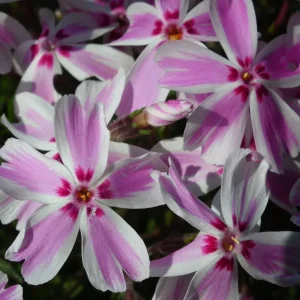
Flower Plants
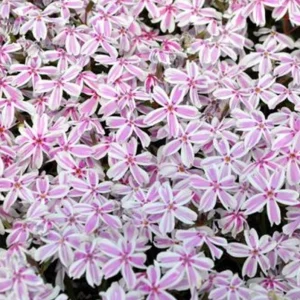
Candy Stripes Creeping Phlox Live Plant – Perennial – Quart Pot – Outdoor Flowering Groundcover
Sold 91 products
Original price was: $47.96.$23.98Current price is: $23.98.
Sold 97 products
Original price was: $79.98.$39.99Current price is: $39.99.
Sold 67 products
Original price was: $25.98.$20.78Current price is: $20.78.
Sold 81 products
Original price was: $43.98.$21.99Current price is: $21.99.
Sold 51 products
Original price was: $39.98.$19.99Current price is: $19.99.
Sold 70 products
From $61.58
Sold 77 products
Original price was: $39.99.$19.99Current price is: $19.99.
Sold 62 products
From $25.28



Reviews
There are no reviews yet.