
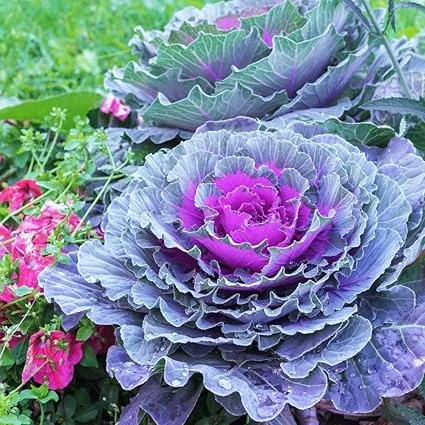
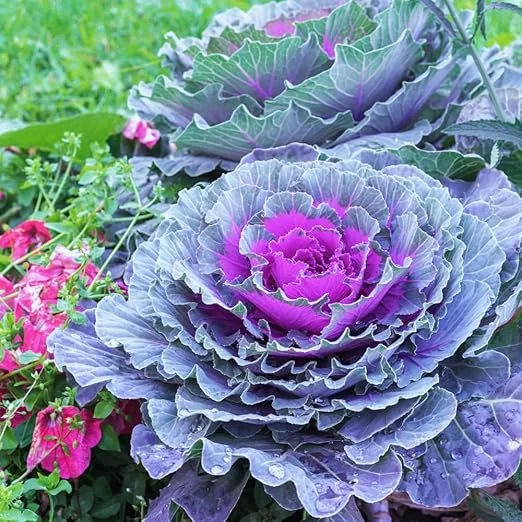
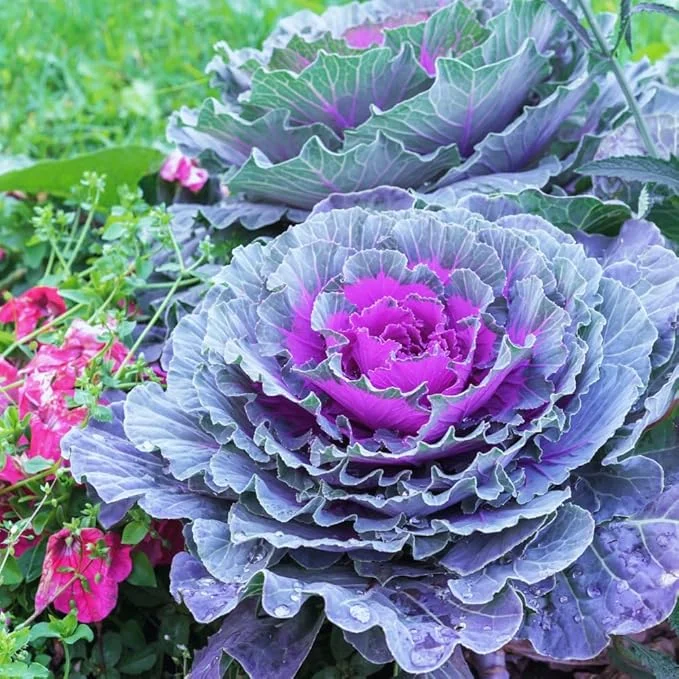
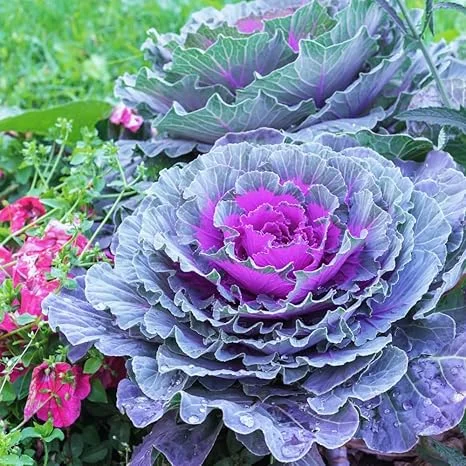
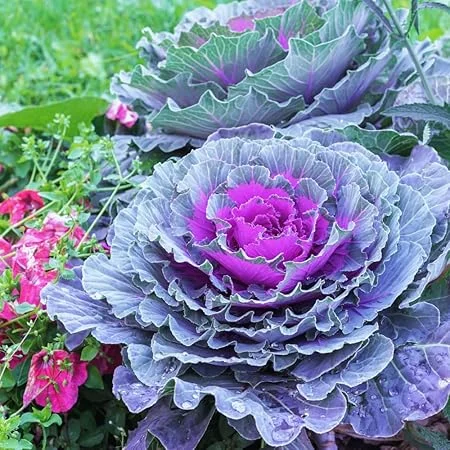
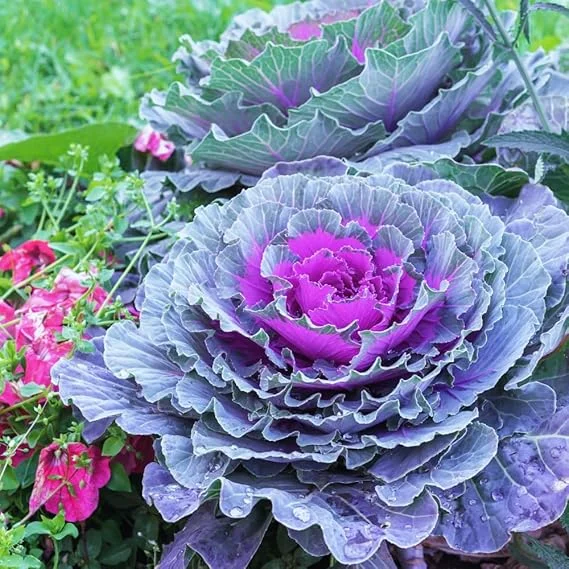
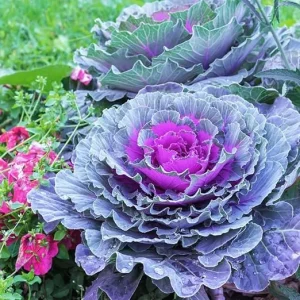
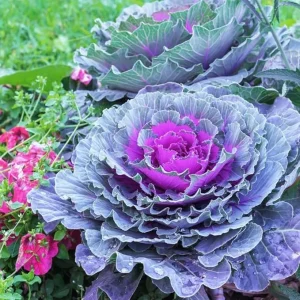
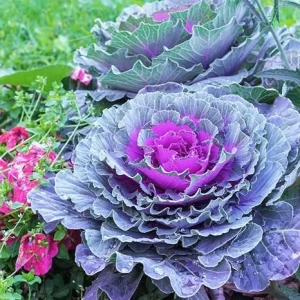
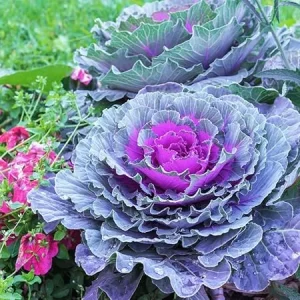
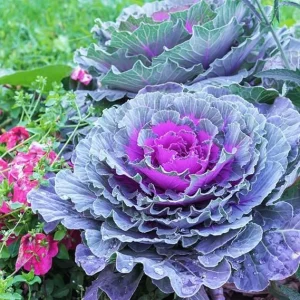
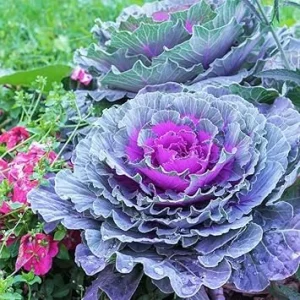
Red Cabbage Live Plant – Ornamental & Edible – 4 Inch Pot – Outdoor
$41.78
Add a splash of color and functionality to your garden with this beautiful red cabbage live plant. Perfect for both ornamental displays and culinary use, this low-maintenance plant thrives outdoors and comes in a 4-inch pot, ready for planting.
-
USDA Hardiness Zone
3-9 -
Soil Type
Well-drained, fertile soil -
Sunlight Exposure
Full Sun -
Expected Planting Period
Spring to Fall

You can track your order HERE
Apr 01
Apr 06 - Apr 08
Apr 11 - Apr 15
Shipping and return policies: Our Alive & Thrive Guarantee covers issues with your plants within the first 30 days. Reach out to us. Our team will answer your questions and help you find the plants that are truly suitable for your environment, climate, and personal preferences.

Overview
Introduce a striking visual element and a healthy edible component to your garden with the vibrant red cabbage live plant. This versatile plant, often known by its botanical name Brassica oleracea var. capitata f. rubra, is cherished for its deep purple-red foliage that creates a stunning contrast against green plants, flowers, and vegetables. Whether you’re looking to add an ornamental touch to your landscape or cultivate fresh, crisp cabbage for your kitchen, this live plant offers both beauty and bounty. Our red cabbage live plant arrives ready to be transplanted into your garden, providing an immediate impact and promising a rewarding growing experience for gardeners of all levels.
Cultivating red cabbage is a delightful experience, yielding not only an eye-catching display but also a nutritious vegetable. This particular variety is known for its robust growth and ease of care, making it an excellent choice for beginner and experienced gardeners alike. The mature plants will form dense heads, perfect for salads, slaws, or cooking. Experience the joy of growing your own produce while simultaneously enhancing your garden’s aesthetic appeal with this exceptional plant.
Key Benefits
The red cabbage live plant offers a multitude of benefits, combining ornamental value with edible utility. This plant is a fantastic addition to any garden, providing both visual interest and a delicious harvest.
- Stunning Ornamental Foliage: The deep red to purple leaves provide a dramatic visual contrast, making it an excellent choice for garden borders, container plantings, or as a focal point among green plants and flowers. It enhances the aesthetic appeal of any outdoor space from early spring to late fall.
- Healthy Edible Harvest: Grow your own delicious and nutritious red cabbage heads. Rich in vitamins and antioxidants, red cabbage is perfect for fresh salads, fermenting into sauerkraut, or various cooked dishes, offering a consistent supply of garden-fresh produce.
- Low Maintenance & Easy to Grow: This plant is known for its resilience and adaptability. It requires minimal care once established, making it suitable for gardeners who prefer a less demanding plant. It’s an ideal choice for those interested in growing red cabbage without extensive effort.
- Extended Growing Season: Provides an ornamental presence and potential harvest from early spring through late fall, offering long-lasting garden interest and productivity. Its robust nature allows it to withstand various weather conditions.
- Cold Hardiness: Typically hardy in USDA Hardiness Zones 3-9, this plant can tolerate cooler temperatures, extending its growing period into the fall and even early winter in some regions, making it a reliable choice for diverse climates.
- Versatile Garden Use: Beyond its edible and ornamental qualities, the plant integrates well into various garden designs. It can be planted in vegetable patches, mixed borders, or even large containers, demonstrating its versatility as an edible ornamental plant.
- Natural Pest Deterrent (Companion Planting): When strategically placed, some brassicas can help deter certain pests from more delicate plants, contributing to a healthier garden ecosystem.
Plant Care & Growing Tips
Caring for your red cabbage live plant is straightforward, ensuring a healthy and productive addition to your garden. To achieve the best results, focus on providing optimal sunlight, consistent moisture, and appropriate soil conditions. This variety is known for being relatively low maintenance, making it an excellent choice for gardeners looking for an easy-to-care-for vegetable and ornamental plant.
Sunlight: Red cabbage thrives in full sun, requiring at least 6 hours of direct sunlight per day to develop its vibrant color and form compact heads. While it can tolerate partial shade, too little sun may result in leggy growth and less intense coloration. Ensure your planting location receives ample light throughout the day. Watering: Consistent moisture is crucial for red cabbage. The soil should be kept evenly moist but not waterlogged. Water deeply, especially during dry spells, aiming for about 1 inch of water per week, either from rainfall or irrigation. Avoid overhead watering to prevent fungal diseases. Soil Type: Plant your red cabbage in well-drained, fertile soil with a pH between 6.0 and 7.0. Amending the soil with organic matter like compost before planting will improve drainage, fertility, and moisture retention, providing an ideal environment for growing red cabbage. Temperature & Hardiness: This plant is hardy in USDA Hardiness Zones 3-9. It prefers cooler temperatures for optimal growth, typically between 55-75°F (13-24°C). It can tolerate light frosts, which can even enhance its color and flavor. Fertilization: Cabbage is a heavy feeder. Fertilize every 3-4 weeks with a balanced organic fertilizer or one high in nitrogen to promote vigorous leaf growth. Follow package instructions for application rates. Pest & Disease Management: Monitor for common pests like cabbage worms and aphids. Use organic pest control methods or insecticidal soap if necessary. Ensure good air circulation to prevent fungal issues. Proper care will help your ornamental cabbage care regimen be successful.
Size & Details
The red cabbage live plant you receive will be a healthy young plant, typically supplied in a 4-inch pot, ready for transplanting into your garden or a larger container. When mature, these plants typically grow to about 12 to 18 inches tall and wide, forming a dense, rounded head of striking red-purple leaves. They are cultivated for both their aesthetic appeal and their edible qualities, making them a dual-purpose addition to any garden. Expect your plant to provide an ornamental touch from early spring to late fall, with heads developing throughout the growing season.
This heirloom variety is known for its robust growth habit and vibrant coloration. The size of the mature head can vary slightly depending on growing conditions, but generally, you can anticipate a good-sized edible head perfect for various culinary applications. The plant’s compact nature makes it suitable for various garden settings, including raised beds, traditional vegetable patches, and even large patio containers. With proper red cabbage garden practices, you can enjoy a continuous harvest.
Frequently Asked Questions
- Q: How big does this red cabbage live plant get when mature? A: This red cabbage live plant typically grows to about 12 to 18 inches tall and wide when fully mature, forming a compact, dense head. Its size can be influenced by growing conditions and available space.
- Q: Is this an indoor or outdoor plant? A: This red cabbage plant is primarily an outdoor plant. It thrives in full sun conditions and is best suited for vegetable gardens, raised beds, or large outdoor containers. It is not recommended for indoor cultivation.
- Q: How much sunlight does this plant need? A: For optimal growth and vibrant color, the red cabbage live plant requires full sun exposure, meaning at least 6 hours of direct sunlight per day. Adequate sunlight is crucial for proper head formation.
- Q: Is this plant easy to care for? A: Yes, this red cabbage is considered low maintenance and relatively easy to care for, making it suitable for gardeners of all experience levels. Consistent watering and well-drained soil are key to successful ornamental cabbage care.
- Q: What condition will the red cabbage live plant arrive in? A: Your red cabbage live plant will arrive as a healthy, young plant, typically in a 4-inch pot, securely packaged to ensure its safe transit. It will be ready for immediate transplanting upon arrival.
- Q: When is the best time to plant red cabbage? A: The best time to plant red cabbage is in early spring for a summer harvest, or in late summer for a fall/winter harvest, depending on your climate and USDA Hardiness Zone. It prefers cooler temperatures.
- Q: Can I really eat this ornamental cabbage? A: Yes, absolutely! While visually appealing, this is a true red cabbage variety that produces edible heads. It’s a fantastic edible ornamental plant, offering both beauty and a delicious harvest for your kitchen.
- Q: What USDA Hardiness Zones is this red cabbage hardy in? A: This red cabbage is typically hardy in USDA Hardiness Zones 3 through 9, meaning it can tolerate a wide range of temperatures and climates.
- Q: What type of soil does red cabbage prefer? A: Red cabbage thrives in well-drained, fertile soil with a neutral pH (6.0-7.0). Amending the soil with organic matter like compost will greatly benefit its growth and yield in your red cabbage garden.
- Q: How often should I water my red cabbage plant? A: Water your red cabbage regularly to keep the soil consistently moist but never waterlogged. Aim for about 1 inch of water per week, adjusting for rainfall and temperature.
Be the first to review “Red Cabbage Live Plant – Ornamental & Edible – 4 Inch Pot – Outdoor”
People Also Viewed
Sold 73 products
Original price was: $36.38.$18.19Current price is: $18.19.
Sold 62 products
Original price was: $50.76.$25.38Current price is: $25.38.
Sold 84 products
From $19.00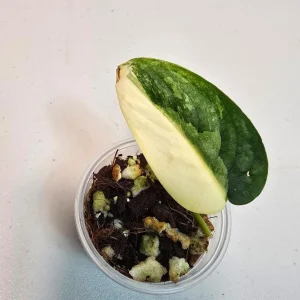
HousePlants
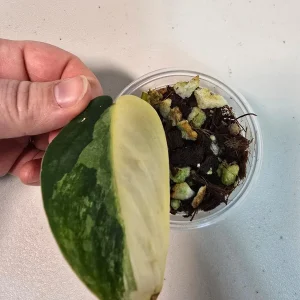
Variegated Scindapsus Pictus ‘Jade Satin’ Live Plant – Potted Houseplant – Indoor Vining Aroid
Sold 82 products
Original price was: $140.00.$70.00Current price is: $70.00.
Sold 63 products
Original price was: $399.80.$199.90Current price is: $199.90.
Sold 64 products
Original price was: $100.00.$50.00Current price is: $50.00.
Sold 51 products
From $63.80
Sold 62 products
Original price was: $8.52.$4.26Current price is: $4.26.
Sold 92 products
Original price was: $18.76.$9.38Current price is: $9.38.
HousePlants
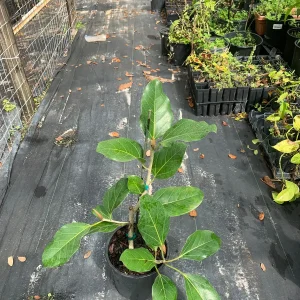
Ficus Audrey Live Plant – Ficus Benghalensis Banyan Tree – Healthy Well Rooted Indoor/Outdoor
Sold 62 products
From $54.00
Sold 55 products
Original price was: $39.98.$31.98Current price is: $31.98.
Sold 73 products
Original price was: $8.52.$4.26Current price is: $4.26.
Sold 94 products
Original price was: $39.98.$19.99Current price is: $19.99.
Sold 95 products
Original price was: $27.98.$13.99Current price is: $13.99.
Sold 75 products
Original price was: $96.76.$48.38Current price is: $48.38.
Sold 55 products
Original price was: $112.00.$56.00Current price is: $56.00.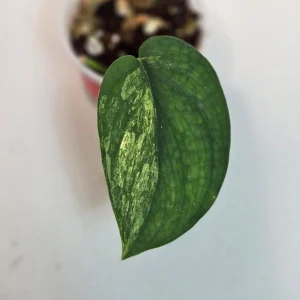
HousePlants
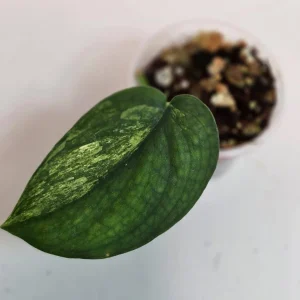
Variegated Scindapsus Pictus ‘Jade Satin’ Live Plant in Nursery Pot – Rare Indoor Houseplant
Sold 51 products
Original price was: $76.00.$38.00Current price is: $38.00.
Sold 52 products
Original price was: $147.16.$73.58Current price is: $73.58.



Reviews
There are no reviews yet.