

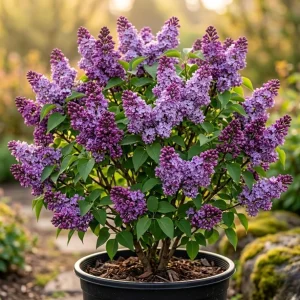
Purple Lilac Bush 6-12″ Tall – Reblooming Syringa Live Plant for Outdoor Garden
Original price was: $37.98.$18.99Current price is: $18.99.
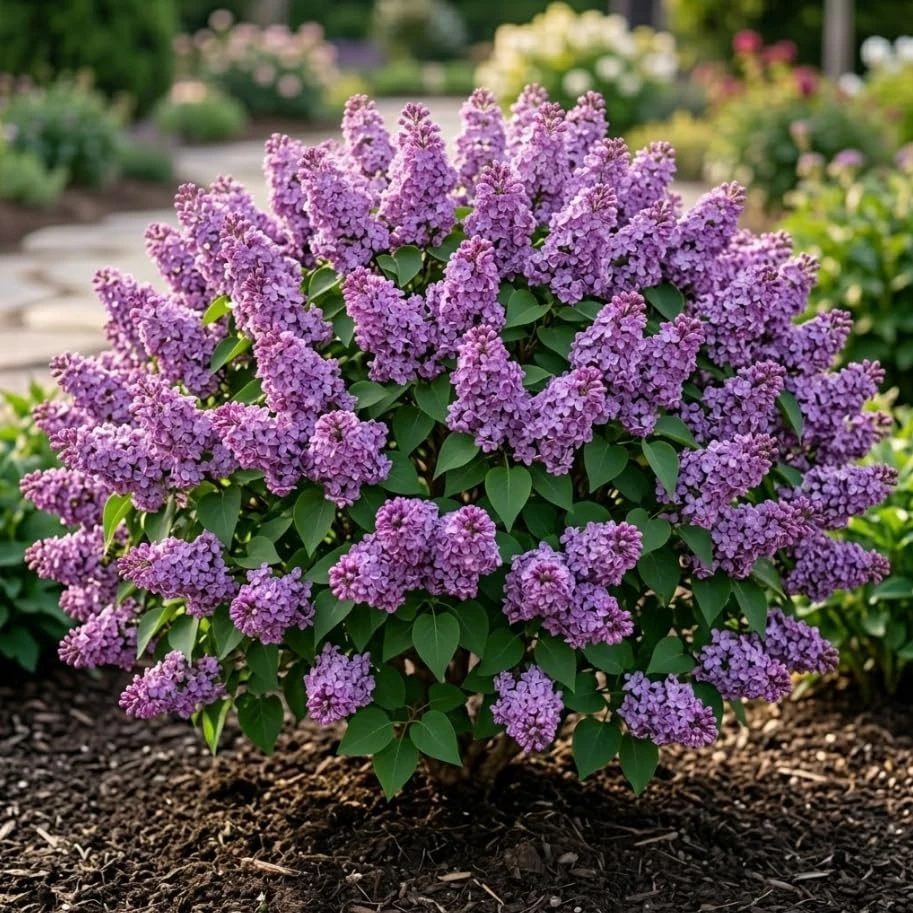
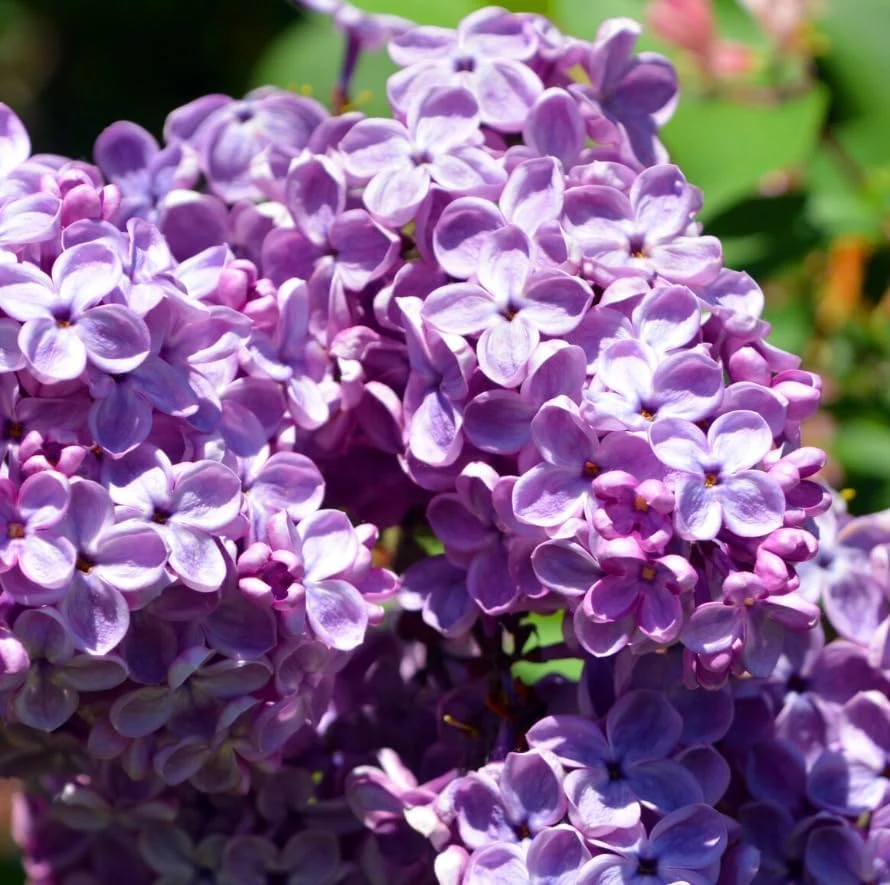
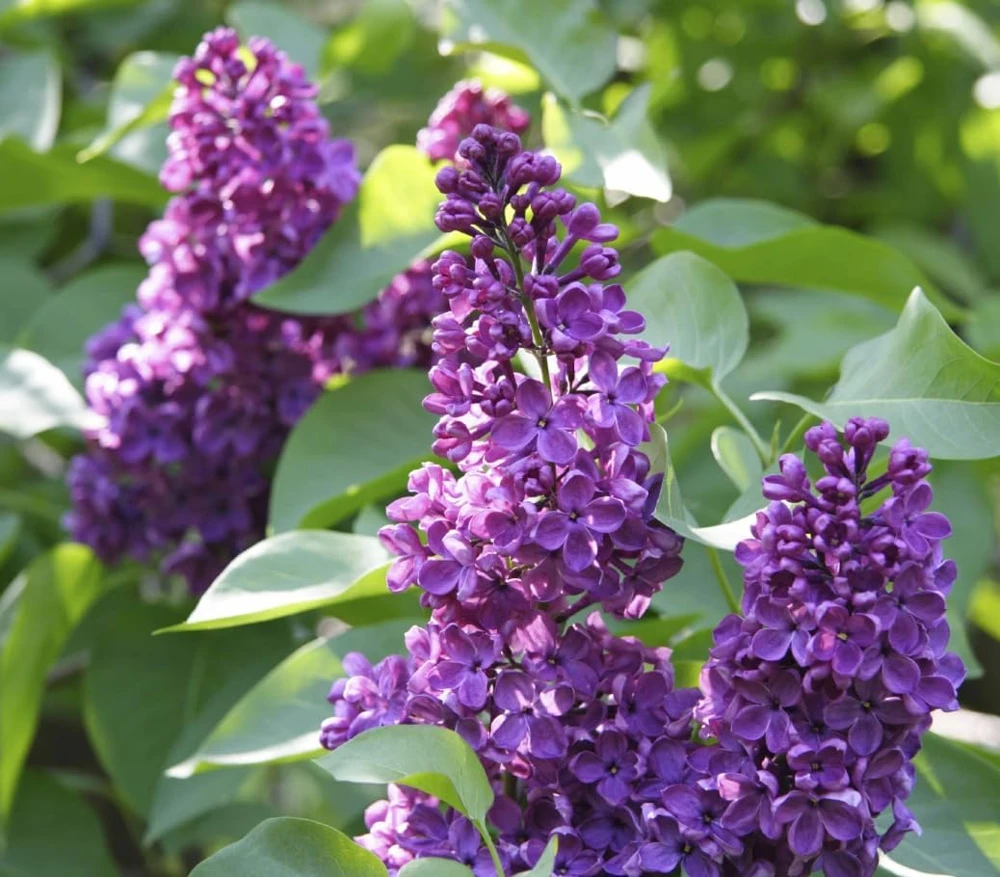
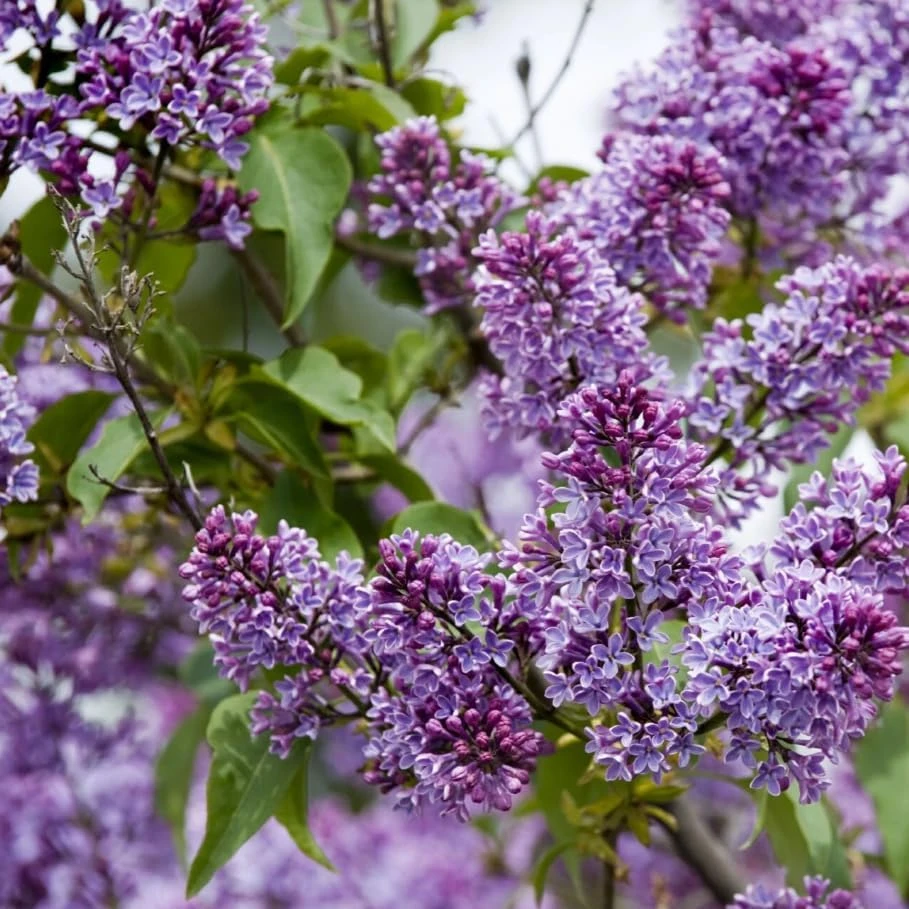
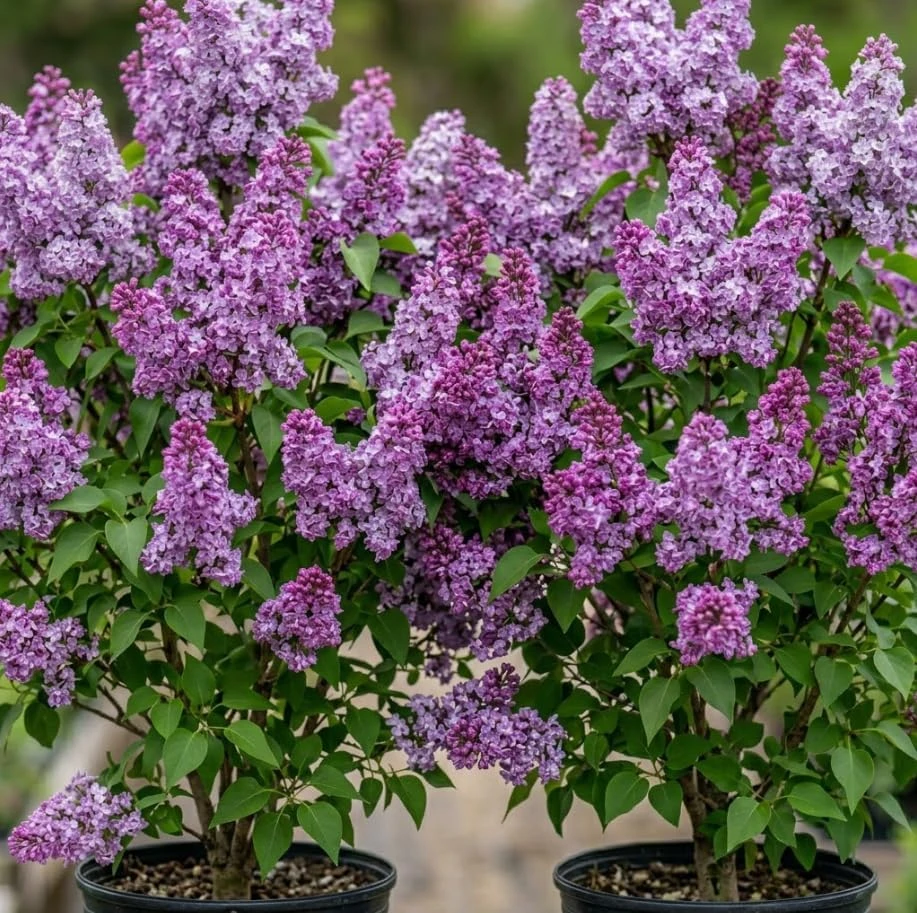
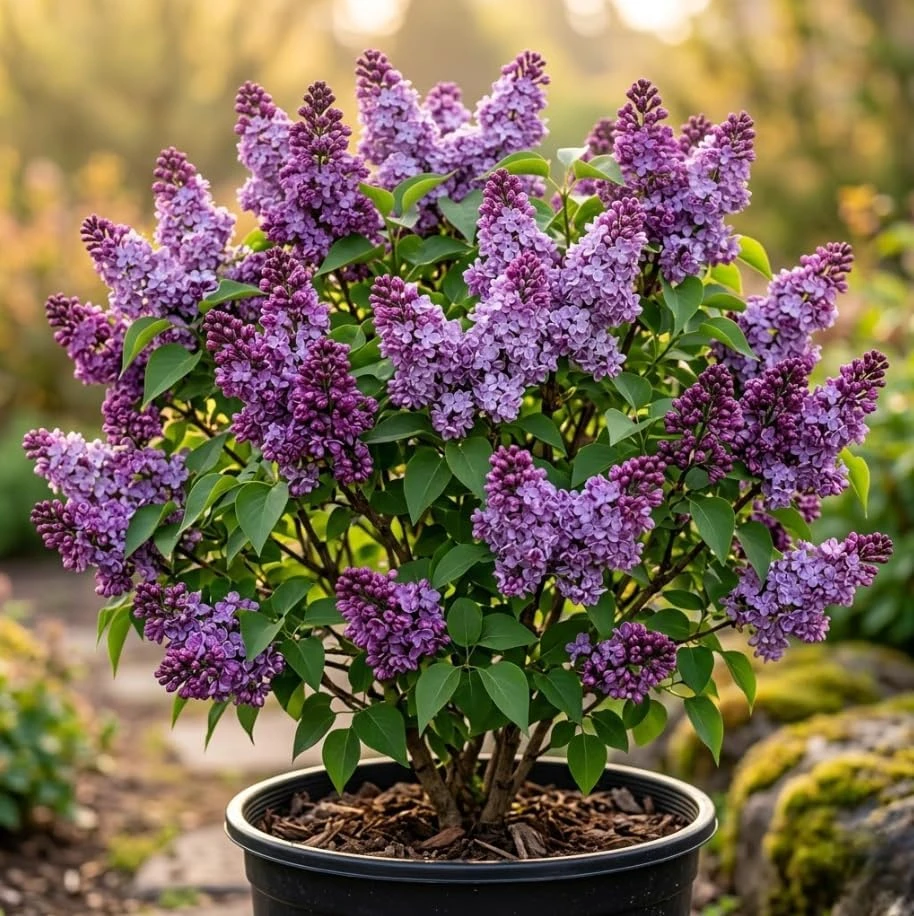
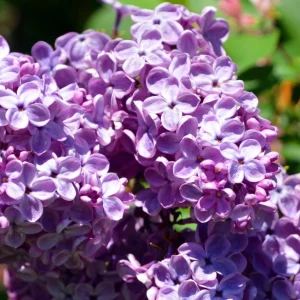
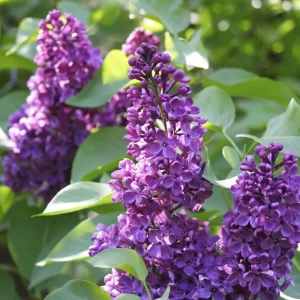
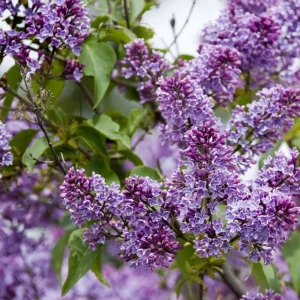
Add timeless beauty to your landscape with this purple lilac bush. This 6-12 inch tall reblooming lilac plant arrives ready to thrive, producing fragrant clusters of rich purple blooms in spring and often reblooming later in the season. Perfect for gardens, borders, and decorative containers.
-
USDA Hardiness Zone
USDA Zones 3-7 -
Soil Type
Well-draining soil -
Sunlight Exposure
Full sun -
Expected Planting Period
Spring to Fall

You can track your order HERE
Nov 03
Nov 08 - Nov 10
Nov 13 - Nov 17
Shipping and return policies: Our Alive & Thrive Guarantee covers issues with your plants within the first 30 days. Reach out to us. Our team will answer your questions and help you find the plants that are truly suitable for your environment, climate, and personal preferences.

Overview
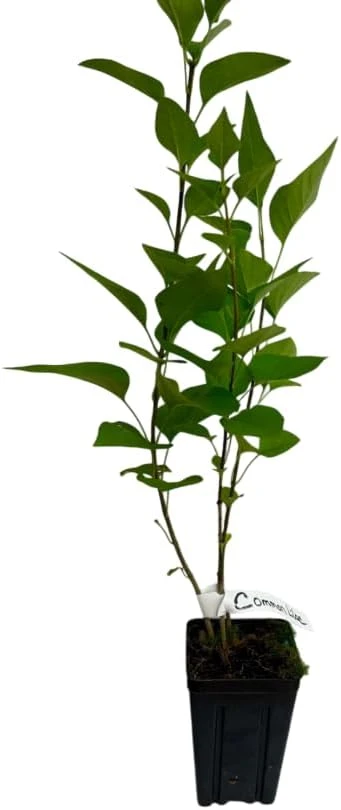
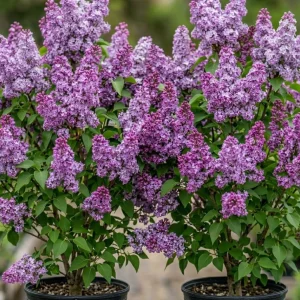
Introduce classic charm and captivating fragrance to your outdoor space with a beautiful purple lilac bush. This live plant, established in a 4-inch pot and standing 6-12 inches tall, is ready for transplanting into your garden, landscape bed, or a decorative container. Known for its abundant, rich purple blooms and delightful scent, the Syringa vulgaris, or Common Lilac, is a beloved addition to any garden. This particular variety is a reblooming lilac plant, meaning it will grace your garden with its exquisite flowers not only in spring but potentially again later in the season, extending its beauty and aromatic presence. Enjoy the enduring appeal of this traditional flowering shrub, perfect for creating fragrant hedges, accent plantings, or a stunning focal point.
The purple lilac bush is a hardy and relatively low-maintenance shrub once established, making it an excellent choice for gardeners of all experience levels. It thrives in various climates and adds a touch of old-fashioned elegance wherever it’s planted. During winter months, lilac plants naturally enter dormancy, so they may arrive without leaves, which is perfectly normal and a sign of a healthy, resting plant ready to burst into life in spring.
Key Benefits
Cultivating a purple lilac bush offers a multitude of advantages for your garden and sensory experience:
- Stunning Fragrance: Enjoy the iconic, sweet perfume of lilac blossoms that fills the air each spring, and potentially again later in the season with this reblooming variety. This delightful aroma is a hallmark of the reblooming lilac plant.
- Vibrant Purple Blooms: Produces abundant clusters of rich purple flowers that create a spectacular visual display, adding vibrant color to your landscape.
- Extended Bloom Season: Unlike traditional lilacs, this variety offers the potential for reblooming, providing longer periods of floral beauty and fragrance.
- Attracts Pollinators: The fragrant flowers are a magnet for bees, butterflies, and other beneficial pollinators, supporting local ecosystems.
- Low Maintenance: Once established, this syringa tree requires minimal care, making it an ideal choice for busy gardeners seeking beauty without constant fuss.
- Versatile Landscaping: Perfect for creating beautiful hedges, privacy screens, specimen plantings, or adding vertical interest to garden beds.
- Hardy & Adaptable: Suitable for a wide range of climates and relatively resilient to various garden conditions, ensuring a robust and long-lasting presence.
Plant Care & Growing Tips
Caring for your purple lilac bush is straightforward, ensuring years of fragrant blooms. This plant thrives in full sun, requiring at least 6 hours of direct sunlight per day to promote the best flowering. While it can tolerate some partial shade, too little sun will result in fewer blooms. Ensure your lilac is planted in well-drained soil; soggy conditions can lead to root rot. A slightly alkaline to neutral soil pH is ideal, but lilacs are adaptable to many soil types as long as drainage is good.
Water your newly planted lilac regularly to help it establish a strong root system. Once established, it is relatively drought-tolerant, but consistent moisture during dry spells, especially when flowering, will improve bloom quality. Fertilize in early spring with a balanced slow-release fertilizer or one formulated for flowering shrubs. Avoid over-fertilizing with high nitrogen, as this can promote leafy growth at the expense of flowers. Pruning is best done immediately after spring flowering to shape the bush and encourage future blooms. Remove spent flower clusters to promote reblooming and cut back any dead, damaged, or crossing branches.
The common lilac care routine is generally simple. Monitor for common pests like powdery mildew or borers, though lilacs are generally quite resistant. Ensuring good air circulation and proper sunlight can help prevent fungal issues. This hardy shrub is suitable for a wide range of climates, demonstrating excellent resilience once it’s settled into its new home. Remember that during dormancy, the plant will appear bare, which is a natural part of its life cycle.
Size & Details
This offering includes one healthy purple lilac bush, a live plant that arrives established in a 4-inch nursery pot. The plant stands approximately 6-12 inches tall from the base of the pot, providing a substantial start for your garden. Lilacs are known for their moderate to fast growth rate, typically adding 1-2 feet of height per year once established. Mature lilac bushes can reach heights of 8-15 feet and widths of 6-12 feet, depending on variety and pruning, forming a substantial and beautiful shrub or small syringa tree over time.
Upon arrival, your reblooming lilac plant will be ready for immediate transplanting. Expect the first flush of fragrant purple blooms in spring, with the potential for subsequent reblooms later in the growing season, especially with proper care and deadheading. This plant is shipped with its root ball intact within the pot, ensuring minimal transplant shock and a strong start in your landscape.
Frequently Asked Questions
- Q: How big does this purple lilac bush get? A: This lilac plant arrives 6-12 inches tall in a 4-inch pot. Mature lilac bushes can grow to be 8-15 feet tall and 6-12 feet wide, depending on growing conditions and pruning.
- Q: Is this an indoor or outdoor plant? A: This purple lilac bush is an outdoor plant, best suited for gardens, landscape beds, and large outdoor containers where it can receive full sun.
- Q: How much sunlight does it need? A: Lilacs thrive in full sun, requiring at least 6 hours of direct sunlight per day to produce the most abundant and fragrant blooms.
- Q: Is this plant easy to care for? A: Yes, once established, the common lilac care routine is relatively low maintenance. It requires well-drained soil, full sun, and occasional watering during dry periods.
- Q: What condition will it arrive in? A: Your reblooming lilac plant will arrive as a live, established plant in a 4-inch pot, ready for transplanting. During winter, it may arrive dormant without leaves, which is normal.
- Q: When is the best time to plant this syringa tree? A: The best time to plant your lilac is in spring or fall. However, because it arrives potted, it can be planted any time the ground is not frozen, allowing for proper establishment before extreme weather.
- Q: Will it survive winter in my zone? A: Lilacs are very hardy and generally thrive in USDA Zones 3-7, potentially extending to Zone 8 in some regions. This makes the fragrant garden shrubs suitable for many climates across the US.
- Q: What kind of soil does this purple lilac bush prefer? A: Lilacs prefer well-drained soil. They are adaptable to a range of soil types but perform best in slightly alkaline to neutral soil. Good drainage is crucial to prevent root issues.
- Q: How often should I water my new lilac plant? A: Water regularly after planting until the lilac is established. Once established, it is fairly drought-tolerant, but consistent watering during dry spells and while blooming will promote healthier growth and more flowers.
- Q: What makes this a reblooming lilac? A: This variety has been selected for its genetic ability to produce a second flush of flowers later in the growing season, typically after the main spring bloom, extending its ornamental value.
Be the first to review “Purple Lilac Bush 6-12″ Tall – Reblooming Syringa Live Plant for Outdoor Garden”
People Also Viewed
Flower Seeds
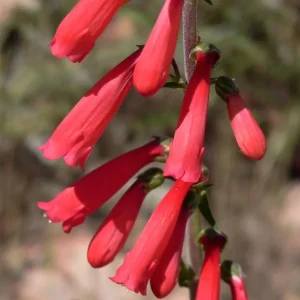
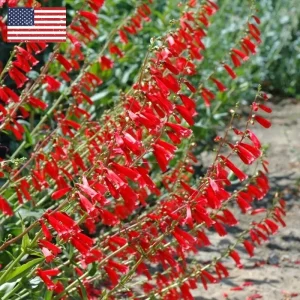
Eaton’s Red Penstemon Seeds – Hummingbird Beardtongue – 200 Non-GMO Perennial Seeds – Outdoor
Sold 88 products
Original price was: $15.92.$7.96Current price is: $7.96.


Sold 80 products
Original price was: $160.00.$80.00Current price is: $80.00.
Sold 54 products
Original price was: $39.98.$19.99Current price is: $19.99.

Sold 86 products
Original price was: $91.98.$45.99Current price is: $45.99.












Reviews
There are no reviews yet.