
Polka Raspberry Bare Root Plant – 1-Year-Old Canes – Everbearing Red Variety
From $83.80
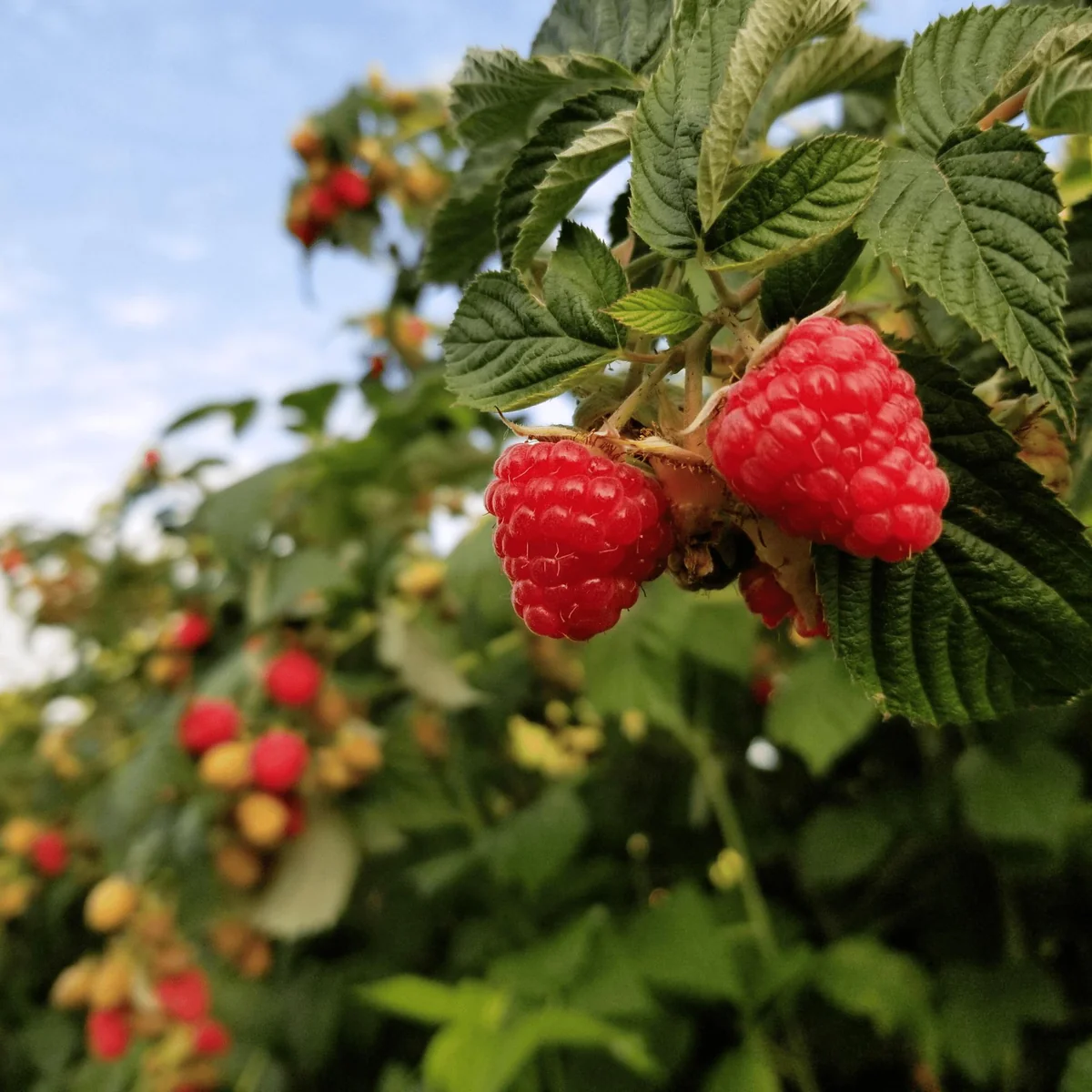
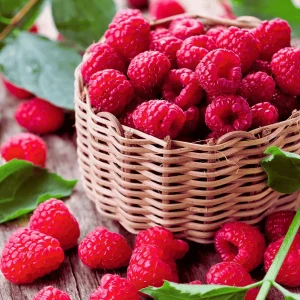
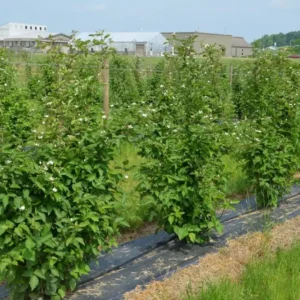
Cultivate delicious, sweet Polka raspberry bare root plant with these 1-year-old dormant canes. This everbearing raspberry plant produces large, low-acid red berries from late summer through fall, ideal for fresh eating, baking, and freezing. Enjoy a bountiful harvest with minimal effort.
-
USDA Hardiness Zone
4–8 -
Soil Type
Well-drained, fertile soil -
Sunlight Exposure
Full sun (6–8 hours per day) -
Expected Planting Period
Early spring

You can track your order HERE
Feb 28
Mar 05 - Mar 07
Mar 10 - Mar 14
Shipping and return policies: Our Alive & Thrive Guarantee covers issues with your plants within the first 30 days. Reach out to us. Our team will answer your questions and help you find the plants that are truly suitable for your environment, climate, and personal preferences.

Overview
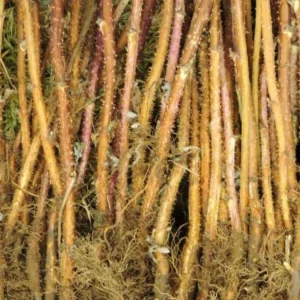
Experience the joy of homegrown, exceptionally sweet fruit with the Polka raspberry bare root plant. This offering includes 1-year-old dormant bare root canes of the ‘Polka’ variety, renowned for its early and abundant harvest. ‘Polka’ is an everbearing red raspberry, meaning it produces fruit on new canes (primocanes) in its first year, starting from late summer and continuing into early fall. Gardeners cherish this variety for its intensely sweet flavor and large, firm berries, which are perfect for enjoying fresh, baking into pies and pastries, or preserving through freezing. Planting these bare root canes provides a strong foundation for a thriving raspberry patch, allowing you to quickly establish a productive fruit source in your home garden.
The ‘Polka’ raspberry variety is a favorite among both home gardeners and small-scale growers due to its impressive yield and delicious fruit quality. These red raspberry canes are delivered dormant, ready to be planted and establish quickly, promising seasons of delightful harvests. With its manageable growth habit and robust nature, the Polka raspberry is an excellent choice for anyone looking to add a reliable and highly rewarding fruit plant to their landscape.
Key Benefits
The Polka raspberry bare root plant offers numerous advantages for the home gardener, ensuring a rewarding and productive growing experience. Its unique characteristics make it a standout choice:
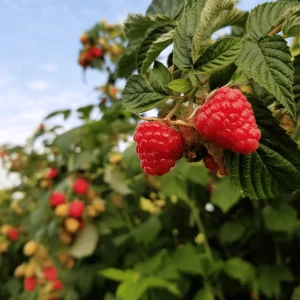
- Exceptional Sweetness: Enjoy raspberries with a low-acid, intensely sweet flavor profile that is highly sought after. These berries are perfect for fresh consumption, providing a delightful treat straight from the cane.
- Everbearing Harvest: This variety is everbearing, providing a long harvest window that extends from late summer through early fall. This ensures a prolonged supply of fresh fruit, unlike single-crop varieties.
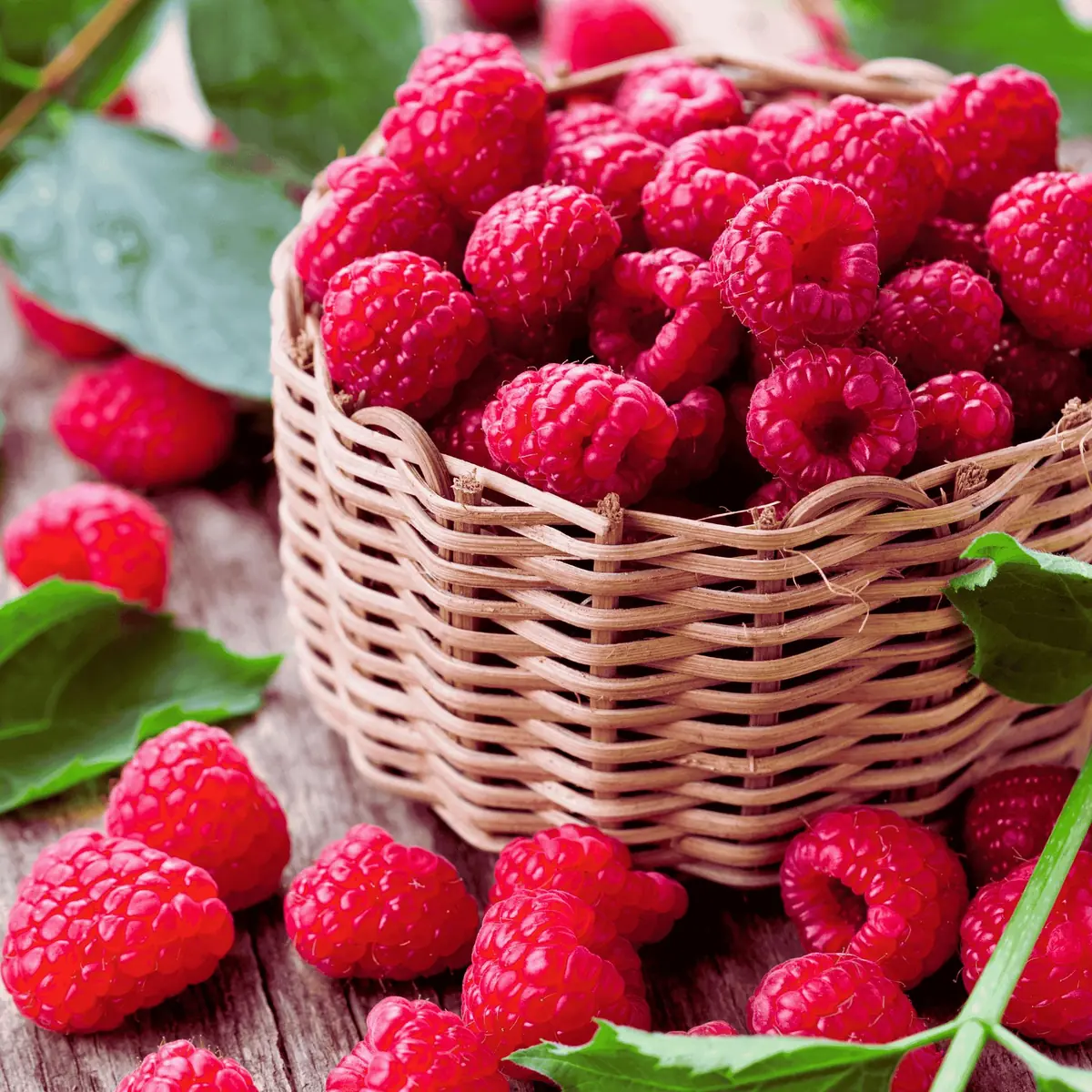
- Large, Firm Berries: ‘Polka’ produces sizable, firm berries that hold up well for various uses, including fresh eating, baking, and freezing. Their robust nature makes them easy to pick and handle.
- Easy to Grow & Manage: The upright canes of the everbearing raspberry plant are strong and require minimal support, simplifying maintenance. This makes them an excellent choice for both novice and experienced gardeners.
- Cold Hardy & Disease Resistant: Ideal for USDA Zones 4–8, ‘Polka’ is a cold-hardy and disease-resistant variety, contributing to its reliability and productivity in a range of climates.
- Versatile Culinary Uses: From fresh snacks and desserts to jams, jellies, and sauces, the sweet and flavorful berries can be incorporated into a wide array of culinary creations.
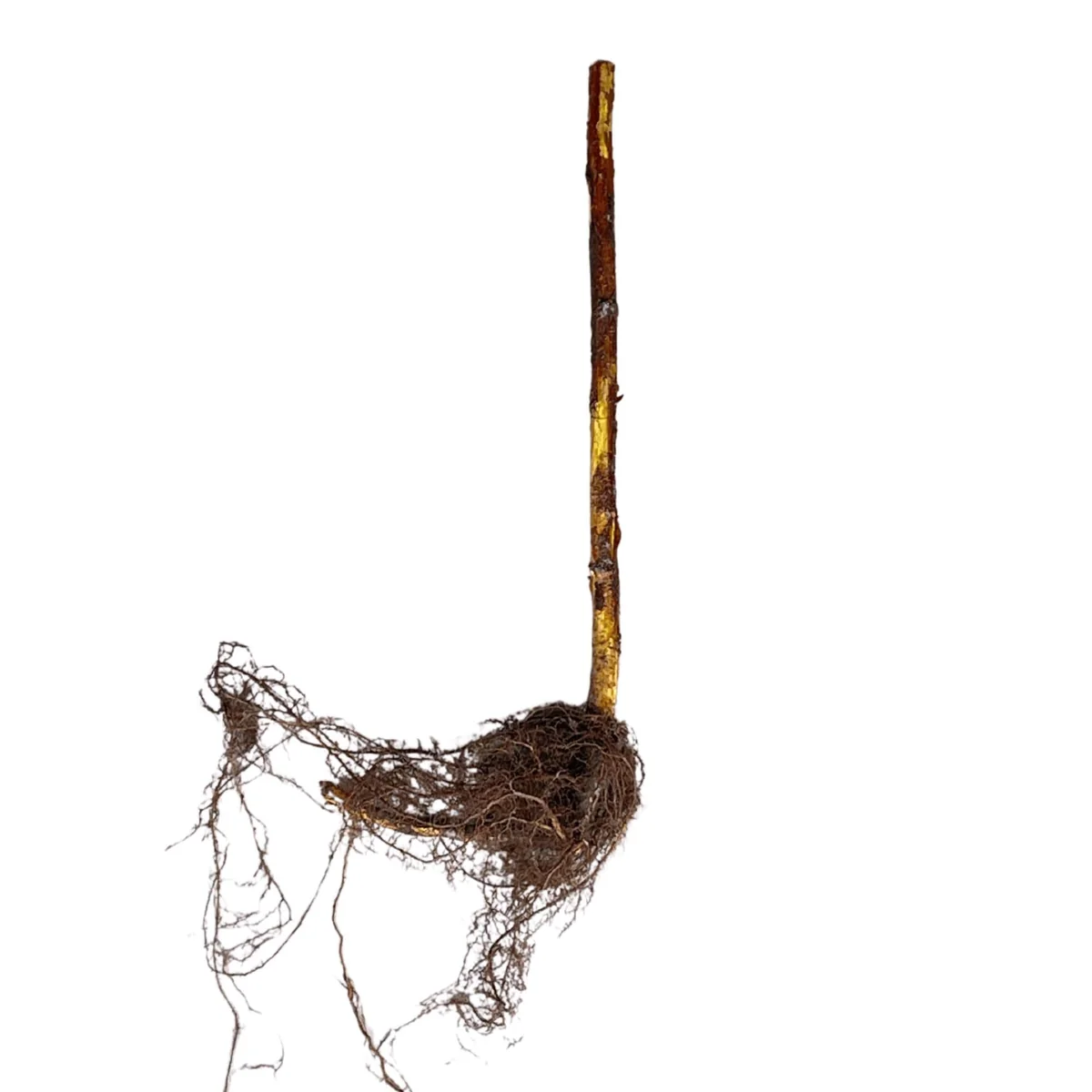
- Quick Establishment: Shipped as 1-year-old bare roots, these plants are dormant and ready to establish quickly in your garden, accelerating your journey to a fruitful harvest. Growing Polka raspberry bare root plant is a straightforward process.
Plant Care & Growing Tips
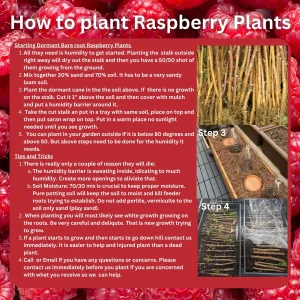
Cultivating a thriving patch of Polka raspberry bare root plant is straightforward with proper care. These red raspberry canes flourish in specific conditions that mimic their natural habitat. Ensure they receive full sun, which means at least 6–8 hours of direct sunlight per day. This maximizes fruit production and sweetness. The ideal soil for ‘Polka’ raspberries is well-drained and fertile, with a slightly acidic pH ranging from 6.0–6.5. Before planting, amend heavy clay soils with organic matter to improve drainage, or sandy soils to enhance water retention. Good drainage is crucial to prevent root rot.
When planting, space your everbearing raspberry plant canes 2–3 feet apart within the row, allowing 6–8 feet between rows to ensure adequate air circulation and ease of harvesting. Consistent watering is vital, especially during establishment and fruiting periods. Aim for 1–1.5 inches of water per week, either from rainfall or irrigation, ensuring the soil remains consistently moist but not waterlogged. Applying a layer of mulch around the base of the plants helps to conserve soil moisture, suppress weeds, and regulate soil temperature. While ‘Polka’ has upright canes, trellising is recommended for better airflow and easier access to berries, contributing to their optimal development. For those interested in growing Polka raspberries, understanding these fundamental care points is key to success. Proper pruning is essential; for a fall-only crop, cut all canes to the ground in late winter. For two crops, remove spent canes after the first harvest and retain new primocanes for a second flush of fruit. This approach to care ensures a robust and productive sweet raspberry variety.
Size & Details
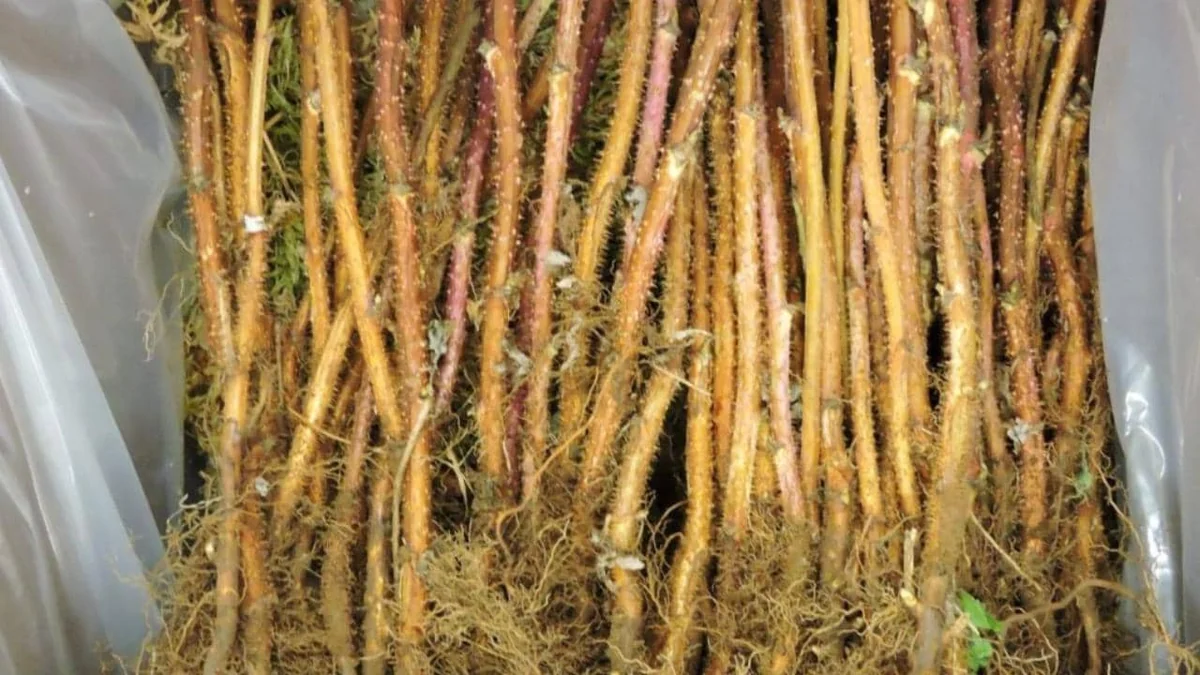
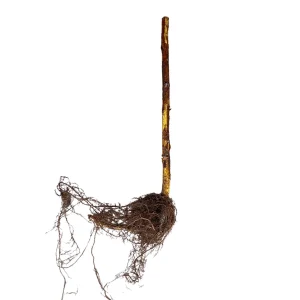
This offering includes 1-year-old Polka raspberry bare root plant canes, which are shipped dormant and ready for immediate planting. As bare roots, they lack foliage and soil around their root system, allowing for easy transportation and quick establishment once planted. The ‘Polka’ raspberry is known for its vigorous growth, typically reaching mature heights of 4-6 feet with a similar spread when established. These red raspberry canes are ideal for USDA Hardiness Zones 4–8, indicating their excellent cold hardiness and adaptability to a wide range of climates across the US. The plant is an everbearing variety, meaning it will produce fruit on new growth (primocanes) in its first year, typically starting its harvest window in early fall (late July through September, depending on your specific climate).
With proper care, you can expect a bountiful harvest of large, sweet berries each season. The upright growth habit of this everbearing raspberry plant makes it relatively easy to manage, and while not strictly necessary, providing some form of support or trellising can enhance air circulation and make harvesting more convenient. This sweet raspberry variety is a reliable choice for gardeners seeking a productive and delicious addition to their edible landscape, and mastering growing Polka raspberries starts right here.
Frequently Asked Questions
- Q: How big does this Polka raspberry bare root plant get? A: The Polka raspberry typically grows to a mature height of 4-6 feet with a similar spread. Its upright canes contribute to a manageable size, making it suitable for various garden spaces.
- Q: Is this an indoor or outdoor plant? A: The Polka raspberry bare root plant is an outdoor fruit plant, thriving in garden settings where it can receive full sun. It is cold hardy and designed for outdoor cultivation.
- Q: How much sunlight does it need? A: This everbearing raspberry plant requires full sun exposure, meaning at least 6–8 hours of direct sunlight per day, to ensure optimal fruit production and sweetness.
- Q: Is this plant easy to care for? A: Yes, ‘Polka’ raspberries are considered relatively easy to care for, especially for an everbearing variety. Their strong, upright canes require minimal support, and they are known for being cold hardy and disease resistant. This makes growing Polka raspberries a rewarding experience for many.
- Q: What condition will it arrive in? A: The plants are shipped as 1-year-old dormant bare roots. This means they will arrive without leaves or soil around the roots, ready to establish quickly once planted in your garden.
- Q: When is the best time to plant these red raspberry canes? A: The best time to plant red raspberry canes is typically in early spring, after the danger of hard frost has passed, allowing the dormant roots to establish as the weather warms.
- Q: Will it survive winter in my zone? A: The ‘Polka’ raspberry is cold hardy and ideal for USDA Zones 4–8, indicating it will survive winter in a broad range of temperate climates.
- Q: How long until it blooms and produces fruit? A: As an everbearing variety, these 1-year-old bare roots will typically produce fruit on their new canes (primocanes) in their first year, starting from late summer through early fall.
- Q: What makes this a sweet raspberry variety? A: The ‘Polka’ raspberry is specifically bred for its low-acid content and intensely sweet flavor, making it a highly desirable and delicious sweet raspberry variety for fresh consumption and culinary uses.
- Q: What type of soil is best for this everbearing raspberry plant? A: This plant prefers well-drained, fertile soil with a pH between 6.0–6.5. Good drainage is crucial to prevent waterlogging and promote healthy root development.
| Quantity | 1, 3, 5 |
|---|
Be the first to review “Polka Raspberry Bare Root Plant – 1-Year-Old Canes – Everbearing Red Variety”
People Also Viewed
Sold 70 products
Original price was: $175.96.$87.98Current price is: $87.98.
Sold 90 products
Original price was: $391.96.$195.98Current price is: $195.98.
Sold 73 products
$87.98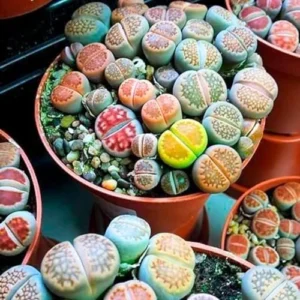
HousePlants
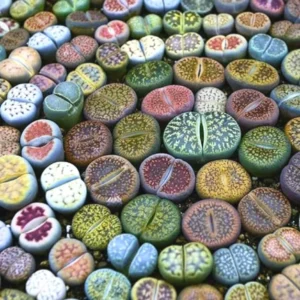
Lithops Live Plants Mix – 30 Colorful Succulents – Living Stones for Indoor/Outdoor Planting
Sold 71 products
Original price was: $65.98.$32.99Current price is: $32.99.
Sold 93 products
Original price was: $90.00.$72.00Current price is: $72.00.
Sold 66 products
Original price was: $79.98.$39.99Current price is: $39.99.
Sold 87 products
Original price was: $93.98.$46.99Current price is: $46.99.
Sold 56 products
$48.38
Sold 64 products
From $67.80
Sold 94 products
From $47.80
Sold 97 products
Original price was: $79.98.$39.99Current price is: $39.99.
Sold 89 products
Original price was: $161.56.$80.78Current price is: $80.78.
Sold 68 products
$329.98
Flower Plants
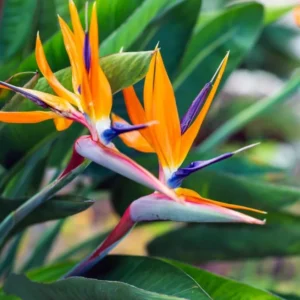
Orange Bird of Paradise Live Plant – 5-10 Inch Tropical Strelitzia Reginae Outdoor Plant
Sold 61 products
Original price was: $35.98.$17.99Current price is: $17.99.
Sold 78 products
Original price was: $319.96.$159.98Current price is: $159.98.

Sold 67 products
Original price was: $8.60.$4.30Current price is: $4.30.
Sold 97 products
$43.98
Sold 72 products
$43.98


Reviews
There are no reviews yet.