
Pink Milkweed Live Plant (Asclepias incarnata) 4in Pot – Monarch Host
Original price was: $24.98.$11.99Current price is: $11.99.
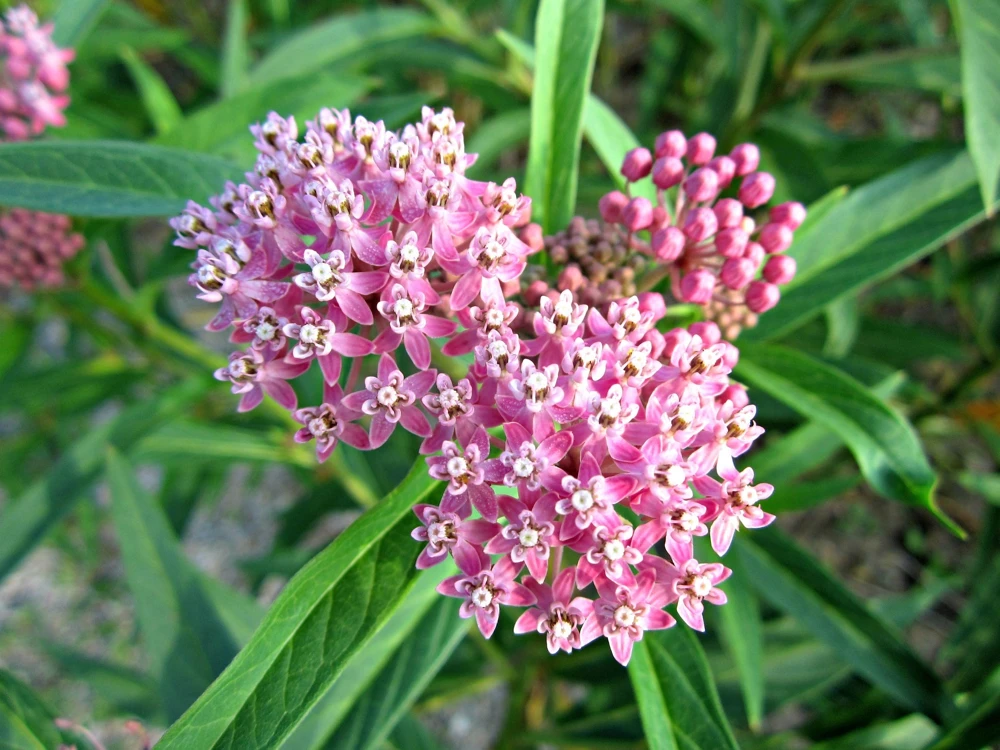
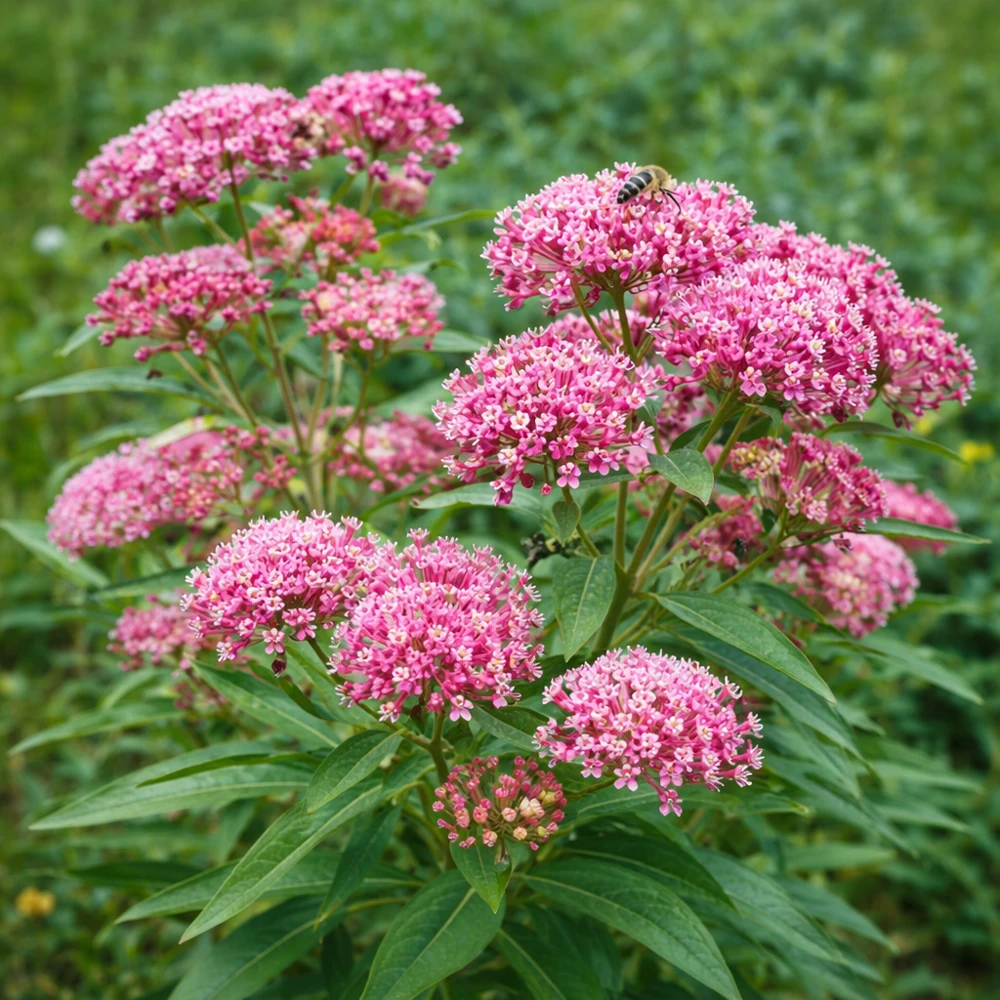
Bring life and color to your garden with this pink milkweed live plant, a vital 4-inch potted specimen for pollinator support. Known as a primary monarch host plant, Asclepias incarnata features vibrant rosy-pink flowers and attracts a wide array of beneficial insects. This native milkweed is easy to care for and perfect for creating a thriving ecosystem in your backyard.
SHIP NO POT
-
USDA Hardiness Zone
USDA Zones 3-9 -
Soil Type
Consistently moist, well-draining soil -
Sunlight Exposure
Full sun to partial shade -
Expected Planting Period
Spring to early fall

You can track your order HERE
Oct 06
Oct 11 - Oct 13
Oct 16 - Oct 20
Shipping and return policies: Our Alive & Thrive Guarantee covers issues with your plants within the first 30 days. Reach out to us. Our team will answer your questions and help you find the plants that are truly suitable for your environment, climate, and personal preferences.

SHIP NO POT
Overview
Transform your garden into a vibrant haven for pollinators with the exquisite pink milkweed live plant. Also known as Swamp Milkweed (Asclepias incarnata), this native perennial is renowned for its stunning clusters of rosy-pink flowers and its indispensable role as a monarch host plant. This 4-inch potted specimen arrives ready to plant, offering an immediate impact on your outdoor space. Unlike many garden plants, the pink milkweed live plant provides both aesthetic appeal and critical ecological support, making it a favorite among gardeners and conservationists alike. Its upright growth habit and long blooming season ensure a consistent source of nectar for various beneficial insects, while its foliage serves as the sole food source for monarch larvae. Choosing a pink milkweed live plant means investing in the health of your local ecosystem. Beyond its ecological benefits, Asclepias incarnata is a resilient and relatively low-maintenance plant, making it suitable for gardeners of all experience levels. Its cheerful blossoms add a touch of wild elegance to borders, rain gardens, or naturalized areas. With its vital connection to the iconic monarch butterfly, this plant offers a unique opportunity to participate in wildlife conservation directly from your backyard. Embrace the beauty and purpose of this remarkable native milkweed.
Key Benefits
The pink milkweed live plant offers a multitude of benefits, both for your garden’s aesthetic and its ecological health. It’s a powerhouse for biodiversity, providing crucial resources for various pollinators. Incorporating this plant into your landscape means enjoying seasonal beauty while contributing to important conservation efforts. This makes it an ideal choice for anyone looking for butterfly friendly plants.
- Monarch Butterfly Host Plant: This is the primary benefit of the pink milkweed live plant. Its leaves are the only food source for monarch butterfly caterpillars, making it essential for their life cycle and the survival of the species. Planting it directly supports monarch populations and helps in monarch conservation efforts.
- Attracts Pollinators: Beyond monarchs, the nectar-rich flowers of Asclepias incarnata are highly attractive to a wide array of pollinators, including bees, other butterfly species, and hummingbirds. This helps to increase biodiversity and support local food webs in your garden, making it one of the best butterfly friendly plants.
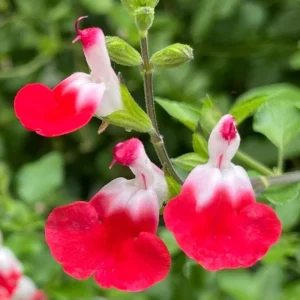
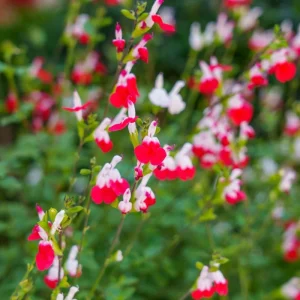
- Vibrant Pink Blooms: Enjoy a long-lasting display of beautiful, fragrant, rosy-pink flower clusters from mid-summer into early fall. These cheerful blossoms add significant visual interest and a pop of color to any garden setting, enhancing curb appeal.
- Native and Adaptable: As a native milkweed species, the pink milkweed live plant is well-adapted to local climates and soils, requiring less intervention once established. It’s particularly tolerant of moist conditions, making it suitable for rain gardens or areas with poor drainage.
- Low Maintenance: Once established, this plant is remarkably easy to care for. It’s generally pest-resistant and drought-tolerant (though prefers consistent moisture), making it a fuss-free addition to your garden, even for beginners.
- Supports Ecosystem Health: By providing food and habitat, this plant contributes significantly to the overall health and resilience of your local ecosystem. It’s a cornerstone plant for creating a wildlife-friendly garden, supporting a diverse range of species.
- Deer Resistant: While loved by monarchs, Asclepias incarnata is often unappealing to deer and other common garden browsers, helping to protect your investment in your garden and ensuring your plants thrive undisturbed.
Plant Care & Growing Tips
Caring for your pink milkweed live plant is straightforward, especially since it’s a native species well-suited to many environments. Providing the right conditions will ensure a thriving plant that consistently attracts and sustains pollinators. This native milkweed thrives in full sun to partial shade, ideally receiving at least 6 hours of direct sunlight daily. While it tolerates a range of soil types, it prefers consistently moist, well-draining soil. It is particularly well-suited for areas with poor drainage or rain gardens, as its common name, Swamp Milkweed, suggests its preference for wetter conditions. Regular watering is crucial during its establishment phase and during dry spells, though mature plants show good drought tolerance once established. For optimal growth, enrich the soil with compost or organic matter at planting. Fertilization is generally not necessary for this resilient native plant, but a light application of balanced, slow-release fertilizer in spring can boost vigor in poorer soils. Deadheading spent flowers can encourage more blooms and prevent unwanted self-seeding. Pruning in late fall or early spring can help maintain a tidy appearance and promote bushier growth for your pink milkweed live plant. This plant is hardy and generally pest-resistant, making it a joy to grow.
Size & Details
This offering is for one pink milkweed live plant, specifically Asclepias incarnata, delivered in a 4-inch nursery pot. The plant arrives ready for immediate planting in your garden or a larger container. Typically, Asclepias incarnata grows to an average height of 3 to 5 feet tall and spreads about 2 to 3 feet wide, forming an upright, bushy perennial. Its growth rate is moderate, establishing well within its first year and reaching mature size within 2-3 years. Expect vibrant rosy-pink flower clusters to appear from mid-summer into early fall, providing a long season of color and nectar for pollinators. The 4-inch pot size ensures a healthy root system, allowing for a smooth transition into your landscape. This plant is a robust addition, offering significant ecological value as a monarch host plant. The mature size makes it a striking feature in borders, naturalized areas, or rain gardens, contributing significantly to local biodiversity.
Frequently Asked Questions
- Q: How big does this pink milkweed live plant get? A: This native milkweed typically grows 3 to 5 feet tall and spreads 2 to 3 feet wide, forming an upright, bushy perennial. Its mature size makes it a prominent feature in any garden.
- Q: What size pot does it come in? A: The pink milkweed live plant is shipped in a 4-inch nursery pot, providing a well-developed root system for successful transplanting.
- Q: Is this an indoor or outdoor plant? A: Asclepias incarnata or swamp milkweed is primarily an outdoor plant, best suited for garden beds, rain gardens, or naturalized areas where it can thrive and support pollinators. It is a crucial monarch host plant.
- Q: How much sunlight does it need? A: This plant thrives in full sun to partial shade, preferring at least 6 hours of direct sunlight daily for optimal flowering and growth.
- Q: Is this plant easy to care for? A: Yes, once established, the pink milkweed live plant is remarkably low-maintenance. It’s resilient, generally pest-resistant, and adaptable to various conditions, making it an excellent choice for gardeners of all experience levels.
- Q: What condition will it arrive in? A: Your pink milkweed live plant will arrive as a healthy, actively growing specimen in its 4-inch pot, carefully packaged to ensure its safe journey.
- Q: When is the best time to plant Asclepias incarnata? A: The best time to plant this native milkweed is in spring after the last frost, or in early fall. This allows the plant ample time to establish its root system before extreme weather.
- Q: Will it survive winter in my zone? A: Asclepias incarnata is hardy in USDA Zones 3-9, meaning it will typically die back to the ground in winter and re-emerge in spring in these regions.
- Q: Why is pink milkweed live plant important for butterflies? A: It is a critical monarch host plant, meaning monarch butterfly caterpillars exclusively feed on its leaves. Planting it directly supports the monarch life cycle and conservation efforts for these iconic insects. It’s truly one of the most important butterfly friendly plants.
- Q: What kind of soil does it prefer? A: This plant prefers consistently moist, well-draining soil and can tolerate wetter conditions, making it ideal for rain gardens or areas with poor drainage.
Be the first to review “Pink Milkweed Live Plant (Asclepias incarnata) 4in Pot – Monarch Host”
People Also Viewed





Sold 62 products
Original price was: $155.80.$77.90Current price is: $77.90.
Succulents
Red Yucca Live Plant – Hesperaloe parviflora Succulent, 4 Inch Tall in 4 Inch Pot, Outdoor
Sold 73 products
Original price was: $35.99.$20.99Current price is: $20.99.
















Reviews
There are no reviews yet.