
Pindo Palm Live Plant – Cold Hardy Jelly Palm – 3 Gallon Pot – Edible Fruit – Outdoor
Original price was: $239.96.$119.98Current price is: $119.98.
Bring tropical charm to your landscape with a pindo palm live plant. This 3-gallon jelly palm tree is cold hardy, features elegant gray-green fronds, and produces delicious edible fruits perfect for jellies and wines. An ideal outdoor specimen for zones 8-11.
-
USDA Hardiness Zone
8-11 -
Soil Type
Well-draining, sandy loam -
Sunlight Exposure
Full sun to partial shade -
Expected Planting Period
Spring to early summer

You can track your order HERE
Feb 28
Mar 05 - Mar 07
Mar 10 - Mar 14
Shipping and return policies: Our Alive & Thrive Guarantee covers issues with your plants within the first 30 days. Reach out to us. Our team will answer your questions and help you find the plants that are truly suitable for your environment, climate, and personal preferences.

Overview
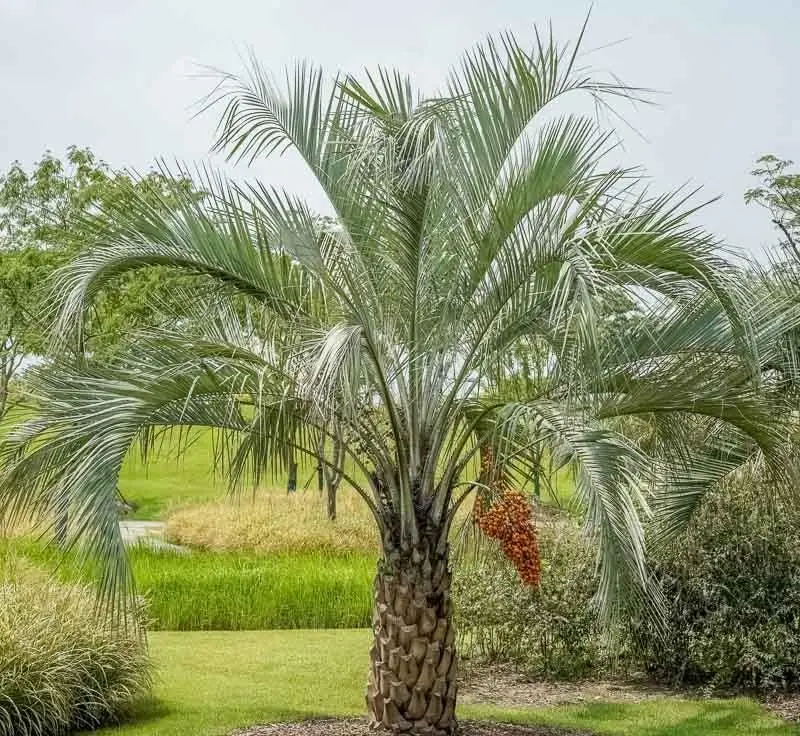
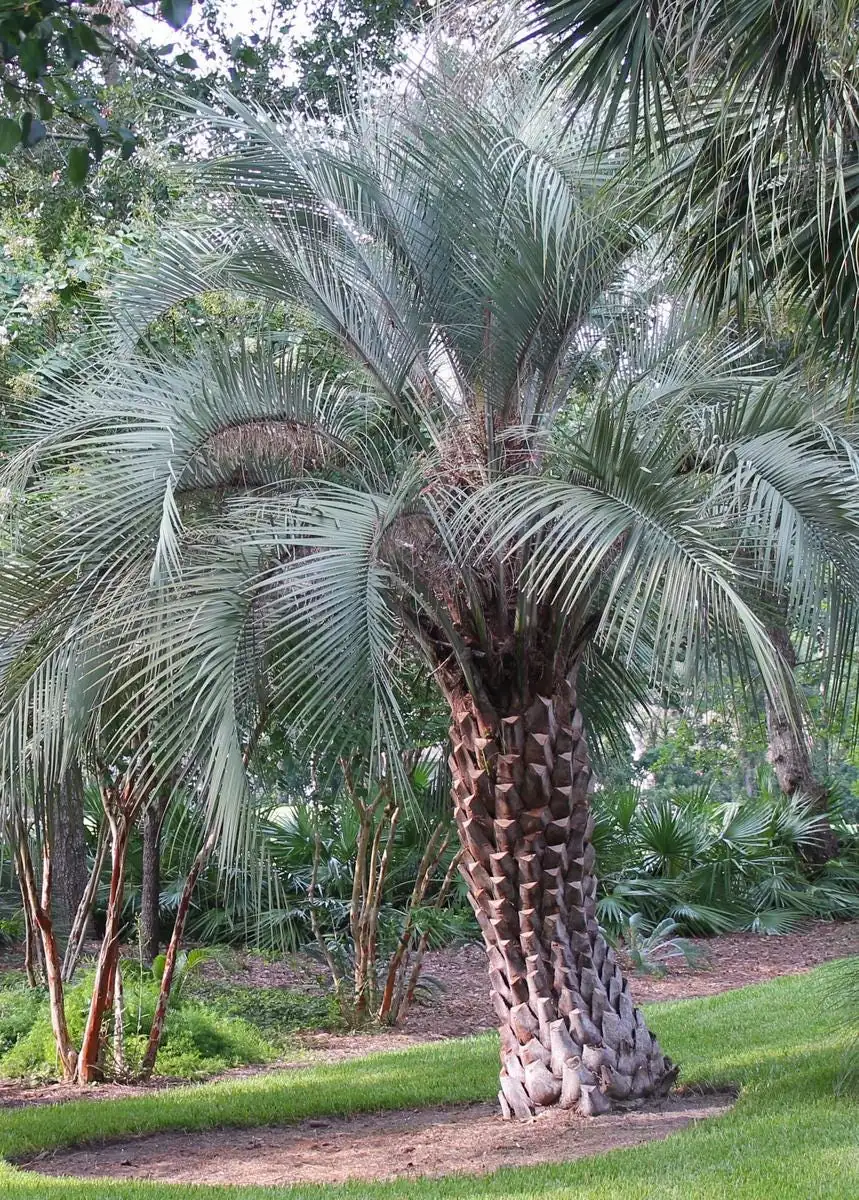
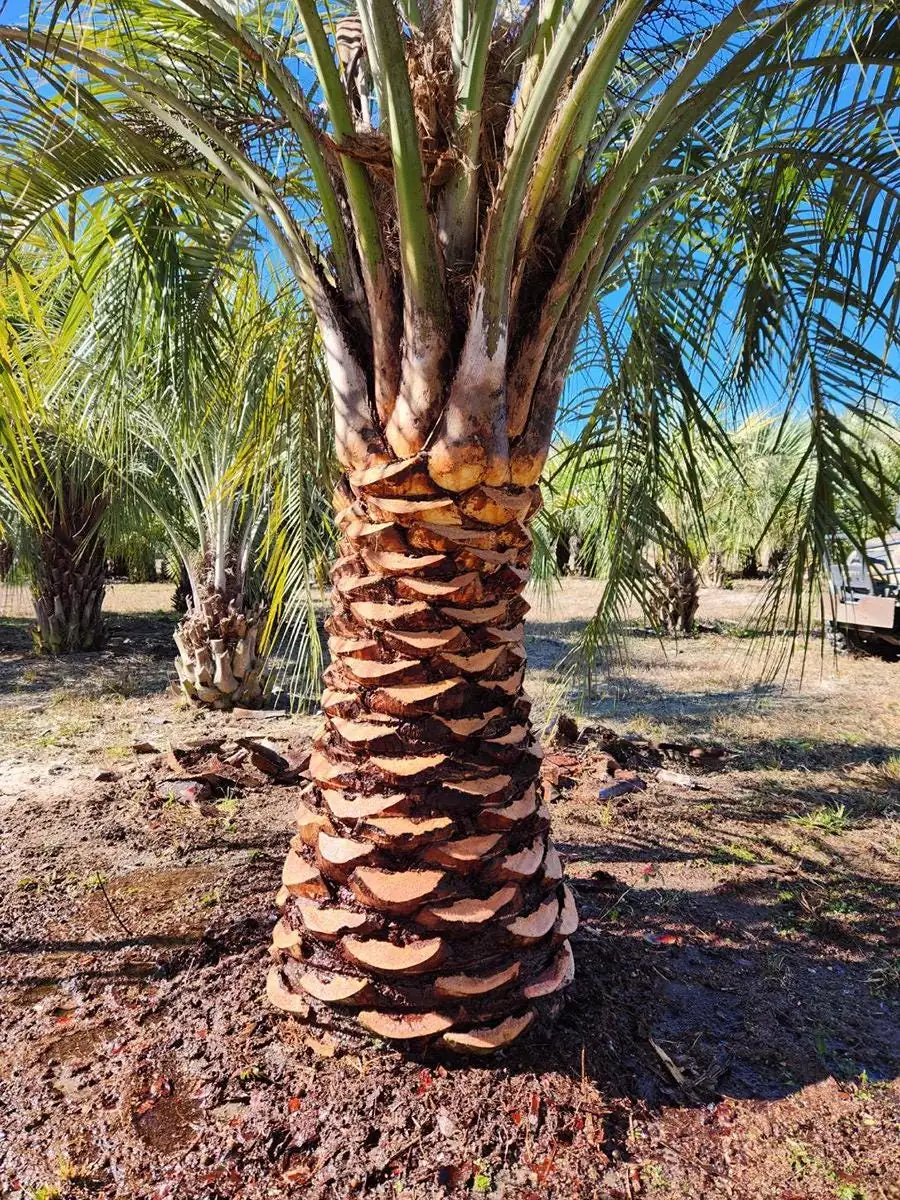
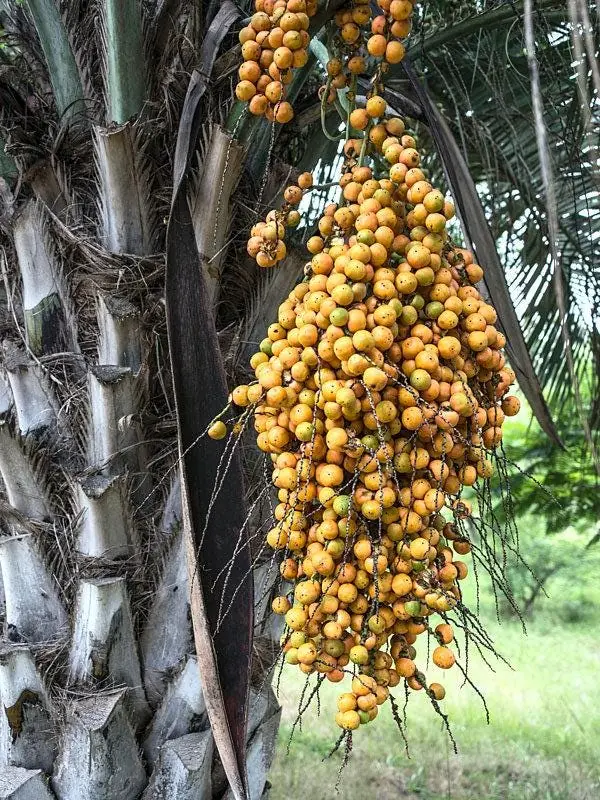
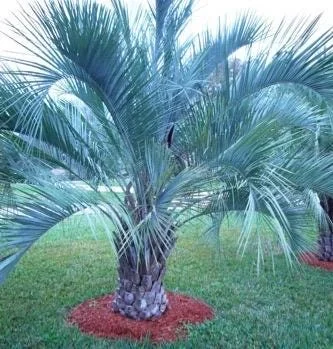
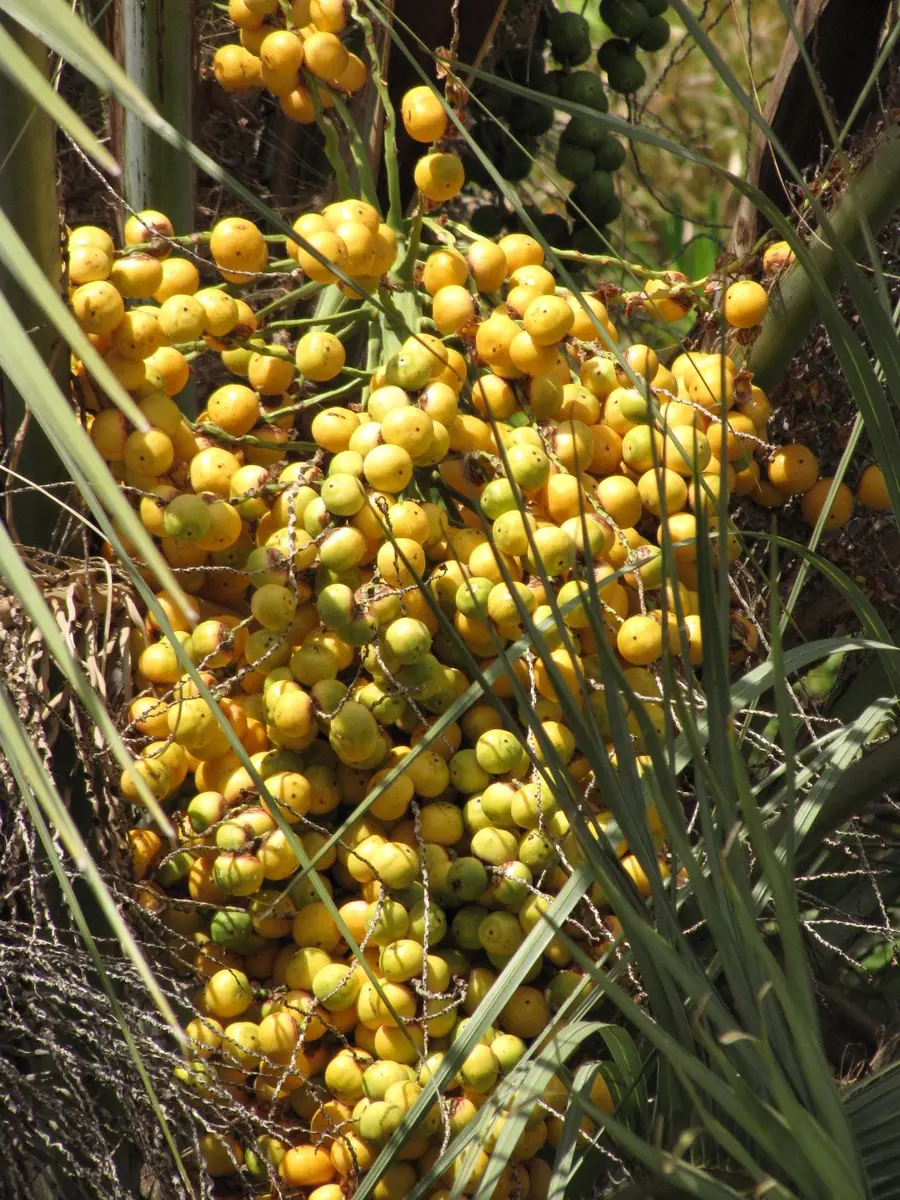
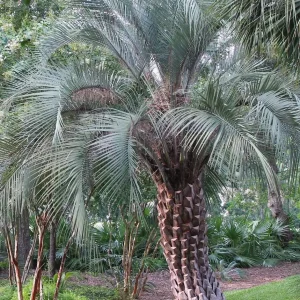
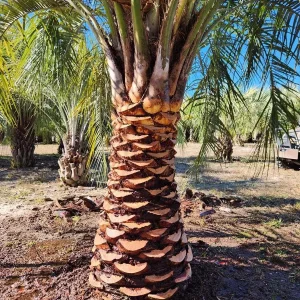
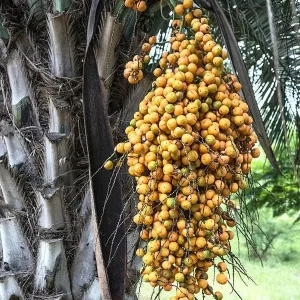
Experience the unique beauty and versatility of the pindo palm live plant, also widely known as the Jelly Palm. This medium-sized feathery frond palm adds undeniable charm and a distinct tropical flair to any outdoor space. Renowned for its resilience, the Pindo Palm stands out among its tropical counterparts by offering exceptional cold hardiness, making it a suitable choice for a broader range of climates. Beyond its striking appearance with wide, arching gray-green fronds and a stocky trunk, this palm is celebrated for its delicious, edible fruits. These fruits, which taste like a delightful blend of pineapple, banana, and apricot, are perfect for making homemade jellies and wines, earning the tree its popular ‘Jelly Palm’ moniker. Whether you’re enhancing a garden, poolside area, or simply seeking a unique specimen tree, the Pindo Palm provides year-round tropical greenery and a bountiful harvest.
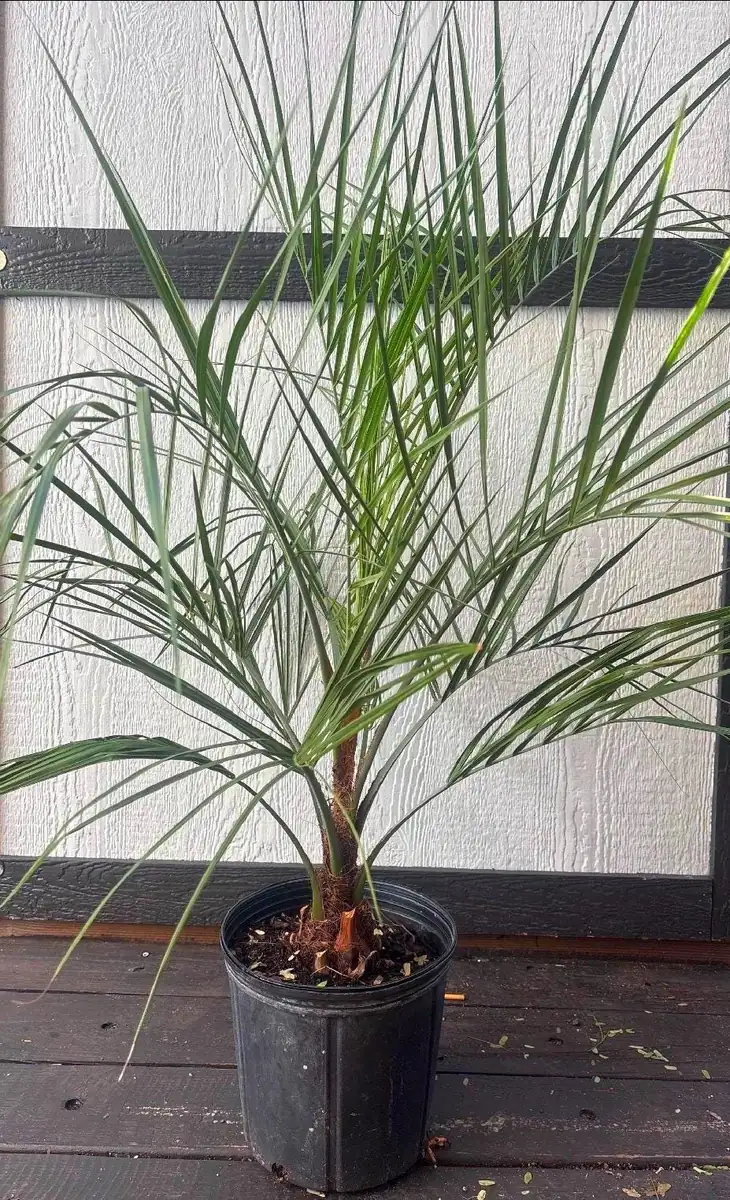
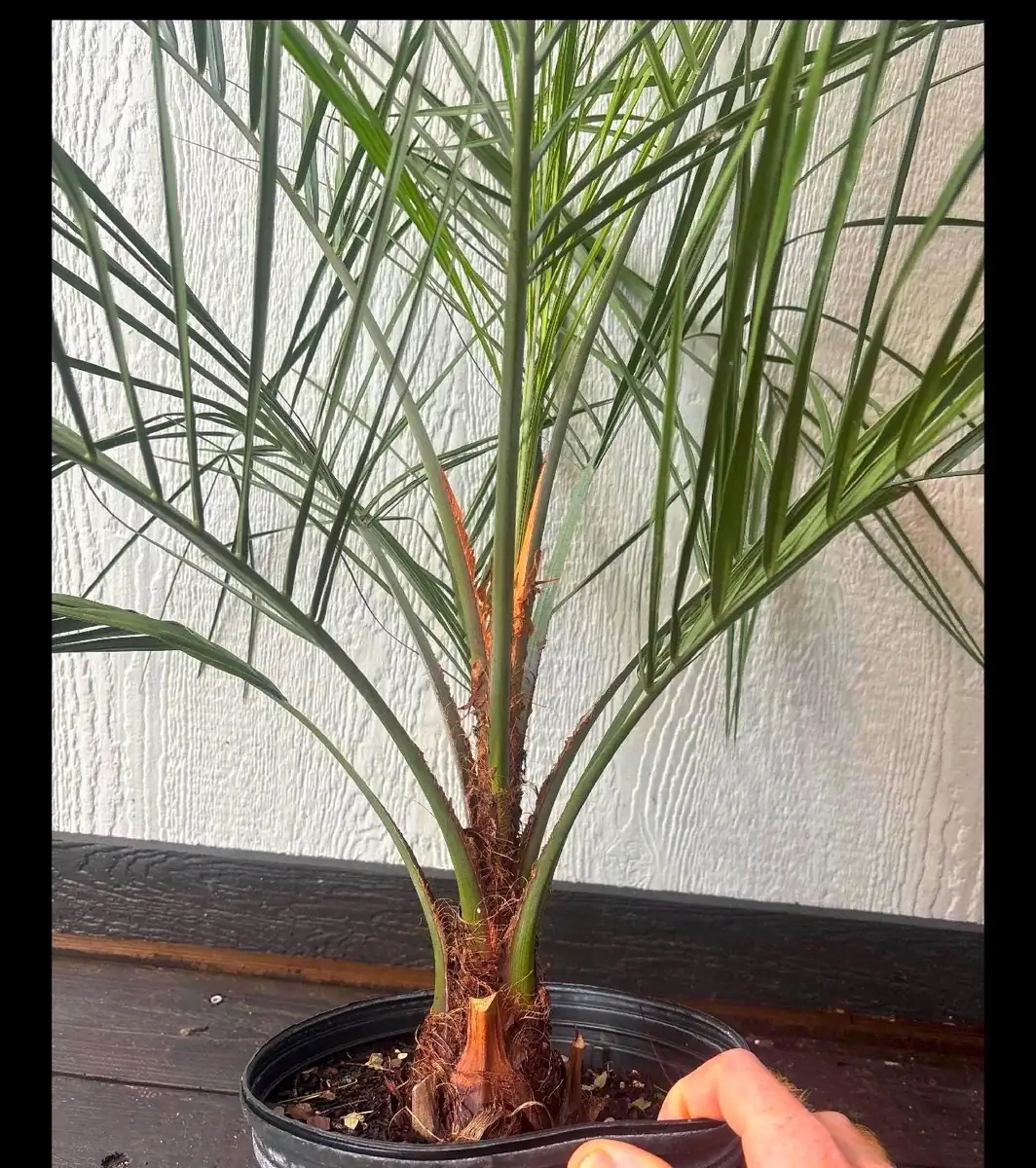
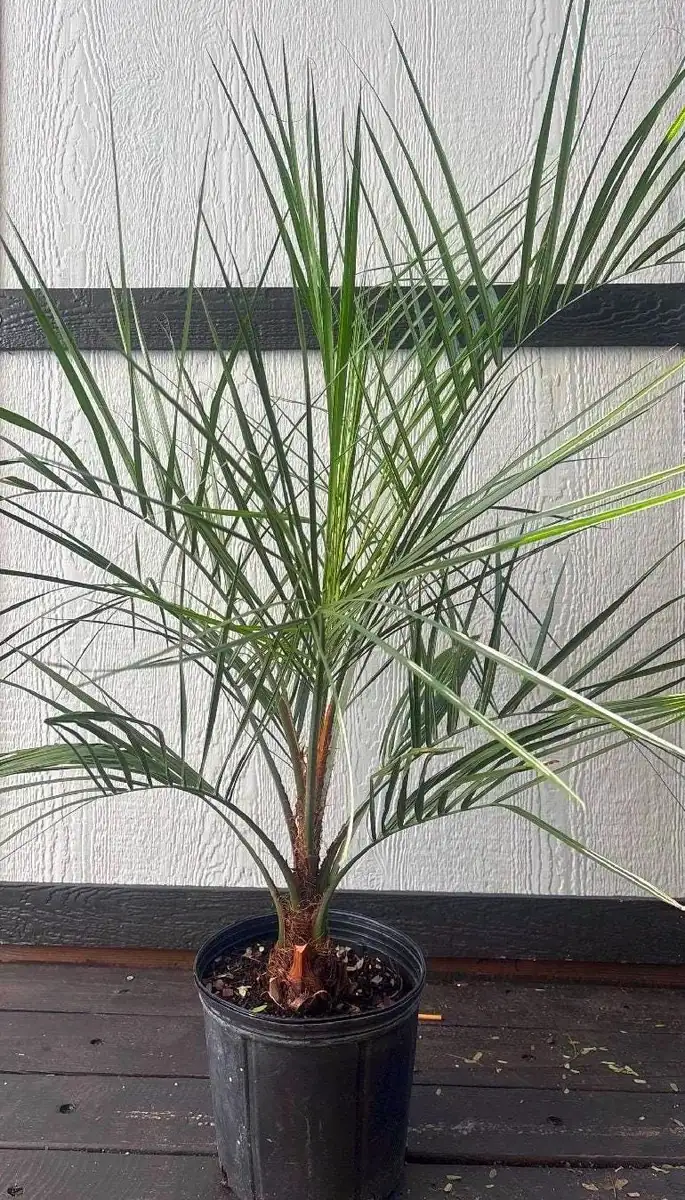
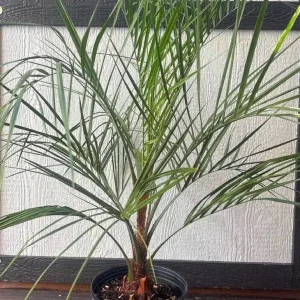
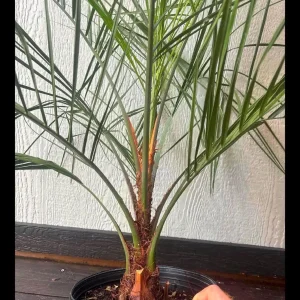
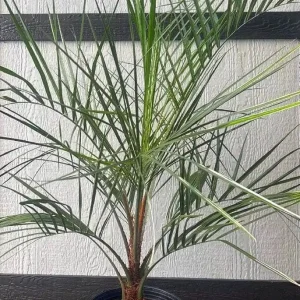
This particular offering is a robust pindo palm live plant, shipped fully rooted in a 3-gallon pot, ensuring it’s ready to thrive in its new environment. Its slow growth rate and adaptable nature make it an excellent long-term investment for your landscape. Embrace the elegance and productivity of this remarkable palm.
Key Benefits
The pindo palm live plant offers a multitude of advantages for any gardener or homeowner looking to enhance their outdoor space. Its unique characteristics make it a standout choice:
- Exceptional Cold Hardiness: Unlike many tropical palms, the Pindo Palm is remarkably resilient to cold temperatures, withstanding brief periods down to 10° F and thriving in conditions as low as 20° F, making it an excellent cold hardy palm for zones 8-11.
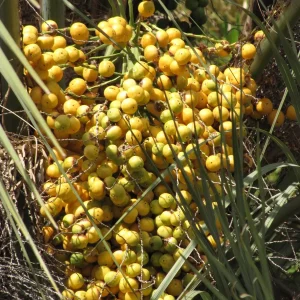
- Delicious Edible Fruit: This palm produces tasty, pineapple-banana-apricot flavored fruits, perfect for homemade jellies, wines, or fresh eating. It’s a true edible fruit palm that adds both beauty and bounty.
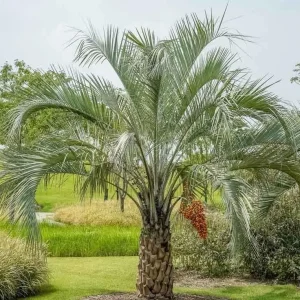
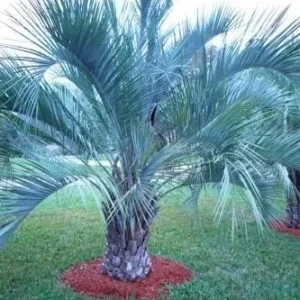
- Stunning Ornamental Value: With its graceful, arching gray-green fronds and stocky trunk, the Jelly Palm creates a captivating focal point, adding a touch of exotic elegance to gardens, patios, or poolside areas.
- Low Maintenance & Drought Tolerant: Once established, this palm requires minimal care, is drought-tolerant, and is generally resistant to pests and diseases, making it an easy-care addition to your landscape.
- Versatile Landscaping Use: Its mature height of 12-15 feet makes it suitable for planting under power lines, as a standalone specimen, or even in large containers due to its slow growth and non-invasive roots.
- Deer Resistant: Pindo Palms are known to be deer resistant, reducing the worry of wildlife damage in your garden.
- Year-Round Tropical Greenery: Provides consistent evergreen foliage, ensuring your garden maintains a lush, tropical feel throughout the seasons.
Plant Care & Growing Tips
Caring for your pindo palm live plant is relatively straightforward, making it an excellent choice for both experienced gardeners and those new to palm cultivation. This cold hardy palm thrives with proper attention to its environmental needs. For sunlight, the Pindo Palm prefers full sun to partial shade, meaning it should receive at least 6 hours of direct sunlight daily for optimal growth and fruit production, though it can tolerate some afternoon shade in hotter climates. When it comes to watering, young plants should be watered regularly to establish a strong root system. Once mature, the Pindo Palm is quite drought tolerant, but will benefit from deep watering during prolonged dry spells. Avoid overwatering, as constantly wet soil can lead to root rot.
The ideal soil type for a jelly palm tree is well-draining, sandy loam. It can tolerate a range of soil pH levels but prefers slightly acidic to neutral. Good drainage is crucial to prevent waterlogging. The Pindo Palm is suitable for USDA Zones 8-11 outdoors, as it is a truly cold hardy palm. In colder parts of its range, providing some winter protection for young plants can be beneficial. Fertilize your Pindo Palm in spring and late summer with a slow-release granular fertilizer formulated specifically for palms, ensuring it contains micronutrients like magnesium and potassium to prevent deficiencies. Watch for signs of nutrient deficiencies, such as yellowing fronds, and address them promptly. This palm is generally pest and disease resistant, but occasional issues like scale or mealybugs can be treated with horticultural oil. Remember to give your pindo palm live plant adequate space for its fronds to spread, which can reach up to 14 feet wide.
Size & Details
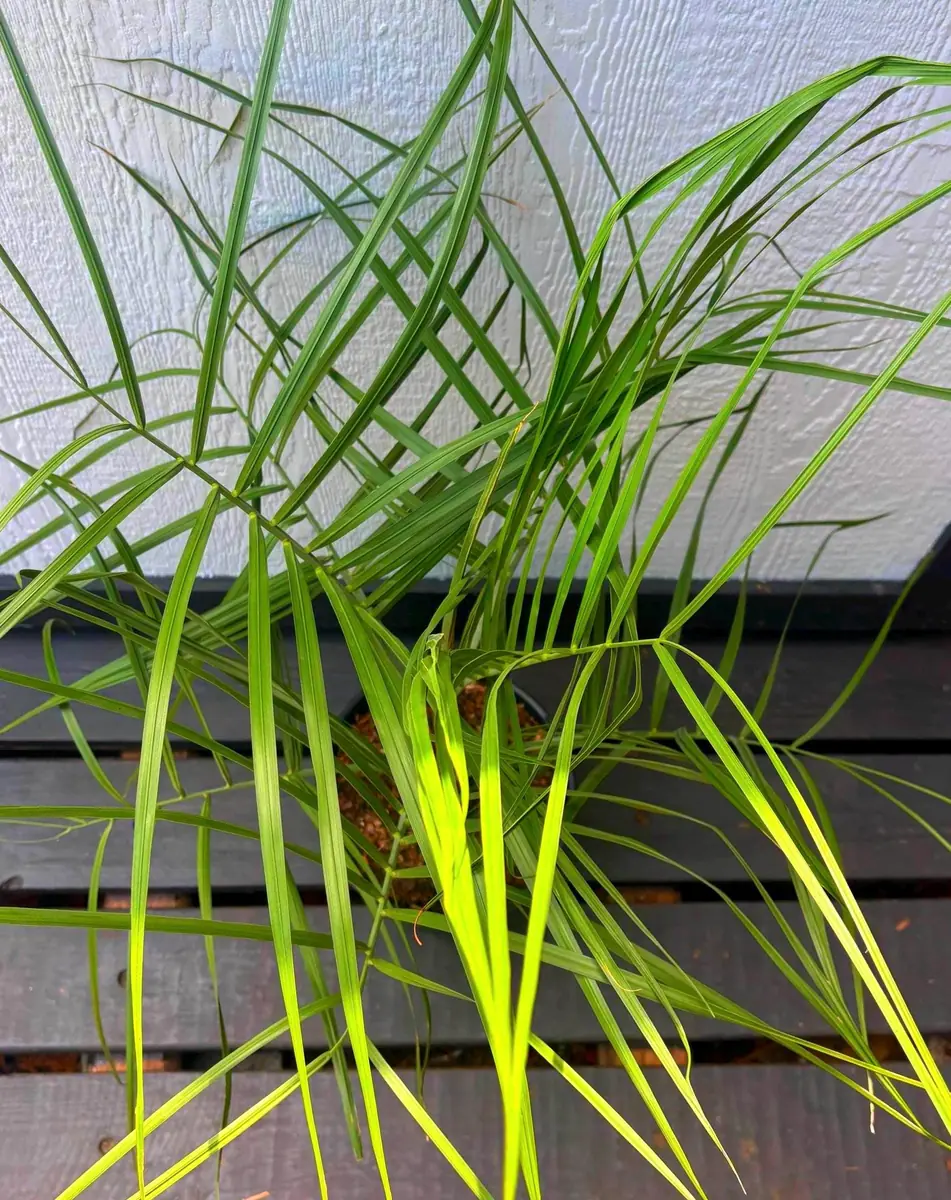
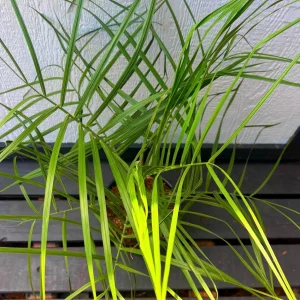
This offering is for a vibrant pindo palm live plant, meticulously cultivated and shipped in a 3-gallon nursery pot. The plant is fully rooted, providing a strong foundation for immediate growth upon arrival. At maturity, the Pindo Palm typically reaches an impressive height of 12-15 feet, with an equally broad spread of 12-15 feet, creating a substantial and impactful presence in any landscape. Its slow growth rate makes it manageable for many years, and it’s an excellent candidate for container planting in its younger stages. The elegant, bluish-green to grayish-green feathery fronds arch gracefully, almost touching the ground, adding to its distinctive aesthetic. This edible fruit palm will begin producing its tropical-flavored fruits once it reaches a certain maturity, usually within a few years of planting.
Expected growth is slow but steady, ensuring a long-lasting addition to your garden. The plant’s robust root system developed in the 3-gallon pot means it will transplant well and establish quickly. This jelly palm tree is prepared to thrive outdoors in suitable climates, offering both ornamental beauty and practical benefits.
Frequently Asked Questions
- Q: How big does this Pindo Palm get? A: The pindo palm live plant typically grows to a mature height of 12-15 feet and can spread 12-15 feet wide. Its slow growth habit makes it suitable for various landscape designs, including under power lines or as a specimen tree.
- Q: Is this an indoor or outdoor plant? A: The Pindo Palm is primarily an outdoor plant, highly valued for its cold hardiness. It thrives in USDA Zones 8-11. While young plants can be kept in containers and brought indoors during extreme cold, it is best suited for permanent outdoor planting.
- Q: How much sunlight does the Pindo Palm need? A: This cold hardy palm prefers full sun to partial shade. For optimal health and fruit production, it should receive at least 6 hours of direct sunlight per day, though it can tolerate some afternoon shade in very hot climates.
- Q: Is this plant easy to care for? A: Yes, the pindo palm live plant is considered relatively easy to care for, especially once established. It is drought tolerant and resistant to most pests and diseases, making it a low-maintenance choice for your garden.
- Q: What condition will the plant arrive in? A: Your jelly palm tree will arrive fully rooted in a 3-gallon pot, well-packaged to ensure its health and vitality during transit. It will be ready for planting upon arrival.
- Q: When is the best time to plant a Pindo Palm? A: The best time to plant your pindo palm live plant is in the spring or early summer, allowing it ample time to establish its root system before the colder months. In warmer climates, it can also be planted in early fall.
- Q: Will it survive winter in my zone? A: The Pindo Palm is a very cold hardy palm, capable of withstanding temperatures down to 20° F and brief drops to 10° F. It is recommended for USDA Zones 8-11. If you are in zone 7 or below, winter protection or container growing may be necessary.
- Q: Can I really eat the fruit from this palm? A: Absolutely! This is an edible fruit palm, and its fruits, often called “jelly plums,” have a unique tropical flavor. They are excellent for making jellies, jams, and wines, which is why it’s also known as the Jelly Palm.
- Q: Is this Pindo Palm suitable for containers? A: Due to its slow growth rate and relatively non-invasive root system, the pindo palm live plant is an excellent candidate for growing in large containers, especially when young. This allows for flexibility in placement and winter protection if needed.
- Q: What kind of soil does a Pindo Palm prefer? A: A jelly palm tree thrives in well-draining soil, ideally a sandy loam. Good drainage is essential to prevent root issues, so avoid heavy clay soils that retain too much moisture.
Be the first to review “Pindo Palm Live Plant – Cold Hardy Jelly Palm – 3 Gallon Pot – Edible Fruit – Outdoor”
People Also Viewed
Sold 51 products
Original price was: $147.16.$73.58Current price is: $73.58.
Sold 100 products
Original price was: $57.98.$28.99Current price is: $28.99.
Sold 91 products
Original price was: $391.96.$195.98Current price is: $195.98.
Trees
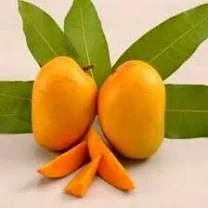
Kesar Mango Tree Live Plant, Grafted Indian Queen Variety, 2ft Tall, 2 Gallon Pot, Tropical Fruit
Sold 65 products
Original price was: $320.00.$160.00Current price is: $160.00.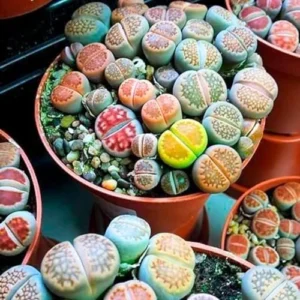
HousePlants
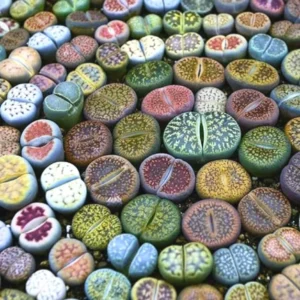
Lithops Live Plants Mix – 30 Colorful Succulents – Living Stones for Indoor/Outdoor Planting
Sold 63 products
Original price was: $65.98.$32.99Current price is: $32.99.
Sold 81 products
Original price was: $63.76.$31.88Current price is: $31.88.
Sold 87 products
Original price was: $99.80.$49.90Current price is: $49.90.
Sold 53 products
Original price was: $33.98.$27.18Current price is: $27.18.
Sold 51 products
Original price was: $213.58.$128.14Current price is: $128.14.
Sold 97 products
Original price was: $159.96.$79.98Current price is: $79.98.
Sold 61 products
Original price was: $104.90.$62.94Current price is: $62.94.
Sold 71 products
Original price was: $105.56.$52.78Current price is: $52.78.
Sold 60 products
Original price was: $44.99.$24.99Current price is: $24.99.
Sold 97 products
Original price was: $54.36.$27.18Current price is: $27.18.
Sold 66 products
Original price was: $147.16.$73.58Current price is: $73.58.
Sold 57 products
From $59.80
Sold 57 products
Original price was: $79.98.$39.99Current price is: $39.99.
Sold 81 products
Original price was: $93.98.$46.99Current price is: $46.99.


Reviews
There are no reviews yet.