
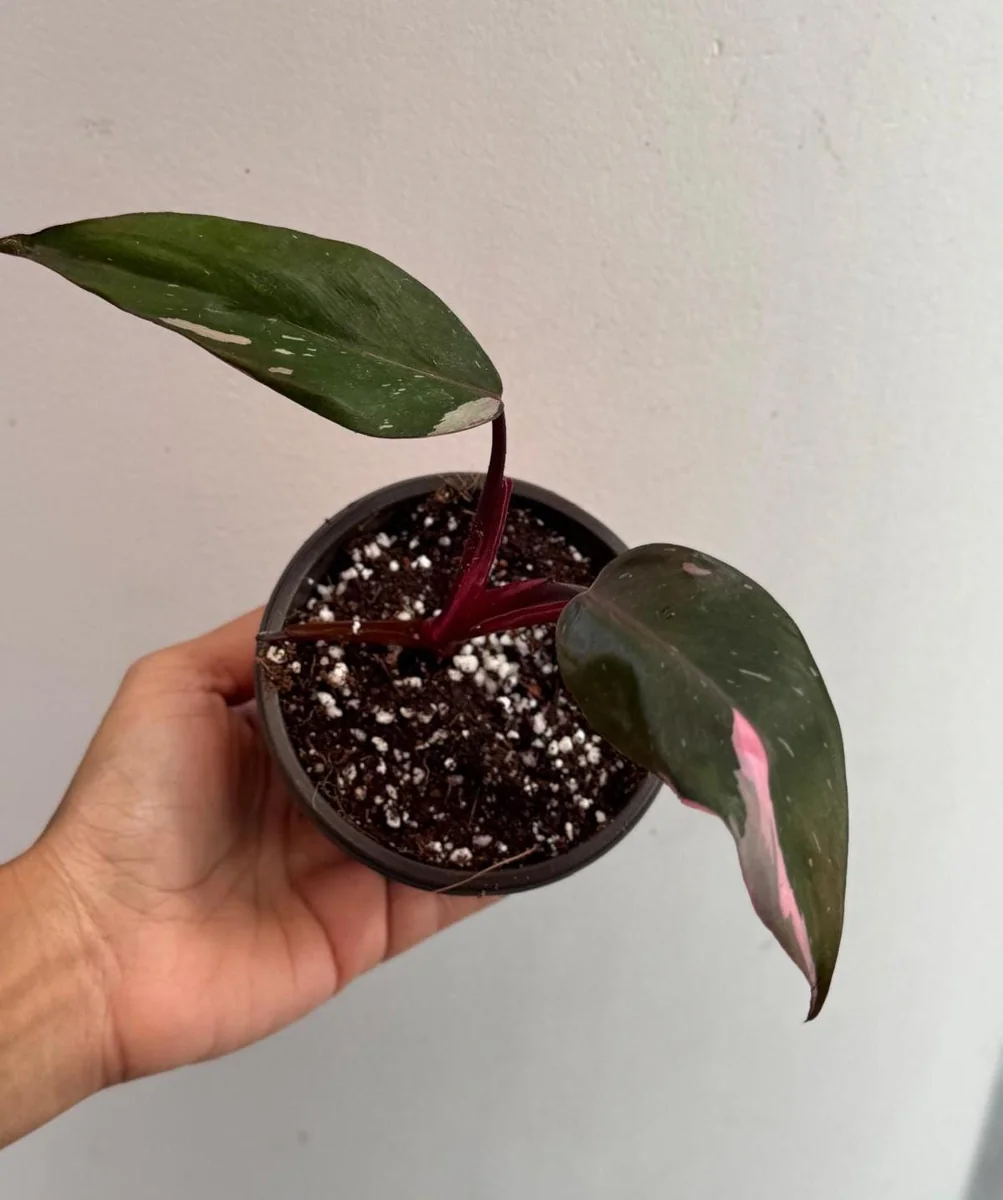
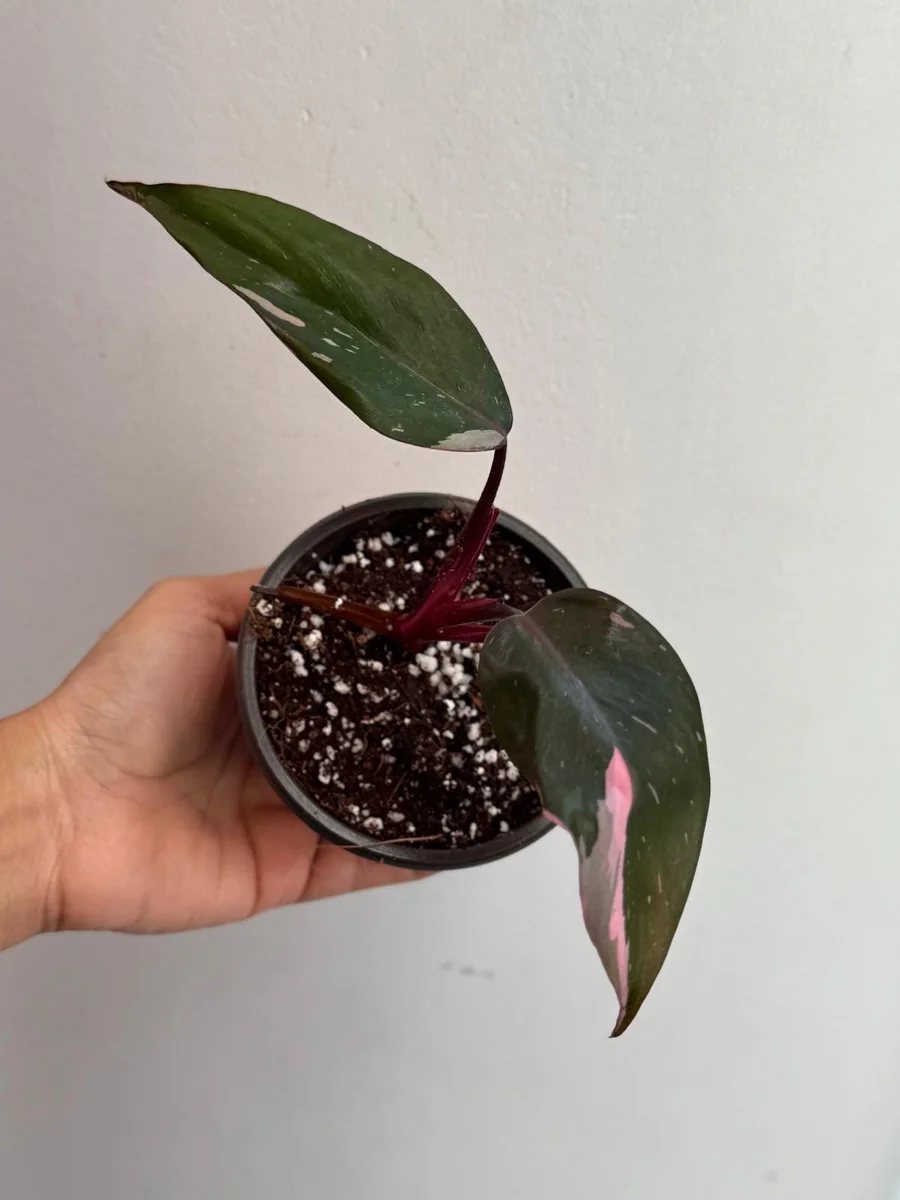
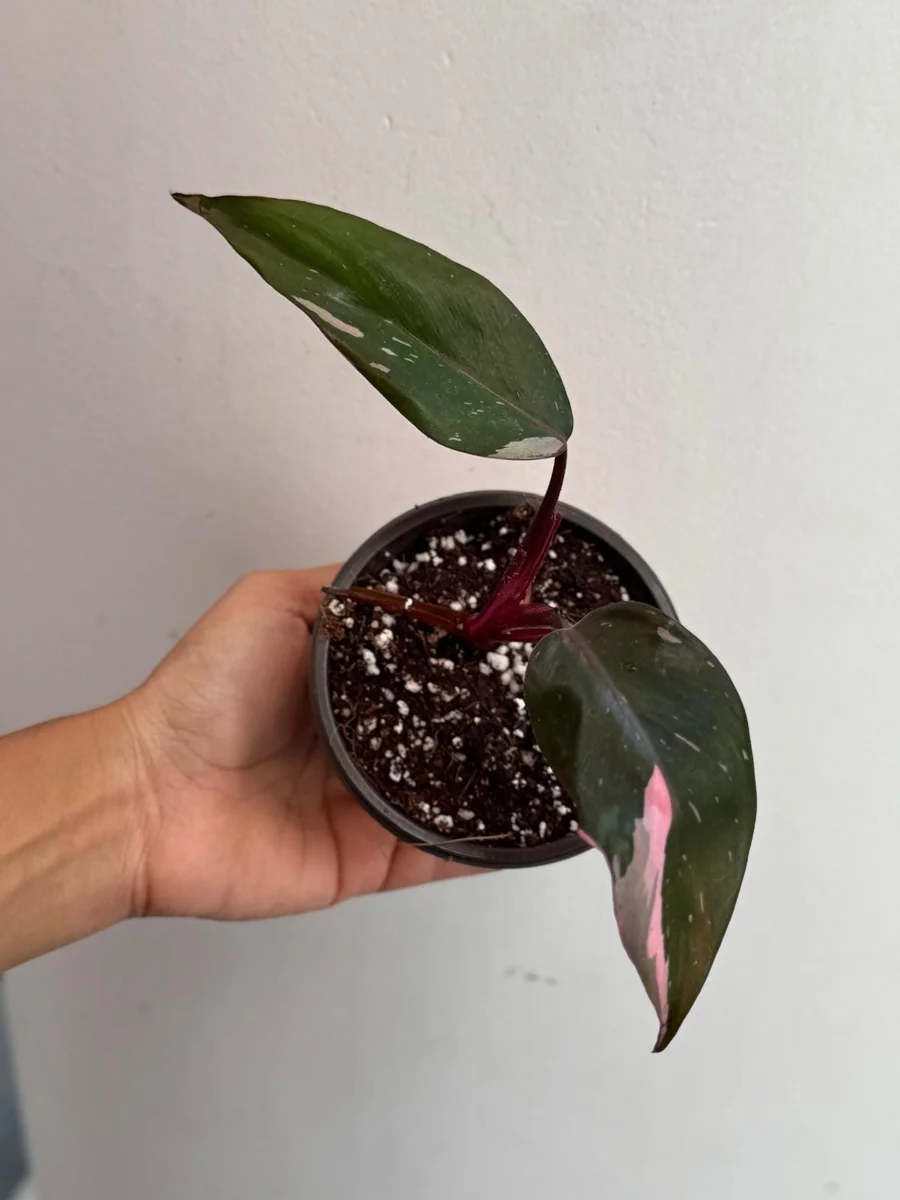
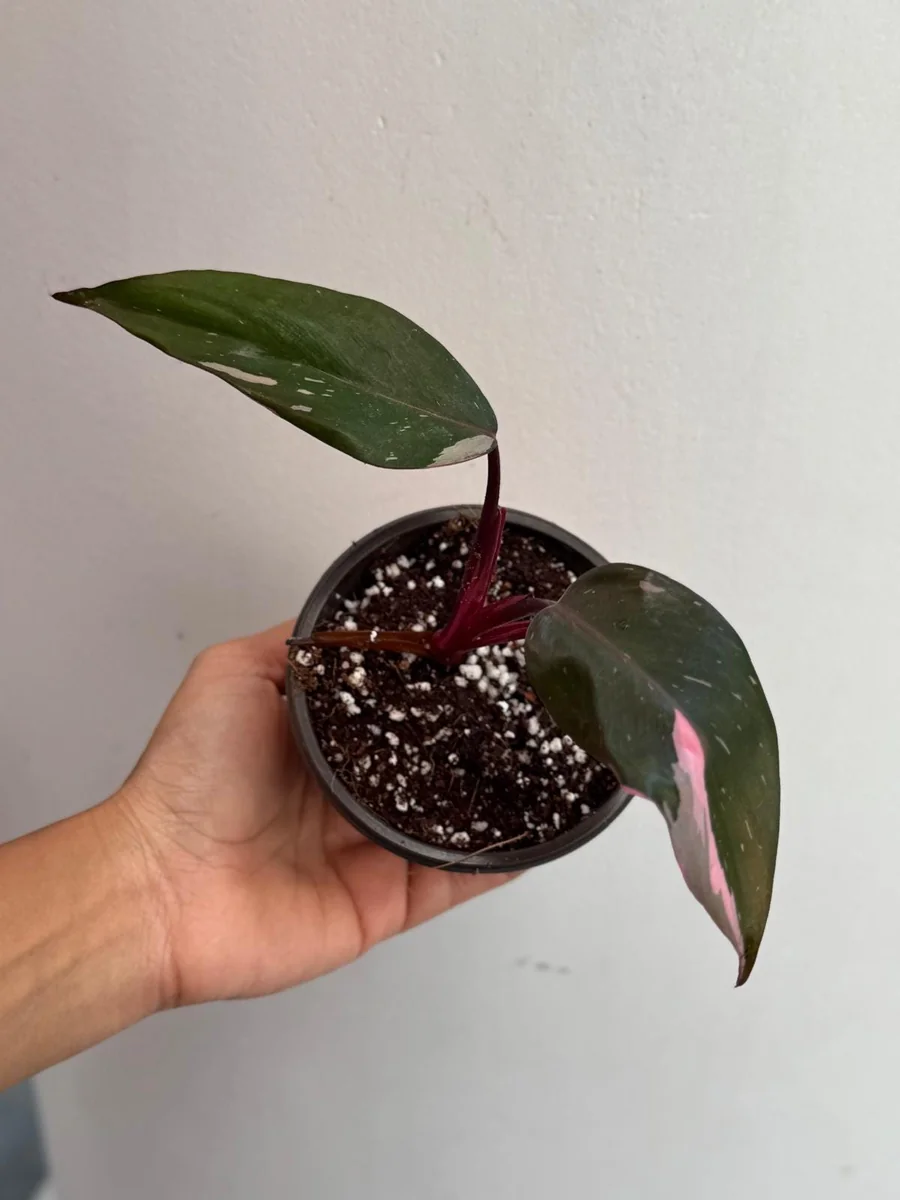
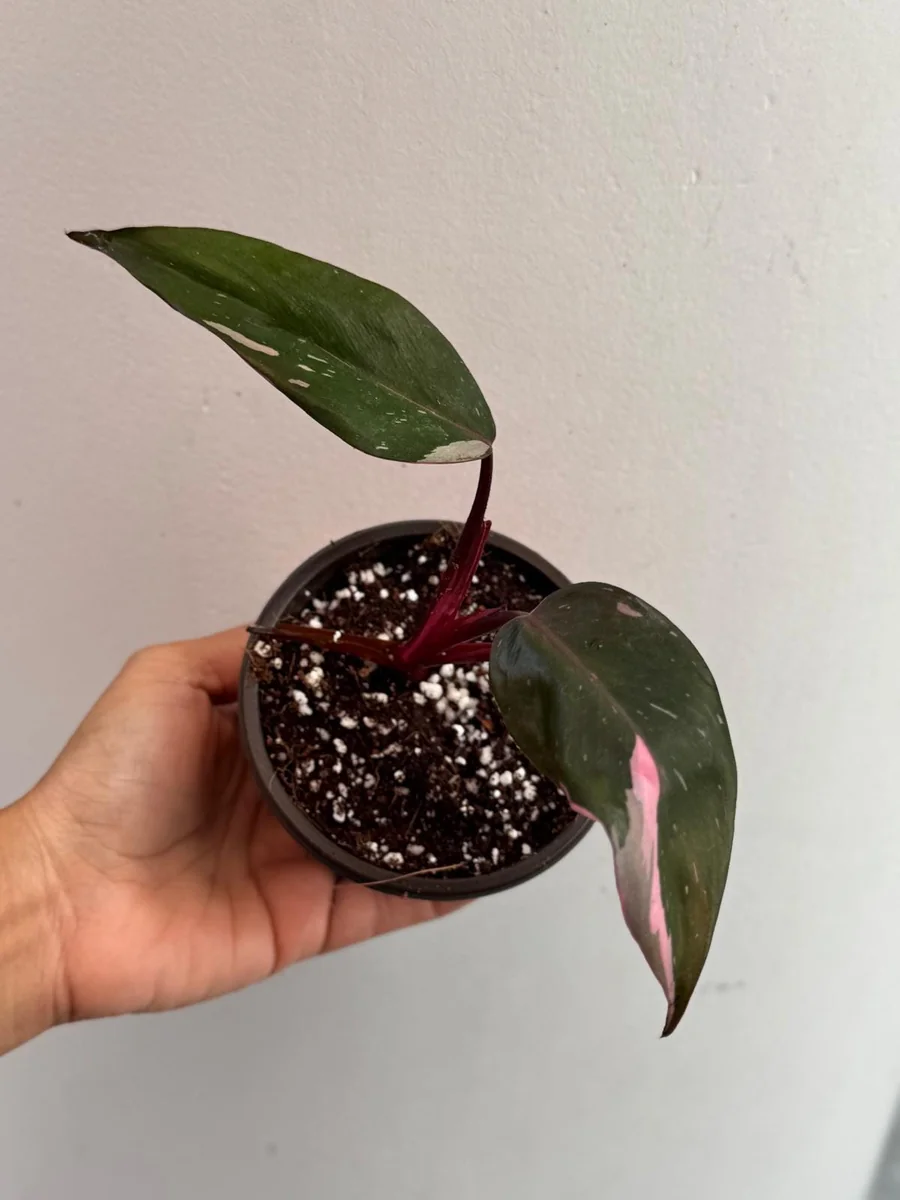
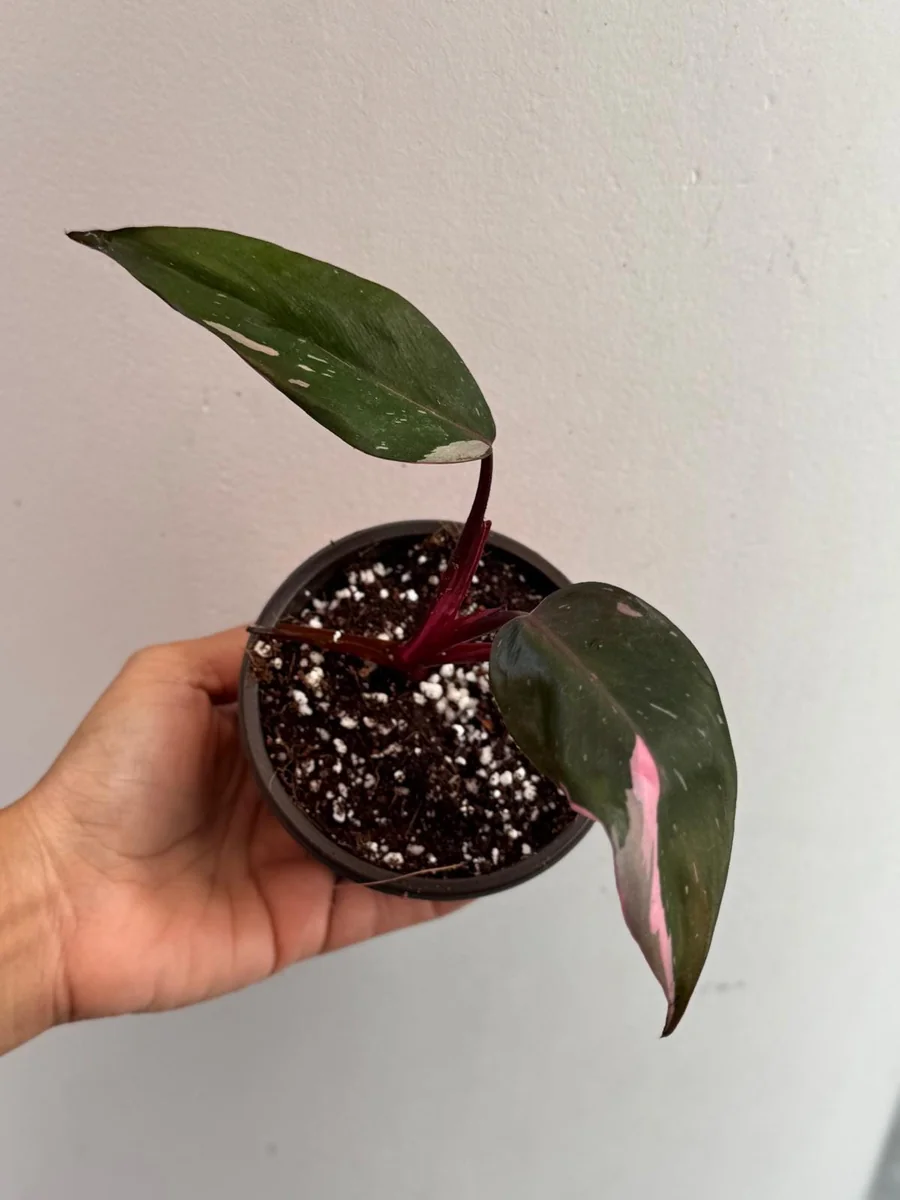


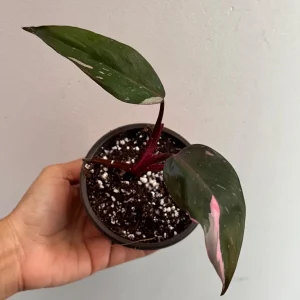
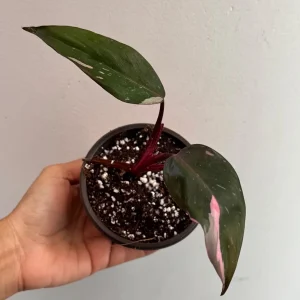
Philodendron Pink Princess Live Plant – Variegated Indoor Houseplant – 2 inch Pot
Original price was: $51.98.$25.99Current price is: $25.99.
Bring home a beautiful Philodendron Pink Princess live plant, a highly sought-after indoor houseplant. This stunning aroid features deep green leaves with eye-catching pink variegation, making it a perfect addition for any plant collector. Shipped in a 2 inch pot.
-
USDA Hardiness Zone
USDA zones 10-11 (grown indoors in most regions) -
Soil Type
Well-draining, aerated potting mix for aroids -
Sunlight Exposure
Bright, indirect light -
Expected Planting Period
Year-round indoors

You can track your order HERE
Feb 27
Mar 04 - Mar 06
Mar 09 - Mar 13
Shipping and return policies: Our Alive & Thrive Guarantee covers issues with your plants within the first 30 days. Reach out to us. Our team will answer your questions and help you find the plants that are truly suitable for your environment, climate, and personal preferences.

Overview
Introduce a touch of exotic elegance to your indoor garden with the captivating Philodendron Pink Princess live plant. Scientifically known as Philodendron erubescens ‘Pink Princess,’ this highly sought-after houseplant is celebrated for its unique and striking pink variegation. Each heart-shaped leaf showcases a beautiful contrast of deep green with splashes of rosy or reddish-pink, making every plant a living work of art. This particular offering provides a starter plant in a 2 inch pot, perfect for nurturing its growth and watching its vibrant colors develop. The Philodendron Pink Princess live plant is a must-have for both novice and experienced plant enthusiasts looking to add a rare and visually stunning specimen to their collection. Its distinctive foliage ensures it stands out, becoming a focal point in any room.
Originating from the tropical rainforests, this variety of Philodendron thrives in conditions that mimic its natural habitat. Its popularity stems not only from its aesthetic appeal but also from the fascinating process of variegation, where the plant produces cells with different pigments, resulting in its signature pink patterns. Owning a Philodendron Pink Princess live plant is an opportunity to cultivate a truly special botanical treasure, offering continuous visual interest as new leaves unfurl with their unique marble-like patterns. This starter plant is ideal for those who enjoy the journey of watching a plant mature and flourish under their care.
Key Benefits
The Philodendron Pink Princess live plant offers numerous benefits beyond its stunning appearance, making it a rewarding addition to any home:
- Exquisite Visual Appeal: Its vibrant pink and deep green variegated leaves create a dramatic and beautiful display, instantly enhancing the aesthetic of any indoor space. This plant serves as a natural conversation starter.
- Rare Collector’s Item: Known as a rare philodendron, the Pink Princess is highly desirable among plant enthusiasts and collectors, adding unique value and prestige to your plant collection.
- Air Purification: Like many houseplants, the Pink Princess can contribute to cleaner indoor air by filtering toxins, helping to create a healthier living environment.
- Therapeutic Hobby: Caring for a pink princess philodendron care can be a relaxing and fulfilling hobby, offering a sense of accomplishment as you watch it grow and thrive.
- Versatile Decor: Its compact size as a starter plant allows it to fit perfectly on shelves, desks, or windowsills, gradually growing into a more prominent feature.
- Unique Leaf Patterns: Each leaf’s variegation is one-of-a-kind, ensuring your plant is truly unique and constantly evolving in its beauty.
- Adaptable Growth: While it loves bright, indirect light, it can tolerate a range of indoor conditions, making it relatively adaptable for various home environments.
Plant Care & Growing Tips
Proper pink princess philodendron care is crucial for maintaining its vibrant variegation and promoting healthy growth. This indoor collector plant thrives with consistent attention to its environmental needs. Provide bright, indirect light; a spot near an east or west-facing window is often ideal. While it can tolerate lower light, the intensity of the pink variegation is directly linked to sufficient light exposure. Avoid direct sunlight, which can scorch its delicate leaves and fade the pink hues. Rotate your plant periodically to ensure even growth and variegation on all sides.
Water your Philodendron Pink Princess live plant when the top inch or two of the soil feels dry to the touch. It prefers consistently moist, but not waterlogged, soil. Ensure your pot has excellent drainage to prevent root rot, which is a common issue for overwatered plants. Humidity is another key factor for this tropical beauty; aim for levels above 60%. You can increase humidity by misting daily, placing the pot on a pebble tray filled with water, or using a room humidifier. Maintain a consistent temperature range between 65°F to 80°F (18°C to 27°C) and protect it from sudden temperature drops or cold drafts.
For soil, use a well-draining, aerated potting mix specifically designed for tropical plants or aroids. A mixture containing perlite, orchid bark, and peat moss or coco coir works well to provide both drainage and moisture retention. Fertilize lightly during the growing season (spring and summer) with a balanced liquid fertilizer diluted to half strength. Reduce or stop fertilizing during fall and winter. Regularly inspect your plant for pests such as mealybugs or spider mites and address any infestations promptly. With consistent and attentive care, your variegated philodendron will flourish and continue to display its stunning colors.
Size & Details
This offering is for one Philodendron Pink Princess live plant, which will arrive in a 2 inch grow pot. The plant you receive will be similar in size and variegation to the images provided, representing a healthy starter plant ready for your care. While exact dimensions can vary slightly due to natural growth, starter plants in this size typically stand a few inches tall with several established leaves, some already displaying the characteristic pink variegation. This size is perfect for acclimating to a new environment and allows you to watch its growth journey from an early stage.
The Philodendron Pink Princess live plant is known for its moderate growth rate, and with optimal conditions, it can grow into a lush, vine-like plant. As it matures, it may require staking or a moss pole to support its climbing habit. Expect new leaves to unfurl regularly during the growing season, each one a delightful surprise with its unique pattern of green and pink. This rare philodendron is shipped with care to ensure it arrives in the best possible condition, ready to thrive in its new home and become a cherished part of your indoor plant collection.
Frequently Asked Questions
- Q: How big does this Philodendron Pink Princess live plant get? A: As a starter plant in a 2 inch pot, it is small, typically a few inches tall. With proper care, it can grow into a much larger vining plant, often reaching several feet in length indoors, especially with support like a moss pole.
- Q: Is this an indoor or outdoor plant? A: The Philodendron Pink Princess live plant is primarily an indoor houseplant in most climates. It thrives in warm, humid indoor environments and is not frost-tolerant, making it unsuitable for outdoor planting in regions with cold winters.
- Q: How much sunlight does the variegated philodendron need? A: It requires bright, indirect light to maintain its vibrant pink variegation. Direct sunlight can scorch the leaves, while too little light can cause the pink colors to fade and growth to slow.
- Q: Is this plant easy to care for? A: While not extremely difficult, pink princess philodendron care requires consistent attention to light, watering, and humidity. It’s considered an intermediate-level plant due to its specific needs for optimal variegation.
- Q: What condition will the plant arrive in? A: The plant will arrive similar to the images shown, carefully packaged in its 2 inch grow pot. We ensure it is well-protected during transit to minimize stress.
- Q: What kind of soil is best for this indoor collector plant? A: A well-draining, aerated potting mix designed for aroids or tropical plants is best. This typically includes components like perlite, orchid bark, and peat moss or coco coir to prevent waterlogging.
- Q: How often should I water my Philodendron Pink Princess? A: Water when the top 1-2 inches of soil feel dry. It’s better to slightly underwater than to overwater, as it is susceptible to root rot. Adjust frequency based on ambient temperature and humidity.
- Q: Is the Philodendron Pink Princess pet-safe? A: No, like many philodendrons, the Pink Princess contains calcium oxalate crystals which can be toxic if ingested by pets or humans, causing irritation. Keep it out of reach of curious pets and children.
- Q: How do I encourage more pink variegation? A: Providing ample bright, indirect light is the most crucial factor for enhancing pink variegation. Consistent humidity and appropriate fertilization also play a role.
- Q: When is the best time to repot my rare philodendron? A: Repotting is best done in the spring or early summer when the plant is actively growing. Only repot when the plant becomes root-bound, moving up to a pot that is only one size larger (e.g., from a 2-inch to a 4-inch pot).
Be the first to review “Philodendron Pink Princess Live Plant – Variegated Indoor Houseplant – 2 inch Pot”
People Also Viewed

Sold 53 products
From $20.98
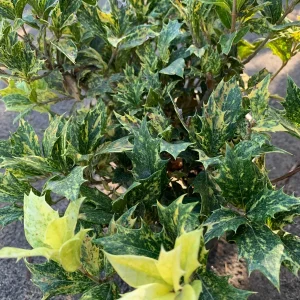
Shrubs
Goshiki Fall Holly Live Plant – Variegated Osmanthus Heterophyllus ‘Goshiki’ Shrub – 1 Gallon Pot
Sold 74 products
Original price was: $147.16.$73.58Current price is: $73.58.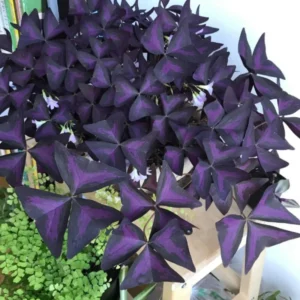
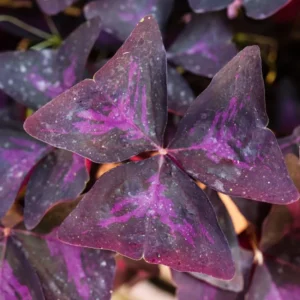
Sold 80 products
Original price was: $95.98.$47.99Current price is: $47.99.

Sold 57 products
From $10.49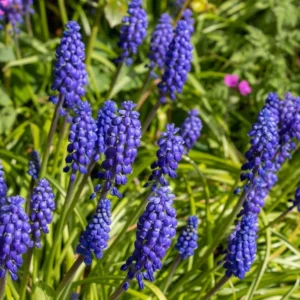
Sold 55 products
From $67.52
Sold 78 products
Original price was: $25.98.$18.18Current price is: $18.18.
Sold 93 products
From $91.80
Sold 65 products
From $18.99
Flower Bulbs
Music Garlic Bulbs – Organic Heirloom Hardneck for Planting or Eating – 3 Bulbs to 40 lbs
Sold 71 products
From $25.28

Flower Bulbs
Deer Resistant Tulip Bulbs Wildflower Mixture – Easy Grow Species Tulips – USDA Zones 2-10
Sold 89 products
From $83.92

Sold 58 products
Original price was: $64.76.$32.38Current price is: $32.38.
Sold 91 products
From $17.60
Sold 99 products
From $47.80
Sold 73 products
Original price was: $107.98.$53.99Current price is: $53.99.
Sold 80 products
From $61.58
Sold 71 products
From $67.80
Shrubs
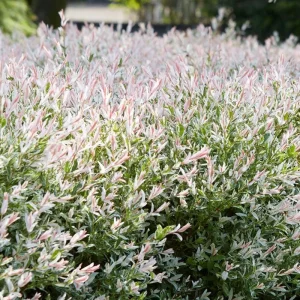
Japanese Dappled Nishiki Willow Live Plant – 8-12″ Tall – 4-Inch Pot – Variegated Shrub for Outdoor
Sold 79 products
Original price was: $43.98.$30.78Current price is: $30.78.
Sold 53 products
From $67.80


Reviews
There are no reviews yet.