
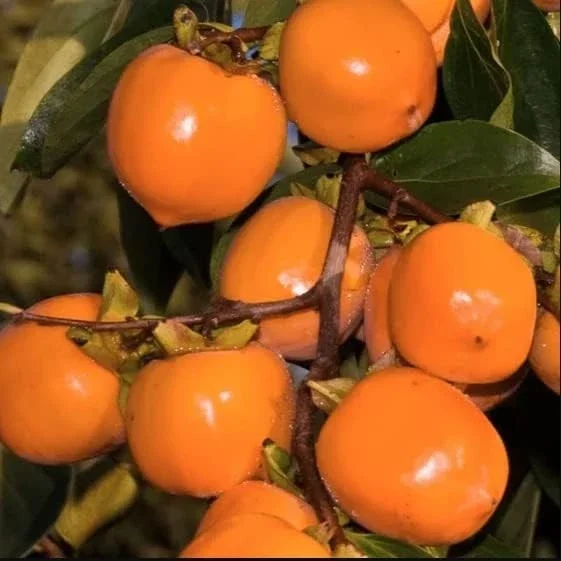
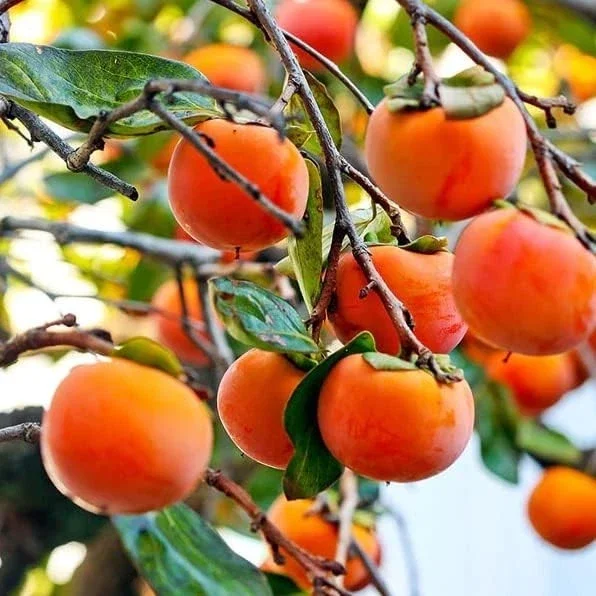
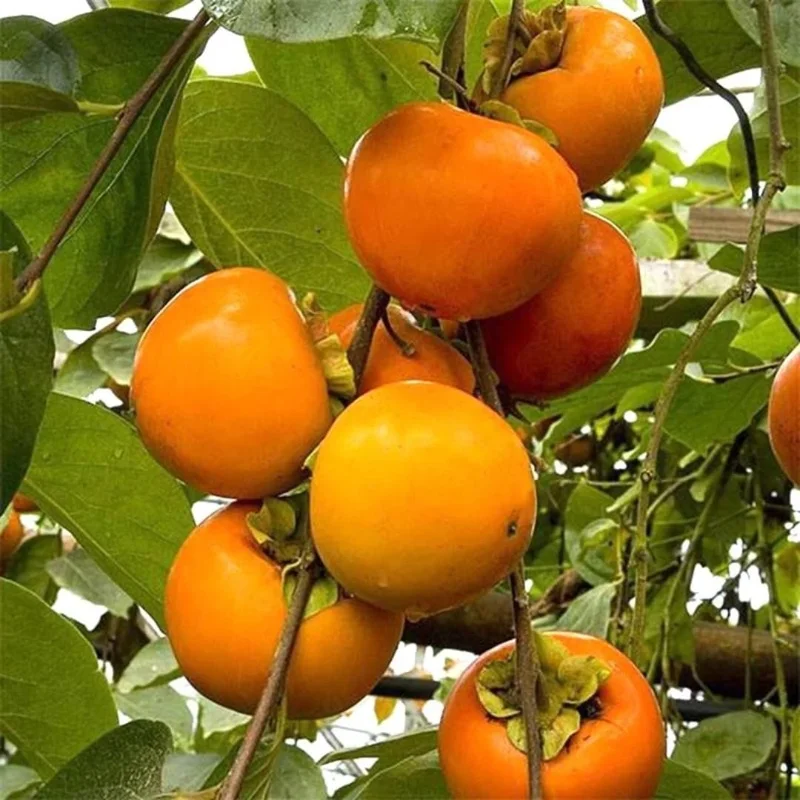
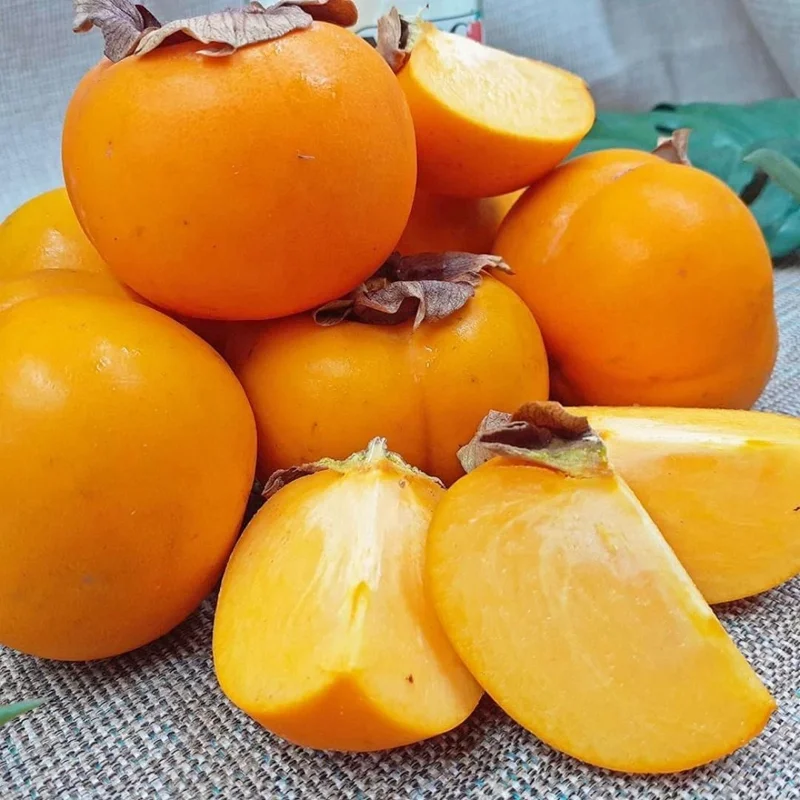
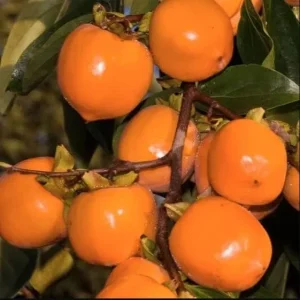
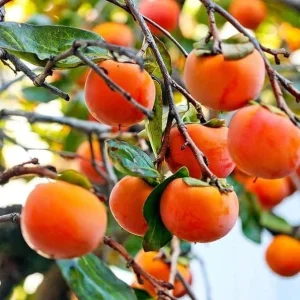
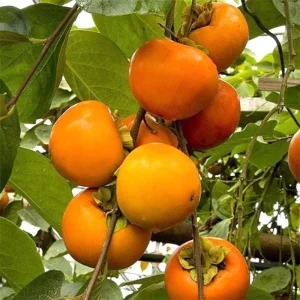
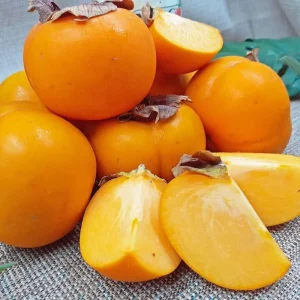
Persimmon Tree Live Plant – 6-14 Inches Tall – Well Rooted Starter Plant – Outdoor Fruit Tree
$40.79
Cultivate your own delicious fruit with this healthy persimmon tree live plant. This well-rooted starter plant, typically 6-14 inches tall, is ideal for outdoor cultivation and will mature into a beautiful, fruit-bearing persimmon fruit tree. Perfect for home orchards and edible landscapes.
-
USDA Hardiness Zone
3-9 -
Soil Type
Loam, Peat, well-draining -
Sunlight Exposure
Full Sun, Partial Shade -
Expected Planting Period
Spring and Autumn

You can track your order HERE
Nov 22
Nov 27 - Nov 29
Dec 02 - Dec 06
Shipping and return policies: Our Alive & Thrive Guarantee covers issues with your plants within the first 30 days. Reach out to us. Our team will answer your questions and help you find the plants that are truly suitable for your environment, climate, and personal preferences.

Overview
Embark on a rewarding gardening journey by adding a persimmon tree live plant to your outdoor space. This offering is for a vibrant, well-rooted starter plant, typically ranging from 6 to 14 inches in height, ready to establish itself in your garden. Known scientifically as Diospyros virginiana, the American Persimmon, this deciduous fruit tree is celebrated for its sweet, flavorful fruit and attractive foliage. Growing your own american persimmon tree allows you to enjoy fresh, organic fruit directly from your backyard, adding both beauty and bounty to your landscape. These young plants are carefully nurtured to ensure they arrive healthy and prepared for successful transplanting, providing a strong foundation for future growth and harvests. Discover the joy of cultivating this native North American treasure.
Key Benefits
A persimmon tree live plant offers numerous advantages, from its aesthetic appeal to its delicious yield. These trees are not only productive but also contribute significantly to the biodiversity and beauty of your garden.
- Delicious Fruit Production: Enjoy abundant harvests of sweet, orange persimmon fruit, perfect for fresh eating, baking, or preserves. Growing your own ensures peak ripeness and flavor.
- Attractive Landscape Addition: With its lush green leaves, which turn vibrant shades in autumn, and distinctive orange fruits, the persimmon fruit tree serves as a beautiful ornamental tree in any garden.
- Wildlife Attractor: The fruits are a favorite food source for various wildlife, including birds and deer, adding ecological value to your property.
- Hardy and Adaptable: The american persimmon tree is known for its resilience and ability to thrive in a wide range of climates (USDA Hardiness Zones 3-9), making it a reliable choice for many gardeners.
- Low Maintenance: Once established, these trees are relatively low-maintenance, requiring minimal care compared to some other fruit trees.
- Long-Lived: Persimmon trees can live for many decades, providing a long-term investment in your landscape and a continuous source of fruit.
- Nutritional Value: Persimmons are rich in vitamins, minerals, and antioxidants, offering a healthy addition to your diet.
Plant Care & Growing Tips
To successfully grow persimmon tree plants and ensure a bountiful harvest, understanding their specific care requirements is essential. This persimmon tree live plant thrives with proper attention to its environmental needs.
Sunlight: Diospyros virginiana performs best in full sun, meaning it requires at least 6-8 hours of direct sunlight per day. While it can tolerate partial shade, fruit production may be reduced. Choose a planting site that receives ample sunlight throughout the day. Watering: Young persimmon trees need consistent moisture to establish their root systems. Water deeply 2-3 times a week during dry periods for the first year. Once established, they become more drought-tolerant but will still benefit from regular watering, especially during fruit development. Avoid waterlogging, as persimmons prefer well-draining soil. Soil Type: This tree adapts to a variety of soil types, including loam and peat, but prefers well-drained, slightly acidic to neutral soil (pH 6.0-7.0). Amend heavy clay soils with organic matter to improve drainage. Temperature & Hardiness Zone: The American Persimmon is remarkably hardy, thriving in USDA Zones 3-9. It is tolerant of both cold winters and hot summers. Fertilization: Fertilize young trees lightly in early spring with a balanced, slow-release fertilizer designed for fruit trees. Avoid over-fertilizing, which can promote leafy growth at the expense of fruit. Pruning: Prune in late winter or early spring to remove dead, damaged, or crossing branches. Shape the tree to promote good air circulation and light penetration, which encourages better fruit production. Common Problems: Persimmon trees are generally robust but can be susceptible to fungal diseases like leaf spot and anthracnose in humid conditions. Ensure good air circulation and clean up fallen leaves. Pests are usually not a major issue, but monitor for scale insects or borers.
Size & Details
This offering is for one persimmon tree live plant, which arrives as a well-rooted starter. The plant typically measures between 6 to 14 inches in height, providing a strong foundation for future growth. It is shipped in a form ready for immediate planting, ensuring minimal transplant shock. The diospyros virginiana has a moderate growth rate, and with proper care, you can expect it to begin producing fruit within 3-5 years. When mature, the American Persimmon can reach heights of 30-50 feet with a spread of 20-30 feet, though it can be kept smaller with regular pruning. Its deciduous foliage provides seasonal interest, turning brilliant shades of orange and red in the fall before dropping its leaves for winter. This particular plant is a single specimen, ready to be integrated into your home orchard or garden.
Frequently Asked Questions
- Q: How big does this plant get? A: This persimmon tree live plant is a starter, typically 6-14 inches tall. When mature, a persimmon fruit tree can reach 30-50 feet tall and 20-30 feet wide, though size can be managed with pruning.
- Q: Is this an indoor or outdoor plant? A: The american persimmon tree (Diospyros virginiana) is an outdoor tree, best suited for planting in gardens, orchards, or larger containers outdoors. It is not suitable for long-term indoor growth.
- Q: How much sunlight does it need? A: To thrive and produce fruit, this persimmon tree requires full sun, meaning at least 6-8 hours of direct sunlight daily. Partial shade may result in less fruit.
- Q: Is this plant easy to care for? A: Yes, once established, the persimmon tree live plant is considered relatively low-maintenance. It’s hardy and adaptable, making it a good choice for gardeners of various experience levels.
- Q: What condition will it arrive in? A: Your persimmon tree live plant will arrive as a well-rooted starter, carefully packaged to ensure its health and vitality during transit, ready for planting.
- Q: How long until it blooms or fruits? A: With proper care, you can typically expect your persimmon fruit tree to start producing fruit within 3-5 years after planting.
- Q: Will it survive winter in my zone? A: The diospyros virginiana is very cold-hardy and can survive winters in USDA Hardiness Zones 3-9. Please check your specific zone to ensure compatibility.
- Q: What is the best soil for this persimmon tree? A: This tree prefers well-drained soil, including loam and peat, with a slightly acidic to neutral pH. Good drainage is crucial to prevent root issues.
- Q: When is the best time to plant this tree? A: The best time to plant your persimmon tree live plant is in the spring or fall when temperatures are moderate, allowing the roots to establish before extreme heat or cold.
- Q: What are the persimmon fruit tree’s watering needs? A: Young trees need consistent watering, 2-3 times a week in dry weather. Established trees are more drought-tolerant but benefit from watering during dry spells, especially when fruiting.
Be the first to review “Persimmon Tree Live Plant – 6-14 Inches Tall – Well Rooted Starter Plant – Outdoor Fruit Tree”
People Also Viewed

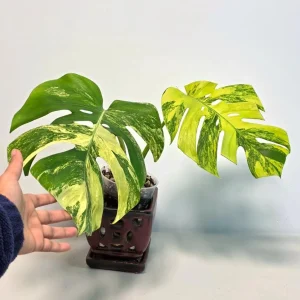
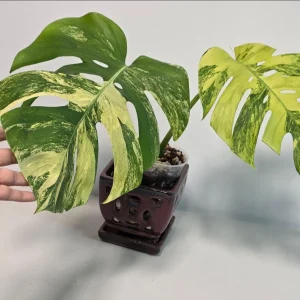
HousePlants
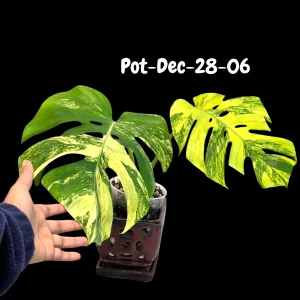
Monstera Aurea Variegated Borsigiana Live Plant – Rare Tropical Houseplant in Nursery Pot
Sold 51 products
Original price was: $632.00.$316.00Current price is: $316.00.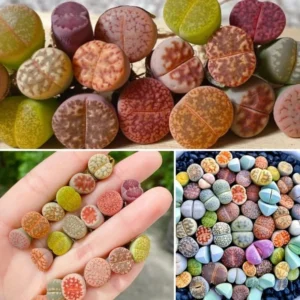
HousePlants
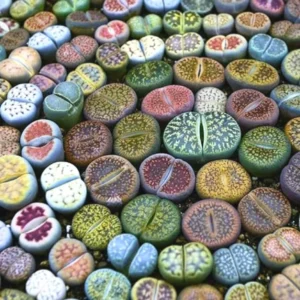
Lithops Live Plants Mix – 10 Large Colorful Living Stones Succulents for Indoor/Outdoor Growing
Sold 78 products
Original price was: $27.98.$13.99Current price is: $13.99.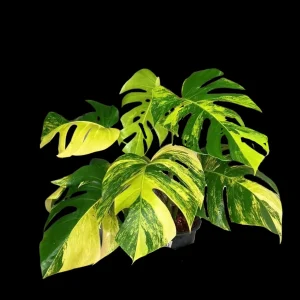
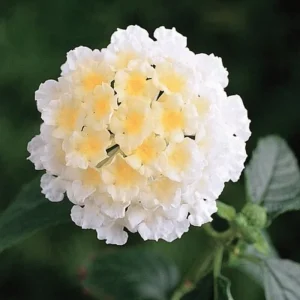
Flower Plants
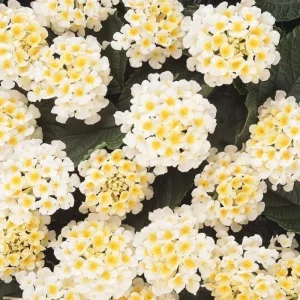
Set of 2 White Trailing Lantana Live Plants – 4-7 Inch Tall – Indoor/Outdoor Perennial
Sold 71 products
$31.18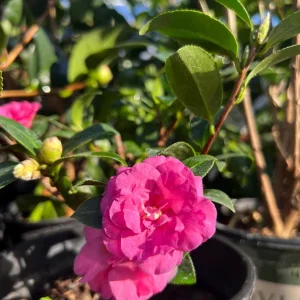
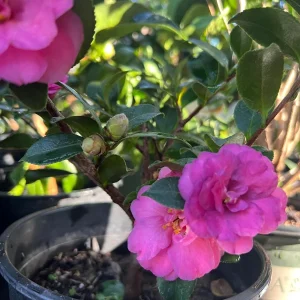
Shrubs
Camellia Shishi Gashira Live Plant – Hot Pink Flowers – 1ft Tall – 1 Gallon Pot – Outdoor Shrub
Sold 80 products
Original price was: $154.36.$77.18Current price is: $77.18.


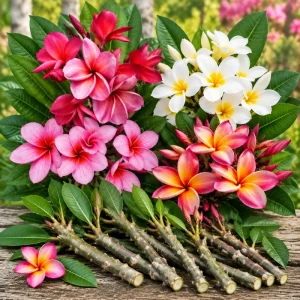

Flower Plants
Orange Bird of Paradise Live Plant – Strelitzia reginae – 4in Tall Tropical Houseplant
Sold 60 products
$28.79





Reviews
There are no reviews yet.