
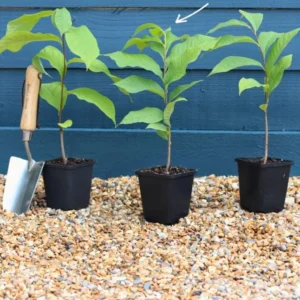
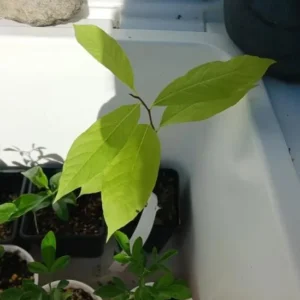
Paw Paw Live Plant – Native Asimina triloba Fruit Tree – 6-12 inch Tall
Original price was: $48.73.$17.49Current price is: $17.49.
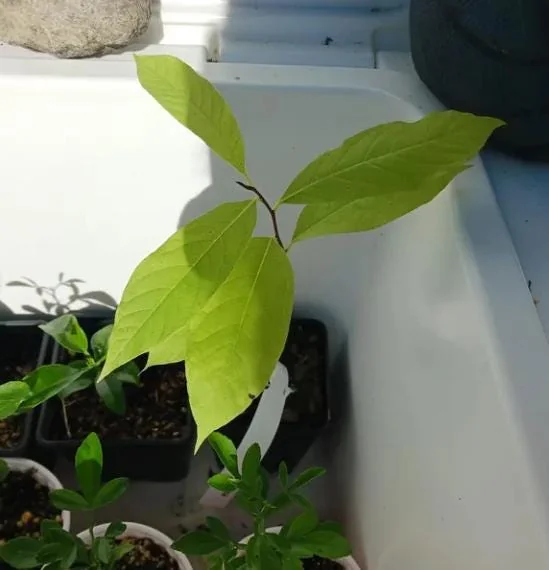
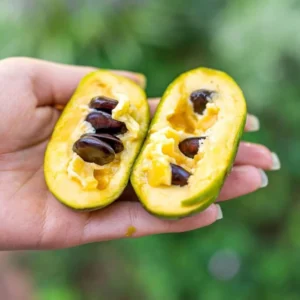
Bring a taste of the tropics to your temperate garden with a paw paw live plant. This unique native fruit tree (Asimina triloba) produces delicious, custard-like fruits with notes of banana, mango, and melon. Our 6-12 inch tall seedling is perfect for establishing a home orchard or adding an edible landscape feature.
-
USDA Hardiness Zone
5–9 -
Soil Type
Moist, well-drained clay and loamy soils -
Sunlight Exposure
Partial to full shade -
Expected Planting Period
Spring or early fall

You can track your order HERE
Apr 13
Apr 18 - Apr 20
Apr 23 - Apr 27
Shipping and return policies: Our Alive & Thrive Guarantee covers issues with your plants within the first 30 days. Reach out to us. Our team will answer your questions and help you find the plants that are truly suitable for your environment, climate, and personal preferences.

Overview
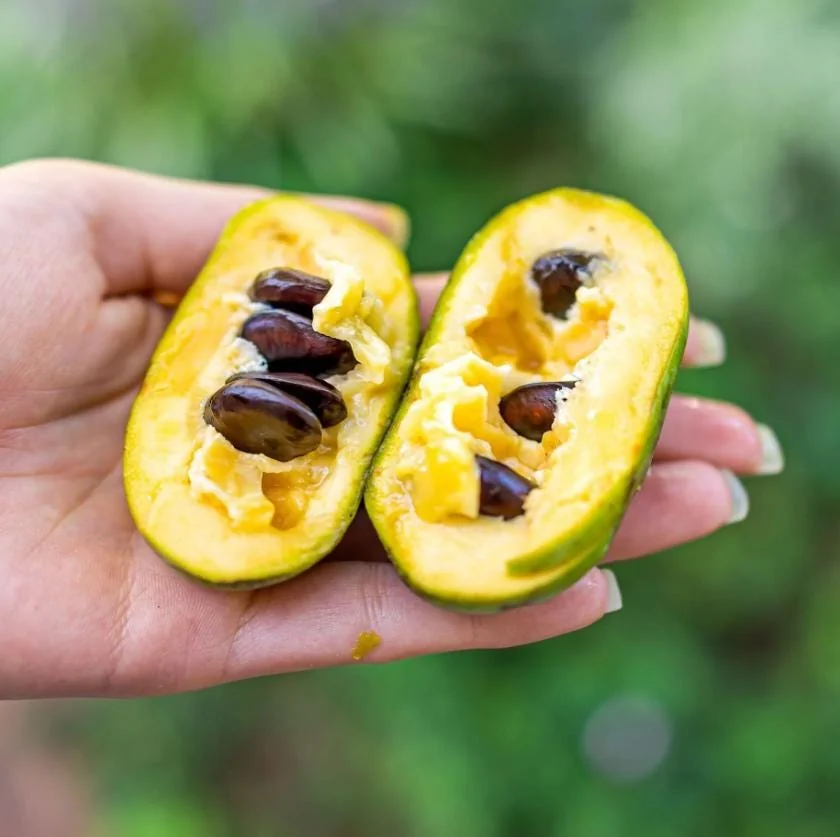
Introduce a truly distinctive and rewarding addition to your garden with the paw paw live plant (Asimina triloba). Often referred to as the Indian Banana, this small, deciduous native fruit tree is celebrated for its incredibly flavorful, creamy, custard-like fruit. The taste is a delightful blend of banana, mango, and melon, making it a unique treat unlike anything found in typical grocery stores. Our offerings are young seedlings, typically 6-12 inches tall, ready to establish themselves in your home orchard or garden. The Asimina triloba for sale here promises a future harvest of these delicious, nutrient-rich fruits, perfect for fresh eating, desserts, or preserves. This resilient tree thrives in a variety of soil types and is a fantastic choice for those looking to cultivate a piece of American horticultural heritage.
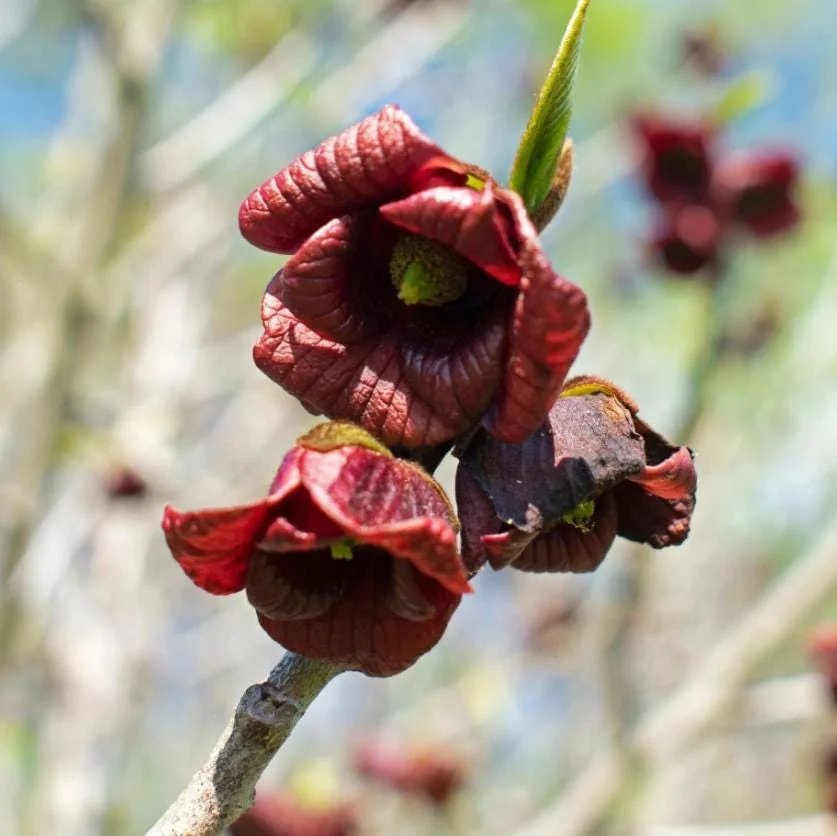
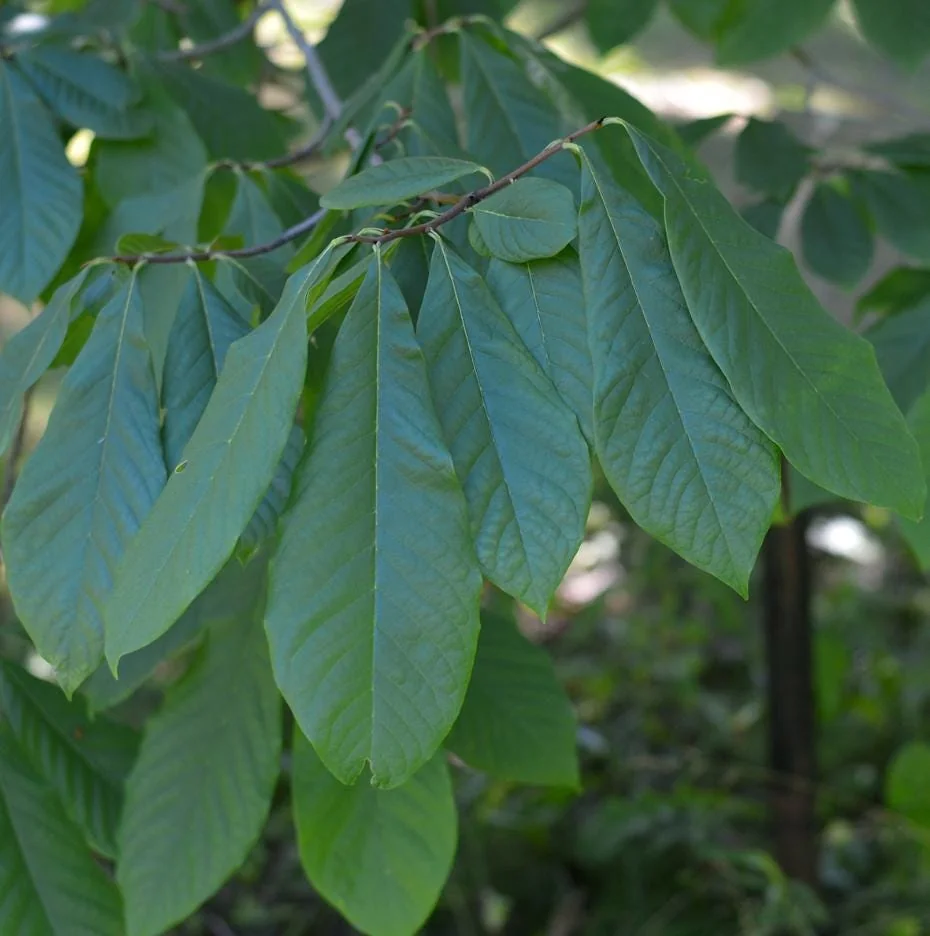
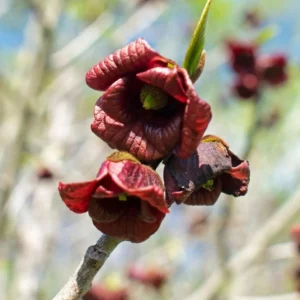
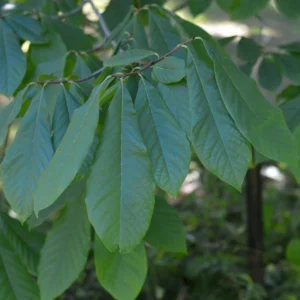
The Paw Paw tree is not only prized for its fruit but also for its ornamental qualities, including attractive heart-shaped leaves and unique, deep purple-maroon flowers that emerge in early spring. As a native fruit tree, it is well-adapted to many climates within its hardiness zones, requiring less intervention than some non-native alternatives. While the plant you receive will be a young seedling, it holds the promise of growing into a robust, fruit-bearing tree that will provide years of enjoyment and delicious harvests.
Key Benefits
Owning a paw paw live plant offers a multitude of benefits, from its unique fruit to its ecological value. This remarkable tree is a fantastic investment for any gardener or food enthusiast:
- Unique, Delicious Fruit: Enjoy creamy, custard-like fruits with a tropical flavor profile, a blend of banana, mango, and melon, rarely found in commercial markets.
- Native and Resilient: As a native fruit tree to North America, the Paw Paw is well-adapted to local climates and soils, making it relatively easy to grow and maintain in suitable regions.
- Rich in Nutrients: Paw Paw fruits are packed with vitamins, minerals, and antioxidants, offering a healthy and delicious addition to your diet.
- Beautiful Ornamental Features: Beyond its fruit, the tree boasts attractive heart-shaped leaves and distinctive purple-maroon flowers that add visual interest to your landscape in spring.
- Supports Local Wildlife: The flowers serve as a food source for native pollinators, and the fruits can be enjoyed by various wildlife, contributing to local biodiversity.
- Adaptable to Various Soils: This tree tolerates a range of soil types, including clay and loamy soils, making it versatile for different garden conditions.
- Excellent for Edible Landscaping: Integrate this small, deciduous tree into your garden for both aesthetic appeal and a bountiful harvest, perfect for edible landscaping designs.
Plant Care & Growing Tips
Caring for your paw paw live plant is straightforward once you understand its basic needs. This resilient native fruit tree thrives in USDA zones 5–9. When planting, choose a location with moist, well-drained soil; the Paw Paw is quite adaptable and tolerates both clay and loamy soil types. It prefers a slightly acidic to neutral pH. For sunlight, partial to full shade is ideal, especially during hot summers. Young Paw Paw trees benefit from some shade protection for their first year or two after planting to prevent leaf scorch. As they mature, they can handle more sun, which often leads to better fruit production.
Planting is best done in spring or early fall. Ensure adequate spacing, allowing 8–10 feet between plants for optimal growth and air circulation. Regular watering is crucial, particularly during dry spells and during the plant’s establishment phase. The soil should remain consistently moist but not waterlogged. Fertilize sparingly in the spring with a balanced, slow-release fertilizer designed for fruit trees. Pruning should be minimal, primarily to remove dead or diseased branches and to shape the tree for better fruit access. Be aware that the plant may arrive dormant, especially in cooler months, meaning it may have few or no leaves. This is normal, and it will leaf out when the growing season begins. For those interested in an Indian banana plant, proper care will ensure a successful and productive tree.
Size & Details
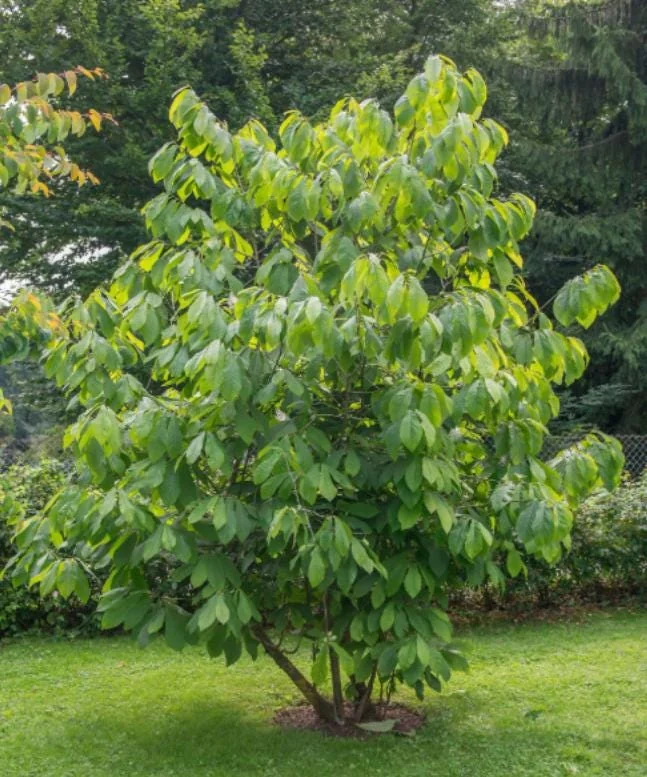
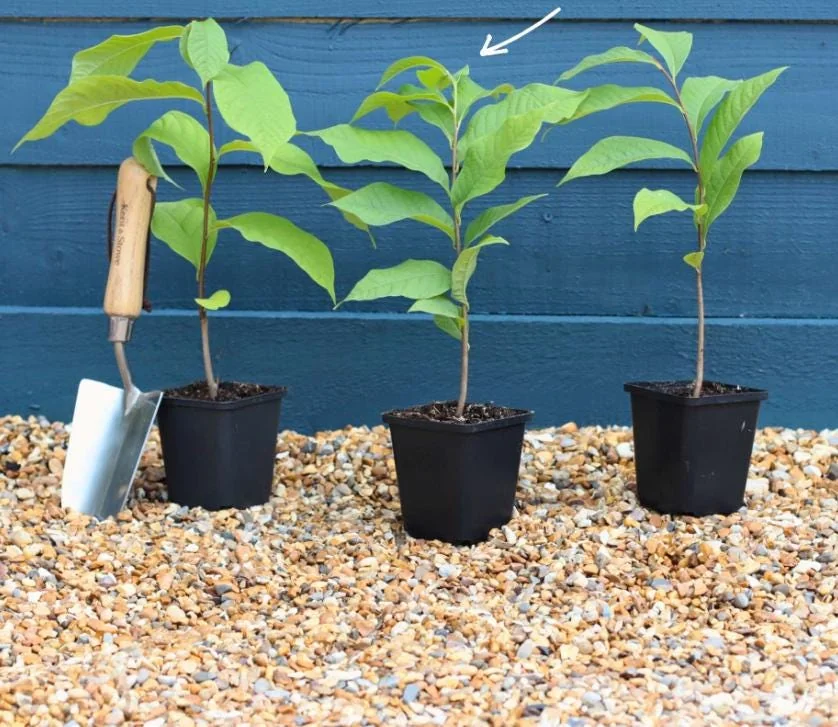
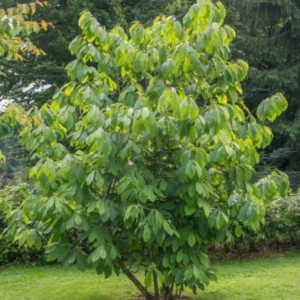
The paw paw live plant you will receive is a young seedling, typically measuring between 6–12 inches in height at the time of shipping. These plants are grown in quart pots, providing a healthy root system ready for transplanting into your garden or orchard. While they are young, they possess the vigor to grow into a small to medium-sized deciduous tree, generally reaching a mature height of 15-20 feet with a spread of 10-15 feet. The fruit, often referred to as an Indian banana plant due to its shape and creamy texture, ripens in late summer to early fall. Expect initial fruit production to begin within 3-5 years after planting, with increasing yields as the tree matures. This Asimina triloba for sale is a wonderful opportunity to grow a truly unique and delicious native fruit.
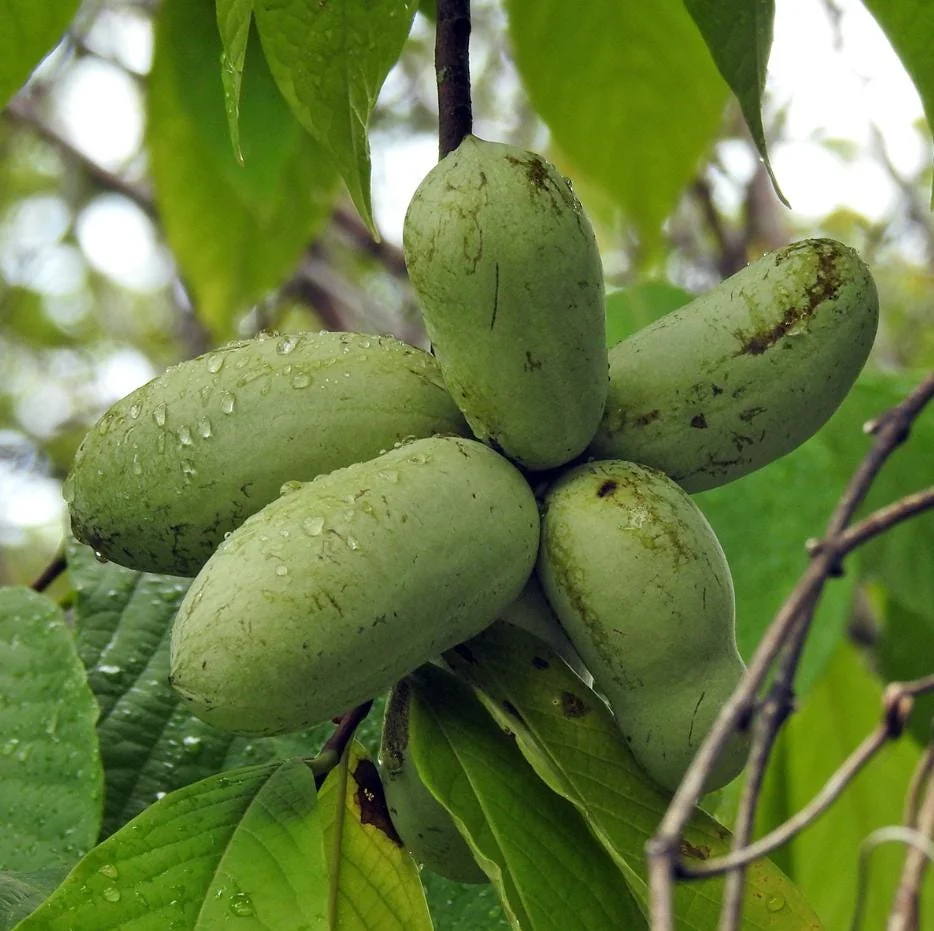
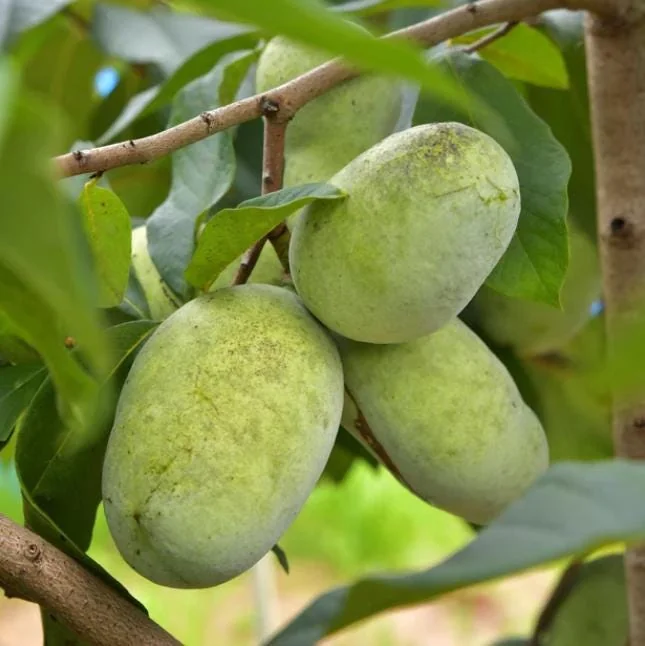
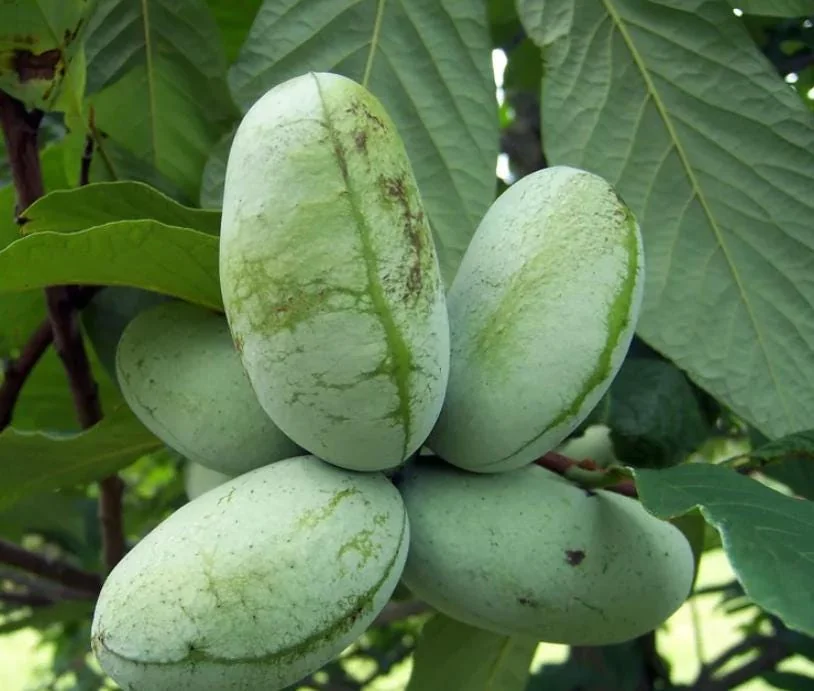
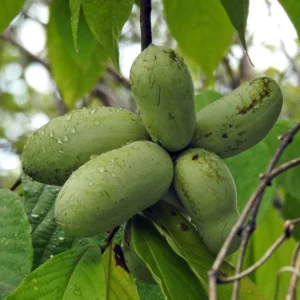
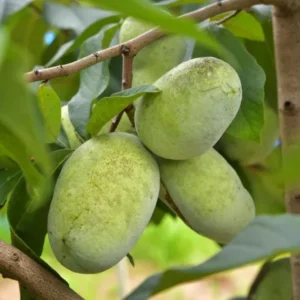
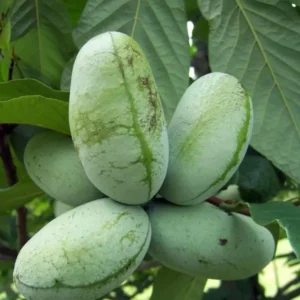
The tree’s growth rate is moderate, and it will develop its characteristic heart-shaped leaves and unique purple-maroon flowers over time. The fruit itself is typically 3-6 inches long, green when immature, turning yellow to brown when ripe, with a soft, custardy interior. Plant height at shipping may vary slightly within the 6-12 inch range, depending on the individual plant’s growth and natural variations. These details ensure you know what to expect from your new paw paw tree care journey.
Frequently Asked Questions
- Q: How big does this plant get? A: The paw paw live plant you receive will be 6-12 inches tall. At maturity, this native fruit tree typically reaches a height of 15-20 feet with a spread of 10-15 feet, making it a small to medium-sized tree perfect for home landscapes.
- Q: What size pot does it come in? A: Our paw paw live plant is shipped in a quart-sized pot, providing a well-established root system for successful transplanting into your garden or a larger container.
- Q: How much sunlight does it need? A: Young Paw Paw trees prefer partial to full shade, especially in their first year or two. As they mature, they can tolerate more sun, with some shade still beneficial during the hottest parts of the day.
- Q: Is this an indoor or outdoor plant? A: This is an outdoor native fruit tree, best suited for planting directly in the ground in USDA zones 5-9. While it can be grown in a large container initially, it will eventually need to be transplanted outdoors.
- Q: Is this plant easy to care for? A: Yes, the Asimina triloba for sale is considered relatively easy to care for, especially as a native tree. It requires consistent watering, especially when young, and benefits from well-drained soil.
- Q: What condition will it arrive in? A: Your paw paw live plant may arrive dormant, especially during cooler months, meaning it may have lost some or all of its leaves. This is completely normal, and the plant is simply resting and will leaf out with the return of warmer weather.
- Q: When is the best time to plant? A: The best time to plant your Indian banana plant is in the spring or early fall, allowing the roots to establish before extreme temperatures.
- Q: How long until it produces fruit? A: Typically, a paw paw live plant will begin to produce fruit within 3-5 years after planting, with yields increasing as the tree matures.
- Q: Will it survive winter in my zone? A: The Paw Paw tree is hardy in USDA zones 5-9. If you are within these zones, it should successfully overwinter and thrive in your climate.
- Q: What are the fruit’s characteristics? A: The fruit is typically 3-6 inches long, features a creamy, custard-like texture, and tastes like a blend of banana, mango, and melon. It ripens in late summer to early fall.
Be the first to review “Paw Paw Live Plant – Native Asimina triloba Fruit Tree – 6-12 inch Tall”
People Also Viewed

Sold 91 products
Original price was: $92.36.$46.18Current price is: $46.18.
Sold 93 products
Original price was: $36.36.$18.18Current price is: $18.18.
Sold 83 products
Original price was: $81.18.$40.59Current price is: $40.59.
Flower Plants
Sold 89 products
Original price was: $27.98.$13.99Current price is: $13.99.
Sold 54 products
Original price was: $88.00.$44.00Current price is: $44.00.
Sold 60 products
Original price was: $64.38.$32.19Current price is: $32.19.
Sold 57 products
Original price was: $88.00.$44.00Current price is: $44.00.
Sold 54 products
Original price was: $283.96.$141.98Current price is: $141.98.
Sold 91 products
Original price was: $175.96.$87.98Current price is: $87.98.
Sold 72 products
$63.78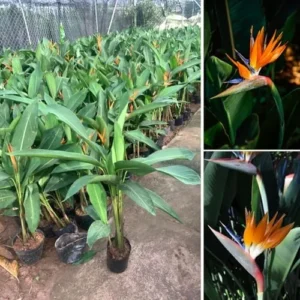
Flower Plants
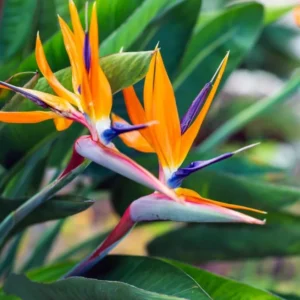
Orange Bird of Paradise Live Plant – 5-10 Inch Tropical Strelitzia Reginae Outdoor Plant
Sold 92 products
Original price was: $35.98.$17.99Current price is: $17.99.
Sold 55 products
Original price was: $43.94.$26.97Current price is: $26.97.
Sold 51 products
Original price was: $147.16.$73.58Current price is: $73.58.
Sold 70 products
Original price was: $151.16.$75.58Current price is: $75.58.
Sold 84 products
Original price was: $147.16.$73.58Current price is: $73.58.
Sold 64 products
Original price was: $30.78.$15.39Current price is: $15.39.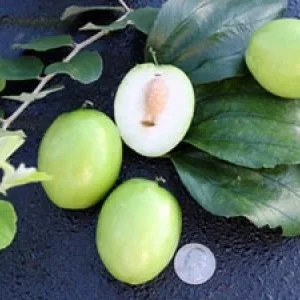
Sold 55 products
Original price was: $463.96.$231.98Current price is: $231.98.

Sold 54 products
Original price was: $59.96.$29.98Current price is: $29.98.




%20–%204-6″%20Tall%20Starter%20Plants%20–%20Attracts%20Butterflies%20&%20Hummingbirds%20–%20Outdoor&url=https://gardennursery.net/product/red-lantana-live-plant-set-2-4-6-tall-starter-plants-attracts-butterflies-hummingbirds-outdoor/&media=https://img.gardennursery.net/2026/03/red-lantana-live-plant-set-2-4-6-tall-starter-plan-8b65cb76.webp)

%20–%202-Pack,%204-6″%20Tall%20–%20Edible%20Spice%20&%20Ornamental%20Indoor/Outdoor&url=https://gardennursery.net/product/yellow-turmeric-live-plant-set-curcuma-longa-2-pack-4-6-tall-edible-spice-ornamental-indoor-outdoor/&media=https://img.gardennursery.net/2026/03/yellow-turmeric-live-plant-set-curcuma-longa-2-pac-bb79af41.webp)


Reviews
There are no reviews yet.