
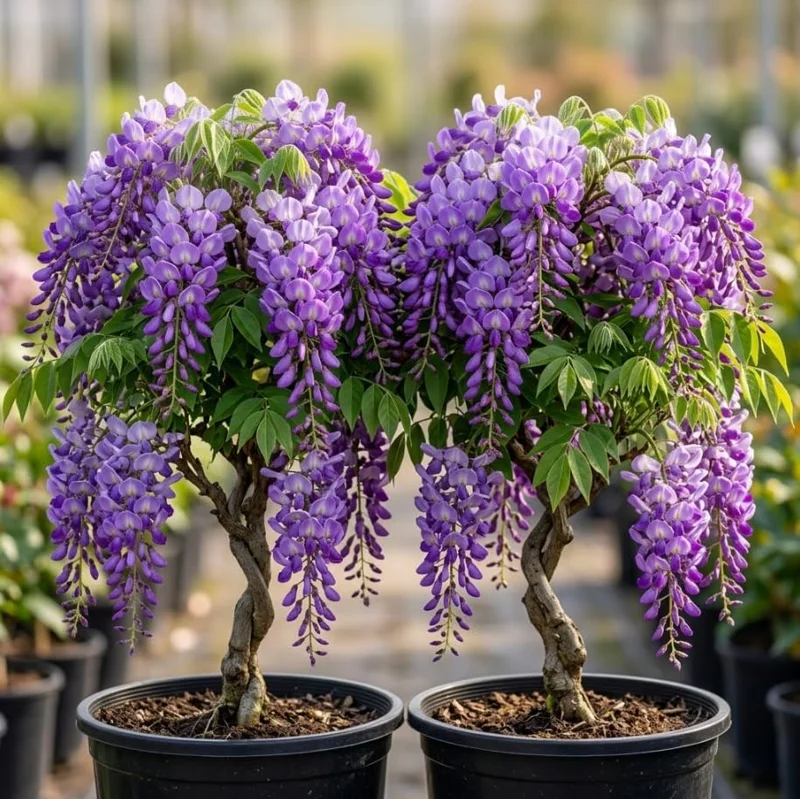
Pack of 2 Wisteria Live Plants – Fragrant Blue Climbing Shrub, 7-14″ Tall in 2.5″ Pot, Outdoor
Original price was: $55.98.$27.99Current price is: $27.99.
Transform your outdoor space with a pack of 2 Wisteria live plants. These vigorous climbing shrubs are renowned for their stunning cascades of fragrant blue to violet pea-shaped flowers. Perfect for covering pergolas, fences, and walls, each plant arrives 7-14 inches tall in a 2.5-inch pot, ready to thrive in your garden.
-
USDA Hardiness Zone
USDA zones 5-9 -
Soil Type
Moist, well-draining clay to sandy soil -
Sunlight Exposure
Full to partial sun -
Expected Planting Period
Spring to early summer

You can track your order HERE
Oct 31
Nov 05 - Nov 07
Nov 10 - Nov 14
Shipping and return policies: Our Alive & Thrive Guarantee covers issues with your plants within the first 30 days. Reach out to us. Our team will answer your questions and help you find the plants that are truly suitable for your environment, climate, and personal preferences.

Overview
Introduce breathtaking beauty and intoxicating fragrance to your garden with this exceptional wisteria live plant. Celebrated for its spectacular cascades of blue to violet pea-shaped blooms, Wisteria is a true showstopper. This offering includes a pack of 2 Wisteria live plants, providing an excellent foundation for creating a stunning display. Known botanically as Wisteria sinensis or Wisteria floribunda varieties, these hardy climbing shrubs are ideal for adding vertical interest and a touch of elegance to any outdoor setting. Whether you envision a fragrant archway, a vibrant fence, or a cascading pergola, these young wisteria plants are ready to establish and flourish, promising years of magnificent floral exhibitions.
Each wisteria live plant is carefully grown and delivered in a 2.5-inch pot, standing 7-14 inches tall, ensuring a healthy and well-rooted start for your landscaping project. Wisteria is a vigorous grower, making it a favorite among gardeners looking for impactful and beautiful climbing solutions. Its ability to quickly cover structures with lush foliage and abundant flowers makes it an invaluable addition to cottage gardens, formal landscapes, and even modern outdoor designs. Prepare to be enchanted by the sweet perfume and visual splendor of these remarkable plants.
Key Benefits
Investing in a climbing wisteria plant offers numerous advantages, transforming ordinary spaces into extraordinary botanical showcases. These plants are not only beautiful but also robust and rewarding to cultivate.
- Stunning Floral Displays: Enjoy breathtaking cascades of fragrant blue to violet flowers that create a dramatic visual impact in spring and early summer. The abundant blooms are a true spectacle, making the wisteria live plant a focal point.
- Intoxicating Fragrance: Beyond their visual appeal, wisteria flowers release a sweet, memorable scent that can perfume an entire garden, enhancing your outdoor living experience.
- Versatile Vertical Coverage: Ideal for training along pergolas, arbors, fences, trellises, and garden walls, providing excellent shade, privacy, and aesthetic appeal. A climbing wisteria plant is perfect for adding height and dimension.
- Hardy and Vigorous Growth: Wisteria is known for its robust nature and rapid growth, quickly establishing itself and covering structures with lush foliage and prolific blooms.
- Attracts Pollinators: The vibrant flowers are a magnet for bees and other beneficial pollinators, contributing to the biodiversity and health of your garden ecosystem.
- Long-Lived Beauty: With proper care, a wisteria live plant can thrive for many decades, becoming a cherished and enduring feature of your landscape.
- Architectural Interest: The strong, woody vines develop into an impressive structure, providing year-round architectural interest even when not in bloom.
Plant Care & Growing Tips
Caring for your wisteria live plant is rewarding, leading to spectacular blooms and vigorous growth. Wisteria thrives in conditions that mimic its natural habitat, requiring attention to sunlight, soil, and watering. For optimal flowering, ensure your wisteria receives full to partial sun, meaning at least 6 hours of direct sunlight per day. While it can tolerate some shade, too little sun will result in sparse flowering. When considering how to grow wisteria successfully, sunlight is paramount.
The ideal soil for wisteria is moist, well-draining, and ranges from clay to sandy loam. It’s crucial to avoid overly rich soil, as this can promote leafy growth at the expense of flowers. Good drainage is key to prevent root rot, which can be detrimental to your climbing wisteria plant. Water regularly, especially during dry spells and in the first few years after planting, to help establish a strong root system. Once established, wisteria is relatively drought-tolerant but will benefit from consistent moisture. Fertilize sparingly; an annual application of a high-phosphorus, low-nitrogen fertilizer in early spring can encourage more blooms. Avoid high-nitrogen fertilizers, which promote foliage over flowers.
Pruning is essential for managing the size and promoting abundant flowering of your wisteria live plant. Prune twice a year: once in late winter to shape the plant and remove dead wood, and again in mid-summer to cut back long, whip-like shoots to about 5-6 leaves. This summer pruning encourages the development of flower buds. Wisteria is hardy in USDA zones 5-9, tolerating a range of climates. Protect young plants in colder zones during their first winter. Common problems include powdery mildew and aphids, which can typically be managed with proper air circulation and organic pest control methods. Following this wisteria care guide will ensure a healthy and profusely blooming vine.
Size & Details
This offering includes a pack of 2 Wisteria live plants, each ready to flourish in your garden. Upon arrival, each plant stands approximately 7-14 inches tall, measured from the soil line, and is securely rooted in a 2.5-inch nursery pot. This size provides a robust, well-established start, allowing the plant to quickly acclimate to its new environment and begin its vigorous climbing journey. When mature, a climbing wisteria plant can reach impressive dimensions, typically growing 10 to 20 feet high and spreading 4 to 30 feet wide, depending on the variety and how it is trained. Its rapid growth rate means you can expect significant coverage and a substantial display within a few growing seasons.
The plants are shipped as live, actively growing specimens, carefully packaged to ensure their safe arrival. Wisteria is known for its relatively fast growth, with established plants often adding several feet of growth per year. While the first blooms may appear within 2-3 years of planting, mature plants will produce the most spectacular and abundant cascades of fragrant wisteria flowers. These plants are ideal for outdoor cultivation and are best planted in spring or early summer to allow ample time for root development before winter. The strong woody vines will provide an enduring framework for your landscape, becoming more magnificent with each passing year.
Frequently Asked Questions
- Q: How big does this wisteria live plant get? A: A mature wisteria live plant can typically grow 10 to 20 feet high and spread 4 to 30 feet wide, depending on the variety and how it’s trained on a support structure. Its vigorous growth allows it to cover large areas.
- Q: What size pot does it come in? A: Each plant in this pack of 2 Wisteria live plants arrives in a 2.5-inch nursery pot, standing 7-14 inches tall, providing a healthy and established root system for planting.
- Q: Is this an indoor or outdoor plant? A: Wisteria is primarily an outdoor plant, celebrated for its robust climbing habit and need for ample sunlight. It thrives when trained on pergolas, arbors, fences, or walls in garden settings.
- Q: How much sunlight does it need? A: For the best flowering, a climbing wisteria plant requires full to partial sun, ideally at least 6 hours of direct sunlight per day. More sun generally leads to more prolific blooms.
- Q: Is this plant easy to care for? A: Wisteria is relatively easy to care for once established, but it does require consistent pruning to manage its vigorous growth and encourage abundant fragrant wisteria flowers. Our wisteria care guide provides detailed instructions.
- Q: What condition will it arrive in? A: Your wisteria plants will arrive as healthy, actively growing live plants, carefully packaged to minimize stress during transit and ensure they reach you in excellent condition.
- Q: How long until it blooms? A: While some wisteria varieties can bloom in 2-3 years, it often takes 3-5 years for a young wisteria live plant to establish and produce its first significant display of flowers. Patience is key for these magnificent vines.
- Q: When is the best time to plant wisteria? A: The ideal time to plant wisteria is in the spring or early summer after the last frost, allowing the plant ample time to establish its root system before the colder months.
- Q: Will it survive winter in my zone? A: Wisteria is generally hardy in USDA Zones 5-9. In colder zones, young plants may benefit from winter protection, but established plants are quite resilient to cold temperatures.
- Q: Is wisteria considered invasive? A: While wisteria is a vigorous grower, it can be managed with proper pruning and training. Certain non-native species can be aggressive, so research local recommendations on how to grow wisteria responsibly.
Be the first to review “Pack of 2 Wisteria Live Plants – Fragrant Blue Climbing Shrub, 7-14″ Tall in 2.5″ Pot, Outdoor”
People Also Viewed
Sold 66 products
Original price was: $37.98.$20.99Current price is: $20.99.





Vines
Red Riding Hood Mandevilla Live Plant – 2 Starter Plants, 4-6″ Tall, Red Blooms, Climbing Vine
Sold 81 products
Original price was: $44.78.$22.39Current price is: $22.39.

Vines
Giant Granadilla Passion Fruit Vine Live Plant – 3 Gallon Pot, 2-3 Feet Tall, Outdoor Edible Fruit
Sold 88 products
From $126.99











Reviews
There are no reviews yet.