
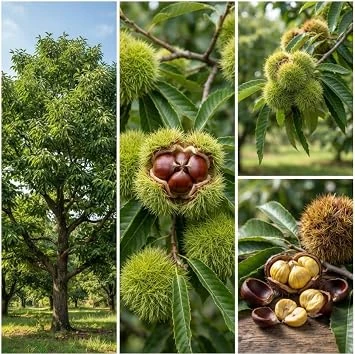
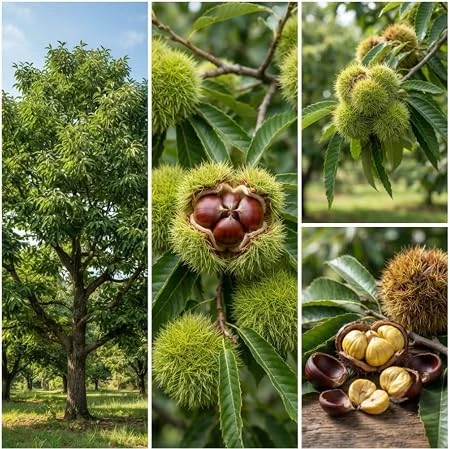
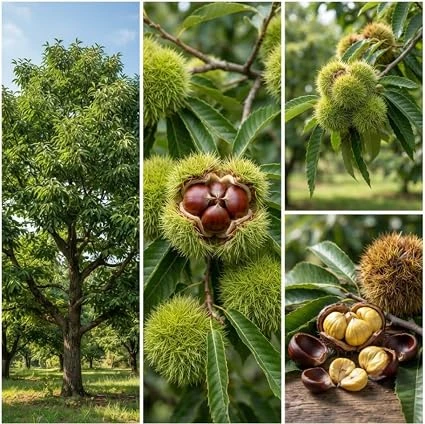
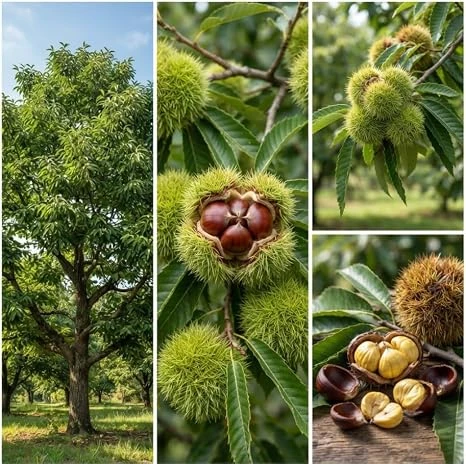
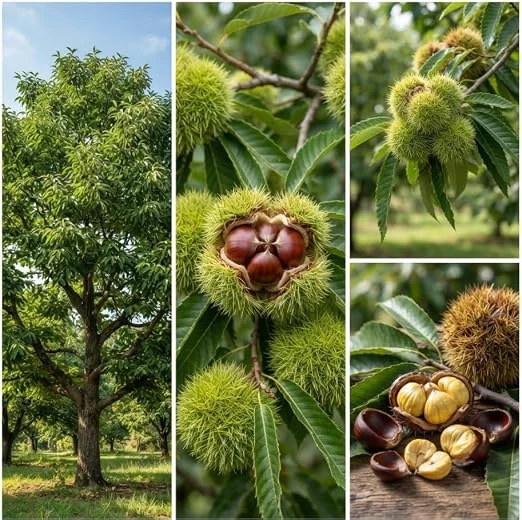
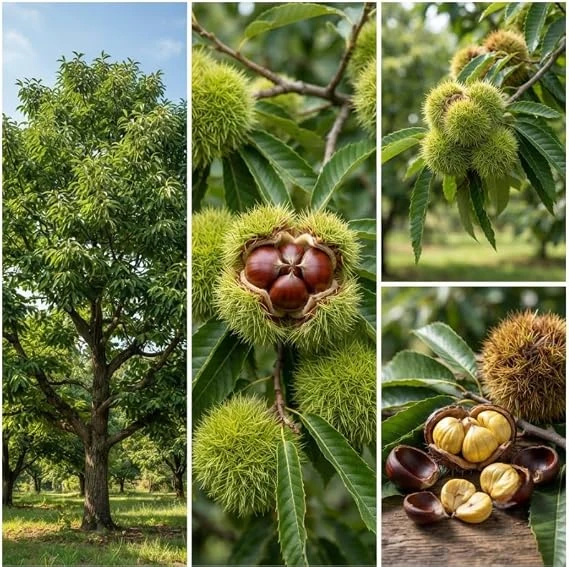
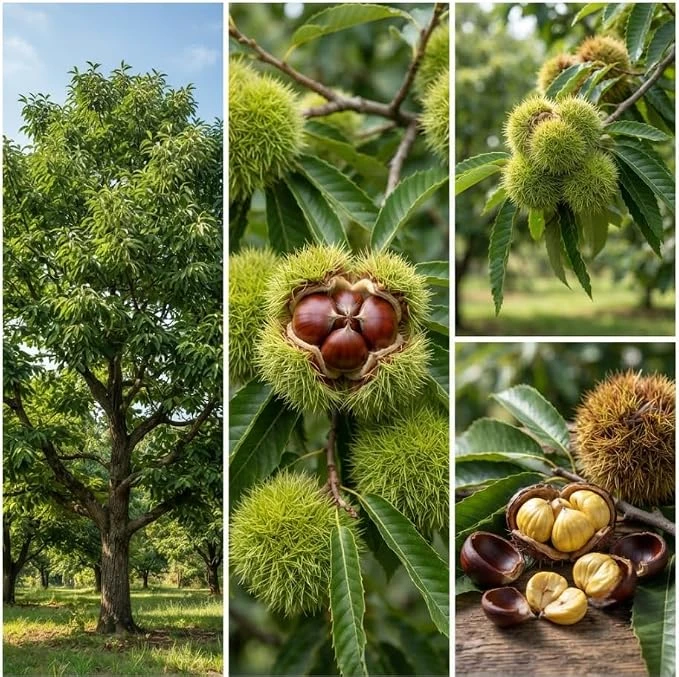
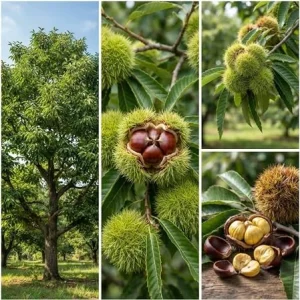
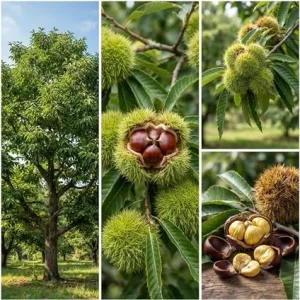
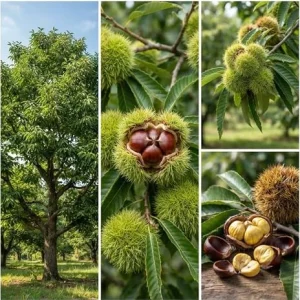
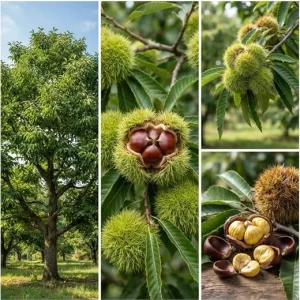
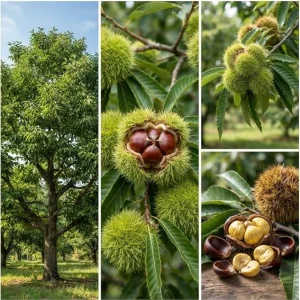
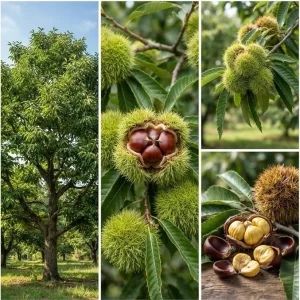
Pack of 2 Chestnut Trees Live Plants, Deciduous Nut Tree, 6-10 Inch Tall, 4 Inch Pot, Outdoor
Original price was: $97.08.$48.54Current price is: $48.54.
Cultivate your own delicious chestnuts with this chestnut tree live plant 2-pack. Each deciduous nut tree arrives 6-10 inches tall in a 4-inch pot, ready for planting outdoors. These young trees are perfect for starting your own nut orchard or adding a stately focal point to your landscape.
-
USDA Hardiness Zone
unknown -
Soil Type
well-draining soil -
Sunlight Exposure
full sun -
Expected Planting Period
spring to early summer

You can track your order HERE
Oct 30
Nov 04 - Nov 06
Nov 09 - Nov 13
Shipping and return policies: Our Alive & Thrive Guarantee covers issues with your plants within the first 30 days. Reach out to us. Our team will answer your questions and help you find the plants that are truly suitable for your environment, climate, and personal preferences.

Overview
Begin your journey to homegrown chestnuts with this exceptional 2-pack of chestnut tree live plant specimens. These young deciduous trees are carefully cultivated to ensure a strong start in your garden. Known for their stately form and delicious, edible nuts, chestnut trees are a valuable addition to any landscape. Each plant is a fresh, vigorous deciduous nut tree, standing approximately 6-10 inches tall and rooted in a 4-inch nursery pot, making them ideal for immediate transplanting. While these are young trees and fruit production will require maturity, they offer the promise of future harvests and significant aesthetic appeal. Embrace the tradition of growing your own food and enhance your property with these magnificent trees.
The genus Castanea, commonly known as chestnut, includes several species of deciduous trees and shrubs in the beech family Fagaceae. These specific trees are perfect for those looking to grow chestnut trees in their backyard or larger property. They provide not only shade and beauty but also the potential for a rewarding harvest of nuts. Understanding chestnut plant care is straightforward, making them accessible to gardeners of varying experience levels.
Key Benefits
Adding a chestnut tree live plant to your garden offers a multitude of benefits, from ecological contributions to personal enjoyment:
- Future Nut Production: While young, these trees hold the promise of producing delicious, edible nuts once they reach maturity and become established. Enjoy the satisfaction of harvesting your own fresh chestnuts.
- Stunning Landscape Addition: Chestnut trees are known for their beautiful, broad canopy and attractive foliage, making them a superb focal point or shade tree in any yard or garden. They contribute significant visual interest throughout the seasons.
- Wildlife Support: The nuts produced by mature chestnut trees are a valuable food source for various wildlife, including deer, squirrels, and birds, contributing to local biodiversity.
- Environmental Impact: As large deciduous trees, they contribute to air purification, carbon sequestration, and provide natural cooling shade, enhancing the ecological balance of your property.
- Strong Start: Arriving 6-10 inches tall and potted in a 4-inch container, these young deciduous nut tree specimens have a robust root system, giving them an excellent head start for growth and establishment.
- Long-Term Investment: A well-cared-for chestnut tree can live for many decades, providing beauty and nuts for generations, making it a truly rewarding long-term investment in your landscape.
- Adaptable Growth: These trees are well-suited to a variety of climates within their hardiness zones, demonstrating resilience and adaptability once properly established. Proper chestnut plant care ensures their longevity and health.
Plant Care & Growing Tips
Proper chestnut plant care is essential for ensuring your chestnut tree live plant thrives and eventually produces fruit. These young trees prefer a location with plenty of sunlight, ideally receiving at least 6-8 hours of direct sun per day. Well-drained soil is crucial, as chestnuts do not tolerate soggy conditions. A slightly acidic to neutral pH (5.5-7.0) is generally preferred. When planting, dig a hole twice as wide as the root ball and just as deep. Gently loosen the roots before placing the tree in the hole, ensuring the top of the root ball is level with the surrounding soil. Backfill with native soil, avoiding deep planting.
Watering should be consistent, especially during the first few years after planting, to help the tree establish a strong root system. Aim for deep watering sessions whenever the top few inches of soil feel dry to the touch. Reduce watering frequency once the tree is established, as mature trees are more drought-tolerant. Fertilization can begin in the second year; use a balanced, slow-release fertilizer in early spring, following product instructions. Pruning is generally minimal for young trees, focusing on removing any dead, damaged, or crossing branches to maintain good air circulation and shape. Remember that during winter, your deciduous nut tree will naturally enter dormancy, shedding its leaves. This is a normal and healthy part of its life cycle, and new growth will emerge in spring. Understanding how to grow chestnut trees successfully involves patience and consistent care.
Size & Details
This offering includes a pack of two chestnut tree live plant specimens. Each young tree arrives standing approximately 6-10 inches tall, measured from the soil line to the top of the plant, and is securely potted in a 4-inch nursery pot. This size provides a healthy root system and a sturdy start for transplanting into your garden or a larger container. These are juvenile deciduous nut tree plants, and while they are on their way to becoming mature, fruit production typically requires several years for the tree to establish and develop. They are shipped fresh and carefully packaged to ensure optimal condition upon arrival. The growth rate of chestnut trees can vary depending on environmental conditions and care, but with proper attention, you can expect steady development. These trees will shed their leaves seasonally as they enter dormancy, which is a natural process for deciduous varieties. Those looking to grow chestnut trees should anticipate a long-term commitment to enjoy their full potential.
Frequently Asked Questions
- Q: How big does this plant get? A: These are young chestnut tree live plant specimens, arriving 6-10 inches tall. Mature chestnut trees can grow quite large, often reaching heights of 50-70 feet or more, with a significant spread, making them excellent shade trees.
- Q: What size pot does it come in? A: Each tree is shipped in a 4-inch nursery pot, providing a good foundation for its root system and making it ready for transplanting into your garden or a larger container upon arrival.
- Q: Is this an indoor or outdoor plant? A: These are outdoor plants. Chestnut trees are large, deciduous nut trees that require outdoor conditions to thrive and produce fruit. They are not suitable for long-term indoor cultivation.
- Q: How much sunlight does it need? A: A deciduous nut tree like the chestnut requires full sun, meaning at least 6-8 hours of direct sunlight per day, to ensure healthy growth and eventual nut production.
- Q: Is this plant easy to care for? A: While young trees require consistent watering and protection, mature chestnut trees are relatively low-maintenance once established. Following basic chestnut plant care guidelines will ensure their success.
- Q: What condition will it arrive in? A: Your chestnut tree live plant will arrive fresh and carefully packaged. During winter months, it may be dormant and arrive without leaves or with reduced foliage, which is normal for a deciduous tree. It will resume growth when warmer conditions return.
- Q: How long until it produces fruit? A: These are young trees, and fruit production typically begins when the tree reaches maturity and is well-established, which can take several years (often 5-10 years or more) depending on growing conditions.
- Q: When is the best time to plant? A: The best time to plant your deciduous nut tree is typically in early spring or fall, allowing the roots to establish before extreme summer heat or winter cold.
- Q: Will it survive winter in my zone? A: Chestnut trees are hardy in a range of USDA zones. Ensure your local hardiness zone is suitable for chestnut cultivation. These trees are deciduous and naturally lose their leaves in winter.
- Q: What type of soil does it prefer? A: Chestnut trees prefer well-draining, slightly acidic to neutral soil. They do not tolerate heavy, waterlogged soils. Good drainage is key for healthy root development when you grow chestnut trees.
Be the first to review “Pack of 2 Chestnut Trees Live Plants, Deciduous Nut Tree, 6-10 Inch Tall, 4 Inch Pot, Outdoor”
People Also Viewed
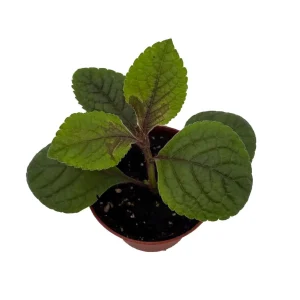
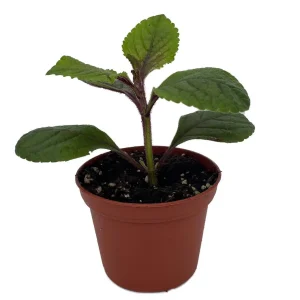


Sold 71 products
Original price was: $41.56.$20.78Current price is: $20.78.

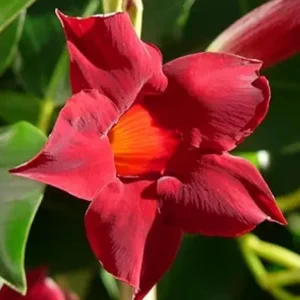
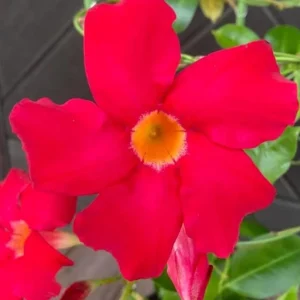



HousePlants
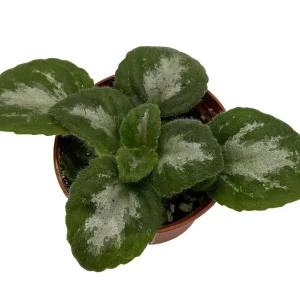
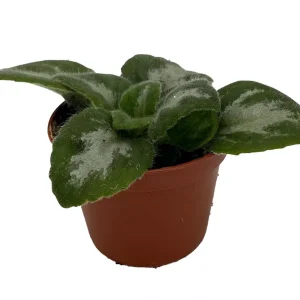
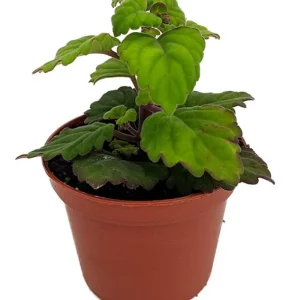
Primulina Asian Violet Live Plant – 2.5 inch Pot – Indoor Houseplant for Bright Indirect Light
Sold 81 products
Original price was: $38.36.$19.18Current price is: $19.18.
HousePlants
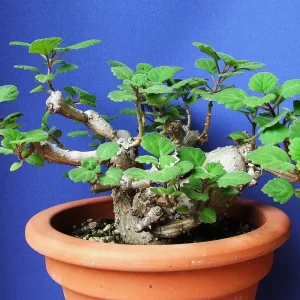
Plectranthus ernstii Live Plant – 2.5″ Pot – Unique Caudex Succulent for Bonsai – Indoor House Plant
Sold 71 products
Original price was: $28.76.$14.38Current price is: $14.38.





Reviews
There are no reviews yet.