
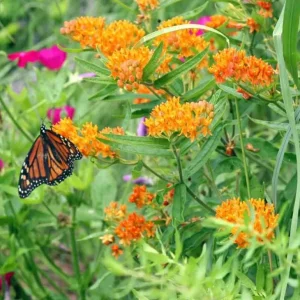
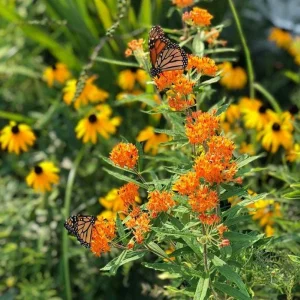
Milkweed Mix Live Plants – 2-5″ Tall – Asclepias Species – Pollinator Garden
Original price was: $20.89.$14.62Current price is: $14.62.
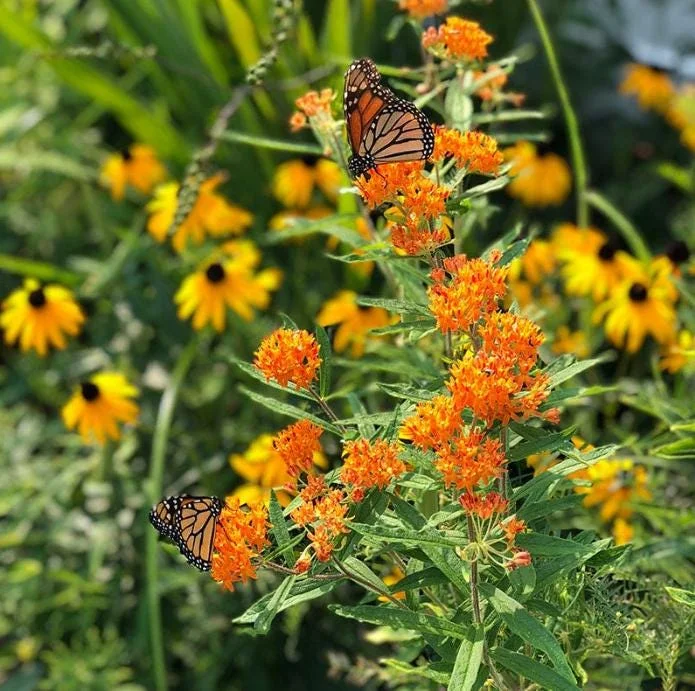
Enhance your garden with our milkweed mix live plants, shipped 2-5 inches tall. These vital asclepias species for garden are crucial for the life cycle of Monarch butterflies, providing essential host plants. Create a vibrant pollinator garden plants habitat and enjoy the beauty of nature.
-
USDA Hardiness Zone
USDA zones 3-9 -
Soil Type
Well-draining soil -
Sunlight Exposure
Full sun -
Expected Planting Period
Spring to early summer

You can track your order HERE
Oct 09
Oct 14 - Oct 16
Oct 19 - Oct 23
Shipping and return policies: Our Alive & Thrive Guarantee covers issues with your plants within the first 30 days. Reach out to us. Our team will answer your questions and help you find the plants that are truly suitable for your environment, climate, and personal preferences.

Overview
Welcome to the world of ecological gardening with our exceptional milkweed mix live plants. This carefully curated collection features various Asclepias species, vital for supporting the endangered Monarch butterfly population. Each plant arrives as a healthy, young specimen, typically 2-5 inches tall, ready to be established in your outdoor garden. Milkweed is not just an ordinary plant; it’s the sole food source for Monarch butterfly caterpillars, making it an indispensable addition to any conservation-minded landscape. By planting this monarch butterfly host plant, you contribute directly to the survival and proliferation of these beloved pollinators, transforming your garden into a dynamic ecosystem.
Our milkweed mix live plants offer a diverse selection, ensuring a robust and attractive display in your garden. These plants are shipped without pots to minimize environmental impact and ensure they arrive in prime condition for immediate planting. Known for their resilience and adaptability, Asclepias species thrive in various conditions, making them an excellent choice for both novice and experienced gardeners eager to support local wildlife. Embrace the beauty and ecological importance of milkweed, and watch as your garden becomes a haven for Monarchs and other beneficial insects.
Key Benefits
Integrating milkweed mix live plants into your garden brings a multitude of benefits, extending beyond mere aesthetics. These plants are fundamental for fostering a thriving natural environment, making your outdoor space a vibrant hub of activity. The impact of planting these specific species is profound and far-reaching.
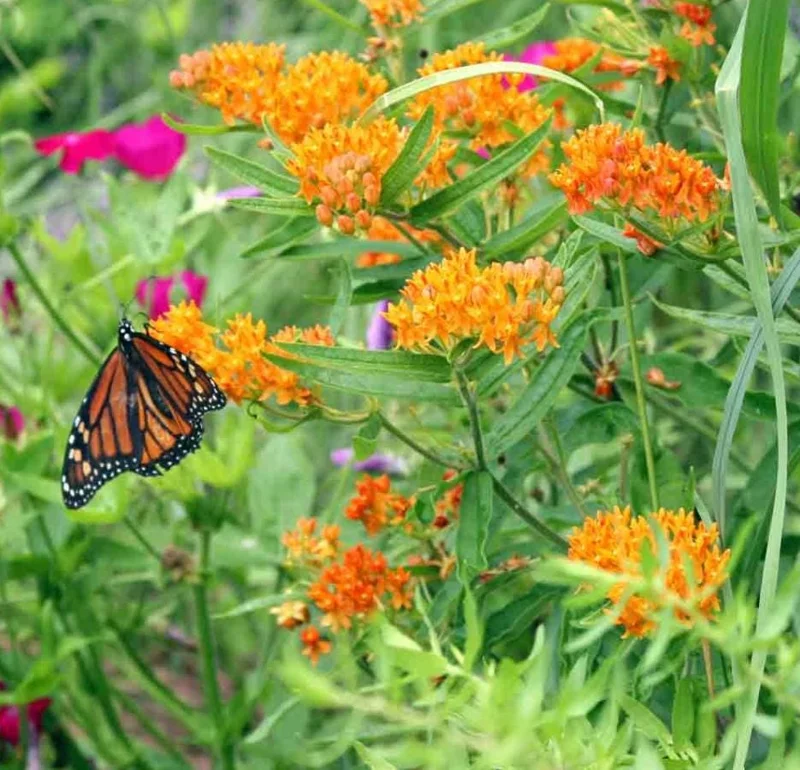
- Essential Monarch Butterfly Host Plant: Milkweed is the only plant where Monarch butterflies lay their eggs, and its leaves are the exclusive food source for Monarch caterpillars. By planting these asclepias species for garden, you directly support the entire life cycle of Monarchs, from caterpillar to adult butterfly.
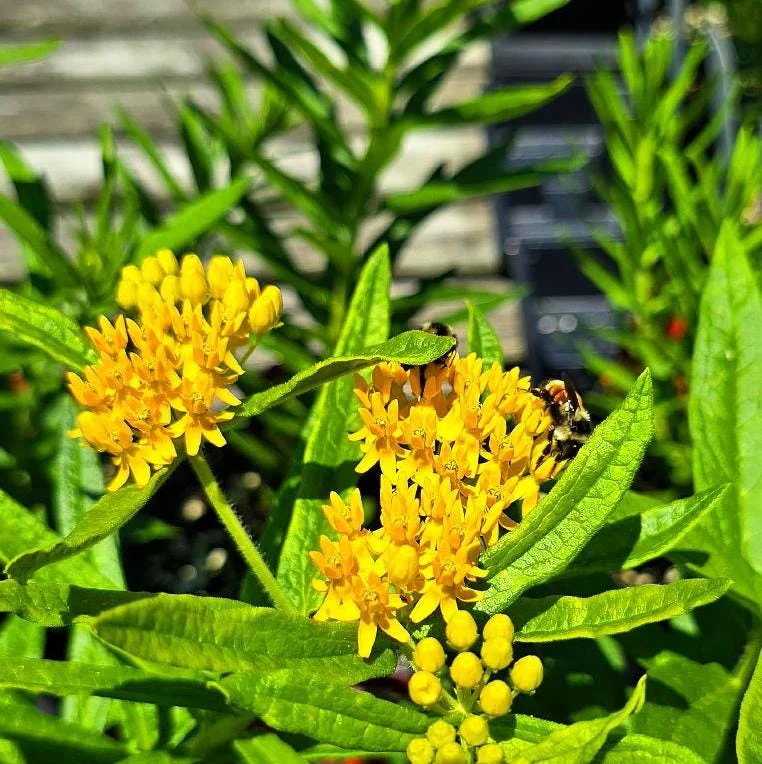
- Attracts Diverse Pollinators: Beyond Monarchs, the nectar-rich flowers of milkweed attract a wide array of other pollinators, including bees, hummingbirds, and various beneficial insects. This promotes biodiversity and enhances the health of your entire garden ecosystem.
- Low Maintenance and Drought Tolerant: Once established, milkweed plants are remarkably hardy and require minimal care. They are often drought-tolerant, making them an excellent choice for sustainable gardening practices and reducing water consumption.
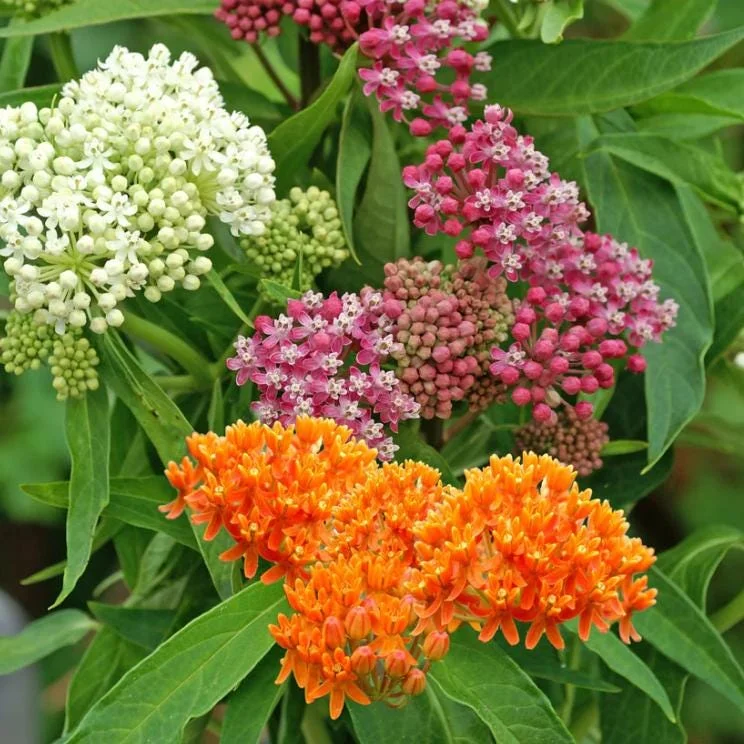
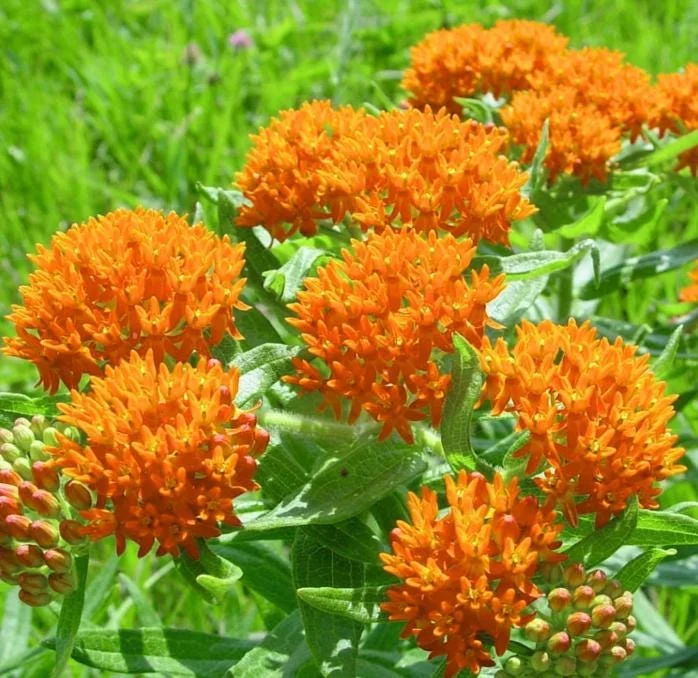
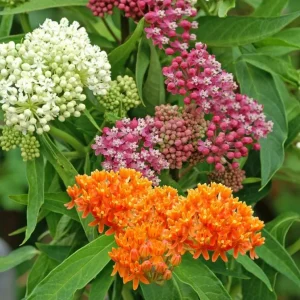
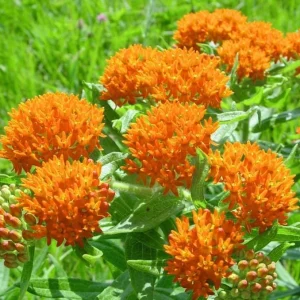
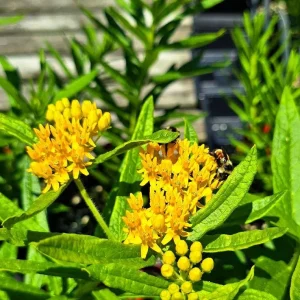
- Beautiful and Unique Blooms: Milkweed varieties feature distinctive and often fragrant flowers, ranging in colors from vibrant pinks and purples to oranges and whites. These striking blooms add significant visual interest to any garden landscape, enhancing its aesthetic appeal.
- Supports Ecological Conservation: By choosing to plant milkweed mix live plants, you actively participate in conservation efforts aimed at protecting declining pollinator populations. Your garden becomes a vital sanctuary for these crucial species.
- Educational Opportunity: Observing the Monarch life cycle in your own garden provides an incredible educational experience for children and adults alike. It fosters an appreciation for nature and the interconnectedness of ecosystems.
- Natural Pest Control: A healthy pollinator garden, rich with milkweed, can naturally attract beneficial insects that prey on garden pests, reducing the need for chemical interventions. This further supports a robust and healthy garden environment.
Plant Care & Growing Tips
Caring for your milkweed mix live plants is generally straightforward, making them an excellent choice for gardeners of all experience levels. These resilient asclepias species for garden thrive when provided with their preferred conditions, ensuring they grow strong and become a reliable food source for Monarchs. The key to successful cultivation lies in understanding their fundamental needs regarding sunlight, soil, and water.
Milkweed plants flourish in full sun, meaning they require at least six hours of direct sunlight per day. Choose a location in your garden that receives abundant sun exposure throughout the day. While they can tolerate some partial shade, their growth and flowering will be significantly reduced. When it comes to soil, milkweed prefers well-draining soil. It is adaptable to various soil types, including sandy, loamy, or clay soils, as long as drainage is adequate. Avoid overly wet conditions, as this can lead to root rot. For optimal growth, consider amending heavy clay soils with compost or sand to improve drainage. The ideal pH range is slightly acidic to neutral, between 6.0 and 7.0.
Watering should be consistent during the establishment phase, usually the first few weeks after planting. Once established, milkweed is quite drought-tolerant and can withstand periods of dry weather. Water deeply but infrequently, allowing the soil to dry out between waterings. Overwatering is a common mistake to avoid. Fertilization is generally not necessary for milkweed, as it thrives in average garden soil. If your soil is particularly poor, a light application of a balanced, slow-release fertilizer in spring can be beneficial. These plants are hardy in USDA zones 3-9, depending on the specific Asclepias species. Protect young plants from aggressive weeds by mulching around their base, which also helps retain soil moisture. Regular monitoring for common garden pests will help maintain healthy growth, though milkweed is generally robust. Understanding proper milkweed plant care ensures a thriving habitat for pollinators.
Size & Details
Our milkweed mix live plants are carefully cultivated and shipped as young, healthy specimens, typically measuring 2-5 inches tall from the base of the plant to the tip of its tallest leaf. These young plants are an ideal size for successful transplanting and quick establishment in your garden. They are shipped without pots and with minimal soil around their roots to ensure safe transit and reduce waste, ready for you to plant directly into your chosen garden spot. Upon arrival, prompt planting is recommended to allow the roots to acclimate to their new environment quickly.
The specific growth rate and mature size will vary depending on the particular Asclepias species included in your mix, as well as local growing conditions. However, most milkweed varieties can reach heights of 2-5 feet in their first growing season, with some perennial species growing even taller in subsequent years. Expect vibrant blooms from late spring through fall, providing continuous nectar for pollinators. These plants are designed to be part of a robust pollinator garden plants display, offering both ecological value and visual appeal.
Frequently Asked Questions
- Q: How big are the milkweed plants when they arrive? A: The milkweed mix live plants you receive will typically be 2-5 inches tall. This size is ideal for transplanting and helps ensure they establish well in your garden.
- Q: Is this an indoor or outdoor plant? A: These milkweed mix live plants are intended for outdoor planting. They thrive in full sun and are crucial for creating a natural habitat for Monarch butterflies and other pollinators in your garden.
- Q: How much sunlight do these plants need? A: Milkweed requires full sun to thrive, meaning at least 6 hours of direct sunlight per day. Ample sunlight promotes robust growth and abundant flowering, essential for a healthy monarch butterfly host plant.
- Q: Is milkweed easy to care for? A: Yes, milkweed plant care is relatively easy. Once established, these plants are quite hardy, drought-tolerant, and require minimal maintenance, making them suitable for most gardeners.
- Q: What condition will the plants arrive in? A: Your milkweed mix live plants will arrive without pots, with their roots carefully packaged to maintain moisture during transit. They are ready for immediate planting upon arrival.
- Q: When is the best time to plant milkweed? A: The best time to plant milkweed is typically in the spring after the last frost, or in early summer. This allows the young plants sufficient time to establish their root systems before extreme weather.
- Q: What kind of soil does milkweed prefer? A: Milkweed prefers well-draining soil. It can adapt to various soil types, including sandy, loamy, or clay, as long as there is good drainage to prevent waterlogging.
- Q: Can these plants survive winter in my zone? A: Most perennial asclepias species for garden are hardy in USDA Zones 3-9, meaning they will die back in winter but regrow from their roots in spring. Specific hardiness depends on the exact species in the mix.
- Q: Will these plants attract other insects besides Monarchs? A: Yes, the vibrant flowers of milkweed are a rich source of nectar, attracting a wide range of beneficial pollinators including bees, hummingbirds, and other butterflies, enhancing your pollinator garden plants.
- Q: How long does it take for milkweed to grow and flower? A: Young milkweed mix live plants can establish quickly and may begin to flower in their first growing season, typically from late spring through fall, providing ample resources for pollinators.
Be the first to review “Milkweed Mix Live Plants – 2-5″ Tall – Asclepias Species – Pollinator Garden”
People Also Viewed










Fruits
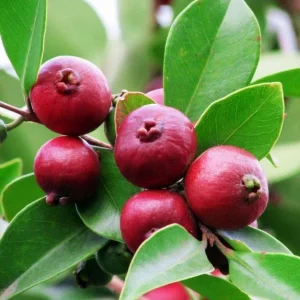
Strawberry Guava Live Plant, Psidium cattleyanum, 5-9 inch, Edible Fruit Tree, Indoor/Outdoor
Sold 51 products
$29.98






%20–%204%20inch%20Container,%208%20inch%20Tall%20Shrub&url=https://gardennursery.net/product/witchhazel-live-plant-hamamelis-virginiana-4-inch-container-8-inch-tall-shrub/&media=https://img.gardennursery.net/2026/01/witchhazel-live-plant-hamamelis-virginiana-4-inch.webp)


%20–%2030+%20Seeds%20for%20Fall%20Color%20&%20Syrup&url=https://gardennursery.net/product/sugar-maple-tree-seeds-acer-saccharum-30-seeds-for-fall-color-syrup/&media=https://img.gardennursery.net/2026/01/sugar-maple-tree-seeds-acer-saccharum-30-seeds-for-63ddf5b7.webp)


Reviews
There are no reviews yet.