
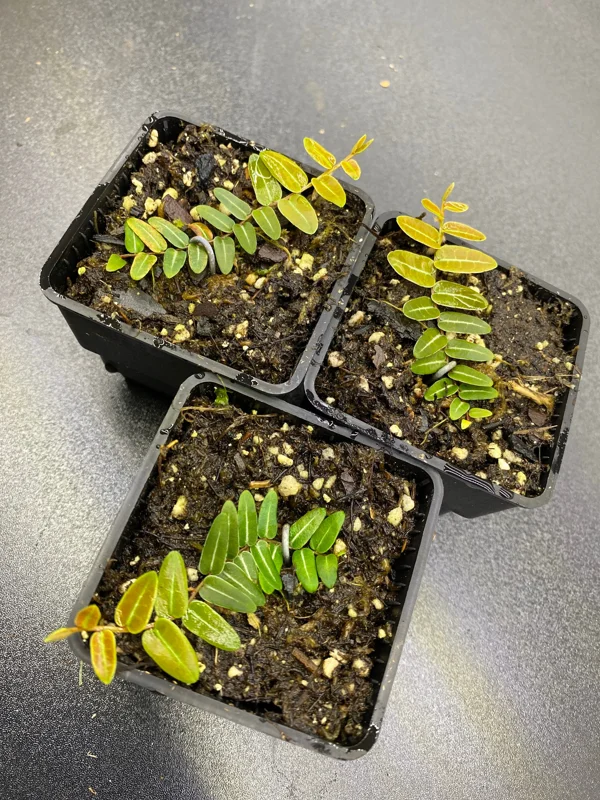
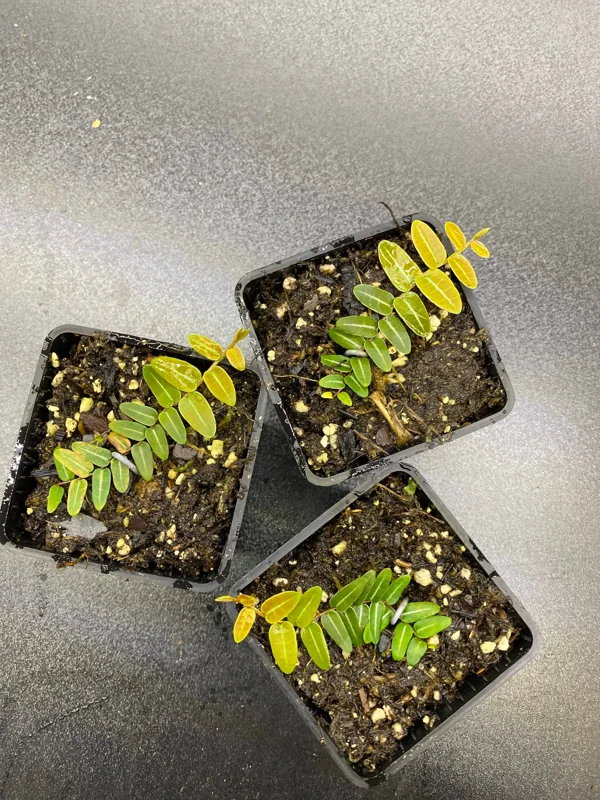
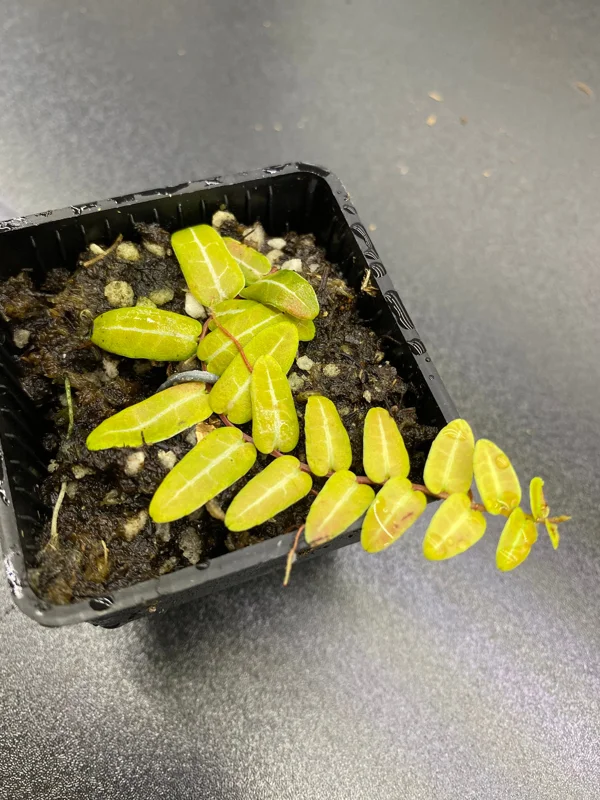
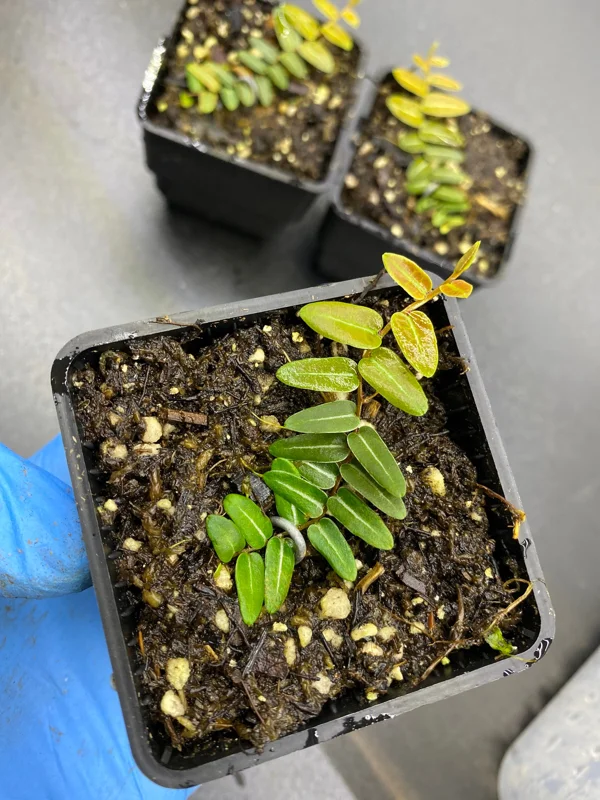
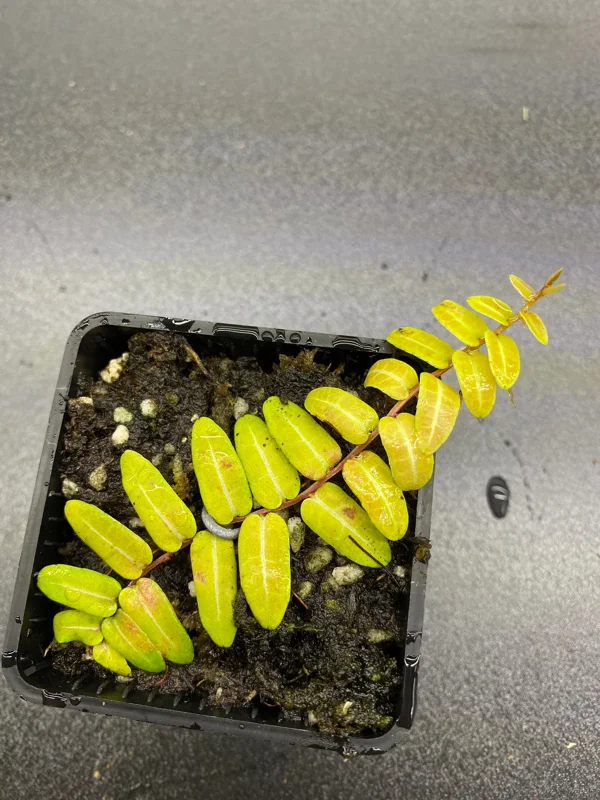
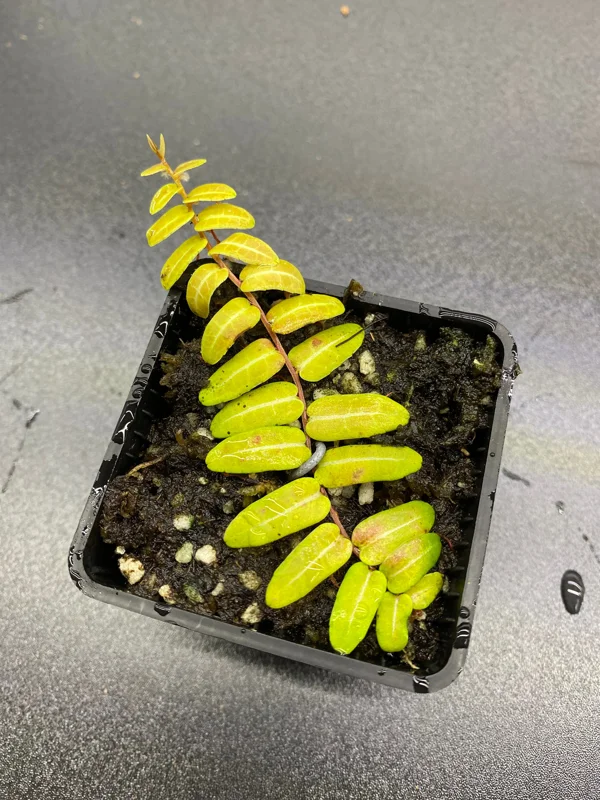
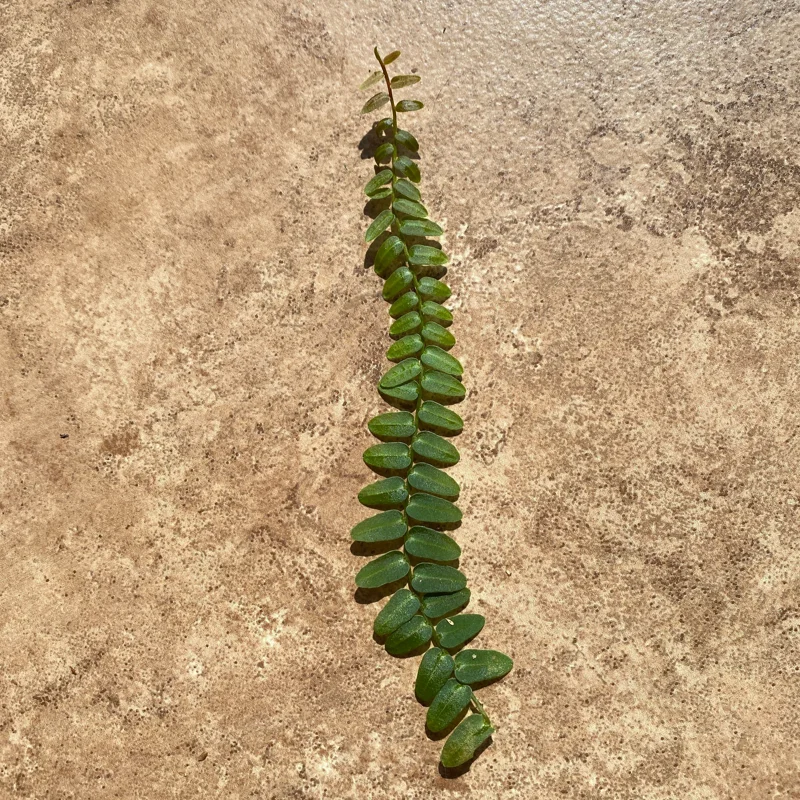
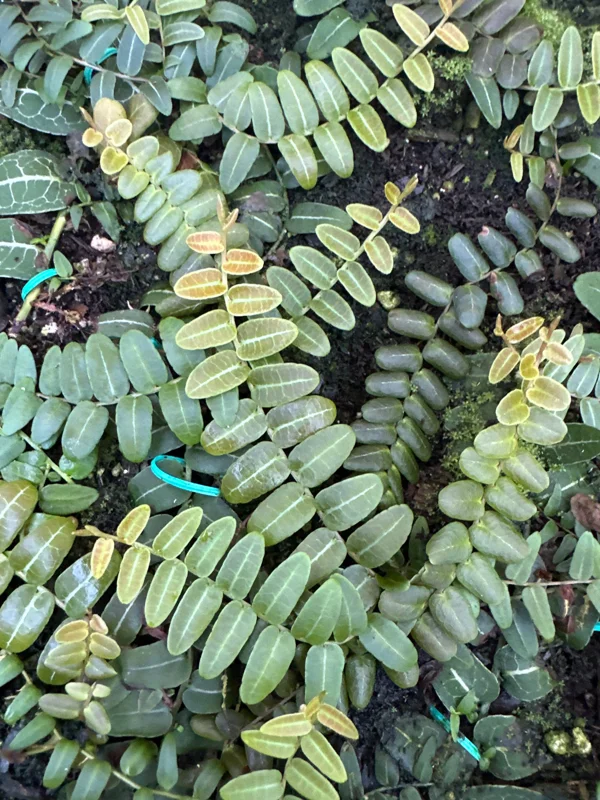
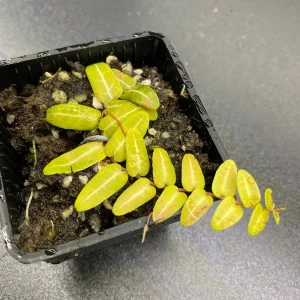
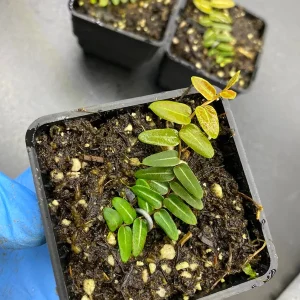
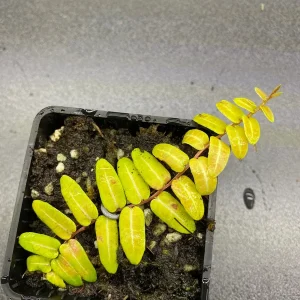
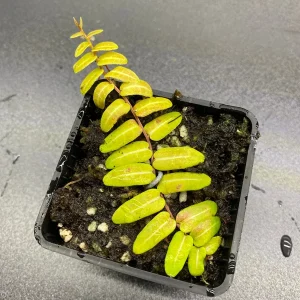
Marcgravia umbellata Cutting – Live Shingle Plant RARE
Original price was: $41.80.$32.19Current price is: $32.19.
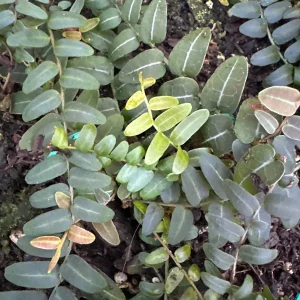
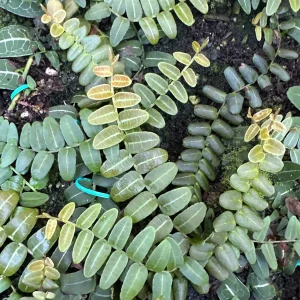
Bring home a rare and exotic Marcgravia umbellata cutting to add unique texture to your indoor garden or terrarium. This stunning shingle plant is known for its beautiful, overlapping foliage that clings to surfaces, creating a captivating display.
-
USDA Hardiness Zone
USDA zones 10-12 (indoors in colder climates) -
Soil Type
Well-draining, airy substrate (sphagnum moss, perlite, orchid bark) -
Sunlight Exposure
Bright indirect light -
Expected Planting Period
Year-round indoors

You can track your order HERE
Sep 30
Oct 05 - Oct 07
Oct 10 - Oct 14
Shipping and return policies: Our Alive & Thrive Guarantee covers issues with your plants within the first 30 days. Reach out to us. Our team will answer your questions and help you find the plants that are truly suitable for your environment, climate, and personal preferences.

Overview
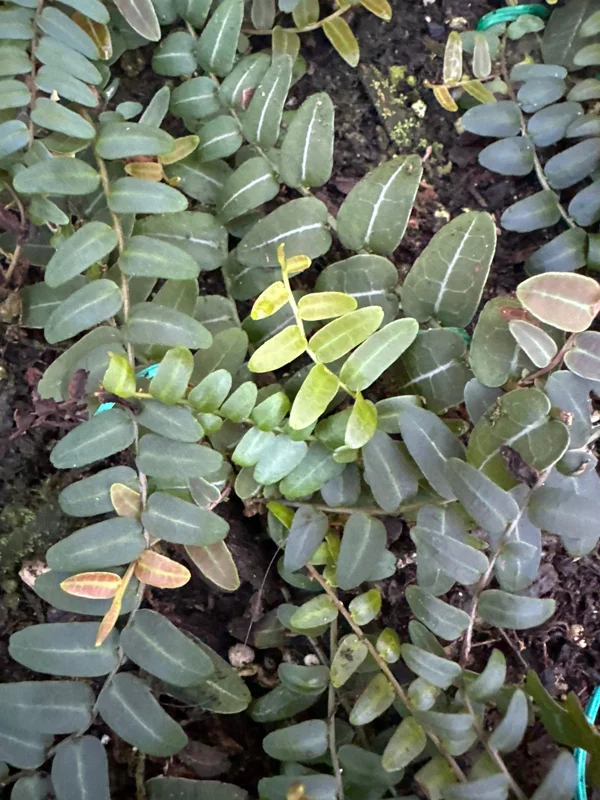
Introduce a touch of the extraordinary to your plant collection with this exquisite Marcgravia umbellata cutting. Known for its distinctive shingling growth habit, where its leaves lie flat against a surface, this plant is a true botanical marvel. The Marcgravia umbellata cutting is a highly sought-after species among collectors and enthusiasts, prized for its unique foliage and ability to create a lush, natural aesthetic in terrariums and humid environments. Originating from tropical rainforests, this climbing epiphyte develops beautiful, heart-shaped leaves that can vary in color and texture depending on its maturity and growing conditions. It’s an excellent choice for those looking to cultivate a challenging yet rewarding plant that truly stands out.
This live plant cutting offers the opportunity to propagate and grow your own specimen of this fascinating vine. As it matures, the leaves can undergo a dramatic transformation, from small, tightly shingled juvenile leaves to larger, more open adult leaves, adding an element of surprise and dynamic growth to your space. The Marcgravia umbellata cutting is an investment in botanical beauty and a captivating conversation starter for any plant lover.
Key Benefits
Cultivating a Marcgravia umbellata cutting brings several unique advantages to your indoor plant collection, making it a truly rewarding experience for plant enthusiasts. Its distinct growth pattern and aesthetic appeal are just the beginning of its charm.
- Unique Aesthetic Appeal: The primary benefit of the Marcgravia umbellata cutting is its stunning shingling foliage. The leaves lie flat and overlap, creating a unique, scale-like texture that is unlike most other houseplants. This distinctive growth habit makes it a focal point in any collection.
- Terrarium & Vivarium Ready: This plant thrives in high-humidity environments, making it an ideal candidate for terrariums, vivariums, and paludariums. It naturally climbs and adheres to backgrounds, enhancing the naturalistic feel of these enclosed ecosystems.
- Rare & Collectible: As a relatively rare and highly sought-after plant, owning a Marcgravia shingle plant cutting allows you to add a unique and collectible specimen to your botanical repertoire. It’s a plant that sparks curiosity and admiration.
- Dynamic Growth Habit: Witness the fascinating transformation as the juvenile shingling leaves mature into larger, more open adult foliage. This developmental change adds an exciting dynamic to observing your plant’s growth over time.
- Enhances Humidity: Like many tropical plants, Marcgravia umbellata contributes to increasing local humidity levels, which can benefit other humidity-loving plants nearby and create a healthier microclimate indoors.
- Living Art Piece: Due to its architectural growth and striking appearance, this plant functions as a living piece of art. It can transform a plain background or wall within a terrarium into a vibrant, textured display.
- Rewarding Propagation Experience: Successfully rooting and growing a rare Marcgravia cutting provides a deeply satisfying experience for gardeners and plant propagators, allowing for a deeper connection with the plant’s life cycle.
Plant Care & Growing Tips
Caring for a Marcgravia umbellata cutting requires attention to its specific needs, especially concerning humidity and light, to ensure successful rooting and vigorous growth. As a tropical epiphyte, it thrives in conditions that mimic its native rainforest habitat. Provide bright, indirect light; direct sunlight can scorch its delicate leaves. An east-facing window or a spot several feet away from a south or west-facing window is often ideal. Supplemental LED grow lights can also be beneficial, especially during darker months, to maintain consistent light levels for your Marcgravia shingle plant.
Humidity is paramount for this plant. Aim for humidity levels between 70-90%. This can be achieved through a closed terrarium, a cloche, or by placing the plant near a humidifier. Regular misting can help, but it’s often not sufficient on its own to meet its high humidity demands. Water thoroughly when the top inch of the substrate feels dry, but avoid letting the plant sit in standing water, as this can lead to rot. A well-draining, airy substrate is crucial; a mix of sphagnum moss, perlite, and orchid bark or coco coir is often recommended. The ideal temperature range for a Marcgravia umbellata cutting is between 65-80°F (18-27°C). Avoid sudden temperature fluctuations, which can stress the plant. For successful rooting of your terrarium plant cutting, consider using a rooting hormone and placing the cutting in high humidity with gentle bottom heat.
Fertilize sparingly during the growing season (spring and summer) with a diluted liquid fertilizer, perhaps once a month. Over-fertilization can harm the plant. Given its climbing nature, providing a surface for it to shingle on, such as a cork bark flat or a piece of driftwood, will encourage its characteristic growth. Monitor for pests like spider mites or mealybugs, which can thrive in high-humidity environments, and treat promptly with appropriate organic solutions. Understanding these specific requirements will help your Marcgravia care routine lead to a thriving and beautiful display.
Size & Details
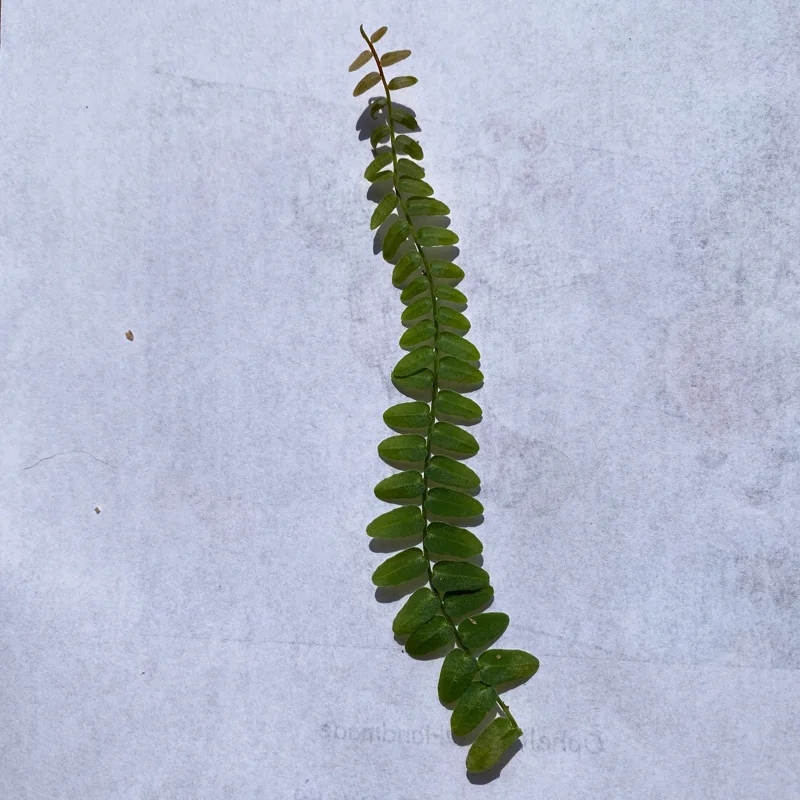
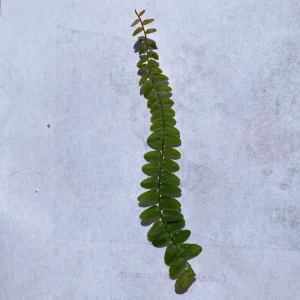
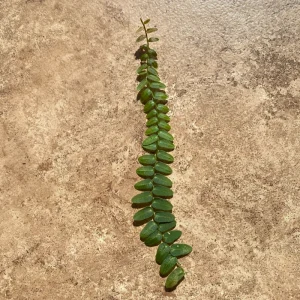
This offering is for a live, unrooted Marcgravia umbellata cutting. Each cutting typically features 2-3 nodes (leaf attachment points) and measures approximately 3-6 inches in length, depending on the available growth. The size of the leaves on the cutting will be characteristic of juvenile foliage, exhibiting the plant’s signature shingling habit. These cuttings are carefully selected to ensure viability for successful propagation. Upon arrival, it is recommended to place the cutting in a high-humidity environment with suitable rooting medium, such as sphagnum moss or perlite, to encourage root development. While rooting time can vary, with proper care and ideal conditions, roots can begin to form within several weeks. The overall growth rate is moderate, with established plants eventually producing longer stems and potentially larger, more mature leaves over time. The ultimate size of the plant will depend on the growing conditions and the support provided for it to climb and shingle.
Frequently Asked Questions
- Q: How do I root my Marcgravia umbellata cutting? A: To root your cutting, place it in a high-humidity environment such as a sealed container with moist sphagnum moss or perlite. Ensure good air circulation within the container. You can also use a rooting hormone to encourage faster root development.
- Q: What kind of light does the Marcgravia shingle plant need? A: This plant thrives in bright, indirect light. Avoid direct sunlight, which can burn its delicate leaves. Filtered light or a spot near an east-facing window is usually ideal.
- Q: Is this plant suitable for beginners? A: The Marcgravia umbellata cutting is generally considered more suitable for intermediate to experienced plant enthusiasts due to its specific high-humidity requirements and the care needed for successful rooting and establishment.
- Q: What condition will my cutting arrive in? A: Your rare Marcgravia cutting will be carefully packaged to ensure it arrives in the best possible condition, ready for propagation. It will be unrooted and typically feature 2-3 nodes.
- Q: What is the ideal humidity for Marcgravia care? A: Marcgravia umbellata requires very high humidity, ideally between 70-90%. This is best achieved in a terrarium, vivarium, or with the use of a dedicated humidifier.
- Q: How long does it take for a terrarium plant cutting to root? A: Rooting time can vary, but generally, with optimal conditions (high humidity, warmth, proper substrate), you can expect to see roots forming within 3-6 weeks. Patience is key!
- Q: Can I grow this plant outside? A: Marcgravia umbellata is a tropical plant and is not suitable for outdoor cultivation in most climates. It requires consistent warm temperatures and very high humidity, making it primarily an indoor or greenhouse plant.
- Q: Does this plant need a support to climb? A: Yes, to encourage its characteristic shingling growth, it’s best to provide a textured surface for your Marcgravia umbellata cutting to climb, such as cork bark, driftwood, or a moss pole, once it has established roots.
- Q: What kind of soil should I use after it roots? A: Once rooted, transplant your Marcgravia into a well-draining, airy substrate. A mix containing sphagnum moss, perlite, and a small amount of orchid bark or coco coir works well to mimic its epiphytic nature.
- Q: Will the leaves change as the plant matures? A: Yes, Marcgravia umbellata is known for its dramatic leaf dimorphism. Juvenile leaves are typically small and shingled, while mature leaves can become larger, more ovate, and less tightly adpressed to the climbing surface.
Be the first to review “Marcgravia umbellata Cutting – Live Shingle Plant RARE”
People Also Viewed
HousePlants
Variegated Philodendron Mican Aurea Live Plant – Rare Collector Houseplant in Nursery Pot
Sold 83 products
Original price was: $220.00.$110.00Current price is: $110.00.
Sold 89 products
Original price was: $111.80.$55.90Current price is: $55.90.





Reviews
There are no reviews yet.