
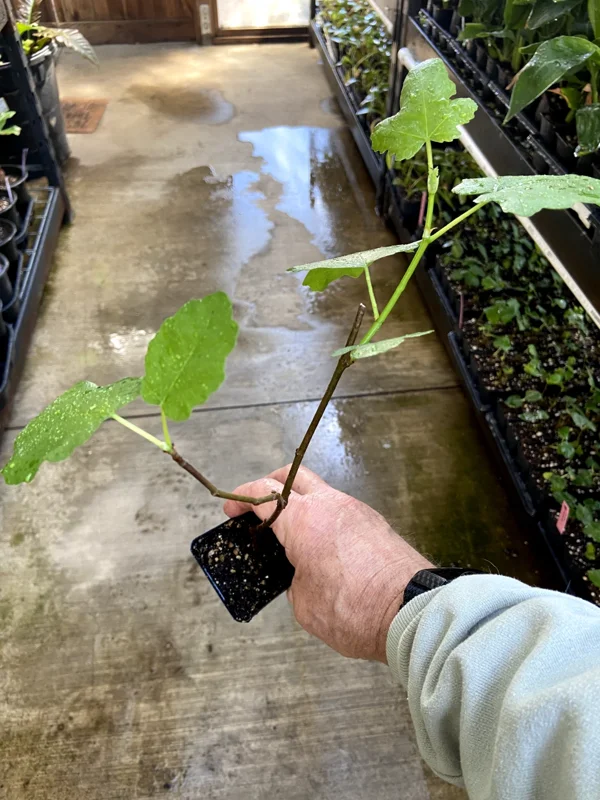
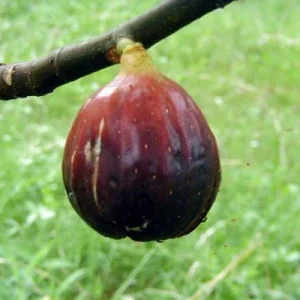
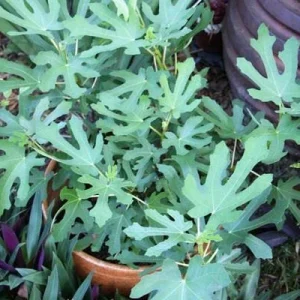
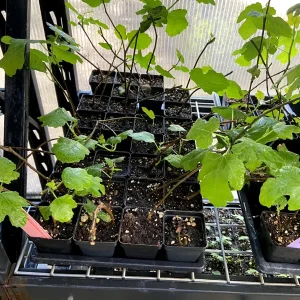
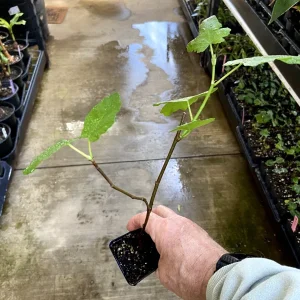
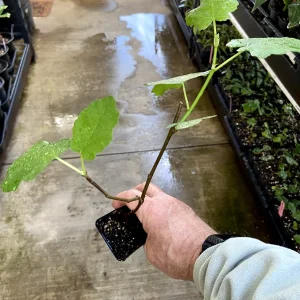
Magnolia Fig Tree Live Plant – Ficus Carica, Fruiting, Cold Hardy
Original price was: $39.96.$19.98Current price is: $19.98.
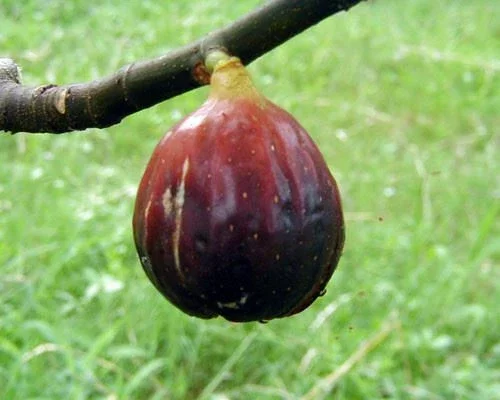
Bring home a magnolia fig tree live plant and enjoy fresh, homegrown figs. This fruiting fig tree, scientifically known as Ficus Carica Magnolia, is ideal for both novice and experienced gardeners. It’s renowned for its resilient nature and ability to produce abundant, sweet fruit, making it a perfect cold hardy fig tree for a wide range of climates. Start growing fig trees with this easy-to-care-for variety.
-
USDA Hardiness Zone
unknown -
Soil Type
well-draining loamy or sandy loam soil -
Sunlight Exposure
full sun -
Expected Planting Period
spring after last frost

You can track your order HERE
Mar 23
Mar 28 - Mar 30
Apr 02 - Apr 06
Shipping and return policies: Our Alive & Thrive Guarantee covers issues with your plants within the first 30 days. Reach out to us. Our team will answer your questions and help you find the plants that are truly suitable for your environment, climate, and personal preferences.

Overview
Bring the joy of fresh, homegrown figs to your garden with the magnolia fig tree live plant. This beautiful and productive variety, scientifically known as Ficus Carica Magnolia, is a popular choice for both novice and experienced gardeners. It’s renowned for its resilient nature and ability to produce abundant, sweet fruit, making it an ideal fruiting fig tree for a wide range of climates. Whether you’re looking to start an orchard or simply add an ornamental fruit tree to your landscape, the Magnolia fig offers both aesthetic appeal and delicious rewards. This live plant arrives as a healthy seedling, ready to establish itself in your garden and begin its journey toward maturity.
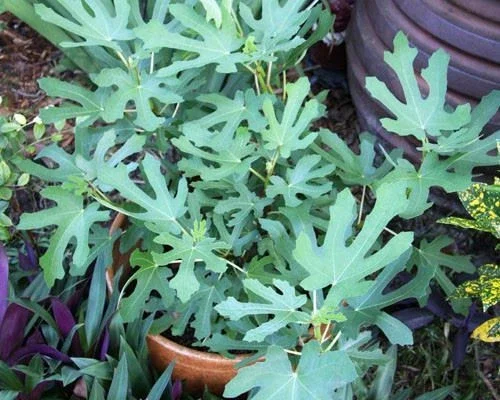
Fig trees are not only known for their delectable fruit but also for their attractive foliage, providing a lush, Mediterranean feel to any outdoor space. The ‘Magnolia’ cultivar is particularly valued for its adaptability and consistent yields. Investing in a magnolia fig tree live plant means investing in years of fresh, ripe figs straight from your own backyard. These trees are relatively easy to care for, thriving with proper sunlight and watering, and can become a cherished part of your garden for decades.
Key Benefits
The magnolia fig tree live plant offers numerous benefits, making it an excellent addition to any garden or landscape. This versatile tree provides not only delicious fruit but also contributes to the beauty and ecology of your outdoor space. Here are some of the key advantages of growing this particular fruiting fig tree:
-
Abundant, Sweet Fruit Production: The ‘Magnolia’ fig is known for producing a generous crop of sweet, flavorful figs, perfect for fresh eating, preserves, or baking. Enjoy the unique taste of homegrown figs throughout the summer season, making the effort of growing fig trees truly rewarding.
-
Cold Resistance: This variety exhibits good cold hardiness, making it a suitable choice for regions that experience cooler temperatures, expanding its growing range compared to less resilient fig types. It’s considered a cold hardy fig tree, offering resilience against frost.
-
Ornamental Value: Beyond its fruit, the fig tree boasts attractive broadleaf foliage and a pleasing growth habit, adding a touch of Mediterranean elegance to your garden design. Its lush green leaves provide a beautiful backdrop for other plants.
-
Easy to Grow: Fig trees are generally low-maintenance once established, requiring moderate watering and full sun. This makes them an excellent option for gardeners of all skill levels interested in nurturing a magnolia fig tree live plant.
-
Versatile Use: Plant it as a standalone specimen, integrate it into an edible landscape, or even grow it in a large container in colder climates to move indoors during winter. This adaptability makes the Ficus Carica Magnolia a great choice for various garden styles.
-
Pet Safe: The Ficus Carica species is generally considered pet-safe, offering peace of mind for pet owners who want to add a beautiful and productive tree to their outdoor space.
Plant Care & Growing Tips
Caring for your magnolia fig tree live plant is straightforward and rewarding. To ensure robust growth and bountiful fruit, consider the following guidelines. This fruiting fig tree thrives in a location that receives ample sunlight. It requires at least 6-8 hours of full sun daily for optimal fruit production. While it can tolerate some partial shade, too little sun will result in fewer, smaller figs. Ensure good air circulation around the plant to prevent fungal issues.
Watering is crucial, especially during the establishment phase and dry periods. Fig trees prefer consistently moist, but not waterlogged, soil. Water deeply when the top inch or two of soil feels dry to the touch. Reduce watering during cooler months or when the plant is dormant. Well-draining soil is essential to prevent root rot; a loamy or sandy loam soil with a neutral to slightly alkaline pH is ideal. Fertilize your Ficus Carica Magnolia in early spring with a balanced fertilizer, and again in mid-summer if needed, following product instructions. Pruning in late winter or early spring can help maintain shape, encourage new growth, and improve fruit yield.
The ‘Magnolia’ fig is a cold hardy fig tree, but in regions with harsh winters, providing some protection, such as mulching the base or wrapping the tree, can be beneficial. It is important for successful growing fig trees to monitor for common pests like aphids or spider mites and address them promptly with organic solutions if possible. With proper care, your Magnolia fig tree will flourish and provide delicious fruit for many years.
Size & Details
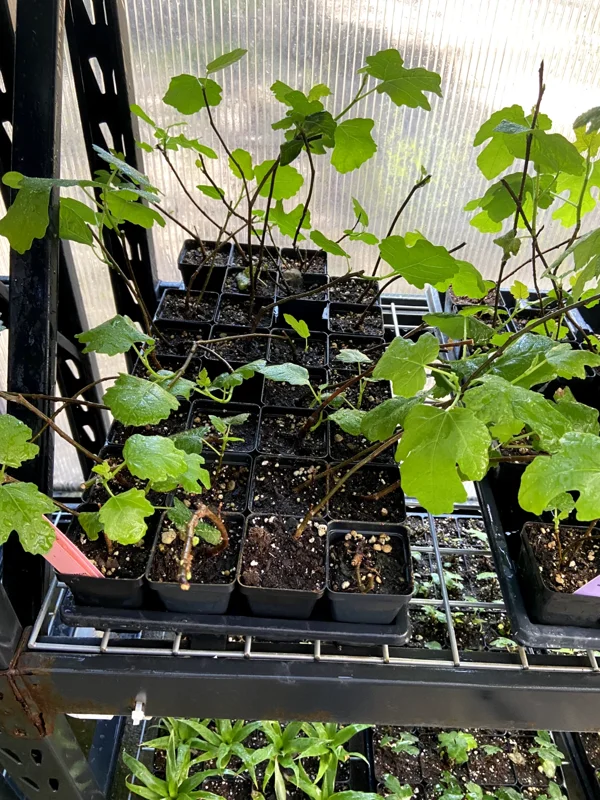
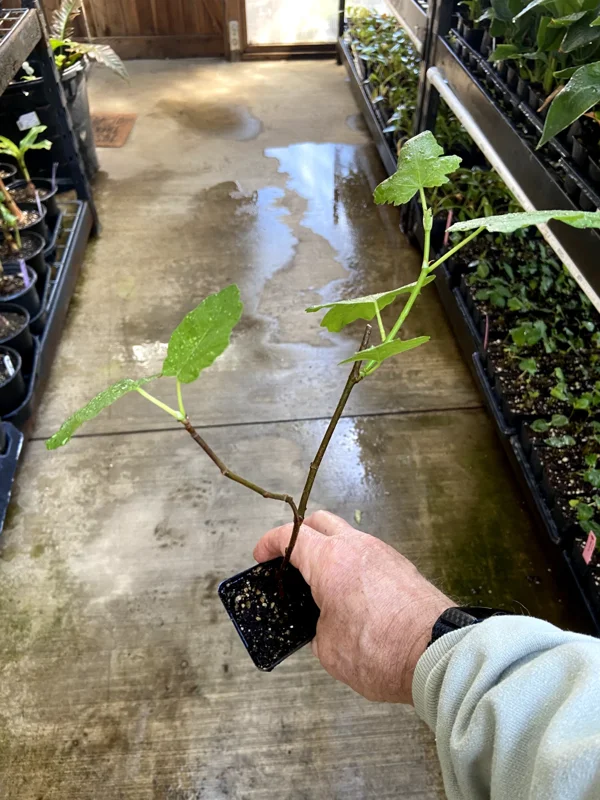
This magnolia fig tree live plant is supplied as a healthy seedling, typically ready for planting upon arrival. While exact dimensions can vary, seedlings generally stand several inches to a foot tall, with a well-developed root system. It is advised to plant your fruiting fig tree in its permanent outdoor location or a larger pot shortly after receiving it to allow for proper establishment and growth. Fig trees are known for their relatively fast growth rate under ideal conditions, quickly developing into a substantial plant capable of bearing fruit.
The ‘Magnolia’ fig is a vigorous grower, and when mature, can reach heights of 10-20 feet, with a similar spread, though it can be kept smaller with regular pruning. It will produce broadleaf foliage and the characteristic fig fruit, which ripens during the summer season. This particular Ficus Carica Magnolia is a single plant, ideal for starting your own fig cultivation project. The plant is grown outdoors and is cold resistant, making it a robust choice for many garden types.
Frequently Asked Questions
-
Q: How big does this magnolia fig tree live plant get? A: A mature Magnolia fig tree can reach heights of 10-20 feet and a similar spread, though its size can be managed with regular pruning. It arrives as a seedling, ready to grow into a substantial fruiting fig tree.
-
Q: Is this an indoor or outdoor plant? A: The ‘Magnolia’ fig is primarily an outdoor plant, thriving in full sun. However, in very cold climates, it can be grown in a large container and moved indoors during winter months to protect it, showcasing the versatility of growing fig trees.
-
Q: How much sunlight does this fruiting fig tree need? A: For optimal growth and fruit production, this fig tree requires at least 6-8 hours of direct sunlight per day. It prefers full sun exposure to ensure sweet, abundant fruit.
-
Q: Is this plant easy to care for? A: Yes, the Magnolia fig tree is considered relatively easy to care for once established. It requires moderate watering, full sun, and well-draining soil, making it an accessible option for those interested in growing fig trees.
-
Q: What condition will the plant arrive in? A: Your magnolia fig tree live plant will arrive as a healthy seedling with a well-developed root system, carefully packaged to ensure its safe journey to your home, ready for planting.
-
Q: How long until it produces fruit? A: Fig trees can begin producing fruit in their second or third year, with yields increasing as the tree matures. With proper care, your Ficus Carica Magnolia should start fruiting within a few seasons, providing delicious rewards.
-
Q: Will it survive winter in my zone? A: The ‘Magnolia’ fig is known for being a cold hardy fig tree. It can tolerate colder temperatures, but in severe winter climates, providing mulch or protective wrapping is recommended for best results and continued health.
-
Q: Is this fig tree variety pet-safe? A: Yes, Ficus Carica, the species for this fruiting fig tree, is generally considered non-toxic to pets, making it a safe addition to a household with animals.
-
Q: What type of soil is best for growing fig trees? A: Fig trees prefer well-draining soil, such as a loamy or sandy loam mix. Good drainage is crucial to prevent root issues and ensure the health of your magnolia fig tree live plant.
-
Q: When is the best time to plant this fig tree? A: The best time to plant your fig tree is in the spring after the last frost, allowing it ample time to establish before the heat of summer or the cold of winter, promoting robust growth.
Be the first to review “Magnolia Fig Tree Live Plant – Ficus Carica, Fruiting, Cold Hardy”
People Also Viewed
Sold 90 products
Original price was: $272.00.$136.00Current price is: $136.00.
Sold 87 products
Original price was: $39.98.$19.99Current price is: $19.99.
Sold 66 products
Original price was: $201.60.$100.80Current price is: $100.80.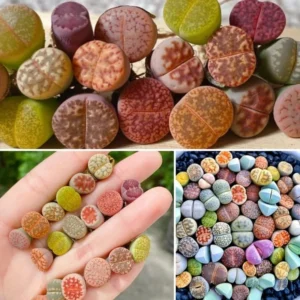
HousePlants
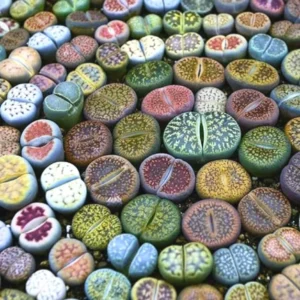
Lithops Live Plants Mix – 10 Large Colorful Living Stones Succulents for Indoor/Outdoor Growing
Sold 61 products
Original price was: $27.98.$13.99Current price is: $13.99.
Sold 68 products
Original price was: $30.78.$15.39Current price is: $15.39.
Sold 59 products
Original price was: $91.98.$45.99Current price is: $45.99.
Sold 59 products
From $9.38
Sold 57 products
Original price was: $140.00.$70.00Current price is: $70.00.

Sold 78 products
Original price was: $78.38.$39.19Current price is: $39.19.
Flower Plants
Sold 63 products
Original price was: $47.58.$23.79Current price is: $23.79.
Sold 99 products
From $63.80
Sold 80 products
Original price was: $49.90.$29.94Current price is: $29.94.
Sold 62 products
Original price was: $47.58.$23.79Current price is: $23.79.
Sold 83 products
Original price was: $59.98.$29.99Current price is: $29.99.
Sold 96 products
$72.58
Sold 79 products
Original price was: $31.98.$25.58Current price is: $25.58.
Sold 63 products
Original price was: $82.76.$41.38Current price is: $41.38.
Sold 59 products
Original price was: $25.56.$12.78Current price is: $12.78.



Reviews
There are no reviews yet.