
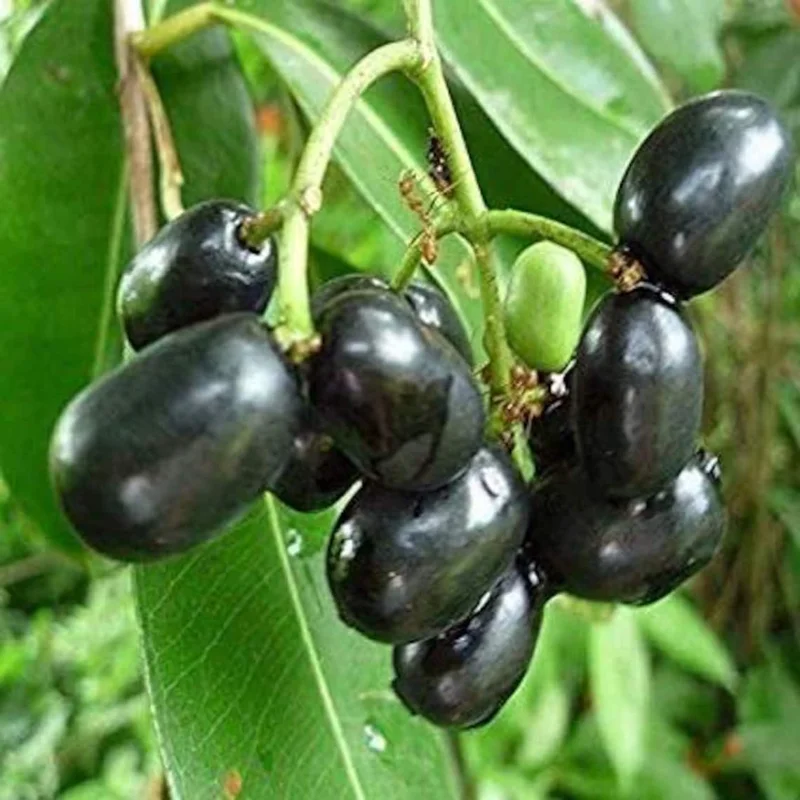
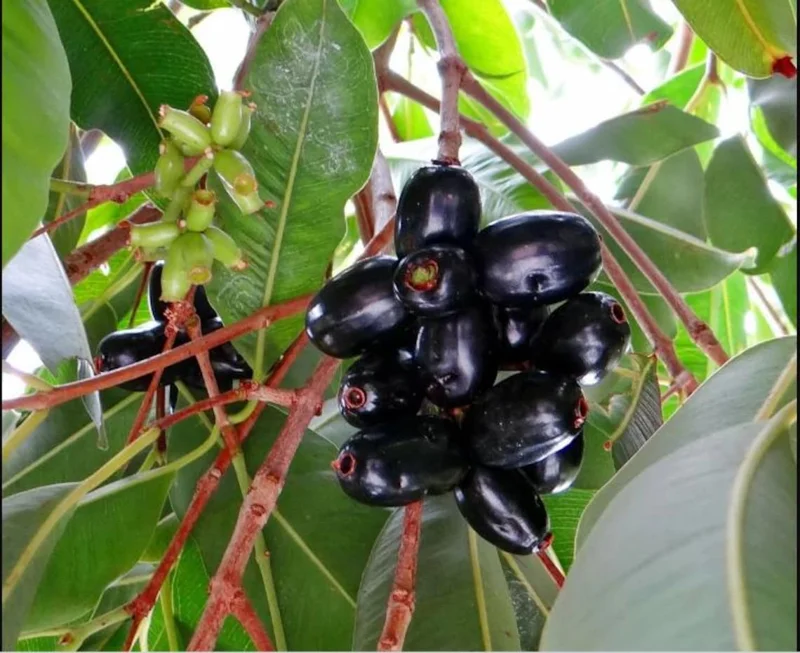
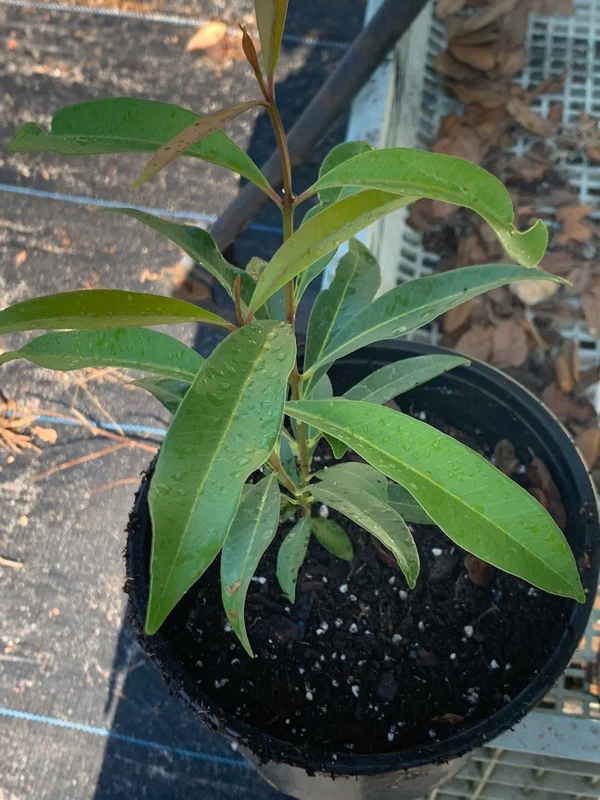
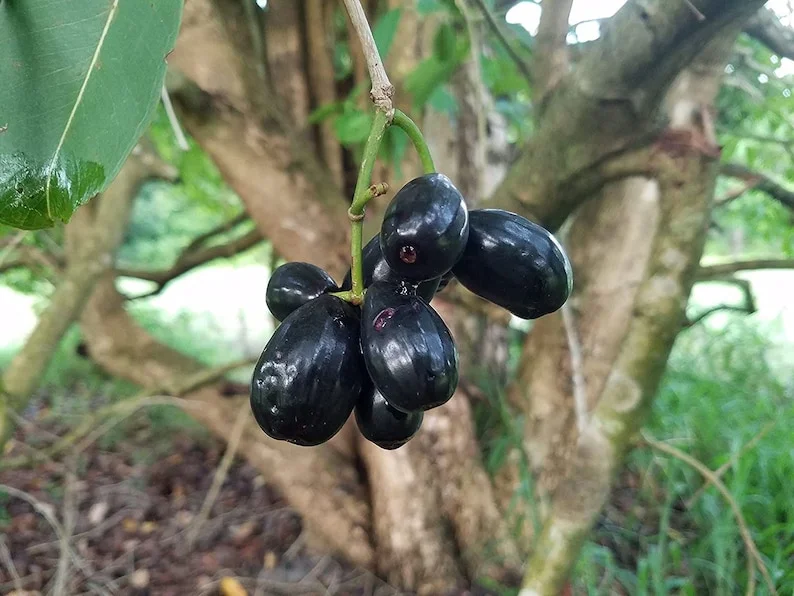
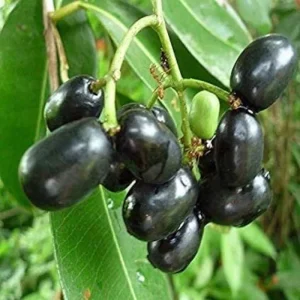
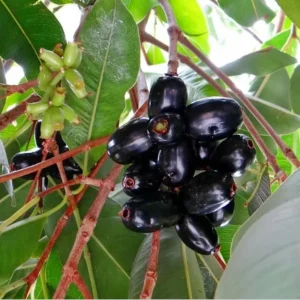
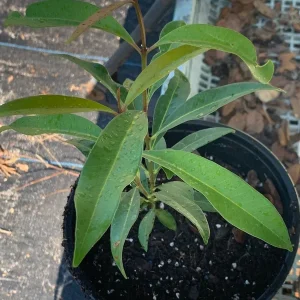
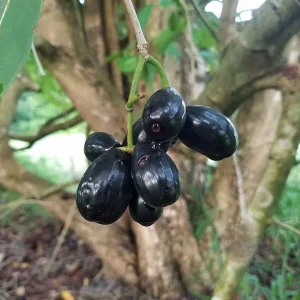
Java Plum Black Jambu Live Plant 6-8in Tall in 4in Pot – Fruit Tree
Original price was: $37.98.$32.98Current price is: $32.98.
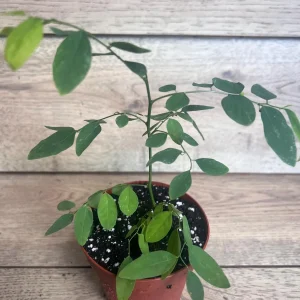
Bring the exotic taste of the tropics to your home with a Java Plum live plant. This Black Jambu fruit tree, measuring 6-8 inches tall and rooted in a 4-inch pot, is ready to thrive. Enjoy fresh, juicy fruit directly from your own garden or patio. Ideal for tropical climates or as a container plant in cooler regions.
-
USDA Hardiness Zone
USDA zones 9-11 -
Soil Type
Well-draining loamy soil -
Sunlight Exposure
Full sun -
Expected Planting Period
Year-round indoors or spring to summer outdoors

You can track your order HERE
Sep 16
Sep 21 - Sep 23
Sep 26 - Sep 30
Shipping and return policies: Our Alive & Thrive Guarantee covers issues with your plants within the first 30 days. Reach out to us. Our team will answer your questions and help you find the plants that are truly suitable for your environment, climate, and personal preferences.

Overview
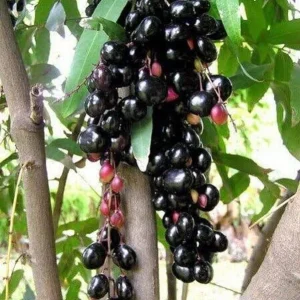
Discover the joy of growing your own exotic fruit with this vibrant Java Plum live plant. Also known as Black Jambu, Jambolan, or Indian Blackberry, this fascinating fruit tree (scientifically known as Syzygium cumini) offers a unique culinary experience. Originating from the Indian subcontinent, Southeast Asia, and Australia, the Java Plum is cherished for its sweet, slightly acidic, and astringent dark purple fruits. This particular specimen arrives as a healthy 6-8 inch tall plant, securely rooted in a 4-inch nursery pot, ensuring a strong start for your gardening journey. Whether you’re an avid gardener or a tropical fruit enthusiast, cultivating a Black Jambu fruit tree provides both ornamental beauty and a bountiful harvest. Its glossy green leaves and attractive form make it a wonderful addition to any garden, patio, or even as a container plant in sunrooms.
The Java Plum live plant is not just about its delicious fruit; it also offers a piece of tropical heritage. Known for its adaptability, this tree can flourish in various environments, given the right care. Expect a robust and vigorous plant that, with proper attention, will mature into a productive fruit-bearing tree. This easy-to-grow tropical tree is perfect for adding a touch of the exotic to your landscape or for starting your own backyard orchard. Embrace the opportunity to cultivate this unique and rewarding species, and soon you’ll be enjoying the fresh taste of homegrown Java Plums.
Key Benefits
Cultivating a Java Plum live plant offers a multitude of benefits, from its ornamental appeal to its nutritious fruit. This Black Jambu fruit tree is a valuable addition to any plant collection, providing both beauty and utility.
- Exotic Fruit Production: Enjoy fresh, dark purple fruits directly from your own tree. The Java Plum is known for its distinctive sweet, tart, and slightly astringent flavor, perfect for eating fresh, making juices, jams, or desserts.
- Ornamental Appeal: With its lush, glossy green foliage and attractive growth habit, the Syzygium cumini plant serves as a beautiful ornamental tree, adding a tropical aesthetic to your garden, patio, or indoor space.
- Nutritional Value: Java Plums are rich in vitamins, minerals, and antioxidants, making them a healthy addition to your diet. They are particularly noted for their potential health benefits.
- Adaptability: While a tropical plant, the Java Plum shows good adaptability and can be grown in containers in cooler climates, allowing you to move it indoors during colder months.
- Fast Growing: Under optimal conditions, this tree exhibits a relatively fast growth rate, allowing you to enjoy its fruits sooner.
- Low Maintenance: Once established, the Black Jambu fruit tree is a relatively low-maintenance plant, requiring consistent watering and occasional feeding.
- Attracts Wildlife: The flowers and fruits can attract beneficial pollinators and birds to your garden, enhancing biodiversity.
Plant Care & Growing Tips
Caring for your Java Plum live plant is straightforward, ensuring a healthy and productive Black Jambu fruit tree for years to come. This tropical tree thrives in warm environments and requires specific conditions to flourish. For sunlight, Java Plums prefer full sun exposure, meaning at least 6-8 hours of direct sunlight per day. If grown indoors, place it near a south-facing window or under grow lights to ensure adequate light. In extremely hot climates, some afternoon shade can be beneficial to prevent leaf scorch.
When it comes to watering, consistency is key. Keep the soil consistently moist but not waterlogged, especially during the growing season. Allow the top inch or two of soil to dry out slightly between waterings. Reduce watering during cooler, dormant periods. Well-draining soil is crucial to prevent root rot; a rich, loamy potting mix amended with compost and perlite or sand works best. The ideal temperature range for the Syzygium cumini plant is between 65-95°F (18-35°C). It is sensitive to frost, so if you live outside USDA Zones 9-11, it’s best to grow it in a container and bring it indoors when temperatures drop below 40°F (4°C). Fertilize every 2-3 months during the growing season (spring and summer) with a balanced, slow-release fertilizer or an organic fruit tree fertilizer. Watch out for common pests like aphids or mealybugs, and treat with insecticidal soap if necessary. Proper pruning can help maintain shape and encourage fruit production.
Size & Details
This offering is for one healthy Java Plum live plant, also known as a Black Jambu fruit tree. The plant measures approximately 6-8 inches in height from the top of the soil, providing a well-established young specimen ready for transplanting or continued growth in its current pot. It arrives securely planted in a 4-inch diameter nursery pot, ensuring its root system is intact and protected during transit. The growth rate of the Java Plum is considered moderate, and with optimal care, it can reach several feet in height within a few years, eventually maturing into a medium to large tree if planted in the ground in suitable climates. When grown in a container, its size can be managed through pruning. Expect to see consistent leaf development and stem growth, with flowering and fruiting typically commencing after 3-5 years under ideal conditions. This robust plant is shipped in its pot with soil, minimizing transplant shock and ensuring its vitality upon arrival, making it easier to grow Java Plum successfully.
Frequently Asked Questions
- Q: How big does this Java Plum live plant get? A: This particular Java Plum live plant is 6-8 inches tall upon arrival. In optimal conditions, if planted in the ground, a mature Black Jambu fruit tree can reach heights of 30-50 feet. When grown in a container, its size can be managed through regular pruning, keeping it at a more manageable 6-10 feet.
- Q: Is this an indoor or outdoor plant? A: The Syzygium cumini plant is a tropical fruit tree, best suited for outdoor planting in USDA Zones 9-11. In cooler climates, it can be grown outdoors during warm months and brought indoors as a container plant when temperatures drop below 40°F (4°C).
- Q: How much sunlight does it need? A: To thrive and produce fruit, your Java Plum live plant requires full sun exposure, meaning at least 6-8 hours of direct sunlight per day. If grown indoors, place it in the brightest possible location.
- Q: What condition will it arrive in? A: Your Java Plum live plant will arrive as a healthy, actively growing plant, securely rooted in its 4-inch nursery pot with soil. We take great care in packaging to ensure it reaches you in excellent condition, ready to continue growing.
- Q: Can I grow Java Plum in a pot long-term? A: Yes, the Black Jambu fruit tree can be successfully grown in a large container long-term, especially in non-tropical regions. You will need to gradually repot it into larger containers as it grows and provide adequate water and nutrients.
- Q: How long until it starts producing fruit? A: A Java Plum live plant typically begins to produce fruit within 3-5 years when grown from a young plant like this one, assuming it receives proper care, adequate sunlight, and is grown in suitable conditions.
- Q: What kind of soil does it prefer? A: The Syzygium cumini plant prefers rich, well-draining soil. A good quality potting mix amended with compost and perlite or sand to improve drainage is ideal for container growing.
- Q: Is it easy to care for this tropical fruit plant? A: Once established, the Java Plum live plant is considered relatively low-maintenance for a tropical fruit tree. Consistent watering, adequate sunlight, and occasional fertilization are its primary needs. It’s a rewarding plant for those interested to grow Java Plum.
- Q: What is the best time to plant or repot? A: The best time to plant or repot your Black Jambu fruit tree is during the warmer months, typically in spring or early summer, when the risk of frost has passed and temperatures are consistently mild.
- Q: Is this plant known for any health benefits? A: Yes, Java Plums are traditionally recognized for their potential health benefits, particularly in folk medicine, due to their rich antioxidant content and other beneficial compounds.
Be the first to review “Java Plum Black Jambu Live Plant 6-8in Tall in 4in Pot – Fruit Tree”
People Also Viewed
Sold 96 products
Original price was: $230.00.$172.50Current price is: $172.50.
Sold 100 products
Original price was: $391.96.$195.98Current price is: $195.98.
Sold 65 products
Original price was: $23.00.$18.40Current price is: $18.40.
Sold 57 products
Original price was: $84.00.$67.20Current price is: $67.20.
Sold 65 products
$28.00
Sold 68 products
Original price was: $45.98.$24.49Current price is: $24.49.
Sold 95 products
Original price was: $80.00.$64.00Current price is: $64.00.
Sold 76 products
Original price was: $35.90.$21.54Current price is: $21.54.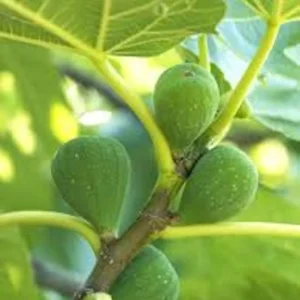
Fruits
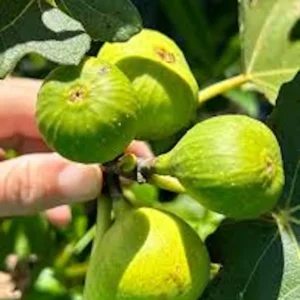
10 Lattarula Fig Starter Plugs – Italian Honey Fig Live Plant Ficus carica – Cold Hardy Fruit Tree
Sold 83 products
Original price was: $150.00.$120.00Current price is: $120.00.
Sold 97 products
Original price was: $36.00.$28.80Current price is: $28.80.
Sold 77 products
Original price was: $27.78.$24.16Current price is: $24.16.
Sold 50 products
Original price was: $90.00.$72.00Current price is: $72.00.
Sold 71 products
Original price was: $200.00.$150.00Current price is: $150.00.
Sold 84 products
Original price was: $90.00.$72.00Current price is: $72.00.
Sold 94 products
Original price was: $29.98.$23.98Current price is: $23.98.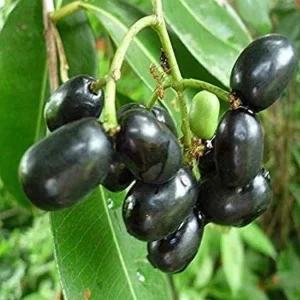
Sold 98 products
Original price was: $50.55.$43.96Current price is: $43.96.
Sold 64 products
Original price was: $136.00.$108.80Current price is: $108.80.
Sold 55 products
Original price was: $140.00.$70.00Current price is: $70.00.





%20–%204%20inch%20Pot&url=https://gardennursery.net/product/katuk-sweet-leaf-live-plant-sauropus-androgynus-4-inch-pot/&media=https://img.gardennursery.net/2026/01/katuk-sweet-leaf-live-plant-sauropus-androgynus-4.webp)


Reviews
There are no reviews yet.