
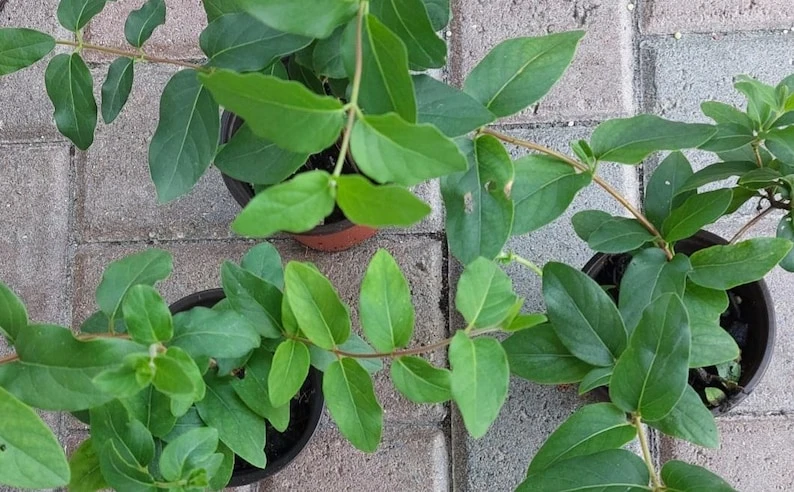
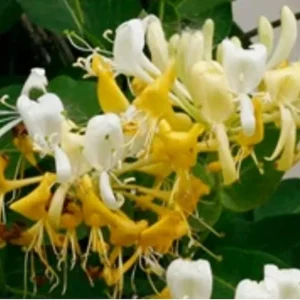
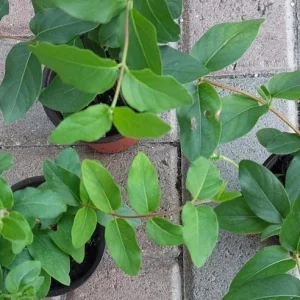
Japanese Honeysuckle Live Plant – Fragrant Climbing Vine – Lonicera japonica
Original price was: $31.98.$23.98Current price is: $23.98.
Bring elegance and delightful fragrance to your garden with this robust Japanese honeysuckle live plant. Known botanically as Lonicera japonica, this fragrant climbing plant is celebrated for its rapid growth and abundant, sweetly scented flowers that attract pollinators. Ideal for vertical interest, screens, or ground cover.
-
USDA Hardiness Zone
USDA Zones 4-9 -
Soil Type
Well-draining soil -
Sunlight Exposure
Full sun to partial shade -
Expected Planting Period
Spring to early summer

You can track your order HERE
Oct 09
Oct 14 - Oct 16
Oct 19 - Oct 23
Shipping and return policies: Our Alive & Thrive Guarantee covers issues with your plants within the first 30 days. Reach out to us. Our team will answer your questions and help you find the plants that are truly suitable for your environment, climate, and personal preferences.

Overview
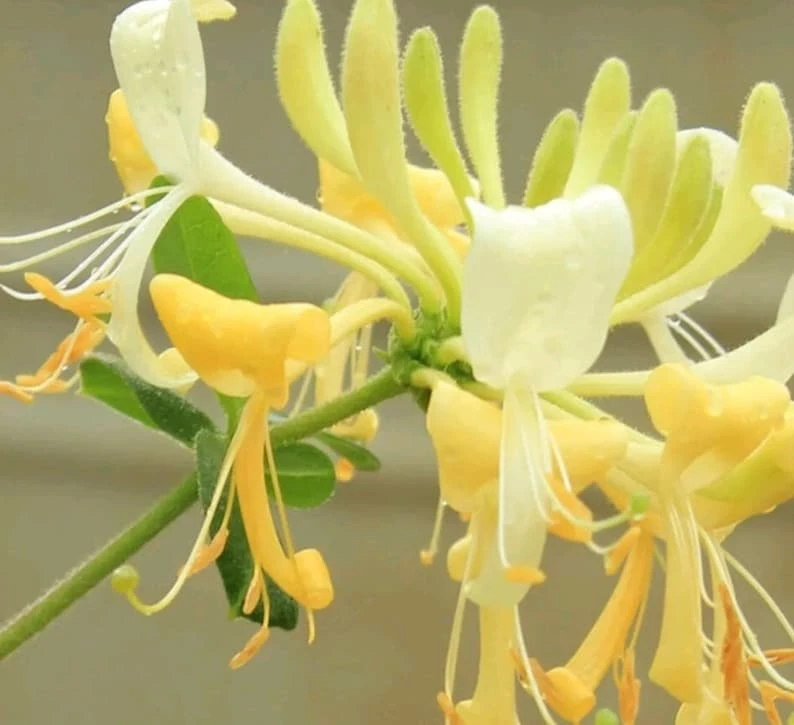
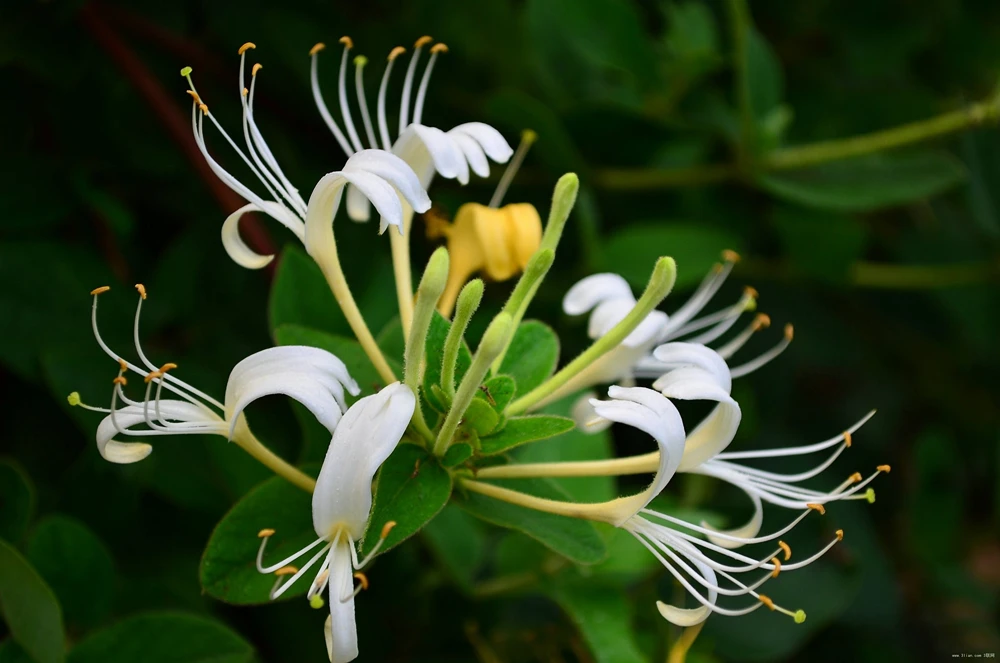
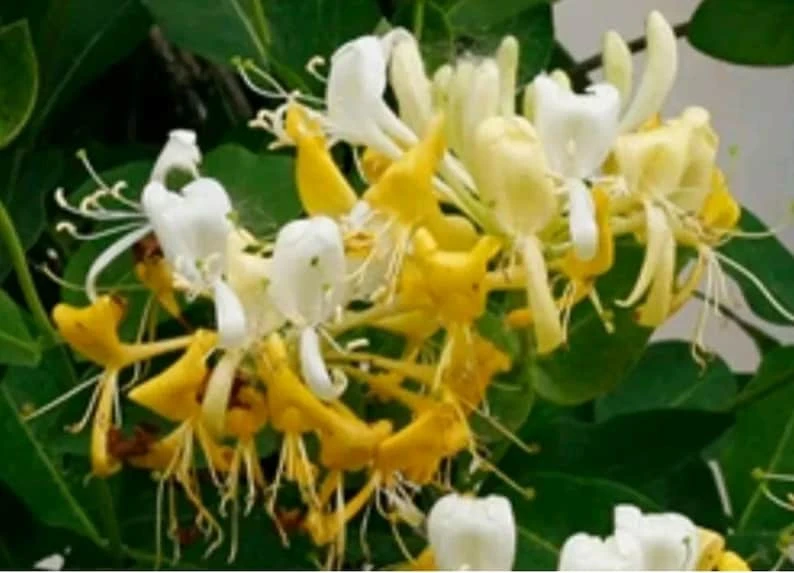
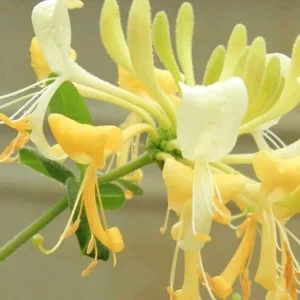
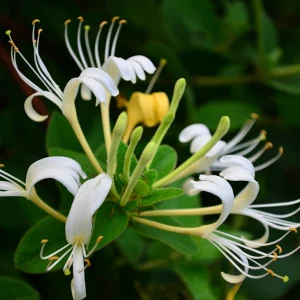
Introduce a touch of natural elegance and delightful fragrance to your garden with this robust Japanese honeysuckle live plant. Known botanically as Lonicera japonica, this vigorous climbing vine is celebrated for its rapid growth and abundant, sweetly scented flowers that typically bloom from late spring through summer. Originating from East Asia, this honeysuckle vine has become a popular choice in many American gardens due to its hardiness and adaptability. It creates an enchanting atmosphere with its creamy white to yellow blossoms, which also attract beneficial pollinators like bees and butterflies. This potted specimen arrives ready to be planted, providing an immediate impact on your landscape and quickly establishing itself to offer beauty and fragrance for years to come.
Whether you’re looking to add vertical interest, create a natural screen, or simply enjoy a beautiful, fragrant plant, this Japanese honeysuckle live plant is an excellent selection. Its dense foliage also offers good ground cover, making it versatile for various garden designs. The plant’s resilience makes it a favored option for both experienced gardeners and those new to cultivating flowering vines. Allow this charming vine to transform your outdoor living spaces into a fragrant sanctuary, attracting wildlife and adding visual appeal.
Key Benefits
Bringing a Japanese honeysuckle live plant into your garden offers a multitude of advantages, enhancing both the aesthetic and ecological value of your outdoor space:
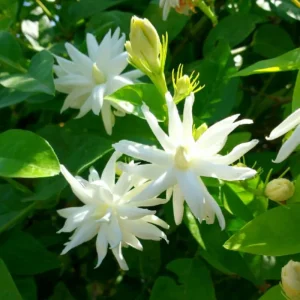
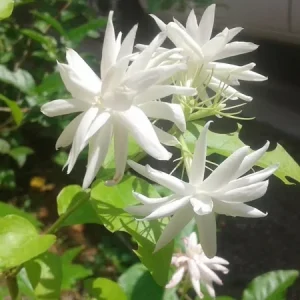
- Aromatic Blooms: Enjoy the intoxicatingly sweet fragrance of its creamy white and yellow flowers. This delightful scent can waft through your garden, especially in the evenings, creating a pleasant and inviting ambiance for relaxation and outdoor entertaining. The distinctive aroma is a hallmark of the Japanese honeysuckle live plant, making it a favorite for fragrant gardens.
- Vigorous Growth: As a fast growing vine, Japanese honeysuckle quickly establishes itself and covers structures like fences, pergolas, and arbors. This rapid growth provides quick privacy screens or decorative accents, allowing you to achieve your landscaping goals sooner and enjoy lush greenery.
- Attracts Pollinators: The nectar-rich flowers are a magnet for beneficial pollinators such as bees, butterflies, and hummingbirds. By planting this Lonicera japonica, you contribute to local biodiversity and support the health of your garden ecosystem, creating a lively and buzzing environment.
- Versatile Landscaping: This adaptable plant can be used in various ways, from climbing trellises to acting as an effective ground cover. Its flexibility makes it suitable for different garden styles and functional needs, whether you want to hide an unsightly fence or stabilize a slope, making it a truly versatile fragrant climbing plant.
- Low Maintenance: Once established, Lonicera japonica is relatively easy to care for, requiring minimal attention. It tolerates a range of soil conditions and is quite drought-tolerant, making it a good choice for busy gardeners who desire beauty without constant upkeep.
- Year-Round Interest: While most celebrated for its summer blooms, the semi-evergreen to evergreen foliage in warmer climates provides year-round greenery, ensuring your garden maintains visual appeal even in cooler months.
- Erosion Control: Its extensive root system and dense growth make it an excellent choice for stabilizing slopes and controlling soil erosion, particularly in areas where other plants struggle to establish.
Plant Care & Growing Tips
Caring for your Japanese honeysuckle live plant is relatively straightforward, making it an ideal choice for many gardeners. This robust vine thrives in a variety of conditions but performs best with proper placement and minimal attention. For optimal growth and flowering, plant your honeysuckle in a location that receives full sun to partial shade. Full sun (at least 6 hours of direct sunlight per day) will encourage the most abundant blooms, while partial shade can help protect it from intense afternoon sun in hotter climates. This makes the honeysuckle vine adaptable to various light conditions.
Lonicera japonica prefers well-draining soil but is tolerant of a wide range of soil types, including clay, sand, and loam. Regular watering is important during the first growing season to help establish a strong root system. Once established, it is quite drought-tolerant, though consistent moisture will promote healthier growth and more prolific flowering. Fertilize in early spring with a balanced, slow-release fertilizer to support its vigorous growth. Pruning is essential for managing its size and preventing it from becoming invasive; prune after flowering to shape the plant and remove any dead or overgrown stems. This helps maintain the desired form of your fragrant climbing plant.
Size & Details
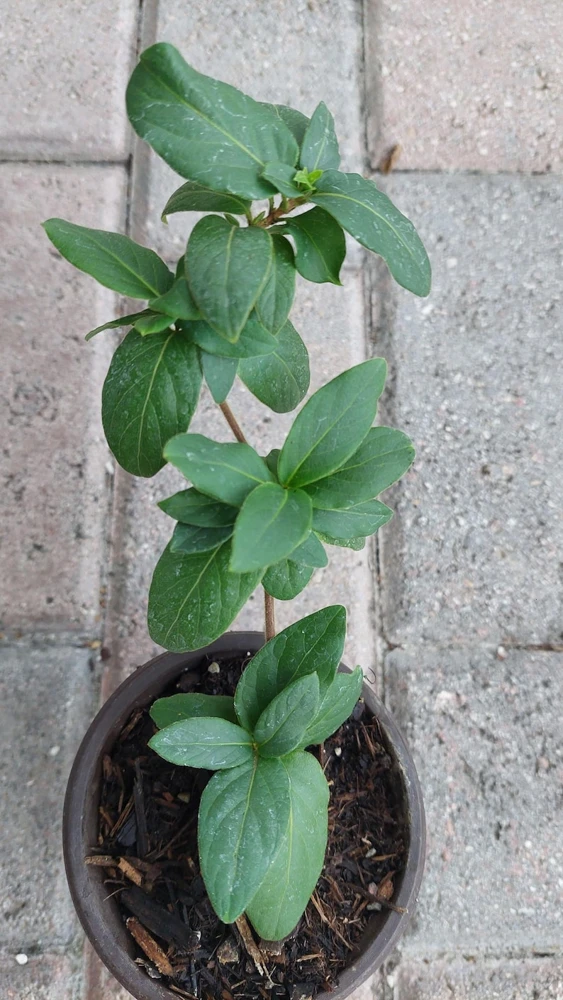
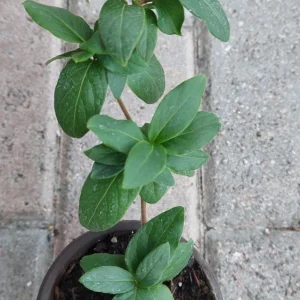
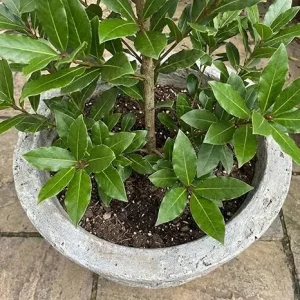
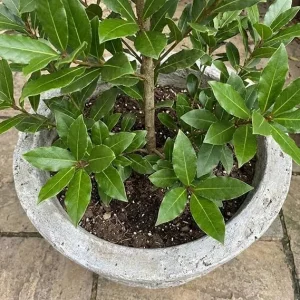
This Japanese honeysuckle live plant is provided in a potted state, ready for immediate planting in your garden. As a vigorous climbing vine, it can quickly reach impressive lengths, commonly growing 15 to 30 feet long with adequate support, though it can be kept smaller with regular pruning. Its growth rate is considered fast, allowing it to cover trellises, fences, or pergolas quickly. The creamy white to yellow flowers are typically 1-2 inches long and appear from late spring through summer, followed by small black berries. The foliage is semi-evergreen to evergreen in warmer climates, providing year-round interest. This potted specimen ensures a healthy start for your new fast growing vine.
Frequently Asked Questions
- Q: How big does this Japanese honeysuckle live plant get? A: A Japanese honeysuckle live plant can typically grow 15 to 30 feet long if left unpruned, making it excellent for covering large areas. Its vigorous nature allows for rapid spread.
- Q: Is this an indoor or outdoor plant? A: This honeysuckle vine is primarily an outdoor plant, thriving in garden settings where it can climb or spread as ground cover. It is not generally suited for indoor cultivation due to its size and light requirements.
- Q: How much sunlight does it need? A: For best flowering, the Lonicera japonica requires full sun (at least 6 hours of direct sunlight daily) to partial shade. More sun generally leads to more blooms.
- Q: Is this plant easy to care for? A: Yes, once established, the Japanese honeysuckle live plant is relatively low-maintenance, making it a good choice for both experienced and novice gardeners. Regular pruning is the main care requirement.
- Q: What condition will it arrive in? A: Your fragrant climbing plant will arrive as a healthy, potted specimen, ready to be transplanted into your garden. It will be carefully packaged to ensure its safe arrival.
- Q: How long until it blooms? A: Depending on when it is planted and its maturity upon arrival, your Japanese honeysuckle live plant can begin to bloom in its first or second growing season, typically from late spring through summer.
- Q: Will it survive winter in my zone? A: Lonicera japonica is quite hardy and generally thrives in USDA zones 4-9. In warmer climates, it can be evergreen, while in colder zones, it may be semi-evergreen or deciduous.
- Q: Can this fast growing vine be used as ground cover? A: Absolutely! While it’s an excellent climber, the fast growing vine also makes an effective and dense ground cover, especially on slopes where it can help control erosion.
- Q: Does this plant attract pollinators? A: Yes, the sweetly scented flowers of the Japanese honeysuckle live plant are a magnet for bees, butterflies, and hummingbirds, enriching your garden’s biodiversity.
- Q: What type of soil does it prefer? A: This honeysuckle is adaptable but prefers well-draining soil. It can tolerate various soil types, from sandy to clay, as long as drainage is adequate.
Be the first to review “Japanese Honeysuckle Live Plant – Fragrant Climbing Vine – Lonicera japonica”
People Also Viewed
Sold 76 products
Original price was: $136.80.$68.40Current price is: $68.40.
Flower Plants
Orange Bird of Paradise Plant – Live Tropical Houseplant – 5-10 Inches – Exotic Blooms
Sold 85 products
Original price was: $57.98.$28.99Current price is: $28.99.





Reviews
There are no reviews yet.