
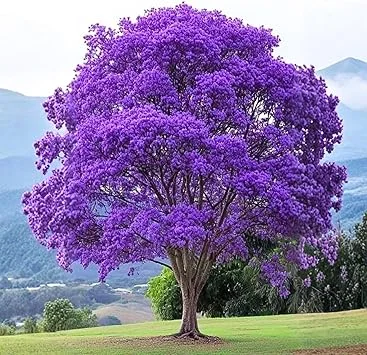
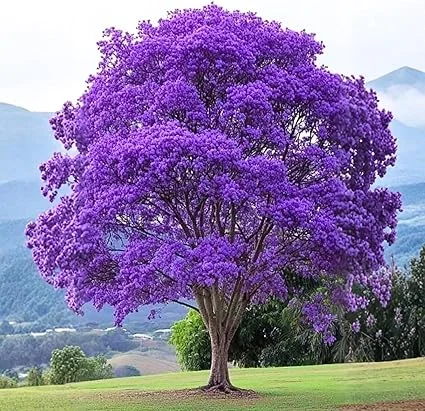
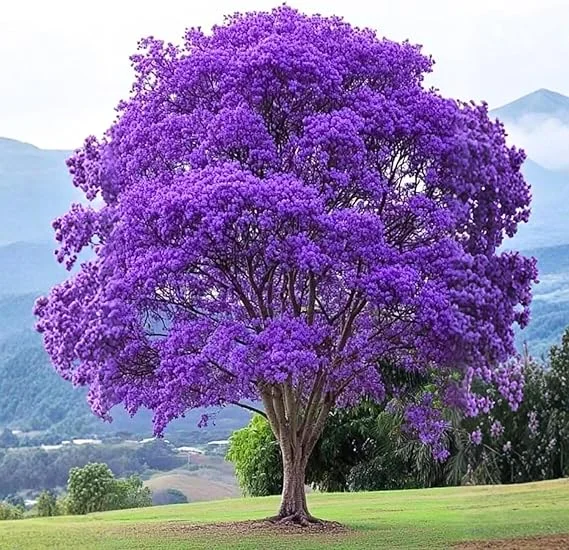
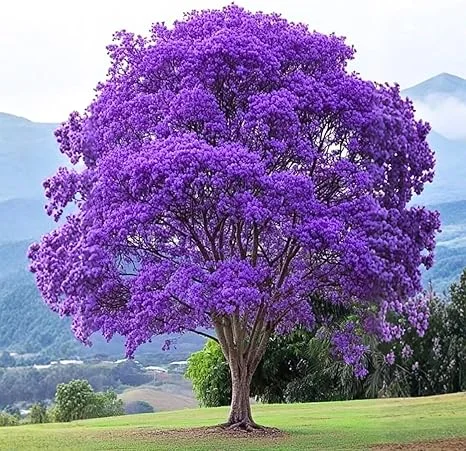
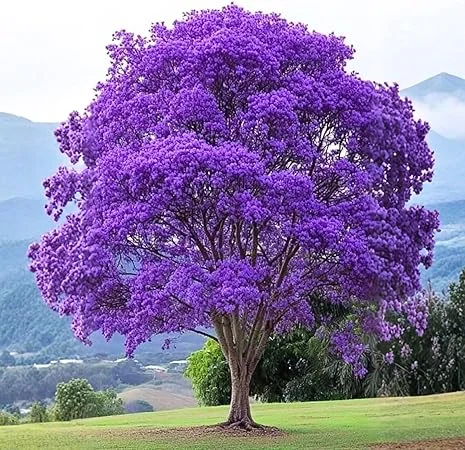
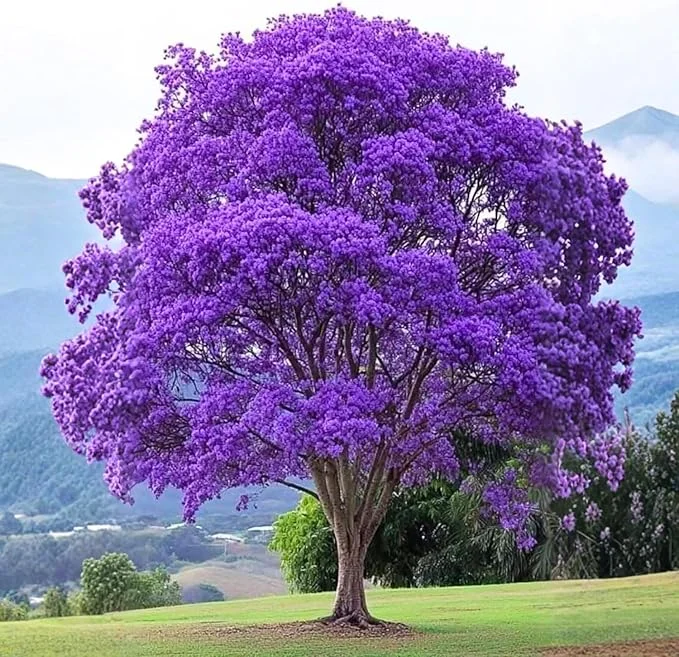
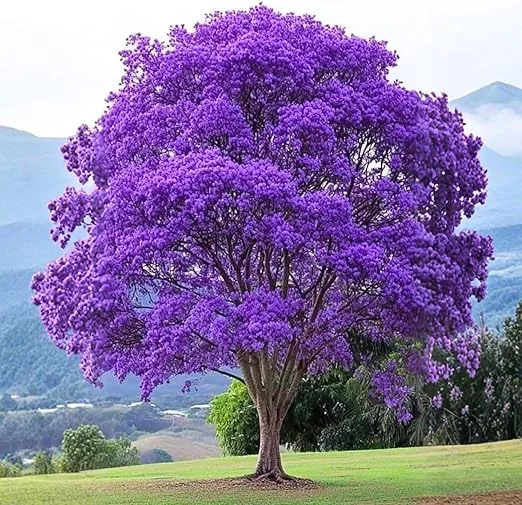
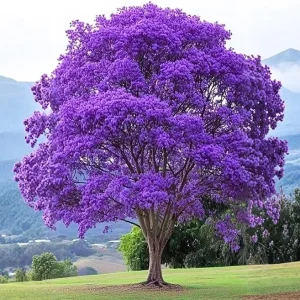
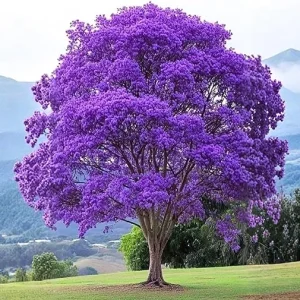
Jacaranda Tree Live Plant – Purple Blue Flowering, 6-10″ Tall Outdoor
$57.18
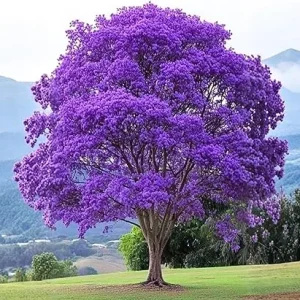
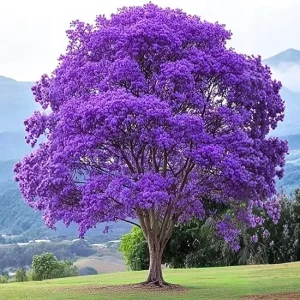
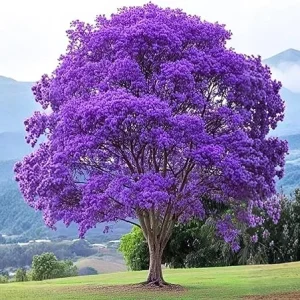
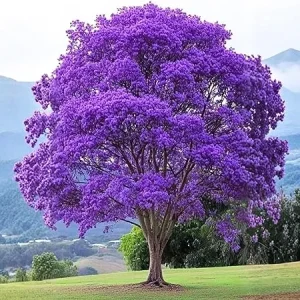
Bring breathtaking beauty to your landscape with a Jacaranda Tree live plant. This 6-10 inch tall specimen promises stunning purple-blue flowers, adding exotic flair to gardens and landscapes. Known for its fast growth, it thrives outdoors in full sun.
-
USDA Hardiness Zone
9-11 -
Soil Type
Well-drained soil -
Sunlight Exposure
Full Sun -
Expected Planting Period
Spring to early summer

You can track your order HERE
Apr 01
Apr 06 - Apr 08
Apr 11 - Apr 15
Shipping and return policies: Our Alive & Thrive Guarantee covers issues with your plants within the first 30 days. Reach out to us. Our team will answer your questions and help you find the plants that are truly suitable for your environment, climate, and personal preferences.

Overview
Introduce a touch of tropical splendor to your outdoor space with this magnificent Jacaranda Tree live plant. Renowned for its spectacular clusters of vibrant purple-blue, trumpet-shaped flowers, the Jacaranda mimosifolia transforms any garden into a picturesque haven during its late spring to early summer bloom. This particular offering provides a well-rooted, healthy specimen, typically 6-10 inches tall, ready to be transplanted and begin its journey towards becoming a majestic shade tree. Ideal for warmer climates, the Jacaranda is not just about its stunning blossoms; its delicate, fern-like foliage provides an attractive texture even when not in flower, making it a focal point in any landscape design. Whether you’re looking to create a stunning avenue, a solitary specimen, or a vibrant backdrop, a Jacaranda Tree live plant is an exceptional choice for adding dramatic color and elegance to your outdoor environment.
Key Benefits
Cultivating a Jacaranda tree offers numerous rewards, from its aesthetic appeal to its environmental contributions. This fast-growing tree is a favorite among gardeners for its unique characteristics.
- Spectacular Floral Display: The most striking feature of the Jacaranda is its profusion of lavender to deep purple-blue flowers that cover the tree, often before the leaves emerge fully. This creates a breathtaking canopy of color that is truly unforgettable.
- Fast Growth Rate: Enjoy a quickly maturing landscape. The fast growing jacaranda can add significant height and spread in a relatively short period, providing shade and visual interest sooner than many other tree species.
- Attractive Foliage: Even outside its blooming season, the Jacaranda boasts delicate, fern-like, bipinnate leaves that offer a fine texture and create a dappled shade, perfect for relaxing underneath on sunny days.
- Drought Tolerance: Once established, Jacaranda trees are remarkably drought-tolerant, making them suitable for xeriscaping or gardens in regions with limited water resources, reducing the need for frequent irrigation.
- Landscape Versatility: Perfect for a variety of landscape uses, including street trees, shade trees, specimen plants, or even in large containers in its younger stages. Its moderate size at maturity makes it adaptable to many garden sizes.
- Air Quality Improvement: Like all trees, the Jacaranda contributes to a healthier environment by absorbing carbon dioxide and releasing oxygen, while also providing shade that can help reduce urban heat island effects.
- Low Maintenance Once Established: After its initial establishment phase, jacaranda tree care is relatively simple, requiring minimal pruning and general upkeep, allowing you to enjoy its beauty with less effort.
Plant Care & Growing Tips
Successful cultivation of a Jacaranda Tree live plant begins with understanding its basic needs. This tree thrives in specific conditions that mimic its native subtropical environment. For optimal growth and flowering, ensure it receives ample sunlight. Jacarandas demand full sun exposure, meaning at least six hours of direct sunlight per day. Insufficient light can lead to sparse flowering and leggy growth. When it comes to watering, young trees require regular moisture to establish a strong root system. Once mature, they are quite drought-tolerant, but deep watering during prolonged dry spells will promote better health and more vibrant blooms. Avoid overwatering, as this can lead to root rot.
The ideal soil type for a Jacaranda is well-draining soil. It can tolerate a range of soil types, including sandy or loamy soils, but good drainage is paramount. Amend heavy clay soils with organic matter to improve permeability. This tree is suitable for USDA Hardiness Zones 9-11, where temperatures generally remain above freezing. In cooler zones, it can be grown in large containers and moved indoors during winter, though it may not reach its full size or bloom as profusely. Fertilize young trees with a balanced, slow-release fertilizer in spring to encourage vigorous growth. Established trees generally do not require heavy fertilization. Pruning should be done in late winter or early spring before new growth begins, focusing on removing dead, damaged, or crossing branches. Avoid excessive pruning, as this can stimulate water sprouts and impact the natural graceful shape of the tree. Paying attention to these details will ensure your purple jacaranda tree flourishes.
Size & Details
This offering is for a single, healthy Jacaranda Tree live plant, typically measuring 6-10 inches in height from the top of the soil. It arrives as a well-rooted plant, generally in a 4-inch nursery pot, perfectly sized for easy transplantation into your garden, raised beds, or larger decorative containers. The Jacaranda is known for its fast growth, and with proper care, it can quickly develop into a substantial tree. Mature trees can reach heights of 25-50 feet with a spread of 15-30 feet, creating a striking silhouette in the landscape. Expect the most spectacular blooms in late spring to early summer, with the tree reaching its full flowering potential after several years of establishment. The vigorous growth habit and impressive floral display make this a truly rewarding plant for any gardener.
Frequently Asked Questions
- Q: How big does this plant get? A: This particular Jacaranda Tree live plant is shipped at 6-10 inches tall. With proper care and ideal conditions, mature Jacaranda trees can reach impressive heights of 25-50 feet with a spread of 15-30 feet, offering significant shade and beauty.
- Q: What size pot does it come in? A: The plant typically arrives in a 4-inch nursery pot, providing a well-established root system ready for easy transplantation into your chosen garden spot or a larger container.
- Q: Is this an indoor or outdoor plant? A: The Jacaranda Tree is primarily an outdoor plant, thriving in full sun. It is suitable for USDA Hardiness Zones 9-11. In colder zones, it can be grown in large containers and brought indoors during winter, but it is unlikely to reach its full potential.
- Q: How much sunlight does it need? A: For optimal growth and abundant flowering, a purple jacaranda tree requires full sun exposure, meaning at least 6 hours of direct sunlight per day.
- Q: Is this plant easy to care for? A: Once established, jacaranda tree care is relatively low maintenance. It requires consistent watering during its establishment phase but becomes quite drought-tolerant as it matures. Providing well-draining soil and full sun are key to its success.
- Q: What condition will it arrive in? A: Your Jacaranda Tree live plant will arrive as a healthy, well-rooted specimen in a nursery pot, carefully packaged to ensure its safe journey to your home.
- Q: How long until it blooms? A: Jacaranda trees typically begin to bloom after they have been established for several years. You can expect the first significant floral displays usually within 3-5 years, with more profuse blooming as the tree matures.
- Q: When is the best time to plant? A: The best time to plant your Jacaranda Tree is in spring or early summer, after the last threat of frost has passed. This allows the tree ample time to establish its root system before the colder months.
- Q: Will it survive winter in my zone? A: Jacaranda trees are best suited for USDA Zones 9-11. If you are in a colder zone, the tree will need protection from frost, possibly by bringing it indoors if grown in a container, or it may not survive harsh winters.
- Q: Is this a fast-growing jacaranda? A: Yes, the Jacaranda tree is known for its relatively fast growing jacaranda habit, quickly adding height and spread to your landscape, especially in ideal growing conditions.
Be the first to review “Jacaranda Tree Live Plant – Purple Blue Flowering, 6-10″ Tall Outdoor”
People Also Viewed
Sold 89 products
From $4.26
Sold 82 products
Original price was: $8.52.$4.26Current price is: $4.26.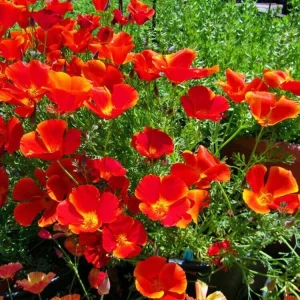
Flower Seeds
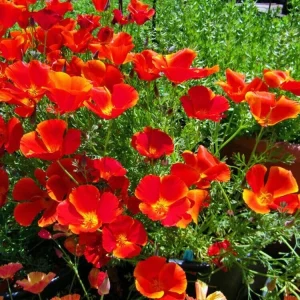
Red California Poppy Seeds – Non-GMO Flower Seeds | Fast Growing | Full Sun | 200+ Seeds
Sold 54 products
Original price was: $11.96.$5.98Current price is: $5.98.
Sold 65 products
Original price was: $45.98.$22.99Current price is: $22.99.

Sold 60 products
Original price was: $14.76.$7.38Current price is: $7.38.
Sold 69 products
Original price was: $21.56.$10.78Current price is: $10.78.
Sold 58 products
Original price was: $91.98.$45.99Current price is: $45.99.
Vegetable Seeds
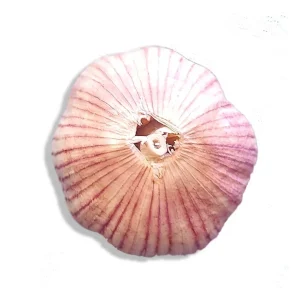
Organic Garlic Bulbs – Chesnok, Music, Italian, German, Russian Varieties for Planting & Cooking
Sold 76 products
From $25.28
Sold 77 products
From $4.26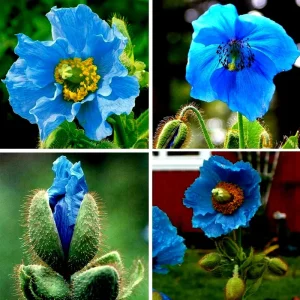
Flower Seeds
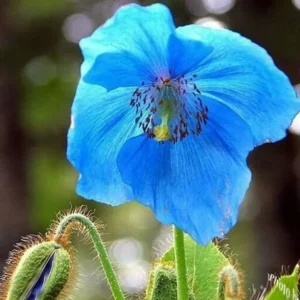
Himalayan Blue Poppy Seeds – Meconopsis Grandis Perennial Flower Seeds – Blue Flowering, Easy Grow
Sold 55 products
From $4.06
Sold 58 products
From $67.80
Sold 93 products
Original price was: $79.80.$39.90Current price is: $39.90.
Sold 80 products
From $99.80
Sold 63 products
Original price was: $48.00.$24.00Current price is: $24.00.

Sold 99 products
Original price was: $346.76.$173.38Current price is: $173.38.
Sold 75 products
Original price was: $65.94.$32.97Current price is: $32.97.
Sold 81 products
Original price was: $85.98.$42.99Current price is: $42.99.
Sold 61 products
Original price was: $27.98.$13.99Current price is: $13.99.


Reviews
There are no reviews yet.