
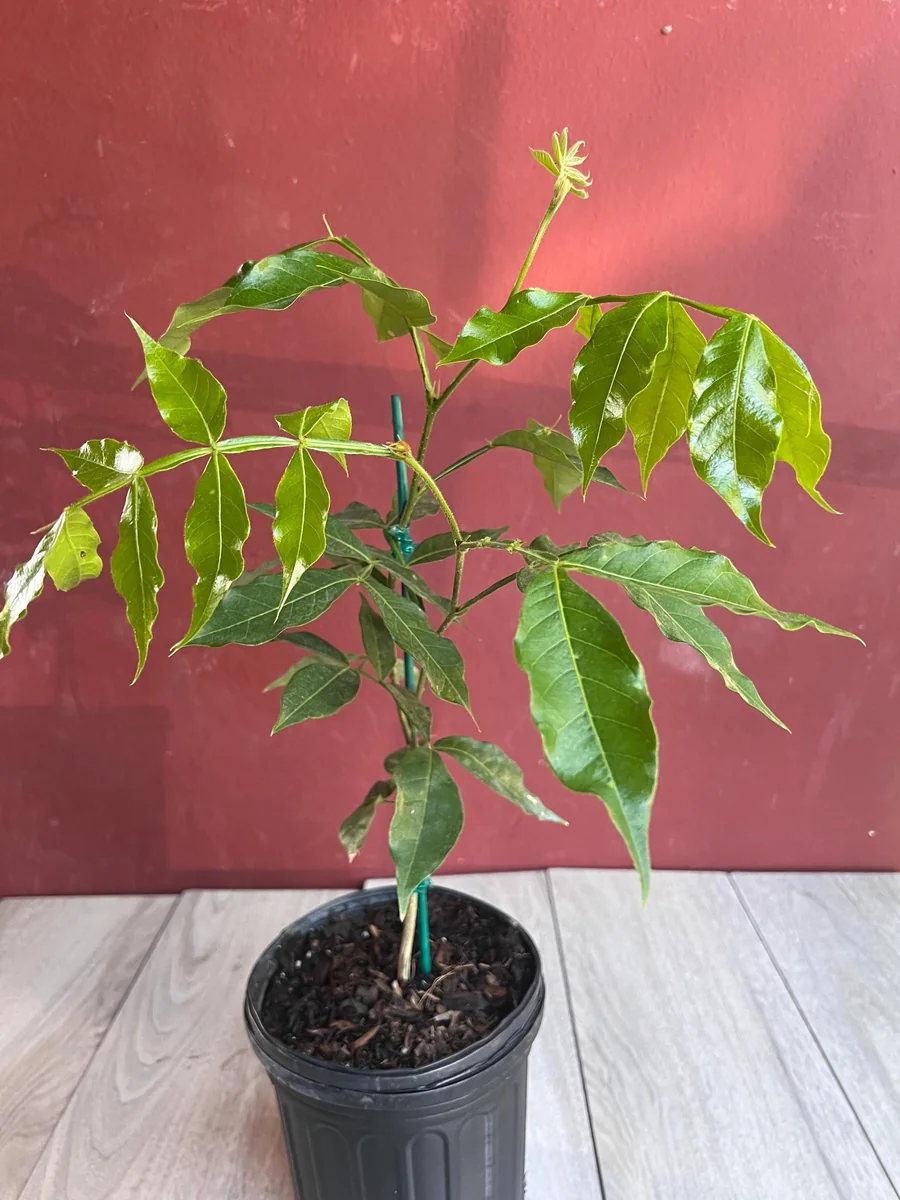
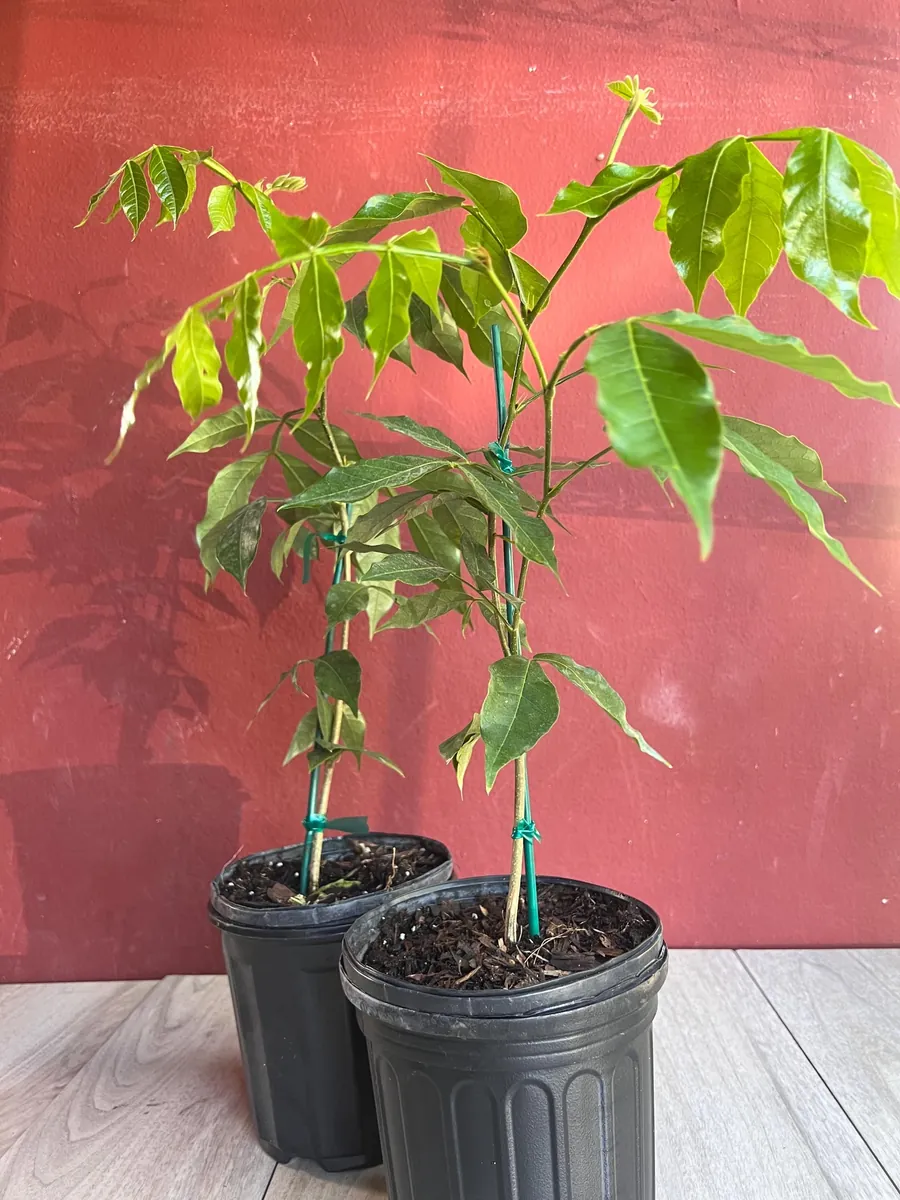
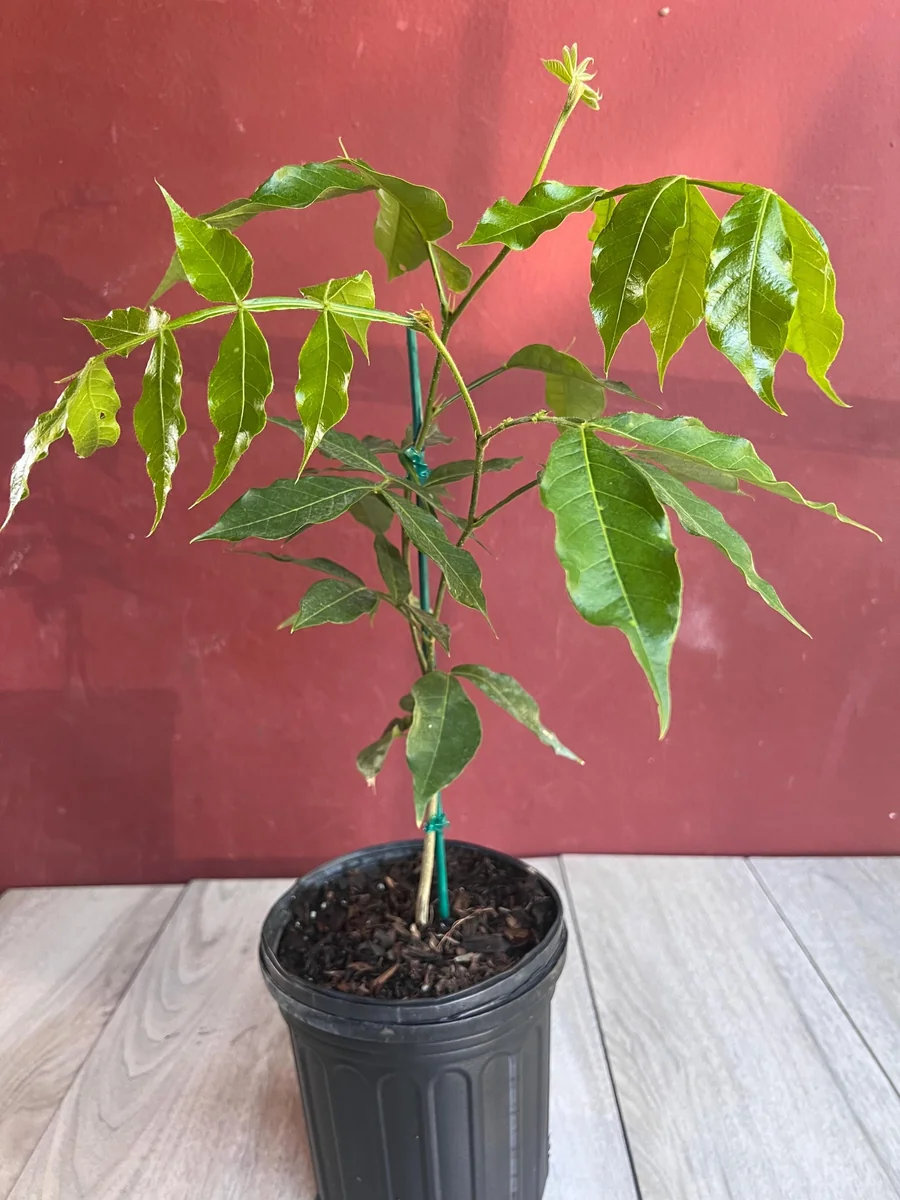
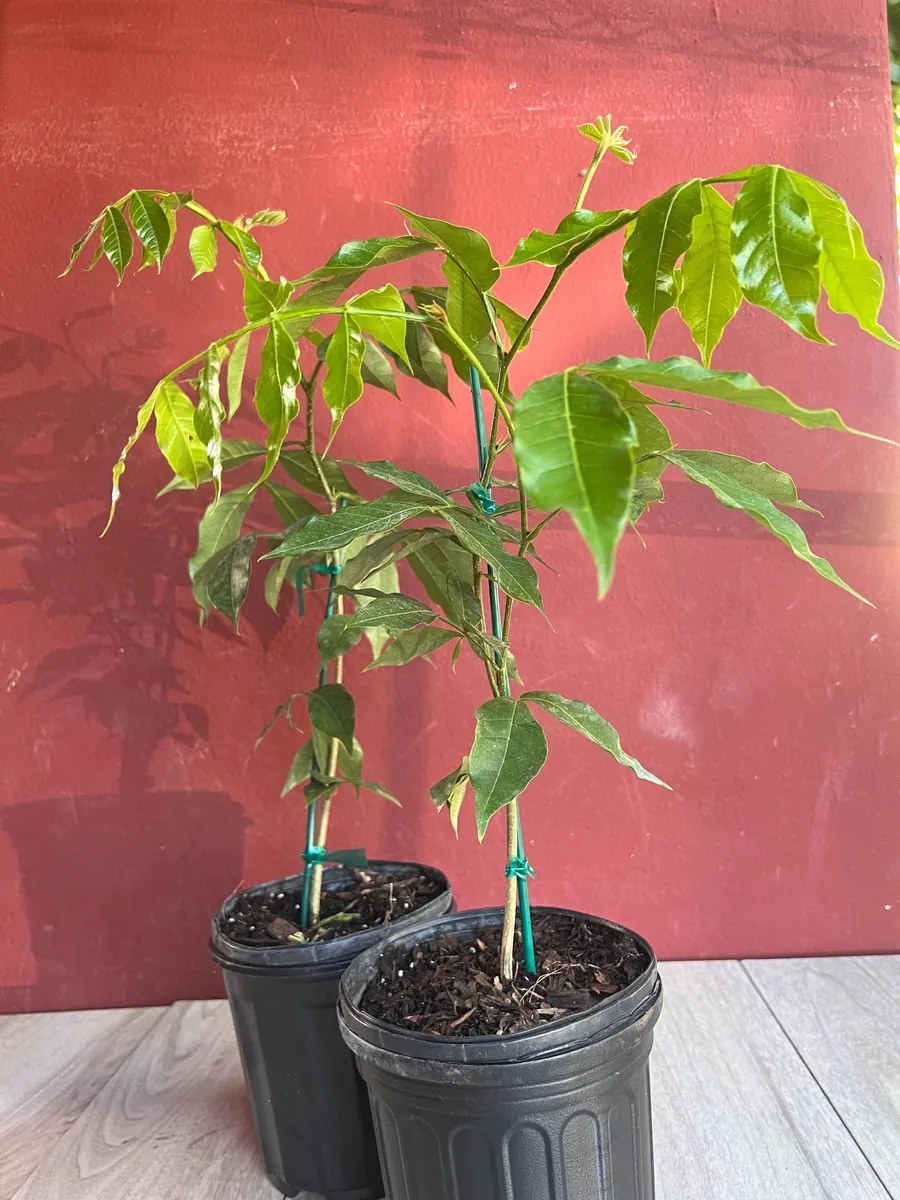
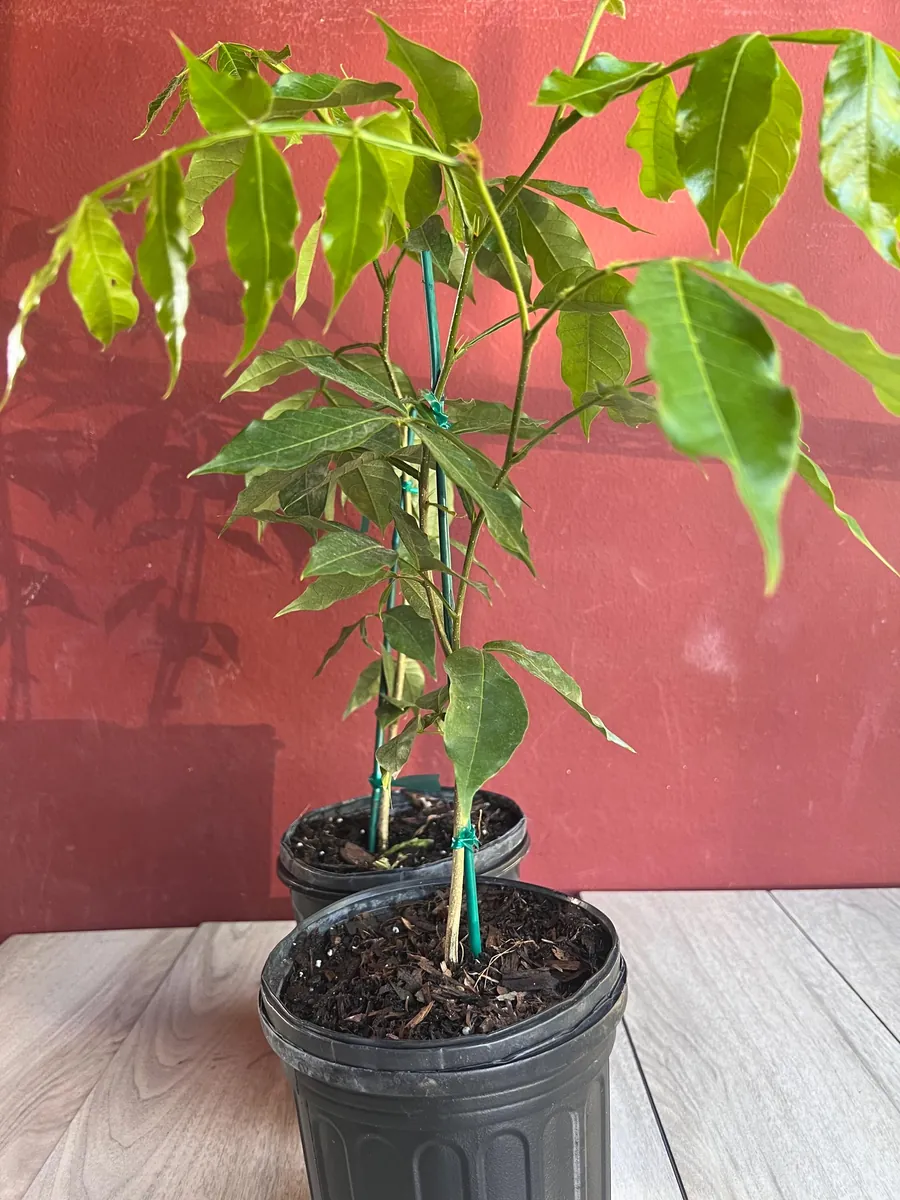


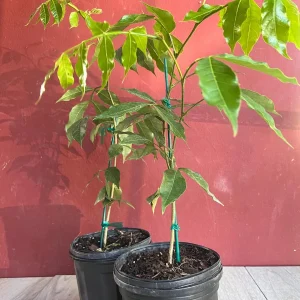
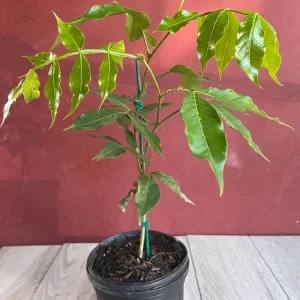
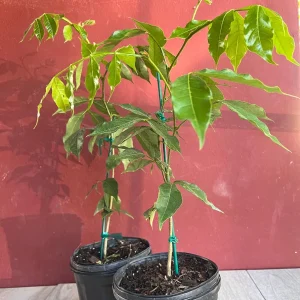
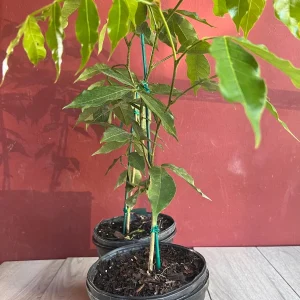
Ice Cream Bean Live Plant, Inga edulis Tropical Fruit Tree, 6 inch Pot
Original price was: $125.90.$75.54Current price is: $75.54.
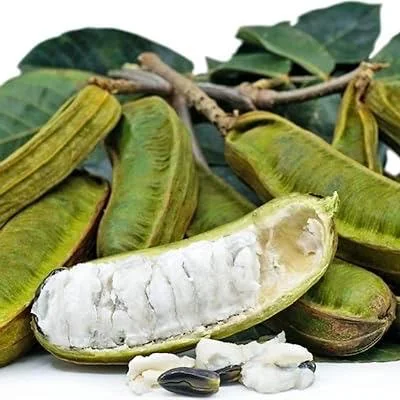
Bring the tropics to your garden with a ice cream bean live plant (Inga edulis) in a 6-inch pot. This fast-growing tree produces uniquely sweet, vanilla ice cream-flavored pods, perfect for fresh eating or smoothies. A beautiful and productive exotic fruit tree for warm climates or container growing.
-
USDA Hardiness Zone
USDA zones 9-11 (or container plant indoors) -
Soil Type
Well-drained, fertile, slightly acidic soil -
Sunlight Exposure
Full sun (6-8 hours daily) -
Expected Planting Period
Year-round in warm climates; spring to summer for outdoor planting in suitable zones

You can track your order HERE
Mar 01
Mar 06 - Mar 08
Mar 11 - Mar 15
Shipping and return policies: Our Alive & Thrive Guarantee covers issues with your plants within the first 30 days. Reach out to us. Our team will answer your questions and help you find the plants that are truly suitable for your environment, climate, and personal preferences.

Overview
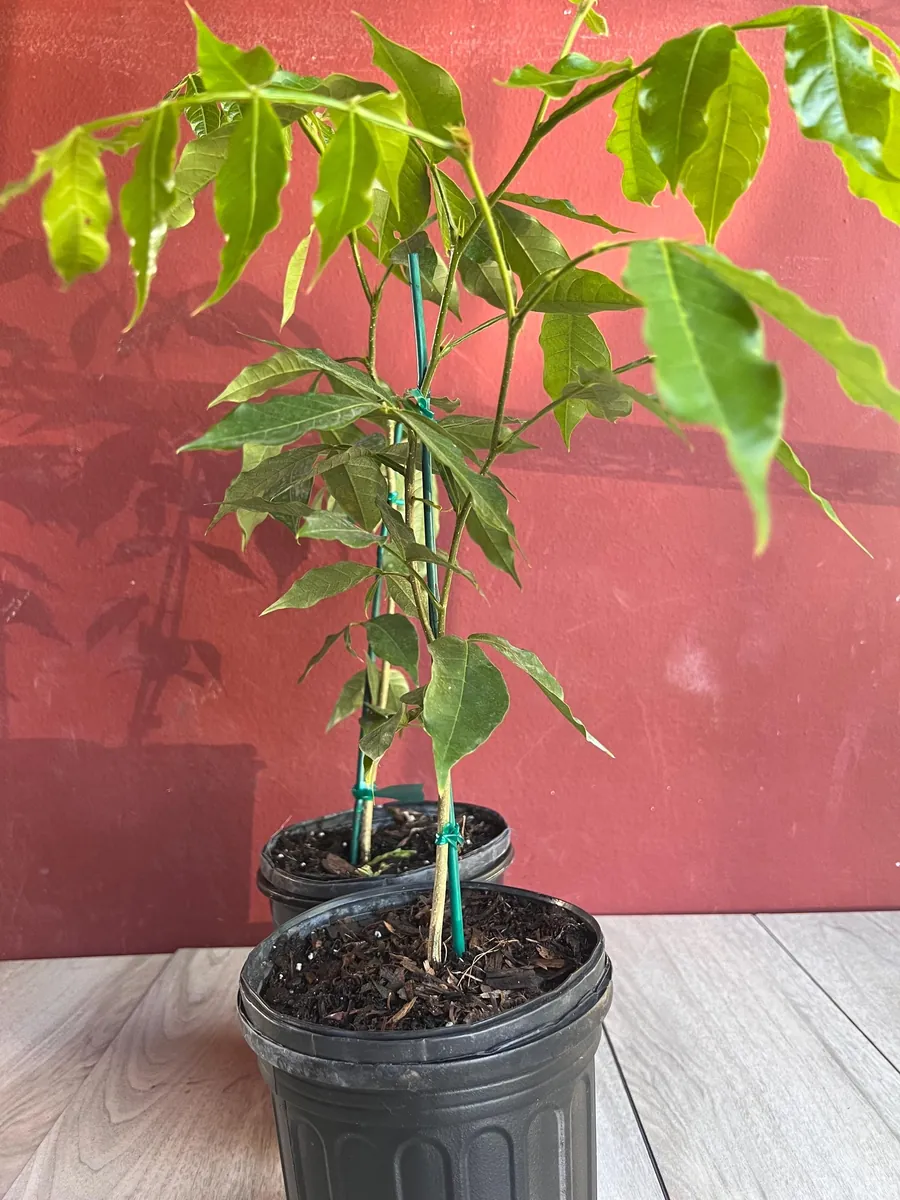
Discover the delightful ice cream bean live plant (Inga edulis), a tropical wonder that promises both beauty and a unique culinary experience. This remarkable tree, often called the Ice Cream Bean tree, is native to South America and is celebrated for its fast growth and striking appearance. Each ice cream bean live plant in a 6-inch pot is ready to grow into a magnificent specimen, offering lush, feather-like foliage that adds an exotic touch to any garden. The true marvel, however, lies in its pods, which are filled with a soft, cotton-like pulp that tastes surprisingly similar to vanilla ice cream. This makes the ice cream bean live plant a must-have for anyone seeking an unusual, delicious, and low-maintenance addition to their edible landscape.
The Inga edulis, commonly known as the Ice Cream Bean tree, thrives in tropical and subtropical climates, making it an ideal choice for gardeners in warmer regions or those looking to cultivate a unique fruit tree in a container. Its rapid growth rate and ability to produce abundant, sweet fruit make it a rewarding plant for both novice and experienced gardeners. Enjoy the novelty of harvesting your own ‘ice cream’ directly from your garden, a treat that delights both children and adults alike.
Key Benefits
Cultivating an ice cream bean live plant offers a multitude of benefits, from its aesthetic appeal to its delicious, unusual fruit. This tropical gem is more than just a plant; it’s an experience:
- Unique Edible Fruit: The primary draw of the ice cream bean live plant is its distinctive pods. These contain a sweet, creamy pulp that genuinely resembles vanilla ice cream, providing a healthy and natural treat directly from your garden. This makes for a fantastic and memorable snack.
- Fast-Growing & Productive: This tree is known for its vigorous growth, quickly establishing itself and producing fruit within 2-3 years. Its rapid development means you won’t have to wait long to enjoy its bounty, making it an excellent choice for an exotic fruit tree.
- Striking Ornamental Value: Beyond its fruit, the Inga edulis boasts beautiful, lush, feather-like foliage, creating a tropical ambiance in any setting. It serves as an attractive focal point in gardens or large containers.
- Low Maintenance: Once established, the ice cream bean live plant is relatively easy to care for, requiring consistent watering and full sun. It’s generally resistant to pests and diseases, simplifying your gardening efforts.
- Versatile Use: The sweet pulp from the ice cream bean pod is perfect for fresh eating, adding to smoothies, or incorporating into desserts. Its versatility in the kitchen makes it a fun ingredient to experiment with.
- Soil Improvement: As a leguminous tree, Inga edulis can actually improve soil fertility by fixing nitrogen, benefiting other plants in your garden. This natural process enhances the overall health of your garden ecosystem.
- Shade Provider: Its large size and dense canopy make it an excellent choice for providing natural shade in tropical climates, creating a comfortable outdoor living space.
Plant Care & Growing Tips
Ensuring your ice cream bean live plant thrives requires understanding its specific needs for sunlight, water, and soil. To grow a healthy and productive inga edulis tree care is straightforward but crucial. Provide full sun exposure, meaning at least 6-8 hours of direct sunlight per day. This maximizes growth and fruit production. For soil, the Ice Cream Bean tree prefers well-drained, fertile, and slightly acidic conditions. Loamy or sandy soil types are ideal, while heavy clay or poorly draining areas should be avoided to prevent root rot. These trees can grow quite large, up to 30-40 feet tall, so ensure they have ample space if planted directly in the ground, or consider pruning for size control in containers.
Consistent watering is key, especially during dry periods. Keep the soil consistently moist but never waterlogged. While established trees show moderate drought tolerance, regular watering will promote better growth and fruit quality. Fertilize your ice cream bean live plant with organic matter, like compost or mulch, around the base as they are heavy feeders. A slow-release, balanced fertilizer applied in spring can also boost growth. Light pruning is recommended to remove dead, damaged, or crossing branches, maintaining a healthy structure. This can be done after flowering, typically in early spring, and also helps manage the tree’s size if grown in a smaller garden or container. Regular inspection for common pests like aphids or scale insects is advised, though the tree is generally resistant. Address any issues promptly with organic solutions like neem oil to ensure your tropical fruit gardening efforts are successful.
Size & Details
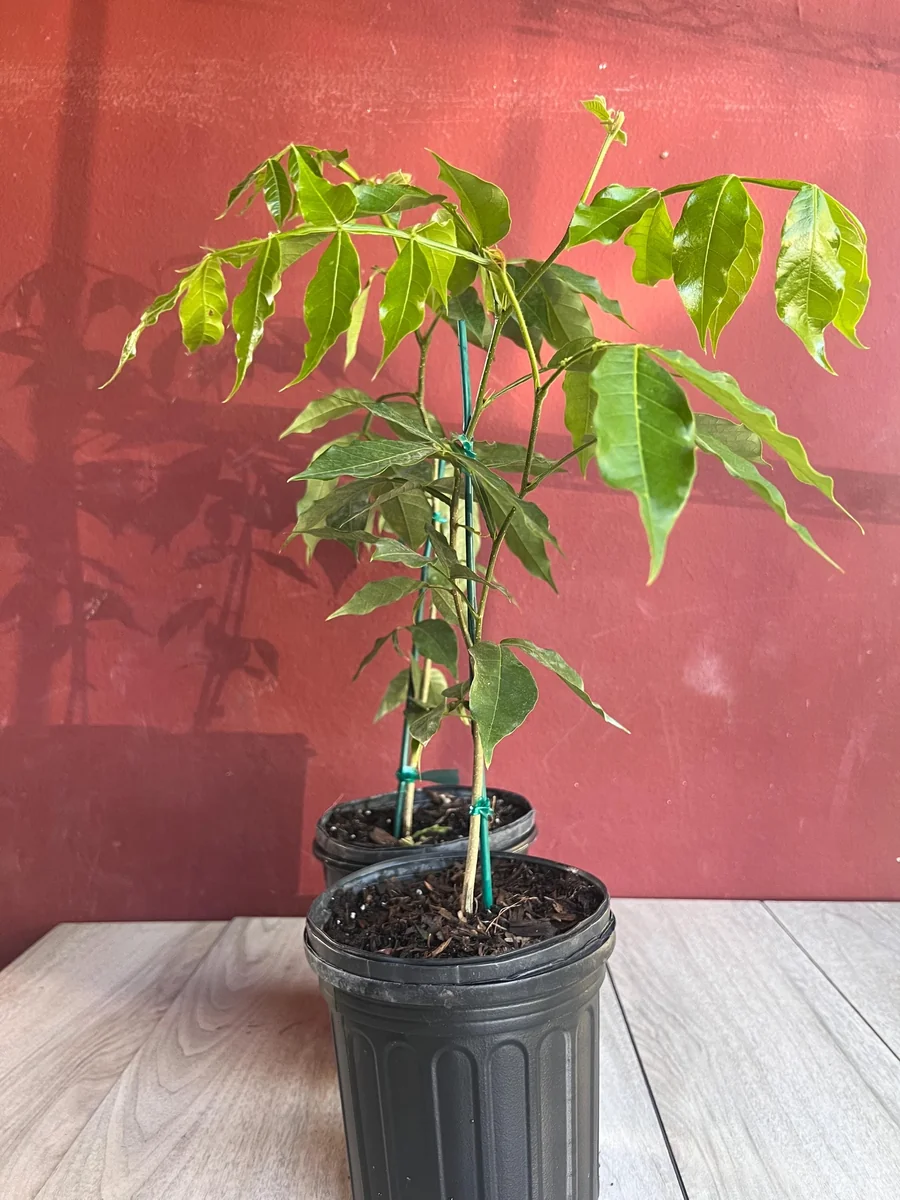
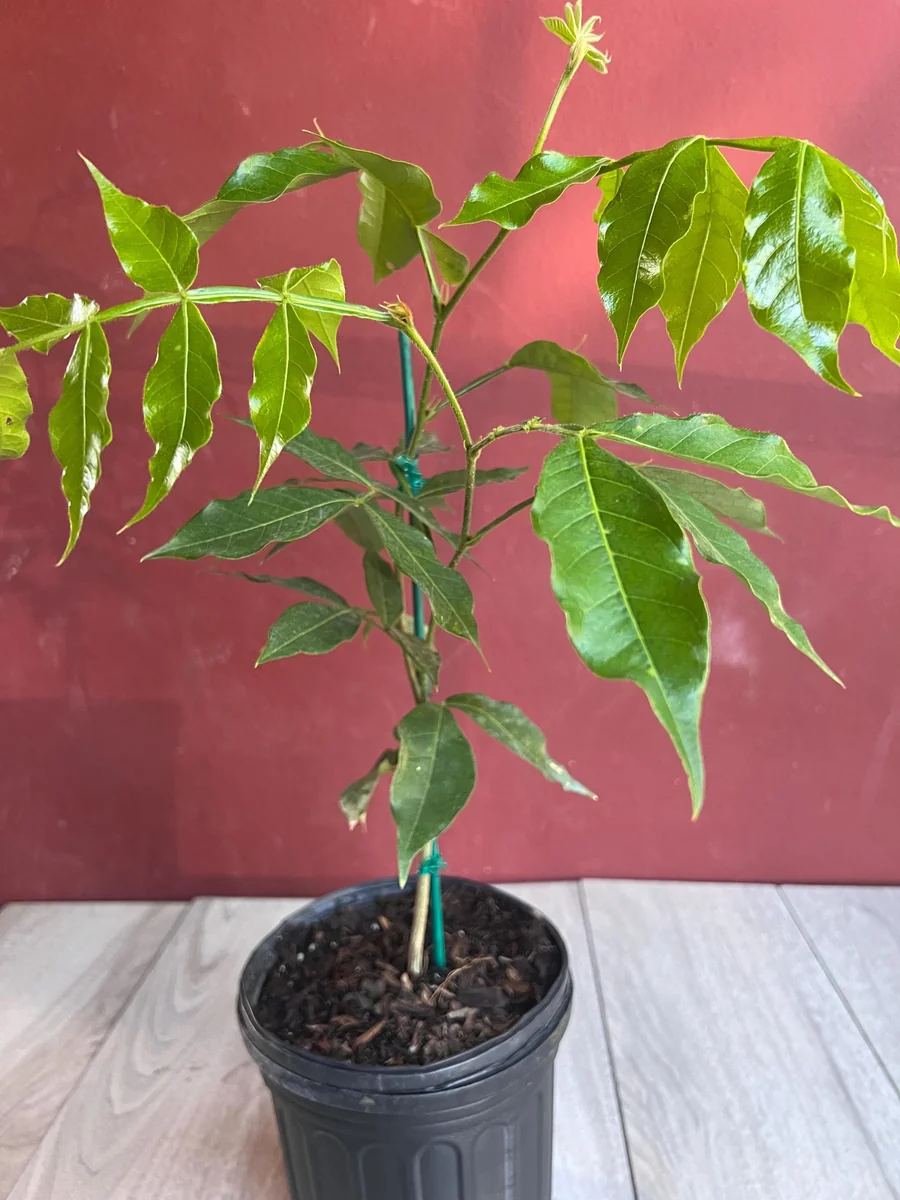
This offering is for a vibrant ice cream bean live plant, Inga edulis, delivered in a 6-inch nursery pot. The plant’s height will vary depending on growth, typically arriving as a young, healthy specimen ready for transplanting. While young, it is a manageable size for initial placement and will grow rapidly once established. These trees are known for their fast growth rate, potentially reaching heights of 30-40 feet in ideal outdoor conditions. When growing your exotic fruit tree in a container, regular pruning can help maintain a more compact size, suitable for patios or indoor overwintering.
The pods, which are the tree’s primary attraction, typically mature and are ready for harvest within 2-3 years of planting, under optimal growing conditions. Each ice cream bean pod will split open when ripe, revealing the sweet, cotton-like pulp. This plant is well-suited for USDA zones 9-11 for outdoor planting, but can be grown in containers and brought indoors in colder climates to protect it from frost. It ships as a living plant, carefully packaged to ensure its health upon arrival.
Frequently Asked Questions
- Q: How big does this ice cream bean live plant get? A: In optimal outdoor conditions, the Ice Cream Bean tree can grow to be 30-40 feet tall. If grown in a container, its size can be managed with regular pruning to keep it more compact and suitable for smaller spaces or indoor environments.
- Q: What size pot does it come in? A: This ice cream bean live plant is shipped in a 6-inch nursery pot, providing a good starting point for its growth. You can transplant it to a larger container or directly into the ground upon arrival.
- Q: Is this an indoor or outdoor plant? A: The Ice Cream Bean tree is primarily an outdoor tropical plant, thriving in USDA zones 9-11. In colder regions, it can be grown outdoors during warm months and brought indoors as a container plant for winter protection, making it suitable for both tropical fruit gardening and adaptable container growing.
- Q: How much sunlight does it need? A: This tree requires full sun to thrive, meaning at least 6-8 hours of direct sunlight per day. Adequate sunlight is crucial for healthy growth and prolific fruit production of your inga edulis tree care.
- Q: Is this plant easy to care for? A: Once established, the Ice Cream Bean tree is considered relatively low-maintenance. It needs consistent watering, full sun, and well-drained soil. It’s generally resistant to most pests and diseases, making it a rewarding choice for many gardeners.
- Q: What condition will it arrive in? A: Your ice cream bean live plant will arrive as a healthy, living plant, carefully packaged to minimize stress during transit. It will be in its 6-inch nursery pot, ready for you to continue its care.
- Q: How long until it produces fruit? A: Under ideal growing conditions, the Ice Cream Bean tree typically begins to produce fruit pods within 2-3 years after planting. This relatively quick turnaround makes it an exciting addition to an exotic fruit tree collection.
- Q: What does the ice cream bean pod taste like? A: The pulp inside the pods has a sweet, creamy flavor and a texture often compared to vanilla ice cream, hence its common name. It’s a truly unique and delicious natural treat.
- Q: Will it survive winter in my zone if I live in a cold climate? A: The ice cream bean live plant is sensitive to frost. If you live in a frost-prone area (outside USDA zones 9-11), it is best to grow it in a container so it can be moved indoors during winter or protected with frost cloths during cold spells.
- Q: What kind of soil does it prefer? A: It prefers well-drained, fertile, slightly acidic soil. Loamy or sandy soil types work best. Avoid heavy clay or areas with poor drainage to prevent root issues.
Be the first to review “Ice Cream Bean Live Plant, Inga edulis Tropical Fruit Tree, 6 inch Pot”
People Also Viewed
Sold 92 products
$35.18
Sold 88 products
Original price was: $155.80.$77.90Current price is: $77.90.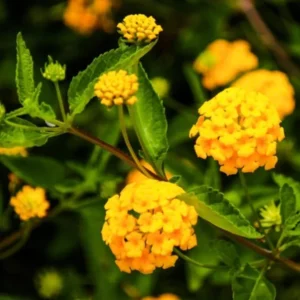
Flower Plants
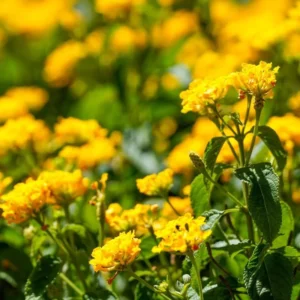
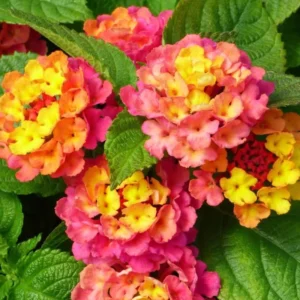
Gold Yellow Lantana Plants – 2 Live Plants – 4 Inch Pots – Butterfly Attracting Flowers
Sold 88 products
Original price was: $39.98.$19.99Current price is: $19.99.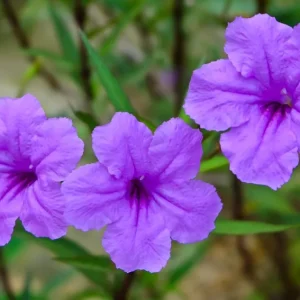
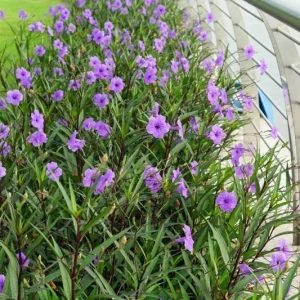
Sold 97 products
$87.98
Sold 91 products
Original price was: $39.98.$19.99Current price is: $19.99.
Sold 91 products
From $61.58
Sold 73 products
$43.98
Sold 64 products
Original price was: $47.96.$23.98Current price is: $23.98.
Sold 81 products
Original price was: $80.00.$64.00Current price is: $64.00.
Sold 87 products
$54.98
Sold 98 products
$329.98
Sold 64 products
Original price was: $107.80.$53.90Current price is: $53.90.
Sold 75 products
Original price was: $74.36.$37.18Current price is: $37.18.
Sold 73 products
Original price was: $144.00.$72.00Current price is: $72.00.
Sold 60 products
Original price was: $79.98.$39.99Current price is: $39.99.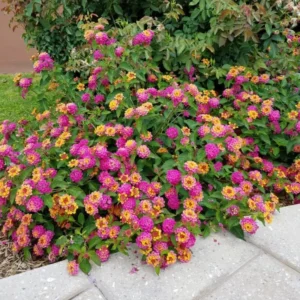
Sold 72 products
Original price was: $37.98.$18.99Current price is: $18.99.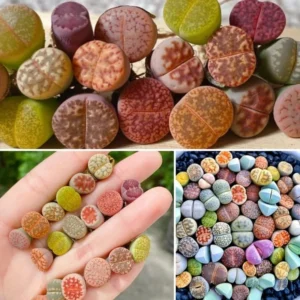
HousePlants
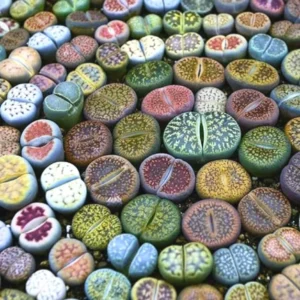
Lithops Live Plants Mix – 10 Large Colorful Living Stones Succulents for Indoor/Outdoor Growing
Sold 51 products
Original price was: $27.98.$13.99Current price is: $13.99.

Sold 91 products
Original price was: $107.80.$53.90Current price is: $53.90.



Reviews
There are no reviews yet.