
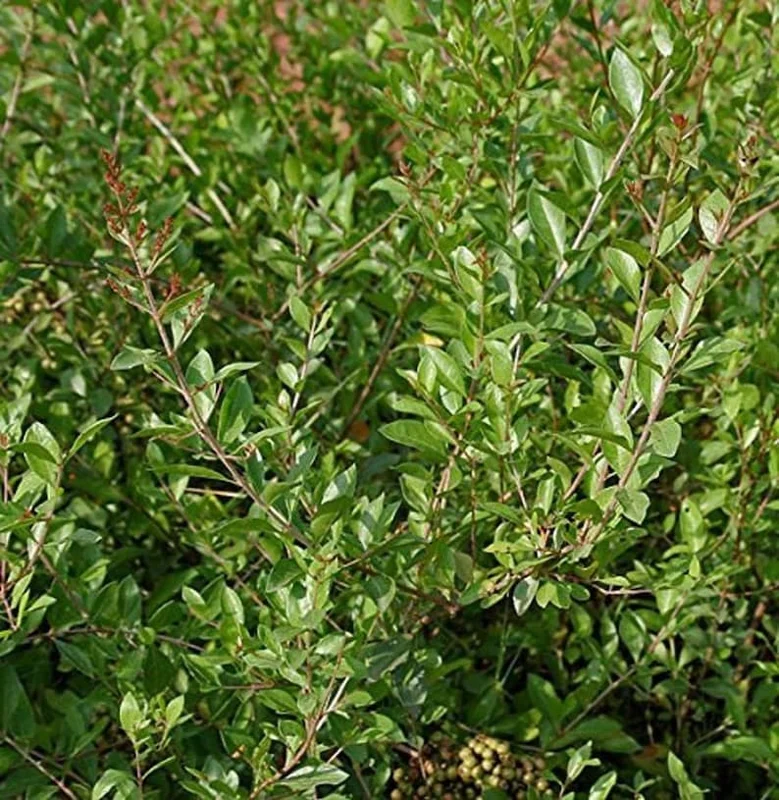
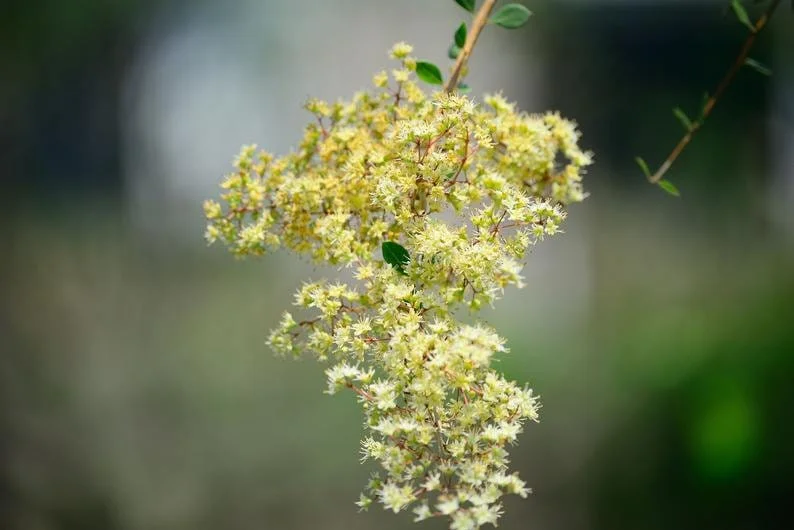
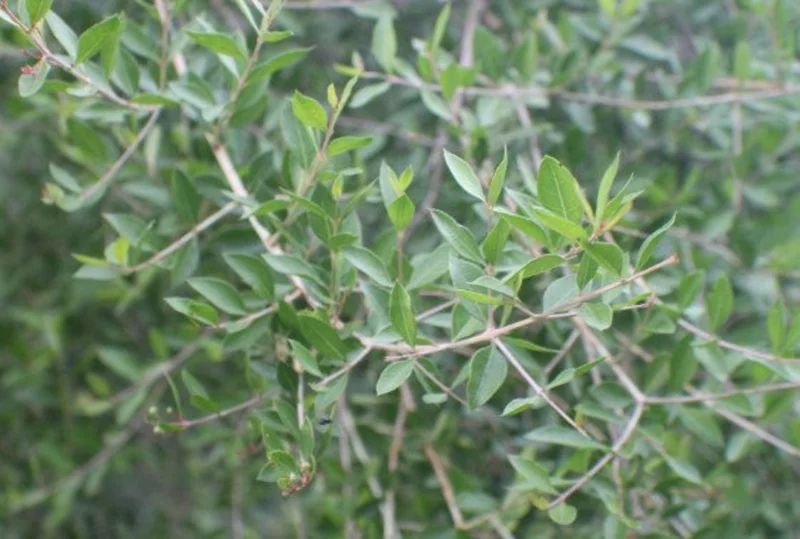
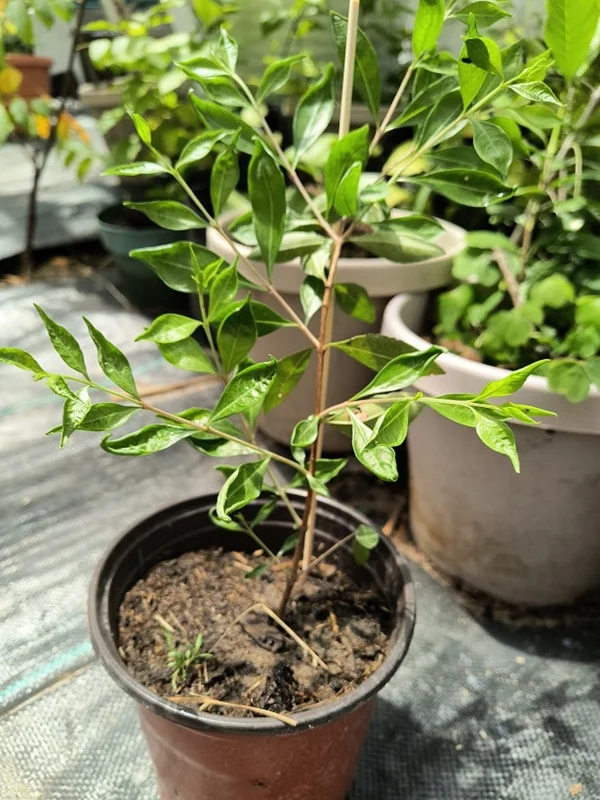
Henna Live Plant – 8-12 inch Tall – Mehndi Plant – Indoor/Outdoor
Original price was: $29.99.$24.96Current price is: $24.96.
Cultivate your own henna live plant for traditional mehndi art and its beautiful foliage. This 8-12 inch tall plant is ready to thrive in your home or garden, offering a unique botanical experience.
-
USDA Hardiness Zone
USDA Zones 9-11 (outdoors), otherwise indoors -
Soil Type
Well-draining sandy loam -
Sunlight Exposure
Full sun (6-8+ hours direct light) -
Expected Planting Period
Year-round indoors; spring to early summer outdoors in suitable zones

You can track your order HERE
Sep 28
Oct 03 - Oct 05
Oct 08 - Oct 12
Shipping and return policies: Our Alive & Thrive Guarantee covers issues with your plants within the first 30 days. Reach out to us. Our team will answer your questions and help you find the plants that are truly suitable for your environment, climate, and personal preferences.

Overview
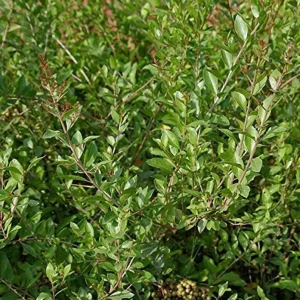
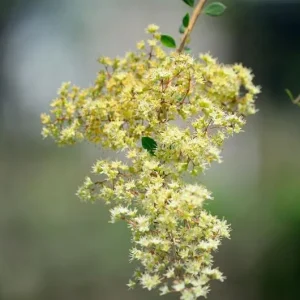
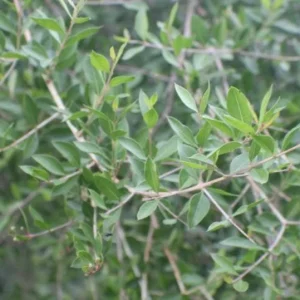
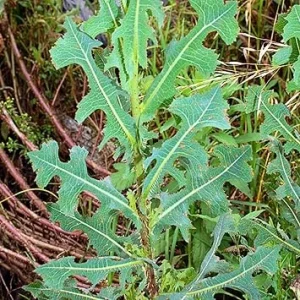
Discover the joy of growing your own henna live plant, a versatile and culturally significant specimen. Known botanically as Lawsonia inermis, the henna plant is most famous for its leaves, which are used to produce the natural red-orange dye for mehndi body art. This particular offering provides a healthy, established henna live plant, measuring between 8 to 12 inches in height, ready to be nurtured in your home or garden. Beyond its dyeing properties, the henna plant is also a beautiful ornamental, featuring lush green foliage and delicate, fragrant flowers that bloom in clusters. It’s a fantastic addition for those interested in natural beauty products, traditional crafts, or simply seeking an exotic and rewarding plant to grow. Cultivating a lawsonia inermis plant allows you to engage directly with an ancient tradition and enjoy the fresh, vibrant leaves for your own purposes.
Our henna live plant arrives carefully packaged, ensuring its health and vitality upon delivery. These plants are grown to be robust and adaptable, making them suitable for various climates, though they thrive best in warm conditions. Whether you’re an experienced gardener or a curious beginner, growing your own henna provides a unique connection to nature and a sustainable source for natural henna paste. The leaves can be harvested, dried, and ground into a powder to create your own fresh, chemical-free mehndi. This plant is not just a botanical specimen; it’s a piece of living history and culture, offering both beauty and utility to its caretaker.
Key Benefits
Growing a henna live plant offers a multitude of benefits, from its ornamental appeal to its practical applications in natural dyeing. It’s a truly rewarding plant for any enthusiast:
- Source of Natural Dye: The primary benefit is access to fresh henna leaves, allowing you to create your own natural, chemical-free mehndi paste for skin and hair. This ensures purity and control over ingredients, making it ideal for sensitive skin.
- Aromatic Foliage and Flowers: Beyond its dyeing properties, the henna live plant produces small, fragrant white or pinkish flowers that can add a pleasant aroma to your living space or garden, especially when blooming in clusters.
- Ornamental Value: With its dense, lush green foliage, the henna plant makes an attractive addition to any plant collection. It can be grown as a bush, shrub, or even trained as a small tree, enhancing the aesthetic appeal of its surroundings.
- Cultural Significance: Cultivating a mehndi plant care connects you to ancient traditions and cultural practices where henna is used for celebrations, art, and medicinal purposes. It’s a living link to history.
- Air Purification: Like many plants, the henna live plant contributes to a healthier indoor environment by absorbing carbon dioxide and releasing oxygen, improving air quality.
- Educational Experience: For families and educators, growing henna offers a fantastic opportunity to learn about botany, ethnobotany, and cultural practices associated with the plant.
- Sustainable Practice: Having your own henna plant for dye promotes a sustainable lifestyle, reducing reliance on commercially processed products and allowing for responsible harvesting.
Plant Care & Growing Tips
To ensure your henna live plant thrives, providing the right care is crucial. Henna is a relatively resilient plant, but it does have specific preferences that, when met, will result in vigorous growth and abundant leaves for dyeing. Proper mehndi plant care involves attention to light, water, soil, and temperature.
Sunlight Requirements: The henna live plant absolutely loves sunlight. For optimal growth and dye production, it requires at least 6-8 hours of direct sunlight per day. If growing indoors, place it in your brightest south-facing window. If outdoors, choose a spot that receives full sun. In extremely hot climates, some afternoon shade can be beneficial to prevent scorching, but generally, more sun equals better growth and richer dye.
Watering Schedule & Soil Moisture: Henna prefers consistently moist, but not waterlogged, soil. Water thoroughly when the top inch of soil feels dry to the touch. During hot summer months, this might mean daily watering. Reduce watering in cooler temperatures or during the plant’s dormant period. Ensure good drainage to prevent root rot, which is a common issue for overwatered plants. The soil should never be allowed to dry out completely for extended periods, especially when the plant is actively growing.
Soil Type & Drainage: A well-draining soil mix is paramount for a healthy henna live plant. A sandy loam soil with a pH between 5.0 and 6.0 (slightly acidic to neutral) is ideal. If potting, use a good quality potting mix amended with perlite or sand to improve drainage. For outdoor planting, amend heavy clay soils with organic matter to enhance aeration and drainage. Good drainage prevents water from pooling around the roots, which can lead to fungal diseases.
Temperature Range & USDA Hardiness Zone: Henna is a tropical to subtropical plant. It thrives in warm temperatures, ideally between 70°F and 100°F (21°C–38°C). It is not frost-tolerant and will suffer damage or die if exposed to temperatures below 40°F (4°C). For outdoor planting, it is best suited for USDA Hardiness Zones 9-11. In cooler zones, it must be grown as an annual or brought indoors before the first frost. Maintaining a consistent warm environment is a key aspect of successful grow henna plant cultivation.
Fertilization Schedule & Type: Fertilize your henna live plant every 4-6 weeks during its active growing season (spring and summer) with a balanced liquid fertilizer. Reduce fertilization in fall and winter. A fertilizer with a slightly higher nitrogen content can encourage lush foliage growth, which is what you’ll be harvesting for dye. Avoid over-fertilizing, as this can lead to salt buildup in the soil.
Common Problems and Solutions: Henna plants are generally robust, but they can occasionally face issues. Yellowing leaves can indicate overwatering or nutrient deficiency. Pests like spider mites or aphids might appear, especially on indoor plants; treat these with neem oil or insecticidal soap. Ensuring proper air circulation and monitoring for signs of stress will help maintain a healthy lawsonia inermis plant.
Size & Details
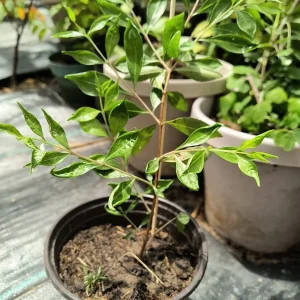
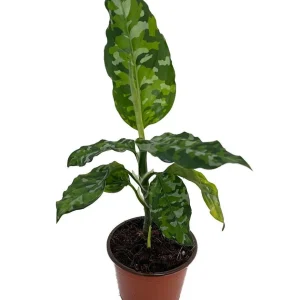
This offering is for a vibrant henna live plant, carefully cultivated to reach a height of approximately 8 to 12 inches from the top of the soil. These young plants are typically shipped in a nursery pot, ready for transplanting into a larger container or directly into your garden if your climate permits. The exact width will vary based on individual plant growth, but generally, they will have a compact, bushy form at this size. Henna plants are known for their relatively fast growth rate under ideal conditions, quickly developing into a substantial shrub or small tree over time. Expect your plant to continue growing and producing new foliage, which is essential for harvesting. The leaves are typically ready for harvest once the plant is well-established and has a good amount of dense foliage, usually within a few months of planting. This henna plant for dye is a fantastic starting point for anyone looking to cultivate their own source of natural color.
Frequently Asked Questions
- Q: How big does this plant get? A: This particular henna live plant is 8-12 inches tall upon arrival. With proper care, it can grow into a shrub reaching 6-10 feet tall outdoors, or remain smaller when grown in a container indoors.
- Q: Is this an indoor or outdoor plant? A: The henna live plant thrives outdoors in USDA Zones 9-11. In cooler climates, it must be grown indoors as a houseplant or brought inside during winter months to protect it from frost.
- Q: How much sunlight does it need? A: For optimal growth and dye production, your henna live plant requires a minimum of 6-8 hours of direct sunlight per day. If growing indoors, a bright, south-facing window is ideal.
- Q: Is this plant easy to care for? A: Yes, with the right conditions, mehndi plant care is relatively straightforward. It primarily needs plenty of sun, consistent moisture, and well-draining soil. It’s a rewarding plant for gardeners of all levels.
- Q: What condition will it arrive in? A: Your henna live plant will arrive carefully packaged, typically in a nursery pot with some soil, ensuring its health and vitality during transit. We take great care to minimize stress during shipping.
- Q: Can I use this henna plant for dye? A: Absolutely! This henna plant for dye is specifically grown for its leaves, which can be harvested, dried, and ground into a powder to create natural henna paste for skin and hair.
- Q: What’s the minimum temperature this plant can tolerate? A: The lawsonia inermis plant is sensitive to cold. It will suffer damage below 40°F (4°C) and will not survive a hard frost. It’s best to keep it above 50°F (10°C).
- Q: When is the best time to harvest henna leaves? A: Leaves can be harvested once the plant is mature and has established good foliage, typically after a few months of growth. Regular pruning for harvesting can also encourage bushier growth.
- Q: Is the henna plant pet-safe? A: While henna is used on skin and hair, it’s generally considered mildly toxic if ingested by pets. It’s best to keep the plant out of reach of curious animals.
- Q: How often should I fertilize my grow henna plant? A: During its active growing season (spring and summer), fertilize your plant every 4-6 weeks with a balanced liquid fertilizer. Reduce or stop fertilizing in fall and winter.
Be the first to review “Henna Live Plant – 8-12 inch Tall – Mehndi Plant – Indoor/Outdoor”
People Also Viewed



HousePlants
Philodendron Strawberry Shake Live Plant – Rare Pink Variegation – Indoor Collector Plant
Sold 95 products
Original price was: $260.00.$130.00Current price is: $130.00.
Trees
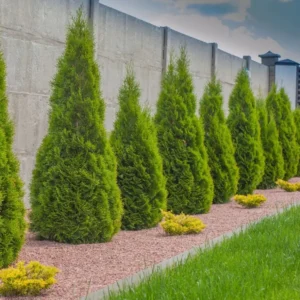
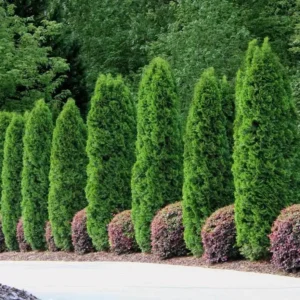
Emerald Green Arborvitae Live Tree – 6-12″ Tall – 4″ Pot – Thuja occidentalis – Outdoor Evergreen
Sold 61 products
Original price was: $21.10.$6.44Current price is: $6.44.







Reviews
There are no reviews yet.