
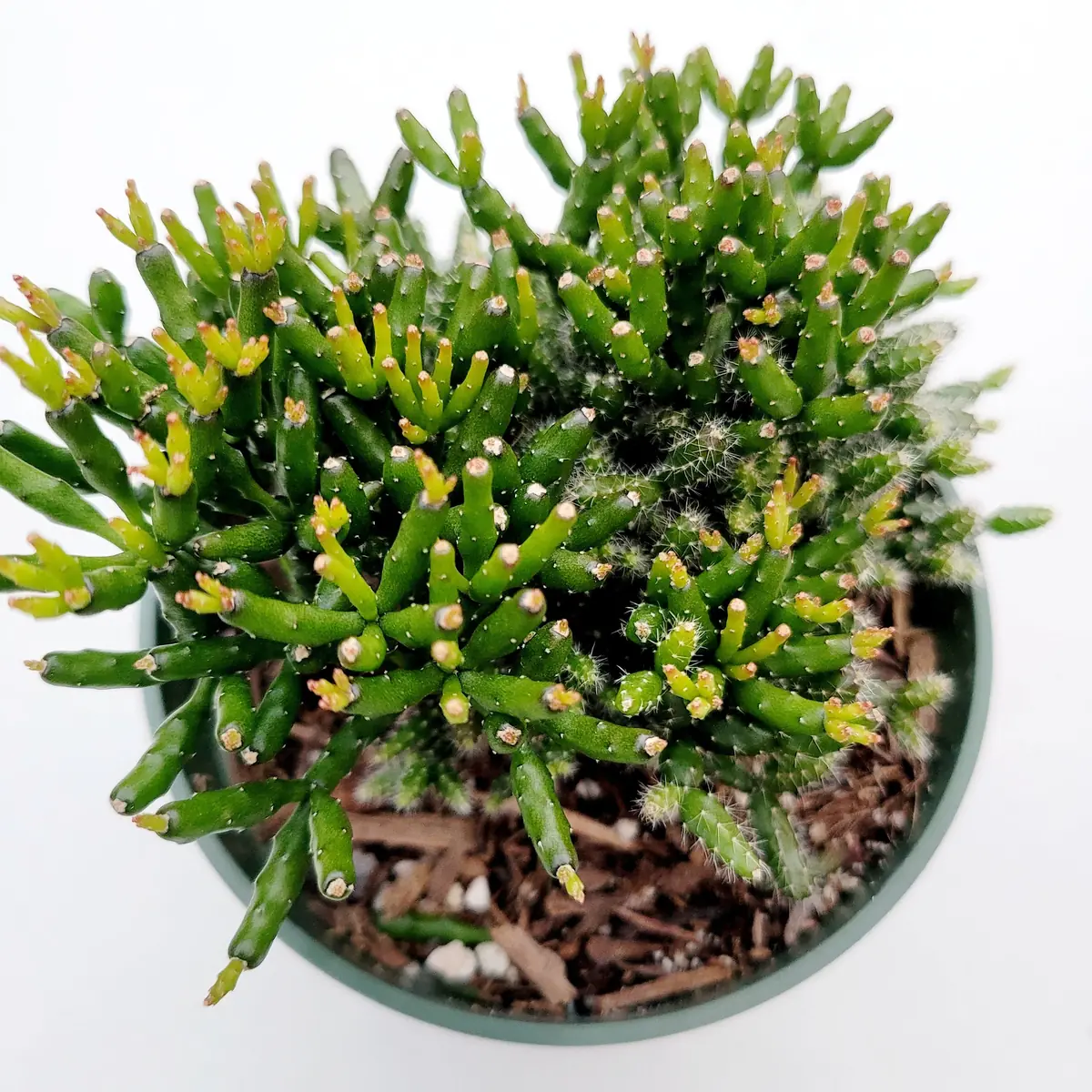
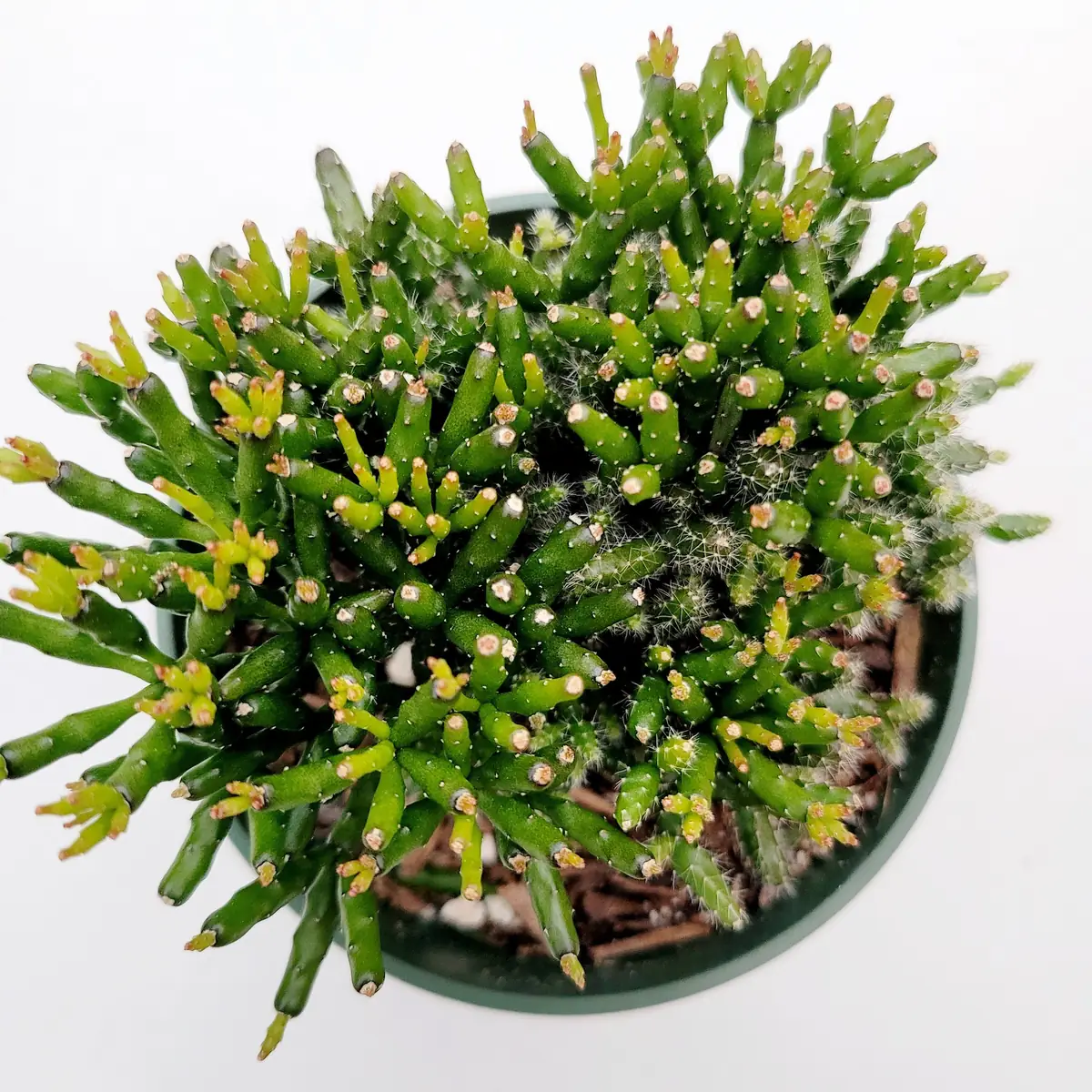
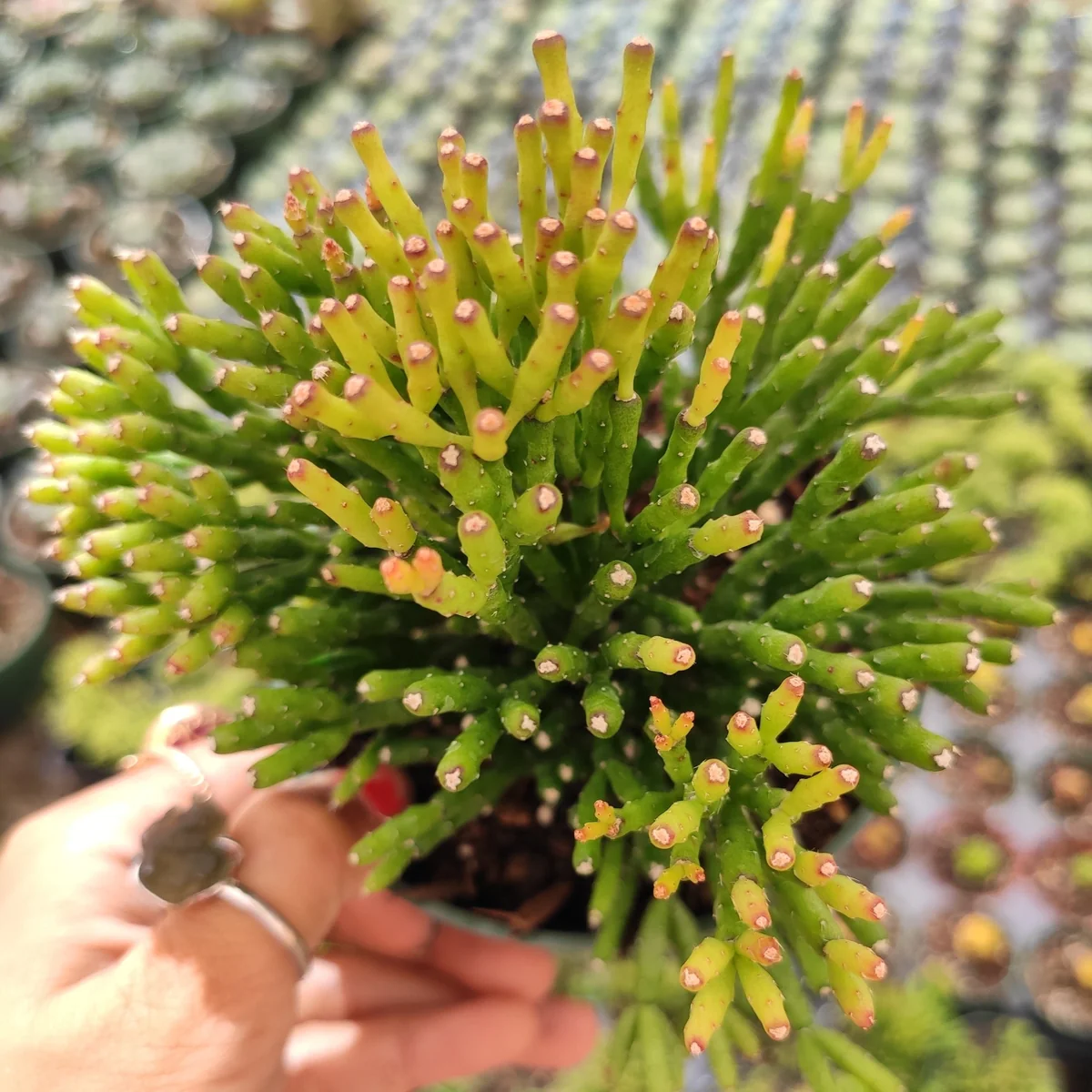
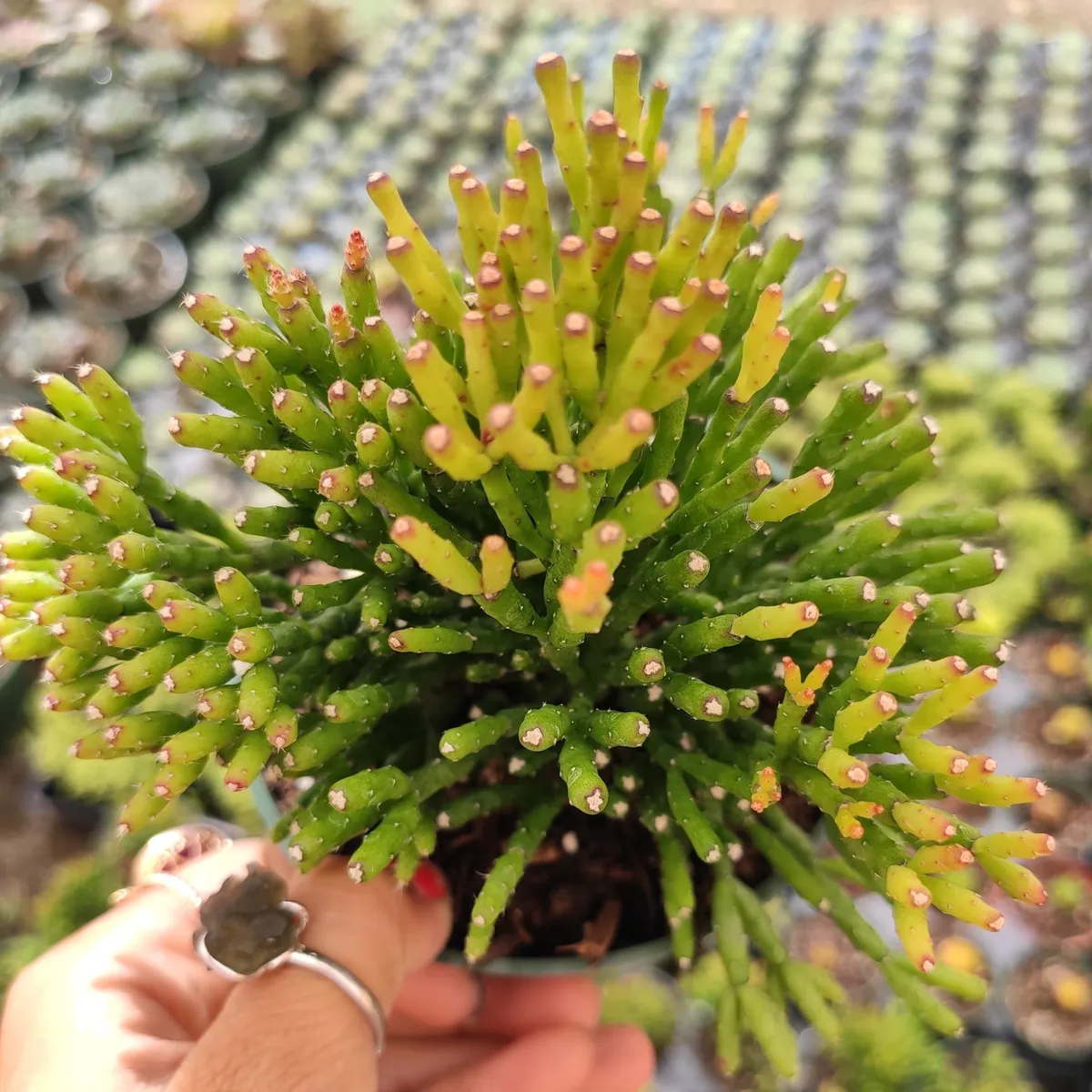
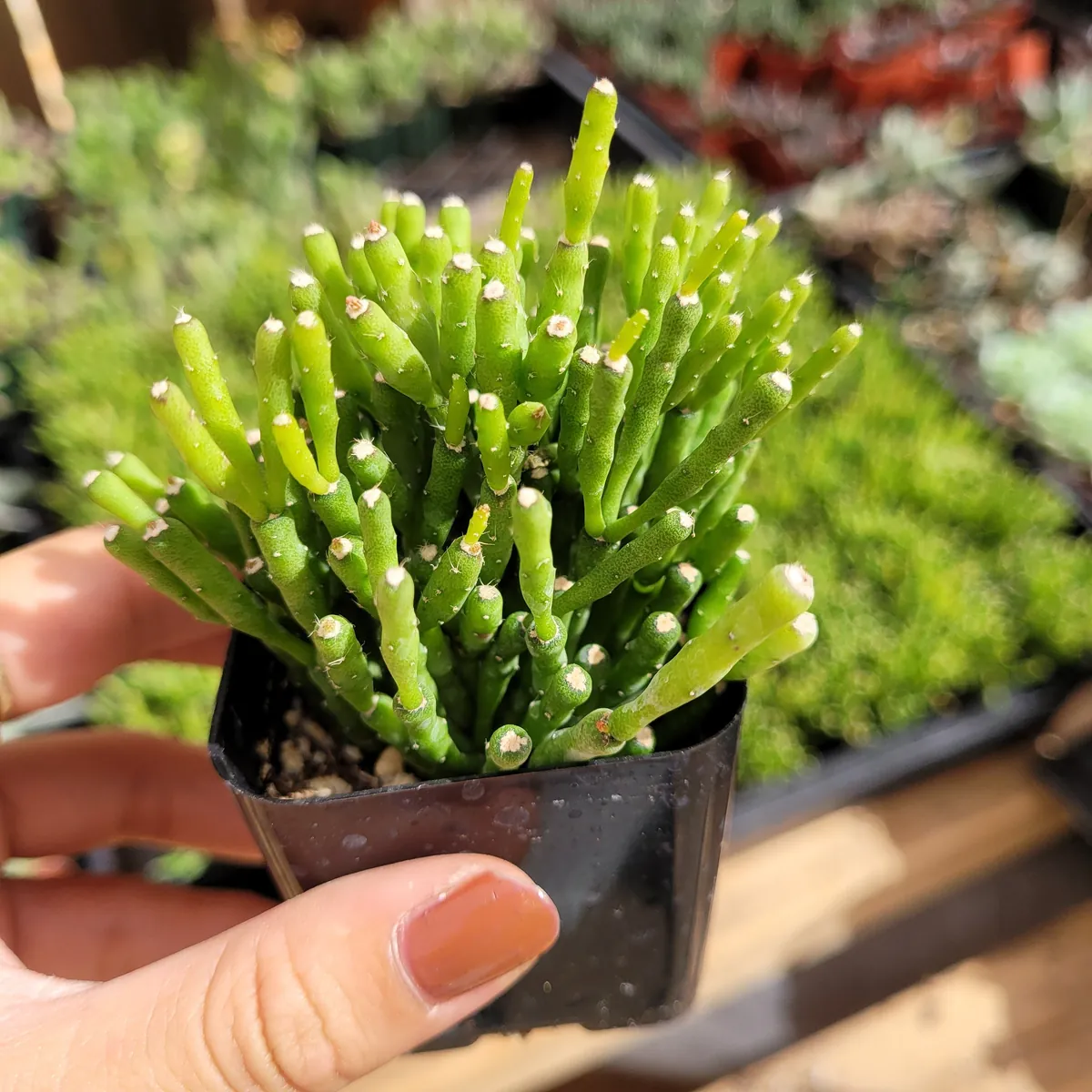
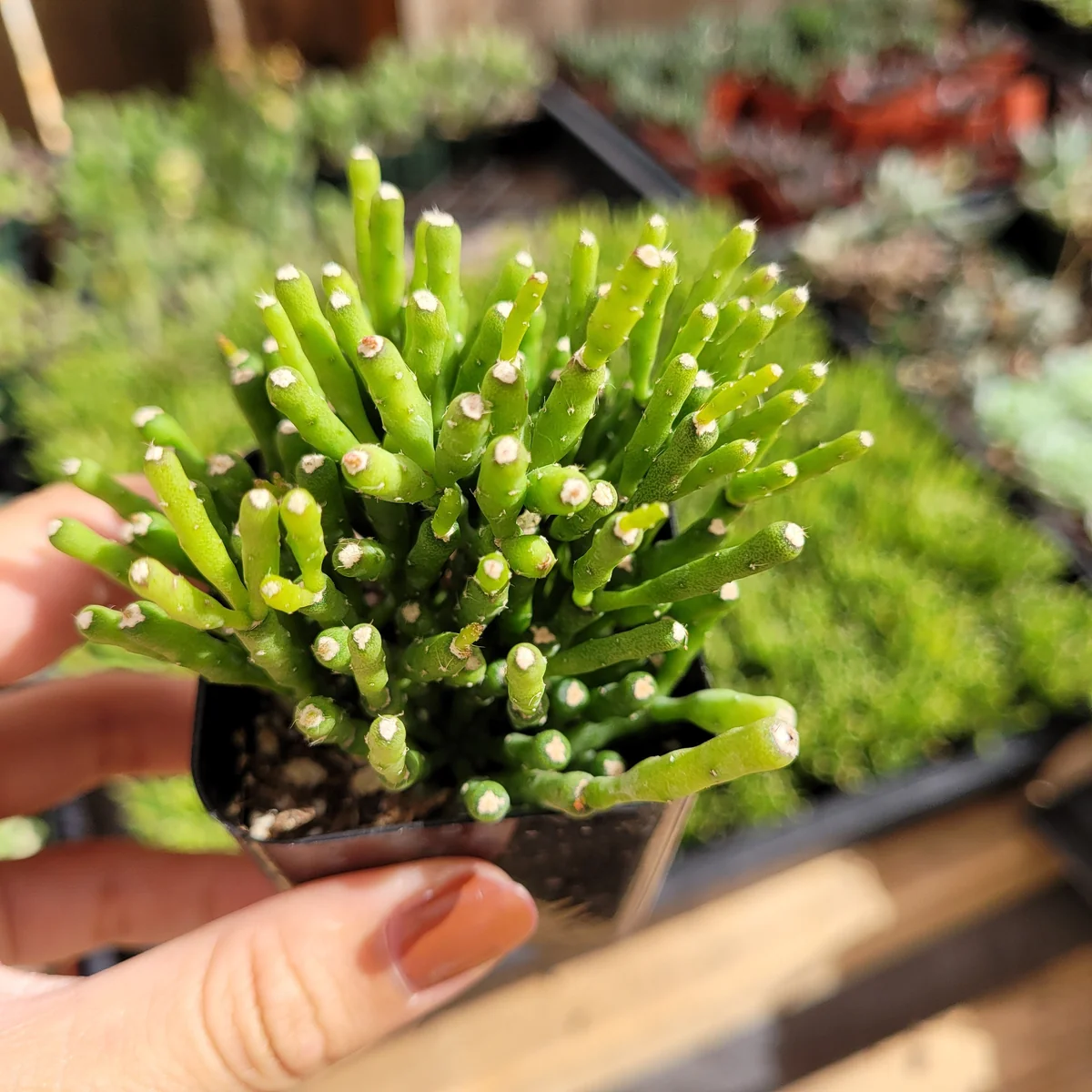
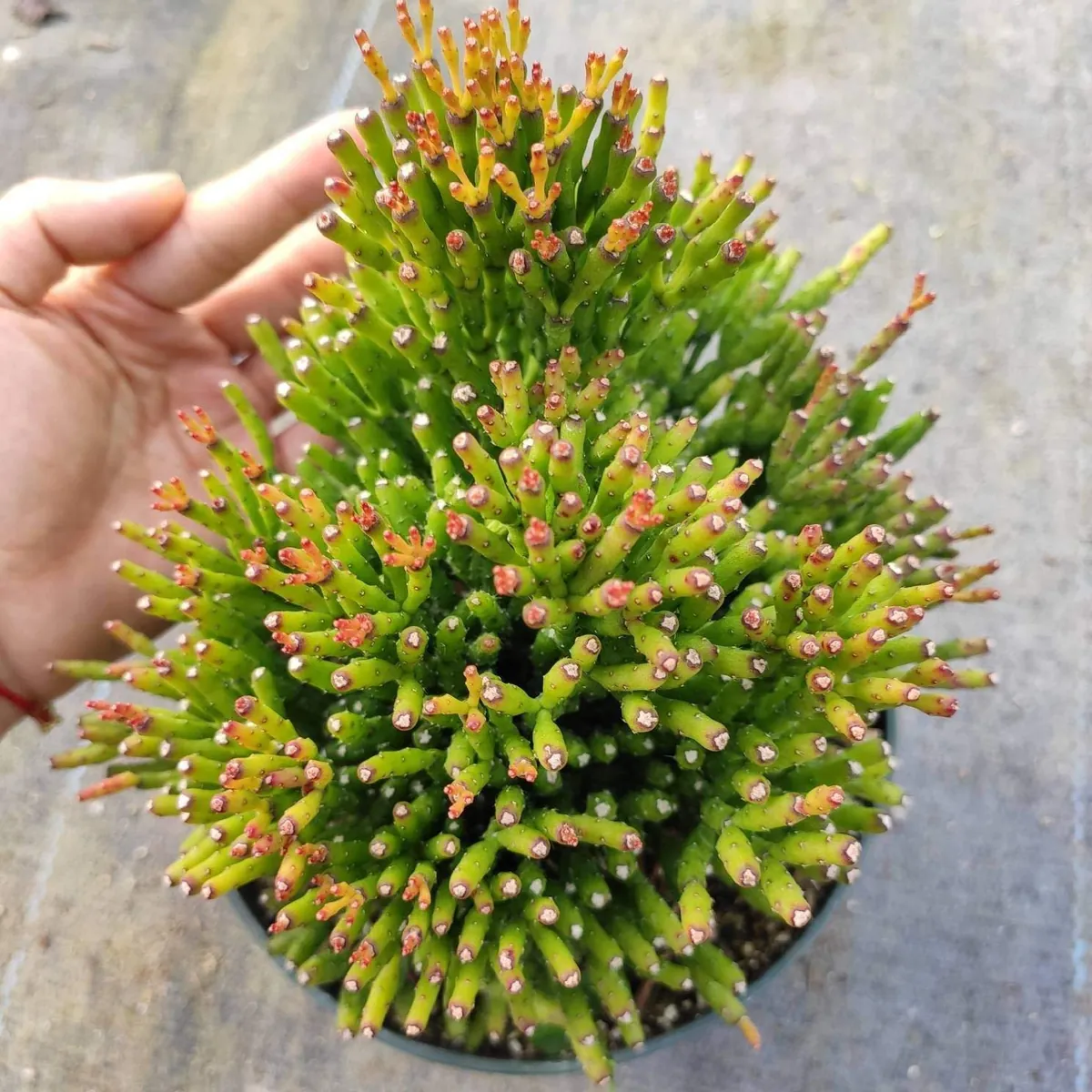
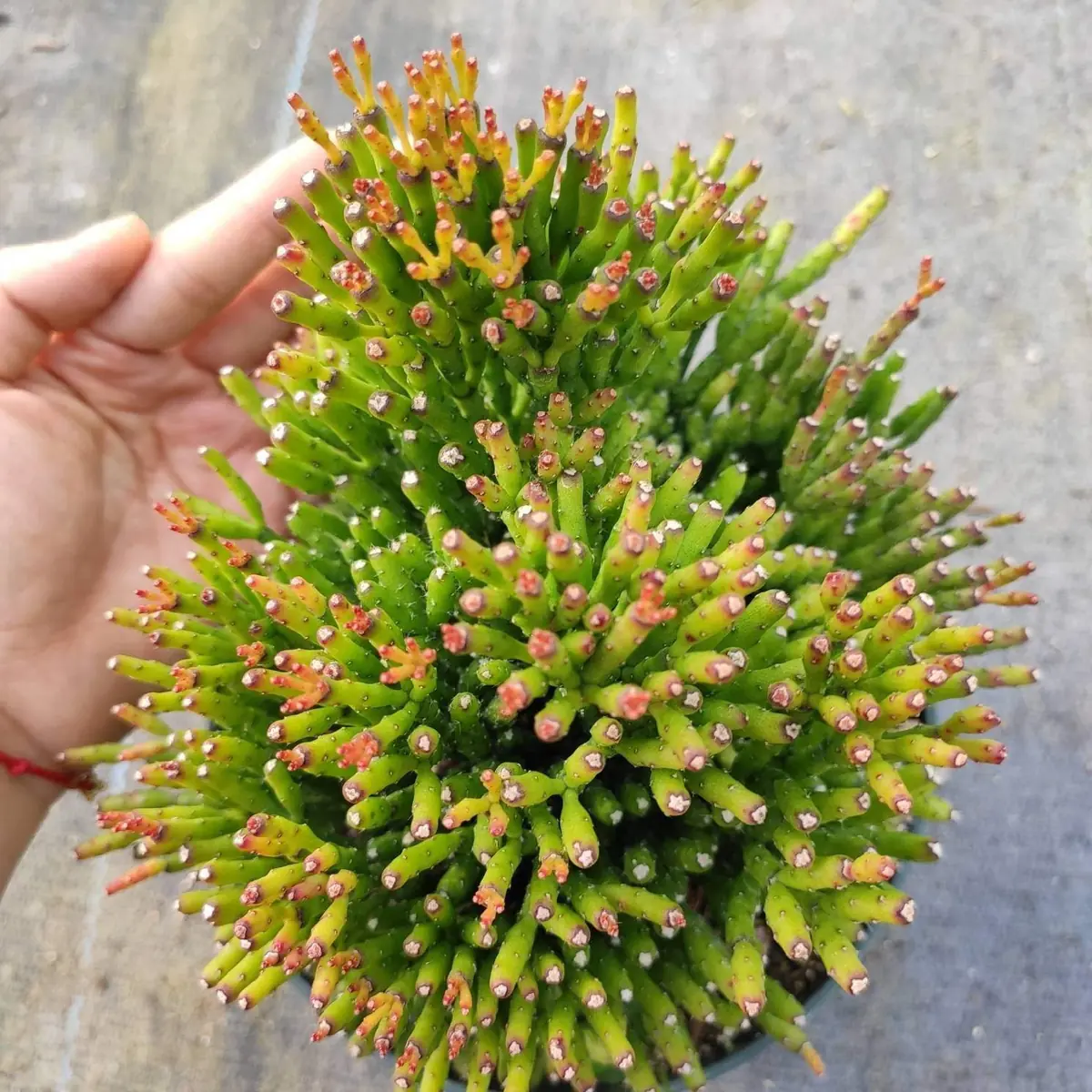
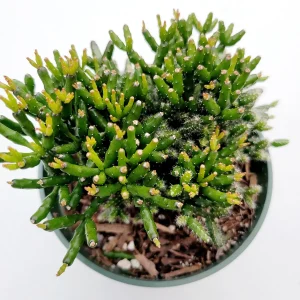
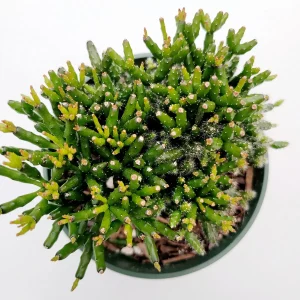
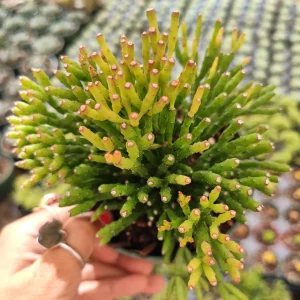
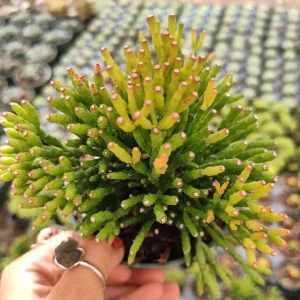
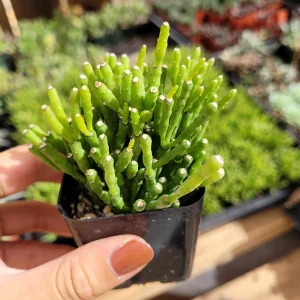
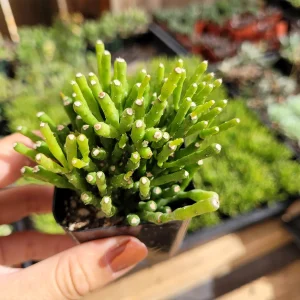
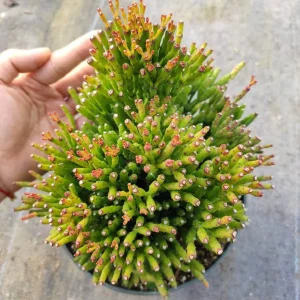
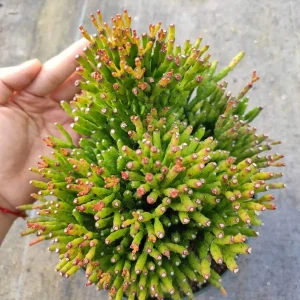
Hatiora Salicornioides ‘Dancing Bones’ Succulent Live Plant – Unique Indoor/Outdoor
From $19.00
Bring home the captivating Hatiora Salicornioides Dancing Bones, a unique succulent live plant known for its intriguing segmented stems. This drought-tolerant and easy-care plant thrives in bright light, making it a perfect addition to any indoor or outdoor succulent collection.
-
USDA Hardiness Zone
USDA zones 9-11 (outdoors), suitable for all zones indoors -
Soil Type
Well-draining cactus or succulent potting mix -
Sunlight Exposure
Bright, indirect light -
Expected Planting Period
Year-round indoors, spring to early summer outdoors

You can track your order HERE
Mar 01
Mar 06 - Mar 08
Mar 11 - Mar 15
Shipping and return policies: Our Alive & Thrive Guarantee covers issues with your plants within the first 30 days. Reach out to us. Our team will answer your questions and help you find the plants that are truly suitable for your environment, climate, and personal preferences.

Overview
The Hatiora Salicornioides Dancing Bones is a truly fascinating and distinctive succulent live plant that adds unique texture and form to any plant collection. Also commonly known as ‘Dancing Bones’ or ‘Drunkard’s Bones’, this species of Hatiora features slender, segmented stems that resemble tiny green bottles or bones, creating an eye-catching, architectural display. Native to Brazil, this epiphytic cactus is a resilient and relatively low-maintenance plant, making it an excellent choice for both beginner and experienced plant enthusiasts. Its unusual appearance and ease of care contribute to its growing popularity among succulent lovers. This particular variety, Hatiora Salicornioides Dancing Bones, is celebrated for its intricate branching and ability to adapt to various indoor environments, provided its basic needs are met.
Unlike many desert succulents, Hatiora salicornioides is an epiphytic cactus, meaning it naturally grows on other plants in humid, tropical environments rather than in arid soils. This gives it slightly different care requirements compared to typical desert succulents, preferring a bit more humidity and indirect light. When mature, it can produce small, delicate yellow-orange flowers at the tips of its segments, adding another layer of charm to its already captivating form. The unique structure of the Hatiora Salicornioides Dancing Bones makes it a fantastic focal point in terrariums, hanging baskets, or as a standalone potted specimen. Its ability to reproduce easily also makes it a rewarding plant to propagate and share.
Key Benefits
The Hatiora Salicornioides Dancing Bones offers numerous advantages for plant enthusiasts, combining aesthetic appeal with practical benefits:
- Unique Ornamental Appeal: The distinctive, segmented stems of the Hatiora Salicornioides Dancing Bones create an architectural and sculptural look, making it a captivating focal point in any room or garden space. Its unusual form sets it apart from traditional succulents.
- Drought-Tolerant Nature: As a succulent, this plant is inherently drought-tolerant, requiring infrequent watering. This makes it an ideal choice for busy individuals or those who prefer low-maintenance gardening.
- Easy Care Succulents: This plant is remarkably easy to care for, thriving with minimal intervention. It’s forgiving of occasional neglect, making it suitable for beginners learning about plant care.
- Adaptable to Various Light Conditions: While it prefers bright, indirect light, the ‘Dancing Bones’ succulent can adapt to a range of lighting conditions, from partial shade to brighter spots, as long as it’s protected from intense, direct sun.
- Air Purifying Qualities: Like many houseplants, the Hatiora Salicornioides contributes to a healthier indoor environment by helping to filter airborne toxins and improve air quality.
- Compact Growth Habit: Its relatively compact size and trailing nature make it perfect for smaller spaces, shelves, desks, or as a hanging plant, adding greenery without taking up too much room.
- Propagates Easily: The Hatiora Salicornioides plant can be easily propagated from stem cuttings, allowing you to expand your collection or share with friends and family.
Plant Care & Growing Tips
Caring for your Hatiora Salicornioides Dancing Bones is straightforward, especially if you understand its unique epiphytic nature. Provide ample bright, indirect light; a south-facing window with a sheer curtain or an east-facing window is often ideal indoors. While it can tolerate some direct morning sun, harsh afternoon sun can scorch its delicate stems. If growing outdoors, choose a location with filtered light or morning sun and afternoon shade. Maintaining the right light exposure is crucial for the health and vibrant appearance of your Dancing Bones succulent care routine.
When it comes to watering, treat this Hatiora more like a typical houseplant than a desert succulent. Allow the top inch or two of soil to dry out completely between waterings, but avoid prolonged periods of dryness, especially during its active growing season. Overwatering is a common killer for succulents, so ensure excellent drainage. A porous, well-draining potting mix is essential. You can create an adequate cactus mix by adding pumice, perlite, or grit to standard potting soil. Ensure the pot has drainage holes to prevent waterlogging, which can lead to root rot. During winter dormancy, reduce watering frequency significantly. The ideal temperature range for this plant is between 60-75°F (15-24°C), and it appreciates higher humidity than many other succulents, benefiting from occasional misting or being placed near a humidifier, particularly in dry indoor environments. Fertilize sparingly during the growing season (spring and summer) with a balanced liquid fertilizer diluted to half strength. This simple care regimen will ensure your Hatiora Salicornioides plant thrives.
Size & Details
The Hatiora Salicornioides Dancing Bones typically grows as a compact, bushy plant, often reaching a height and spread of 12-24 inches at maturity, though it can trail longer in hanging baskets. Its growth rate is moderate, gradually expanding its intricate network of segmented stems. This live plant usually ships bare root or in a small nursery pot, ready for you to transfer into your preferred well-draining container. The segments themselves are small, often less than an inch long, giving the plant its delicate and bone-like appearance. With proper easy care succulents techniques, you can expect this plant to establish quickly and begin producing its charming, small flowers in late winter to early spring, given adequate light and a cool, dry rest period in the fall.
Frequently Asked Questions
- Q: How big will my Hatiora Salicornioides ‘Dancing Bones’ get? A: The Hatiora Salicornioides Dancing Bones typically grows to about 12-24 inches in height and spread, often trailing. Its size can be managed with pruning to maintain a desired shape and density.
- Q: Is this an indoor or outdoor plant? A: This plant can thrive both indoors and outdoors. Indoors, it needs bright, indirect light. Outdoors, it prefers filtered light or morning sun with afternoon shade. It is not frost-tolerant.
- Q: How much sunlight does the ‘Dancing Bones’ succulent need? A: Dancing Bones succulent care requires bright, indirect sunlight for at least 4-6 hours a day. Avoid harsh, direct afternoon sun, which can scorch its stems.
- Q: Is this plant easy to care for? A: Yes, the Hatiora Salicornioides plant is considered one of the easy care succulents. It’s drought-tolerant and forgiving, making it suitable for beginners.
- Q: What condition will it arrive in? A: Your plant will arrive either bare root or in a small nursery pot, carefully packaged to ensure its health during transit. It will be ready for you to plant in your chosen container.
- Q: When is the best time to plant this succulent? A: The best time to plant or repot this succulent is during its active growing season in spring or early summer. However, as an indoor plant, it can be planted year-round.
- Q: What type of soil is best for drought tolerant plants like this? A: A well-draining cactus or succulent potting mix is ideal. You can amend regular potting soil with perlite, pumice, or coarse sand to improve drainage for your drought tolerant plants.
- Q: Does the Hatiora Salicornioides ‘Dancing Bones’ flower? A: Yes, the ‘Dancing Bones’ succulent can produce small, delicate yellow-orange flowers at the tips of its segments, usually in late winter to early spring, especially after a cool, dry rest period.
- Q: Is this plant pet-safe? A: While generally considered non-toxic, it’s always best to keep plants out of reach of pets to prevent any potential stomach upset from ingestion.
- Q: How often should I water my Hatiora Salicornioides? A: Water when the top 1-2 inches of soil feel dry to the touch. During its dormant winter period, reduce watering significantly. It prefers consistent moisture during the growing season but never soggy soil.
| Size | 2 Inch, 4 Inch, 6 Inch |
|---|
Be the first to review “Hatiora Salicornioides ‘Dancing Bones’ Succulent Live Plant – Unique Indoor/Outdoor”
People Also Viewed
Sold 84 products
Original price was: $37.98.$18.99Current price is: $18.99.
Sold 92 products
Original price was: $38.00.$19.00Current price is: $19.00.
Sold 92 products
Original price was: $39.98.$19.99Current price is: $19.99.
Sold 61 products
From $91.80
Sold 51 products
Original price was: $60.88.$30.44Current price is: $30.44.
Sold 63 products
Original price was: $38.00.$19.00Current price is: $19.00.
Sold 86 products
Original price was: $38.00.$19.00Current price is: $19.00.
Sold 95 products
From $19.00
Sold 57 products
From $12.58
Sold 82 products
Original price was: $179.98.$143.98Current price is: $143.98.
Sold 88 products
$48.38
Sold 69 products
Original price was: $49.98.$24.99Current price is: $24.99.
Sold 74 products
Original price was: $41.56.$20.78Current price is: $20.78.
Sold 82 products
Original price was: $38.00.$19.00Current price is: $19.00.
Sold 73 products
From $28.60
Sold 84 products
Original price was: $65.58.$32.79Current price is: $32.79.
Sold 86 products
Original price was: $43.98.$21.99Current price is: $21.99.
Sold 89 products
From $19.00



Reviews
There are no reviews yet.