
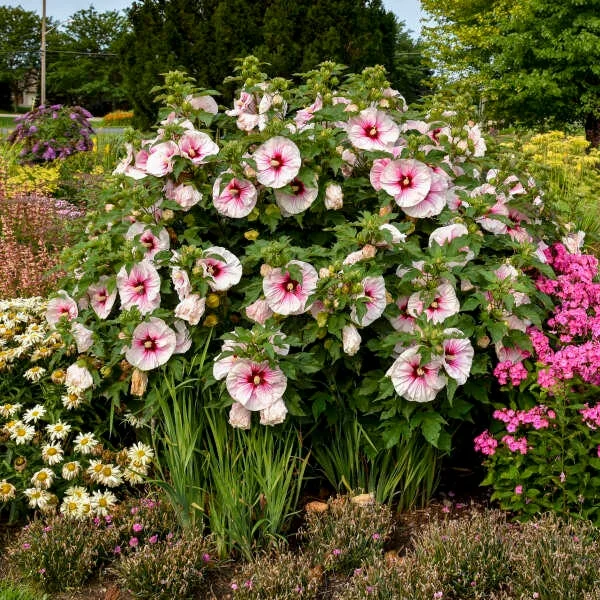
Hardy Hibiscus ‘Angel Eyes’ Live Plant – White with Red Eye – Starter Plant, 2.5 x 3.5 in Pot, Outdoor Perennial
Original price was: $33.90.$18.90Current price is: $18.90.
Transform your garden with the beautiful hardy hibiscus angel eyes live plant. This robust perennial offers stunning white blooms with a raspberry red eye from summer to fall. Ideal for outdoor landscapes, thriving in USDA Zones 4-9. Enjoy easy perennial hibiscus care and attract pollinators with this vibrant addition.
-
USDA Hardiness Zone
USDA Zones 4-9 -
Soil Type
Well-draining, fertile, rich in organic matter (pH 6.0-7.0) -
Sunlight Exposure
Full sun to partial shade -
Expected Planting Period
Spring after last frost

You can track your order HERE
Sep 20
Sep 25 - Sep 27
Sep 30 - Oct 04
Shipping and return policies: Our Alive & Thrive Guarantee covers issues with your plants within the first 30 days. Reach out to us. Our team will answer your questions and help you find the plants that are truly suitable for your environment, climate, and personal preferences.

Overview
Experience the breathtaking beauty of the hardy hibiscus angel eyes live plant, a magnificent perennial that promises to transform your garden. This exceptional hibiscus variety, known for its resilience and stunning floral display, is a must-have for gardeners seeking vibrant, long-lasting blooms. Each flower showcases brilliant white petals beautifully contrasted by a prominent raspberry red eye that radiates outwards, creating a captivating visual effect. With its broad green foliage on sturdy red stems, this plant develops a well-rounded and attractive habit, making it a focal point in any setting. This starter plant is well-rooted and ready to thrive in your garden, offering a spectacular show of color from summer through fall. Whether you’re an experienced gardener or just starting, this hardy perennial is an excellent choice for adding drama and elegance. The ‘Angel Eyes’ cultivar is renowned for its vigorous growth and ability to withstand colder climates, making it a true ‘hardy’ hibiscus. Its striking appearance and robust nature ensure it will be a cherished addition to your outdoor space for years to come. Prepare to be enchanted by the continuous flush of large, impressive blooms that define this outstanding variety, making it a truly remarkable hardy hibiscus angel eyes live plant.
Key Benefits
The hardy hibiscus angel eyes live plant offers numerous advantages, making it a popular choice for both novice and experienced gardeners. Its vibrant blooms and easy care requirements contribute to its widespread appeal, ensuring a rewarding gardening experience and making perennial hibiscus care simple and enjoyable.
- Stunning Floral Display: Enjoy a prolonged blooming season with bright white hibiscus with red eye flowers featuring a captivating raspberry red center. These large, showy blooms are a true spectacle from summer into fall, providing continuous color when many other plants are fading.
- Exceptional Hardiness: As a perennial, this hardy hibiscus angel eyes live plant is remarkably cold-tolerant, thriving in USDA Zones 4-9. This means it can withstand significant temperature drops and return year after year, offering reliable beauty and making it a perfect zone 4-9 hibiscus.
- Attractive Foliage and Form: Beyond its flowers, the ‘Angel Eyes’ boasts broad green foliage on distinctive red stems, contributing to a lush and aesthetically pleasing garden presence even when not in bloom. Its upright, bushy habit creates a strong structural element.
- Attracts Pollinators: The large, vibrant flowers are a magnet for hummingbirds, butterflies, and other beneficial pollinators, bringing life and activity to your garden ecosystem.
- Versatile Landscape Use: Perfect for use as a specimen plant, in mixed borders, or as a vibrant hedge. Its impressive size and continuous bloom make it suitable for various garden designs, adding a tropical flair to temperate climates.
- Low Maintenance: Once established, this plant requires minimal care, making it an excellent choice for busy gardeners. Its robust nature helps it resist common pests and diseases, simplifying perennial hibiscus care.
- Robust Growth: This variety is known for its strong, healthy growth, quickly establishing itself to provide a significant impact in your landscape. It typically reaches heights of up to 5 feet, creating a substantial visual presence.
Plant Care & Growing Tips
Caring for your hardy hibiscus angel eyes live plant is relatively straightforward, ensuring a magnificent display of blooms with proper attention. This resilient perennial thrives in conditions that mimic its natural habitat, making it a joy to grow. For optimal growth and flowering, plant your hibiscus in a location that receives full sun to partial shade. Full sun (at least 6 hours of direct sunlight daily) will encourage the most abundant blooms, while partial shade (4-6 hours of sun, especially morning sun with afternoon shade) can be beneficial in hotter climates to prevent leaf scorch. Ensure the soil remains consistently moist, especially during its active growing and blooming periods. While it appreciates moisture, good drainage is crucial to prevent root rot. Following these hibiscus angel eyes growing tips is key to a flourishing plant.
The ideal soil for this hardy hibiscus is well-draining, fertile, and rich in organic matter. A slightly acidic to neutral pH (6.0-7.0) is preferred. Amend heavy clay soils with compost or peat moss to improve drainage and aeration. During the growing season, a balanced slow-release fertilizer can be applied to support vigorous growth and prolific flowering. Pruning, an important aspect of perennial hibiscus care, should be done in late winter or early spring before new growth begins, removing any dead, damaged, or weak stems, and shaping the plant to maintain its desired size and form. This encourages new growth and more flowers. Protect young plants in colder parts of its zone 4-9 hibiscus range with a layer of mulch around the base to insulate the roots during winter. Generally, this plant is quite resistant to pests and diseases, but keep an eye out for common garden issues and address them promptly.
Size & Details
This offering is for a healthy, well-rooted hardy hibiscus angel eyes live plant starter plant, provided in a 2 1/2 x 3 1/2 inch pot. This size ensures the plant has a strong root system and is ready for transplanting into your garden or a larger container. When mature, this impressive perennial typically grows to a height of up to 5 feet, developing a broad, rounded habit that makes a significant statement in the landscape. Its growth rate is considered moderate to fast, meaning you can expect to see substantial development within the first few seasons after planting. The large, dinner-plate-sized flowers are a hallmark of this variety, appearing in abundance from mid-summer through early fall. The plant’s robust structure, with broad green leaves and distinctive red stems, contributes to its overall appeal throughout the growing season. Expect the plant to establish quickly and begin showcasing its beautiful white hibiscus with red eye flowers within its first year, given proper care and conditions. These hibiscus angel eyes growing tips will help ensure a thriving plant.
Frequently Asked Questions
- Q: How big will my Hardy Hibiscus Angel Eyes plant get? A: This particular variety of hibiscus typically grows to a mature height of about 5 feet tall with a similar spread, creating a substantial and attractive bush in your garden.
- Q: Is this an indoor or outdoor plant? A: The Hardy Hibiscus Angel Eyes is primarily an outdoor perennial plant, well-suited for garden beds, borders, or large outdoor containers within USDA Zones 4-9.
- Q: How much sunlight does the Hibiscus Angel Eyes live plant need? A: For best results and the most abundant blooms, this hibiscus prefers full sun, meaning at least 6 hours of direct sunlight per day. It can tolerate partial shade, especially in very hot climates. These are essential hibiscus angel eyes growing tips for optimal health.
- Q: Is this plant easy to care for? A: Yes, this hardy hibiscus is considered relatively easy to care for. Once established, it requires consistent moisture and occasional feeding, making it a good choice for gardeners of various skill levels. This makes for straightforward perennial hibiscus care.
- Q: What condition will the plant arrive in? A: Your Hardy Hibiscus Angel Eyes starter plant will arrive well-rooted in a 2 1/2 x 3 1/2 inch pot, carefully packaged to ensure its health and vitality during transit.
- Q: When is the best time to plant this hibiscus? A: The best time to plant your hardy hibiscus is in spring after the last frost, allowing it ample time to establish its root system before the summer heat or winter cold.
- Q: What kind of soil does this hibiscus prefer? A: This hibiscus thrives in well-draining, fertile soil rich in organic matter. It prefers a slightly acidic to neutral pH.
- Q: Will this white hibiscus with red eye survive winter in my zone? A: Yes, as a hardy hibiscus, it is well-adapted to survive winters in USDA Zones 4-9. In colder zones, applying a layer of mulch can provide extra root protection, especially for a zone 4-9 hibiscus.
- Q: How often should I water my perennial hibiscus care? A: Keep the soil consistently moist, especially during dry spells and the blooming season. Avoid letting the soil dry out completely between waterings, but also ensure it’s not waterlogged.
- Q: How long until it blooms? A: Given proper care and conditions, your starter plant should begin to produce its beautiful white flowers with raspberry red eyes in its first or second growing season after planting.
Be the first to review “Hardy Hibiscus ‘Angel Eyes’ Live Plant – White with Red Eye – Starter Plant, 2.5 x 3.5 in Pot, Outdoor Perennial”
People Also Viewed
Sold 57 products
Original price was: $355.96.$177.98Current price is: $177.98.
Sold 88 products
$21.98

Sold 84 products
Original price was: $45.98.$32.18Current price is: $32.18.
Flower Seeds
Sold 97 products
Original price was: $31.99.$11.99Current price is: $11.99.
Sold 93 products
From $63.80
Sold 65 products
Original price was: $89.98.$44.99Current price is: $44.99.

Sold 83 products
Original price was: $147.16.$73.58Current price is: $73.58.
Sold 90 products
Original price was: $34.00.$27.20Current price is: $27.20.
Sold 68 products
Original price was: $289.96.$144.98Current price is: $144.98.
Sold 50 products
Original price was: $391.96.$195.98Current price is: $195.98.
Sold 57 products
Original price was: $607.96.$303.98Current price is: $303.98.
Sold 74 products
Original price was: $29.98.$16.99Current price is: $16.99.
Sold 63 products
Original price was: $41.58.$20.79Current price is: $20.79.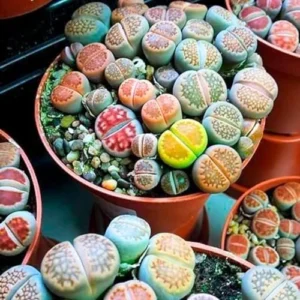
HousePlants
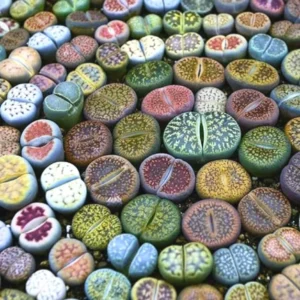
Lithops Live Plants Mix – 30 Colorful Succulents – Living Stones for Indoor/Outdoor Planting
Sold 78 products
Original price was: $65.98.$32.99Current price is: $32.99.
Sold 60 products
Original price was: $339.80.$169.90Current price is: $169.90.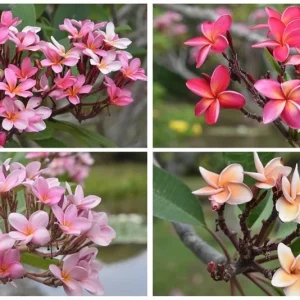
Flower Plants
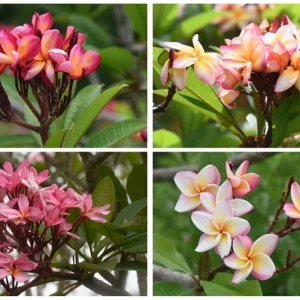
Plumeria Cuttings Variety Pack – 2 Unrooted Cuttings 12-16″ – Fragrant Tropical Flowers
Sold 90 products
Original price was: $49.97.$25.98Current price is: $25.98.
Sold 74 products
Original price was: $111.98.$69.99Current price is: $69.99.
Sold 88 products
Original price was: $39.58.$27.70Current price is: $27.70.




%20Live%20Plant%20–%201%20Foot%20Tall,%201%20Gallon%20Pot&url=https://gardennursery.net/product/bears-breeches-acanthus-mollis-live-plant-1-foot-tall-1-gallon-pot/&media=https://img.gardennursery.net/2026/01/bears-breeches-acanthus-mollis-live-plant-1-foot-t-94be904a.webp)


Reviews
There are no reviews yet.