
Hamabo Rose of Sharon Live Plant – White Pink Hibiscus Syriacus, 5-7 Inch Starter
Original price was: $32.70.$17.70Current price is: $17.70.
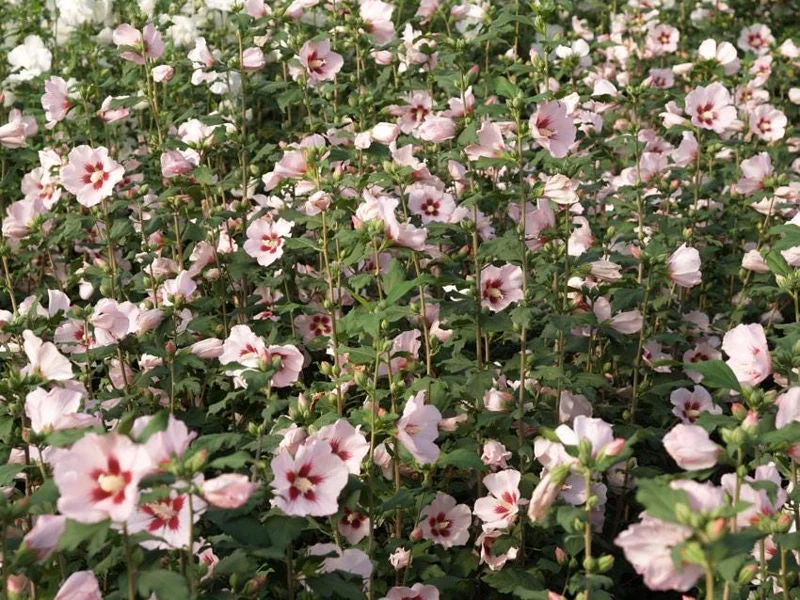
Bring classic beauty to your garden with this Hamabo Rose of Sharon live plant. This 5-7 inch starter plant offers stunning white and pink hibiscus flowers with a bold red eye. It’s a low-maintenance, winter hardy hibiscus tree, perfect for adding continuous summer color and attracting pollinators. Ideal for mixed borders or as a specimen plant, this deciduous flowering shrub is a resilient and adaptable addition to any landscape.
-
USDA Hardiness Zone
5-9 -
Soil Type
Well-drained, rich in organic matter -
Sunlight Exposure
Full sun (6-8 hours direct sunlight) -
Expected Planting Period
Spring to early summer

You can track your order HERE
Sep 20
Sep 25 - Sep 27
Sep 30 - Oct 04
Shipping and return policies: Our Alive & Thrive Guarantee covers issues with your plants within the first 30 days. Reach out to us. Our team will answer your questions and help you find the plants that are truly suitable for your environment, climate, and personal preferences.

Overview
Introduce a touch of classic beauty to your garden with the Hamabo Rose of Sharon live plant. This captivating variety, also known as Rose of Sharon, is a robust and winter-hardy deciduous shrub that promises a spectacular floral display each summer. The ‘Hamabo’ cultivar is cherished for its distinctive large, single flowers that feature delicate white to pale pink petals, each adorned with a prominent deep red or burgundy eye in the center, creating a stunning contrast. Arriving as a 5-7 inch starter plant, it is ready to establish itself in your outdoor space, offering the promise of mature beauty and vibrant blooms. This particular Hibiscus Syriacus Hamabo is an excellent choice for gardeners looking for a low-maintenance yet highly ornamental specimen that provides continuous color during the warmer months.
The Hamabo Rose of Sharon live plant is a resilient and adaptable shrub, perfect for various garden settings, from mixed borders to standalone specimen plantings. Its upright growth habit and dense foliage provide structure and lush greenery throughout the growing season, culminating in a profusion of eye-catching blooms. As a winter hardy hibiscus tree, it can withstand colder temperatures, making it a reliable addition to gardens in many regions. The ‘Hamabo’ variety is celebrated for its vigorous growth and ability to thrive with minimal intervention once established, making it a rewarding plant for both novice and experienced gardeners alike.
Key Benefits
The Hamabo Rose of Sharon live plant offers numerous advantages, making it a popular choice for enhancing outdoor spaces. Its stunning flowers and ease of care contribute to its widespread appeal, ensuring a beautiful and thriving garden feature, making it an excellent deciduous flowering shrub.
- Spectacular Summer Blooms: Enjoy a continuous display of large, elegant white pink hibiscus flowers with a striking red center from summer into fall. These vibrant blooms provide long-lasting color when many other plants have finished flowering, making it a garden highlight.
- Winter Hardy: This Hamabo Rose of Sharon live plant is remarkably winter hardy, thriving in USDA Zones 5 and above. It reliably returns each spring, providing a consistent and beautiful presence in your landscape year after year, even after cold winters.
- Low Maintenance: Once established, the Hibiscus Syriacus Hamabo requires minimal care. It is drought-tolerant and generally resistant to pests and diseases, making it an ideal choice for busy gardeners seeking beauty without constant effort.
- Attractive to Pollinators: The large, open flowers are a magnet for essential garden visitors such as bees and butterflies, contributing to the biodiversity and health of your ecosystem. It’s a wonderful way to support local wildlife.
- Versatile Landscaping Use: Its upright, vase-shaped growth habit makes it suitable for various landscape applications. Use it as a specimen plant, in mixed shrub borders, as an informal hedge, or even in large containers to add vertical interest and color.
- Excellent Cut Flowers: The beautiful blooms of the white pink hibiscus flowers can be cut and brought indoors to create stunning floral arrangements, adding a touch of natural elegance to your home decor.
- Deciduous Flowering Shrub: As a deciduous flowering shrub, it offers seasonal interest. Its lush green foliage provides a backdrop for its abundant blooms in summer, and its bare branches add architectural interest in winter.
Plant Care & Growing Tips
Caring for your Hamabo Rose of Sharon live plant is straightforward, ensuring it flourishes and provides abundant blooms. This robust shrub is forgiving, but providing optimal conditions will maximize its growth and flowering potential. The ideal growing conditions for a winter hardy hibiscus tree involve careful consideration of its environmental needs to ensure its long-term health and vibrant display. Proper care will allow your Hibiscus Syriacus Hamabo to become a magnificent focal point in your garden.
Plant your ‘Hamabo’ in a location that receives full sun, meaning at least 6-8 hours of direct sunlight per day. While it can tolerate partial shade, full sun promotes the most vigorous growth and the best floral production for these white pink hibiscus flowers. The soil should be well-drained, rich in organic matter, and have a neutral to slightly acidic pH. Amend heavy clay soils with compost or other organic materials to improve drainage. During its first year, water regularly to help the plant establish a strong root system. Once established, it is relatively drought-tolerant but will benefit from consistent moisture during dry spells, especially when flowering. Avoid overwatering, as this can lead to root rot.
The deciduous flowering shrub is hardy in USDA Zones 5-9. It can reach heights of 8 feet or more with a spread of 4-6 feet. Prune in late winter or early spring before new growth begins. Remove any dead, damaged, or crossing branches. You can also prune to shape the plant and control its size. Fertilize in early spring with a balanced, slow-release fertilizer designed for flowering shrubs. Common problems include aphids and Japanese beetles, which can be managed with insecticidal soap or appropriate organic pest control methods. Providing these conditions will ensure your Hamabo Rose of Sharon live plant remains healthy and vibrant.
Size & Details
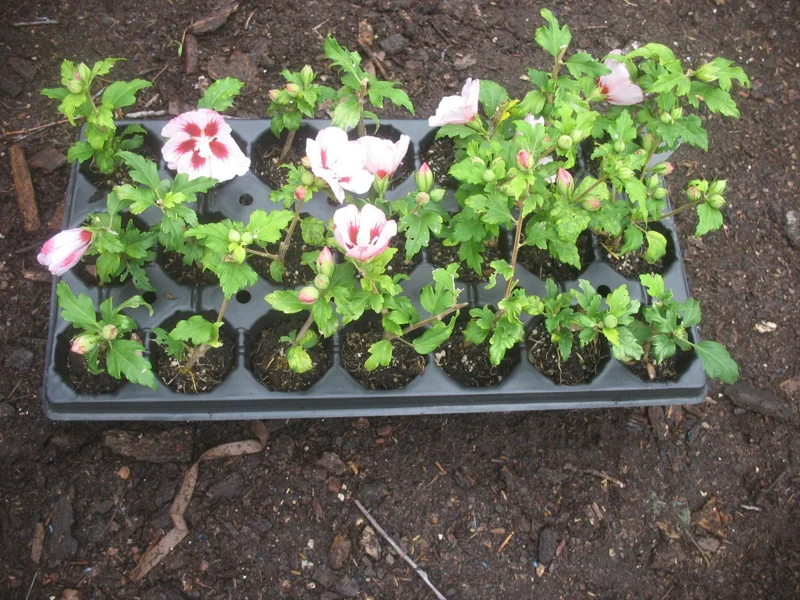
This offering is for one Hamabo Rose of Sharon live plant, provided as a well-rooted starter plant. It typically measures approximately 5-7 inches in height upon arrival, potted in a 2 1/2 x 3 1/2 inch pot. This size is ideal for establishing quickly in your garden or a larger container. The plant is a vigorous grower and, once mature, can reach an impressive height of 8 feet or more with a spread of 4-6 feet, forming an attractive upright, vase-shaped shrub. It is a deciduous plant, meaning it will lose its leaves in the fall and regrow them in the spring, ready to produce a spectacular show of white pink hibiscus flowers from summer through fall. Expect the plant to establish well in its first year, with significant growth and flowering commencing in its second season.
Frequently Asked Questions
- Q: How big does this plant get? A: The Hamabo Rose of Sharon live plant typically grows to a mature height of 8 feet or more and can spread 4-6 feet wide, forming an attractive and substantial shrub in your garden.
- Q: Is this an indoor or outdoor plant? A: This is an outdoor plant, a winter hardy hibiscus tree, best suited for garden beds, borders, or large outdoor containers where it can receive ample sunlight.
- Q: How much sunlight does it need? A: The ‘Hamabo’ variety thrives in full sun, requiring at least 6-8 hours of direct sunlight per day to produce the most abundant and vibrant white pink hibiscus flowers.
- Q: Is this plant easy to care for? A: Yes, the Hamabo Rose of Sharon is considered a low-maintenance plant once established, making it a good choice for both beginner and experienced gardeners. Its nature as a deciduous flowering shrub also simplifies seasonal care.
- Q: What condition will it arrive in? A: Your Hibiscus Syriacus Hamabo will arrive as a well-rooted starter plant in a 2 1/2 x 3 1/2 inch pot, carefully packaged to ensure its health during transit.
- Q: How long until it blooms? A: While a starter plant, it may produce some blooms in its first year, but a more substantial and established flowering display can be expected in its second growing season.
- Q: Will it survive winter in my zone? A: This plant is a deciduous flowering shrub and is winter hardy in USDA Zones 5-9, meaning it can withstand cold temperatures and reliably return each spring.
- Q: What type of soil does it prefer? A: It prefers well-drained soil that is rich in organic matter. Amending with compost is beneficial, especially in heavy clay soils, to support the growth of the Hamabo Rose of Sharon live plant.
- Q: Can I grow it in a container? A: Yes, you can grow the Hamabo Rose of Sharon live plant in a large container, provided it has good drainage and is regularly watered and fertilized.
- Q: What is the best time to prune this hibiscus? A: The best time to prune your ‘Hamabo’ hibiscus is in late winter or early spring before new growth emerges to encourage new growth and maintain shape.
Be the first to review “Hamabo Rose of Sharon Live Plant – White Pink Hibiscus Syriacus, 5-7 Inch Starter”
People Also Viewed
Sold 57 products
Original price was: $61.20.$30.60Current price is: $30.60.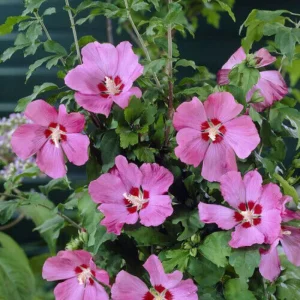
Shrubs
Woodbridge Hibiscus Live Plant – Rose of Sharon Shrub – Pink Flowers – 4-6 Inch Starter – Outdoor
Sold 79 products
Original price was: $31.90.$16.90Current price is: $16.90.
Sold 93 products
Original price was: $46.98.$33.99Current price is: $33.99.
Sold 61 products
Original price was: $32.00.$25.60Current price is: $25.60.
Sold 54 products
Original price was: $32.98.$16.98Current price is: $16.98.
Sold 53 products
Original price was: $339.80.$169.90Current price is: $169.90.
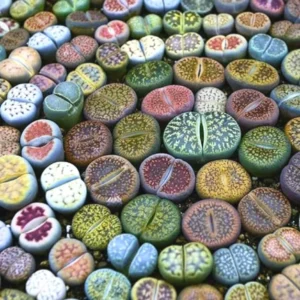
HousePlants
Lithops Live Plants Mix – 10 Large Colorful Living Stones Succulents for Indoor/Outdoor Growing
Sold 96 products
Original price was: $27.98.$13.99Current price is: $13.99.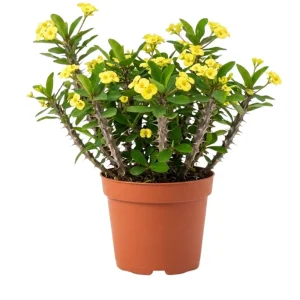
Sold 76 products
Original price was: $61.51.$30.75Current price is: $30.75.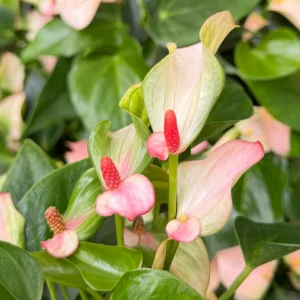
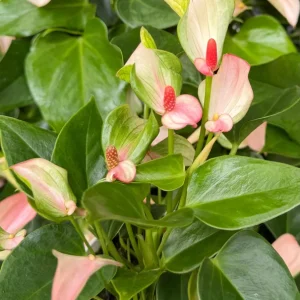
Sold 86 products
Original price was: $43.98.$30.98Current price is: $30.98.
Sold 62 products
Original price was: $119.96.$59.98Current price is: $59.98.
Sold 58 products
From $50.96
Sold 97 products
Original price was: $48.94.$24.47Current price is: $24.47.
Sold 90 products
Original price was: $29.98.$16.99Current price is: $16.99.
Sold 77 products
Original price was: $42.98.$26.98Current price is: $26.98.
Sold 61 products
Original price was: $32.98.$16.98Current price is: $16.98.
Sold 51 products
From $21.00
Sold 56 products
Original price was: $42.98.$26.98Current price is: $26.98.
Sold 57 products
Original price was: $29.98.$16.99Current price is: $16.99.



%20–%202%20Trees,%204%20inch%20Container,%206-12%20inch%20Tall&url=https://gardennursery.net/product/redbud-tree-live-plant-eastern-redbud-cercis-canadensis-2-trees-4-inch-container-6-12-inch-tall/&media=https://img.gardennursery.net/2026/01/redbud-tree-live-plant-eastern-redbud-cercis-canad-768x1024.webp)


Reviews
There are no reviews yet.