
Grumichama Brazilian Cherry Tree Live Plant – 14-18in Tall – 1 Gallon Pot
Original price was: $91.03.$79.16Current price is: $79.16.
Cultivate your own exotic fruits with a Grumichama Brazilian Cherry Tree. This 14-18 inch tall live plant, shipped in a 1-gallon pot, is an excellent addition to any edible landscape or home garden, offering sweet, cherry-like berries and attractive foliage. It’s a fantastic choice for those seeking a unique and productive fruit-bearing plant.
-
USDA Hardiness Zone
USDA Zones 9–11 -
Soil Type
Rich, well-draining soil -
Sunlight Exposure
Full sun to partial shade -
Expected Planting Period
Spring to early summer

You can track your order HERE
Sep 28
Oct 03 - Oct 05
Oct 08 - Oct 12
Shipping and return policies: Our Alive & Thrive Guarantee covers issues with your plants within the first 30 days. Reach out to us. Our team will answer your questions and help you find the plants that are truly suitable for your environment, climate, and personal preferences.

Overview
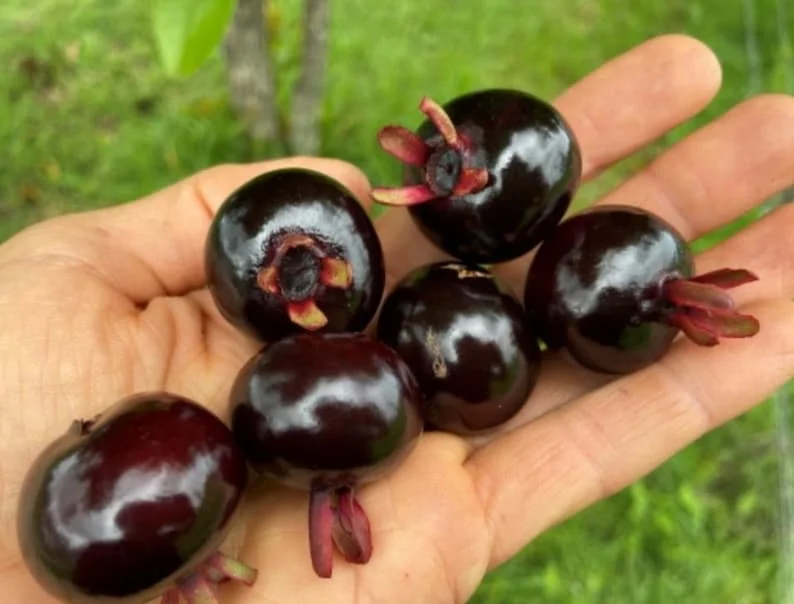
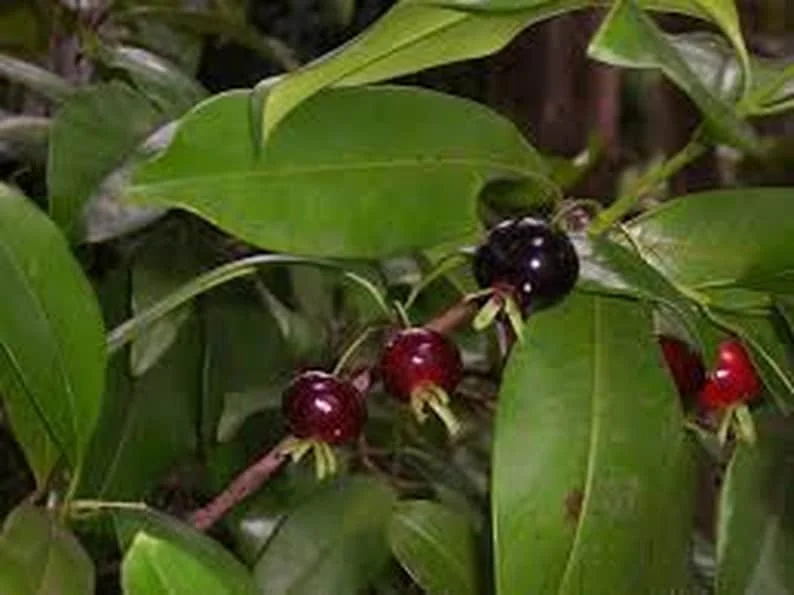
Embark on a rewarding gardening journey with the exquisite Grumichama Brazilian Cherry Tree. This beautiful live plant, typically 14-18 inches tall and shipped in a 1-gallon nursery pot, is a must-have for fruit enthusiasts and edible landscape designers. Known botanically as Eugenia brasiliensis, the Grumichama is native to Brazil and highly prized for its delicious, cherry-like fruits. It’s a relatively fast-growing evergreen shrub or small tree that can thrive in a variety of settings, from a backyard orchard to a large container on a patio. The attractive glossy green leaves and delicate white flowers precede a bountiful harvest of sweet, dark purple to black fruits, making it both an ornamental and productive addition to your garden.
The Grumichama Brazilian Cherry Tree offers not only delectable fruit but also a touch of tropical elegance. Its compact growth habit makes it suitable for smaller spaces, while its vigorous nature ensures a satisfying yield. Whether you’re an experienced horticulturist or a budding gardener, growing this remarkable fruit tree will bring joy and a unique flavor to your culinary adventures. Discover the simple pleasure of harvesting fresh, homegrown Brazilian Cherries right from your own garden.
Key Benefits
Adding a Grumichama Brazilian Cherry Tree to your garden provides numerous advantages, from its aesthetic appeal to its delicious produce. This versatile plant is a true gem for any fruit lover.
- Delicious Edible Fruits: Enjoy a harvest of succulent, sweet, and slightly tart cherry-like berries. The Brazilian Cherry fruit tree produces abundant, flavorful fruits that are perfect for fresh eating, jams, jellies, pies, or even juicing, offering a unique taste experience.
- Attractive Ornamental Features: Beyond its fruit, the Grumichama boasts beautiful glossy green foliage and delicate white flowers, making it an attractive addition to any landscape. Its evergreen nature ensures year-round visual interest.
- Compact Growth Habit: This tree typically maintains a manageable size, making it suitable for smaller gardens, urban spaces, or even growing in large containers on patios and balconies. Its compact form is ideal for an edible landscape plant.
- Adaptable and Resilient: The Grumichama is relatively hardy and can adapt to various growing conditions, making it a good choice for gardeners looking for a low-maintenance yet productive fruit tree. With proper Grumichama plant care, it can thrive for many years.
- Unique and Rare Fruit: Cultivate a fruit that is less common in mainstream markets. Growing a rare fruit tree like the Grumichama allows you to explore new flavors and share unique produce with friends and family, distinguishing your garden.
- Supports Pollinators: The delicate white flowers attract beneficial pollinators like bees, contributing to the biodiversity and health of your garden ecosystem.
- Container Growing Potential: Its ability to thrive in containers makes it an excellent option for those with limited ground space or for gardeners in colder climates who wish to bring the plant indoors during winter.
Plant Care & Growing Tips
Proper Grumichama plant care is essential to ensure a healthy and productive tree. This tropical fruit tree generally prefers warm climates but can adapt with adequate protection. For optimal growth, choose a location that receives ample sunlight. The Grumichama thrives in full sun, meaning at least 6-8 hours of direct sunlight per day. While it can tolerate partial shade, fruit production may be reduced. If growing indoors or in a greenhouse, place it near a south-facing window or use supplemental grow lights to provide sufficient illumination.
Watering is crucial, especially for young plants and during dry spells. The soil should be kept consistently moist but never waterlogged. Good drainage is key to prevent root rot. Allow the top inch or two of soil to dry out slightly between waterings before re-watering thoroughly. Reduce watering frequency during cooler months. For soil, the Grumichama Brazilian Cherry Tree prefers a rich, well-draining soil with a slightly acidic to neutral pH (6.0-7.0). Amend heavy clay soils with organic matter like compost or pine bark to improve drainage and aeration. A good quality potting mix designed for fruit trees is ideal for container-grown specimens.
The Grumichama is typically hardy in USDA Zones 9–11. In cooler climates, it can be grown in containers and moved indoors during winter to protect it from frost. It can tolerate brief periods of temperatures just above freezing, but prolonged cold can damage the plant. Fertilize your Brazilian Cherry fruit tree with a balanced slow-release fertilizer formulated for fruit trees, generally every 2-3 months during the growing season (spring and summer). Pruning is minimal, mainly to remove dead or diseased branches and to shape the tree for aesthetic purposes or to encourage bushier growth. Watch out for common pests like aphids or scale insects, and treat with organic insecticidal soap if necessary. Ensuring proper air circulation can help prevent fungal issues.
Size & Details
This offering is for one live Grumichama Brazilian Cherry Tree, delivered in a 1-gallon nursery pot. The plant typically stands between 14 to 18 inches tall from the base of the pot to the top of the foliage, providing a well-established young tree ready for planting. Grumichama trees are known for their moderate growth rate, reaching mature heights of 10-20 feet in the ground, though they can be kept smaller through pruning or by growing in containers. When grown in a container, expect a more compact size, making it a perfect edible landscape plant for patios or balconies.
The plant will be shipped with its root ball intact within the 1-gallon container, ensuring a smooth transition to its new home. Expect the first fruits to appear within 2-4 years under ideal growing conditions, with peak production increasing as the tree matures. This rare fruit tree will provide a unique and rewarding gardening experience, offering fresh, delicious fruit for many years to come. It’s an excellent investment for anyone interested in expanding their culinary horizons and adding a distinctive, productive plant to their collection.
Frequently Asked Questions
- Q: How big does this Grumichama plant get? A: This Grumichama Brazilian Cherry Tree is currently 14-18 inches tall in a 1-gallon pot. In the ground, it can reach 10-20 feet tall, but it can be maintained at a smaller size with pruning or by growing it in a large container.
- Q: Is this an indoor or outdoor plant? A: The Grumichama is primarily an outdoor plant, thriving in warm climates (USDA Zones 9-11). In colder regions, it can be grown in a container and brought indoors during the winter months for protection from frost.
- Q: How much sunlight does it need? A: Your Grumichama Brazilian Cherry Tree prefers full sun, which means at least 6-8 hours of direct sunlight daily for optimal growth and fruit production. It can tolerate partial shade, but fruiting might be reduced.
- Q: Is this plant easy to care for? A: Yes, with the right conditions, the Grumichama is relatively easy to care for. It requires consistent watering, well-draining soil, and protection from frost if you live outside its hardiness zones. Regular Grumichama plant care is straightforward.
- Q: What condition will it arrive in? A: Your Brazilian Cherry fruit tree will arrive as a healthy, live plant, securely packaged in its 1-gallon nursery pot with soil, ready for transplanting or continued growth in its current container.
- Q: How long until it produces fruit? A: Under optimal conditions, a young Grumichama Brazilian Cherry Tree typically starts producing fruit within 2-4 years of planting. Production will increase as the tree matures.
- Q: What’s the best time to plant a Grumichama? A: The best time to plant your Grumichama is in spring or early summer after the last chance of frost, allowing it ample time to establish before cooler weather. This is ideal for any edible landscape plant.
- Q: Can I grow this plant in a pot? A: Absolutely! The Grumichama is an excellent candidate for container growing, especially if you live in a region with cold winters. Just ensure the pot is large enough to accommodate its growth and has good drainage.
- Q: Is this a self-pollinating tree? A: Yes, Grumichama trees are generally self-fertile, meaning a single plant can produce fruit without the need for another tree for pollination.
- Q: Will it survive winter in my zone? A: If you are in USDA Zones 9-11, your Grumichama should survive winter outdoors. In colder zones, it must be protected from frost, either by bringing it indoors or providing adequate winterization. This is crucial for a rare fruit tree.
Be the first to review “Grumichama Brazilian Cherry Tree Live Plant – 14-18in Tall – 1 Gallon Pot”
People Also Viewed



Trees
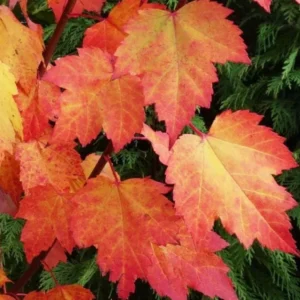
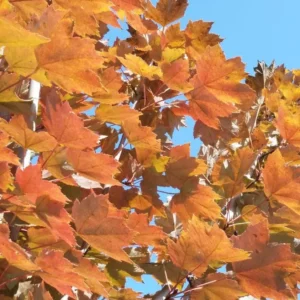
Brandywine Maple Live Tree – 1-2ft Tall 1 Quart Pot – Acer rubrum ‘Brandywine’ – Outdoor Shade Tree
Sold 89 products
Original price was: $48.73.$17.49Current price is: $17.49.
HousePlants
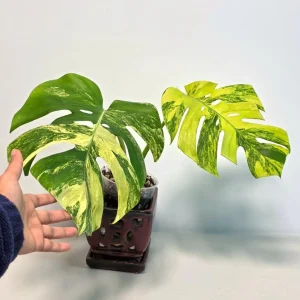
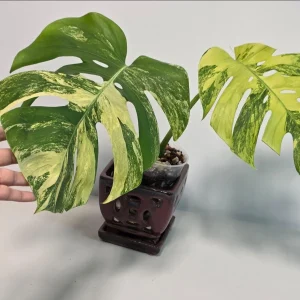
Monstera Aurea Variegated Borsigiana Live Plant – Rare Tropical Houseplant in Nursery Pot
Sold 61 products
Original price was: $632.00.$316.00Current price is: $316.00.
Sold 88 products
Original price was: $200.00.$100.00Current price is: $100.00.


Sold 79 products
From $43.80





Reviews
There are no reviews yet.