
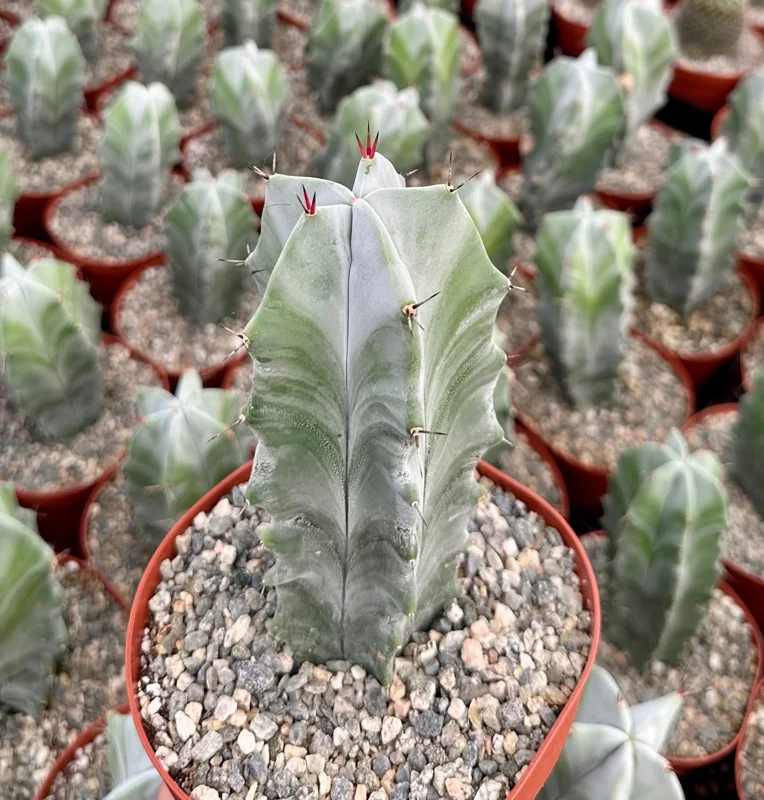
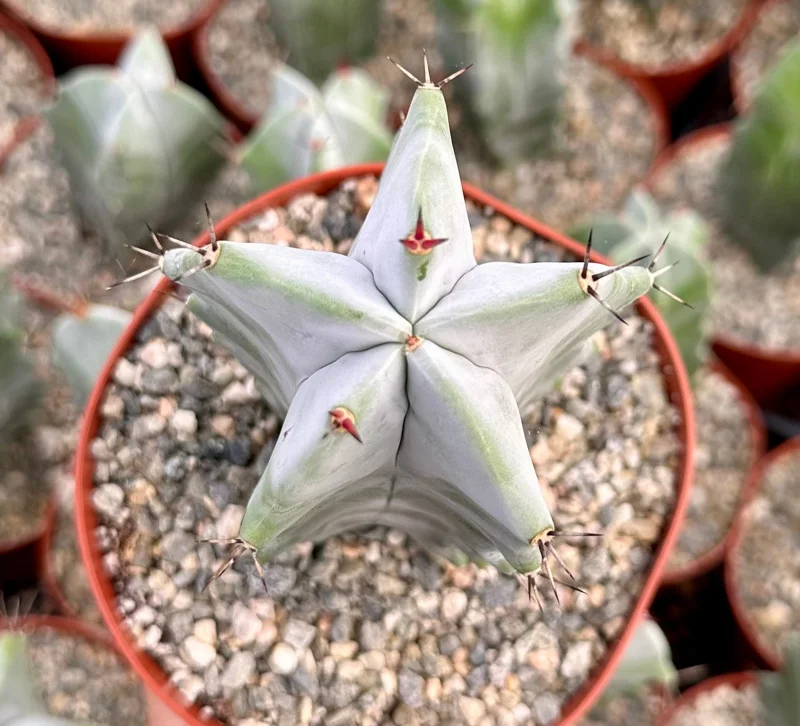
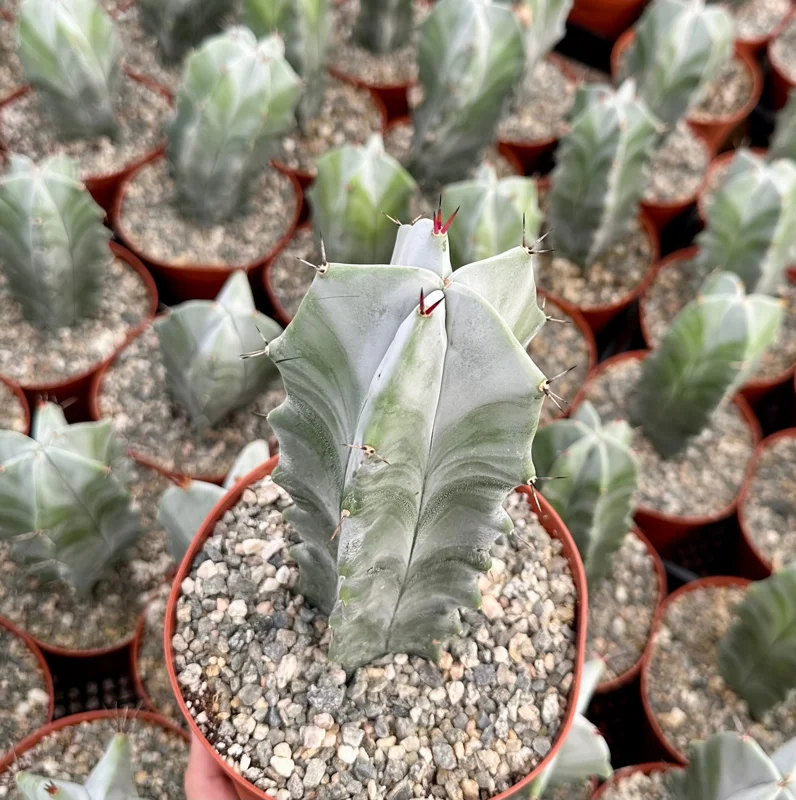
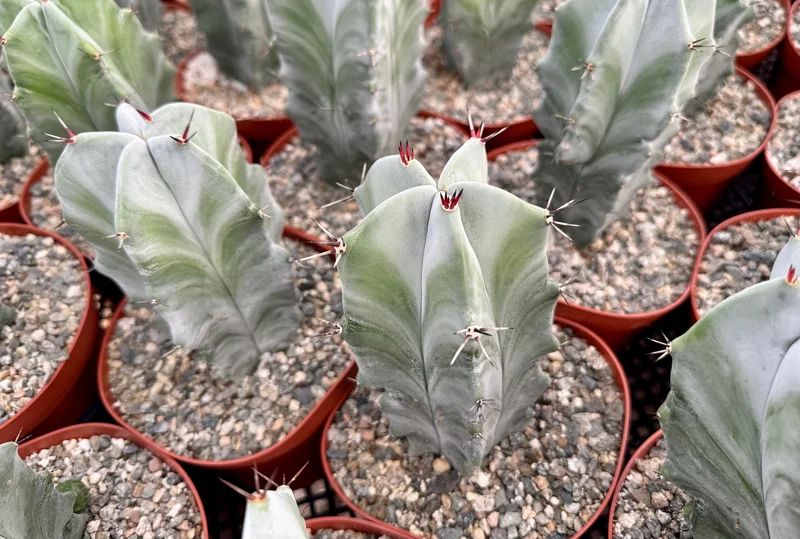
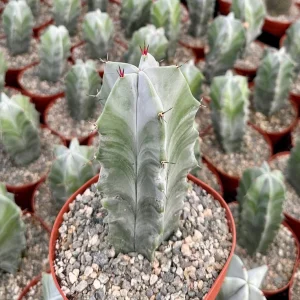
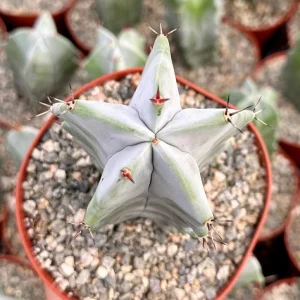
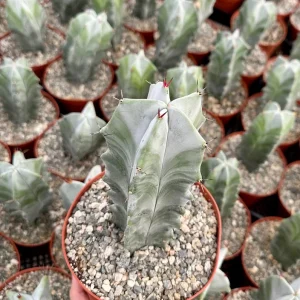
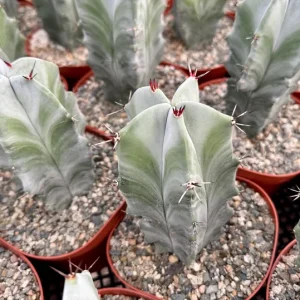
Grey Ghost Organ Pipe Cactus Live Plant – Stenocereus Pruinosus, 2″ or 6″ Pot
Original price was: $50.99.$35.99Current price is: $35.99.
Bring home a captivating grey ghost organ pipe cactus (Stenocereus pruinosus), a unique columnar cactus known for its striking bluish-grey stems and potential to produce edible pitaya fruit. This rare cactus plant is drought-tolerant, low-maintenance, and thrives both indoors and outdoors in appropriate climates. Available in 2-inch or 6-inch nursery pots, it’s perfect for collectors and beginners alike seeking an exotic touch.
-
USDA Hardiness Zone
USDA zones 9-11 -
Soil Type
Well-draining cactus or succulent potting mix -
Sunlight Exposure
Full sun (6-8 hours direct light) -
Expected Planting Period
Year-round indoors; Spring to Summer outdoors

You can track your order HERE
Oct 09
Oct 14 - Oct 16
Oct 19 - Oct 23
Shipping and return policies: Our Alive & Thrive Guarantee covers issues with your plants within the first 30 days. Reach out to us. Our team will answer your questions and help you find the plants that are truly suitable for your environment, climate, and personal preferences.

Overview
Introduce an extraordinary botanical specimen to your collection with the grey ghost organ pipe cactus. This fascinating grey ghost organ pipe cactus live plant, scientifically known as Stenocereus pruinosus, is a striking columnar cactus native to the arid regions of Mexico. Renowned for its distinctive bluish-grey stems that can reach impressive heights, it earns its common name, “Grey Ghost,” from this ghostly hue. Beyond its striking appearance, the Stenocereus pruinosus care is relatively straightforward, making it a rewarding choice for both seasoned cactus enthusiasts and those new to succulent cultivation. This particular offering provides a vibrant, healthy specimen, ready to thrive in your home or garden, transforming any space into a desert oasis. Cultivated for both its ornamental value and its delicious, edible pitaya fruit, known as pitaya or pitahaya, this grey ghost organ pipe cactus is a true conversation starter and an excellent addition to any plant lover’s collection.
The grey ghost organ pipe cactus is an iconic species that captivates with its sculptural form and intriguing biological features. Its robust, upright growth habit makes it a focal point in xeriscapes, rock gardens, or as a commanding potted plant. While typically associated with outdoor desert environments, smaller specimens can be cultivated indoors with adequate light, bringing a touch of the exotic to your living space. This rare cactus plant is a testament to nature’s resilience and beauty, promising to be a long-lasting and low-maintenance companion. Proper Stenocereus pruinosus care ensures its longevity.
Key Benefits
The grey ghost organ pipe cactus offers a multitude of benefits, making it an exceptional choice for various settings. Its unique characteristics contribute to both aesthetic appeal and environmental resilience, making it a prized possession for any plant enthusiast.
-
Striking Ornamental Value: The distinct bluish-grey, columnar stems of the grey ghost organ pipe cactus create a dramatic visual impact. Its architectural form makes it a perfect focal point in modern landscapes, succulent gardens, or as a standalone specimen. This plant adds an exotic and sophisticated touch to any environment.
-
Drought Tolerance and Low Maintenance: As a desert native, the Stenocereus pruinosus is exceptionally drought-tolerant and requires minimal watering once established. This makes it an ideal choice for water-wise gardening and for those seeking a beautiful plant that doesn’t demand constant attention. Its hardiness also means less susceptibility to common plant ailments, making Stenocereus pruinosus care quite simple.
-
Edible and Delicious Fruit Production: This columnar cactus produces large, sweet, and edible pitaya fruit, also known as pitahaya. These vibrant fruits can be enjoyed fresh, used in jams, or incorporated into various culinary dishes, offering a unique gourmet experience right from your garden. Enjoying the fruit is a rewarding aspect of cultivating this rare cactus plant.
-
Nocturnal Flower Display: The grey ghost organ pipe cactus produces large, beautiful white or pink nocturnal flowers that are a sight to behold. These blooms typically appear in the summer, adding another layer of beauty and intrigue to the plant’s life cycle. Observing these night-blooming flowers is a truly special experience.
-
Pest and Disease Resistant: Like many cacti, the Stenocereus pruinosus is known for its natural resistance to most common pests and diseases. This reduces the need for chemical treatments and ensures a healthier, more robust plant with less effort, contributing to its overall low-maintenance profile.
-
Unique Collector’s Item: Due to its distinctive appearance and cultural significance, the grey ghost organ pipe cactus is highly sought after by collectors and plant enthusiasts. Adding this species to your collection elevates its diversity and uniqueness, making it a prized possession. Understanding Stenocereus pruinosus care allows for successful cultivation of this rare beauty.
Plant Care & Growing Tips
Proper Stenocereus pruinosus care ensures your grey ghost organ pipe cactus thrives and flourishes for many years. This hardy cactus, while low-maintenance, benefits from specific conditions to reach its full potential. Understanding its needs will help you cultivate a robust and healthy specimen, whether you’re growing a columnar cactus indoors or outdoors.
Sunlight Requirements: The grey ghost organ pipe cactus demands abundant sunlight. It performs best in full sun, meaning at least 6-8 hours of direct sunlight per day. If growing indoors, place it in the brightest south-facing window possible. Insufficient light can lead to etiolation (stretching and weakening of stems), so ensure it receives ample light. For outdoor planting, choose a location that receives direct sun for the majority of the day.
Watering Schedule and Soil Moisture: Overwatering is the most common cause of problems for cacti. Allow the soil to dry out completely between waterings. During the active growing season (spring and summer), water thoroughly until water drains from the bottom of the pot. In fall and winter, significantly reduce watering, often to once a month or even less, as the plant enters a dormant period. Always err on the side of underwatering rather than overwatering. Good drainage is crucial for the health of your grey ghost organ pipe cactus.
Soil Type and Drainage Requirements: This columnar cactus requires a well-draining soil mix to prevent root rot. A specialized cactus or succulent potting mix is ideal. You can also create your own by mixing potting soil with perlite, pumice, or coarse sand in a 1:1 ratio. The pot itself should have drainage holes. Good aeration in the soil is also beneficial for the root system of this rare cactus plant.
Temperature Range and USDA Hardiness Zone: The grey ghost organ pipe cactus is hardy in USDA zones 9-11. It can tolerate temperatures down to about 25°F (-4°C) for short periods, but sustained freezing temperatures will cause damage. If you live in a colder climate, it’s best to grow this cactus in a container that can be moved indoors during winter. Ideal temperatures range from 70-100°F (21-38°C) during the growing season.
Fertilization Schedule and Type: Fertilize sparingly. During the active growing season (spring and summer), you can feed your grey ghost organ pipe cactus once a month with a balanced, diluted liquid fertilizer formulated for cacti and succulents. Avoid fertilizing during the dormant winter months. Always dilute fertilizer to half strength to prevent nutrient burn.
Common Problems and Solutions: The most common issues are related to watering. Yellowing or mushy stems indicate overwatering and potential root rot. If this occurs, stop watering, allow the soil to dry, and consider repotting into fresh, dry soil after inspecting roots for rot. Shriveling stems usually indicate underwatering; increase watering frequency slightly. Pests are rare but can include mealybugs or spider mites, which can be treated with insecticidal soap or neem oil. With proper Stenocereus pruinosus care, your plant will thrive.
Size & Details
The grey ghost organ pipe cactus (Stenocereus pruinosus) is offered as a healthy, established live plant, cultivated for its robust growth and striking appearance. These plants are typically available in 2-inch and 6-inch nursery pots, providing options for different stages of growth and immediate display. The 2-inch pot size offers a younger, more compact specimen perfect for starting your collection or as a desk-friendly accent. The 6-inch pot contains a more mature plant with a more developed columnar cactus structure, ready to make a significant statement. At maturity, this columnar cactus can reach impressive heights of up to 5 meters (approximately 16 feet) in its natural habitat, with stems typically 10-15 centimeters (4-6 inches) in diameter. The growth rate is moderate, allowing you to observe its development over time. When shipped, the plant will arrive carefully packaged to ensure its safety and minimize stress during transit. It will be sent in its nursery pot with soil, ready for immediate placement or repotting into a decorative container. Expect the plant to establish itself quickly with proper Stenocereus pruinosus care. The distinctive bluish-grey stems are a prominent feature, often covered with a pruinose (waxy, powdery) coating that gives it its “ghostly” appearance. The plant produces large, nocturnal flowers, typically white or pink, which can reach up to 5 centimeters (2 inches) in length. These blooms are followed by the round, edible pitaya fruit. While smaller plants may take a few years to flower and fruit, mature specimens regularly display these fascinating features. This rare cactus plant is a long-lived species, providing years of enjoyment and an ever-evolving sculptural presence in your garden or home. The robust nature of the grey ghost organ pipe cactus makes it an enduring choice for any plant enthusiast.
Frequently Asked Questions
-
Q: How big does this plant get? A: In its natural habitat, the grey ghost organ pipe cactus can grow up to 5 meters (about 16 feet) tall. When grown in containers, its size will be more constrained but can still reach several feet in height with sufficient space and proper care.
-
Q: What size pot does it come in? A: This grey ghost organ pipe cactus is available in either a 2-inch or a 6-inch nursery pot, providing options for different maturity levels and immediate planting needs.
-
Q: Is this an indoor or outdoor plant? A: The Stenocereus pruinosus can be grown both indoors and outdoors. It thrives outdoors in warm climates (USDA zones 9-11) and can be an excellent indoor plant if given plenty of bright, direct sunlight. It’s a versatile columnar cactus.
-
Q: How much sunlight does it need? A: This columnar cactus requires full sun, meaning at least 6-8 hours of direct sunlight daily, to grow optimally and prevent etiolation. Indoors, place it in the brightest south-facing window.
-
Q: Is this plant easy to care for? A: Yes, the grey ghost organ pipe cactus is considered relatively easy to care for, especially for those familiar with succulents. Its primary needs are ample sunlight and infrequent, thorough watering, with well-draining soil. Following good Stenocereus pruinosus care practices makes it very manageable.
-
Q: What condition will it arrive in? A: Your rare cactus plant will arrive as a healthy, live plant, carefully packaged in its nursery pot with soil, ready to be placed or repotted upon arrival. We take great care to ensure safe transit.
-
Q: Can I eat the fruit from this cactus? A: Yes, the Stenocereus pruinosus produces edible pitaya fruit, which are sweet and can be enjoyed fresh or used in various culinary applications. It’s a delicious bonus from your grey ghost organ pipe cactus.
-
Q: How long until it blooms? A: Younger plants may take a few years to reach maturity and begin flowering. Once mature, the grey ghost organ pipe cactus typically produces large, nocturnal flowers during the summer months.
-
Q: What type of soil is best for this cactus? A: A well-draining cactus or succulent potting mix is essential. You can also amend regular potting soil with perlite or coarse sand to improve drainage and aeration, crucial for optimal Stenocereus pruinosus care.
-
Q: Will it survive winter in my zone? A: This cactus is hardy in USDA zones 9-11. If your region experiences temperatures below 25°F (-4°C), it’s advisable to grow it in a container and bring it indoors during the colder winter months to protect this beautiful rare cactus plant.
Be the first to review “Grey Ghost Organ Pipe Cactus Live Plant – Stenocereus Pruinosus, 2″ or 6″ Pot”
People Also Viewed




Vegetable Seeds
Ursa Kale Seeds – Nutrient-Packed Magenta Stem Kale Seeds – 100+ Seeds – Indoor/Outdoor
Sold 100 products
From $4.26






%20–%20Fragrant%20Single%20White%20Flower&url=https://gardennursery.net/product/arabian-jasmine-live-plant-jasminum-sambac-fragrant-single-white-flower/&media=https://img.gardennursery.net/2026/01/arabian-jasmine-live-plant-jasminum-sambac-fragran-768x1024.webp)


Reviews
There are no reviews yet.