
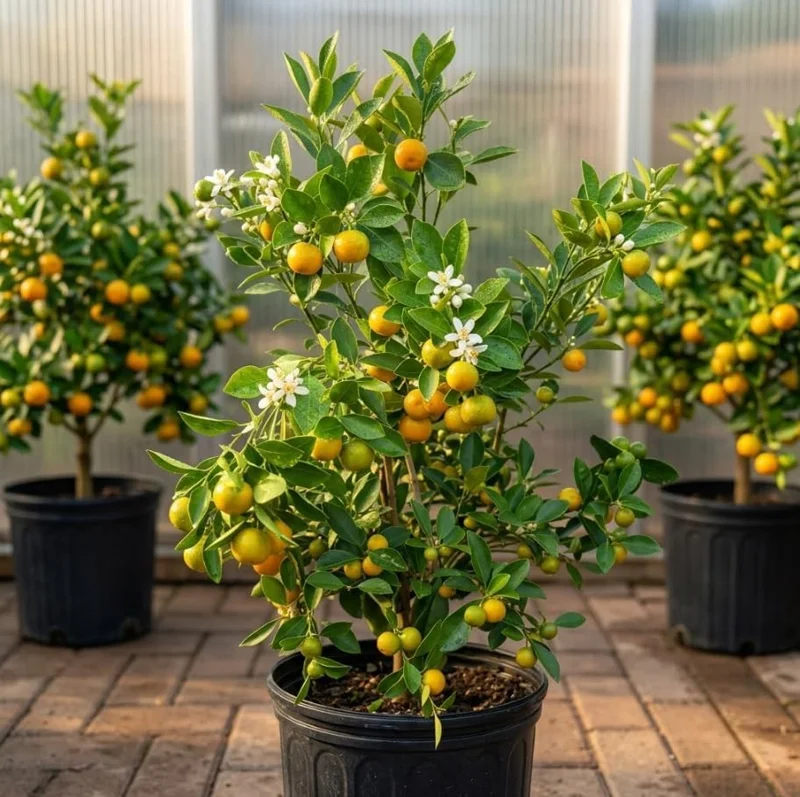
Grafted Orange Calamondin Plant – Dwarf Calamansi Tree Live, 3 Gallon Pot, Outdoor
Original price was: $181.96.$90.98Current price is: $90.98.
Bring the joy of fresh citrus to your home with a grafted Orange Calamondin plant. This dwarf calamansi tree, supplied in a 3-gallon pot, is perfect for patios, balconies, or home gardens. Enjoy fragrant white blossoms and small, vibrant orange fruits, adding both beauty and culinary delight to your space.
-
USDA Hardiness Zone
USDA zones 9–11 -
Soil Type
Well-draining potting mix or loamy soil -
Sunlight Exposure
Full sun (6-8 hours daily) -
Expected Planting Period
Year-round indoors; Spring to early summer outdoors

You can track your order HERE
Oct 30
Nov 04 - Nov 06
Nov 09 - Nov 13
Shipping and return policies: Our Alive & Thrive Guarantee covers issues with your plants within the first 30 days. Reach out to us. Our team will answer your questions and help you find the plants that are truly suitable for your environment, climate, and personal preferences.

Overview
Cultivate your very own citrus bounty with this robust grafted Orange Calamondin plant. Also widely known as a dwarf calamansi tree, this live plant is delivered in a healthy 3-gallon pot, ready for transplanting into a larger container or directly into your garden. The Calamondin, scientifically known as Citrus × microcarpa, is a versatile and attractive citrus hybrid, prized for its ornamental value and its tart, flavorful fruit. This particular specimen is grafted to ensure strong growth and reliable fruit production, making it an excellent choice for both novice and experienced gardeners. It’s an ideal addition for those seeking a productive and beautiful citrus tree that adapts well to various growing environments, including a calamansi for home garden setup. Its compact size makes it suitable for smaller spaces while still yielding an abundant harvest.
The grafted Orange Calamondin plant is celebrated for its ease of care and its ability to thrive in a range of conditions. Whether you’re looking to enhance your patio, balcony, or a dedicated greenhouse space, this dwarf calamansi tree offers both aesthetic appeal and the practical benefit of homegrown citrus. The journey from fragrant blossoms to ripe, juicy fruit is a rewarding experience, providing fresh ingredients for culinary adventures or simply a delightful visual display. This plant is a true gem for any garden enthusiast.
Key Benefits
Owning a grafted Orange Calamondin plant brings a multitude of benefits, combining ornamental beauty with practical utility. This versatile citrus tree is an excellent addition to any home or garden, offering both visual appeal and delicious fruit.
- Decorative Appeal: This dwarf calamansi tree produces charming fragrant white blossoms that transition into small, round fruits. These fruits ripen from a deep green to a bright, eye-catching orange, creating a stunning ornamental display in any setting, whether on a patio or in a garden.
- Culinary Versatility: The tart, juicy fruit of the Calamondin is highly sought after in various cuisines. It’s perfect for making refreshing drinks, marinades, sauces, and desserts, offering a unique citrus flavor that enhances many dishes.
- Compact Growth Habit: As a dwarf variety, this calamansi tree is ideal for smaller spaces. It can be grown successfully in large containers, on balconies, patios, or in compact home gardens, making fresh citrus accessible even without extensive land.
- Fragrant Blossoms: The white flowers of the Calamondin tree emit a sweet, pleasant fragrance that can perfume your outdoor living areas or even indoor spaces if grown as a houseplant during blooming season.
- Easy to Grow: This grafted Orange Calamondin plant is known for its resilience and relatively low maintenance, making it a rewarding choice for gardeners of all experience levels. With proper care, it will consistently produce fruit.
- Year-Round Interest: Depending on the season, your plant may feature lush foliage, fragrant flowers, developing green fruit, or ripe orange fruit, providing continuous visual interest throughout the year.
Plant Care & Growing Tips
Caring for your grafted Orange Calamondin plant is straightforward, ensuring a healthy and productive dwarf calamansi tree for years to come. These plants thrive in warm, sunny environments, making proper placement crucial. For outdoor growing, choose a location that receives at least 6-8 hours of direct sunlight daily. If growing in a container, especially in cooler climates, ensure it can be moved indoors or to a sheltered location when temperatures drop below freezing. This plant is well-suited for a calamansi for home garden setup, whether in the ground or in a pot.
Watering should be consistent but not excessive. Allow the top inch or two of soil to dry out completely before watering again. Overwatering can lead to root rot, so good drainage is essential. Use a well-draining potting mix specifically formulated for citrus plants if in a container. In-ground plants also require well-draining soil; amending heavy clay soils with organic matter can improve drainage. Fertilize your calamansi oranges tree during the growing season (spring through summer) with a balanced citrus fertilizer, following the product’s instructions. Reduce or stop fertilization during the dormant winter months. Monitor for common citrus pests like aphids or scale and treat promptly with an appropriate organic insecticide if necessary. Pruning can be done to maintain shape, remove dead or crossing branches, and encourage fruit production.
Size & Details
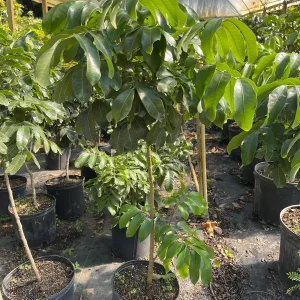
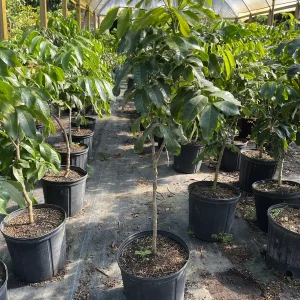
This grafted Orange Calamondin plant is supplied as a well-rooted live plant, currently growing in a substantial 3-gallon nursery pot. This size ensures a robust root system and a plant that is ready to continue its growth journey immediately after transplanting. The plant’s height typically ranges from 18 to 36 inches upon arrival, depending on its current growth stage, with an ultimate mature height of 6-10 feet if planted in the ground, or a more compact 3-5 feet in a container. The dwarf calamansi tree exhibits a moderate growth rate, allowing it to establish itself well within a season. You can expect to see flowers and fruit within 1-2 years of planting, with consistent production as the plant matures. It’s a perfect size for creating a vibrant calamansi for home garden feature or a productive patio plant.
Each calamansi oranges tree is carefully inspected before shipping to ensure it meets quality standards. Depending on the season and its natural growth cycle, your plant may arrive with lush foliage only, fragrant white blossoms, developing green fruits, or ripe orange fruits, offering a delightful surprise and immediate interest. The 3-gallon pot provides ample space for the plant to grow until it’s ready for its permanent home, whether that’s a larger decorative planter or a sunny spot in your garden.
Frequently Asked Questions
- Q: How big does this plant get? A: The grafted Orange Calamondin plant typically grows 3-5 feet tall when kept in a container, making it a perfect dwarf calamansi tree for patios. If planted in the ground in suitable climates, it can reach 6-10 feet tall.
- Q: What size pot does it come in? A: This calamansi tree arrives well-rooted in a 3-gallon nursery pot, ready for you to transplant it into a larger container or directly into your garden.
- Q: Is this an indoor or outdoor plant? A: The grafted Orange Calamondin plant can be grown outdoors in warm climates (USDA Zones 9-11). In cooler regions, it’s best grown in a container so it can be moved indoors during colder months, making it a versatile calamansi for home garden.
- Q: How much sunlight does it need? A: This dwarf calamansi tree thrives in full sun, requiring at least 6-8 hours of direct sunlight per day to ensure optimal growth and fruit production.
- Q: Is this plant easy to care for? A: Yes, the grafted Orange Calamondin plant is considered relatively easy to care for. It requires consistent watering, well-draining soil, and adequate sunlight, making it suitable for beginners and experienced gardeners alike.
- Q: What condition will it arrive in? A: Your calamansi oranges tree will arrive as a healthy, well-rooted live plant. Depending on the season, it may have foliage, flowers, fruit, or a combination of these.
- Q: Can I use calamansi fruit in cooking? A: Absolutely! Calamansi fruit is highly prized for its tart, citrusy flavor and is excellent for making juices, marinades, sauces, and desserts. It’s a staple in many culinary traditions.
- Q: How long until it blooms and produces fruit? A: With proper care and favorable conditions, your grafted Orange Calamondin plant can begin to bloom and produce fruit within 1-2 years of planting.
- Q: What’s the best soil for a Calamondin tree? A: A well-draining potting mix specifically formulated for citrus plants is ideal for container growing. For in-ground planting, rich, well-draining soil is best.
- Q: Will it survive winter in my zone? A: If you are in USDA Zones 9-11, your calamansi tree can typically survive winter outdoors. In colder zones, it must be protected from frost by bringing it indoors or providing adequate winterization.













Reviews
There are no reviews yet.