
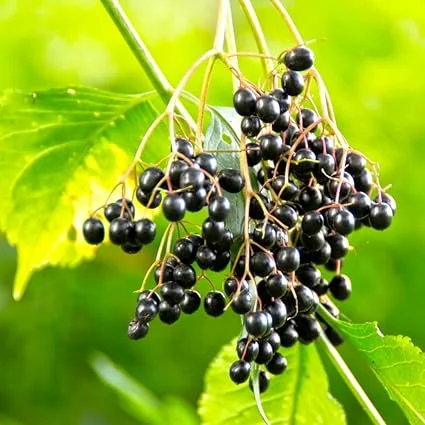
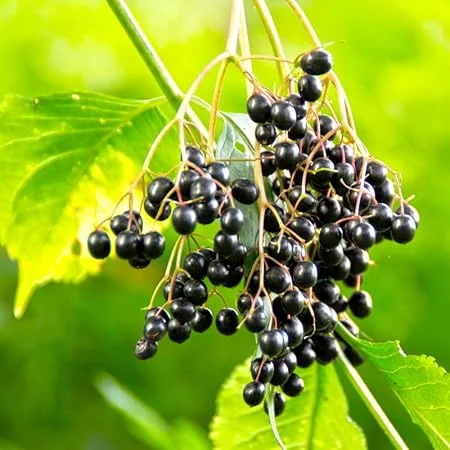
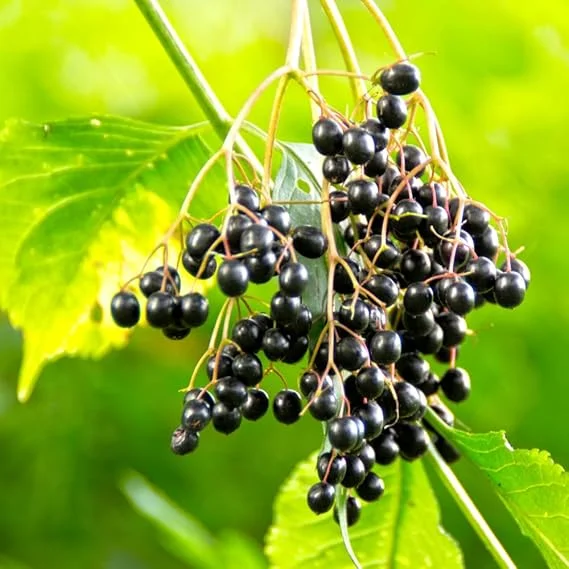
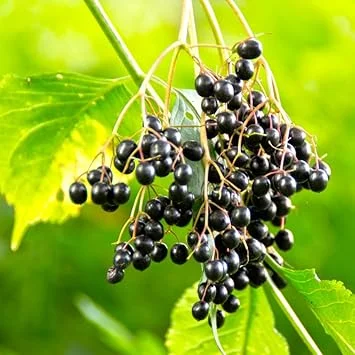
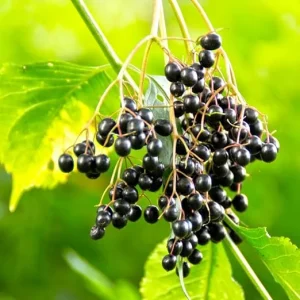
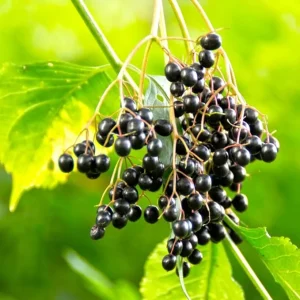
Elderberry Rooted Cuttings, Set of 4, 8-12 Inch Tall, Hardy Live Fruit Shrubs
Original price was: $59.98.$29.99Current price is: $29.99.
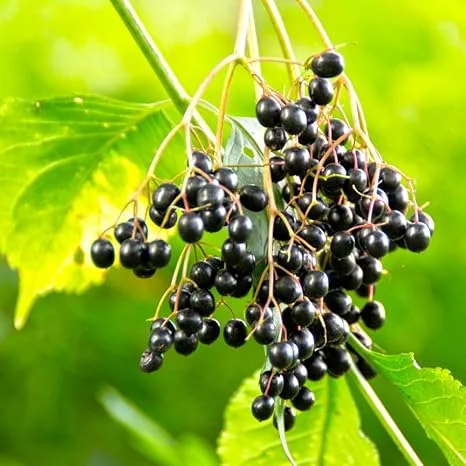
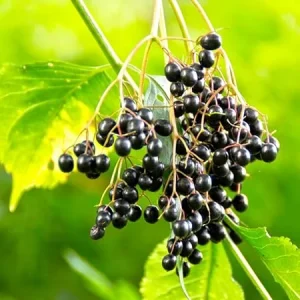
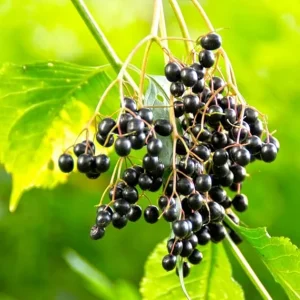
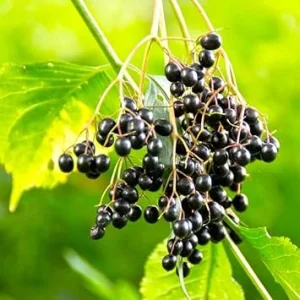
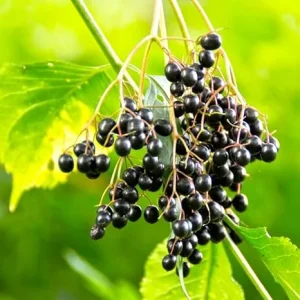
Cultivate delicious berries with this set of elderberry rooted cuttings. You’ll receive 4 live, dormant, bare-root elderberry plants, each 8-12 inches tall, ready for immediate planting. These hardy fruit shrubs are ideal for creating a productive backyard orchard or enhancing edible landscaping.
-
USDA Hardiness Zone
3-9 -
Soil Type
Well-draining soil, rich in organic matter -
Sunlight Exposure
Full Sun -
Expected Planting Period
Early spring

You can track your order HERE
Apr 03
Apr 08 - Apr 10
Apr 13 - Apr 17
Shipping and return policies: Our Alive & Thrive Guarantee covers issues with your plants within the first 30 days. Reach out to us. Our team will answer your questions and help you find the plants that are truly suitable for your environment, climate, and personal preferences.

Overview
Start your own berry patch with our premium elderberry rooted cuttings. This offering includes a set of four healthy, dormant, bare-root elderberry plants, each measuring 8-12 inches in height, ready for planting upon arrival. Elderberry, scientifically known as Sambucus, is a highly valued plant known for its beautiful clusters of flowers and nutrient-rich, edible berries. These live elderberry plants are an excellent choice for gardeners looking to add a productive and ornamental shrub to their landscape. They are easy to establish and grow into robust bushes, providing both aesthetic appeal and a bountiful harvest of berries for jams, jellies, pies, and more.
Our elderberry rooted cuttings are carefully selected to ensure strong root development, giving them the best start in your garden. Whether you’re an experienced grower or new to fruit cultivation, these hardy shrubs are designed for success. They are perfect for establishing a backyard orchard, integrating into edible landscaping, or simply enjoying the beauty of their foliage and fruit. Embrace the satisfaction of growing your own food with these reliable and rewarding plants.
Key Benefits
Investing in these elderberry rooted cuttings brings a multitude of benefits to your garden and home:
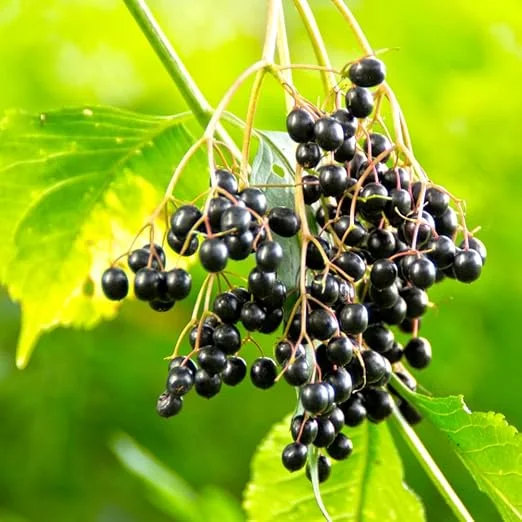
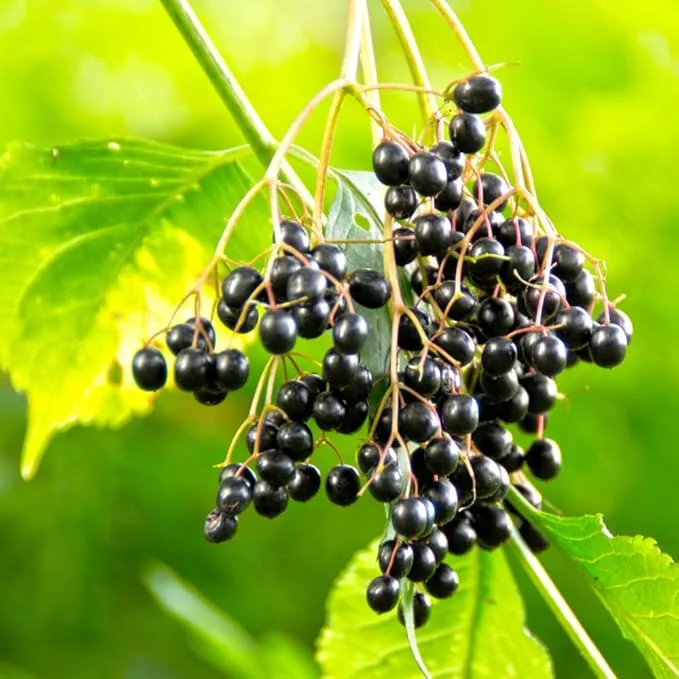
- Abundant Edible Berries: Enjoy a prolific harvest of dark purple elderberries, perfect for making delicious jams, jellies, syrups, and wine. These berries are also known for their high antioxidant content and health benefits.
- Hardy and Resilient Shrubs: These plants are incredibly tough and adaptable, thriving in a wide range of conditions and requiring minimal fuss once established. They are a reliable choice for various climates and soil types.
- Low Maintenance: Once planted, live elderberry plants are remarkably easy to care for, making them suitable for busy gardeners or those new to fruit growing. They generally require little more than occasional watering and pruning.
- Attractive Ornamental Features: Beyond their fruit, elderberry bushes offer beautiful white flower clusters in spring and attractive foliage throughout the growing season, adding visual interest to your garden.
- Wildlife Attraction: The berries are a favorite food source for various bird species, and the flowers attract pollinators, contributing to a healthy and biodiverse garden ecosystem.
- Versatile Garden Use: Ideal for backyard orchards, edible hedges, or as a decorative element in mixed perennial borders. These hardy fruit shrubs can adapt to many garden designs.
- Disease and Pest Resistance: Elderberries are generally robust plants with good natural resistance to many common pests and diseases, ensuring a healthier and more productive harvest.
Plant Care & Growing Tips
Caring for your elderberry rooted cuttings is straightforward, ensuring a healthy and productive bush. Upon arrival, gently unpack your bare-root cuttings. It’s best to plant them as soon as possible. If immediate planting isn’t feasible, keep the roots moist by wrapping them in damp newspaper or peat moss and storing them in a cool, dark place for a few days. Choose a location with full sun exposure, meaning at least 6 hours of direct sunlight per day, though they can tolerate partial shade, which might reduce fruit production. These live elderberry plants thrive in well-draining soil that is rich in organic matter. While they are adaptable, a slightly acidic to neutral pH (5.5-7.0) is ideal. Incorporate compost or well-rotted manure into the planting hole to provide essential nutrients and improve soil structure.
When planting, dig a hole wide enough to spread out the roots without bending them. Plant the cutting at the same depth it was growing previously, ensuring the crown is at soil level. Backfill with soil, gently firming it around the roots to remove air pockets, and water thoroughly. Consistent moisture is crucial during the first growing season to help the elderberry rooted cuttings establish strong root systems. Once established, elderberries are quite drought-tolerant, but regular watering during dry spells will promote better fruit development. Prune your elderberry in late winter or early spring while it is dormant. Remove any dead, damaged, or weak canes, and thin out older, less productive stems to encourage new growth and better air circulation. For optimal growth and fruit yield, consider a balanced fertilizer application in early spring. These hardy fruit shrubs are generally resistant to most pests and diseases, making them a low-spray option for the home gardener. They are suitable for USDA zones 3-9.
Size & Details
This offering includes a set of four elderberry rooted cuttings, each measuring approximately 8-12 inches tall. These are bare-root plants, meaning they arrive without soil or leaves, in a dormant state, ready for planting. This method ensures successful establishment and reduces transplant shock. Once mature, these live elderberry plants can grow to an impressive size, typically reaching 6-10 feet tall and equally wide, forming dense, multi-stemmed shrubs. They have a moderately fast growth rate, allowing you to enjoy berries within 1-2 years after planting, with full production achieved in 3-5 years. The berries ripen in late summer to early fall, offering a delightful harvest season. These cuttings are ideal for establishing a new patch of elderberries, offering a cost-effective and rewarding way to grow your own fruit.
Frequently Asked Questions
- Q: How big do these elderberry plants get? A: These elderberry rooted cuttings will grow into mature shrubs typically reaching 6-10 feet tall and wide. Their size can be managed with annual pruning.
- Q: What condition will the elderberry cuttings arrive in? A: The cuttings are shipped as dormant, bare-root plants, measuring 8-12 inches tall. They will not have leaves upon arrival, signaling they are ready for planting.
- Q: Is this an indoor or outdoor plant? A: These are hardy fruit shrubs specifically intended for outdoor garden planting. They require natural light and outdoor conditions to thrive and produce fruit.
- Q: How much sunlight do these elderberry plants need? A: For best fruit production, elderberries require full sun, meaning at least 6 hours of direct sunlight daily. They can tolerate partial shade but may yield fewer berries.
- Q: Are these elderberry rooted cuttings easy to care for? A: Yes, live elderberry plants are considered low-maintenance once established. They are hardy and adaptable to various conditions, making them a good choice for beginners.
- Q: When is the best time to plant elderberry cuttings? A: The best time to plant these dormant, bare-root cuttings is in early spring, after the last frost, allowing them to establish roots before the heat of summer.
- Q: What USDA Hardiness Zones are suitable for these elderberry plants? A: These elderberry plants are suitable for USDA Hardiness Zones 3-9, indicating their excellent cold tolerance and adaptability to a wide range of climates.
- Q: Can I use the berries from these plants for consumption? A: Yes, the berries from these elderberry plants are edible and commonly used in a variety of culinary applications, such as jams, jellies, pies, and syrups.
- Q: Do I need more than one elderberry plant for fruit production? A: While elderberries are often self-pollinating, planting multiple bushes can significantly increase fruit yield due to cross-pollination. This set of four elderberry rooted cuttings is ideal for this purpose.
- Q: What kind of soil do elderberries prefer? A: Elderberry plants prefer well-draining soil rich in organic matter. They are quite adaptable but thrive in slightly acidic to neutral pH levels.
Be the first to review “Elderberry Rooted Cuttings, Set of 4, 8-12 Inch Tall, Hardy Live Fruit Shrubs”
People Also Viewed
Sold 67 products
Original price was: $59.98.$29.99Current price is: $29.99.
Sold 75 products
Original price was: $63.98.$31.99Current price is: $31.99.
Sold 83 products
Original price was: $133.60.$66.80Current price is: $66.80.
Sold 90 products
Original price was: $47.58.$23.79Current price is: $23.79.
Sold 97 products
From $67.80
Sold 79 products
Original price was: $47.98.$23.99Current price is: $23.99.
Sold 81 products
Original price was: $75.18.$37.59Current price is: $37.59.
Sold 94 products
Original price was: $22.36.$11.18Current price is: $11.18.
Sold 71 products
Original price was: $39.96.$31.96Current price is: $31.96.
Sold 92 products
Original price was: $72.76.$36.38Current price is: $36.38.
Sold 78 products
Original price was: $69.98.$34.99Current price is: $34.99.
Sold 55 products
From $71.80
Sold 88 products
Original price was: $55.78.$27.89Current price is: $27.89.
Sold 56 products
Original price was: $63.98.$31.99Current price is: $31.99.
Sold 62 products
Original price was: $31.96.$15.98Current price is: $15.98.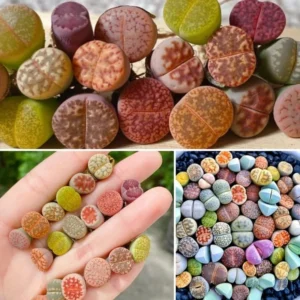
HousePlants
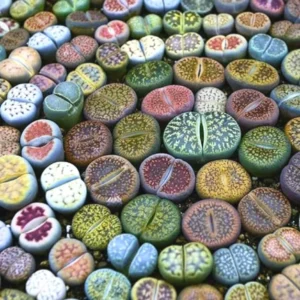
Lithops Live Plants Mix – 10 Large Colorful Living Stones Succulents for Indoor/Outdoor Growing
Sold 81 products
Original price was: $27.98.$13.99Current price is: $13.99.
Sold 55 products
Original price was: $37.98.$18.99Current price is: $18.99.
Flower Plants
Sold 68 products
Original price was: $27.98.$13.99Current price is: $13.99.


Reviews
There are no reviews yet.