
Eastern Redbud Live Plant – Quart Pot – Early Blooming Native Tree
Original price was: $59.98.$41.98Current price is: $41.98.
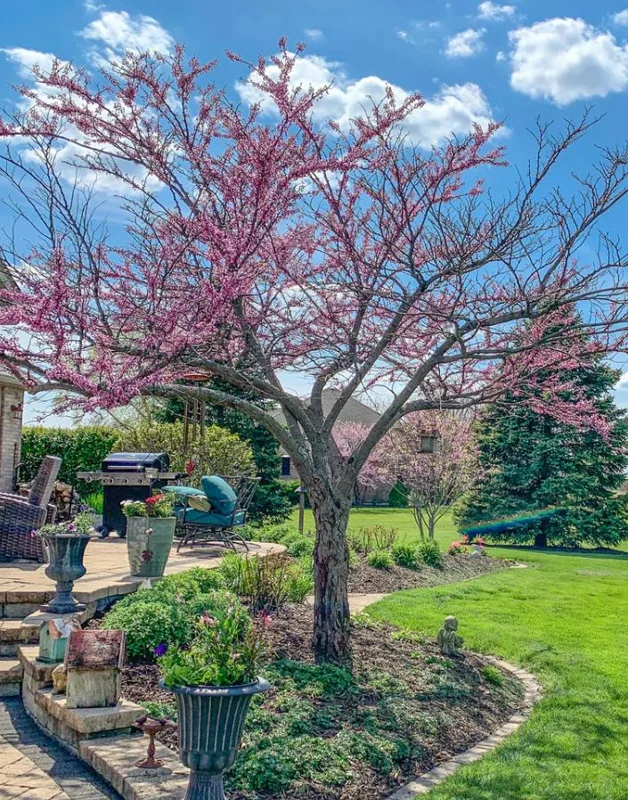
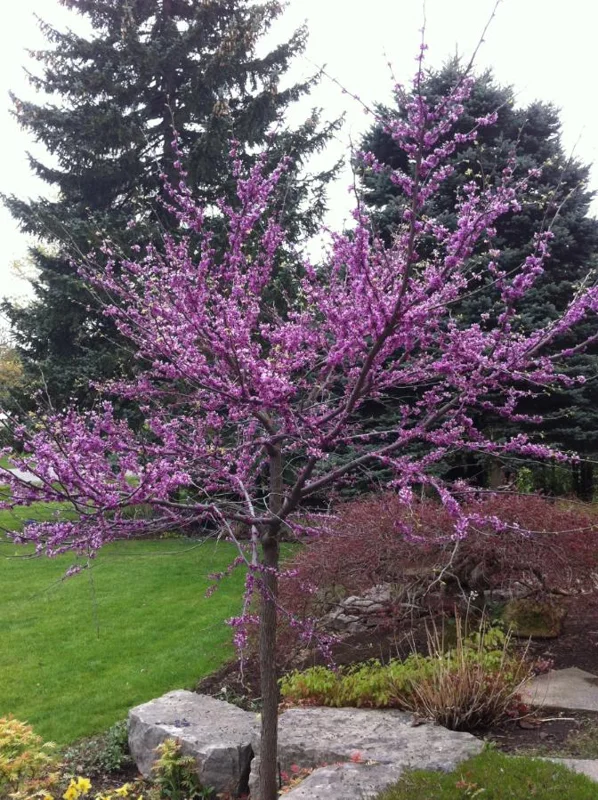
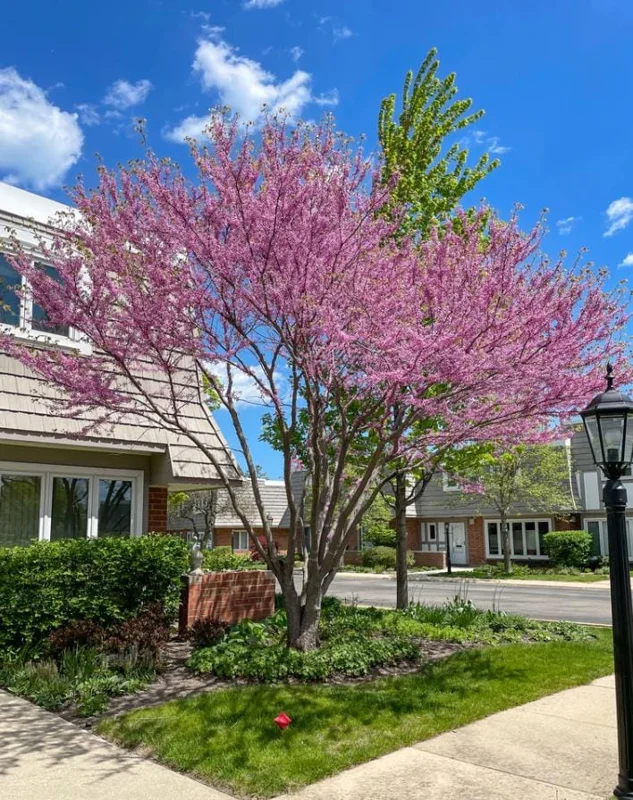
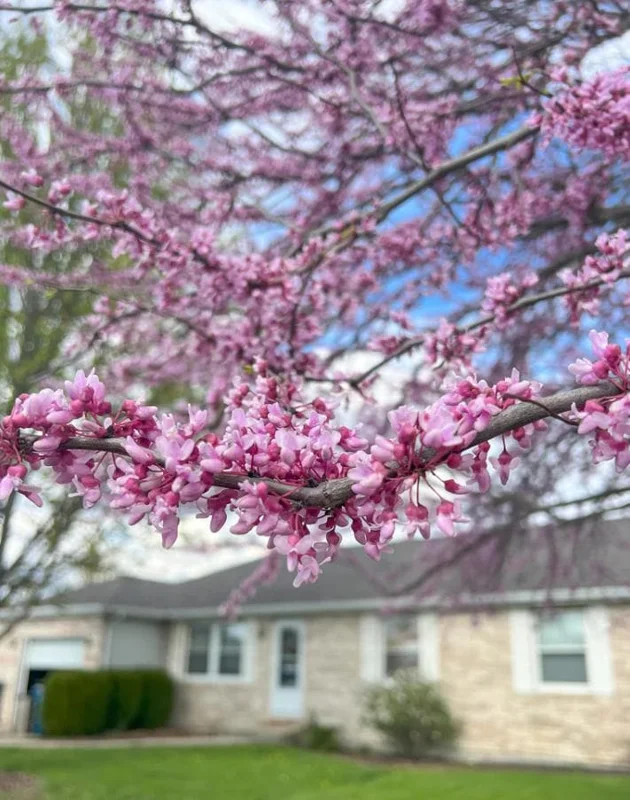
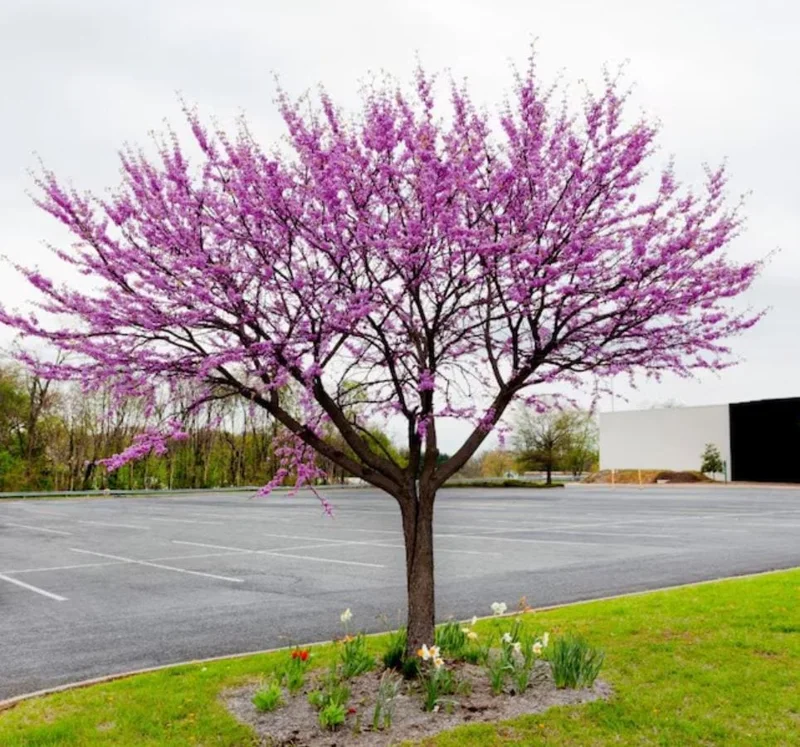
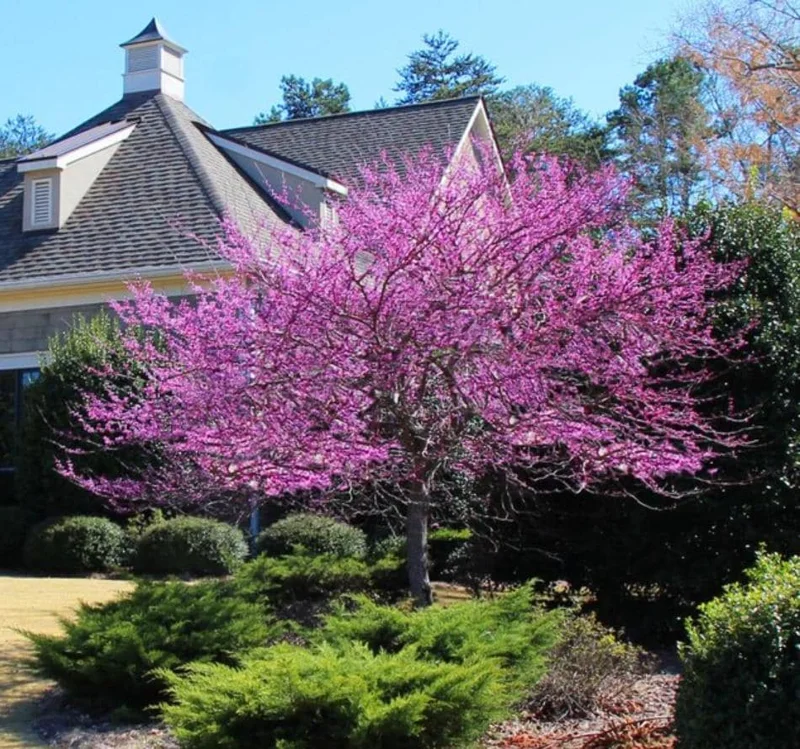
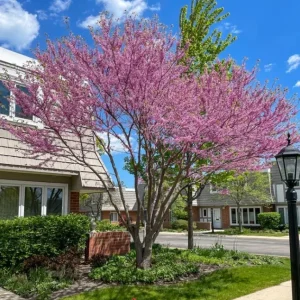
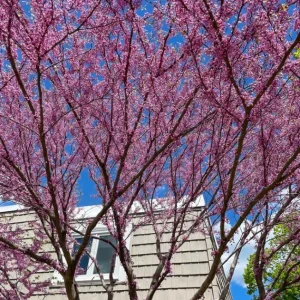
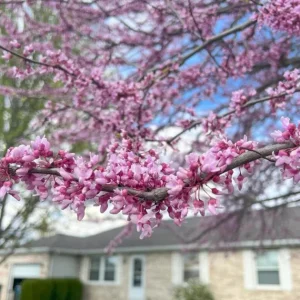
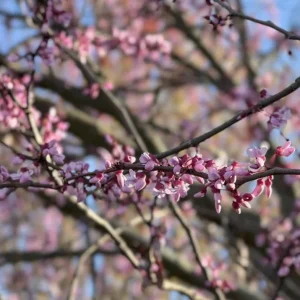
Bring early spring beauty to your garden with the Eastern Redbud live plant. This native Eastern Redbud tree offers vibrant pinkish-purple blooms before heart-shaped leaves appear. Shipped in a quart pot, it’s a low-maintenance, early blooming tree perfect for diverse landscapes. Enjoy multi-seasonal interest and support local ecosystems.
-
USDA Hardiness Zone
USDA Zones 4-9 -
Soil Type
Well-draining soil -
Sunlight Exposure
Full sun to Partial shade -
Expected Planting Period
Spring or early fall

You can track your order HERE
Mar 18
Mar 23 - Mar 25
Mar 28 - Apr 01
Shipping and return policies: Our Alive & Thrive Guarantee covers issues with your plants within the first 30 days. Reach out to us. Our team will answer your questions and help you find the plants that are truly suitable for your environment, climate, and personal preferences.

Overview
Welcome the arrival of spring with the magnificent Eastern Redbud live plant. This captivating deciduous tree, botanically known as Cercis canadensis, is celebrated for its stunning display of pinkish-purple flowers that emerge in early spring, often before its distinctive heart-shaped leaves unfurl. The Eastern Redbud live plant is a beloved ornamental choice, providing a burst of cheerful color when most other plants are just beginning to awaken. Native to North America, it thrives in a variety of settings, from woodland edges to more formal garden borders, and is a fantastic choice for supporting local ecosystems. Its graceful form and multi-season appeal make it a cherished addition to any landscape seeking an early blooming tree with natural charm. This robust and beautiful specimen is ready to establish itself in your garden and provide years of enjoyment.
As a native Eastern Redbud tree, it is perfectly adapted to the climate and soil conditions of many regions, making it an excellent choice for a sustainable and low-maintenance garden. Its presence attracts pollinators and contributes positively to local biodiversity. The ease of Eastern Redbud care also makes it a favorite among gardeners of all skill levels, ensuring a successful and rewarding planting experience.
Key Benefits
The Eastern Redbud live plant offers a multitude of benefits, making it an excellent choice for both novice and experienced gardeners. Its unique characteristics contribute significantly to landscape aesthetics and ecological value, providing beauty and environmental support.
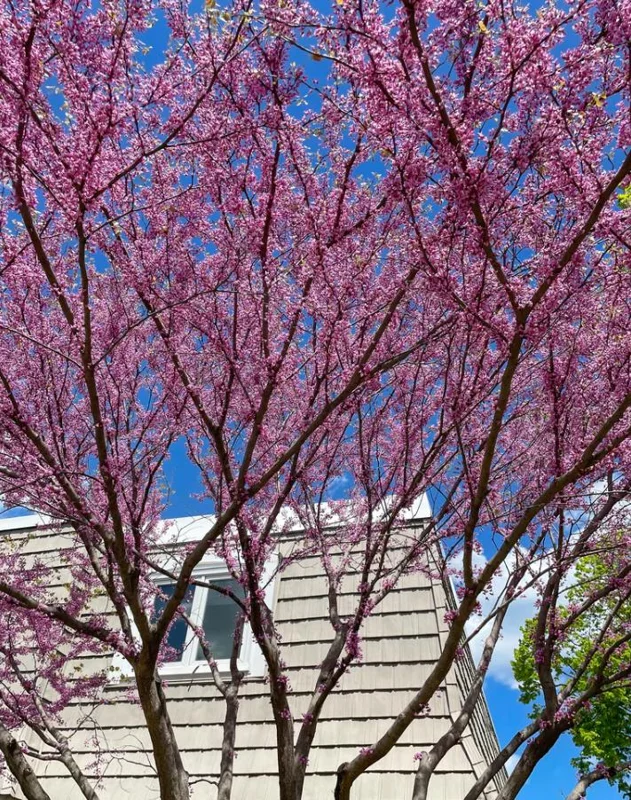
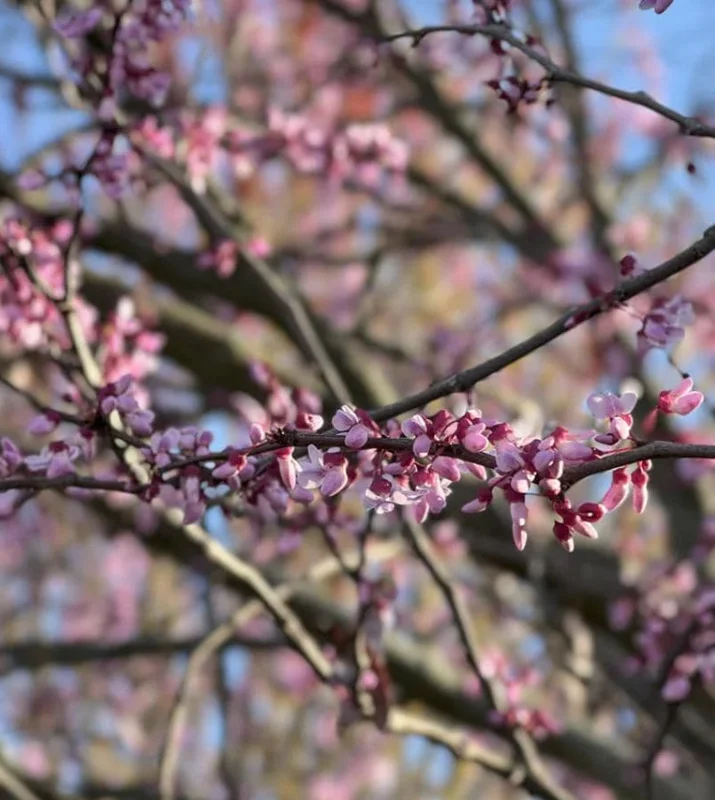
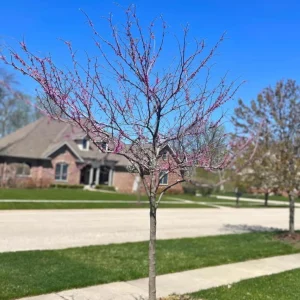
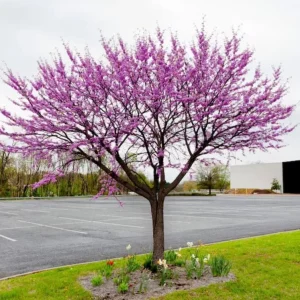
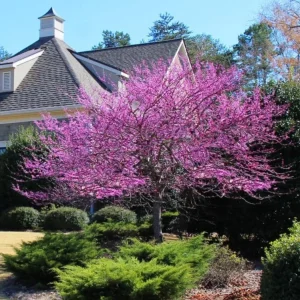
- Spectacular Early Spring Blooms: Enjoy a breathtaking display of vibrant pinkish-purple flowers that cover the branches even before the leaves appear, signaling the true start of spring. This makes the Eastern Redbud live plant a focal point in any early season garden, drawing the eye with its cheerful color.
- Native and Eco-Friendly: As a native Eastern Redbud tree, it is perfectly adapted to local climates and soils, requiring less maintenance and water once established. It also supports local wildlife, providing nectar for pollinators and serving as a host plant for various insects.
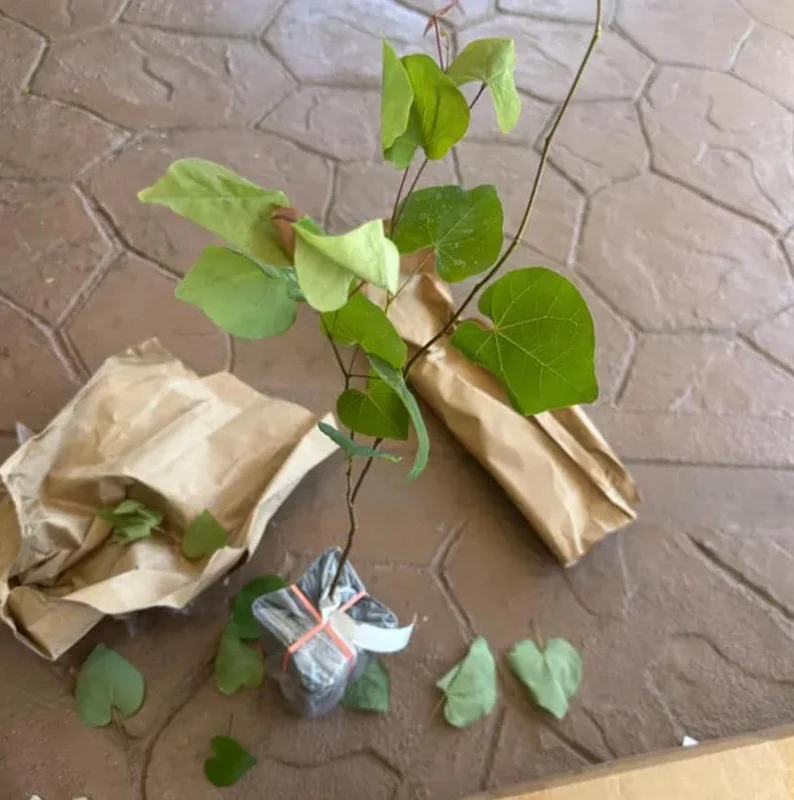
- Attractive Foliage: Beyond its flowers, the tree boasts charming heart-shaped leaves that emerge after the blooms and turn a lovely golden-yellow in the fall, offering multi-seasonal interest and adding to its ornamental appeal.
- Versatile Landscape Use: Its moderate size and attractive form make it suitable for various landscape applications, including specimen planting, borders, small yards, or naturalized areas, fitting well into diverse garden designs.
- Tolerant and Adaptable: The Eastern Redbud live plant is known for its ability to tolerate a range of soil types and light conditions, making it a robust and forgiving choice for many gardeners seeking a reliable option.
- Drought Resistance: Once established, this tree exhibits good drought tolerance, reducing the need for frequent watering during dry spells and making it a water-wise choice for your landscape.
- Low Maintenance: Generally, the Eastern Redbud live plant is a low-maintenance tree that requires minimal pruning and is relatively pest and disease resistant, simplifying your gardening tasks.
- Early Blooming Tree: As an early blooming tree, it provides much-needed color and interest at the very beginning of the growing season, a welcome sight after winter.
Plant Care & Growing Tips
Caring for your Eastern Redbud live plant is relatively straightforward, ensuring years of beautiful blooms and foliage. This native Eastern Redbud tree prefers a location with full sun to partial shade. Full sun (at least 6 hours of direct sunlight daily) will encourage the most prolific flowering. In hotter climates, some afternoon shade can be beneficial to protect the foliage from scorching. When it comes to soil, the Eastern Redbud is adaptable but prefers average, well-draining soil. Avoid planting in consistently wet or poorly drained areas, as this can lead to root rot. A slightly acidic to neutral pH (6.0-7.0) is ideal for optimal growth.
Water your Eastern Redbud live plant regularly during its first growing season to help establish a strong root system. Once established, it is fairly drought-tolerant but will benefit from supplemental watering during prolonged dry periods, especially when young. Fertilization is generally not necessary for established trees in good soil, but if your soil is poor, a balanced slow-release fertilizer can be applied in early spring before new growth begins. Pruning should be done in late winter or early spring while the tree is dormant to remove any dead, damaged, or crossing branches. Avoid heavy pruning, as the Eastern Redbud is susceptible to diseases through large wounds. The minimal Eastern Redbud care routine makes it an excellent choice for a vibrant, low-effort garden, allowing you to enjoy its beauty with less fuss. Consider its botanical name, Cercis canadensis, when researching additional care tips.
Size & Details
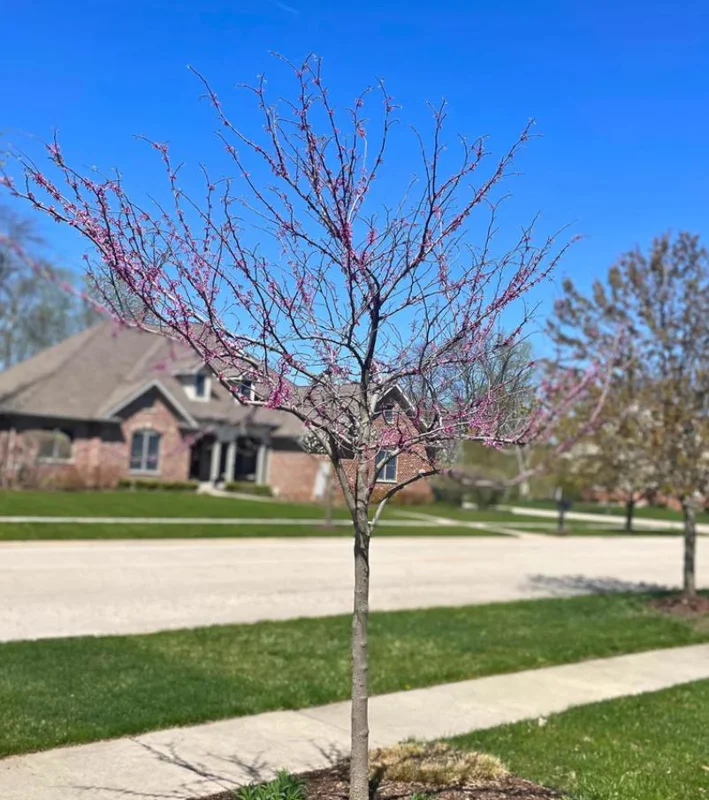
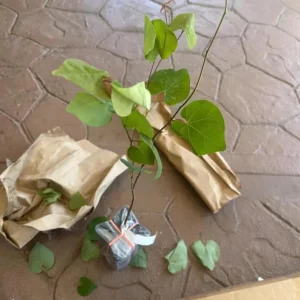
The Eastern Redbud live plant is shipped in a quart nursery pot, providing a healthy and robust start for your garden. This species typically grows to a mature height of 20-30 feet with a similar spread, forming a beautiful, rounded to vase-shaped canopy. Its growth rate is moderate, meaning it will establish itself and begin to show significant size within a few years, offering a noticeable impact on your landscape relatively quickly. Flowers typically appear in early spring, usually in March or April, depending on your climate, making it a true early blooming tree. The heart-shaped leaves emerge shortly after the blooms and remain vibrant green throughout the summer, turning a striking golden-yellow in the fall. This ornamental tree is a long-lived addition to the landscape, offering visual interest across multiple seasons and providing a consistent focal point.
Frequently Asked Questions
- Q: How big does this plant get? A: The Eastern Redbud live plant typically grows to a mature height of 20-30 feet with a similar spread, forming a lovely rounded to vase shape. It’s a moderate-sized tree perfect for many garden spaces, including smaller yards.
- Q: What size pot does it come in? A: This Eastern Redbud live plant is shipped as a healthy specimen in a quart-sized nursery pot, ready for planting in your garden. This provides a good root system for establishment.
- Q: Is this an indoor or outdoor plant? A: The Eastern Redbud live plant is an outdoor tree, best suited for planting directly in the ground where it can reach its full potential and provide seasonal beauty to your landscape. It is not suitable for indoor cultivation.
- Q: How much sunlight does it need? A: For optimal growth and flowering, the native Eastern Redbud tree prefers full sun to partial shade. Aim for at least 6 hours of direct sunlight daily for the best bloom production, especially for an early blooming tree.
- Q: Is this plant easy to care for? A: Yes, Eastern Redbud care is generally considered easy. It’s a robust and adaptable tree that tolerates various conditions once established, making it suitable for gardeners of all levels, including beginners.
- Q: What condition will it arrive in? A: Your Eastern Redbud live plant will arrive carefully packaged, healthy, and ready for planting. During colder months, it may be dormant with few or no leaves, which is completely normal for Cercis canadensis.
- Q: How long until it blooms? A: Depending on its age and establishment, your Eastern Redbud live plant may bloom in its first or second year after planting. It is known as an early blooming tree, providing spring color quite readily.
- Q: When is the best time to plant? A: The best times to plant an Eastern Redbud live plant are in the spring after the last frost or in the early fall, allowing the roots to establish before extreme temperatures set in.
- Q: Will it survive winter in my zone? A: The Eastern Redbud is typically hardy in USDA Zones 4-9. Please check your specific hardiness zone to ensure it is suitable for your climate. This species is quite resilient.
- Q: Is this a good tree for small yards? A: Yes, its moderate size and attractive shape make the Eastern Redbud live plant an excellent choice for smaller yards or as an accent tree where larger trees might be too overwhelming.
- Q: What is the scientific name for this tree? A: The botanical name for the Eastern Redbud is Cercis canadensis, a widely recognized and cherished species.
Be the first to review “Eastern Redbud Live Plant – Quart Pot – Early Blooming Native Tree”
People Also Viewed
Sold 80 products
Original price was: $47.98.$23.99Current price is: $23.99.
Sold 83 products
Original price was: $47.96.$23.98Current price is: $23.98.
Sold 93 products
Original price was: $89.98.$44.99Current price is: $44.99.
Sold 64 products
Original price was: $39.99.$29.99Current price is: $29.99.
Sold 74 products
Original price was: $39.96.$19.98Current price is: $19.98.
Sold 59 products
Original price was: $25.56.$12.78Current price is: $12.78.
Sold 62 products
Original price was: $89.56.$44.78Current price is: $44.78.

Sold 52 products
Original price was: $67.96.$33.98Current price is: $33.98.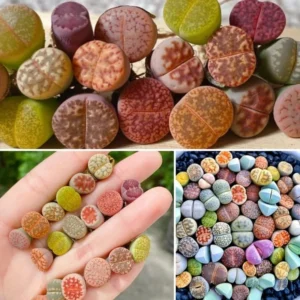
HousePlants
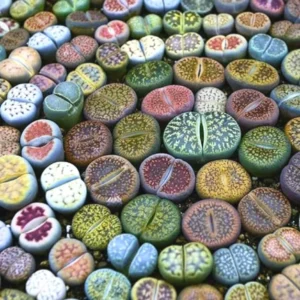
Lithops Live Plants Mix – 10 Large Colorful Living Stones Succulents for Indoor/Outdoor Growing
Sold 100 products
Original price was: $27.98.$13.99Current price is: $13.99.
Sold 52 products
Original price was: $47.96.$23.98Current price is: $23.98.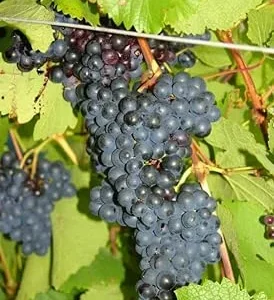
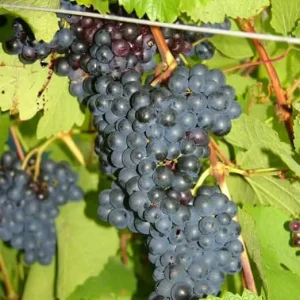
Fruits
Eastern Concord Bunch Grape Vine Live Plant – 2 Year Old, Cold Hardy, Blue-Black Grapes, Outdoor
Sold 98 products
Original price was: $97.60.$48.80Current price is: $48.80.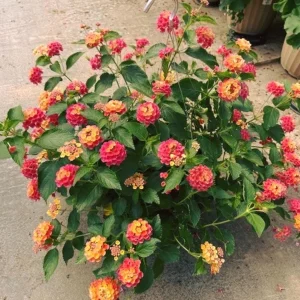
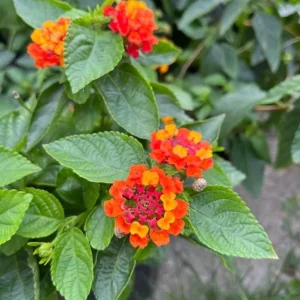
Flower Plants
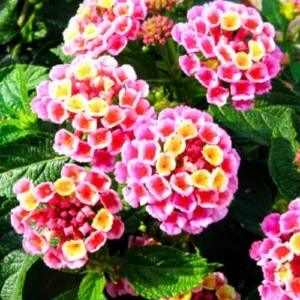
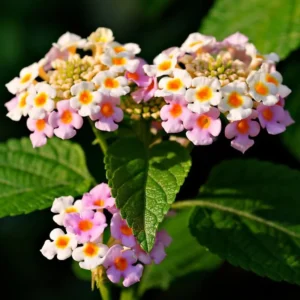
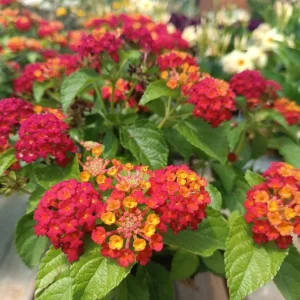
Lantana Camara ‘Fireworks’ Live Plant Set – 2x 4-6″ Tall Starter Plants, Attracts Pollinators
Sold 64 products
Original price was: $27.98.$13.99Current price is: $13.99.
Sold 52 products
Original price was: $51.98.$25.99Current price is: $25.99.
Sold 86 products
Original price was: $147.16.$73.58Current price is: $73.58.
Sold 73 products
From $59.80
Sold 81 products
Original price was: $59.98.$29.99Current price is: $29.99.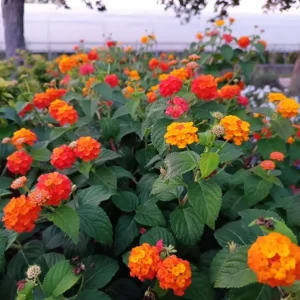
Flower Plants
Sold 77 products
Original price was: $27.98.$13.99Current price is: $13.99.
Sold 98 products
Original price was: $53.98.$26.99Current price is: $26.99.



Reviews
There are no reviews yet.