
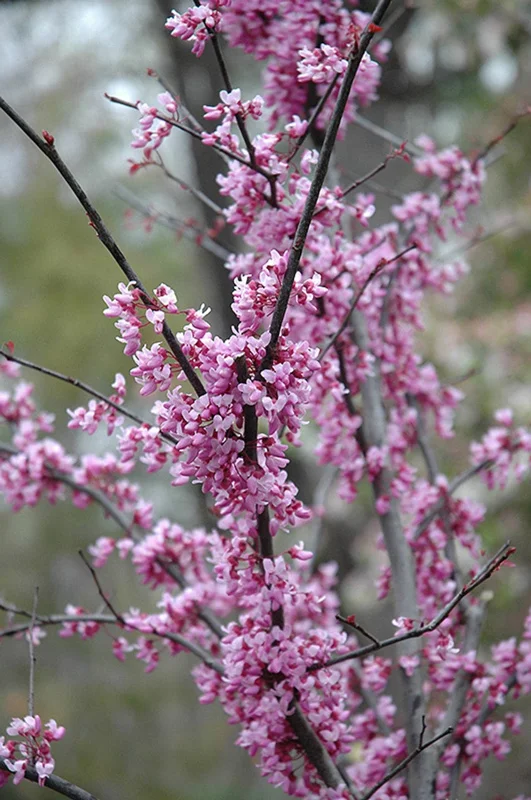
Eastern Redbud ‘Forest Pansy’ Live Plant – 3ft Tall – 3 Gallon Pot – Outdoor Tree
Original price was: $283.96.$141.98Current price is: $141.98.
Add dramatic color to your garden with this Eastern Redbud ‘Forest Pansy’ live plant. Standing 3ft tall in a 3-gallon pot, it features stunning purple-red foliage and cheerful pink spring flowers, making it a perfect ornamental tree for any outdoor space.
-
USDA Hardiness Zone
USDA Zones 5-9 -
Soil Type
Well-draining, moist, rich in organic matter -
Sunlight Exposure
Full sun to partial shade -
Expected Planting Period
Early spring or early fall

You can track your order HERE
Mar 04
Mar 09 - Mar 11
Mar 14 - Mar 18
Shipping and return policies: Our Alive & Thrive Guarantee covers issues with your plants within the first 30 days. Reach out to us. Our team will answer your questions and help you find the plants that are truly suitable for your environment, climate, and personal preferences.

Overview
Introduce a touch of elegance and vibrant color to your landscape with the magnificent Eastern Redbud ‘Forest Pansy’ live plant. This captivating ornamental tree, scientifically known as Cercis canadensis ‘Forest Pansy’, is celebrated for its striking deep purple-red, heart-shaped leaves that emerge in spring, gradually maturing to a rich burgundy. Before its foliage fully unfurls, the tree bursts into a spectacular display of tiny, pea-like, rosy-pink flowers directly on its branches, creating a breathtaking early spring spectacle. The ‘Forest Pansy’ variety is a popular choice for its unique leaf color, offering year-round visual interest that stands out in any garden design. It’s an ideal specimen tree, understory tree, or a vibrant addition to mixed borders, attracting pollinators and delighting onlookers with its seasonal transformations.
The Forest Pansy Redbud tree is a deciduous plant, meaning it will shed its leaves in the fall, often with a final flourish of orange-yellow hues before winter. Its graceful, spreading habit and relatively compact size make it suitable for a variety of garden settings, from expansive estates to smaller urban yards. This particular offering is a robust Eastern Redbud ‘Forest Pansy’ live plant, approximately 3 feet tall, shipped in a 3-gallon plastic pot, ready to be planted and establish itself in its new home. Its resilience and beauty make it a rewarding choice for both seasoned gardeners and those new to tree planting, promising years of enjoyment and visual appeal.
Key Benefits
The Eastern Redbud ‘Forest Pansy’ live plant offers a multitude of benefits that make it an exceptional addition to any garden. Its distinctive features provide both aesthetic appeal and environmental advantages, enhancing your outdoor living space in numerous ways.
- Stunning Foliage Color: The most notable feature is its vibrant, heart-shaped leaves that emerge a brilliant purple-red in spring, holding their color well into summer before transitioning to deeper burgundy and finally autumnal shades. This provides continuous visual interest throughout the growing season.
- Early Spring Blooms: Before the leaves even appear, the tree is adorned with a profusion of small, rosy-pink flowers along its bare branches. These early blooms are a welcome sign of spring and provide an important nectar source for early pollinators like bees.
- Attractive Form and Size: The Forest Pansy Redbud tree typically grows into a graceful, spreading form, reaching a moderate height and spread that makes it suitable for various landscape applications, including smaller gardens or as a striking focal point.
- Drought Tolerance: Once established, this purple leaf Redbud demonstrates good drought tolerance, making it a relatively low-maintenance option for many climates and reducing the need for frequent watering.
- Wildlife Attraction: The flowers attract bees and other beneficial insects, while its seeds provide food for birds, contributing to local biodiversity and creating a lively garden environment.
- Versatile Landscape Use: Its unique color and manageable size allow it to be used as a specimen tree, an understory tree in a woodland setting, or as part of a mixed border, providing contrast and texture.
- Adaptable and Resilient: The Cercis canadensis ‘Forest Pansy’ is known for its hardiness and ability to adapt to a range of soil types and environmental conditions, making it a reliable choice for many gardeners.
Plant Care & Growing Tips
Caring for your Eastern Redbud ‘Forest Pansy’ live plant is straightforward, ensuring it thrives and displays its full beauty for years to come. Proper planting and ongoing maintenance are key to its success. This ornamental Redbud tree prefers a location with full sun to partial shade. Full sun (at least 6 hours of direct sunlight per day) will generally result in the most intense purple foliage color and abundant flowering. In hotter climates, some afternoon shade can be beneficial to prevent leaf scorch. Ensure the planting site has good air circulation to reduce the risk of fungal diseases.
When it comes to watering, the Forest Pansy Redbud tree requires consistent moisture, especially during its establishment period. Water deeply and regularly, about once or twice a week, to keep the soil evenly moist but not waterlogged. Once established, it becomes more tolerant of drier conditions, but supplemental watering during prolonged dry spells will help maintain its vigor. The ideal soil for Cercis canadensis ‘Forest Pansy’ is well-draining, moist, and rich in organic matter. It tolerates a range of soil types, including clay, loam, and sand, but performs best in slightly acidic to neutral pH. Avoid planting in areas where water tends to collect, as poor drainage can lead to root rot. For optimal growth, apply a balanced, slow-release fertilizer in early spring before new growth begins, or use a general-purpose tree and shrub fertilizer according to package directions.
The ‘Forest Pansy’ Redbud is hardy in USDA zones 5-9. It is generally low-maintenance regarding pruning; primarily, remove any dead, damaged, or crossing branches to maintain a healthy structure. Pruning is best done in late winter or early spring before the new growth emerges. Watch out for common issues such as canker disease, which can be managed by proper pruning and ensuring good air circulation. Pests are generally not a major concern, but occasional monitoring for common tree pests is advisable. With these care tips, your purple leaf Redbud will be a stunning focal point in your garden.
Size & Details
This offering is for one Eastern Redbud ‘Forest Pansy’ live plant, which stands approximately 3 feet tall from the base of the plant to the top. It is shipped securely in a 3-gallon plastic nursery pot, ensuring the root system is well-protected and ready for planting upon arrival. The plant’s current height provides a good head start for establishment in your garden, allowing you to enjoy its distinctive foliage and early spring blooms sooner. The Forest Pansy Redbud tree typically reaches a mature height of 20-30 feet with a similar spread, forming an attractive, vase-shaped to rounded canopy. Its growth rate is moderate, adding about 13-24 inches per year.
When you receive your Cercis canadensis ‘Forest Pansy’, it will be a young, healthy specimen, carefully prepared for shipment. The 3-gallon pot size allows for a robust root ball, which is crucial for successful transplanting and quick establishment. Expect the tree to begin flowering in its early years, with the bloom period typically occurring in April, depending on your specific climate zone. The vibrant purple-red leaves will follow shortly after, offering a spectacular display throughout the spring and summer. This ornamental Redbud tree is an excellent long-term investment for adding structure, color, and seasonal interest to your landscape.
Frequently Asked Questions
- Q: How big does this Eastern Redbud ‘Forest Pansy’ live plant get? A: This particular plant is 3 feet tall when shipped. At maturity, the ‘Forest Pansy’ Redbud tree typically reaches a height of 20-30 feet with a similar spread, creating a beautiful, rounded canopy.
- Q: What size pot does it come in? A: The Eastern Redbud ‘Forest Pansy’ live plant is shipped in a 3-gallon plastic nursery pot, providing a healthy root system for successful transplanting.
- Q: Is this an indoor or outdoor plant? A: The Forest Pansy Redbud tree is an outdoor deciduous tree. It requires exposure to seasonal changes and is not suitable for indoor cultivation.
- Q: How much sunlight does it need? A: This tree thrives in full sun to partial shade. For the best purple foliage color and most abundant blooms, aim for at least 6 hours of direct sunlight per day.
- Q: Is this plant easy to care for? A: Yes, the Cercis canadensis ‘Forest Pansy’ is considered relatively easy to care for once established. It requires consistent watering during its first year, but becomes quite drought tolerant thereafter.
- Q: What condition will it arrive in? A: Your Eastern Redbud ‘Forest Pansy’ live plant will arrive in a healthy, well-packaged condition, ready for planting. We take great care to ensure it tolerates the shipping process.
- Q: When is the best time to plant this tree? A: The best time to plant the purple leaf Redbud is in early spring or early fall when temperatures are moderate, allowing the tree to establish its root system before extreme weather.
- Q: Will it survive winter in my zone? A: The ‘Forest Pansy’ Redbud is hardy in USDA Zones 5-9. If you are within these zones, it should successfully overwinter and return in spring.
- Q: How often should I water my newly planted ornamental Redbud tree? A: For the first year after planting, water deeply 1-2 times per week, or more often during hot, dry periods, to ensure the soil remains consistently moist but not waterlogged.
- Q: Does this tree attract wildlife? A: Yes, the early spring flowers provide nectar for bees and other pollinators, and the seeds can be a food source for birds, making it a good choice for a wildlife-friendly garden.
Be the first to review “Eastern Redbud ‘Forest Pansy’ Live Plant – 3ft Tall – 3 Gallon Pot – Outdoor Tree”
People Also Viewed
Sold 56 products
Original price was: $54.36.$27.18Current price is: $27.18.
Sold 78 products
Original price was: $73.98.$36.99Current price is: $36.99.
Sold 98 products
$48.38
Sold 90 products
Original price was: $24.00.$19.20Current price is: $19.20.
Sold 92 products
Original price was: $319.96.$159.98Current price is: $159.98.
Sold 65 products
$87.98
Sold 86 products
Original price was: $37.99.$26.59Current price is: $26.59.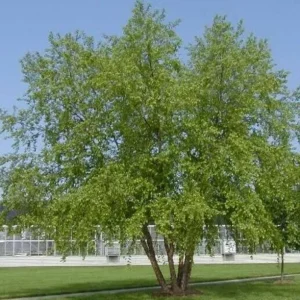
Sold 97 products
Original price was: $45.98.$32.18Current price is: $32.18.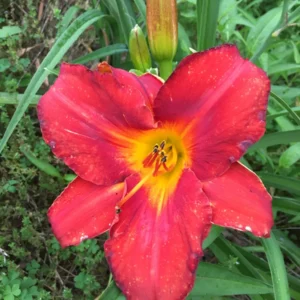
Flower Plants
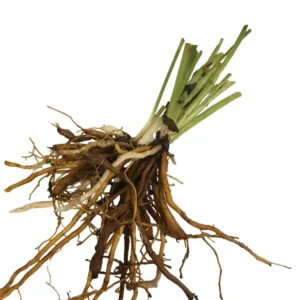
Pardon Me Daylily Bare Root Plant – Fragrant Red Reblooming Hemerocallis, 1-2 Fans, Outdoor
Sold 89 products
From $119.80
Sold 90 products
From $19.00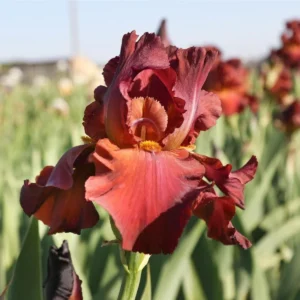
Flower Plants
Red Reblooming Bearded Iris Live Plant – ‘My Friend Jonathan’ – 3.5 inch Pot – Outdoor
Sold 73 products
From $47.80
Sold 78 products
$54.98
Sold 50 products
Original price was: $82.76.$41.38Current price is: $41.38.
Sold 58 products
Original price was: $26.76.$13.38Current price is: $13.38.
Sold 65 products
Original price was: $34.99.$14.99Current price is: $14.99.
Sold 65 products
Original price was: $183.16.$91.58Current price is: $91.58.
Flower Plants
Sold 94 products
Original price was: $64.48.$32.24Current price is: $32.24.
Flower Plants
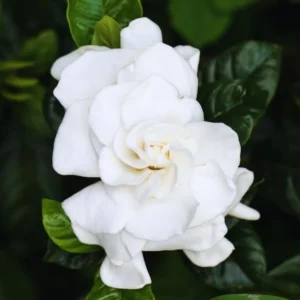
Cape Jasmine Plants Live – 2 Frost Proof Gardenia Plants – 3-6 Inch Tall – Gardenia Plant Pot
Sold 68 products
Original price was: $56.00.$28.00Current price is: $28.00.


Reviews
There are no reviews yet.