
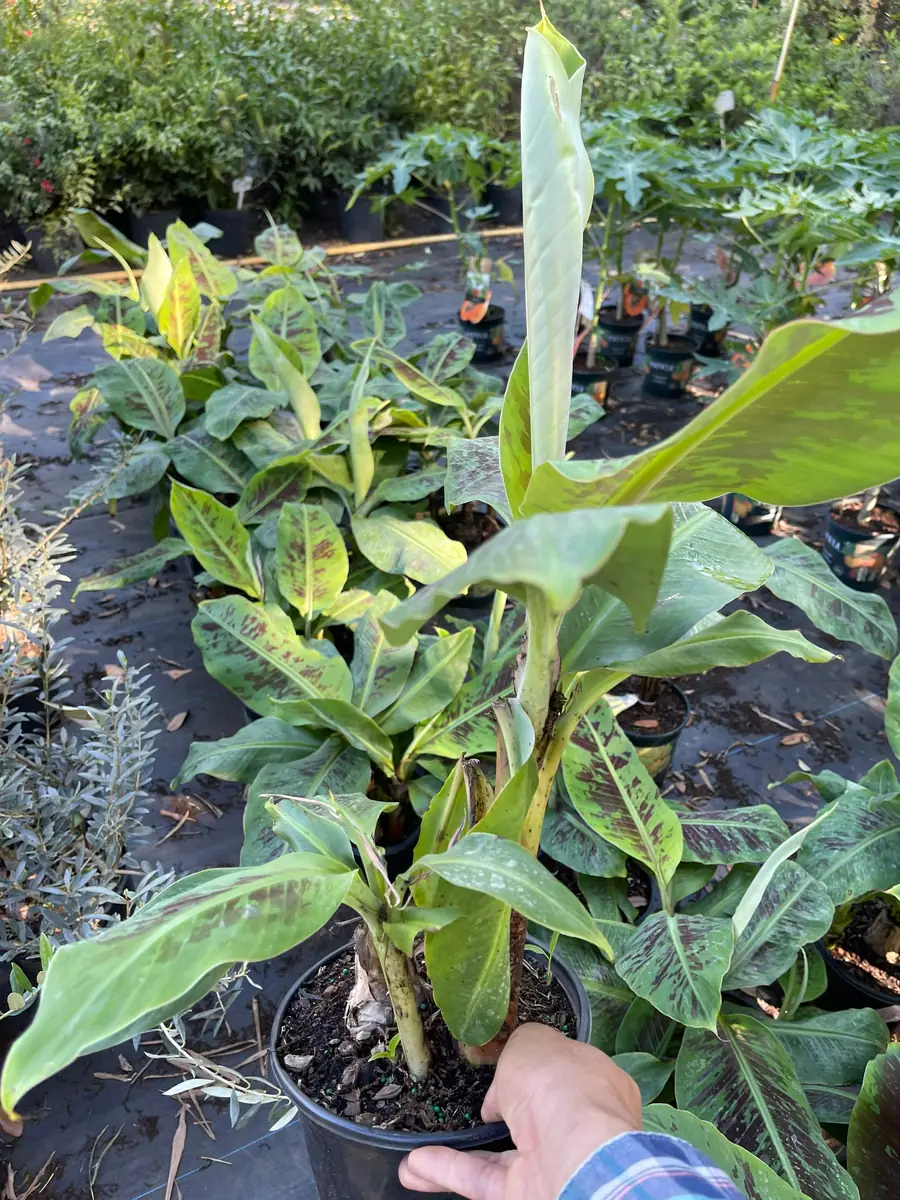
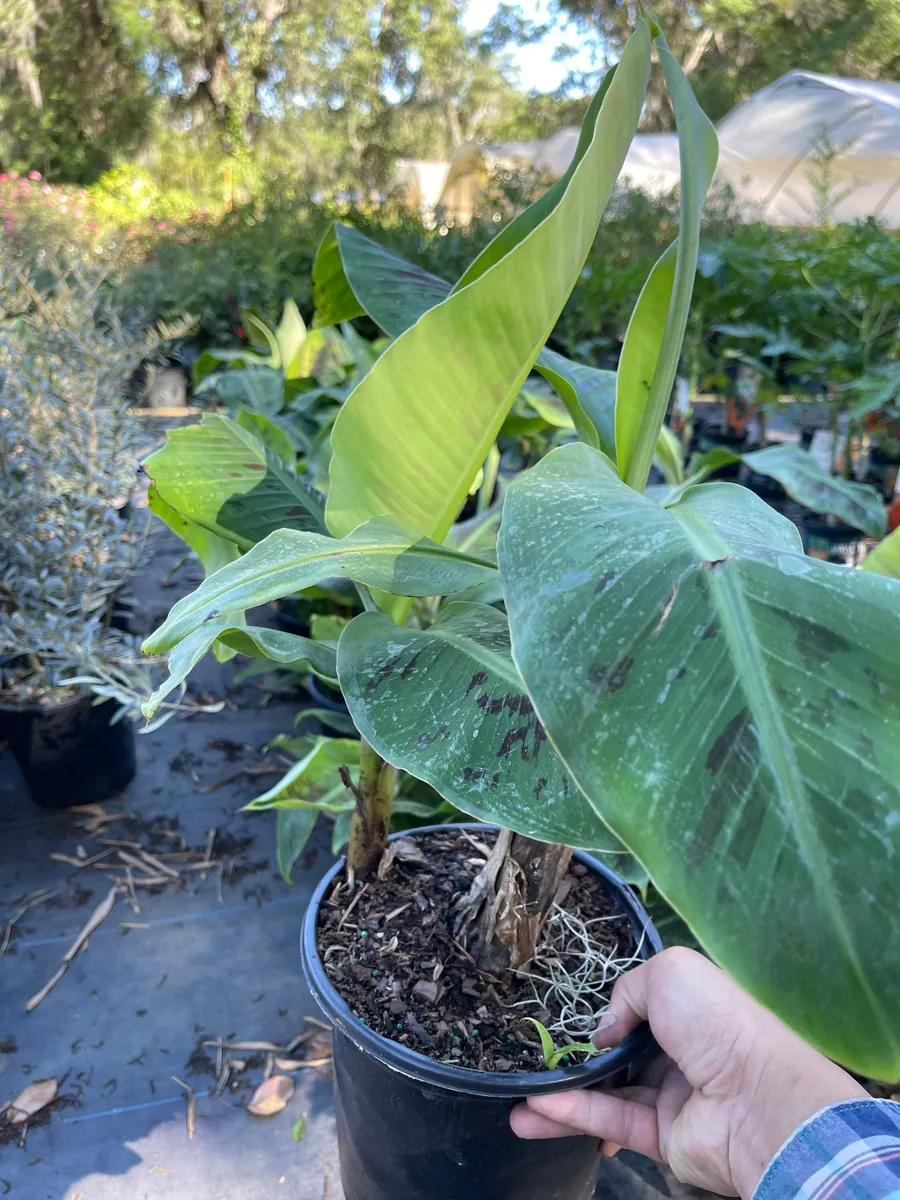
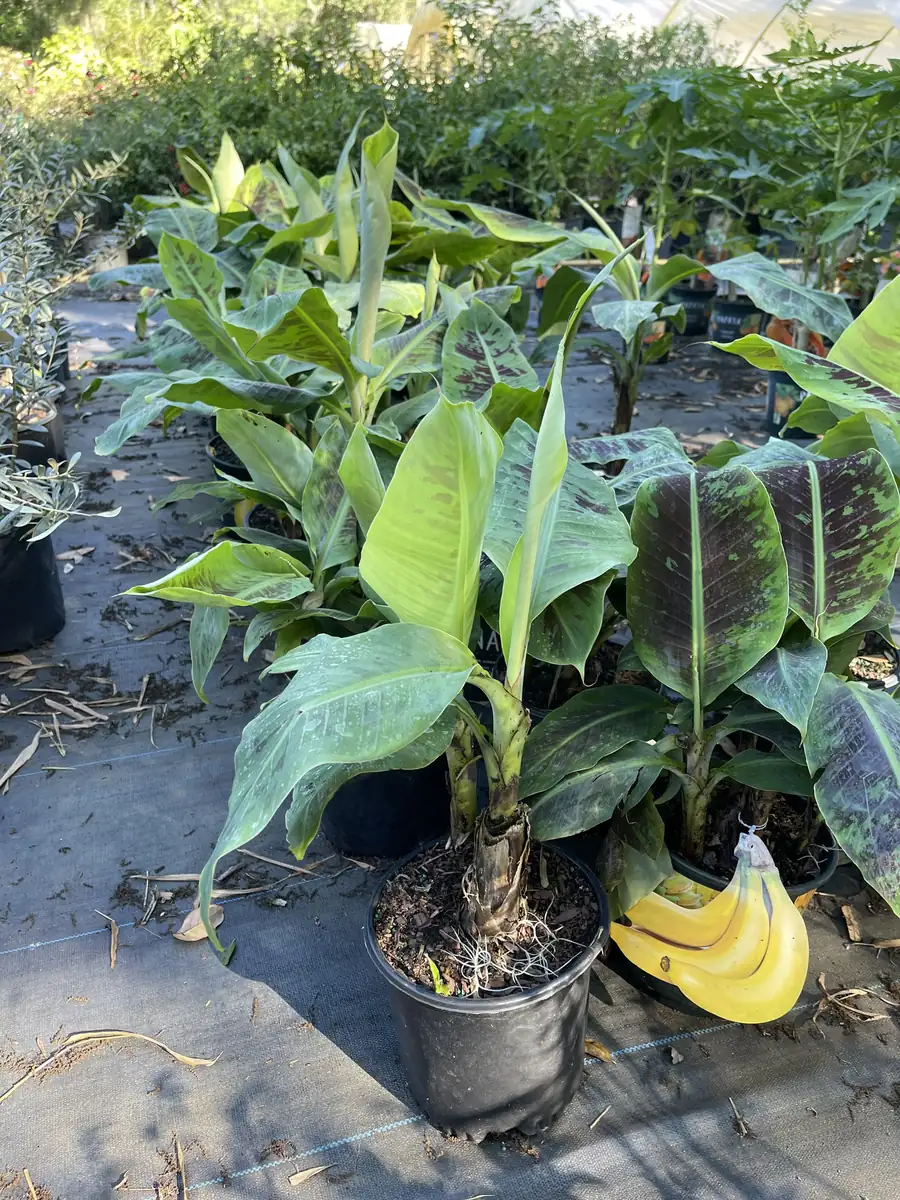
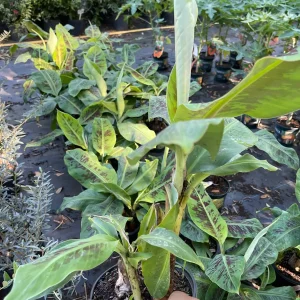
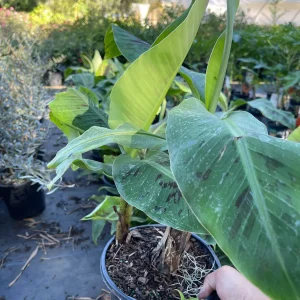
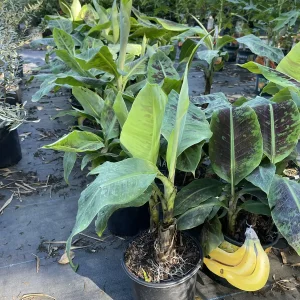
Dwarf Cavendish Banana Tree Live Plant – 2-3 Feet Tall Tropical Fruit
Original price was: $420.00.$156.99Current price is: $156.99.
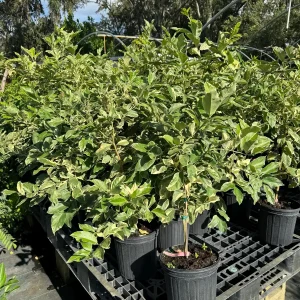
Cultivate your own tropical paradise with the dwarf banana tree. This Cavendish banana plant is a live specimen, typically 2-3 feet tall, perfect for growing delicious fruit. Ideal for containers, it’s a popular choice for both indoor and outdoor settings in appropriate climates.
-
USDA Hardiness Zone
USDA zones 9–11 (outdoor) or year-round indoors -
Soil Type
Rich, well-draining loamy soil -
Sunlight Exposure
Full sun (6-8+ hours direct light daily) -
Expected Planting Period
Year-round indoors, spring to early summer outdoors

You can track your order HERE
Mar 03
Mar 08 - Mar 10
Mar 13 - Mar 17
Shipping and return policies: Our Alive & Thrive Guarantee covers issues with your plants within the first 30 days. Reach out to us. Our team will answer your questions and help you find the plants that are truly suitable for your environment, climate, and personal preferences.

Overview
Embark on a tropical gardening adventure with the dwarf banana tree. This live plant, specifically the Cavendish variety, is renowned for its manageable size and delicious, sweet fruit. Originating from Southeast Asia, banana plants are not technically trees but rather giant herbaceous plants. The Dwarf Cavendish is a popular cultivar, reaching a mature height of approximately 6-10 feet, making it an excellent choice for home gardens, patios, or even as an impressive indoor plant in larger spaces. Its lush, broad leaves create a stunning tropical aesthetic, even before it begins to produce its signature yellow fruit. Growing your own bananas offers a unique and rewarding experience, providing fresh, organic produce right at your fingertips.
The Cavendish banana plant is celebrated for its relatively quick growth and ability to produce fruit within a few years under optimal conditions. Unlike its larger counterparts, the dwarf size makes it more adaptable to various growing environments, including containers, which is particularly beneficial for those in cooler climates who wish to bring their plants indoors during winter. This particular specimen arrives as a healthy, vibrant plant, typically measuring 2-3 feet tall, ready to establish itself in its new home and begin its journey towards producing sweet, homegrown bananas.
Key Benefits
Growing a dwarf banana tree offers a multitude of benefits, from aesthetic appeal to the joy of fresh produce. Here are some of the compelling reasons to add this tropical gem to your collection:
-
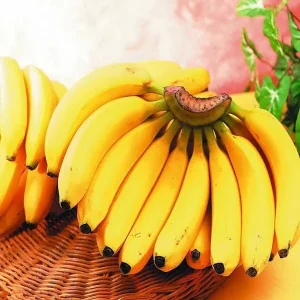
Homegrown Tropical Fruit: Enjoy the unparalleled taste of fresh, organic bananas harvested directly from your own plant. The Dwarf Cavendish variety is known for its sweet, creamy fruit, perfect for snacking, smoothies, or desserts.
-
Exotic Ornamental Value: With its large, vibrant green leaves and impressive stature, the Cavendish banana plant instantly transforms any space into a tropical oasis. It serves as a stunning focal point in gardens, on patios, or as a statement indoor banana plant.
-
Container Friendly: Its dwarf nature makes it highly suitable for container gardening. This allows for easy relocation, which is crucial for protecting the plant from cold temperatures in non-tropical zones, enabling successful cultivation almost anywhere.
-
Relatively Fast Growing: Under ideal conditions, a Dwarf Cavendish can mature and begin fruiting within 1-2 years, offering a relatively quick turnaround for your gardening efforts compared to many other fruit trees.
-
Air Purification: Like many large-leafed plants, banana trees contribute to a healthier indoor environment by absorbing carbon dioxide and releasing oxygen, improving air quality.
-
Educational Experience: Growing a banana tree can be a fascinating and educational experience, especially for children, teaching them about plant life cycles, tropical agriculture, and the source of their food.
-
Sustainable Living: Producing your own fruit reduces reliance on store-bought produce, supporting a more sustainable and self-sufficient lifestyle.
Plant Care & Growing Tips
Proper banana tree care is essential for a thriving plant and a bountiful harvest. While they are tropical plants, the Dwarf Cavendish is quite adaptable with the right attention. Sunlight is paramount; these plants require at least 6-8 hours of direct sunlight daily to flourish and produce fruit. In outdoor settings, choose a location that receives full sun. If growing as an indoor banana plant, place it near a south-facing window or supplement with a grow light to ensure it gets adequate illumination. Insufficient light can lead to slow growth and poor fruit production.
Watering is another critical aspect of banana tree care. Banana plants are heavy feeders and drinkers. The soil should be consistently moist but never waterlogged. During warm growing seasons, you may need to water daily, especially if the plant is in a container. Reduce watering slightly in cooler months or when the plant is dormant. Well-draining soil is crucial to prevent root rot; a rich, loamy potting mix with good organic matter is ideal. Fertilize regularly during the growing season (spring through fall) with a balanced, slow-release fertilizer or a liquid feed high in potassium to encourage flowering and fruiting. Protecting your plant from strong winds is also important, as their large leaves can tear easily, impacting photosynthesis.
Temperature and humidity play a significant role in how to grow banana trees successfully. They thrive in warm, humid environments, ideally between 65-80°F (18-27°C). Frost will severely damage or kill the plant, so if you live in a region with cold winters, growing in a container is highly recommended so you can bring it indoors. Indoor plants benefit from regular misting or placement near a humidifier to mimic their natural tropical habitat. Monitor for common pests like spider mites and mealybugs, especially when grown indoors, and treat promptly with insecticidal soap if detected. With diligent care, your dwarf banana tree will reward you with lush foliage and delicious fruit.
Size & Details
This offering is for a vibrant dwarf banana tree, typically standing 2-3 feet tall from the base of the plant to the top of its highest leaf. It is shipped as a live plant, usually in a nursery pot, ensuring it arrives healthy and ready for transplanting into its permanent home. The Dwarf Cavendish variety is known for its compact growth habit, eventually reaching a mature height of approximately 6-10 feet when planted in the ground or a large container, making it considerably smaller than standard banana varieties.
Under optimal growing conditions, this Cavendish banana plant can begin to produce fruit within 1-2 years of planting. The plant ships securely to minimize stress during transit. While specific pot size may vary, it will be adequate for the plant’s current size, providing a strong root system to ensure successful establishment. Expect robust growth during warmer months, with new leaves unfurling regularly, contributing to its rapid development and eventual fruit production.
Frequently Asked Questions
-
Q: How big does this dwarf banana tree get? A: This particular plant ships at 2-3 feet tall. As a mature Dwarf Cavendish, it typically grows to a height of 6-10 feet, making it a manageable size for most home gardens or large containers.
-
Q: Is this an indoor or outdoor plant? A: The Cavendish banana plant can be grown both indoors and outdoors. It thrives outdoors in USDA Zones 9-11. In cooler climates, it can be grown outdoors during warm months and brought indoors for winter, making it an excellent indoor banana plant choice.
-
Q: How much sunlight does it need? A: For optimal growth and fruit production, your banana tree requires at least 6-8 hours of direct sunlight each day. If growing indoors, place it in the brightest available location, ideally a south-facing window.
-
Q: Is this plant easy to care for? A: While banana trees require consistent watering, feeding, and protection from cold, they are relatively straightforward to care for if their basic needs are met. Following good banana tree care practices will ensure a healthy plant.
-
Q: What condition will it arrive in? A: Your banana plant will arrive as a healthy, live specimen, carefully packaged to minimize stress during shipping. It will be rooted in a nursery pot, ready for transplanting upon arrival.
-
Q: How long until it produces fruit? A: Under ideal growing conditions and with proper how to grow banana tree techniques, a Dwarf Cavendish banana tree can begin producing fruit within 1-2 years from planting.
-
Q: What kind of soil is best for a banana tree? A: Banana trees prefer rich, well-draining soil with plenty of organic matter. A good quality potting mix amended with compost is ideal for container growing.
-
Q: Can I grow this in a small apartment? A: While it is a dwarf variety, this plant still requires ample space due to its large leaves and eventual height. A very large pot and a bright, spacious room are necessary for it to thrive as an indoor banana plant in an apartment setting.
-
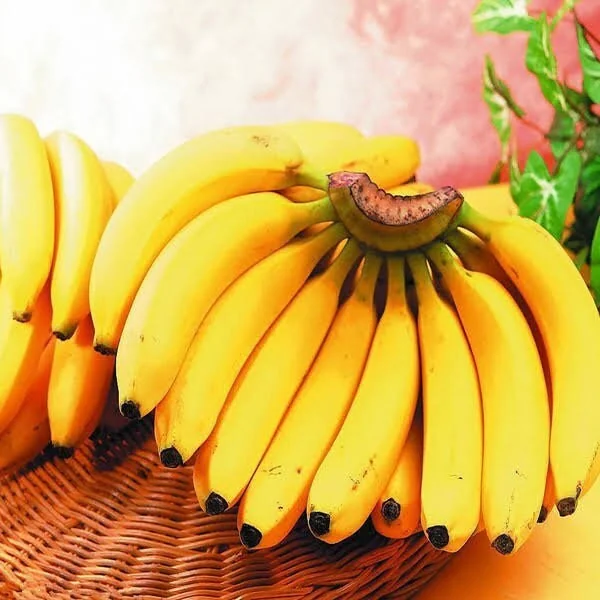
Q: Is the fruit from this dwarf banana tree edible? A: Yes, the Dwarf Cavendish variety produces classic, sweet, and delicious bananas that are perfectly edible and highly sought after for their flavor.
-
Q: What is the best way to ensure a good harvest? A: To ensure a good harvest, focus on consistent direct sunlight, regular watering, proper fertilization, and protection from cold temperatures. Learning how to grow banana tree effectively involves these key elements.
| banana tree | Banana Tree, Tree+ 1Lb Fertilizer, Tree+ 2Lb Fertilizer |
|---|
Be the first to review “Dwarf Cavendish Banana Tree Live Plant – 2-3 Feet Tall Tropical Fruit”
People Also Viewed
Sold 88 products
Original price was: $28.76.$14.38Current price is: $14.38.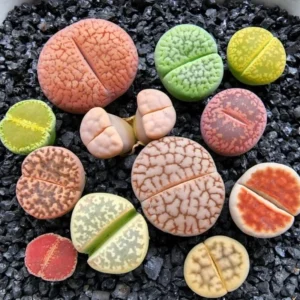
Sold 76 products
Original price was: $39.98.$19.99Current price is: $19.99.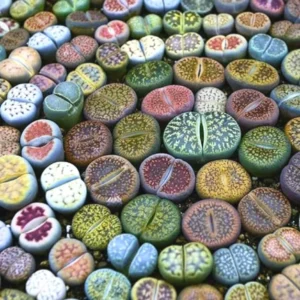
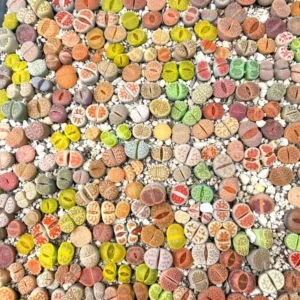
Sold 78 products
Original price was: $39.98.$19.99Current price is: $19.99.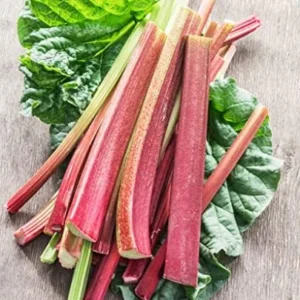
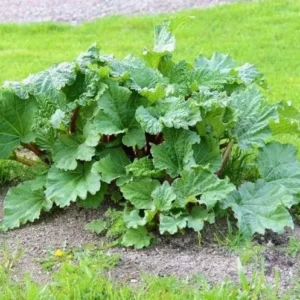
Sold 97 products
Original price was: $91.98.$45.99Current price is: $45.99.
Sold 84 products
Original price was: $8.52.$4.26Current price is: $4.26.
Sold 58 products
Original price was: $355.96.$177.98Current price is: $177.98.
HousePlants
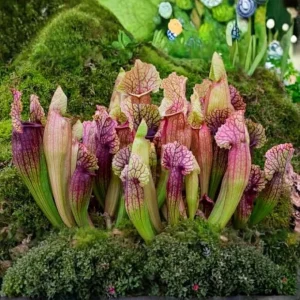
Purple Nepenthes Pitcher Plant Live – Exotic Tropical Houseplant for Indoor/Outdoor Décor
Sold 89 products
$65.98
Sold 95 products
Original price was: $24.00.$19.20Current price is: $19.20.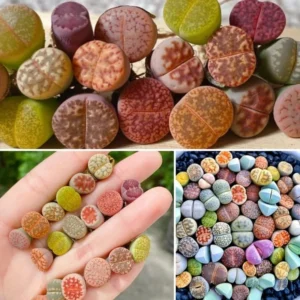
HousePlants
Lithops Live Plants Mix – 10 Large Colorful Living Stones Succulents for Indoor/Outdoor Growing
Sold 99 products
Original price was: $27.98.$13.99Current price is: $13.99.
Sold 96 products
From $24.28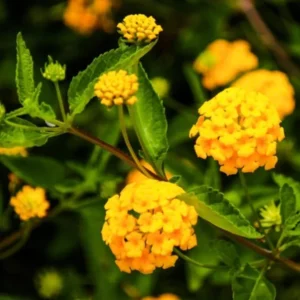
Flower Plants
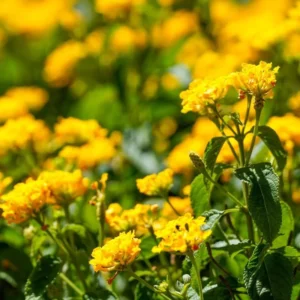
Gold Yellow Lantana Plants – 2 Live Plants – 4 Inch Pots – Butterfly Attracting Flowers
Sold 94 products
Original price was: $39.98.$19.99Current price is: $19.99.
Sold 54 products
Original price was: $30.76.$15.38Current price is: $15.38.
Sold 64 products
$48.38
Sold 54 products
From $61.58
Sold 79 products
$329.98
Sold 100 products
Original price was: $65.98.$32.99Current price is: $32.99.
Sold 62 products
Original price was: $53.98.$26.99Current price is: $26.99.
Sold 67 products
Original price was: $170.00.$127.50Current price is: $127.50.



Reviews
There are no reviews yet.