
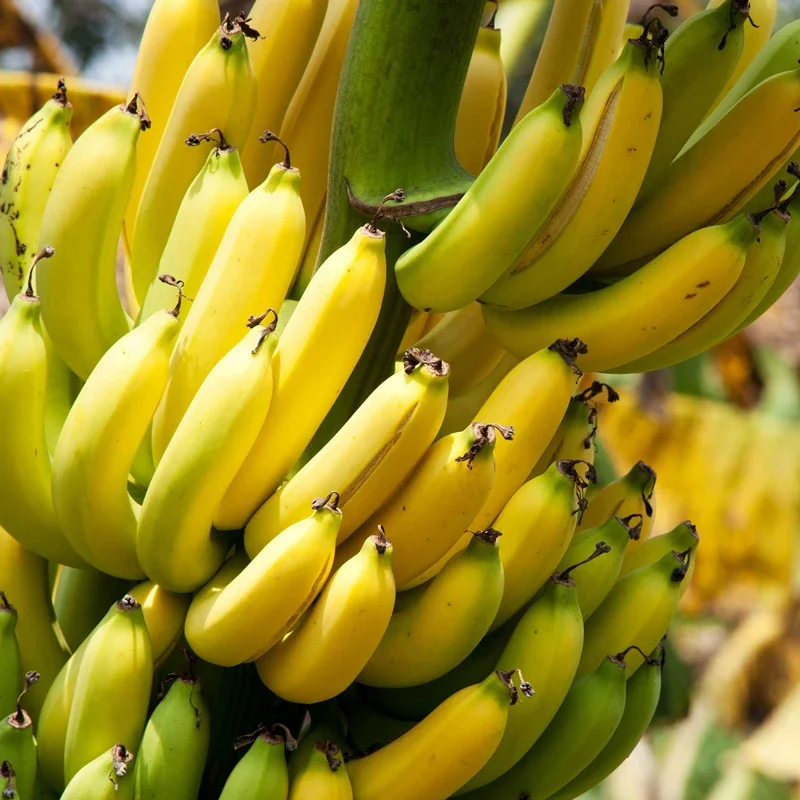
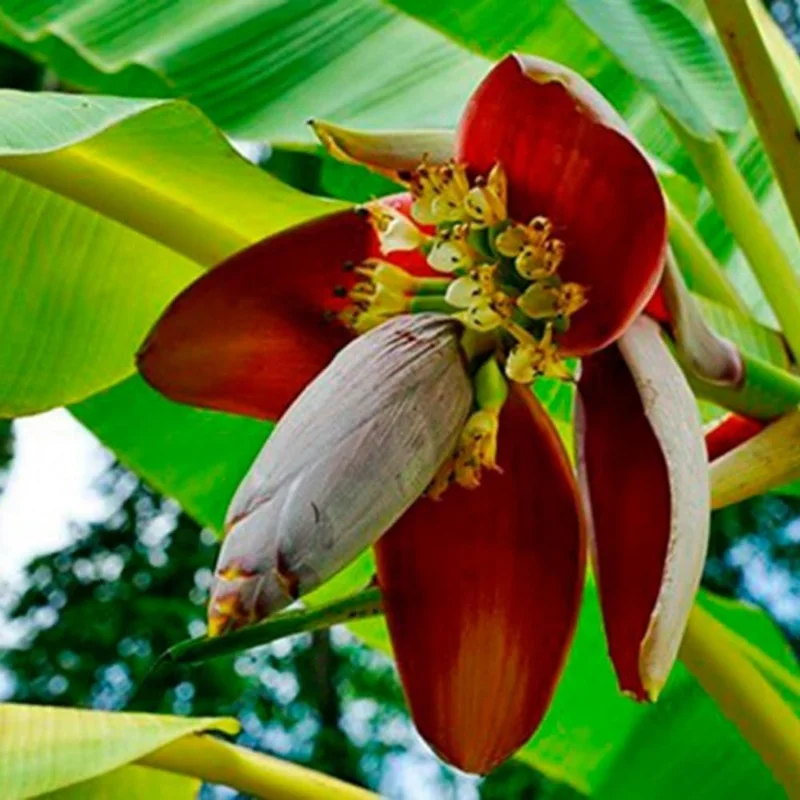
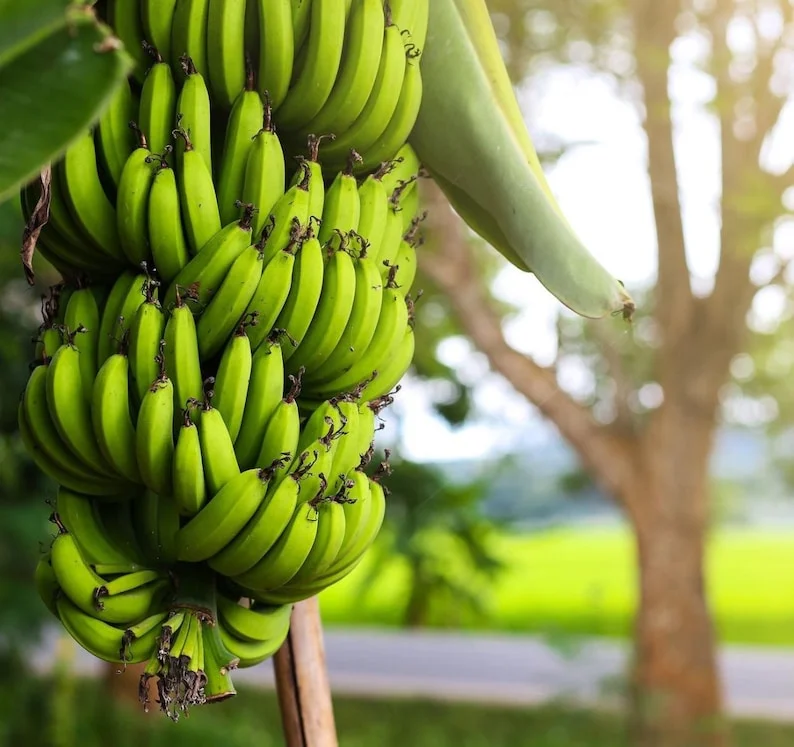
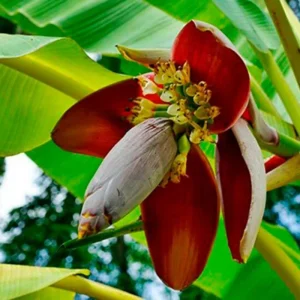
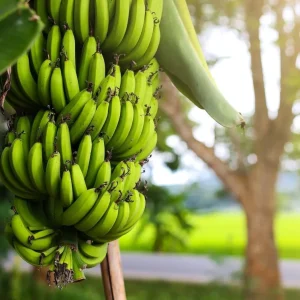
Dwarf Cavendish Banana Live Plant – 1 Gallon Pot – Indoor/Outdoor Fruit Tree
Original price was: $63.20.$54.96Current price is: $54.96.
Bring a tropical touch to your home or garden with this dwarf cavendish banana live plant. This compact variety is perfect for growing delicious fruit indoors or out, arriving in a 1 gallon pot and ready to thrive.
-
USDA Hardiness Zone
USDA zones 9-11 (outdoors), can be grown indoors in all zones -
Soil Type
Rich, well-draining soil with organic matter -
Sunlight Exposure
Full sun (6-8+ hours direct light) -
Expected Planting Period
Spring to early summer (outdoors), year-round (indoors)

You can track your order HERE
Sep 20
Sep 25 - Sep 27
Sep 30 - Oct 04
Shipping and return policies: Our Alive & Thrive Guarantee covers issues with your plants within the first 30 days. Reach out to us. Our team will answer your questions and help you find the plants that are truly suitable for your environment, climate, and personal preferences.

Overview
Cultivate your own tropical paradise with the dwarf cavendish banana live plant, a popular and compact variety known for its sweet, delicious fruit. This versatile plant, scientifically known as Musa acuminata ‘Dwarf Cavendish’, is an excellent choice for both experienced gardeners and beginners looking to add an exotic touch to their collection. Unlike its larger relatives, the Dwarf Cavendish typically reaches a manageable height, making it suitable for container growing on patios, balconies, or even indoors in sunny locations. Imagine harvesting your own fresh bananas right from your home! This plant arrives as a healthy, thriving specimen in a 1 gallon pot, ready to be transplanted and nurtured to maturity. The dwarf cavendish banana live plant is celebrated for its relatively quick growth and ability to produce fruit within a few years under optimal conditions, offering a rewarding experience for any plant enthusiast.
The allure of growing your own bananas is undeniable, and the Dwarf Cavendish makes this dream accessible. Its lush, broad leaves create a vibrant, tropical aesthetic, even before the fruit appears. This particular variety is cherished for its resilience and adaptability, making it a fantastic addition to various growing environments. Whether you’re aiming to grow dwarf cavendish banana as a focal point in your indoor plant collection or as a productive fruit tree in your outdoor garden, you’ll find it a rewarding endeavor. Prepare for the satisfaction of watching your plant mature and eventually yield its sweet, creamy produce.
Key Benefits
Beyond its striking appearance, the Dwarf Cavendish Banana offers numerous benefits, making it a highly desirable plant for any home or garden. Its compact size and fruit-bearing capabilities are just the beginning of what makes this plant so special.
- Homegrown Deliciousness: Enjoy the unparalleled taste of fresh, organic bananas harvested directly from your own plant. Homegrown bananas often have a superior flavor and texture compared to store-bought varieties, providing a truly unique culinary experience.
- Compact & Manageable Size: This dwarf variety is perfect for smaller spaces, reaching heights of only 6-10 feet. It thrives in containers, making it an ideal indoor banana plant care project or a patio fruit tree where space is limited. Its manageable size simplifies pruning and harvesting.
- Tropical Aesthetic: The large, vibrant green leaves instantly transform any space into a tropical oasis. Whether placed indoors or outdoors, the lush foliage adds a dramatic and exotic touch to your decor, enhancing the visual appeal of its surroundings.
- Relatively Fast Fruiting: With proper care, you can expect fruit production within 2-3 years, offering a relatively quick return on your gardening efforts. This makes the journey of growing bananas even more exciting and rewarding.
- Air Purification: Like many large-leaved plants, the Dwarf Cavendish contributes to improved indoor air quality by absorbing toxins and releasing oxygen, creating a healthier living environment.
- Educational Experience: Growing your own fruit tree, especially an exotic one like a banana, provides a fascinating educational experience for all ages. It’s a wonderful way to connect with nature and understand the process of food production.
- Conversation Starter: A fruiting banana plant is sure to be a conversation piece, captivating guests and visitors with its unique charm and the promise of delicious fruit. It’s a truly distinctive addition to any plant collection.
Plant Care & Growing Tips
Successful cultivation of your dwarf cavendish banana live plant hinges on providing the right environmental conditions and consistent care. While resilient, these tropical plants thrive with attention to their specific needs, ensuring healthy growth and abundant fruit production.
Sunlight Requirements: Banana plants are sun-lovers. They require a minimum of 6-8 hours of direct sunlight per day to flourish and produce fruit. If growing indoors, place your mini banana plant in your brightest south-facing window, or supplement with a high-quality grow light. Outdoors, choose a location that receives full sun throughout the day. Insufficient light can lead to slow growth and reduced fruit yield.
Watering Schedule and Soil Moisture: These plants are heavy drinkers, especially during warm weather and active growth. The soil should be kept consistently moist but never waterlogged. Water thoroughly until water drains from the bottom of the pot, then allow the top inch or two of soil to dry out slightly before watering again. Reduce watering frequency during cooler months or when the plant is dormant. Good drainage is crucial to prevent root rot, which is a common issue for banana plants.
Soil Type and Drainage: A rich, well-draining potting mix is essential. A blend that includes compost, perlite, and peat moss or coir is ideal. For outdoor planting, amend heavy clay soils with organic matter to improve drainage. The soil should be slightly acidic to neutral, with a pH between 6.0 and 7.0. Ensuring proper drainage is key to preventing waterlogged roots and promoting a healthy cavendish banana tree for sale.
Temperature Range and USDA Hardiness Zone: Dwarf Cavendish banana plants are tropical and prefer warm temperatures, ideally between 75-85°F (24-29°C). They are sensitive to cold and should be protected from temperatures below 50°F (10°C). In USDA Zones 9-11, they can be grown outdoors year-round. In colder climates, they must be brought indoors before the first frost or grown as container plants that can be moved. Humidity is also important; aim for 50% or higher, especially indoors, which can be achieved with a humidifier or pebble tray.
Fertilization Schedule and Type: Banana plants are heavy feeders. During the growing season (spring through fall), fertilize every 2-4 weeks with a balanced, high-potassium fertilizer. A slow-release granular fertilizer formulated for fruit trees can also be effective. Reduce or cease fertilization during winter dormancy. Follow product instructions carefully to avoid over-fertilization, which can burn the roots.
Common Problems and Solutions: Watch out for pests like spider mites, aphids, and mealybugs, especially on indoor plants. Treat with insecticidal soap or neem oil. Yellowing leaves can indicate overwatering, underwatering, or nutrient deficiency. Brown leaf tips often point to low humidity. Ensure consistent moisture, adequate light, and proper feeding for a healthy dwarf cavendish banana live plant.
Size & Details
This dwarf cavendish banana live plant is supplied in a robust 1 gallon pot, providing a strong root system ready for successful transplanting. At the time of shipment, plants typically stand between 10-18 inches tall, measured from the soil line. When mature, the Dwarf Cavendish variety typically reaches a height of 6-10 feet, making it one of the more compact banana varieties suitable for home cultivation. Its spread can be up to 4-6 feet, creating a lush, tropical bush-like appearance. The growth rate is considered moderate to fast under ideal conditions, allowing you to quickly enjoy its ornamental beauty and eventual fruit.
Expected time to maturity for fruit production is generally 2-3 years when grown in optimal conditions. This plant is shipped as a live, actively growing specimen, carefully packaged to ensure its safe arrival. It will arrive with healthy foliage and a well-established root ball within its nursery container. The Dwarf Cavendish is known for its ability to produce sweet, medium-sized bananas, making the wait for maturity well worth it. This particular cavendish banana tree for sale is a fantastic opportunity to start your own tropical fruit-growing journey.
Frequently Asked Questions
- Q: How big does this plant get? A: The dwarf cavendish banana live plant typically reaches a mature height of 6-10 feet. While it’s considered a dwarf variety, it’s still a substantial plant that requires adequate space to thrive, especially when grown outdoors.
- Q: What size pot does it come in? A: This banana plant is shipped in a 1 gallon pot, providing a healthy start with an established root system. Upon arrival, we recommend transplanting it into a larger container or directly into the ground if your climate permits.
- Q: Is this an indoor or outdoor plant? A: The Dwarf Cavendish banana can be grown both indoors and outdoors. In USDA Zones 9-11, it can be grown outdoors year-round. In colder climates, it must be brought indoors during winter or grown permanently as an indoor plant.
- Q: How much sunlight does it need? A: This plant thrives in full sun, requiring at least 6-8 hours of direct sunlight daily for optimal growth and fruit production. For indoor growing, place it in the brightest available window, ideally south-facing, or use supplemental grow lights.
- Q: Is this plant easy to care for? A: While banana plants are heavy feeders and drinkers, the Dwarf Cavendish is considered one of the easier banana varieties to grow, making it suitable for enthusiastic beginners. Consistent watering, ample sunlight, and regular fertilization are key to successful indoor banana plant care.
- Q: What condition will it arrive in? A: Your dwarf cavendish banana live plant will arrive as a healthy, actively growing plant in its nursery pot. We take great care in packaging to ensure it reaches you in the best possible condition, ready for planting.
- Q: When is the best time to plant? A: For outdoor planting, the best time is in spring or early summer after all danger of frost has passed. Indoor planting can be done year-round, as long as you can provide consistent warmth and light.
- Q: How long until it produces fruit? A: With proper care and optimal growing conditions, you can typically expect your mini banana plant to begin producing fruit within 2-3 years from planting. This makes the journey of growing your own bananas very exciting.
- Q: What is the ideal soil for a dwarf cavendish banana? A: A rich, well-draining soil mix is crucial. Consider a potting mix formulated for tropical plants or fruit trees, often containing a blend of compost, peat moss, and perlite to ensure good drainage and nutrient retention.
- Q: Will it survive winter in my zone? A: The Dwarf Cavendish is a tropical plant and is sensitive to cold. It will only survive outdoors year-round in USDA Zones 9-11. In colder zones, it must be protected from frost, typically by bringing it indoors during the winter months.
Be the first to review “Dwarf Cavendish Banana Live Plant – 1 Gallon Pot – Indoor/Outdoor Fruit Tree”
People Also Viewed
Sold 76 products
Original price was: $30.98.$17.99Current price is: $17.99.
Sold 71 products
Original price was: $60.00.$48.00Current price is: $48.00.
Sold 93 products
Original price was: $130.00.$104.00Current price is: $104.00.
Sold 84 products
Original price was: $115.18.$57.59Current price is: $57.59.
Sold 91 products
Original price was: $38.98.$22.98Current price is: $22.98.
Sold 75 products
Original price was: $36.00.$28.80Current price is: $28.80.
Sold 62 products
Original price was: $80.00.$64.00Current price is: $64.00.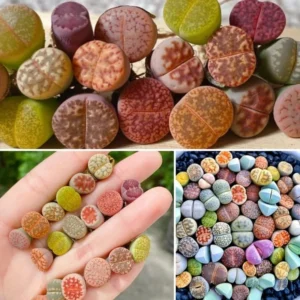
HousePlants
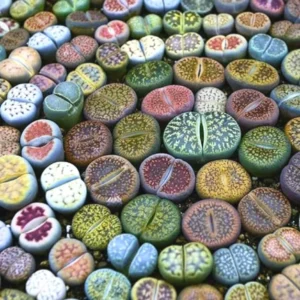
Lithops Live Plants Mix – 10 Large Colorful Living Stones Succulents for Indoor/Outdoor Growing
Sold 73 products
Original price was: $27.98.$13.99Current price is: $13.99.
Sold 70 products
Original price was: $79.96.$39.98Current price is: $39.98.
Sold 78 products
$25.98
Sold 83 products
Original price was: $79.98.$39.99Current price is: $39.99.
Sold 93 products
From $38.28
Sold 53 products
Original price was: $221.60.$110.80Current price is: $110.80.
Sold 77 products
Original price was: $30.76.$15.38Current price is: $15.38.
Sold 71 products
Original price was: $75.98.$37.99Current price is: $37.99.
Sold 90 products
Original price was: $117.60.$58.80Current price is: $58.80.
Sold 68 products
Original price was: $183.16.$91.58Current price is: $91.58.
Sold 58 products
Original price was: $140.00.$112.00Current price is: $112.00.





Reviews
There are no reviews yet.