
Double Pink Flowering Cherry Tree Live Plant, 6-12″ Tall, Ornamental Outdoor
Original price was: $39.98.$19.99Current price is: $19.99.
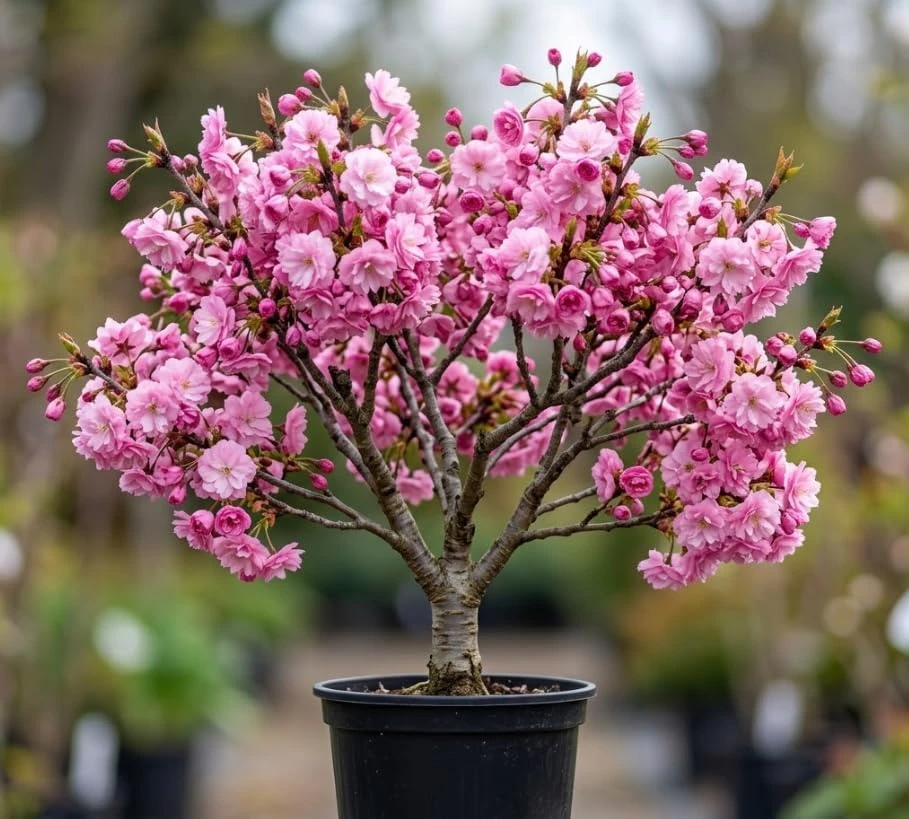
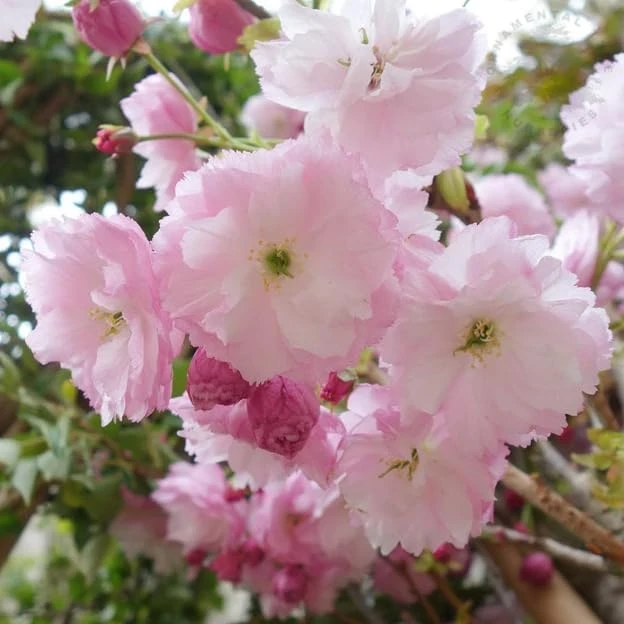
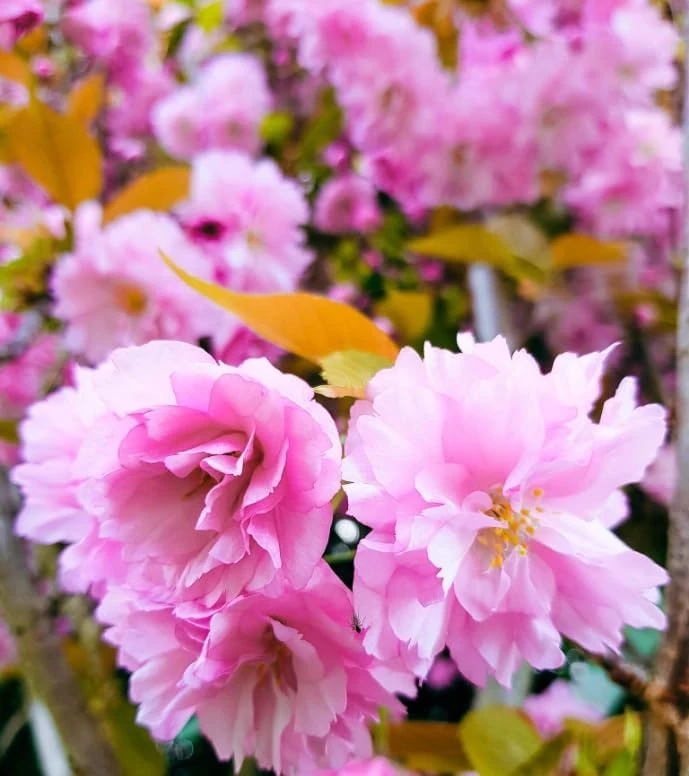
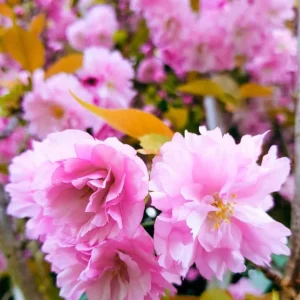
Bring breathtaking beauty to your garden with a double pink flowering cherry tree. This ornamental cherry tree arrives as a 6-12 inch tall live plant, ready to thrive outdoors and produce vibrant, double pink blooms in spring. Perfect for adding elegance to any landscape.
-
USDA Hardiness Zone
USDA Zones 5-8 -
Soil Type
Well-draining, loamy soil -
Sunlight Exposure
Full sun to partial sun -
Expected Planting Period
Early spring or fall

You can track your order HERE
Oct 31
Nov 05 - Nov 07
Nov 10 - Nov 14
Shipping and return policies: Our Alive & Thrive Guarantee covers issues with your plants within the first 30 days. Reach out to us. Our team will answer your questions and help you find the plants that are truly suitable for your environment, climate, and personal preferences.

Overview
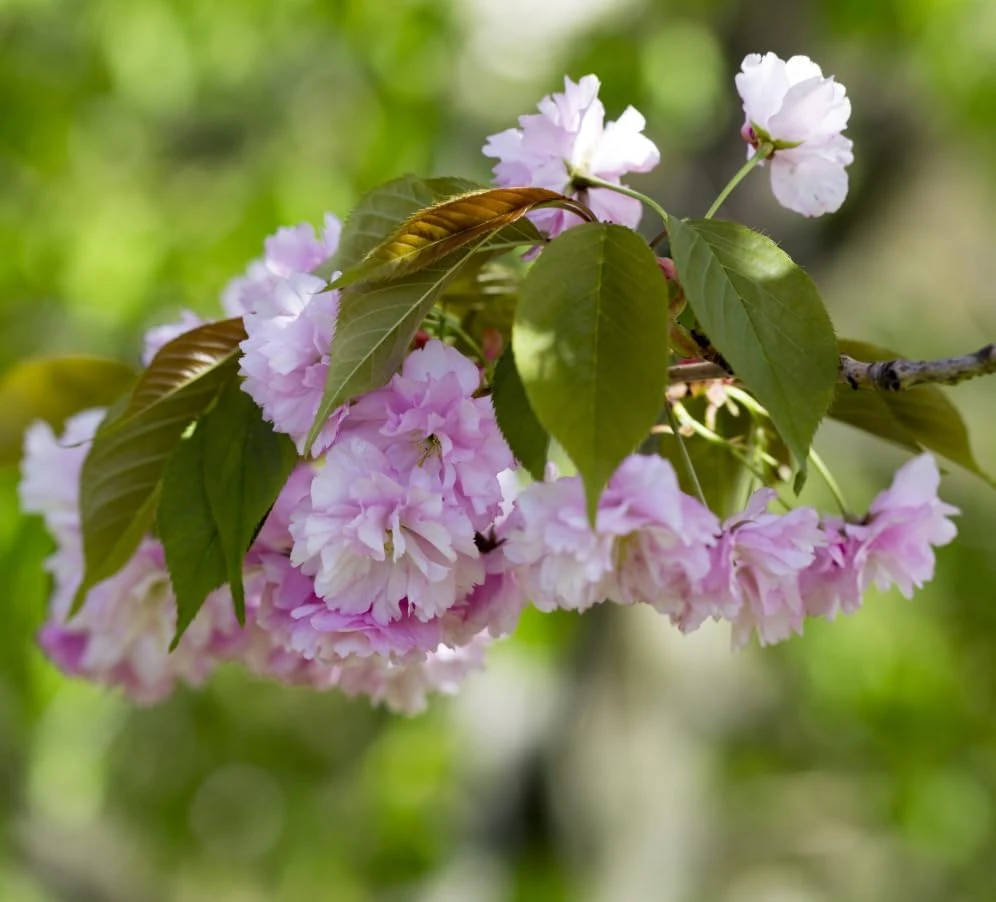
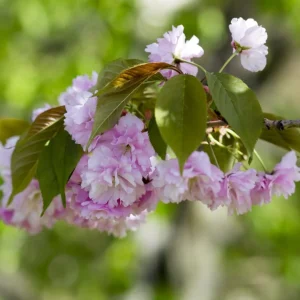
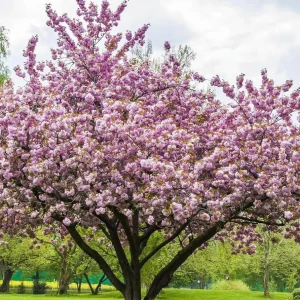
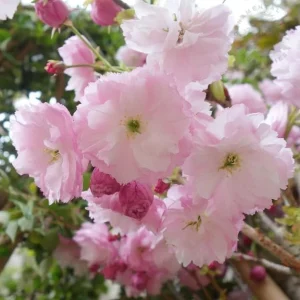
Transform your outdoor space into a spring paradise with the exquisite double pink flowering cherry tree. This captivating ornamental tree, often referred to as a cherry blossom tree live plant, is celebrated for its abundant, bright pink, double blooms that create a truly spectacular display. Arriving as a healthy, young live plant, typically 6-12 inches tall in a small nursery pot, it is perfectly prepared for transplanting into your garden, yard, or a larger container. While the specific botanical name for a double pink variety can vary, many ornamental cherry trees with double blossoms fall under cultivars of Prunus serrulata or similar species, known for their dazzling floral show. This tree promises to be a showstopping centerpiece, adding unparalleled elegance and vibrant color to any outdoor setting.
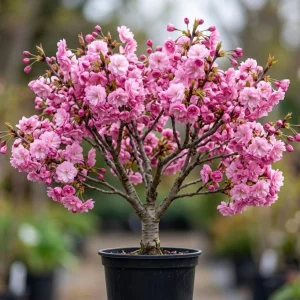
The double pink flowering cherry tree is an ideal choice for gardeners seeking a distinctive and beautiful specimen tree. Its compact size upon arrival makes it easy to handle and establish, offering the rewarding experience of watching it grow and mature. Imagine the delicate petals and rich pink hues gracing your landscape each spring, attracting admiring glances and providing a serene, picturesque environment. This live plant is not just a tree; it’s an investment in the long-term beauty and charm of your home and garden.
Key Benefits
Cultivating a double pink flowering cherry tree offers numerous advantages, enhancing both the aesthetic and ecological value of your outdoor environment. These benefits make it a highly desirable addition for any homeowner or garden enthusiast:
- Stunning Spring Display: Witness an explosion of vibrant, bright pink double blossoms each spring, creating a dramatic and unforgettable visual spectacle that signifies the arrival of warmer weather.
- Enhanced Curb Appeal: As a prominent ornamental cherry tree, it significantly boosts your property’s curb appeal, making your home more attractive and inviting to visitors and passersby.
- Attracts Pollinators: The abundant flowers provide an early source of nectar for bees and other beneficial pollinators, supporting local ecosystems and contributing to garden biodiversity.
- Versatile Landscaping: Suitable for a variety of landscape designs, whether as a standalone specimen, part of a mixed border, or even grown in large containers for patio decoration.
- Relatively Easy Care: Once established, this pink cherry tree is known for being relatively low-maintenance, thriving with proper sunlight and well-drained soil, making it suitable for gardeners of varying experience levels.
- Long-Term Beauty: With appropriate care, this tree will grow and flourish for many years, providing enduring beauty and seasonal interest to your garden for decades.
- Creates Tranquil Spaces: The gentle beauty of cherry blossoms is renowned for creating serene and peaceful atmospheres, perfect for quiet contemplation or outdoor relaxation.
Plant Care & Growing Tips
Caring for your double pink flowering cherry tree ensures its healthy growth and magnificent bloom production. These trees thrive with thoughtful attention to their environmental needs, particularly regarding light, water, and soil. For optimal results, plant your young cherry blossom tree live plant in a location where it will receive full to partial sunlight, meaning at least 6 hours of direct sunlight per day is ideal, though some afternoon shade in hotter climates can be beneficial. Adequate sunlight is crucial for robust flowering.
Watering is key, especially during the establishment phase. Keep the soil consistently moist but never waterlogged. Young trees, like this prunus serrulata live plant, will require more frequent watering than mature trees. Once established, they are moderately drought-tolerant but will benefit from deep watering during dry spells. The best soil type for a double pink flowering cherry tree is well-drained loam, rich in organic matter. Good drainage is paramount to prevent root rot. Incorporating compost into the planting hole can greatly improve soil structure and fertility. These trees typically thrive in USDA hardiness zones 5-8, tolerating a range of temperatures but preferring climates with distinct seasons that allow for a proper dormancy period.
Fertilize your ornamental cherry tree in early spring before new growth begins, using a balanced, slow-release granular fertilizer formulated for trees and shrubs. Follow the product instructions for application rates. Pruning should be done in late winter or early spring while the tree is dormant, focusing on removing dead, damaged, or crossing branches to maintain a healthy structure and good air circulation. Watch out for common pests like aphids or diseases like powdery mildew; address them promptly with appropriate organic or chemical treatments as needed to keep your pink cherry tree vibrant.
Size & Details
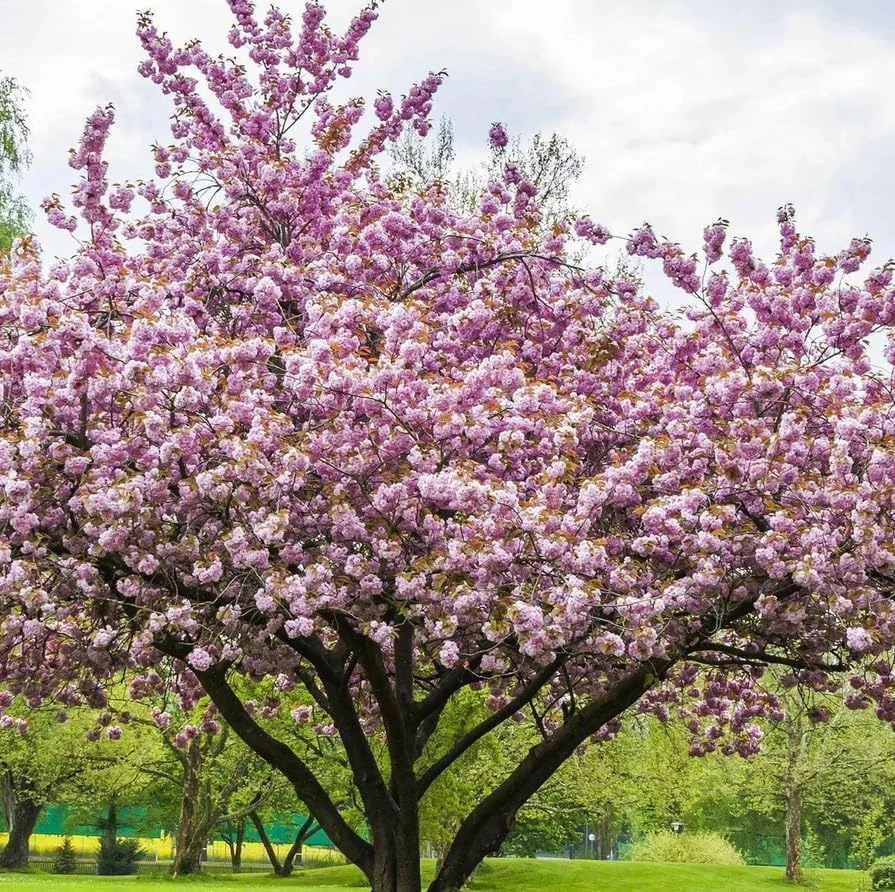
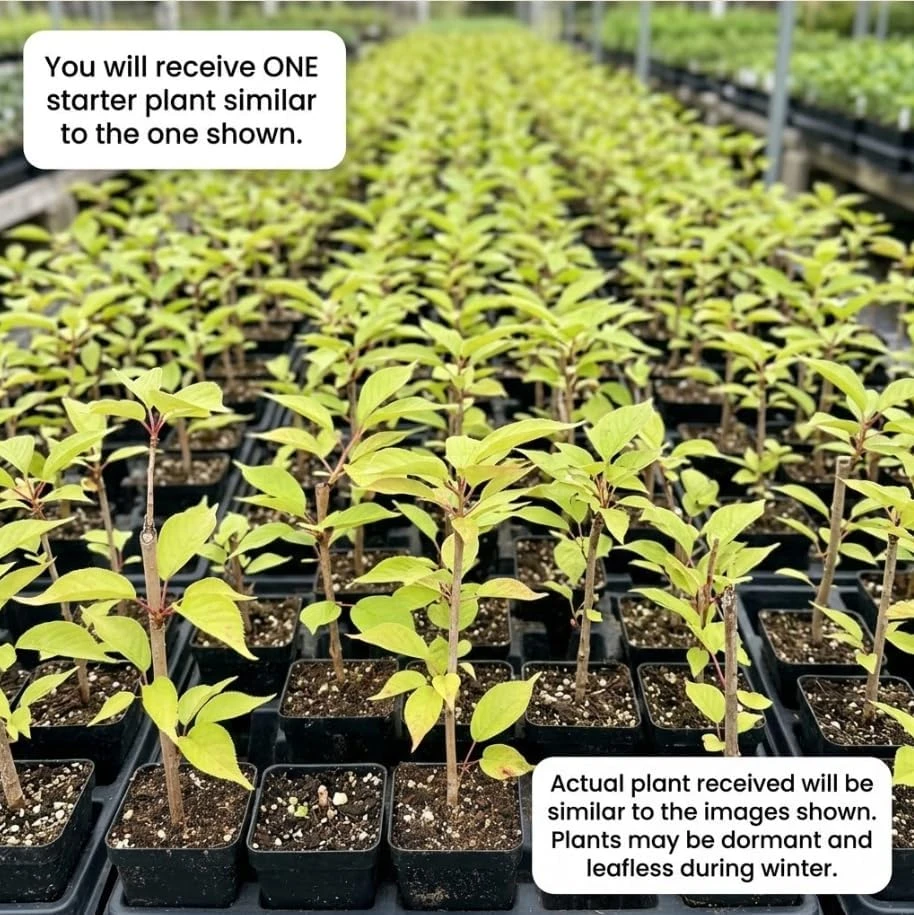
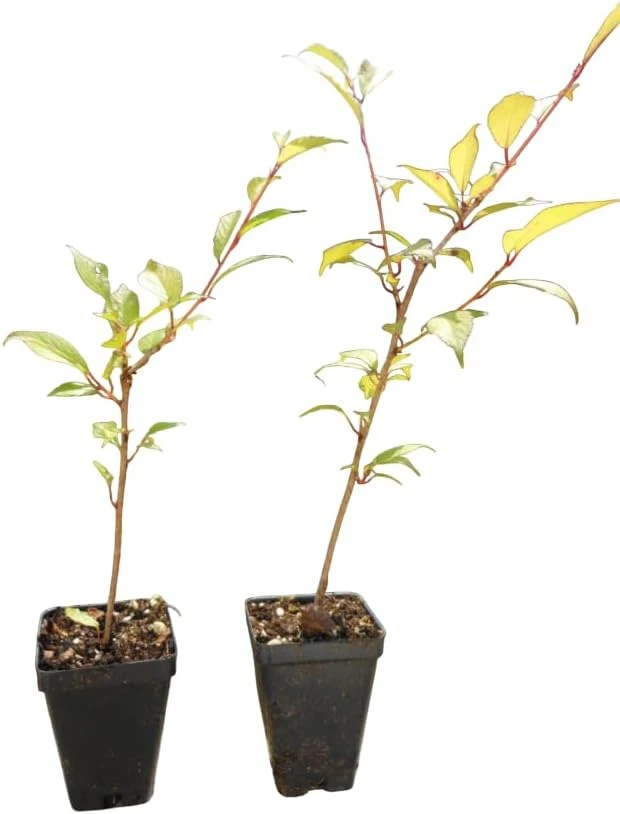
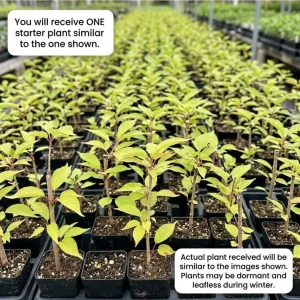
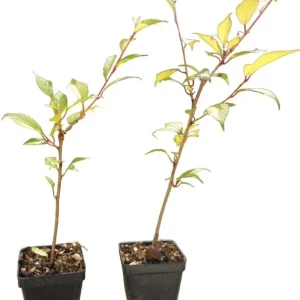
This offering is for a single double pink flowering cherry tree live plant, which will arrive approximately 6-12 inches tall. Each young tree is carefully grown in a small nursery pot, ensuring its root system is intact and ready for successful transplanting. This starter size is ideal for establishing a strong root base in your garden. While a young cherry blossom tree live plant, it possesses the genetic potential to grow into a medium-sized ornamental tree, typically reaching heights of 15-25 feet with a similar spread at maturity, depending on the specific cultivar and growing conditions. The growth rate is moderate, allowing you to enjoy its development over several seasons.
Upon arrival, the plant is a juvenile specimen and may not be blooming immediately. The first significant blooms are generally expected within 2-4 years after planting, as the tree establishes and matures. The small pot it arrives in makes it easy to handle and transplant into its permanent location, whether that’s directly into the ground or a larger container for continued growth. This prunus serrulata live plant offers the promise of future beauty and a rewarding gardening experience as you nurture it from a young sapling to a magnificent blooming tree.
Frequently Asked Questions
- Q: How big does this plant get? A: This double pink flowering cherry tree arrives 6-12 inches tall. At maturity, depending on the cultivar and growing conditions, it can reach heights of 15-25 feet with a similar spread, forming a beautiful medium-sized ornamental tree.
- Q: What size pot does it come in? A: The cherry blossom tree live plant is shipped in a small nursery pot, making it easy to transplant into your garden or a larger container upon arrival.
- Q: Is this an indoor or outdoor plant? A: This is an outdoor ornamental tree. It requires specific outdoor growing conditions, including dormancy, to thrive and produce its signature blossoms.
- Q: How much sunlight does it need? A: Your ornamental cherry tree will flourish best in full to partial sunlight, ideally receiving at least 6 hours of direct sun per day. Afternoon shade can be beneficial in very hot climates.
- Q: Is this plant easy to care for? A: Yes, once established, the pink cherry tree is considered relatively easy to care for. It requires consistent watering during establishment, well-drained soil, and annual fertilization.
- Q: What condition will it arrive in? A: You will receive a healthy, live double pink flowering cherry tree, approximately 6-12 inches tall, actively growing in a small nursery pot and ready for transplanting. It may not be blooming upon arrival as it is a young starter tree.
- Q: How long until it blooms? A: As a young starter tree, it typically takes 2-4 years after planting for the prunus serrulata live plant to establish and begin producing its first significant blooms.
- Q: When is the best time to plant? A: The ideal time to plant your double pink flowering cherry tree is in early spring or fall, allowing the roots to establish before extreme summer heat or winter cold.
- Q: Will it survive winter in my zone? A: This ornamental tree is generally hardy in USDA Zones 5-8. If you are outside these zones, special winter protection or container growing may be necessary.
- Q: What’s the minimum temperature it can tolerate? A: These trees are typically hardy down to temperatures around -20°F (-29°C) in their recommended USDA zones once mature and established. Young plants may be more sensitive to extreme cold.
Be the first to review “Double Pink Flowering Cherry Tree Live Plant, 6-12″ Tall, Ornamental Outdoor”
People Also Viewed



Flower Bulbs
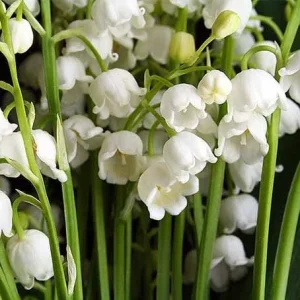
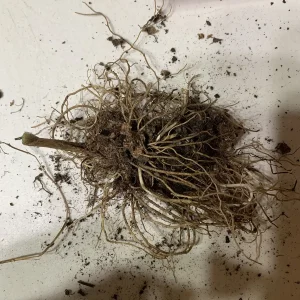
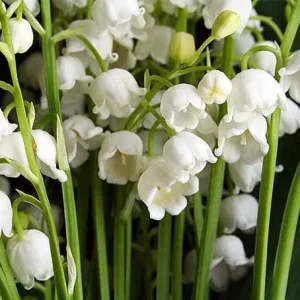
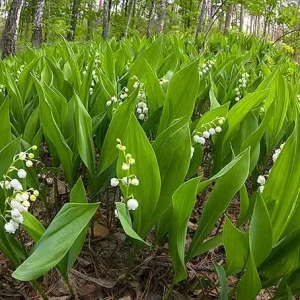
5 Dormant Lily of the Valley (Convallaria Majalis) Bare Root Bulbs – Fragrant Perennial Ground Cover
Sold 69 products
Original price was: $24.00.$12.00Current price is: $12.00.

Trees
Sold 65 products
Original price was: $25.98.$12.99Current price is: $12.99.




Garden & Outdoor Living - Plants
Sold 83 products
$39.98






Reviews
There are no reviews yet.