
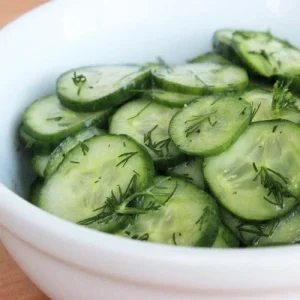
Dill Long Island Mammoth Seeds – Herb Seeds for Culinary Use – 100, 500, or 2000 Seed Packs
From $3.87
Cultivate your own delicious and aromatic herbs with Dill Long Island Mammoth seeds. These versatile fragrant herb seeds are perfect for culinary applications, from fresh salads to pickling, and offer an easy growing experience for gardeners of all levels. Choose from 100, 500, or 2000 seed packs.
-
USDA Hardiness Zone
USDA zones 3-10 (as annual) -
Soil Type
Well-draining, fertile soil -
Sunlight Exposure
Full sun -
Expected Planting Period
Spring to mid-summer

You can track your order HERE
Sep 08
Sep 13 - Sep 15
Sep 18 - Sep 22
Shipping and return policies: Our Alive & Thrive Guarantee covers issues with your plants within the first 30 days. Reach out to us. Our team will answer your questions and help you find the plants that are truly suitable for your environment, climate, and personal preferences.

Overview
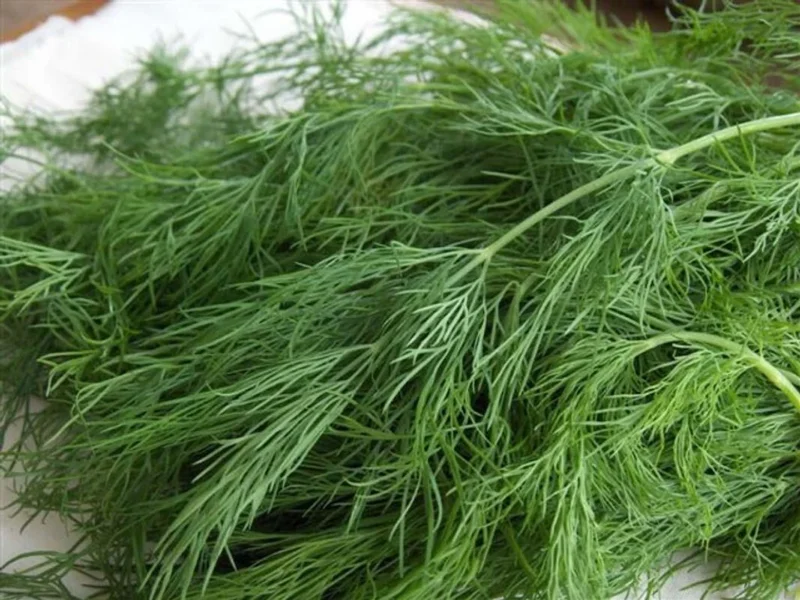
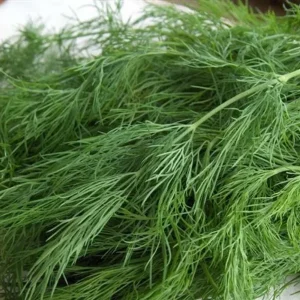
Bring the delightful aroma and flavor of fresh dill to your kitchen and garden with Dill Long Island Mammoth seeds. This popular annual herb, botanically known as Anethum graveolens ‘Long Island Mammoth’, is renowned for its vigorous growth and abundant fern-like foliage, making it a favorite for both culinary enthusiasts and home gardeners. These fragrant herb seeds produce plants that are ideal for adding a distinctive taste to a wide array of dishes, from fish and poultry to potatoes and sauces. Known for its strong, sweet, and slightly tangy flavor, Long Island Mammoth Dill is particularly prized for its suitability for pickling, providing that classic dill pickle taste. Starting your own dill patch from seeds is a rewarding experience, offering a continuous supply of fresh greens and seeds throughout the growing season. Whether you’re an experienced gardener looking to expand your herb collection or a beginner wondering how to grow dill, these seeds provide an excellent starting point for a successful harvest.
Key Benefits
Growing Dill Long Island Mammoth seeds offers numerous advantages, enhancing your garden and culinary endeavors with ease and flavor. This variety is celebrated for its robust nature and the rich aroma it brings to any setting.
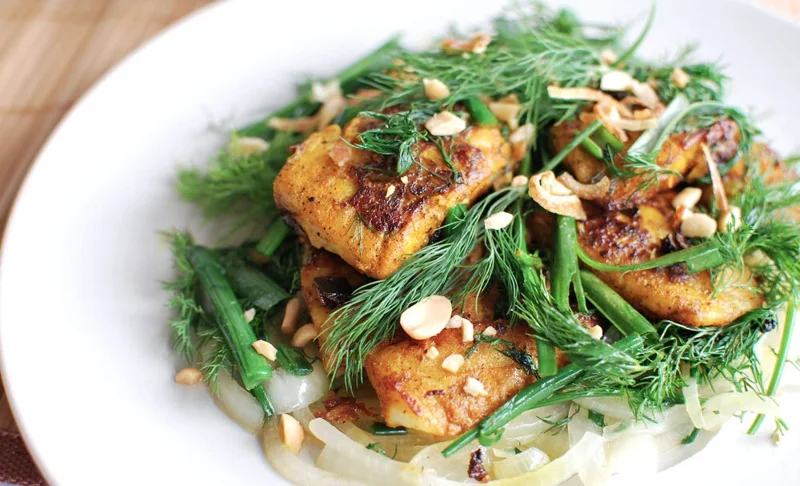
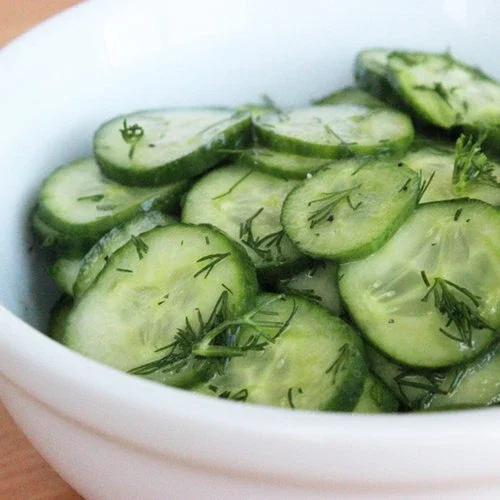
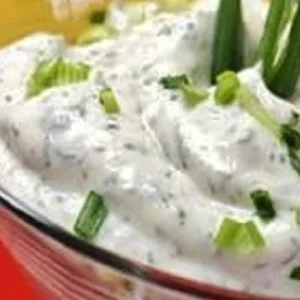
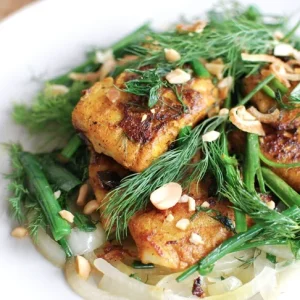
- Exceptional Culinary Versatility: The feathery leaves and aromatic seeds of Long Island Mammoth Dill are perfect for a variety of dishes. Use fresh in salads, dressings, and dips, or dry the leaves for a longer-lasting spice. The seeds are essential for pickling, adding a unique, savory flavor to fermented vegetables. This makes it a staple for anyone interested in culinary dill.
- Strong, Fragrant Aroma: Enjoy the distinct, pleasant aroma that dill plants emit. This natural fragrance can deter some garden pests, making it a beneficial companion plant, and also adds a refreshing scent to your outdoor space.
- Easy to Grow: These Dill Long Island Mammoth seeds are known for being easy to cultivate, making them an excellent choice for gardeners of all skill levels. With minimal effort, you can achieve a bountiful harvest of fresh dill.
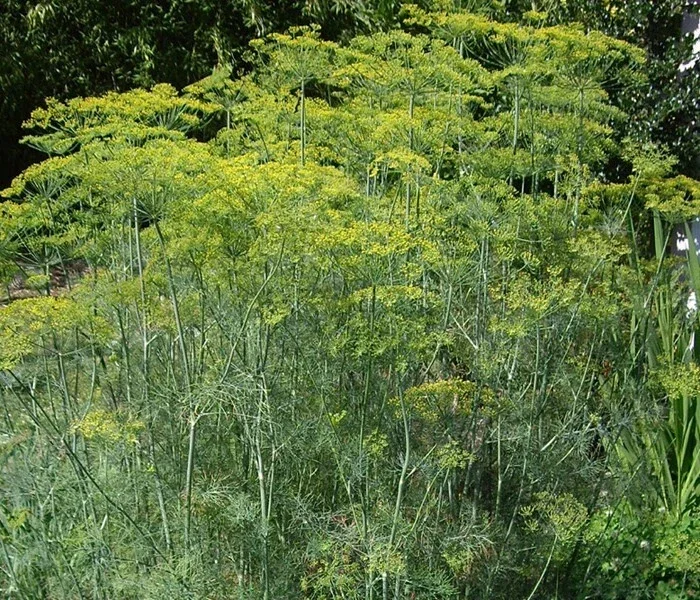
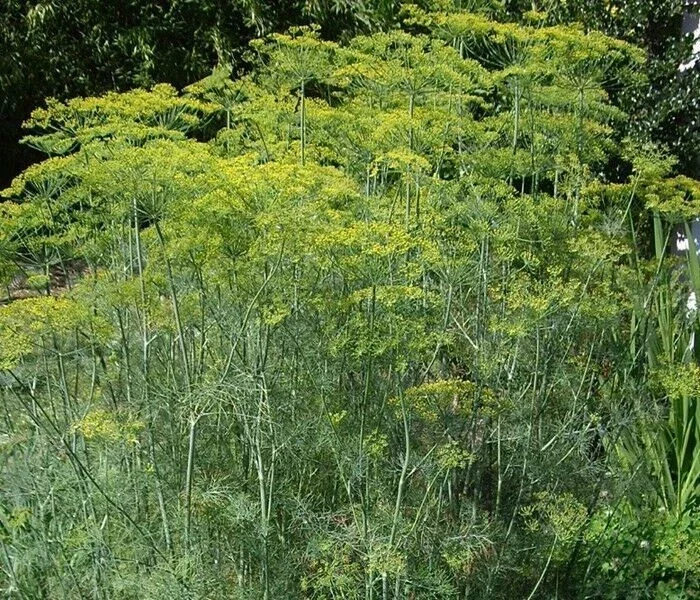
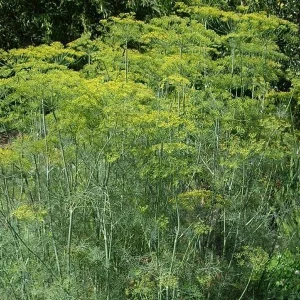
- Suitable for Pickling: The ‘Mammoth’ in its name refers to its large umbels, which are ideal for harvesting seeds for pickling. If you enjoy making homemade pickles, this is the perfect variety of dill for pickling to plant.
- Attracts Beneficial Insects: Dill flowers are an excellent source of nectar and pollen for beneficial insects like ladybugs, lacewings, and parasitic wasps, which help control pest populations in your garden.
- Harvestable Seeds: Beyond the fresh greens, you can harvest the mature seeds from your dill plants. These seeds are not only great for planting next season but also for culinary use, especially in baking and spice blends.
- Fast Growing: Dill grows relatively quickly, often ready for its first harvest within 40-50 days after planting, providing you with fresh herbs in a short amount of time.
Plant Care & Growing Tips
Successfully growing Dill Long Island Mammoth seeds requires attention to a few key environmental factors, ensuring healthy, productive plants. Understanding how to grow dill effectively will lead to a continuous supply of this beloved herb.
Sunlight Requirements: Dill thrives in full sun, meaning it needs at least 6-8 hours of direct sunlight per day. Choose a location in your garden that receives ample sun throughout the day. While it can tolerate partial shade, too little sun will result in leggy plants with reduced flavor and fewer flowers for seed production.
Watering Schedule and Soil Moisture Preferences: Keep the soil consistently moist, especially during germination and early growth. Once established, dill is somewhat drought-tolerant but performs best with regular watering, particularly during dry spells. Avoid overwatering, which can lead to root rot. A good rule of thumb is to water when the top inch of soil feels dry to the touch.
Soil Type and Drainage Requirements: Dill prefers well-draining, fertile soil with a pH between 6.0 and 7.0. Amend heavy clay soils with compost or other organic matter to improve drainage and aeration. Raised beds or containers are excellent options if your native soil is poor. Good drainage is crucial to prevent waterlogging.
Temperature Range and USDA Hardiness Zone: Dill is an annual herb and prefers moderate temperatures. It grows best in temperatures between 60-75°F (15-24°C). It is not frost-tolerant and will bolt (go to seed) quickly in hot weather. It can be grown in USDA zones 3-10 as an annual, typically planted in spring after the last frost. For a continuous harvest, succession planting every few weeks is recommended. This variety of fragrant herb seeds is quite adaptable.
Fertilization Schedule and Type: Dill is not a heavy feeder. If your soil is rich in organic matter, additional fertilization may not be necessary. If needed, apply a balanced, all-purpose liquid fertilizer at half strength every 4-6 weeks, or incorporate a slow-release granular fertilizer at planting time. Avoid excessive nitrogen, which can promote leafy growth at the expense of flower and seed production, which is important for dill for pickling.
Common Problems and Solutions: Watch out for aphids and dill worm caterpillars. Aphids can be sprayed off with water or treated with insecticidal soap. Dill worms are the larvae of swallowtail butterflies and can be tolerated if not too numerous, or hand-picked if they are causing significant damage. Ensure good air circulation to prevent fungal diseases like powdery mildew, especially in humid conditions.
Size & Details
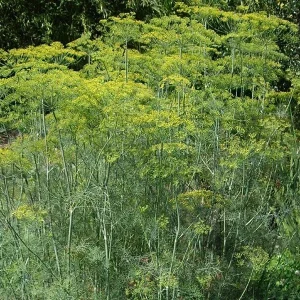
These Dill Long Island Mammoth seeds will grow into robust annual plants, typically reaching a height of 2 to 3 feet (60-90 cm) at maturity, with a spread of about 12 to 18 inches (30-45 cm). The plant produces feathery, blue-green foliage and large, flat-topped flower clusters (umbels) that are perfect for attracting beneficial insects and harvesting for dill for pickling. Each packet contains your chosen quantity of seeds: 100, 500, or 2000 seeds, providing ample opportunity for successive plantings or a large crop. Expect to see germination within 7-21 days under optimal conditions. The first harvest of fresh leaves can usually be made within 40-50 days after planting, while seeds for pickling typically mature in about 85-100 days. This makes it an efficient choice for those eager to start their culinary dill garden. The seeds are typically shipped in protective seed packets, ensuring their viability upon arrival, ready for planting to help you learn how to grow dill.
Frequently Asked Questions
- Q: How big does this dill plant get? A: Dill Long Island Mammoth seeds typically grow into plants that reach about 2 to 3 feet tall and spread 12 to 18 inches wide. The ‘Mammoth’ refers to its large flower heads, which are excellent for seed production.
- Q: Is this an indoor or outdoor plant? A: Dill is primarily grown as an outdoor annual herb. While it can be grown indoors, it requires a very bright, sunny location and may become leggy without sufficient light. For best results and abundant harvests, plant outdoors.
- Q: How much sunlight does dill need? A: Dill thrives in full sun, requiring at least 6-8 hours of direct sunlight daily. Adequate sunlight is crucial for strong growth and good flavor development of these fragrant herb seeds.
- Q: Is this plant easy to care for? A: Yes, dill is considered an easy-to-grow herb, suitable for beginners. It requires well-draining soil, consistent moisture, and plenty of sunlight. It’s a great plant for learning how to grow dill.
- Q: What condition will the seeds arrive in? A: The seeds will arrive in a protective packet, ensuring their viability and readiness for planting. We take care to package our Dill Long Island Mammoth seeds securely for transit.
- Q: Can I use this dill for cooking? A: Absolutely! This variety is excellent for culinary dill uses. Both the fresh leaves and the mature seeds can be used to flavor a wide range of dishes, from salads and seafood to soups and, of course, pickles.
- Q: How long until dill seeds germinate? A: Under ideal conditions, dill seeds typically germinate within 7 to 21 days after planting. Ensure consistent moisture and appropriate soil temperatures for best results.
- Q: When is the best time to plant dill seeds? A: The best time to plant dill seeds outdoors is in spring after the last danger of frost has passed. For a continuous supply, you can succession plant every 2-3 weeks until mid-summer.
- Q: Is this dill good for pickling? A: Yes, Dill Long Island Mammoth seeds are specifically known for producing large flower heads with abundant seeds, making them an excellent choice for dill for pickling.
- Q: What type of soil does dill prefer? A: Dill prefers well-draining, fertile soil with a neutral to slightly acidic pH. Amending the soil with organic compost can improve its structure and nutrient content.
| Number of seeds | 100 Seeds, 2000 Seeds, 500 Seeds |
|---|
Be the first to review “Dill Long Island Mammoth Seeds – Herb Seeds for Culinary Use – 100, 500, or 2000 Seed Packs”
People Also Viewed
Sold 96 products
Original price was: $22.44.$11.22Current price is: $11.22.
Sold 80 products
Original price was: $36.98.$18.49Current price is: $18.49.
Sold 83 products
Original price was: $170.00.$127.50Current price is: $127.50.
Sold 90 products
Original price was: $45.80.$22.90Current price is: $22.90.
Sold 52 products
From $38.48
Sold 57 products
From $13.98
Sold 50 products
Original price was: $38.36.$19.18Current price is: $19.18.
Sold 52 products
Original price was: $25.98.$20.78Current price is: $20.78.
HousePlants
Sold 51 products
Original price was: $131.96.$65.98Current price is: $65.98.
Sold 51 products
Original price was: $89.56.$44.78Current price is: $44.78.
Sold 58 products
$30.00
Sold 84 products
Original price was: $59.98.$29.99Current price is: $29.99.
Sold 91 products
From $9.78
Sold 97 products
Original price was: $36.08.$25.64Current price is: $25.64.
Sold 58 products
Original price was: $32.98.$25.39Current price is: $25.39.
HousePlants
Dwarf Pomegranate Plant – Punica Granatum Nana Live Plant – 4 inch Pot – Indoor/Outdoor Edible Fruit
Sold 85 products
Original price was: $60.76.$30.38Current price is: $30.38.
Sold 89 products
Original price was: $43.78.$33.99Current price is: $33.99.
Sold 87 products
Original price was: $79.98.$39.99Current price is: $39.99.




%20Fruit%20Tree%20Live%20Plant%206-10%20inch%20Tropical%20Edible&url=https://gardennursery.net/product/black-java-plum-syzygium-cumini-fruit-tree-live-plant-6-10-inch-tropical-edible/&media=https://img.gardennursery.net/2026/01/s-l1600-1768182997.webp)


%20Live%20Plant%20–%20Lycium%20barbarum&url=https://gardennursery.net/product/goji-berry-plant-wolfberry-live-plant-lycium-barbarum/&media=https://img.gardennursery.net/2026/06/goji-berry-plant-wolfberry-live-plant-lycium-barba-ec81ed9b.webp)

Reviews
There are no reviews yet.