
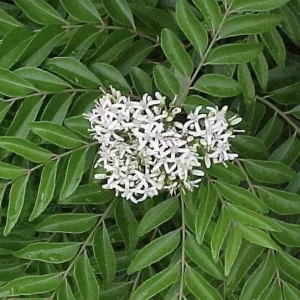
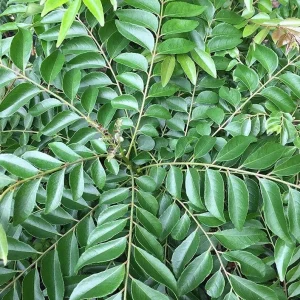
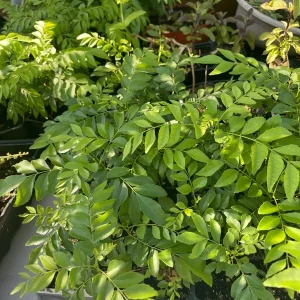
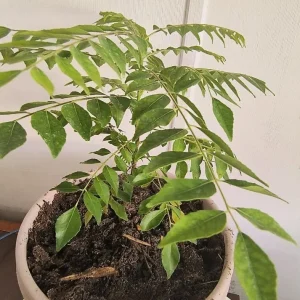
Curry Leaf Live Plant 12-18 inch | 1 Gallon Pot | Fresh Herb Garden
Original price was: $72.99.$65.99Current price is: $65.99.
Bring the authentic taste of South Asian cuisine to your kitchen with a vibrant curry leaf live plant. This healthy 12-18 inch specimen arrives in a 1-gallon pot, ready to thrive in your garden or as a patio plant. Enjoy fresh, aromatic leaves for cooking and enhance your culinary creations.
-
USDA Hardiness Zone
USDA Zones 9-11 (outdoors) or indoors -
Soil Type
Well-draining, slightly acidic to neutral potting mix -
Sunlight Exposure
Full sun (6-8 hours direct light daily) -
Expected Planting Period
Year-round indoors; Spring to early summer outdoors in suitable zones

You can track your order HERE
Sep 16
Sep 21 - Sep 23
Sep 26 - Sep 30
Shipping and return policies: Our Alive & Thrive Guarantee covers issues with your plants within the first 30 days. Reach out to us. Our team will answer your questions and help you find the plants that are truly suitable for your environment, climate, and personal preferences.

Overview
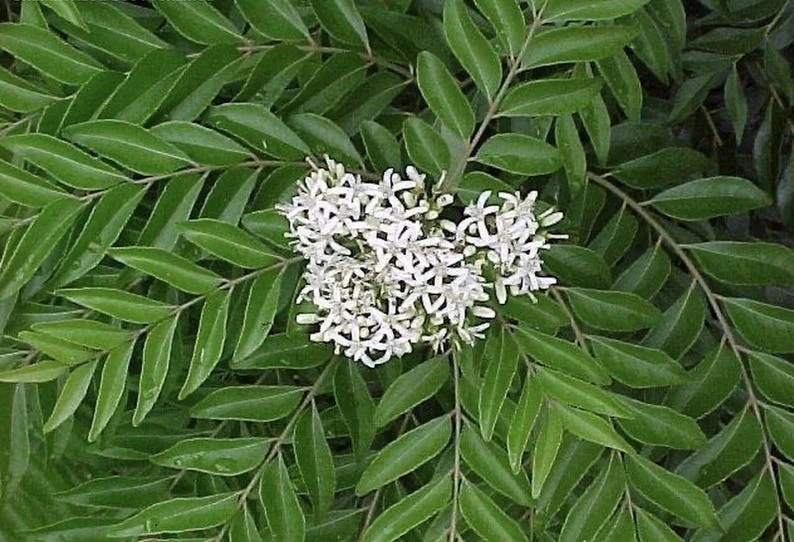
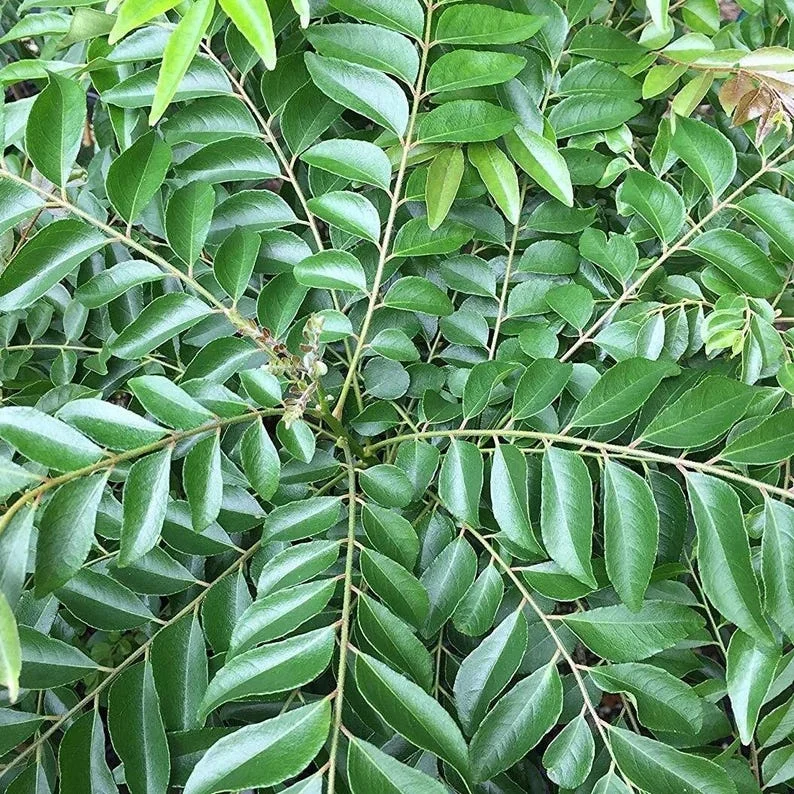
Embark on a culinary journey with your very own curry leaf live plant. This healthy, established plant, measuring between 12 to 18 inches tall and nestled in a 1-gallon pot, is an essential addition for any home cook or gardening enthusiast. Known botanically as Murraya koenigii, and commonly referred to as karivepaku plant in South India, the curry leaf tree is prized for its highly aromatic and flavorful leaves. These glossy, dark green leaves are a staple in many cuisines, offering a unique, slightly nutty, and citrusy aroma that is distinct from curry powder. Growing your own ensures a continuous supply of fresh leaves, unmatched by dried or store-bought alternatives. This particular specimen is of a robust size, providing a significant head start for gardeners eager to harvest its fragrant foliage. Whether you’re an experienced gardener or just starting, cultivating a curry leaf live plant offers both a rewarding growing experience and an abundance of fresh, flavorful ingredients.
The curry leaf tree is a small to medium-sized tree, typically growing to about 13-20 feet in its native environment, but can be maintained at a much smaller, manageable size when grown in containers. This makes it an excellent candidate for both outdoor cultivation in warmer climates and as a vibrant curry tree indoor plant in cooler regions. Its attractive foliage and pleasant fragrance also make it a delightful ornamental plant. Imagine plucking fresh, vibrant leaves directly from your plant to infuse your curries, stir-fries, and stews with an authentic, rich flavor. This plant is not just a source of food; it’s a piece of culinary heritage and a beautiful living addition to your home or garden.
Key Benefits
Cultivating a curry leaf live plant offers a multitude of benefits, from enhancing your cooking to enriching your gardening experience. Here are some of the prime advantages:
- Fresh Culinary Ingredient: Enjoy an endless supply of fresh, aromatic curry leaves that are superior in flavor and fragrance to dried or frozen alternatives. These leaves are essential for authentic Indian, Sri Lankan, and South Asian dishes.
- Exotic Aroma: The plant emits a delightful, unique fragrance that can subtly perfume your garden or indoor space, adding an exotic touch to your environment.
- Health Benefits: Curry leaves are known for their traditional medicinal properties, including antioxidant, anti-inflammatory, and antidiabetic effects. Incorporating them into your diet can contribute to overall well-being.
- Ornamental Appeal: With its lush, dark green foliage and compact growth habit (especially when pruned), the curry leaf live plant serves as an attractive ornamental plant for patios, balconies, or sunny indoor spots.
- Container Friendly: This plant thrives in pots, making it suitable for gardeners with limited space or those in colder climates who need to bring the plant indoors during winter. It’s an adaptable curry tree indoor option.
- Easy to Grow: With proper care, curry leaf plants are relatively low-maintenance and robust, making them a good choice for both beginner and experienced gardeners.
- Sustainable Source: Growing your own curry leaves reduces reliance on store-bought options, which may be treated with pesticides or have a larger carbon footprint from transportation.
Plant Care & Growing Tips
Proper curry leaf plant care is crucial for a thriving, productive specimen. This 12-18 inch plant in a 1-gallon pot is a great start, but understanding its needs will ensure long-term success. Curry leaf trees prefer a location with ample sunlight. Aim for at least 6-8 hours of direct sunlight per day if grown outdoors. If cultivating as a curry tree indoor plant, place it in your brightest south-facing window or supplement with a grow light. Insufficient light can lead to leggy growth and reduced leaf production.
When it comes to watering, consistency is key. Keep the soil consistently moist but never waterlogged. Allow the top inch or two of soil to dry out slightly between waterings. Overwatering can lead to root rot, which is detrimental to the plant’s health. Good drainage is essential, so ensure your pot has drainage holes. For soil, a well-draining potting mix is ideal, preferably one that is slightly acidic to neutral (pH 6.0-7.0). You can amend standard potting mix with some perlite or sand to improve drainage. Fertilize your curry leaf live plant every 4-6 weeks during the growing season (spring and summer) with a balanced liquid fertilizer or a slow-release granular fertilizer. Reduce fertilization in fall and winter when growth slows.
Curry leaf trees are sensitive to cold. They are best suited for USDA Zones 9-11 if grown outdoors year-round. In colder climates, they must be brought indoors before the first frost. Protect them from temperatures below 40°F (4°C). Pruning can encourage bushier growth and more leaf production. Trim back leggy stems and remove any dead or yellowing leaves. Watch out for common pests like spider mites and mealybugs, especially when grown indoors. Treat promptly with neem oil or insecticidal soap. Providing adequate humidity, especially indoors, can also help prevent pest issues. Remember that consistent curry leaf plant care will yield the best results.
Size & Details
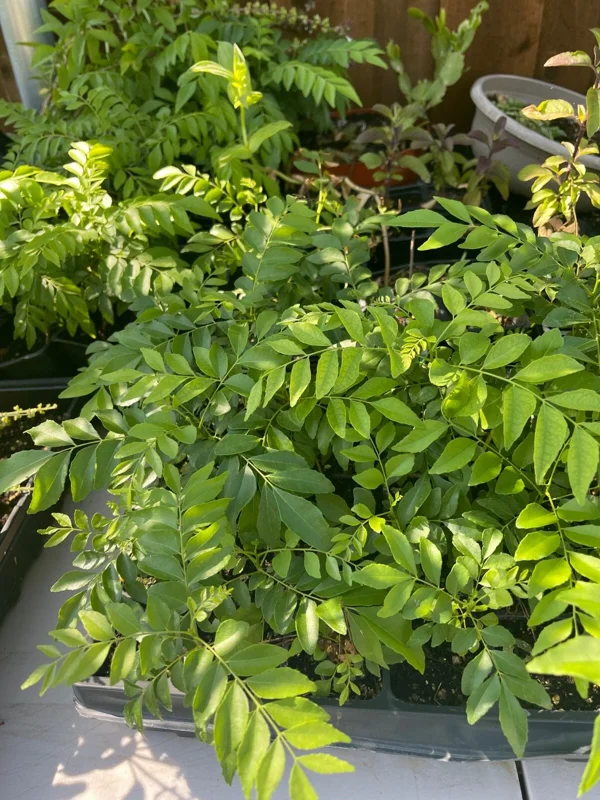
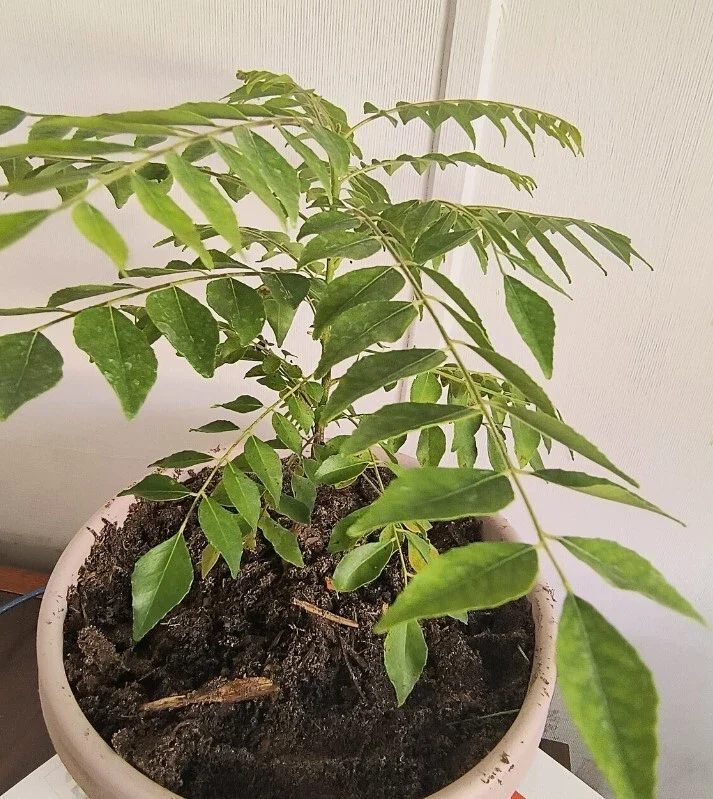
This offering is for one healthy curry leaf live plant, measuring approximately 12 to 18 inches in height from the base of the soil to the tip of its tallest stem. It comes pre-potted in a sturdy 1-gallon nursery container, which provides ample space for initial root development and allows for immediate placement in your garden or a larger decorative pot upon arrival. The plant is well-rooted and actively growing, indicating its readiness to establish itself in its new environment. While curry leaf trees can grow up to 13-20 feet tall in their natural habitat, this specimen is perfectly sized for container gardening and can be easily maintained at a more compact height through regular pruning. Expect a moderate growth rate, with fresh leaves becoming available for harvest within weeks of planting, especially during the active growing season. This karivepaku plant is shipped in its nursery pot with soil, ensuring minimal transplant shock and a smooth transition to your home or garden.
Frequently Asked Questions
- Q: How big does this plant get? A: This curry leaf live plant arrives 12-18 inches tall in a 1-gallon pot. While it can reach 13-20 feet in ideal outdoor conditions, it can be maintained as a smaller, bushier plant through regular pruning, especially when grown in containers.
- Q: Is this an indoor or outdoor plant? A: In USDA Zones 9-11, it can be grown outdoors year-round. In colder climates, it thrives outdoors during warm months and must be brought indoors as a curry tree indoor plant before temperatures drop below 40°F (4°C).
- Q: How much sunlight does it need? A: The curry leaf plant requires at least 6-8 hours of direct sunlight daily. If grown indoors, place it in a bright, south-facing window.
- Q: What condition will it arrive in? A: Your curry leaf live plant will arrive well-packaged in its 1-gallon nursery pot with soil, ensuring it is healthy and ready for planting or placement upon arrival.
- Q: Can I use curry leaf in cooking? A: Absolutely! The primary purpose of growing a curry leaf plant is for its aromatic leaves, which are a staple in South Asian cuisine. They add a unique, fresh flavor to curries, dals, and other dishes.
- Q: Is this plant easy to care for? A: Yes, with consistent sunlight, proper watering, and good drainage, curry leaf plant care is relatively straightforward, making it suitable for gardeners of various experience levels.
- Q: What’s the best soil for this plant? A: A well-draining potting mix that is slightly acidic to neutral (pH 6.0-7.0) is ideal. Amending with perlite or sand can improve drainage further.
- Q: How often should I water my curry leaf plant? A: Water when the top inch or two of soil feels dry to the touch. Ensure the pot has drainage holes to prevent waterlogging.
- Q: When is the best time to prune this plant? A: Pruning can be done during the growing season (spring and summer) to encourage bushier growth and more leaf production.
- Q: Will it survive winter in my zone? A: If you are in USDA Zones 9-11, it can survive winter outdoors. In colder zones, it must be protected from frost and brought indoors.
Be the first to review “Curry Leaf Live Plant 12-18 inch | 1 Gallon Pot | Fresh Herb Garden”
People Also Viewed
Sold 67 products
Original price was: $77.06.$38.53Current price is: $38.53.
Sold 86 products
Original price was: $34.00.$27.20Current price is: $27.20.
Sold 82 products
Original price was: $87.99.$79.16Current price is: $79.16.
Sold 78 products
Original price was: $79.98.$39.99Current price is: $39.99.
Sold 72 products
Original price was: $48.99.$43.99Current price is: $43.99.
Sold 68 products
Original price was: $59.98.$29.99Current price is: $29.99.
Sold 73 products
Original price was: $59.96.$29.98Current price is: $29.98.
Sold 84 products
Original price was: $17.98.$14.38Current price is: $14.38.
Sold 78 products
Original price was: $91.98.$45.99Current price is: $45.99.
Sold 94 products
Original price was: $47.96.$23.98Current price is: $23.98.
Sold 73 products
Original price was: $39.99.$8.99Current price is: $8.99.
Sold 96 products
Original price was: $48.99.$43.96Current price is: $43.96.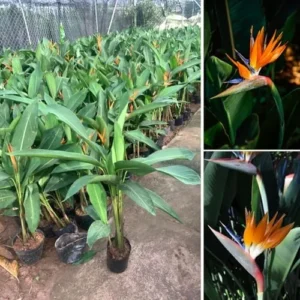
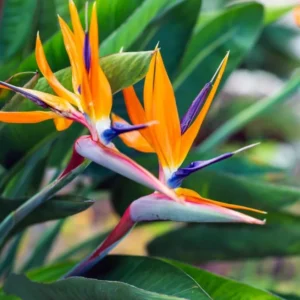
Flower Plants
Orange Bird of Paradise Live Plant – 5-10 Inch Tropical Strelitzia Reginae Outdoor Plant
Sold 87 products
Original price was: $35.98.$17.99Current price is: $17.99.
Sold 56 products
Original price was: $79.96.$39.98Current price is: $39.98.
Sold 80 products
Original price was: $79.96.$39.98Current price is: $39.98.
Sold 51 products
Original price was: $31.98.$28.56Current price is: $28.56.
Flower Bulbs
Sold 64 products
Original price was: $31.96.$15.98Current price is: $15.98.
Sold 78 products
Original price was: $85.98.$42.99Current price is: $42.99.




%20Tall,%201%20Gallon%20Pot,%20Fragrant%20Flowers&url=https://gardennursery.net/product/arabic-jasmine-live-plant-22-26-inch-2-ft-tall-1-gallon-pot-fragrant-flowers/&media=https://img.gardennursery.net/2026/04/arabic-jasmine-live-plant-22-26-inch-2-ft-tall-1-g-1dd6549a.webp)


Reviews
There are no reviews yet.