
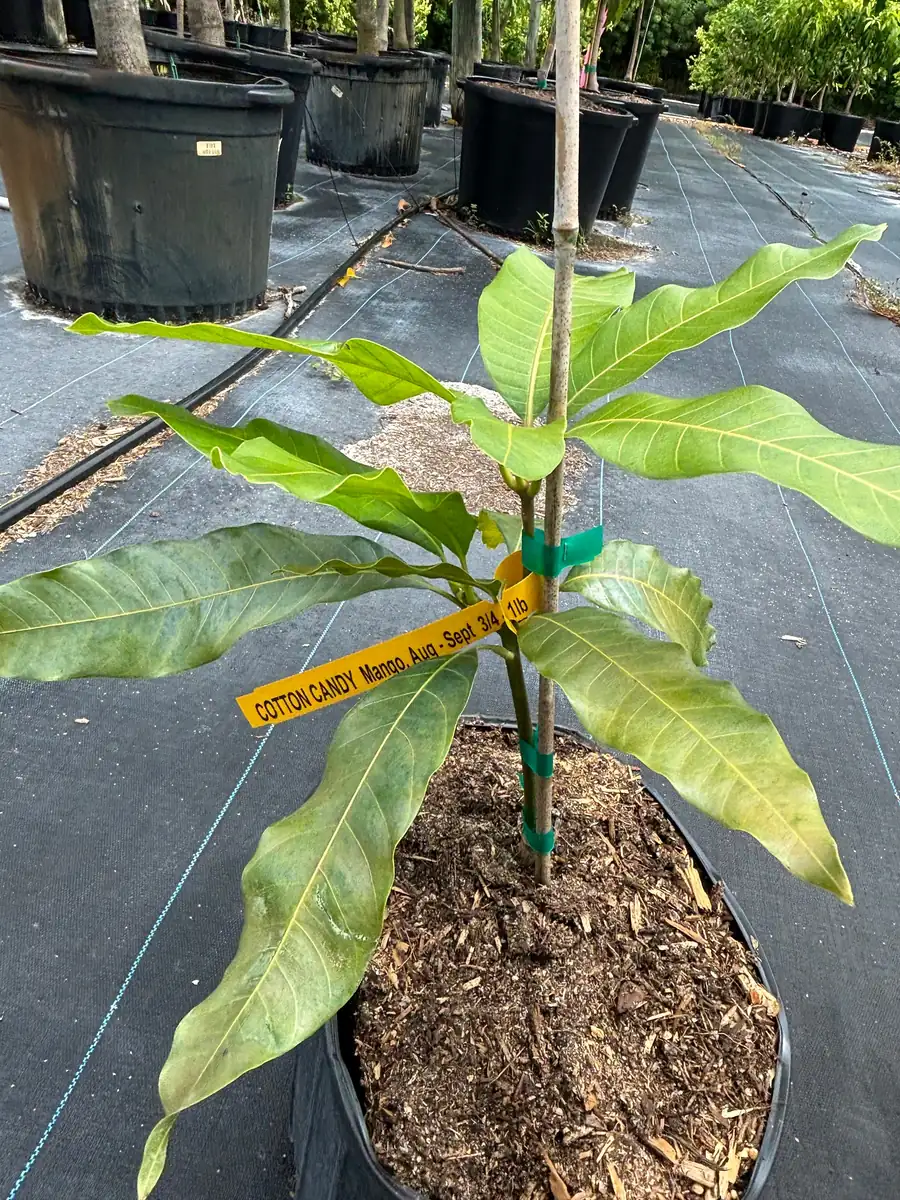
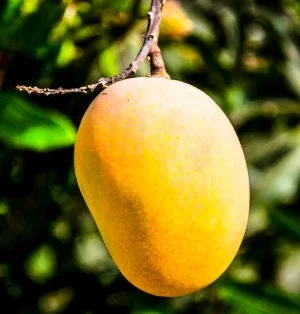
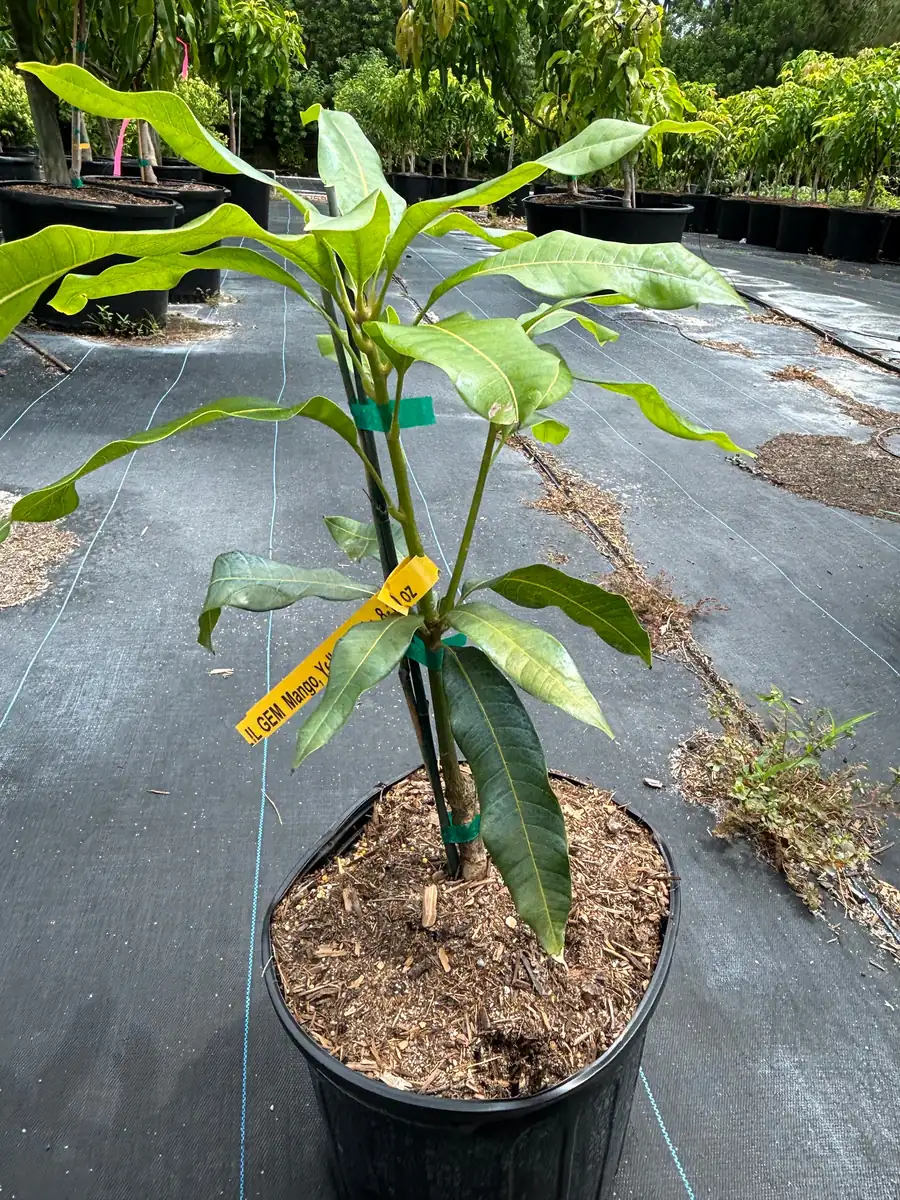
Cotton Candy Dwarf Mango Tree Live Plant – 3 Gallon Pot – Grafted & Rooted
Original price was: $339.96.$169.98Current price is: $169.98.
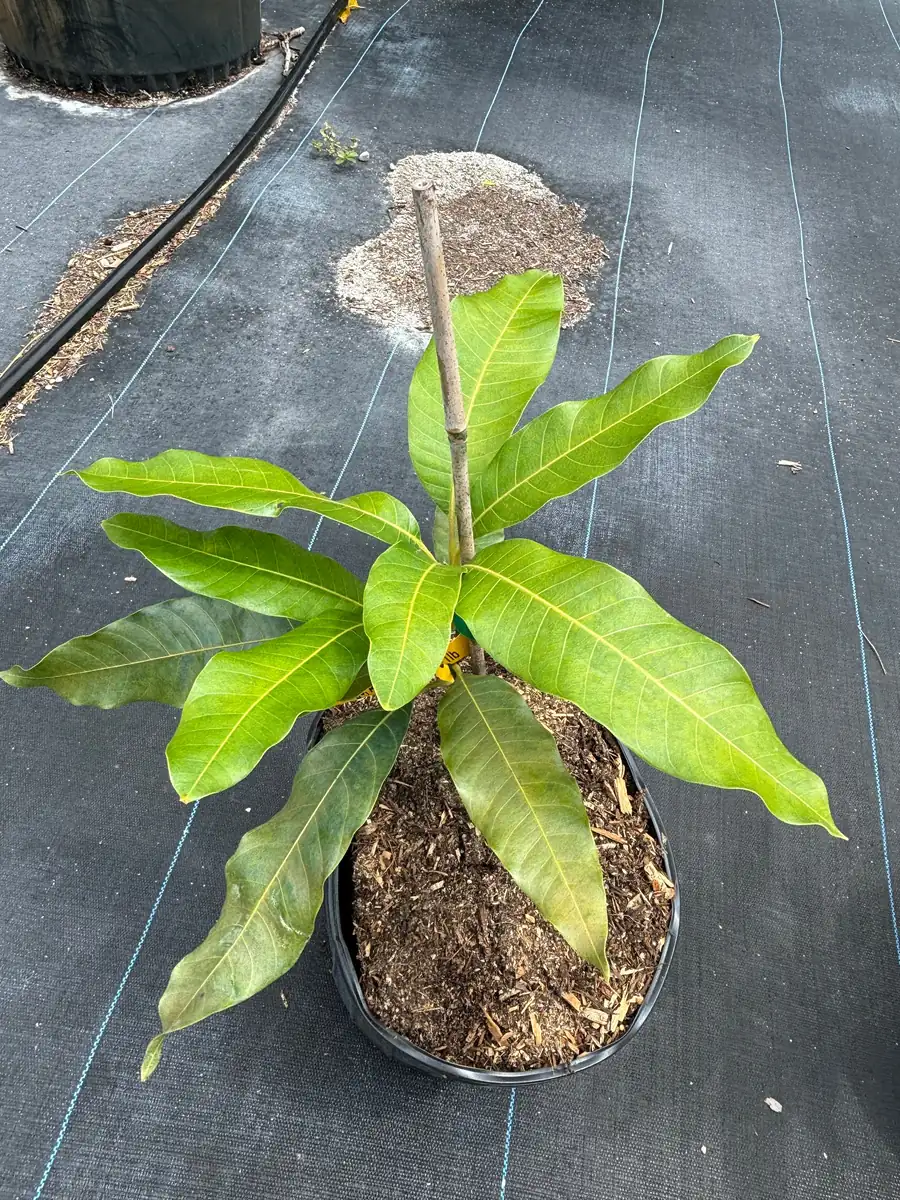
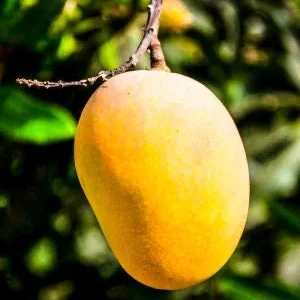
Bring the tropics to your home with a Cotton Candy Dwarf Mango tree. This professionally grafted and fully rooted live plant comes in a 3 gallon pot, ready to thrive. Experience the intensely sweet, fiberless yellow flesh of this highly sought-after mango cultivar, perfect for fresh eating.
-
USDA Hardiness Zone
USDA zones 9-11 -
Soil Type
Well-draining, slightly acidic to neutral soil -
Sunlight Exposure
Full sun (6-8 hours daily) -
Expected Planting Period
Spring to early summer

You can track your order HERE
Mar 02
Mar 07 - Mar 09
Mar 12 - Mar 16
Shipping and return policies: Our Alive & Thrive Guarantee covers issues with your plants within the first 30 days. Reach out to us. Our team will answer your questions and help you find the plants that are truly suitable for your environment, climate, and personal preferences.

Overview
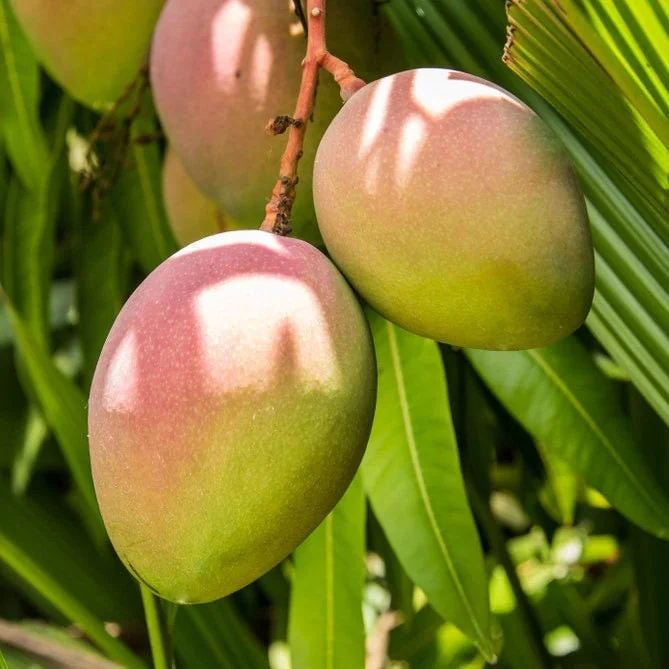
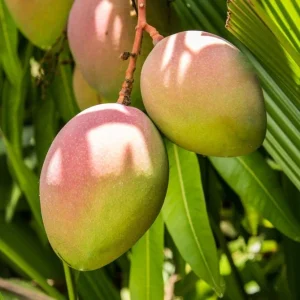
Introducing the extraordinary Cotton Candy Dwarf Mango tree, a true delight for any fruit enthusiast. This exceptional live plant, professionally grafted and fully rooted, arrives in a 3 gallon pot, ready to establish itself in your garden or patio. Renowned for its intensely sweet and robust flavor, the Cotton Candy Mango stands out as one of the finest mangoes in the world. It boasts a classic flavor profile, often compared to the Honey Kiss but with an even greater depth of sweetness and intensity. The fruit features beautiful yellow, fiberless flesh and contains a polyembryonic seed, making it a unique addition to any collection. Whether you’re an experienced gardener or just starting, growing a dwarf mango plant care is a rewarding experience, providing you with fresh, gourmet fruit right from your own space.
Developed through Gary Zill’s breeding program in Boynton Beach, FL, this particular mango cultivar originated from a Keitt seedling pollinated by ‘Gary’. It was released in 2016 and quickly gained recognition for its outstanding qualities. The trees exhibit a moderately vigorous to very vigorous growth habit, forming an open canopy with vertical growth, making it suitable for various garden sizes. This sweet mango cultivar offers a unique opportunity to cultivate a premium fruit variety known for its exceptional taste and desirable characteristics.
Key Benefits
Cultivating the Cotton Candy Dwarf Mango tree offers numerous advantages, transforming your gardening efforts into a truly rewarding experience. From its delicious fruit to its manageable size, this plant is a fantastic choice for both novice and seasoned growers seeking a high-quality mango.
- Exceptional Flavor Profile: Enjoy mangos with an extremely sweet and robust flavor, often described as a more intense and sweeter version of Honey Kiss. This makes it a highly desirable sweet mango cultivar for connoisseurs and casual eaters alike.
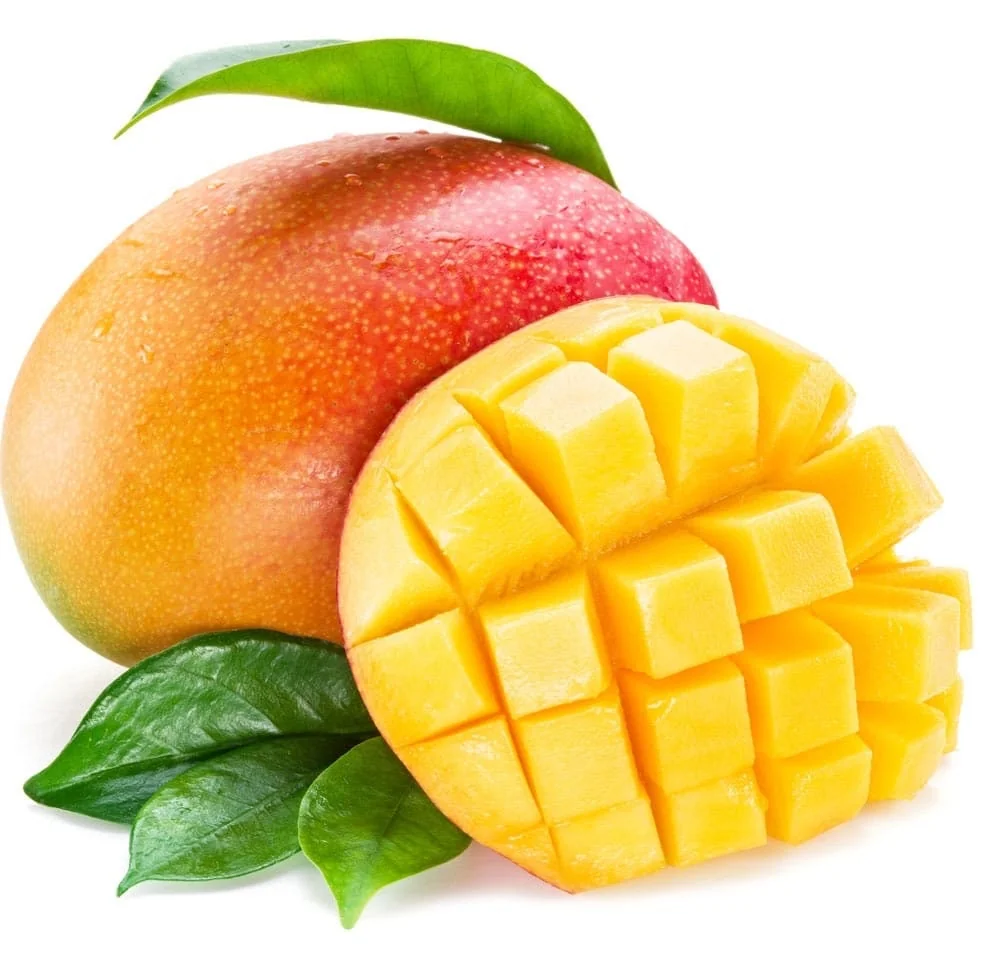
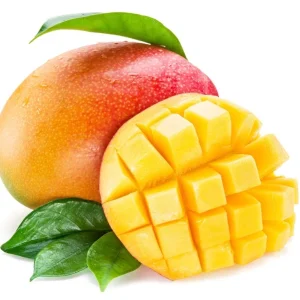
- Fiberless Flesh: The fruit boasts yellow, completely fiberless flesh, providing a smooth and enjoyable eating experience without any stringiness. This quality enhances its appeal for fresh consumption and culinary uses.
- Dwarf Growth Habit: While moderately vigorous, the ‘Cotton Candy’ mango typically maintains a manageable size, making it suitable for smaller gardens, patios, or container growing. This feature simplifies dwarf mango plant care and harvesting.
- Early to Mid-Season Maturity: The fruit matures in the July to August timeframe, offering a delicious harvest during the peak of summer. This consistent timing allows for predictable enjoyment of your homegrown produce.
- Grafted Quality: Being professionally grafted ensures that the tree will produce fruit true to the ‘Cotton Candy’ variety, maintaining its superior flavor and characteristics. Grafting also often leads to earlier fruiting compared to seed-grown trees.
- Polyembryonic Seed: The presence of a polyembryonic seed means that multiple seedlings can emerge from a single seed, with one typically being genetically identical to the parent tree, offering potential for further propagation.
- Ornamental Value: Beyond its delicious fruit, the mango tree provides attractive foliage and a tropical aesthetic, enhancing the beauty of your outdoor living space.
Plant Care & Growing Tips
Proper care is essential for a thriving Cotton Candy Dwarf Mango tree. These trees generally prefer warm, tropical to subtropical climates. They require full sun exposure, meaning at least 6-8 hours of direct sunlight daily to produce the best fruit. When planting, choose a location with well-draining soil, as mango trees are susceptible to root rot if their roots remain waterlogged. A slightly acidic to neutral soil pH (6.0-7.0) is ideal. If planting in a container, ensure the pot has ample drainage holes and use a high-quality potting mix formulated for fruit trees or tropical plants. Regular watering is crucial, especially during dry spells and when the tree is young. Allow the top few inches of soil to dry out between waterings, but avoid letting the plant become completely parched.
Fertilization should begin once the tree is established, typically a few months after planting. Use a balanced fertilizer specifically designed for fruit trees, following the manufacturer’s instructions. Young trees benefit from more frequent, lighter applications, while mature trees can be fertilized less often. Pruning is important for shaping the tree, promoting air circulation, and encouraging fruit production. Remove any dead, diseased, or crossing branches. The ‘Cotton Candy’ mango has a moderately vigorous to very vigorous growth habit with an open canopy, so occasional shaping will help maintain its desired form. Protecting young trees from frost is vital in cooler climates; consider bringing potted trees indoors or providing insulation for in-ground plants during cold snaps. Understanding these mango tree growing tips will help ensure a healthy and productive plant.
While generally robust, monitoring for common pests and diseases is part of good dwarf mango plant care. Scale insects, mealybugs, and powdery mildew can occasionally affect mango trees. Address any issues promptly with appropriate organic or chemical treatments if necessary. The ‘Cotton Candy’ mango is known to mature in the July to August timeframe, offering a late-season harvest. Although it can sometimes develop internal breakdown or jelly seed, this is not considered a fatal problem for the cultivar and is often related to environmental factors. By providing consistent care and attention to its specific needs, your grafted mango tree will reward you with abundant, flavorful fruit for years to come.
Size & Details
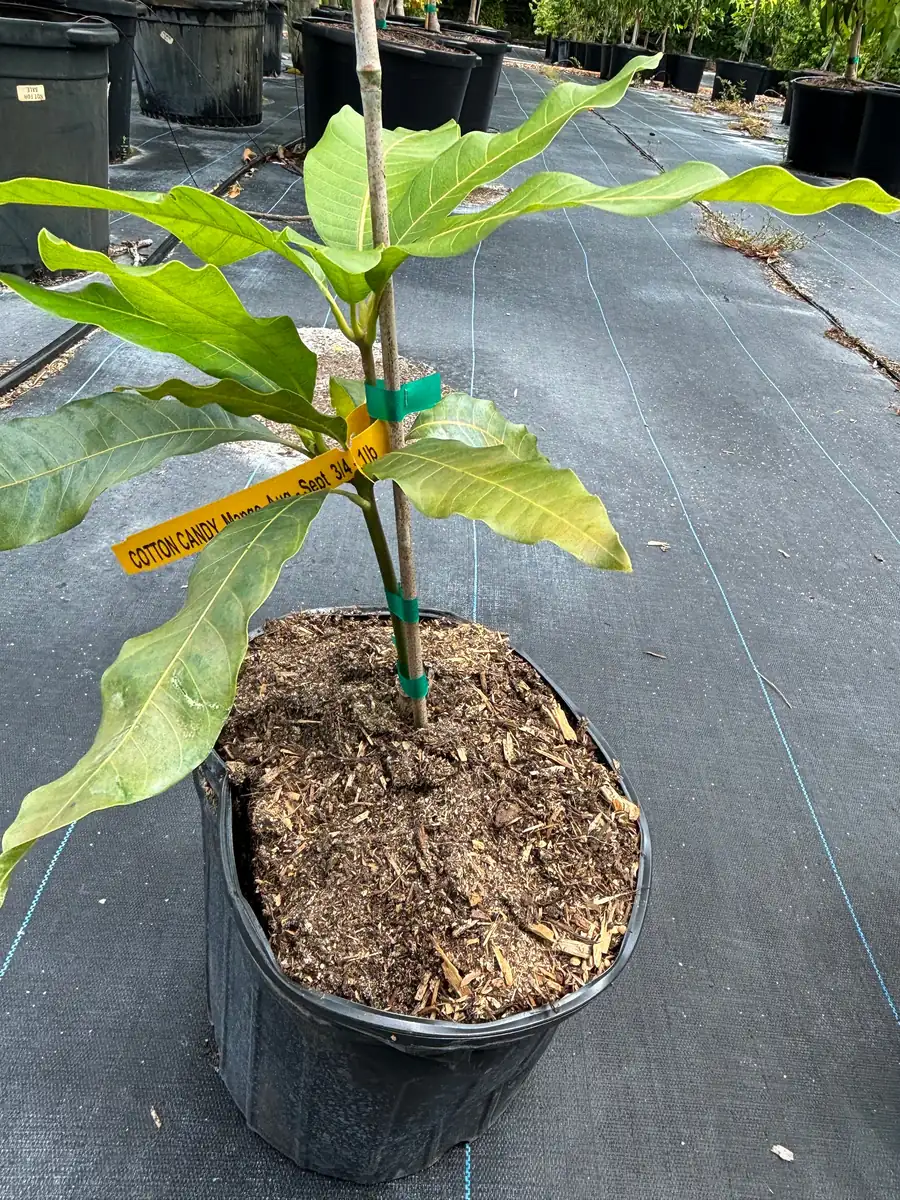
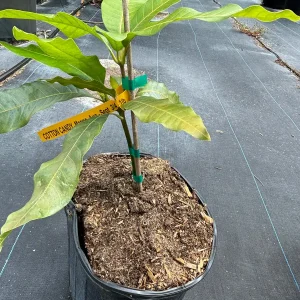
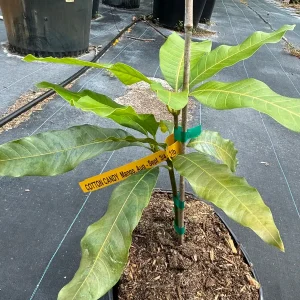
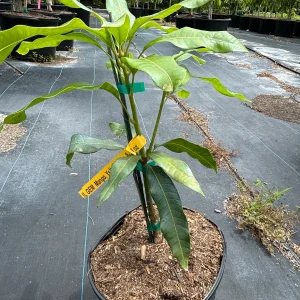
This offering is for a Cotton Candy Dwarf Mango tree, which arrives as a live plant in a 3 gallon pot. Each tree is professionally grafted and fully rooted, ensuring a strong start and true-to-type fruit production. The size of the mango trees can vary by season and the popularity of the variety, reflecting their natural growth cycles. Upon arrival, your mango tree will be established in its 3-gallon container, with a healthy root system ready for planting in its permanent location or a larger pot. These trees exhibit a moderately vigorous to very vigorous growth habit, developing into an attractive, open canopy with vertical branches.
The ‘Cotton Candy’ mango is known for its maturity during the July to August timeframe, making it a desirable late-season alternative. Originating from Florida, USA, this cultivar is well-suited for warm climates. While specific mature dimensions depend on growing conditions and pruning, its ‘dwarf’ designation implies a more manageable size than standard mango trees, making it an excellent choice for home gardens. Expect a robust, healthy specimen ready to begin its journey to fruit production, embodying the best of this sweet mango cultivar.
Frequently Asked Questions
- Q: How big does this Cotton Candy Dwarf Mango tree get? A: The ‘Cotton Candy’ mango is considered a dwarf variety with a moderately vigorous to very vigorous growth habit. While mature size depends on pruning and growing conditions, it’s generally more manageable than standard mango trees, making it suitable for home gardens and larger containers.
- Q: What size pot does the plant come in? A: This Cotton Candy Dwarf Mango tree is shipped in a 3 gallon pot. It is fully rooted and professionally grafted, providing a strong foundation for future growth.
- Q: Is this an indoor or outdoor plant? A: This mango tree is best grown outdoors in USDA Zones where mangoes thrive. In colder climates, it can be grown in a large container and moved indoors during winter, requiring careful dwarf mango plant care.
- Q: How much sunlight does it need? A: Like most mango varieties, the ‘Cotton Candy’ mango requires full sun exposure, meaning at least 6-8 hours of direct sunlight daily for optimal growth and fruit production.
- Q: Is this plant easy to care for? A: Mango trees require consistent care, including proper watering, fertilization, and sunlight. While not extremely difficult, they do best with attention to their specific needs, making them suitable for gardeners with some experience or those willing to learn mango tree growing tips.
- Q: What condition will it arrive in? A: Your grafted mango tree will arrive professionally grafted, fully rooted, and healthy in its 3-gallon pot. We take great care in packaging to ensure it reaches you in the best possible condition, ready for planting.
- Q: When is the best time to plant this mango tree? A: The best time to plant a mango tree is typically in the spring or early summer, once the danger of frost has passed and temperatures are consistently warm. This allows the tree to establish its root system before extreme weather.
- Q: What are the fruit characteristics of this sweet mango cultivar? A: The ‘Cotton Candy’ mango produces intensely sweet and robust fruit with yellow, fiberless flesh. Its flavor is often compared to Honey Kiss but with even greater intensity. It contains a polyembryonic seed and matures in July to August.
- Q: Will it survive winter in my zone? A: Mango trees are tropical plants and are sensitive to frost. They thrive in warm climates (typically USDA Zones 9-11). If you live in a colder zone, you will need to provide winter protection or grow it in a container that can be moved indoors.
- Q: What kind of soil does a mango tree need? A: Mango trees prefer well-draining soil with a slightly acidic to neutral pH (6.0-7.0). If your soil is heavy clay, amending it with organic matter to improve drainage is recommended. For potted plants, use a high-quality, well-draining potting mix.
Be the first to review “Cotton Candy Dwarf Mango Tree Live Plant – 3 Gallon Pot – Grafted & Rooted”
People Also Viewed
Sold 80 products
$87.98
Sold 81 products
Original price was: $39.98.$19.99Current price is: $19.99.
Sold 100 products
Original price was: $89.98.$44.99Current price is: $44.99.
Sold 56 products
Original price was: $37.98.$30.38Current price is: $30.38.
Sold 80 products
Original price was: $100.00.$80.00Current price is: $80.00.
Sold 93 products
Original price was: $54.36.$27.18Current price is: $27.18.
Sold 75 products
Original price was: $25.98.$12.99Current price is: $12.99.
Sold 90 products
Original price was: $14.76.$7.38Current price is: $7.38.
Sold 88 products
Original price was: $63.96.$31.98Current price is: $31.98.
Sold 98 products
Original price was: $39.98.$19.99Current price is: $19.99.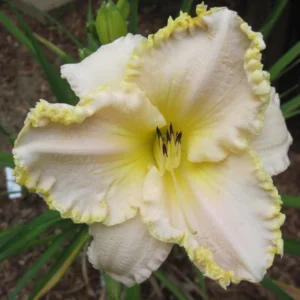
Flower Plants
Marquee Moon Daylily Live Plant – Creamy White Flowers, Gold Edge – 1 Gallon Pot – Outdoor Perennial
Sold 87 products
From $95.80
Sold 74 products
Original price was: $79.98.$39.99Current price is: $39.99.
Flower Plants
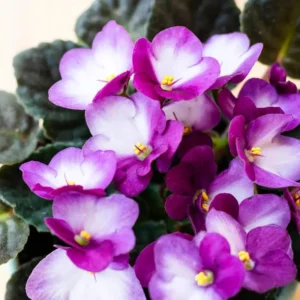
African Violet Live Plant Houseplant – Dark Blue Flower, 4 Inch Pot – Indoor Ready to Grow
Sold 61 products
Original price was: $75.98.$37.99Current price is: $37.99.
Flower Plants
Orange Lantana Plant Live – 6-9 Inch Tall – Fragrant Outdoor Butterfly Perennial Flowers
Sold 72 products
Original price was: $37.98.$18.99Current price is: $18.99.
Sold 50 products
Original price was: $49.98.$24.99Current price is: $24.99.
Sold 69 products
From $43.98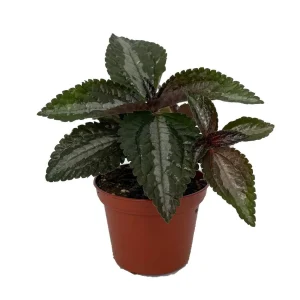
HousePlants
Silver Tree Pilea Spruceana Live Plant – Friendship Plant – 2.5″ Pot – Indoor Houseplant
Sold 99 products
Original price was: $28.76.$14.38Current price is: $14.38.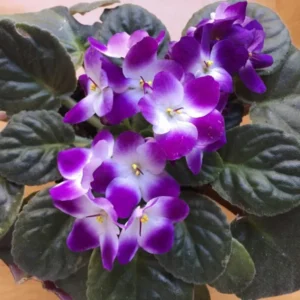
Sold 80 products
Original price was: $76.88.$38.44Current price is: $38.44.


Reviews
There are no reviews yet.