
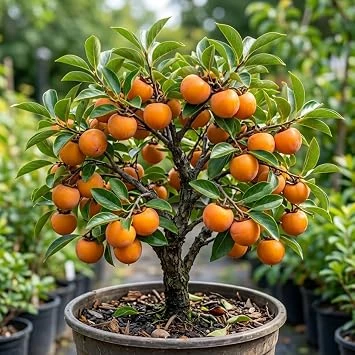
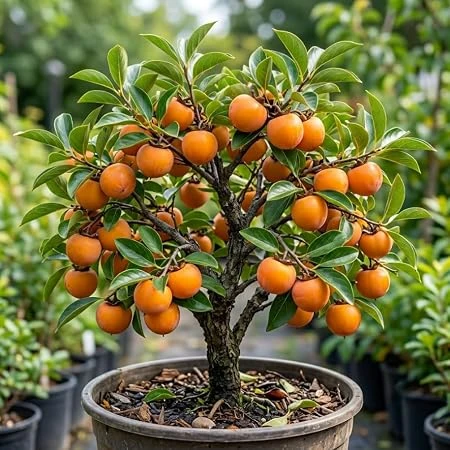
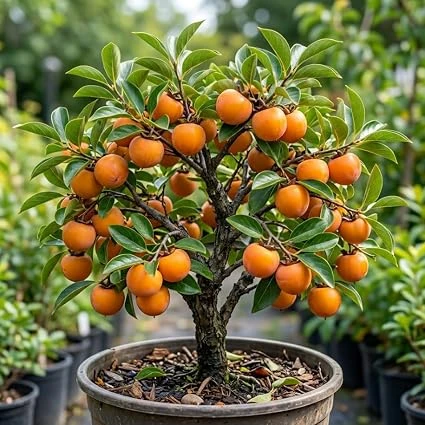
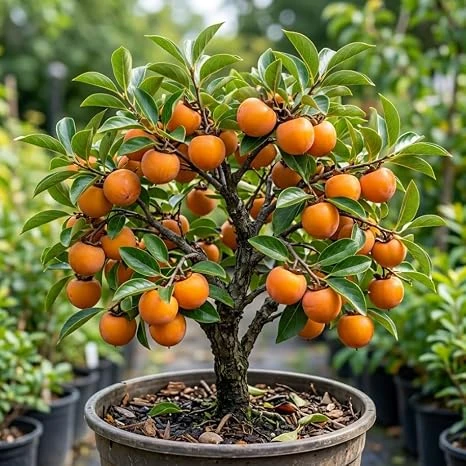
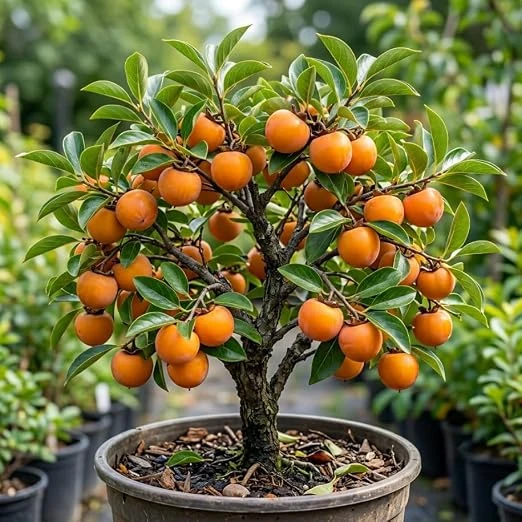
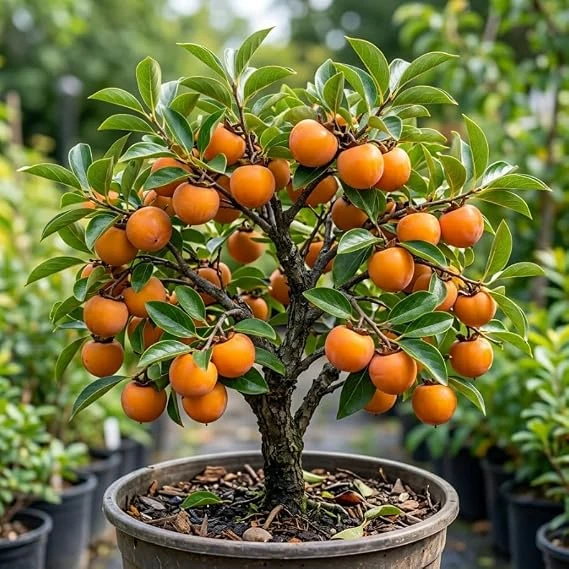
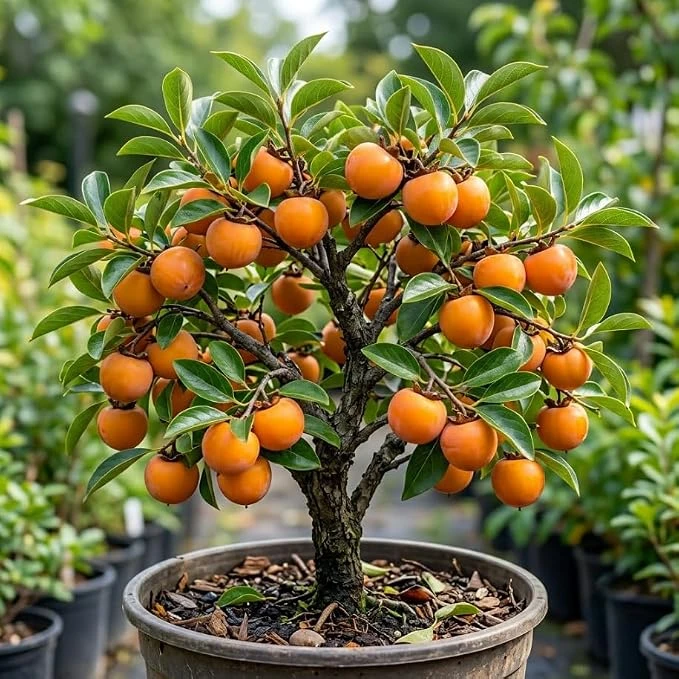
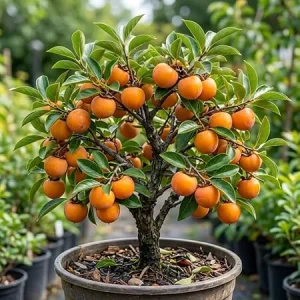
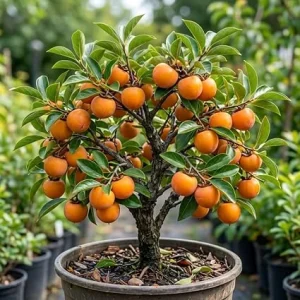
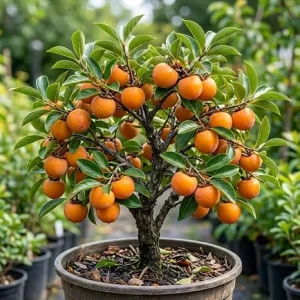
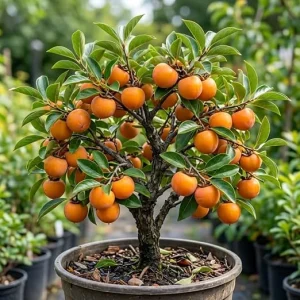
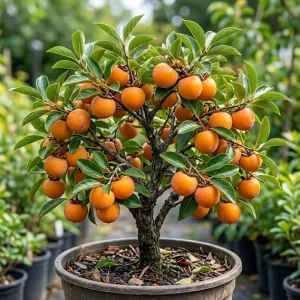
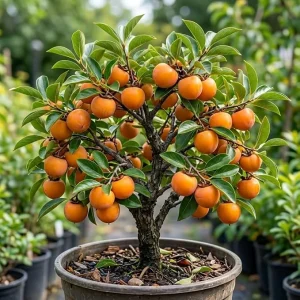
Common Persimmon Tree Live Plant, Hardy Deciduous Fruit Tree, 6-14 inches Tall, Quart Pot
Original price was: $41.98.$20.99Current price is: $20.99.
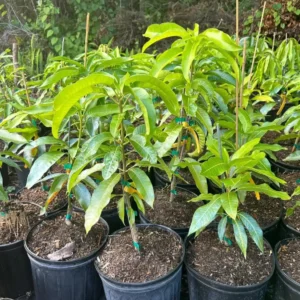
Cultivate your own delicious fruit with this common persimmon tree live plant. A hardy deciduous tree, it’s perfect for growing sweet, orange persimmon fruits. Arrives as a 6-14 inch tall starter plant in a quart pot, ready for your garden.
-
USDA Hardiness Zone
USDA Zones 4-9 -
Soil Type
Well-draining soil, pH 6.0-7.0 -
Sunlight Exposure
Full sun to partial shade -
Expected Planting Period
Spring to early fall

You can track your order HERE
Oct 30
Nov 04 - Nov 06
Nov 09 - Nov 13
Shipping and return policies: Our Alive & Thrive Guarantee covers issues with your plants within the first 30 days. Reach out to us. Our team will answer your questions and help you find the plants that are truly suitable for your environment, climate, and personal preferences.

Overview
Bring the joy of homegrown fruit to your landscape with a common persimmon tree live plant. This native American species, scientifically known as Diospyros virginiana, is a robust and resilient deciduous tree cherished for its delicious, sweet, and unique orange fruits. Unlike its Asian counterparts, the American persimmon tree is exceptionally hardy, thriving in a wide range of climates and soil conditions across North America. Each starter plant arrives as a live, well-rooted specimen, typically 6-14 inches tall, nestled in a quart-sized pot, making it ready for immediate transplanting into your garden or a larger container. This tree not only provides a bountiful harvest of delectable fruit but also adds significant ornamental value to your property with its attractive foliage and interesting bark.
Growing a common persimmon tree live plant is a rewarding experience for both novice and experienced gardeners. These trees are known for their adaptability and relatively low maintenance once established. Imagine enjoying fresh, ripe persimmons directly from your backyard, perfect for eating fresh, baking, or preserving. Beyond its culinary appeal, the persimmon tree offers ecological benefits, providing food and habitat for local wildlife. Its strong, woody structure ensures a long-lasting addition to your garden, enriching your outdoor space for years to come.
Key Benefits
The common persimmon tree live plant offers a multitude of advantages for any home gardener or landscaper, combining aesthetic appeal with practical benefits:
- Delicious Fruit Production: Enjoy a seasonal harvest of sweet, juicy orange persimmon fruit tree. These fruits are often astringent until fully ripe, then transform into a wonderfully sugary delicacy perfect for fresh eating, baking, or jams. Growing your own ensures the freshest taste.
- Exceptional Hardiness: This hardy persimmon plant is incredibly adaptable to diverse climates and soil types, making it a reliable choice for many regions. It can withstand cold winters and hot summers, proving its resilience year after year.
- Low Maintenance Once Established: After its initial planting and establishment period, the common persimmon requires minimal care. It’s relatively drought-tolerant and disease-resistant, making it a hassle-free addition to your garden.
- Ornamental Value: Beyond its fruit, the tree provides attractive green foliage that turns brilliant shades of yellow, orange, and red in the fall, adding stunning visual interest to your landscape. Its distinctive bark also offers winter appeal.
- Wildlife Attraction: The fruits serve as an excellent food source for various birds and mammals, contributing to local biodiversity and creating a lively garden ecosystem. It’s an ideal choice for those looking to support local wildlife.
- Shade and Structure: As a mature deciduous fruit tree, it will provide ample shade during warmer months, enhancing comfort in your outdoor living spaces. Its strong root system also helps with soil stabilization.
- Easy to Grow: Thrives in full sun to partial shade with well-draining soil, making it a straightforward plant for gardeners of all skill levels. With basic care, it will flourish and produce fruit.
Plant Care & Growing Tips
Caring for your common persimmon tree live plant is relatively simple, ensuring a healthy tree and abundant fruit production. These trees prefer a location with full sun, meaning at least 6-8 hours of direct sunlight per day, though they can tolerate partial shade. Adequate sunlight is crucial for optimal fruit development and overall tree vigor. When choosing a planting site, consider its mature size and ensure it has enough space to grow without crowding other plants or structures. It’s important to protect young trees from strong winds, which can hinder their early growth.
The American persimmon tree is adaptable to a wide range of soil types, but it thrives best in well-draining soil with a pH between 6.0 and 7.0. While tolerant of various conditions, avoid heavy, waterlogged soils. When planting, dig a hole twice as wide as the root ball and just as deep. Gently remove the plant from its quart pot, loosen any circling roots, and place it in the hole so the top of the root ball is level with the surrounding soil. Backfill with native soil, gently tamping to remove air pockets. Water thoroughly after planting to help settle the soil. During its first year, consistent watering is key to establishing a strong root system, especially during dry spells. Once established, it becomes quite drought-tolerant, though supplemental watering during prolonged dry periods will benefit fruit production. Fertilize in early spring with a balanced slow-release fertilizer, following product instructions to avoid over-fertilization.
This hardy persimmon plant is generally resistant to most pests and diseases. Pruning should be done in late winter or early spring while the tree is dormant. Focus on removing any dead, damaged, or crossing branches to maintain good air circulation and shape. Training the tree to a central leader system can encourage stronger structural growth. The orange persimmon fruit tree is typically hardy in USDA Zones 4-9, showcasing its impressive cold tolerance. Provide a layer of mulch around the base of the tree to help retain soil moisture, regulate soil temperature, and suppress weeds. With proper care, your deciduous fruit tree will flourish and provide delicious harvests for many years.
Size & Details
Your common persimmon tree live plant will arrive as a healthy, well-rooted starter plant, typically measuring approximately 6 to 14 inches tall from the top of the soil. It is carefully nurtured and shipped in a quart (Qt) sized pot, providing a robust root system ready for transplanting. This size is ideal for establishing the tree in your garden or a larger container, allowing it to acclimate and grow strong roots before further development. The tree is a woody deciduous species, meaning it will lose its leaves in the fall and regrow them in the spring, showcasing its seasonal beauty.
When mature, a common persimmon tree live plant can reach heights of 30-60 feet with a spread of 20-35 feet, forming a beautiful, rounded canopy. Its growth rate is moderate, typically adding 1-2 feet per year once established. You can expect your tree to begin producing fruit within 3-5 years after planting, with yields increasing as the tree matures. The fruits ripen in late fall, often after the first frost, which enhances their sweetness. The plant is shipped as a live, potted specimen to ensure the best possible start in your garden, minimizing transplant shock and promoting vigorous growth.
Frequently Asked Questions
- Q: How big does this plant get and what size pot does it come in? A: This common persimmon tree live plant typically arrives 6-14 inches tall in a quart-sized pot. When mature, it can grow 30-60 feet tall with a spread of 20-35 feet, becoming a substantial deciduous fruit tree in your landscape.
- Q: Is this an indoor or outdoor plant? A: The American persimmon tree is an outdoor plant, suited for garden and landscape planting. It is a hardy deciduous tree that requires seasonal changes and ample space to thrive.
- Q: How much sunlight does it need? A: This hardy persimmon plant prefers full sun, meaning at least 6-8 hours of direct sunlight per day, for optimal growth and fruit production. It can tolerate partial shade but may produce less fruit.
- Q: Is this plant easy to care for? A: Yes, once established, the common persimmon tree live plant is relatively low maintenance. It’s adaptable to various conditions and fairly drought-tolerant and disease-resistant, making it a good choice for many gardeners.
- Q: What condition will it arrive in? A: Your plant will arrive as a live, well-rooted starter tree in a quart pot, carefully packaged to ensure it reaches you in excellent condition, ready for transplanting.
- Q: How long until it produces fruit? A: You can typically expect your orange persimmon fruit tree to start bearing fruit within 3-5 years after planting. Fruit production will increase as the tree matures.
- Q: Will it survive winter in my zone? A: The common persimmon tree live plant is very hardy and suitable for USDA Zones 4-9, making it resilient to cold winters in many regions across the United States.
- Q: What is the best time to plant this tree? A: The best time to plant your persimmon tree is in spring or early fall, allowing it sufficient time to establish its root system before extreme weather conditions.
- Q: Is the fruit edible? A: Yes, the common persimmon produces delicious, sweet orange fruits when fully ripe. It’s important to wait until they are very soft to the touch to avoid astringency.
- Q: Does this tree attract wildlife? A: Absolutely! The fruits of the common persimmon tree live plant are a favorite food source for various birds and mammals, making it a great addition for wildlife enthusiasts.
Be the first to review “Common Persimmon Tree Live Plant, Hardy Deciduous Fruit Tree, 6-14 inches Tall, Quart Pot”
People Also Viewed










Sold 50 products
From $156.99





Reviews
There are no reviews yet.