
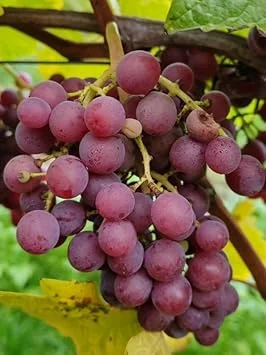
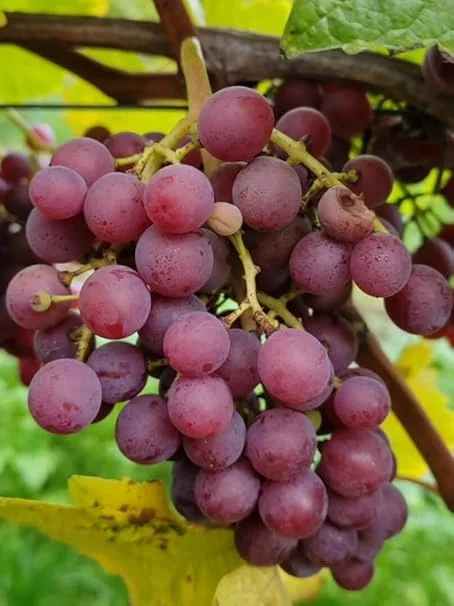
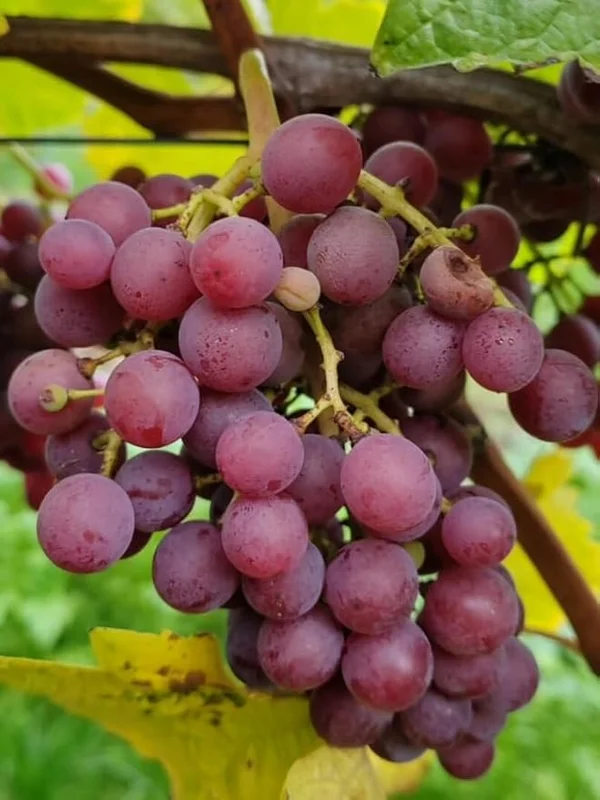
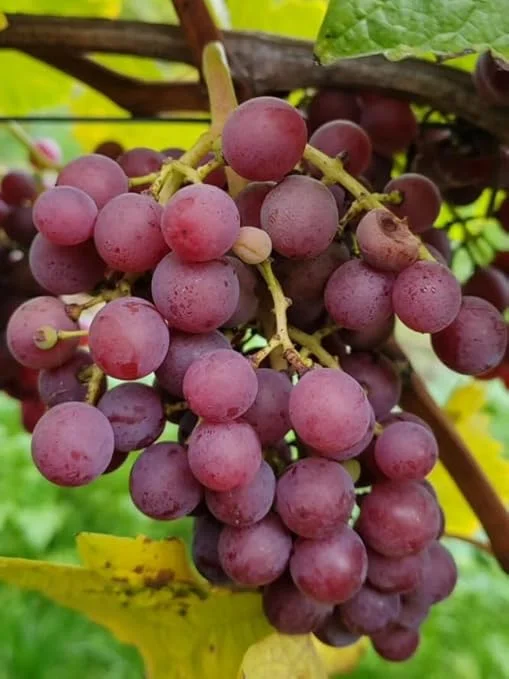
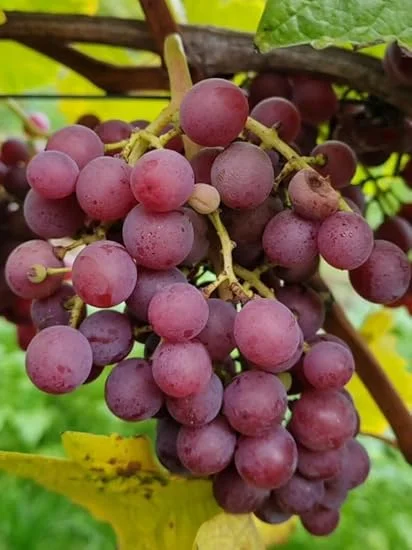
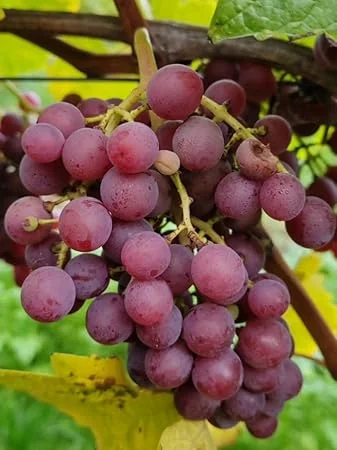
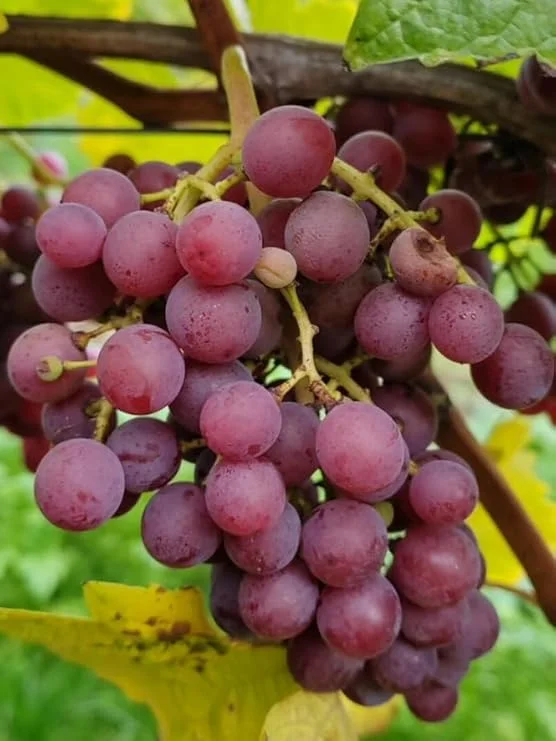
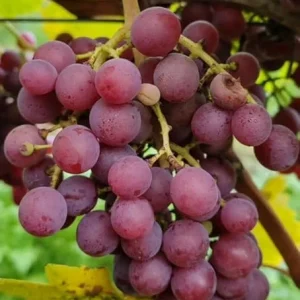
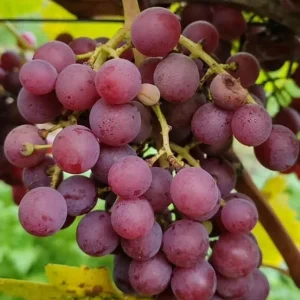
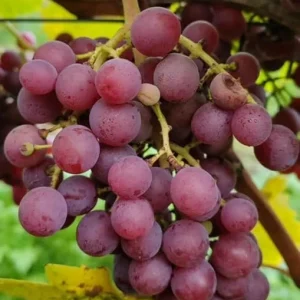
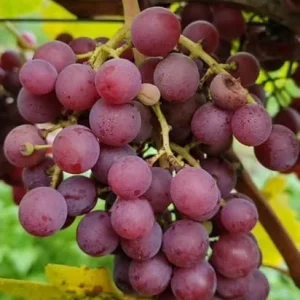
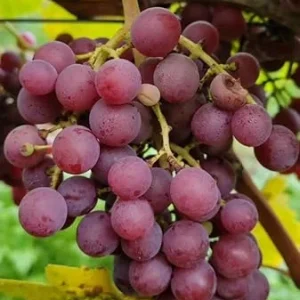
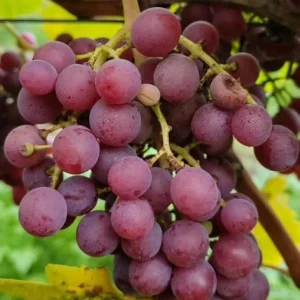
Catawba Bunch Grape Vine Live Plant – 2 Year Old, Cold Hardy Red Grape – USDA Zones 5-9
Original price was: $97.60.$48.80Current price is: $48.80.
Cultivate your own sweet and tangy red grapes with this catawba grape vine. This 2-year-old, cold hardy grape plant is ideal for home vineyards, producing abundant clusters of flavorful fruit. Enjoy fresh eating, juice, or homemade wine from your own garden.
-
USDA Hardiness Zone
5-9 -
Soil Type
Loam soil -
Sunlight Exposure
Full Sun -
Expected Planting Period
Late fall or early spring when dormant

You can track your order HERE
Mar 23
Mar 28 - Mar 30
Apr 02 - Apr 06
Shipping and return policies: Our Alive & Thrive Guarantee covers issues with your plants within the first 30 days. Reach out to us. Our team will answer your questions and help you find the plants that are truly suitable for your environment, climate, and personal preferences.

Overview
Embark on your viticulture journey with a robust catawba grape vine, a classic American hybrid grape known for its beautiful red fruit and distinct flavor. This 2-year-old live plant is ready to establish quickly in your garden, offering the promise of delicious homegrown grapes. The Catawba variety is highly valued for its versatility, perfect for fresh consumption, making sweet juices, or producing delightful rosés and sparkling wines. Its vigorous growth and attractive foliage also make it a wonderful ornamental addition to pergolas, arbors, or trellises, transforming your landscape into a productive and picturesque haven. Experience the joy of harvesting your own fruit with this easy-to-grow and rewarding grape variety.
The catawba grape vine is a reliable choice for gardeners in a wide range of climates, thanks to its impressive cold hardiness. This makes it an excellent option for those looking to cultivate grapes in regions where other varieties might struggle. Its resilience, combined with its prolific fruiting, ensures a bountiful harvest year after year, providing you with a sustainable source of fresh grapes. Whether you’re a seasoned gardener or a novice, this grape vine offers a fulfilling and delicious gardening experience.
Key Benefits
Adding a catawba grape vine to your landscape offers a multitude of benefits, from aesthetic appeal to delicious harvests. This hardy plant is a true garden asset that keeps on giving.
- Abundant Fruit Production: Enjoy generous yields of medium-sized, reddish-purple grapes with a sweet musky flavor, perfect for eating fresh, making juice, jellies, or wine. The clusters are typically large and ripen consistently.
- Cold Hardiness: This vine is exceptionally cold hardy, thriving in USDA Zones 5-9, making it suitable for a broad range of climates where other grape varieties might not survive harsh winters. This ensures a reliable harvest even in cooler regions.
- Ornamental Value: Beyond its fruit, the red bunch grape vine provides beautiful green foliage throughout the growing season, turning to attractive autumn colors. It creates stunning natural shade when grown on pergolas or arbors, enhancing any garden space.
- Vigorous Growth: As a 2-year-old plant, it is already well-established and ready for strong growth, quickly covering trellises or fences to provide both beauty and an abundant harvest in a shorter timeframe.
- Versatile Culinary Uses: The sweet, aromatic flavor of Catawba grapes makes them incredibly versatile. Use them to create delicious homemade jams, refreshing juices, flavorful wines, or simply enjoy them as a healthy snack right off the vine.
- Wildlife Attraction: The grapes can also attract beneficial pollinators and provide a food source for local birds, adding to the biodiversity and natural beauty of your garden ecosystem.
- Long-Term Investment: A well-cared-for grape vine can produce fruit for decades, offering a sustainable and rewarding long-term investment for your home and garden.
Plant Care & Growing Tips
To ensure your catawba grape vine thrives and produces a bountiful harvest, proper care is essential. Grape vines require specific conditions and consistent attention, especially during their establishment phase. This cold hardy grape plant prefers a location that receives full sun, meaning at least 6-8 hours of direct sunlight daily. Good air circulation is also important to prevent fungal diseases. When planting, ensure the soil is well-draining. Loamy soil is ideal, but amending heavy clay soils with organic matter can significantly improve drainage. Avoid planting in areas where water tends to collect.
Watering is crucial, particularly during the first year after planting and during dry spells. Deep, regular watering encourages strong root development, but be careful not to overwater, as this can lead to root rot. Once established, grape vines are more drought-tolerant but will benefit from supplemental watering during prolonged dry periods. Pruning is a vital aspect of grape vine care and should be done annually in late winter or early spring while the vine is dormant. Proper pruning helps maintain the vine’s shape, promotes air circulation, and encourages fruit production on new wood. Fertilize in early spring with a balanced fertilizer, or use compost to enrich the soil.
Support is critical for a catawba grape vine. Provide a sturdy trellis, arbor, or fence for the vine to climb, training the canes as they grow. This not only supports the heavy fruit load but also keeps the foliage off the ground, reducing disease risk. Monitor for common pests and diseases, addressing any issues promptly with appropriate organic or chemical treatments. With consistent care and attention to its specific needs, your growing catawba grapes will reward you with years of delicious fruit and beautiful garden scenery.
Size & Details
This offering is for one catawba grape vine, a 2-year-old live plant. At the time of shipping, the plant typically stands around 2 feet tall, establishing a robust root system that ensures vigorous growth upon planting. This size allows for easier transplanting and quicker establishment in your garden. The vine is shipped as a bare-root plant in late fall or early spring, during its dormant period, which is the optimal time for planting and minimizing transplant shock. Its expected growth rate is moderate to fast, quickly reaching a mature size that can cover a significant portion of a trellis or arbor, delivering ample fruit within a few years of planting.
The mature size of a catawba grape vine can vary depending on growing conditions and pruning practices, but it typically reaches heights of 10-20 feet or more when supported, with a spread of 5-10 feet. It is recommended to provide ample space for its growth. The grapes themselves are medium-sized, reddish-purple, and ripen in late summer to early fall, offering a delightful harvest season. This vine is suitable for USDA Hardiness Zones 5-9, demonstrating its excellent adaptability and resilience in various climates. With proper care, this red bunch grape can become a long-lasting and productive feature in your home vineyard.
Frequently Asked Questions
- Q: How big will my Catawba grape vine get? A: A mature catawba grape vine can grow quite large, typically reaching 10-20 feet in length, especially when provided with a sturdy support like a trellis or arbor. Its spread can be 5-10 feet, so ensure you have adequate space.
- Q: Is this an indoor or outdoor plant? A: The catawba grape vine is an outdoor plant, best suited for growing in a garden or vineyard setting. It requires full sun exposure and ample space to thrive and produce fruit.
- Q: How much sunlight does this grape vine need? A: This grape vine requires full sun, meaning it needs at least 6-8 hours of direct sunlight each day to ensure optimal growth and fruit production. Plenty of sun is key for sweet grapes.
- Q: What condition will the grape vine arrive in? A: Your catawba grape vine will arrive as a 2-year-old bare-root plant, typically 2 feet tall, during its dormant phase (late fall or early spring). This method ensures the best chance of successful establishment.
- Q: Is this vine easy to care for? A: While grape vines require consistent pruning and attention to watering, the cold hardy grape plant is considered relatively easy to care for once established, especially for those in suitable climates.
- Q: When is the best time to plant this grape vine? A: The best time to plant your bare-root catawba grape vine is in late fall or early spring, when the plant is dormant. This minimizes transplant shock and allows the roots to establish before active growth begins.
- Q: What USDA Hardiness Zones are suitable for this grape vine? A: The catawba grape vine is cold hardy and thrives in USDA Hardiness Zones 5 through 9, making it a versatile choice for many different regions.
- Q: Can I grow this red bunch grape in a container? A: While possible for a short period, growing a red bunch grape in a container long-term is not ideal due to its vigorous growth and extensive root system. It’s best suited for in-ground planting.
- Q: How long until my grape vine produces fruit? A: As a 2-year-old vine, your catawba grape vine may produce a small crop in its first year after planting, with a more substantial harvest expected in its second or third year.
- Q: What kind of soil does this grape vine prefer? A: This grape vine prefers well-draining loamy soil. If your soil is heavy clay, it’s recommended to amend it with organic matter to improve drainage and aeration.
Be the first to review “Catawba Bunch Grape Vine Live Plant – 2 Year Old, Cold Hardy Red Grape – USDA Zones 5-9”
People Also Viewed
Sold 91 products
Original price was: $47.98.$23.99Current price is: $23.99.
Sold 80 products
Original price was: $71.98.$35.99Current price is: $35.99.
Flower Plants
Pink Milkweed Live Plant – Set of 2, 4-6″ Tall – Asclepias spp. for Monarch Butterflies
Sold 64 products
Original price was: $47.58.$23.79Current price is: $23.79.
HousePlants
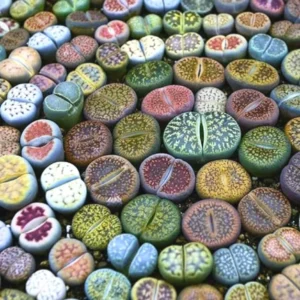
Lithops Live Plants Mix – 30 Colorful Succulents – Living Stones for Indoor/Outdoor Planting
Sold 78 products
Original price was: $65.98.$32.99Current price is: $32.99.
Sold 58 products
From $71.80
Sold 87 products
Original price was: $28.78.$14.39Current price is: $14.39.
Sold 90 products
Original price was: $31.96.$15.98Current price is: $15.98.
Sold 73 products
Original price was: $35.18.$17.59Current price is: $17.59.
Sold 87 products
Original price was: $27.98.$13.99Current price is: $13.99.
Sold 76 products
Original price was: $559.96.$279.98Current price is: $279.98.
Sold 77 products
Original price was: $39.72.$13.24Current price is: $13.24.
Sold 74 products
Original price was: $44.78.$22.39Current price is: $22.39.
Sold 91 products
Original price was: $47.98.$23.99Current price is: $23.99.
Sold 73 products
Original price was: $111.96.$55.98Current price is: $55.98.
Sold 83 products
Original price was: $30.78.$15.39Current price is: $15.39.
Flower Plants
Sold 61 products
Original price was: $30.78.$15.39Current price is: $15.39.
Flower Plants
Sold 83 products
Original price was: $27.98.$13.99Current price is: $13.99.
Sold 83 products
Original price was: $47.58.$23.79Current price is: $23.79.



Reviews
There are no reviews yet.