
Butterfly Pea Flower Seeds – Vibrant Blue Vine, Climber, Nitrogen Fixer
From $13.60
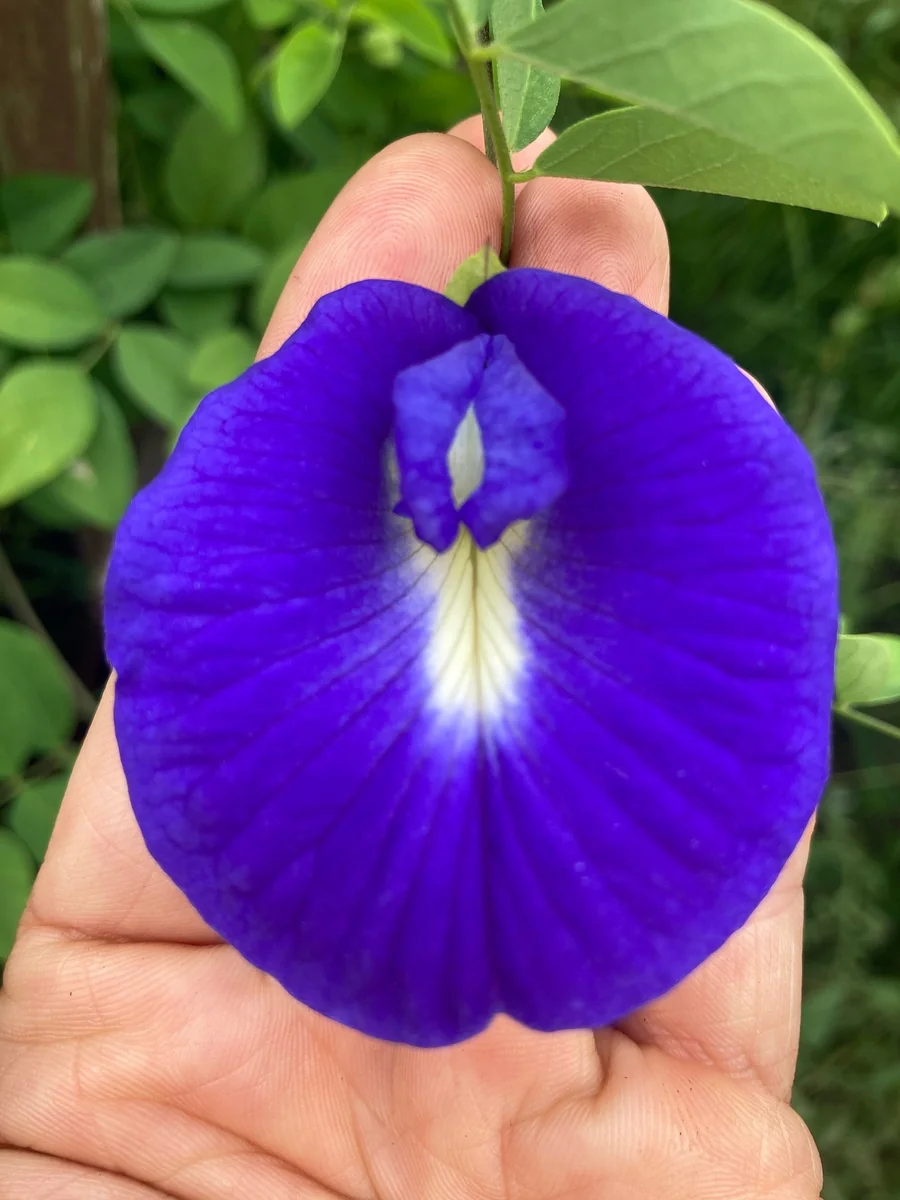
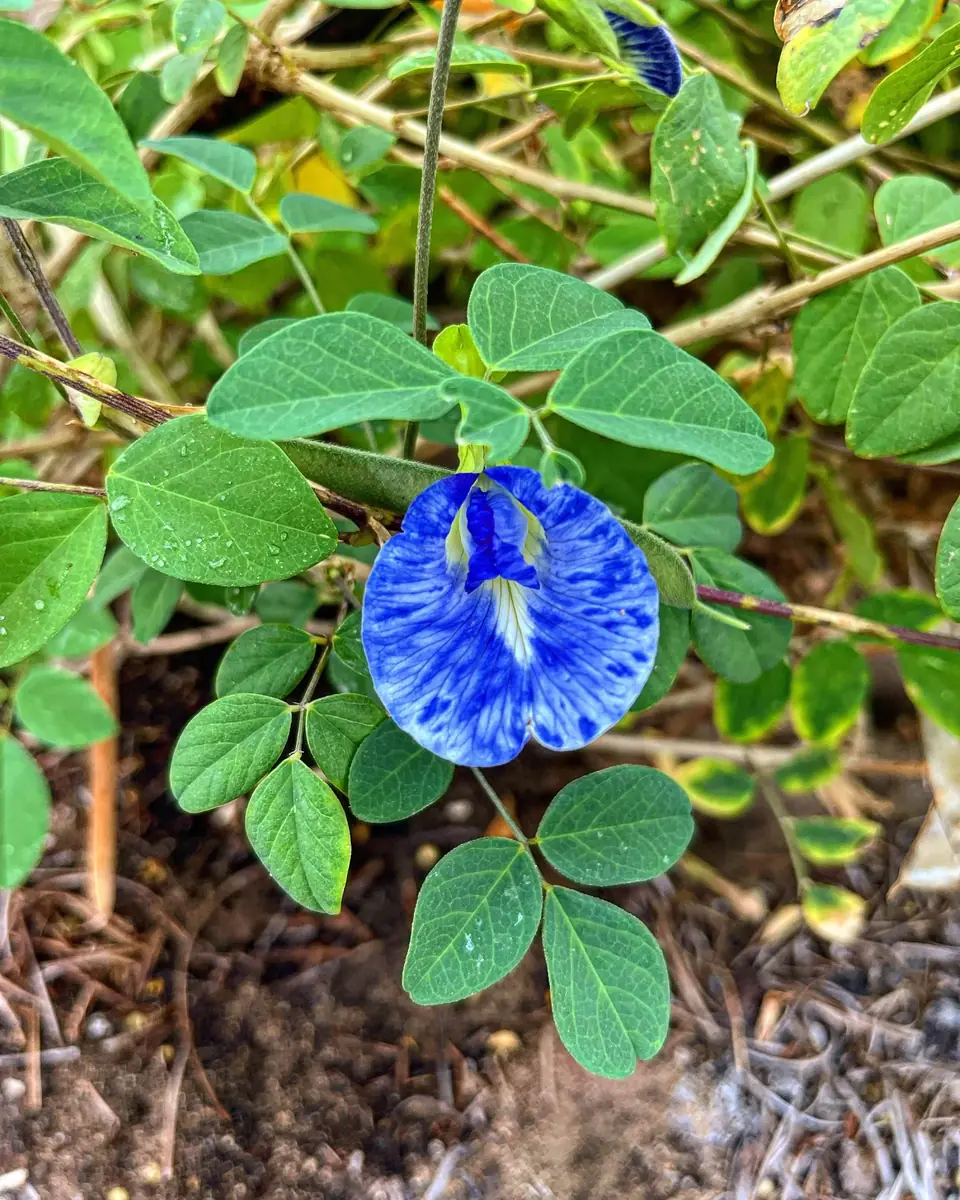
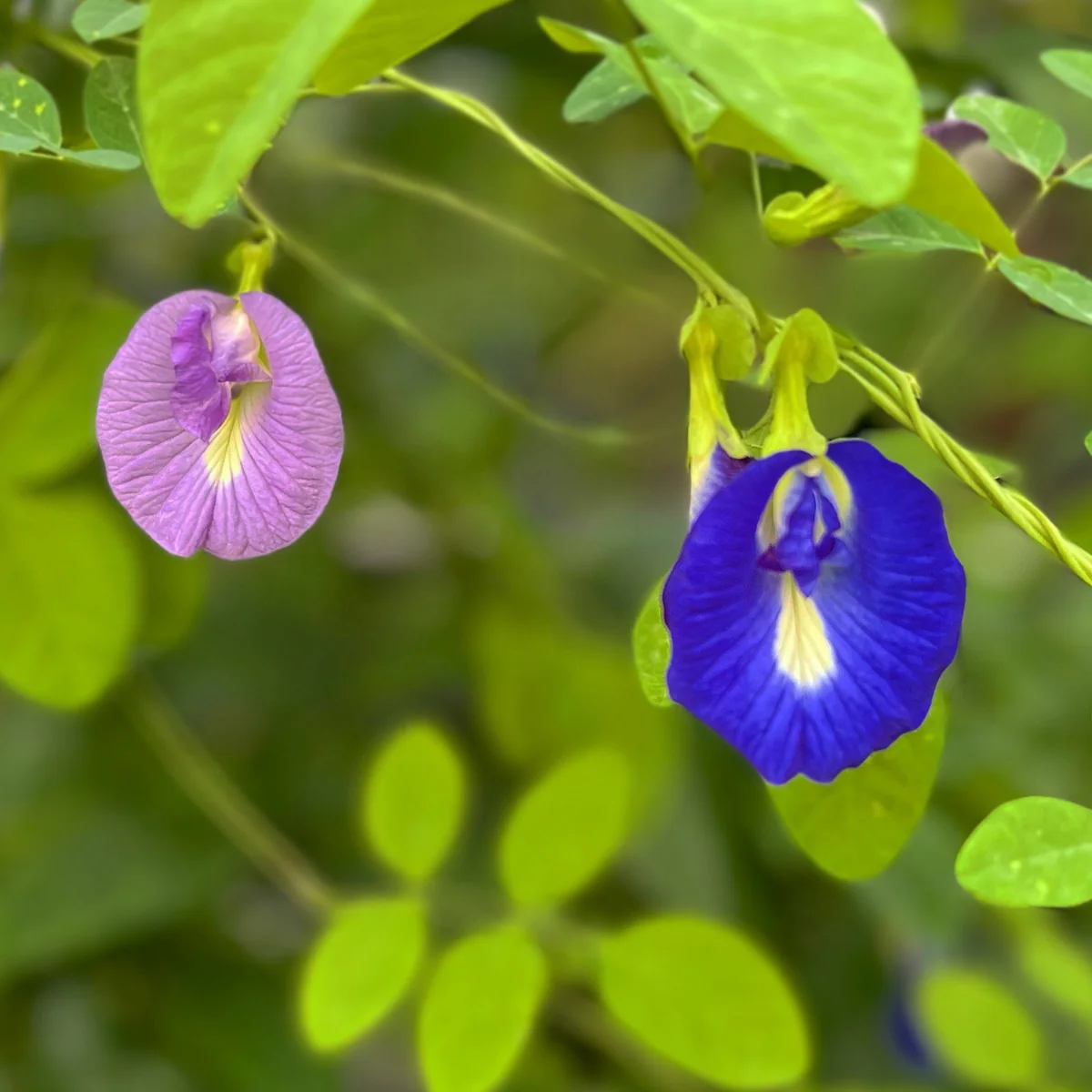
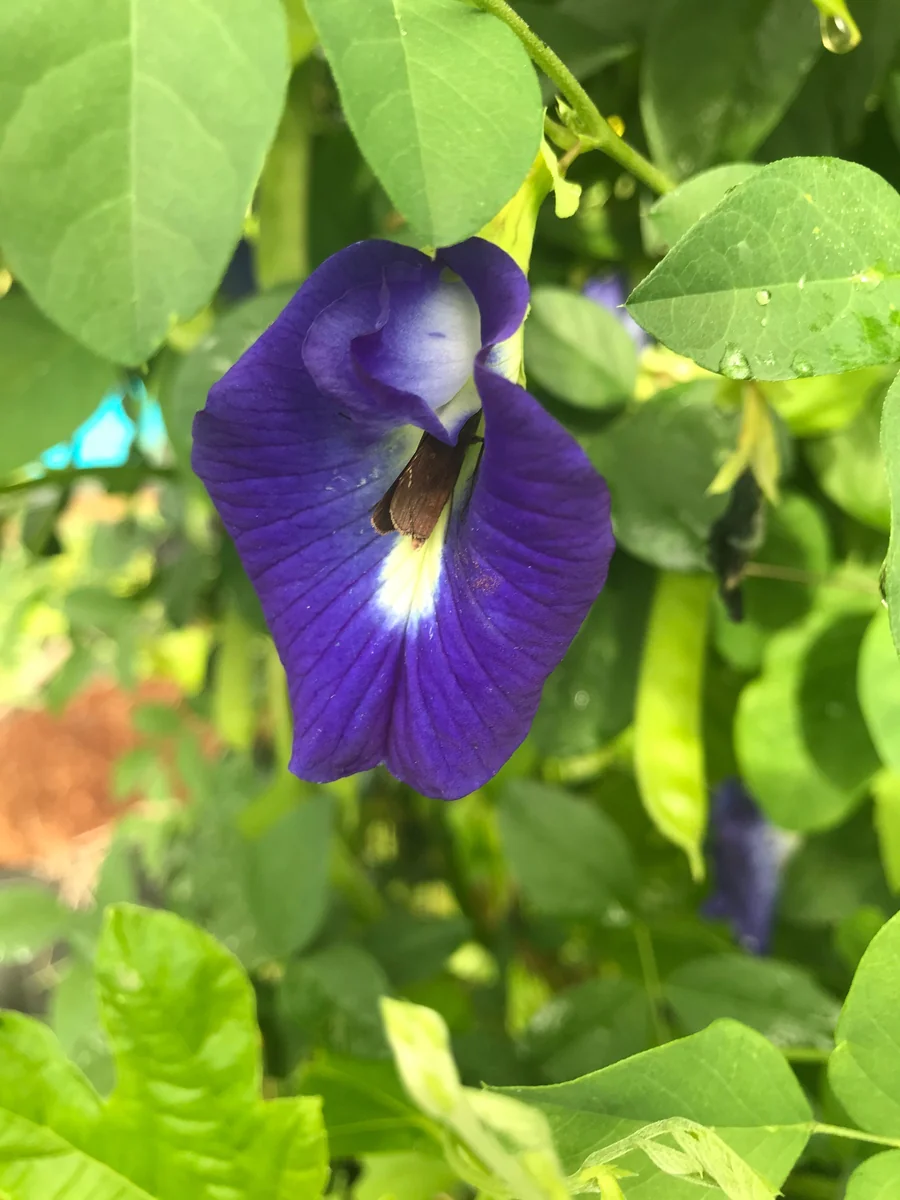
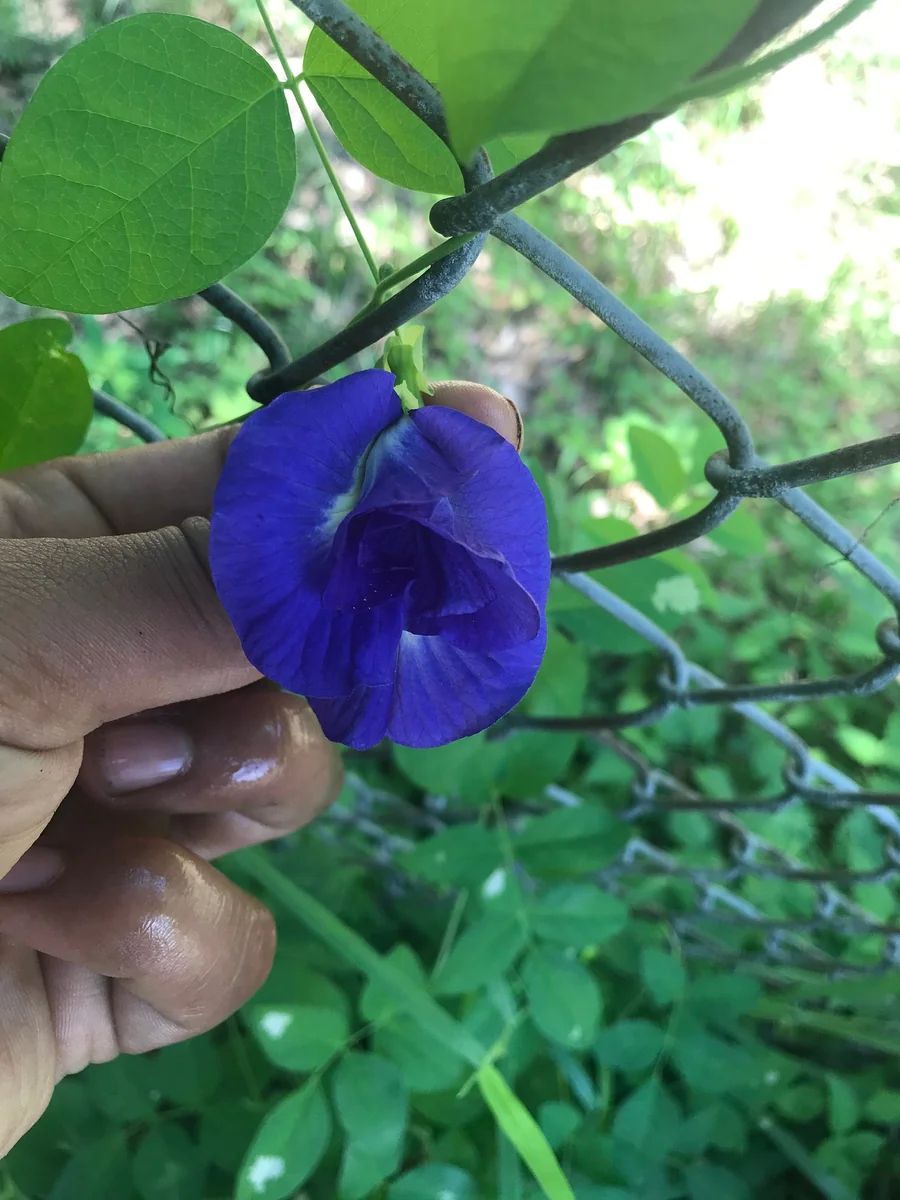
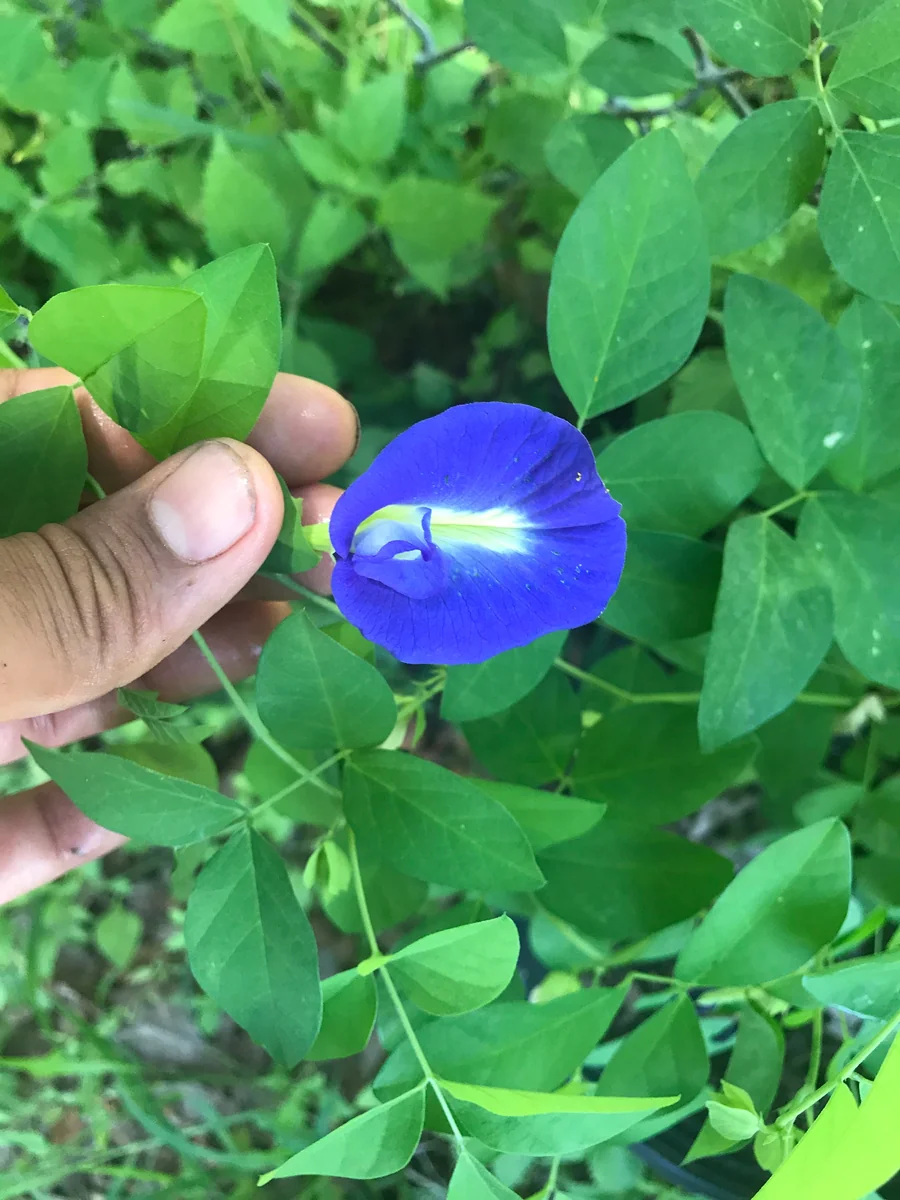
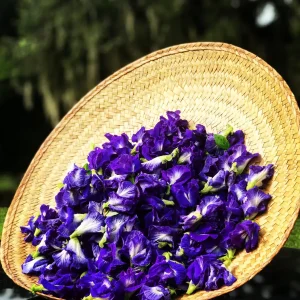
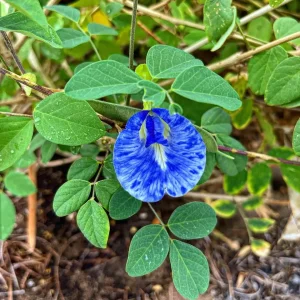
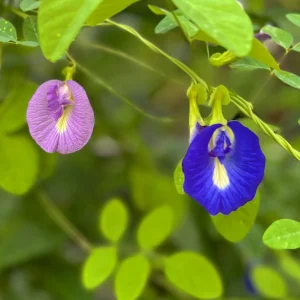
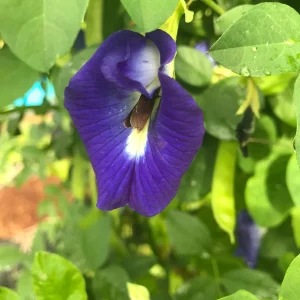
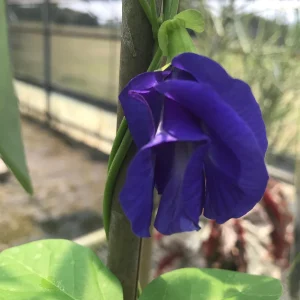
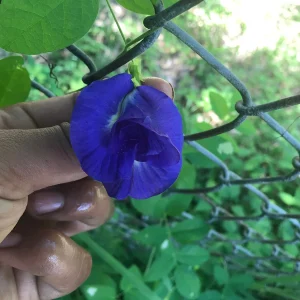
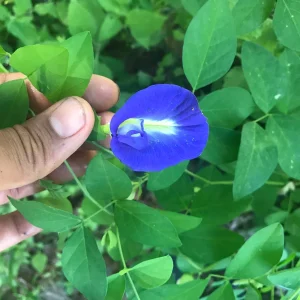
Cultivate stunning blue blooms with our butterfly pea flower seeds. This vigorous climbing vine (Clitoria ternatea) offers striking azure flowers, perfect for trellises, fences, or containers. Easy to grow, it also enriches your garden soil naturally.
-
USDA Hardiness Zone
USDA zones 10-11 (as perennial), all zones (as annual) -
Soil Type
Well-draining loamy or sandy-loam soil -
Sunlight Exposure
Full sun (6-8+ hours direct sunlight) -
Expected Planting Period
Spring to early summer (after last frost)

You can track your order HERE
Mar 01
Mar 06 - Mar 08
Mar 11 - Mar 15
Shipping and return policies: Our Alive & Thrive Guarantee covers issues with your plants within the first 30 days. Reach out to us. Our team will answer your questions and help you find the plants that are truly suitable for your environment, climate, and personal preferences.

Overview
Transform your garden into a vibrant oasis with our premium butterfly pea flower seeds. Scientifically known as Clitoria ternatea, this enchanting vine is celebrated for its electrifying azure blooms that add a splash of true blue to any landscape. Often referred to simply as blue pea flower seeds, these versatile seeds grow into a vigorous climbing plant that can be trained on arbors, fences, or trellises, creating a breathtaking visual display. Beyond its stunning aesthetic appeal, the butterfly pea plant is also known for its beneficial properties, particularly its ability to improve soil fertility, making it a fantastic addition to both ornamental and sustainable gardens. Whether you’re looking to create a dramatic focal point or enhance your garden’s ecosystem, these seeds offer an exciting and rewarding gardening experience.
The name Clitoria ternatea originates from the Greek word ‘Kleitoris,’ but gardeners worldwide cherish this plant as the beloved butterfly pea flower seeds. Its twisting and twining vines inspire a myriad of landscape design ideas, making it an excellent choice for brightening or masking unsightly structures. The plants are remarkably carefree and eager to climb, yet they do not possess the aggressive growth habit of some other vining plants, ensuring they remain a manageable and delightful feature in your garden. Imagine vines scrambling across a fence or gracefully twining up an intricate arbor, all bespeckled with true blue flowers that captivate the eye and add a unique charm.
Key Benefits
Growing butterfly pea flower seeds offers a multitude of advantages, blending ornamental beauty with ecological benefits. This plant is a true asset to any garden, providing both visual appeal and practical utility.
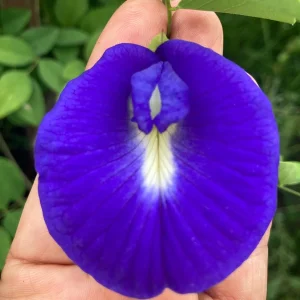
- Stunning Ornamental Value: The vibrant azure blooms of the butterfly pea vine are incredibly eye-catching, providing a unique and exotic touch to your garden. They can quickly cover fences, trellises, and pergolas, creating a lush, flowering backdrop.
- Natural Soil Improvement: As a legume, the Clitoria ternatea seeds develop into plants that are excellent nitrogen fixers. They grab nitrogen from the atmosphere and convert it into a usable form, enriching your garden soil and acting as a natural green manure.
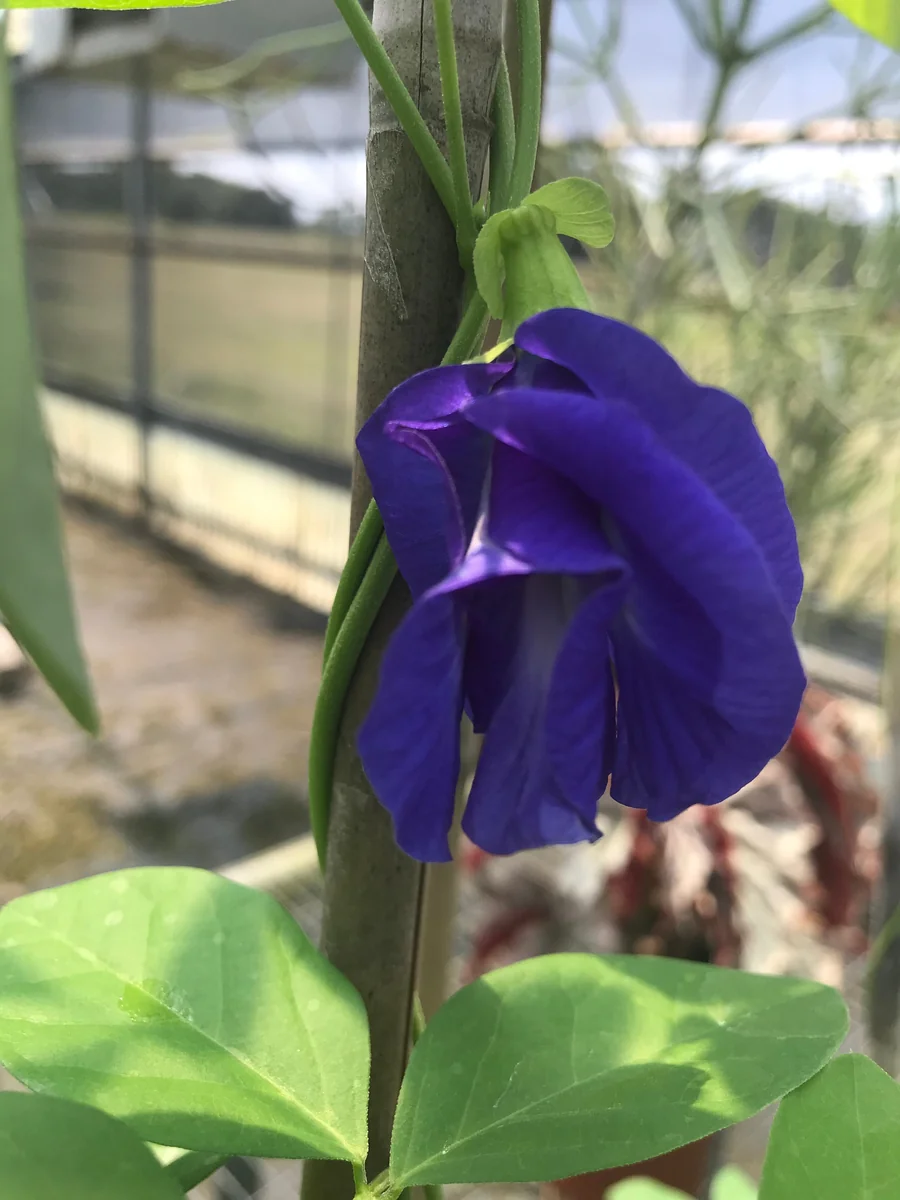
- Versatile Landscape Use: These vines are perfect for a variety of landscape applications. Plant them at the base of any structure you wish to adorn, from walls to arbors, or allow them to cascade from hanging baskets. They play well with other plants in containers or directly in the garden.
- Low Maintenance & Vigorous Growth: Once established, butterfly pea flower seeds produce plants that are remarkably easy to care for. They are tolerant of various conditions and grow vigorously, quickly establishing themselves without demanding constant attention.
- Attracts Pollinators: The beautiful blue flowers are not only appealing to humans but also attract beneficial pollinators like bees and butterflies, contributing to a healthier garden ecosystem.
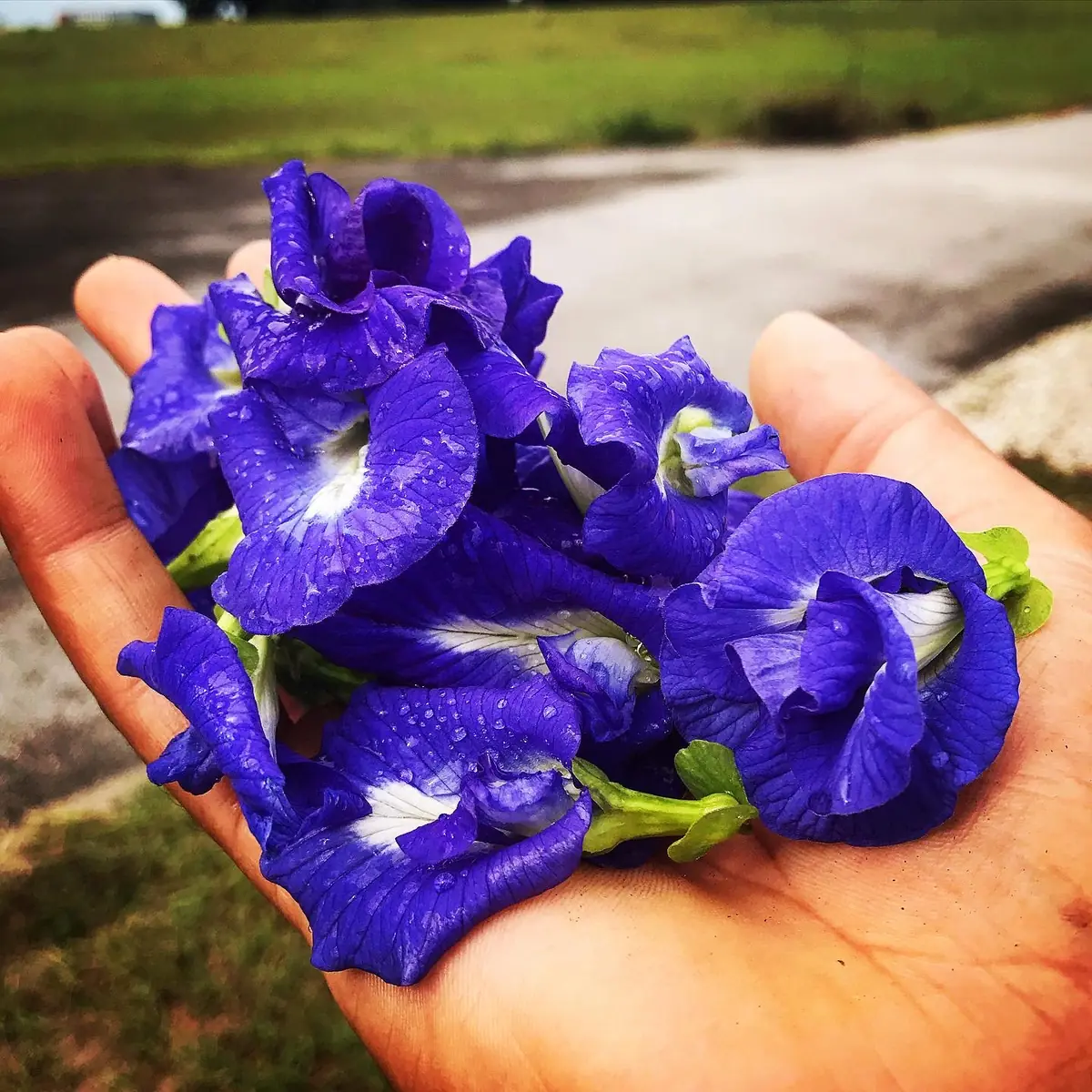
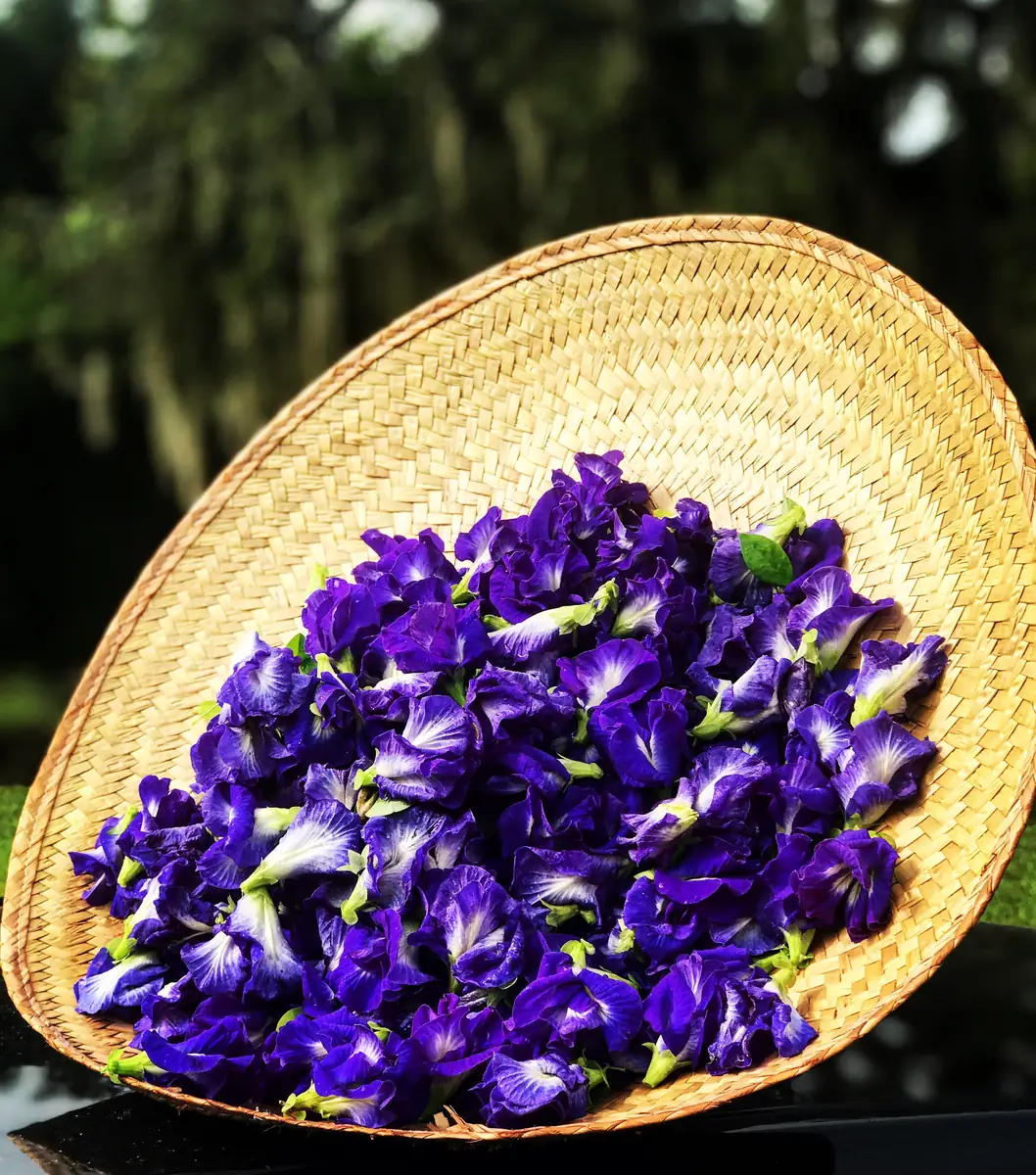
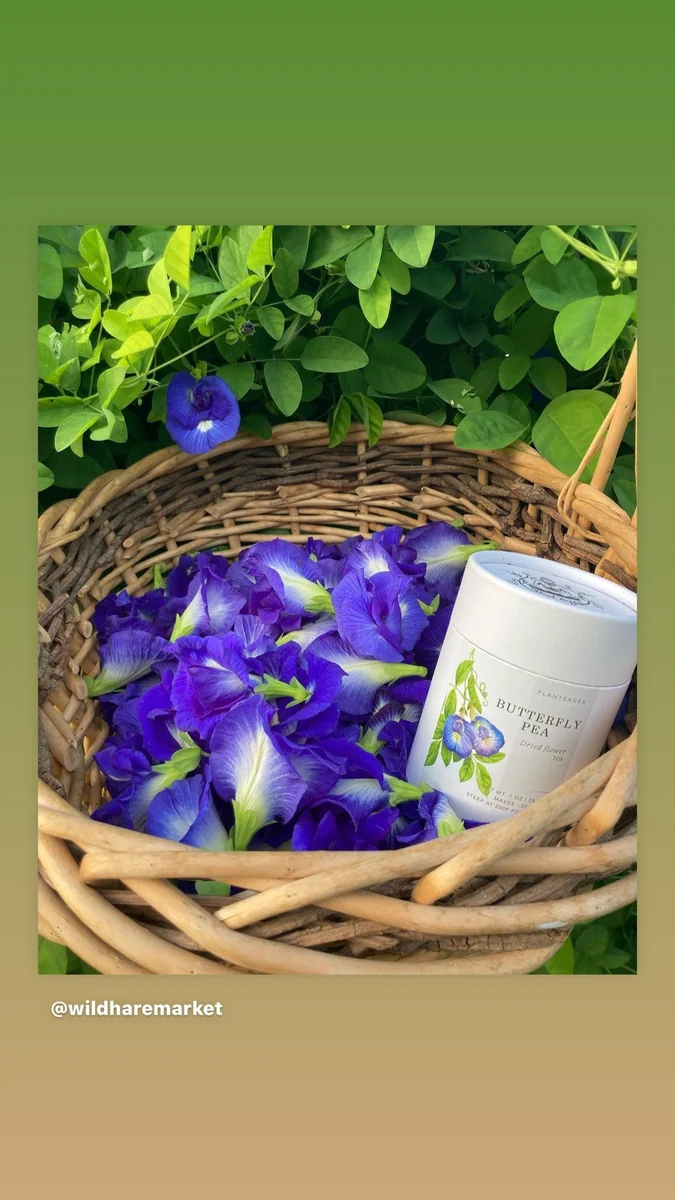
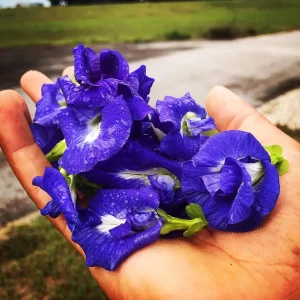
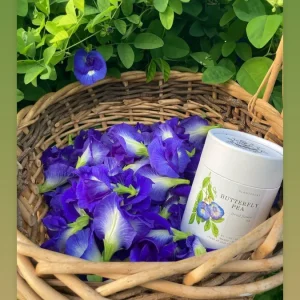
- Culinary and Medicinal Potential: Beyond their beauty, blue pea flower seeds are known for their edible flowers, often used to make vibrant blue tea or as a natural food dye in various cuisines.
- Harmonious Companion Planting: In the landscape, these vines are naturally harmonious with other complementary tea plants, such as fragrant spikes of tulsi flowers or chartreuse tufts of lemongrass, enhancing the overall biodiversity and beauty of your garden. Cultivating these seeds is a simple way to grow butterfly pea in your home garden.
Plant Care & Growing Tips
To successfully grow butterfly pea from our high-quality butterfly pea flower seeds, understanding their basic care requirements is key. These plants are generally forgiving, making them suitable for gardeners of all experience levels. The first step for anyone looking to grow butterfly pea is proper germination and initial care.
Sunlight Requirements: Butterfly pea thrives in full sun, meaning it needs at least 6-8 hours of direct sunlight per day to produce the most abundant blooms. While it can tolerate partial shade, flowering may be less prolific. For best results, choose a sunny location in your garden or a spot on your patio that receives ample light. Ensure your butterfly pea plant care routine includes adequate light.
Watering Schedule & Soil Moisture: Water regularly, especially during dry periods and when the plants are young. Keep the soil consistently moist but not waterlogged. Once established, butterfly pea is moderately drought-tolerant but will perform best with consistent moisture. Good drainage is crucial to prevent root rot. When considering butterfly pea plant care, proper watering is paramount.
Soil Type and Drainage: These plants prefer well-draining soil with a pH between 6.0 and 7.0. While they are adaptable to various soil types, loamy or sandy-loam soils enriched with organic matter are ideal. The inherent nitrogen-fixing ability of Clitoria ternatea seeds means they naturally improve soil health over time, reducing the need for heavy fertilization. This makes butterfly pea plant care relatively straightforward.
Temperature Range and USDA Hardiness Zone: Butterfly pea is a tropical plant and is typically grown as an annual in most temperate climates. It prefers warm temperatures and is sensitive to frost. In USDA zones 10-11, it can be perennial. For other zones, plant after all danger of frost has passed. Optimal growth occurs when temperatures are consistently above 65°F (18°C).
Fertilization Schedule and Type: Due to its nitrogen-fixing capabilities, butterfly pea generally does not require heavy fertilization. A balanced, all-purpose fertilizer can be applied sparingly if growth appears to be slowing or if the soil is particularly poor. Avoid high-nitrogen fertilizers, which can promote leafy growth at the expense of flowers. This is an important aspect of butterfly pea plant care.
Common Problems and Solutions: Butterfly pea is relatively pest and disease resistant. Occasionally, aphids or spider mites may appear. These can usually be managed with organic insecticidal soaps or by spraying with a strong stream of water. Ensure good air circulation to prevent fungal issues, especially in humid conditions. Proper spacing when you grow butterfly pea helps prevent these issues.
Size & Details
Our butterfly pea flower seeds will germinate and grow into vigorous climbing vines that typically reach a height of 6 to 10 feet in a single growing season, though they can grow taller in ideal conditions or as perennials in tropical climates. The spread can be equally impressive, often spanning 3 to 6 feet, making them excellent for covering large areas. The individual flowers are about 1.5 to 2 inches in diameter, showcasing their characteristic vibrant blue hue. These seeds are shipped as a packet, ready for you to sow directly into your garden. Expect to see blooms within 8-12 weeks after planting, with continuous flowering throughout the warm season until the first frost. The rapid growth rate ensures a quick and rewarding display of color and greenery.
The plants grown from these blue pea flower seeds are robust and adaptable. While the exact number of seeds per packet may vary, each packet contains enough seeds to establish a healthy patch of these beautiful vines. They are perfect for gardeners seeking a plant that offers both aesthetic appeal and practical benefits, such as improving soil health. When planning to grow butterfly pea, consider providing a sturdy support structure early on to guide its climbing habit and maximize its visual impact. The ease of butterfly pea plant care makes it a favorite among gardeners.
Frequently Asked Questions
- Q: How big does this plant get? A: The butterfly pea vine typically grows 6 to 10 feet tall in a single growing season, with a spread of 3 to 6 feet. In tropical climates, it can become a much larger perennial.
- Q: Is this an indoor or outdoor plant? A: While primarily an outdoor plant thriving in full sun, butterfly pea flower seeds can be started indoors and transplanted, or grown in large containers on a sunny patio. In colder climates, it is grown as an annual.
- Q: How much sunlight does it need? A: For abundant blooms, the butterfly pea plant requires at least 6-8 hours of direct sunlight daily. Partial shade is tolerated, but flowering may be reduced.
- Q: Is this plant easy to care for? A: Yes, butterfly pea plant care is relatively easy. It’s a low-maintenance plant once established, requiring consistent watering and a sunny location. It’s an excellent choice for beginners to grow butterfly pea.
- Q: What condition will the seeds arrive in? A: Our butterfly pea flower seeds arrive in a sealed packet, ensuring their freshness and viability for planting.
- Q: How long until it blooms? A: You can typically expect to see the first beautiful blue blooms within 8-12 weeks after planting your Clitoria ternatea seeds, with continuous flowering throughout the warm months.
- Q: Can I use the flowers for tea? A: Absolutely! The vibrant blue flowers produced from these blue pea flower seeds are widely used to make a beautiful, color-changing herbal tea, and as a natural food dye.
- Q: Will it survive winter in my zone? A: The butterfly pea is tropical and will only survive winter outdoors in USDA Zones 10-11 as a perennial. In other zones, it is best grown as an annual.
- Q: What type of soil does it prefer? A: It thrives in well-draining soil with a neutral pH. The plant’s ability to fix nitrogen helps improve soil fertility naturally.
- Q: Does it attract pollinators? A: Yes, the striking blue flowers are very attractive to bees, butterflies, and other beneficial pollinators, making it great for enhancing garden biodiversity.
| Number of seeds | 10 Seeds, 15 Seeds, 25 Seeds, 30 Seeds |
|---|
Be the first to review “Butterfly Pea Flower Seeds – Vibrant Blue Vine, Climber, Nitrogen Fixer”
People Also Viewed
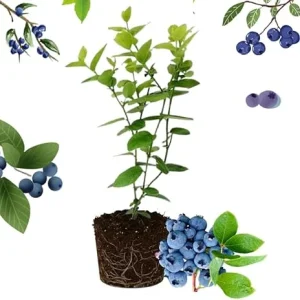
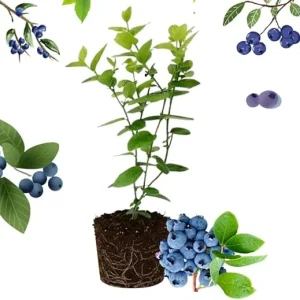
Sold 99 products
Original price was: $39.98.$19.99Current price is: $19.99.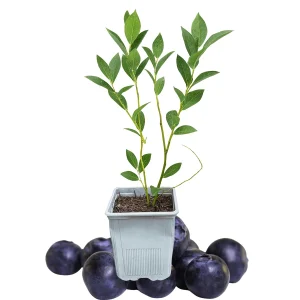
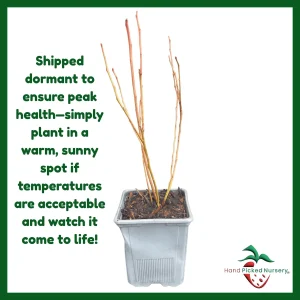
Sold 89 products
Original price was: $99.80.$49.90Current price is: $49.90.
Sold 80 products
Original price was: $391.96.$195.98Current price is: $195.98.
Sold 76 products
Original price was: $25.00.$20.00Current price is: $20.00.
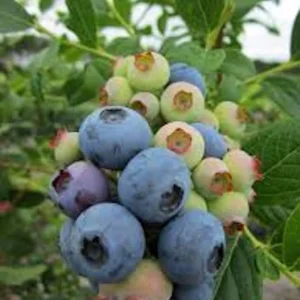
Fruits
10 Heintooga Blueberry Starter Plugs – Highbush Vaccinium formosum x Live Plants, USDA Zones 4-10
Sold 90 products
Original price was: $136.00.$108.80Current price is: $108.80.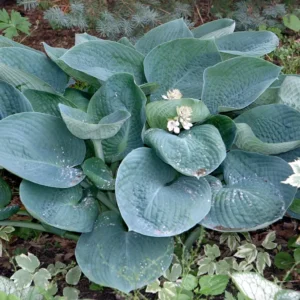
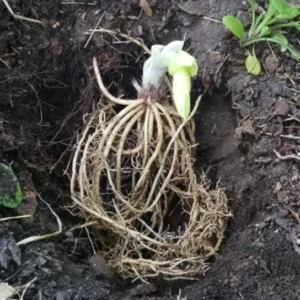
Sold 59 products
From $67.80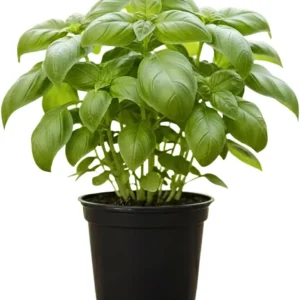
Sold 65 products
$43.98
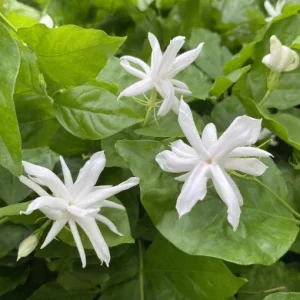
Flowers
Jasmine ‘Belle of India’ Live Plant – Fragrant Double White Flowers, Jasminum sambac, 4-inch Pot
Sold 99 products
From $50.00
Sold 91 products
Original price was: $85.98.$42.99Current price is: $42.99.
Sold 84 products
Original price was: $391.96.$195.98Current price is: $195.98.
Sold 64 products
Original price was: $100.00.$80.00Current price is: $80.00.
Sold 58 products
Original price was: $60.00.$48.00Current price is: $48.00.
Sold 51 products
Original price was: $80.00.$64.00Current price is: $64.00.
Sold 51 products
Original price was: $162.36.$81.18Current price is: $81.18.
Sold 71 products
Original price was: $34.00.$27.20Current price is: $27.20.
Sold 78 products
Original price was: $33.98.$27.18Current price is: $27.18.
Sold 95 products
Original price was: $221.60.$110.80Current price is: $110.80.
Sold 73 products
Original price was: $34.00.$27.20Current price is: $27.20.



Reviews
There are no reviews yet.