
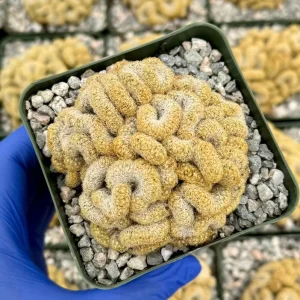
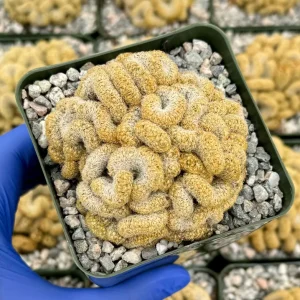
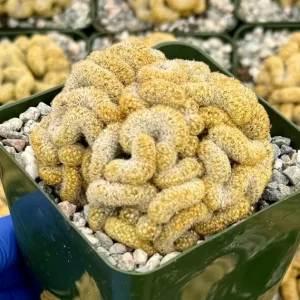
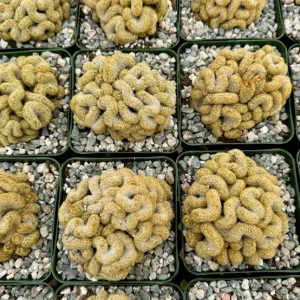
Brain Cactus Mammillaria elongata Cristata Live Plant 4″ Pot Rare Succulent
Original price was: $52.78.$36.94Current price is: $36.94.
Bring home a unique botanical marvel with the Brain Cactus live plant. This rare Mammillaria elongata Cristata succulent features intriguing, brain-like convolutions, making it a captivating addition to any indoor plant collection. Easy to care for and perfect for beginners.
-
USDA Hardiness Zone
USDA zones 9-11 (outdoors); suitable for all zones indoors -
Soil Type
Well-draining cactus or succulent potting mix -
Sunlight Exposure
Bright, indirect light; tolerates some direct morning sun -
Expected Planting Period
Year-round indoors

You can track your order HERE
Sep 20
Sep 25 - Sep 27
Sep 30 - Oct 04
Shipping and return policies: Our Alive & Thrive Guarantee covers issues with your plants within the first 30 days. Reach out to us. Our team will answer your questions and help you find the plants that are truly suitable for your environment, climate, and personal preferences.

Overview
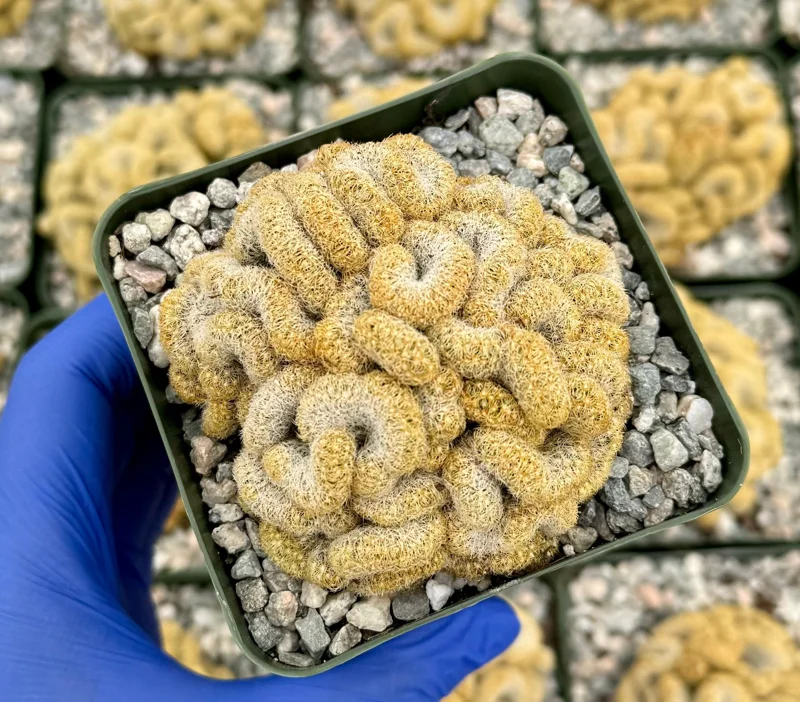
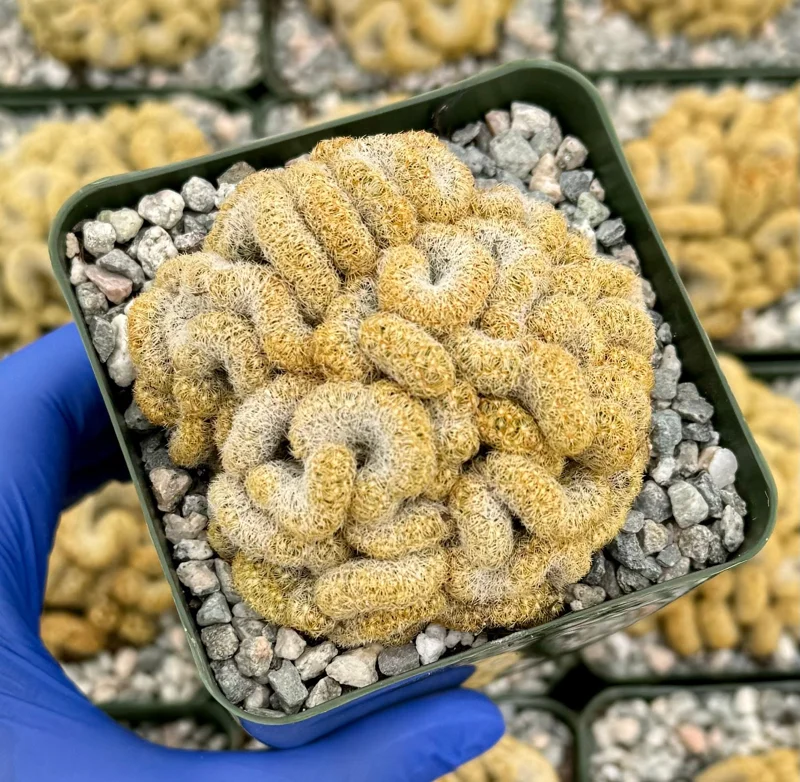
The Brain Cactus live plant, scientifically known as Mammillaria elongata ‘Cristata’, is a truly extraordinary succulent that will captivate any plant enthusiast. This fascinating cactus gets its common name from its distinct, convoluted growth pattern, which remarkably resembles the folds of a brain. This unique appearance is the result of a natural genetic mutation called ‘cristation’ or ‘fasciation,’ causing the plant’s stems to grow in an irregular, crested manner rather than the typical cylindrical form. Each Brain Cactus live plant offers a sculptural, living art piece, perfect for adding an unusual touch to your home or office. It is a slow-growing, low-maintenance succulent, making it an excellent choice for both seasoned collectors and those new to the world of cacti. Its intriguing form and relatively easy care requirements ensure it remains a popular and sought-after variety among rare plant enthusiasts.
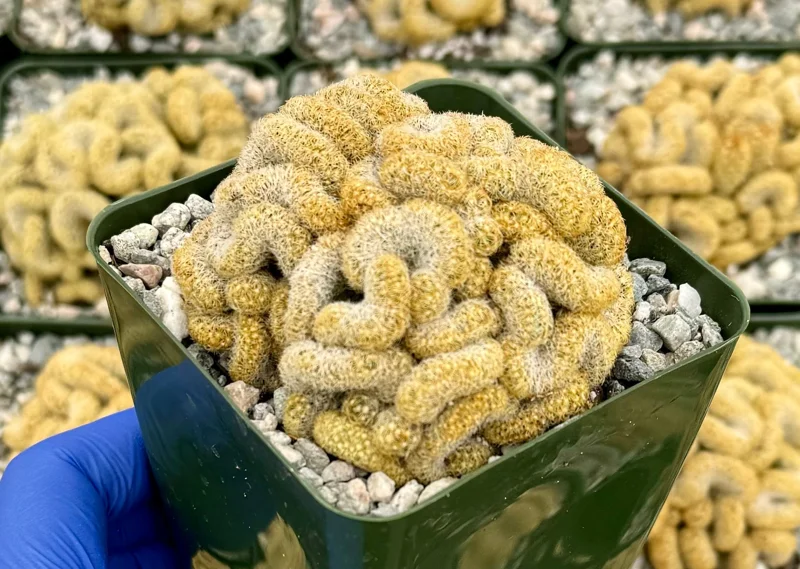
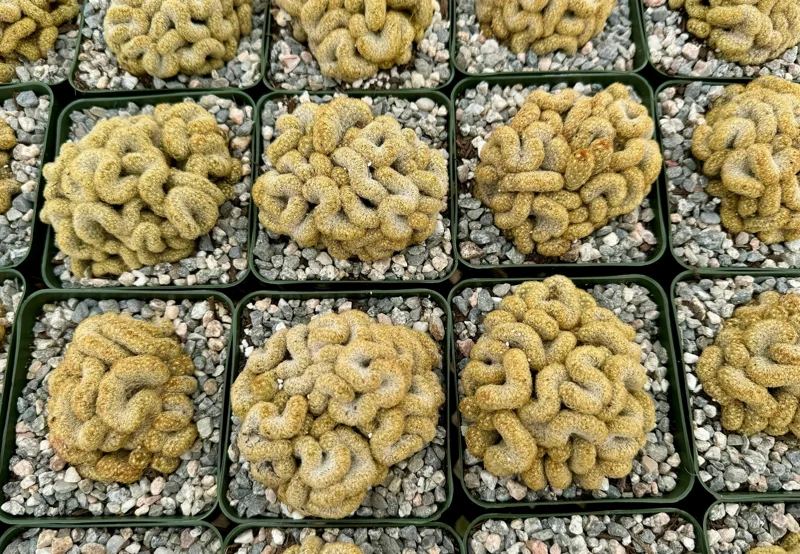
This particular specimen is a rare cactus for sale, presented in a convenient 4-inch pot, ready to thrive in its new environment. The Mammillaria elongata ‘Cristata’ is characterized by dense clusters of small, cylindrical stems that twist and curve, forming intricate, brain-like ridges. These stems are adorned with tiny, overlapping tubercles, each tipped with short, golden to brownish spines, adding to its textural appeal. As a crested succulent, it stands out from more conventional cactus varieties, offering an unparalleled visual interest. Its compact size makes it ideal for windowsills, desks, or as part of a larger succulent arrangement, providing a focal point that sparks conversation and admiration.
Key Benefits
The Brain Cactus live plant offers a multitude of benefits, making it an excellent choice for various settings and lifestyles. Its distinctive appearance is just one of the many reasons to welcome this fascinating succulent into your home. This plant is not only a decorative masterpiece but also incredibly resilient and easy to integrate into a busy schedule.
- Unique Aesthetic Appeal: The most striking feature of this Mammillaria elongata Cristata care specimen is its highly unusual, brain-like form. Its intricate ridges and twists create a sculptural element that adds significant visual interest to any space, making it a true conversation starter.
- Low Maintenance: Like most cacti, the Brain Cactus live plant is incredibly drought-tolerant and requires minimal watering. This makes it an ideal choice for busy individuals or those who are new to plant care, as it forgives occasional neglect.
- Compact Size: Growing slowly and remaining relatively small, this crested succulent is perfect for small spaces such as windowsills, office desks, or terrariums. It won’t outgrow its spot quickly, allowing for long-term enjoyment without constant repotting.
- Air Purification: While not as prominent as some foliage plants, cacti like the Brain Cactus contribute to a healthier indoor environment by absorbing carbon dioxide and releasing oxygen, especially at night.
- Collectibility: As a rare cactus for sale, the Mammillaria elongata ‘Cristata’ is highly prized by succulent and cactus collectors. Adding it to your collection enhances its diversity and prestige.
- Drought Tolerance: Its natural adaptation to arid conditions means it’s incredibly efficient with water, thriving in environments where other plants might struggle.
- Resilience: This robust plant is generally resistant to most pests and diseases, ensuring a long and healthy life with proper care.
Plant Care & Growing Tips
Proper Mammillaria elongata Cristata care is straightforward, ensuring your Brain Cactus live plant thrives and maintains its unique form. Understanding its basic needs will help you enjoy this fascinating succulent for years to come. The key to success lies in mimicking its natural arid habitat.
Sunlight: The Brain Cactus live plant thrives in bright, indirect light. It can tolerate some direct morning sunlight, especially in cooler climates. However, too much intense direct sun, particularly during the hot afternoon hours, can cause sunburn, leading to discolored or scorched patches. In hotter climates or during peak summer, provide filtered light or partial shade. An east-facing window is often ideal, or a south/west-facing window with a sheer curtain to diffuse the light. For an indoor cactus plant, rotating it occasionally will ensure even growth.
Watering: As a succulent, the Brain Cactus live plant prefers well-draining soil and should be watered sparingly. The most common mistake in cactus care is overwatering, which can lead to root rot. Water thoroughly when the soil is completely dry to the touch, typically every few weeks during its active growing season (spring and summer). Allow the water to drain completely from the pot. Reduce watering significantly in the fall and winter months when the plant enters dormancy; at this time, water only once a month or less, just enough to prevent the stems from shriveling. Always use a pot with drainage holes.
Soil and Potting: Use a specialized cactus or succulent potting mix that provides excellent drainage. You can also create your own mix by combining regular potting soil with perlite, pumice, or coarse sand in a 1:1 ratio. Repotting is generally needed only every 2-3 years or when the plant outgrows its current container. When repotting, choose a pot that is only slightly larger than the current one to prevent excess moisture retention. This crested succulent will appreciate a terracotta pot, which allows for better air circulation and moisture evaporation.
Temperature and Humidity: The Brain Cactus live plant prefers warm temperatures, ideally between 65-85°F (18-29°C) during its growing season. It can tolerate cooler temperatures in winter, down to about 40°F (4°C), but should be protected from frost. Average household humidity is usually sufficient; it does not require high humidity. Good air circulation is more important than humidity for preventing fungal issues. This makes it an ideal indoor cactus plant for most homes.
Fertilization: Fertilize sparingly during the growing season (spring and summer) with a balanced, diluted liquid fertilizer specifically formulated for cacti and succulents. Apply once every 2-4 weeks at half strength. Do not fertilize during fall and winter when the plant is dormant. Over-fertilization can harm the plant.
Pests and Problems: The Brain Cactus live plant is generally pest-resistant. However, watch out for common succulent pests like mealybugs or spider mites. Inspect your plant regularly, and if pests are found, treat with insecticidal soap or neem oil. The primary problem faced by this rare cactus for sale is root rot due to overwatering; ensure good drainage and allow soil to dry out between waterings.
Size & Details
This Brain Cactus live plant, Mammillaria elongata ‘Cristata’, is shipped in a 4-inch nursery pot, providing a healthy start for your new succulent. Its compact size makes it versatile for display in various settings, from windowsills to office desks or as part of a larger succulent collection. The crested growth pattern means that while its width can vary, it typically remains under 6 inches across for several years, with individual stems twisting and curving to form its unique ‘brain’ shape. The plant’s growth rate is slow, allowing you to enjoy its intricate form without it quickly outgrowing its space.
Upon arrival, your Mammillaria elongata Cristata care specimen will be a robust, actively growing plant. The mature size of a crested succulent like this can vary significantly due to its irregular growth habit, but most specimens in a 4-inch pot will be a few inches tall and wide. Expect continuous slow growth, with new twists and folds adding to its unique character over time. This indoor cactus plant is a long-lived specimen, offering years of enjoyment with minimal effort. It is carefully packaged to ensure it arrives safely and ready to be admired in your home.
Frequently Asked Questions
- Q: How big does this Brain Cactus live plant get? A: The Brain Cactus live plant is a slow grower. While its crested form can spread, a plant in a 4-inch pot will typically remain compact, usually reaching about 3-6 inches in height and width over many years. Its unique growth means no two plants are exactly alike in size and shape.
- Q: Is this an indoor cactus plant or can it be grown outdoors? A: The Brain Cactus live plant is primarily grown as an indoor plant in most climates due to its sensitivity to frost. It can be moved outdoors in warm, frost-free regions (USDA zones 9-11) during spring and summer, provided it receives bright, indirect light and protection from intense afternoon sun.
- Q: How much sunlight does the Mammillaria elongata Cristata care for need? A: It requires bright, indirect sunlight. A few hours of mild morning sun is beneficial, but protect it from harsh, direct afternoon sun, which can cause sunburn. Filtered light or partial shade is ideal.
- Q: Is this rare cactus for sale easy to care for? Is it good for beginners? A: Yes, the Brain Cactus live plant is considered relatively easy to care for, making it suitable for beginners. Its main requirements are bright light and infrequent watering, as it is very drought-tolerant. Overwatering is the biggest risk.
- Q: What condition will the crested succulent arrive in? Is it shipped in soil? A: Your Brain Cactus live plant will arrive as a healthy, actively growing plant in its 4-inch nursery pot with soil. It will be carefully packaged to ensure its safe journey and minimize stress during transit.
- Q: How often should I water my Mammillaria elongata Cristata care plant? A: Water only when the soil is completely dry to the touch, typically every 2-4 weeks during the growing season (spring/summer). Reduce watering significantly in fall and winter. Always ensure excellent drainage.
- Q: What kind of soil is best for this indoor cactus plant? A: A well-draining cactus or succulent potting mix is essential. You can also mix regular potting soil with perlite or coarse sand to improve drainage.
- Q: Does the Brain Cactus live plant flower? A: Yes, like many cacti, the Brain Cactus live plant can produce small, usually yellow or cream-colored flowers, often in a ring around the plant’s crest, typically in spring or early summer under optimal conditions.
- Q: Is the Brain Cactus live plant pet-safe? A: While generally not toxic, the spines can be prickly. It’s best to keep it out of reach of curious pets and children to avoid accidental pokes.
- Q: Will this rare cactus for sale grow very tall? A: No, the Brain Cactus live plant is a low-growing, compact succulent. Its crested form tends to spread horizontally rather than growing tall, making it an excellent choice for confined spaces.
Be the first to review “Brain Cactus Mammillaria elongata Cristata Live Plant 4″ Pot Rare Succulent”
People Also Viewed

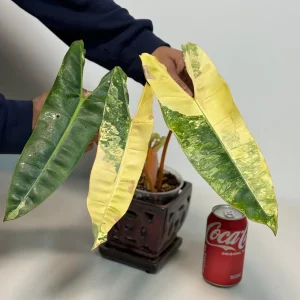
HousePlants
Philodendron Billietiae Variegated Live Plant – Rare Aroid – Potted Houseplant – Collector’s Item
Sold 62 products
Original price was: $1,596.00.$798.00Current price is: $798.00.
Sold 63 products
Original price was: $64.38.$32.19Current price is: $32.19.

Sold 77 products
Original price was: $56.00.$44.80Current price is: $44.80.
Sold 75 products
Original price was: $41.58.$20.79Current price is: $20.79.

Sold 50 products
Original price was: $111.80.$55.90Current price is: $55.90.
Sold 86 products
From $7.98
Sold 93 products
Original price was: $47.10.$16.84Current price is: $16.84.

Sold 55 products
Original price was: $218.76.$109.38Current price is: $109.38.
Sold 79 products
Original price was: $152.00.$76.00Current price is: $76.00.
Sold 88 products
Original price was: $49.98.$24.99Current price is: $24.99.
Sold 70 products
Original price was: $37.90.$22.74Current price is: $22.74.
Sold 89 products
Original price was: $84.00.$42.00Current price is: $42.00.
Sold 95 products
Original price was: $29.98.$14.99Current price is: $14.99.

Sold 61 products
Original price was: $57.98.$28.99Current price is: $28.99.

Sold 63 products
Original price was: $95.80.$47.90Current price is: $47.90.
Sold 77 products
$219.89
Sold 85 products
Original price was: $229.98.$114.99Current price is: $114.99.
Sold 57 products
From $19.00





Reviews
There are no reviews yet.