
Bocking #4 Comfrey Plant Crown Cuttings – Organic, Fast Growing Perennial
From $11.98
Cultivate a highly beneficial perennial with these bocking #4 comfrey plant crown cuttings. Known for its rapid growth and deep root system, this variety is perfect for producing nutrient-rich mulch, liquid fertilizer, and attracting beneficial insects. Establish your organic comfrey plant easily with these robust cuttings.
-
USDA Hardiness Zone
USDA zones 3-9 -
Soil Type
Well-draining, fertile loam -
Sunlight Exposure
Full sun to partial shade -
Expected Planting Period
Spring to early summer

You can track your order HERE
Mar 06
Mar 11 - Mar 13
Mar 16 - Mar 20
Shipping and return policies: Our Alive & Thrive Guarantee covers issues with your plants within the first 30 days. Reach out to us. Our team will answer your questions and help you find the plants that are truly suitable for your environment, climate, and personal preferences.

Overview
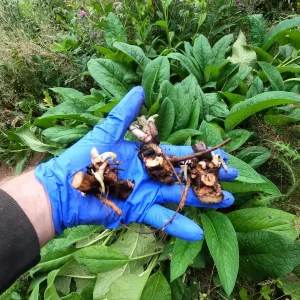
Transform your garden with our premium bocking #4 comfrey plant crown cuttings. This highly sought-after variety, also known as bocking 14 comfrey, is renowned among organic gardeners and permaculture enthusiasts for its exceptional versatility and benefits. Unlike typical root cuttings, these crown cuttings include some root material and at least one growing leaf bud, ensuring a much easier and quicker establishment in your garden. Comfrey is a powerhouse plant, acting as a dynamic accumulator that draws essential minerals from deep within the soil, making them available to other plants. It’s an indispensable addition for anyone looking to enhance soil fertility naturally and sustainably.
Our organic comfrey plant cuttings are sourced from healthy, robust parent plants, ensuring you receive the best start for your own comfrey patch. This sterile hybrid means it won’t spread by seed, making it a well-behaved yet vigorous grower. Ideal for various garden applications, from creating nutrient-rich mulches to brewing potent liquid fertilizers, comfrey offers a natural solution for boosting plant health and attracting beneficial wildlife. Plant these cuttings and watch your garden thrive with this remarkable perennial.
Key Benefits
Adding bocking #4 comfrey plant to your garden offers a multitude of advantages, enhancing both soil health and biodiversity. Its robust nature and rich nutrient profile make it a favorite for sustainable gardening practices.
- Nutrient Accumulator: Comfrey’s deep taproots mine essential minerals like potassium, phosphorus, calcium, copper, iron, and magnesium from the subsoil, making these nutrients available to your garden. This natural process enriches your soil and supports other plants.
- Excellent Mulch Source: Harvest the large leaves multiple times a year (up to four or five times once established) to create a nutrient-dense green mulch. This “chop and drop” method suppresses weeds, retains soil moisture, and slowly releases vital nutrients as it decomposes, benefiting surrounding plants.
- Organic Liquid Fertilizer: Steep chopped comfrey leaves in water for several weeks to produce a concentrated, dark liquid fertilizer. This homemade plant food is rich in essential nutrients and can be diluted and applied to give your plants a natural boost.
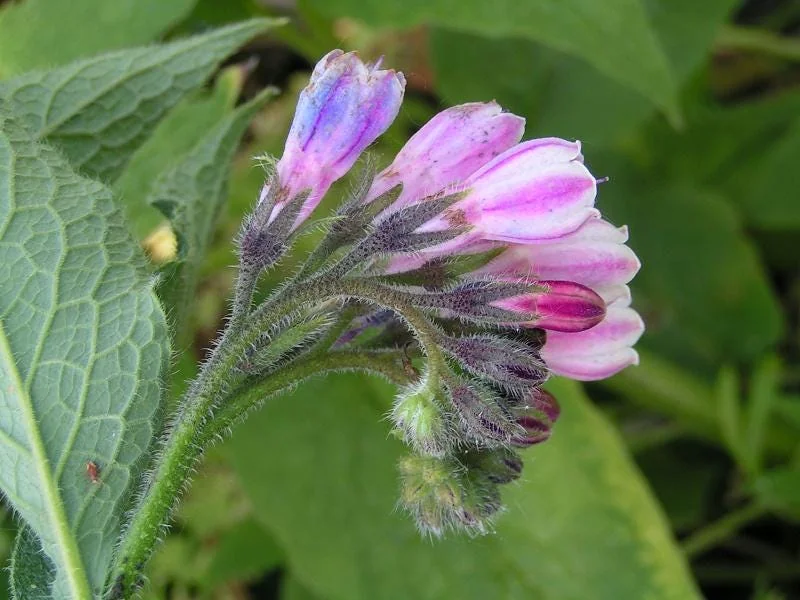
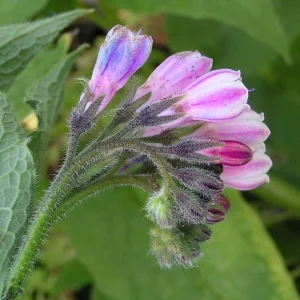
- Pollinator Magnet: The flowers of the bocking #4 comfrey plant are a strong attractant for hummingbirds and especially bees, providing a valuable nectar and pollen source. It also supports beneficial insects like lacewings, spiders, and parasitoid wasps, promoting a healthy garden ecosystem.
- Soil Improvement: The extensive root system helps break up compacted soil, improving aeration and drainage. As the roots die back over winter, they leave behind organic matter, further enriching the soil structure.
- Fast-Growing and Resilient: Once established, comfrey is a remarkably fast-growing and tenacious plant, producing abundant foliage throughout the growing season with minimal fuss. It’s a low-maintenance solution for high-yield organic matter.
- Ground Cover Potential: In certain applications, lower-growing species of comfrey can tolerate some foot traffic, making it a versatile option for specific ground cover needs, though this variety is primarily known for its biomass production.
Plant Care & Growing Tips
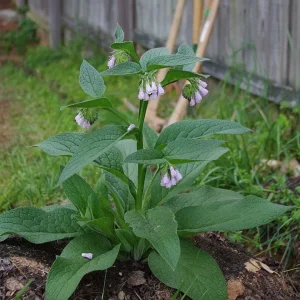
Caring for your bocking #4 comfrey plant is relatively straightforward, making it an excellent choice for both experienced and novice gardeners. These crown cuttings provide a head start, establishing faster than root cuttings. Plant your cuttings with the growing points just below the surface, about 2-3 feet apart to allow for mature growth. Ensure the bed is well-prepared, ideally with thorough weeding and the addition of manure or compost to provide a rich start. Keep the soil consistently moist until the young plants are well established. It is crucial not to harvest in the first season; this allows the plant to develop a strong root system and ensure vigorous growth in subsequent years. Remove any flowering stems in the first year to direct the plant’s energy towards root development.
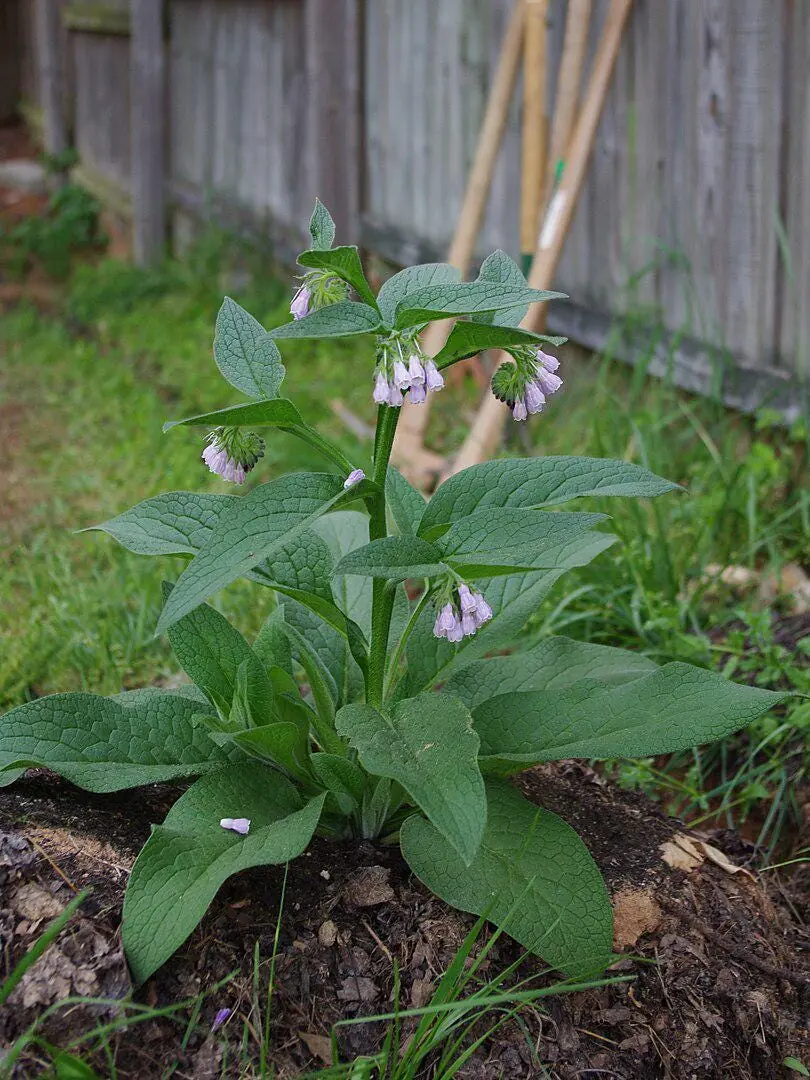
Comfrey thrives in full sun to partial shade and prefers consistently moist, well-draining soil. While it is a tenacious grower, it is also a heavy feeder, especially of nitrogen. Supplementing with animal manure as a mulch, or other nitrogen-rich materials like lawn clippings, will significantly boost its growth. Mature plants can be harvested up to 4-5 times a year, typically when they reach about 24 inches in height, usually starting in mid-Spring. Cut the plant about 2 inches above the ground, taking care as the leaves and stems have hairs that can irritate skin; wearing gloves is recommended. Comfrey will rapidly regrow, ready for another harvest in about 5 weeks. The best time to cut is usually just before flowering, when nutrient content is highest. While generally trouble-free, ensure good air circulation to prevent fungal issues like rust or mildew, especially in weaker or stressed plants. This comfrey for garden use is sterile, preventing unwanted seed spread, but will steadily increase in size, so consider dividing it every few years if it becomes too large.
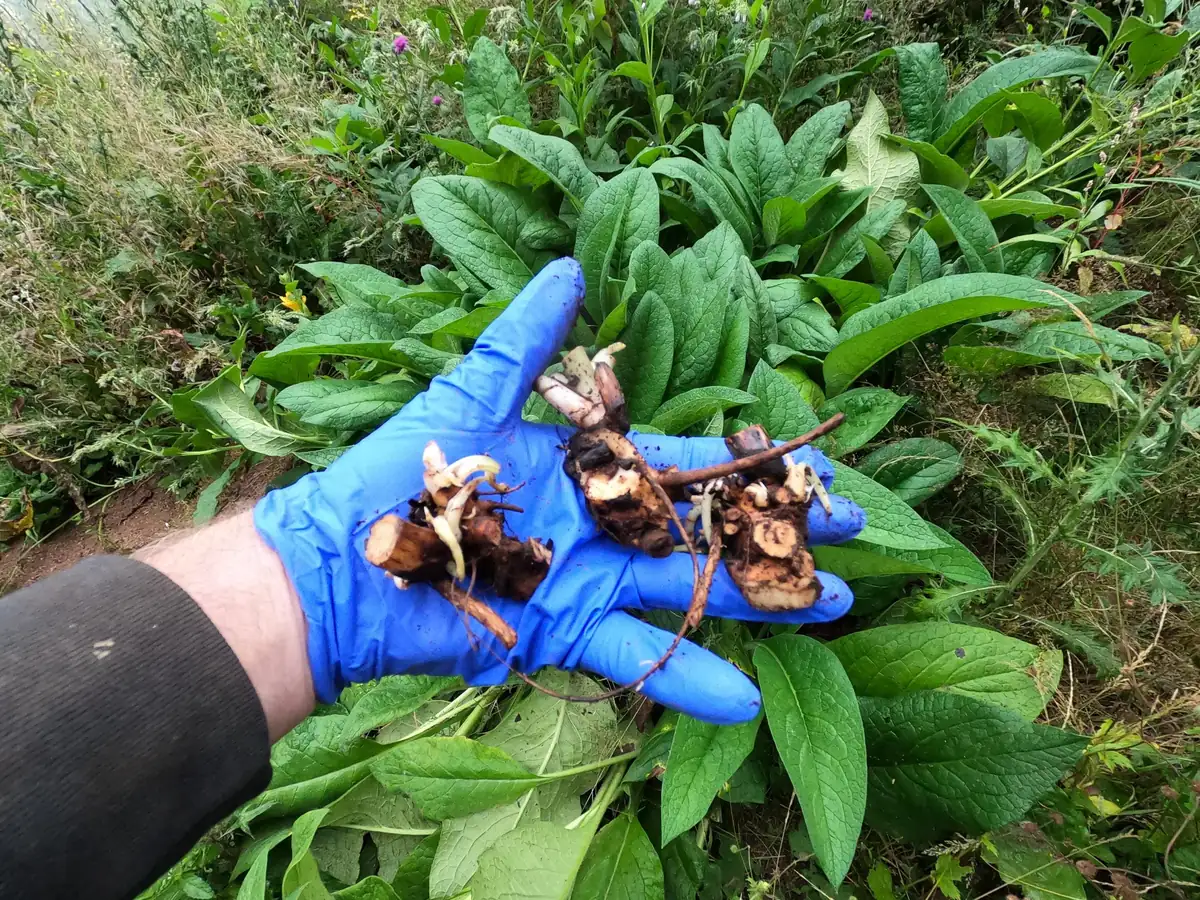
Even though it’s sterile, the bocking 14 comfrey will expand its clump over time. If you need to remove or relocate it, be aware that comfrey is deep-rooting, and any fragments left in the soil can regrow. The most effective method for eradication involves carefully digging out as much of the root as possible, preferably during hot, dry summer weather to help desiccate any remaining root pieces. Proper care ensures a bountiful and beneficial harvest from your organic comfrey plant for many years.
Size & Details
This listing provides robust comfrey crown cuttings, each including some root material and at least one viable growing leaf bud. These cuttings are designed for superior establishment compared to simple root cuttings, ensuring a higher success rate for your new comfrey patch. Once established, the bocking #4 comfrey plant is a vigorous grower, capable of producing large amounts of foliage, with mature plants reaching approximately 24 inches in height before harvest. Individual plants can yield between 4 to 5 pounds of fresh leaves per cut, making it an incredibly productive addition to your garden.
Comfrey is a perennial plant, meaning it will return year after year, offering continuous benefits. It establishes quickly in its first season, though it’s important to allow it to focus on root development by delaying harvest until the second year. These cuttings are ready to be planted upon arrival, providing you with a fast track to a thriving comfrey bed. Expect rapid regrowth after each harvest, typically within 5 weeks, allowing for multiple cuts throughout the growing season until mid-autumn. This makes comfrey for garden use an exceptionally valuable resource.
Frequently Asked Questions
- Q: How big does this plant get? A: Once established, the bocking #4 comfrey plant can grow to about 24 inches tall before each harvest, with a spread that will increase over time as the clump expands. Its deep root system can extend several feet into the soil.
- Q: What are these comfrey crown cuttings? A: These are sections of the comfrey plant that include both root material and a visible growing leaf bud. They are a more advanced form of cutting than simple root pieces, designed for quicker and more reliable establishment of your new organic comfrey plant.
- Q: Is this an indoor or outdoor plant? A: Bocking #4 comfrey plant is primarily an outdoor perennial plant, thriving in garden beds. While it needs to be established outdoors, it can be grown in large containers if space is limited, though its deep roots prefer open ground.
- Q: How much sunlight does it need? A: Comfrey prefers full sun to partial shade. It will perform best with at least 6 hours of direct sunlight per day, but can tolerate some afternoon shade, especially in hotter climates.
- Q: Is this plant easy to care for? A: Yes, once established, comfrey is a very easy-to-care-for and low-maintenance plant. It’s tenacious and vigorous, requiring consistent watering during establishment and benefiting from nitrogen-rich amendments.
- Q: What condition will the comfrey crown cuttings arrive in? A: Your comfrey crown cuttings will arrive fresh and ready to plant, carefully packaged to ensure their vitality. They will have visible root material and at least one active leaf bud.
- Q: When is the best time to plant these comfrey crown cuttings? A: The best time to plant comfrey crown cuttings is in spring or early summer, after the last frost, to allow them ample time to establish before cooler weather.
- Q: Can I use this comfrey for making fertilizer? A: Absolutely! This bocking 14 comfrey is ideal for making nutrient-rich liquid fertilizer. Simply chop the leaves and steep them in water for several weeks to create a potent plant feed.
- Q: Will it survive winter in my zone? A: Comfrey is very cold hardy. While specific USDA zones can vary, it is generally robust and will die back to the ground in winter, re-emerging vigorously in spring.
- Q: Is this comfrey variety sterile? A: Yes, bocking #4 comfrey plant (Bocking 14) is a sterile hybrid, meaning it does not produce viable seeds. This prevents unwanted spread via seed, making it a well-behaved plant in your garden, though it will expand its clump over time.
| How many crown cuttings? | 1 Crown Cutting, 10 Crown Cuttings, 3 Crown Cuttings, 5 Crown Cuttings |
|---|
Be the first to review “Bocking #4 Comfrey Plant Crown Cuttings – Organic, Fast Growing Perennial”
People Also Viewed
Sold 65 products
Original price was: $79.96.$39.98Current price is: $39.98.
Sold 61 products
Original price was: $40.00.$20.00Current price is: $20.00.

Sold 85 products
Original price was: $14.76.$7.38Current price is: $7.38.

Sold 91 products
Original price was: $88.00.$44.00Current price is: $44.00.
Sold 80 products
Original price was: $39.96.$19.98Current price is: $19.98.
Sold 94 products
Original price was: $36.00.$18.00Current price is: $18.00.

Sold 67 products
Original price was: $22.76.$11.38Current price is: $11.38.
Sold 59 products
Original price was: $40.00.$20.00Current price is: $20.00.
Sold 62 products
Original price was: $30.85.$10.34Current price is: $10.34.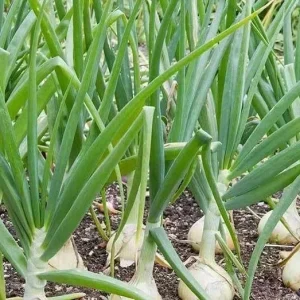
Vegetable Seeds
500 Vidalia Sweet Onion Seeds – Non-GMO Heirloom Vegetable Seeds
Sold 95 products
Original price was: $15.92.$7.96Current price is: $7.96.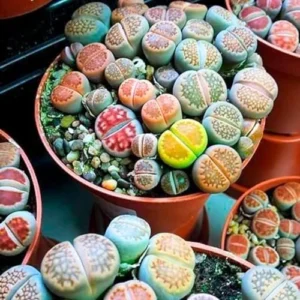
HousePlants
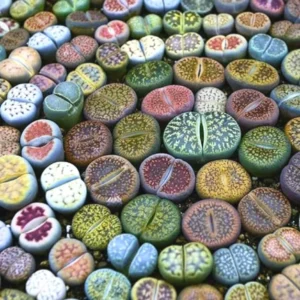
Lithops Live Plants Mix – 30 Colorful Succulents – Living Stones for Indoor/Outdoor Planting
Sold 72 products
Original price was: $65.98.$32.99Current price is: $32.99.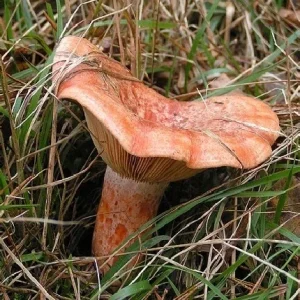
Seeds
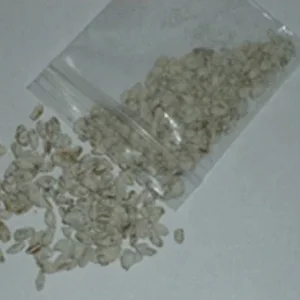
Saffron Milk Cap Mycelium Spawn (Lactarius deliciosus) on Dry Seeds – Outdoor Mushroom Cultivation
Sold 60 products
Original price was: $36.00.$18.00Current price is: $18.00.
Sold 69 products
Original price was: $28.76.$14.38Current price is: $14.38.
Sold 60 products
Original price was: $36.00.$18.00Current price is: $18.00.

Sold 62 products
From $180.68
Sold 85 products
Original price was: $40.00.$20.00Current price is: $20.00.
Sold 98 products
Original price was: $45.99.$25.99Current price is: $25.99.
Sold 93 products
Original price was: $36.00.$18.00Current price is: $18.00.



Reviews
There are no reviews yet.