
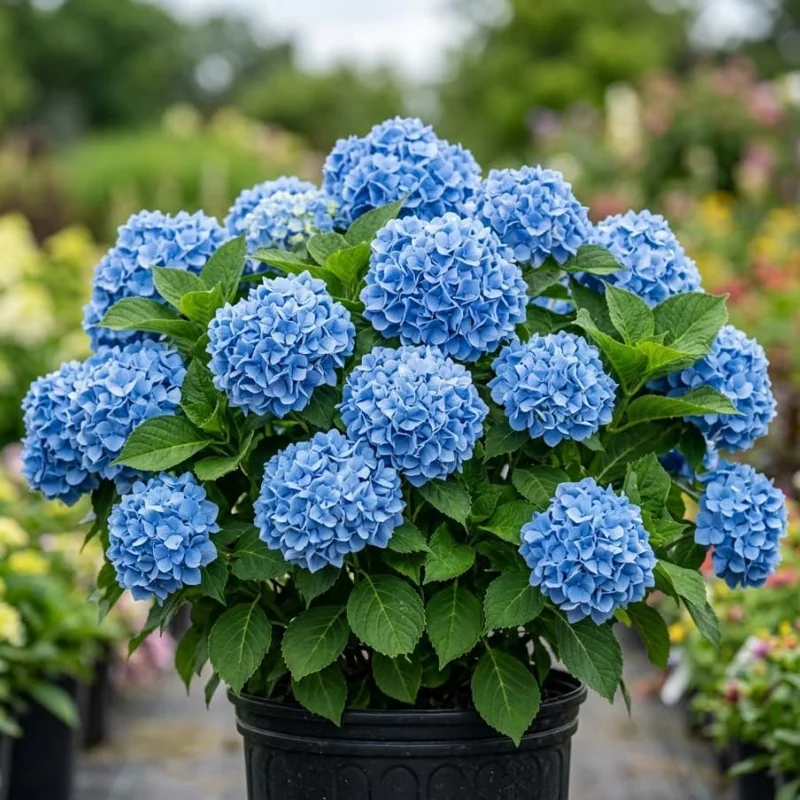
Blue Hydrangea Live Plant – Large Ball Flowers Bush, 6-12 Tall, Qt Pot, Outdoor Shrub
Original price was: $33.98.$16.99Current price is: $16.99.
Bring vibrant color to your landscape with this beautiful blue hydrangea live plant. Featuring large, lush, ball-shaped flower clusters, this shrub is a showstopper in any garden or patio container. Arrives in a qt pot, standing approximately 6-12 inches tall, ready to thrive.
-
USDA Hardiness Zone
USDA Zones 5-9 -
Soil Type
Well-draining, rich, acidic soil -
Sunlight Exposure
Partial shade (morning sun, afternoon shade) -
Expected Planting Period
Spring to early summer

You can track your order HERE
Nov 03
Nov 08 - Nov 10
Nov 13 - Nov 17
Shipping and return policies: Our Alive & Thrive Guarantee covers issues with your plants within the first 30 days. Reach out to us. Our team will answer your questions and help you find the plants that are truly suitable for your environment, climate, and personal preferences.

Overview
Introduce a touch of elegance and vibrant color to your garden with the stunning blue hydrangea live plant. Known for its spectacular, large, ball-shaped flower clusters, this deciduous shrub, often referred to as a Bigleaf Hydrangea (Hydrangea macrophylla), is a beloved classic in landscapes across the United States. This well-established starter plant arrives in a qt pot, standing approximately 6-12 inches tall, making it an ideal addition for immediate planting and enjoyment. The captivating blue hues of its blooms can transform any outdoor space, creating a focal point that draws the eye and adds a serene beauty. Whether you’re an experienced gardener or just starting, this blue hydrangea live plant offers a rewarding growing experience with its relatively easy care and impressive floral display.
The charm of the large ball hydrangea lies not just in its size but also in its ability to change bloom color based on soil pH. While this particular offering is cultivated to produce beautiful blue flowers, slight variations can occur, adding to its unique appeal. Perfect for garden borders, accent planting, or as a striking container plant for patios and porches, this blue hydrangea shrub promises to be a delightful addition to your outdoor living areas. Its lush foliage provides a verdant backdrop even when not in bloom, ensuring year-round interest.
Key Benefits
The blue hydrangea live plant offers a multitude of benefits, making it a highly desirable choice for gardeners seeking both beauty and versatility in their landscape. Its striking appearance and adaptable nature contribute significantly to any outdoor setting.
- Spectacular Floral Display: Produces abundant, large, ball-shaped flower clusters that create a dramatic visual impact. The vibrant blue color is particularly captivating and can enhance any garden aesthetic.
- Versatile Landscaping: Ideal for a variety of uses including garden borders, hedges, foundation plantings, or as a stunning accent plant. It also thrives wonderfully in large containers, making it perfect for patios and porches.
- Color-Changing Potential: While cultivated for blue blooms, the flower color can subtly shift based on soil pH, offering a dynamic and interesting element to your garden over time. This characteristic makes growing blue hydrangea a fascinating endeavor.
- Attracts Pollinators: The beautiful flowers can attract beneficial pollinators such as bees and butterflies to your garden, contributing to a healthy ecosystem.
- Relatively Low Maintenance: Once established, this hydrangea plant care is straightforward, requiring regular watering and occasional fertilization to maintain its vigor and bloom production. It’s a robust shrub that rewards minimal effort with maximum beauty.
- Long Blooming Season: Hydrangeas often boast a long blooming period, providing continuous color and interest from late spring through summer, and sometimes into fall.
- Established Starter Plant: Arrives as a healthy, well-rooted plant in a qt pot, approximately 6-12 inches tall, ensuring a strong start and quicker establishment in your garden.
Plant Care & Growing Tips
Proper hydrangea plant care is crucial for ensuring your blue hydrangea live plant thrives and produces its magnificent blooms. Hydrangeas are generally adaptable, but providing the right conditions will lead to the best results. For optimal growth and flowering, choose a location that receives partial shade, ideally morning sun and afternoon shade. Too much direct, hot afternoon sun can scorch the leaves and fade the flowers, while too much shade can reduce bloom production. Aim for about 4-6 hours of morning sun.
The key to maintaining the blue color of your large ball hydrangea is soil acidity. Blue hydrangeas require acidic soil (pH 5.2-5.5). If your soil is naturally alkaline, you can amend it with elemental sulfur or aluminum sulfate to lower the pH. Well-draining, rich, organic soil is preferred. Water your hydrangea regularly, especially during dry periods and in its first year of establishment. The soil should remain consistently moist but not waterlogged. Deep watering at the base of the plant is more effective than frequent shallow watering.
Fertilize your blue hydrangea shrub in early spring with a slow-release granular fertilizer formulated for acid-loving plants. Avoid over-fertilizing, which can promote leafy growth at the expense of flowers. Pruning is best done after flowering, removing only dead, damaged, or weak stems. Avoid heavy pruning in late summer or fall, as this can remove the flower buds for the following year. Hydrangeas are generally hardy in USDA Zones 5-9, though some varieties may have slightly different tolerances. Protect young plants from harsh winter winds and extreme cold in colder zones. Watch out for common pests like aphids and spider mites, and diseases such as powdery mildew, treating them promptly if they appear. Understanding the nuances of growing blue hydrangea will ensure a beautiful and healthy plant for years to come.
Size & Details
This offering includes one healthy blue hydrangea live plant, carefully cultivated and shipped in a quart-sized (qt) pot. Upon arrival, the plant will stand approximately 6-12 inches tall from the base of the pot, providing a substantial and well-rooted specimen ready for transplanting. Hydrangea macrophylla, commonly known as Bigleaf Hydrangea, is a medium-sized deciduous shrub that typically grows to a mature height and width of 3-6 feet, depending on the variety and growing conditions. Its growth rate is moderate, allowing it to establish itself well within a few seasons.
The plant is shipped with its root ball intact within the qt pot, ensuring minimal transplant shock and a strong start in your garden. Expect the first significant blooms to appear in late spring to early summer, with flowering continuing through the summer months. The large, round flower clusters can reach up to 8-10 inches in diameter, creating a spectacular display. This particular blue hydrangea live plant is ideal for immediate planting in garden beds or larger containers, providing instant impact and beauty to your landscape.
Frequently Asked Questions
- Q: How big does this plant get? A: This blue hydrangea live plant typically grows to a mature size of 3-6 feet tall and wide, depending on the specific variety and growing conditions. It arrives as a 6-12 inch tall starter plant in a qt pot.
- Q: What size pot does it come in? A: The plant is shipped in a quart-sized (qt) pot, providing a healthy root system for successful transplanting.
- Q: Is this an indoor or outdoor plant? A: This blue hydrangea shrub is primarily an outdoor plant, thriving in garden beds, borders, or large outdoor containers. While it can be temporarily brought indoors for decorative purposes, it requires outdoor conditions for long-term health and blooming.
- Q: How much sunlight does it need? A: Hydrangeas prefer partial shade, ideally morning sun and afternoon shade. About 4-6 hours of morning sun is usually sufficient to encourage good blooming without scorching the leaves.
- Q: Is this plant easy to care for? A: Yes, growing blue hydrangea is generally considered moderately easy. With proper watering, appropriate sunlight, and acidic soil conditions, it is a robust and rewarding plant for most gardeners.
- Q: What condition will it arrive in? A: Your blue hydrangea live plant will arrive well-packaged, in a qt pot, and approximately 6-12 inches tall, ready for planting. We take great care to ensure plants arrive healthy and vibrant.
- Q: Is it shipped in soil? A: Yes, the plant is shipped in its qt pot with soil, ensuring its roots are protected and hydrated during transit.
- Q: How long until it blooms? A: Depending on the time of year and care, your hydrangea may bloom in its first season, especially if planted in spring. Established plants typically bloom from late spring through summer.
- Q: When is the best time to plant? A: The best time to plant your blue hydrangea live plant is in spring or early fall, allowing it enough time to establish its root system before extreme temperatures.
- Q: Will it survive winter in my zone? A: This type of hydrangea (Hydrangea macrophylla) is generally hardy in USDA Zones 5-9. In colder zones, some winter protection may be beneficial.
- Q: What’s the minimum temperature it can tolerate? A: Most Bigleaf Hydrangeas can tolerate temperatures down to about -10 to -20°F (USDA Zone 5) when dormant, but young plants or those in exposed locations may benefit from protection in the coldest parts of their range.
Be the first to review “Blue Hydrangea Live Plant – Large Ball Flowers Bush, 6-12 Tall, Qt Pot, Outdoor Shrub”
People Also Viewed
Shrubs
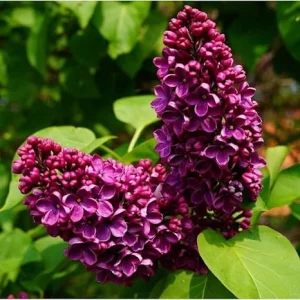
Purple Lilac Live Plant – Fragrant Syringa Flower – 6 to 8 Inch Tall Dormant Starter Plant – Outdoor
Sold 71 products
Original price was: $71.98.$35.99Current price is: $35.99.


Flower Seeds
Zinnia Short Stuff Mix Seeds – 100 Dwarf Zinnia Elegans Flower Seeds for Outdoor Gardens
Sold 51 products
Original price was: $23.96.$11.98Current price is: $11.98.




Vines
Bleeding Heart Vine Live Plant – Clerodendrum Thomsoniae – Red & White Blooms – Indoor & Outdoor
Sold 88 products
Original price was: $35.99.$19.99Current price is: $19.99.







Reviews
There are no reviews yet.