
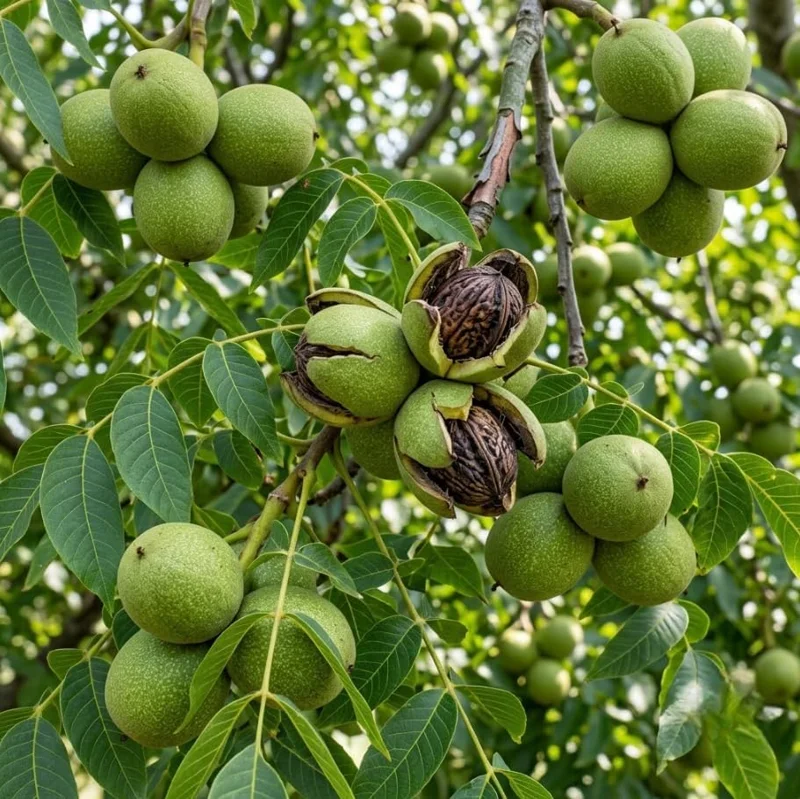
Black Walnut Tree Live Plant – 6-12″ Tall in 4″ Pot – Hardy Shade & Nut Producing
Original price was: $49.98.$24.99Current price is: $24.99.
Bring the majestic black walnut tree live plant to your landscape. This young, vigorous tree, standing 6-12 inches tall in a 4-inch pot, is ready for transplanting. Enjoy its future as a stately shade tree and its valuable sweet nuts.
-
USDA Hardiness Zone
USDA Zones 4-9 -
Soil Type
Deep, rich, well-draining loam -
Sunlight Exposure
Full sun -
Expected Planting Period
Spring to early summer

You can track your order HERE
Oct 31
Nov 05 - Nov 07
Nov 10 - Nov 14
Shipping and return policies: Our Alive & Thrive Guarantee covers issues with your plants within the first 30 days. Reach out to us. Our team will answer your questions and help you find the plants that are truly suitable for your environment, climate, and personal preferences.

Overview
Introduce a magnificent centerpiece to your garden with the black walnut tree live plant. This impressive species, scientifically known as Juglans nigra, is a highly sought-after deciduous tree renowned for its majestic stature, dense shade, and delicious, sweet nuts. Originating from eastern North America, the american black walnut tree is a robust and resilient specimen, thriving across a wide range of climates and soil conditions. Each young plant arrives ready for transplanting, typically 6-12 inches tall and carefully potted in a 4-inch container, ensuring a smooth transition into your landscape. Ideal for homeowners seeking a long-term investment in their property, this juglans nigra tree promises to deliver both aesthetic appeal and a bountiful harvest for many years to come.
The black walnut tree live plant is not just a tree; it’s a legacy. As it matures, it will transform into a towering presence, providing ample shade during hot summer months and becoming a focal point in any large yard or garden. Its strong, straight trunk and broad canopy make it an excellent choice for naturalizing areas, creating windbreaks, or simply enjoying its grandeur. Beyond its visual appeal, the value of its timber is well-known, though most cultivate it for its delectable nuts, which are a favorite for baking and culinary uses. This sweet nut producing tree is an investment that pays dividends in beauty, shade, and harvest.
Key Benefits
Cultivating a black walnut tree live plant offers a multitude of advantages for both the gardener and the environment. These benefits extend beyond mere aesthetics, encompassing ecological contributions and practical yields:
- Exceptional Shade Provider: As it matures, the black walnut tree live plant develops a broad, dense canopy, creating significant shade, which can help cool your home and outdoor living spaces during warm seasons.
- Valuable Nut Production: This tree is a renowned sweet nut producing tree, yielding delicious, nutritious nuts that are excellent for culinary uses, baking, and snacking. A single mature tree can produce a substantial harvest.
- Hardy and Resilient: The american black walnut tree is known for its remarkable hardiness and adaptability, capable of thriving in various soil types and climates, making it a reliable choice for many regions.
- Wildlife Attractor: The nuts and foliage provide food and shelter for local wildlife, including squirrels and birds, contributing to the biodiversity of your garden ecosystem.
- Long-Term Investment: Beyond its immediate benefits, a mature juglans nigra tree can significantly increase property value, not only for its nuts and shade but also for its highly prized timber.
- Stately Landscape Presence: With its impressive size and strong, upright form, this tree makes a dramatic and beautiful statement in any large landscape, offering year-round visual interest.
- Erosion Control: Its extensive root system helps stabilize soil, making it beneficial for erosion control on slopes or along riverbanks.
Plant Care & Growing Tips
The black walnut tree live plant is a relatively low-maintenance tree once established, but providing the right conditions from the start will ensure vigorous growth. For optimal health, choose a site with at least 6-8 hours of direct sunlight per day; full sun is ideal for best nut production. While young trees can tolerate some partial shade, consistent sunlight will lead to a stronger, more productive tree. Ensure the planting location has ample space for its mature size, as these trees can grow very large.
When it comes to watering, young american black walnut tree specimens require regular moisture to establish a strong root system. Water deeply once or twice a week, especially during dry spells, ensuring the soil remains consistently moist but not waterlogged. Once mature, these trees are quite drought-tolerant. The ideal soil for a juglans nigra tree is deep, rich, well-draining loam. They can tolerate a range of soil types, including clay and sandy soils, as long as drainage is adequate. Black walnuts are known to produce juglone, a chemical that can inhibit the growth of certain plants, so consider this when choosing companion plants.
These trees are incredibly hardy, typically thriving in USDA Hardiness Zones 4-9. Fertilization is generally not necessary for established trees in good soil, but a balanced, slow-release fertilizer can be applied in early spring for young plants to encourage growth. Protect young trees from pests and diseases by maintaining good air circulation and promptly addressing any issues. Pruning should focus on developing a strong central leader and removing any dead or crossing branches, ideally in late winter or early spring before new growth begins. With proper care, your hardy shade tree will flourish.
Size & Details
Each black walnut tree live plant is shipped as a vigorous young specimen, typically standing 6 to 12 inches tall from the base of the root ball to the tip of the highest stem. These plants are carefully potted in a 4-inch nursery pot, providing a healthy root system ready for immediate transplanting into your garden or a larger container. The compact size upon arrival makes for easier handling and establishment. While initially small, the american black walnut tree is known for its relatively fast growth rate, especially in ideal conditions, and will quickly begin to gain height and develop its characteristic form.
Expect your sweet nut producing tree to begin bearing fruit within 10-15 years, with peak production occurring after 20-30 years. These trees will mature into large, stately specimens, often reaching heights of 50-75 feet, and sometimes even over 100 feet, with a spread of 50-75 feet. They are delivered as live, actively growing plants, ensuring a fresh start for your landscape. The 4-inch pot provides enough soil and nutrients to sustain the plant during transit and for a short period before transplanting. Plant soon after arrival for the best results and watch your juglans nigra tree flourish.
Frequently Asked Questions
- Q: How big does this plant get? A: The black walnut tree live plant you receive will be 6-12 inches tall in a 4-inch pot. When mature, Black Walnut trees are large, typically reaching heights of 50-75 feet with a similar spread, though they can grow even taller in ideal conditions.
- Q: Is this an indoor or outdoor plant? A: The american black walnut tree is an outdoor plant. It requires space to grow into a large shade and nut-producing tree and is not suitable for indoor cultivation long-term.
- Q: How much sunlight does it need? A: For best growth and nut production, the black walnut tree live plant requires full sun, meaning at least 6-8 hours of direct sunlight per day. It can tolerate partial shade, but growth may be slower.
- Q: Is this plant easy to care for? A: Once established, the juglans nigra tree is considered a relatively low-maintenance and hardy tree. Young trees require consistent watering and protection, but mature trees are quite self-sufficient.
- Q: What condition will it arrive in? A: Your sweet nut producing tree will arrive as a live, healthy plant, actively growing and securely potted in a 4-inch container, ready for transplanting.
- Q: How long until it produces nuts? A: A black walnut tree live plant typically begins producing nuts within 10-15 years after planting, with significant harvests usually starting around 20-30 years of age.
- Q: Will it survive winter in my zone? A: Yes, the Black Walnut tree is a very hardy shade tree, generally thriving in USDA Hardiness Zones 4-9. It is well-adapted to cold winters and hot summers within these zones.
- Q: What’s the minimum temperature it can tolerate? A: Mature Black Walnut trees can tolerate winter temperatures well below freezing, making them suitable for many temperate climates within their hardiness zones.
- Q: What kind of soil does it prefer? A: This tree prefers deep, rich, well-draining loam. It can adapt to various soil types, including clay and sandy soils, as long as they are not waterlogged.
- Q: Can I plant other plants near a Black Walnut tree? A: Be aware that Black Walnut trees produce juglone, a chemical that can be toxic to certain sensitive plants. Research juglone-tolerant plants if you plan to garden near your black walnut tree live plant.
Be the first to review “Black Walnut Tree Live Plant – 6-12″ Tall in 4″ Pot – Hardy Shade & Nut Producing”
People Also Viewed


Succulents
Echeveria ‘Mensa’ Succulent Plant – Live Crassulaceae Rosette – Colorful Indoor/Outdoor Plant
Sold 67 products
Original price was: $73.28.$36.64Current price is: $36.64.





Sold 95 products
Original price was: $77.08.$38.54Current price is: $38.54.




Vegetables
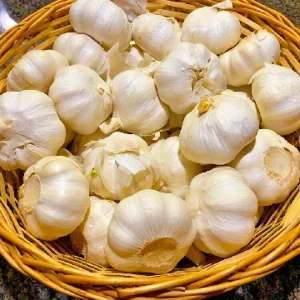
German Red Hardneck Garlic Bulbs – Organic Heirloom for Planting & Cooking – 1/2 lb to 10 lbs
Sold 99 products
From $23.28




Reviews
There are no reviews yet.