
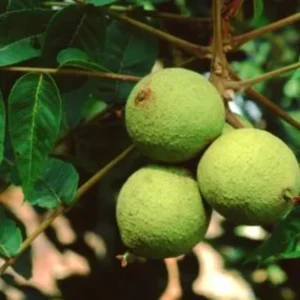
Black Walnut Tree Live Plant – 1 Year Old, 6-12″ Tall, 4″ Pot, Cold Hardy
Original price was: $39.98.$19.99Current price is: $19.99.
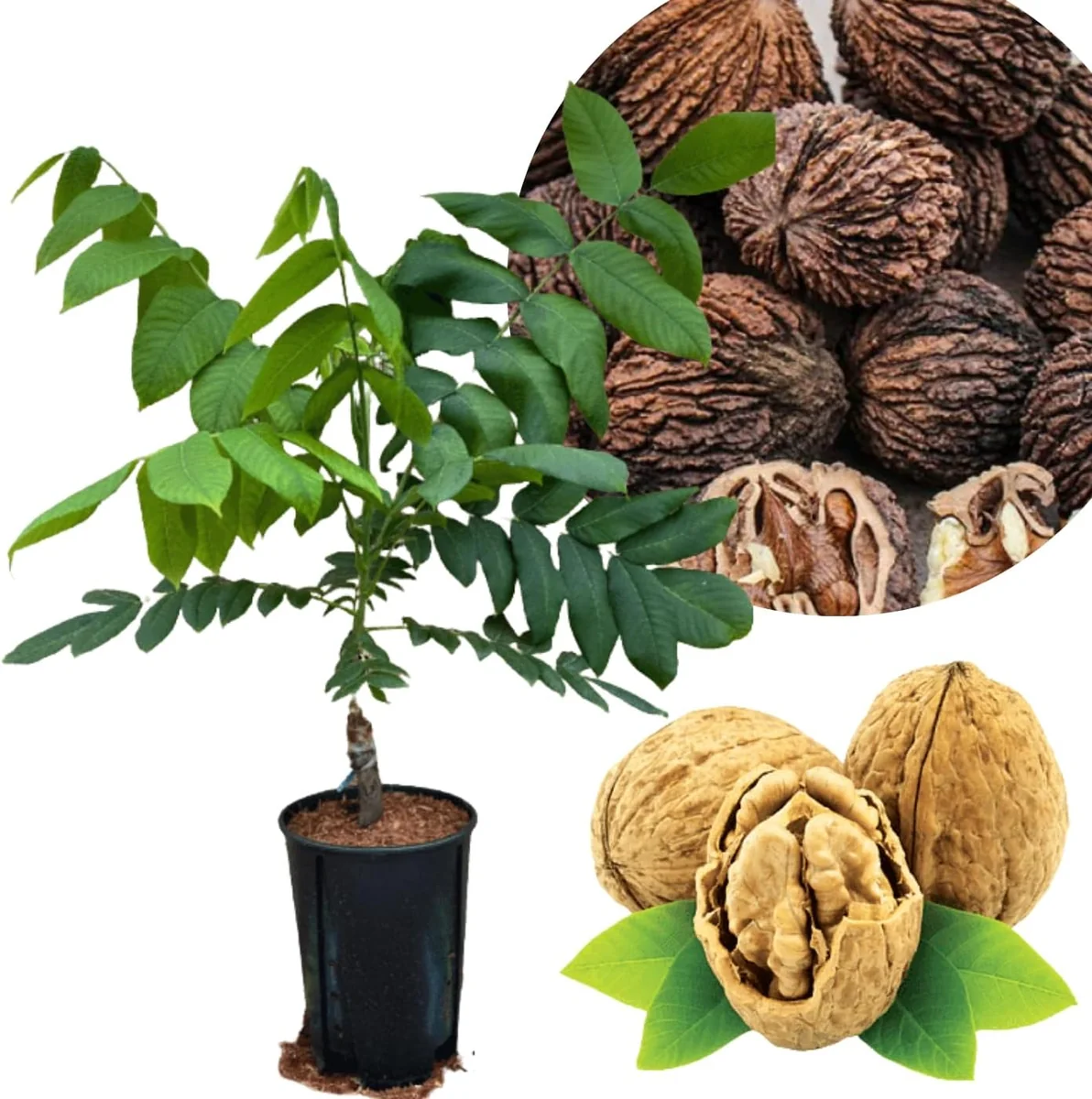
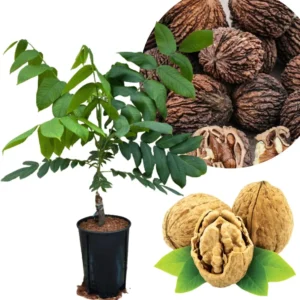
black walnut tree live plant. This 1-year-old, well-rooted specimen arrives in a 4-inch pot, standing 6-12 inches tall. Known for its strong timber and valuable nuts, this cold hardy walnut tree is an excellent long-term investment for your landscape.
-
USDA Hardiness Zone
Zones 4-9 -
Soil Type
Deep, fertile, well-draining loam -
Sunlight Exposure
Full Sun -
Expected Planting Period
Spring or Fall

You can track your order HERE
Feb 27
Mar 04 - Mar 06
Mar 09 - Mar 13
Shipping and return policies: Our Alive & Thrive Guarantee covers issues with your plants within the first 30 days. Reach out to us. Our team will answer your questions and help you find the plants that are truly suitable for your environment, climate, and personal preferences.

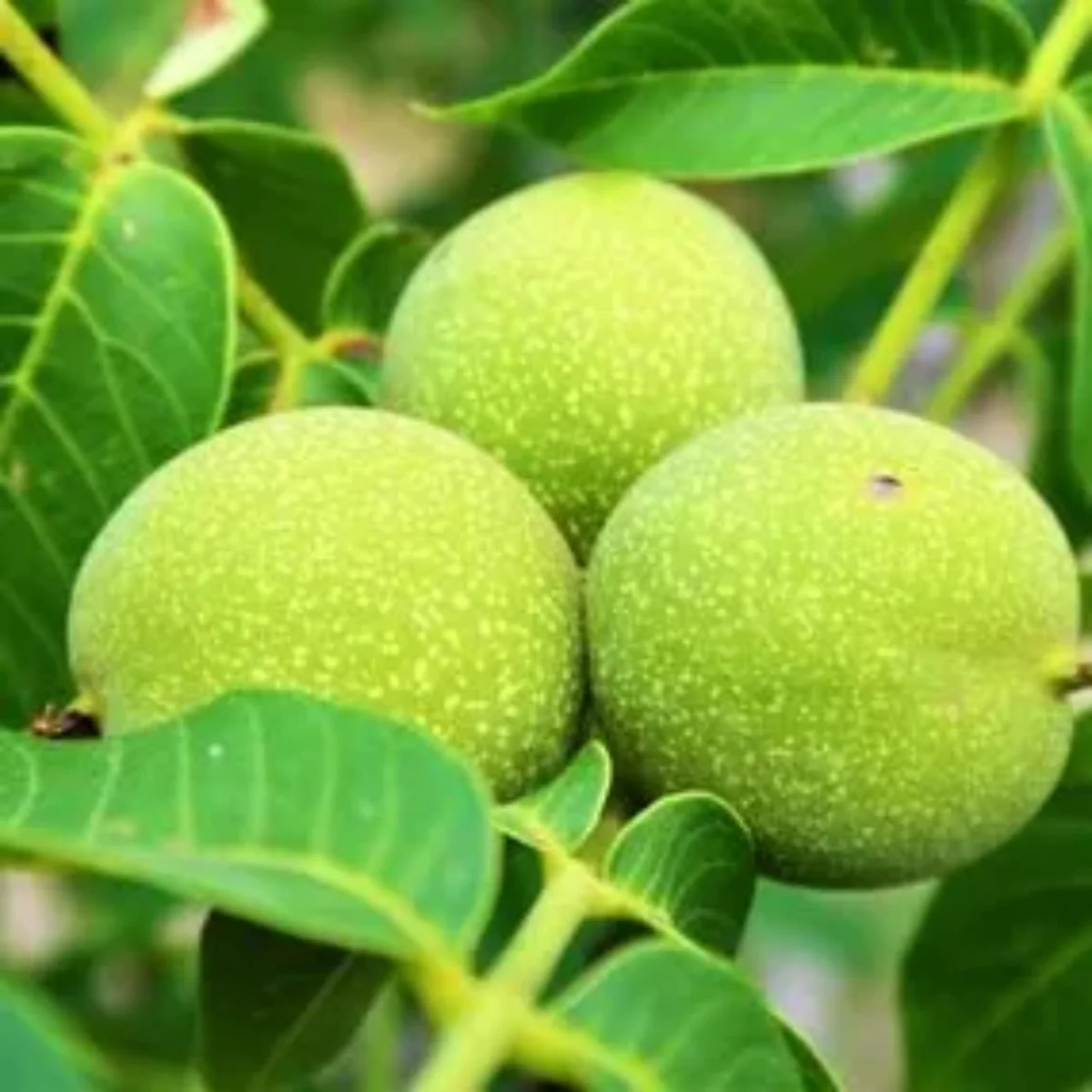
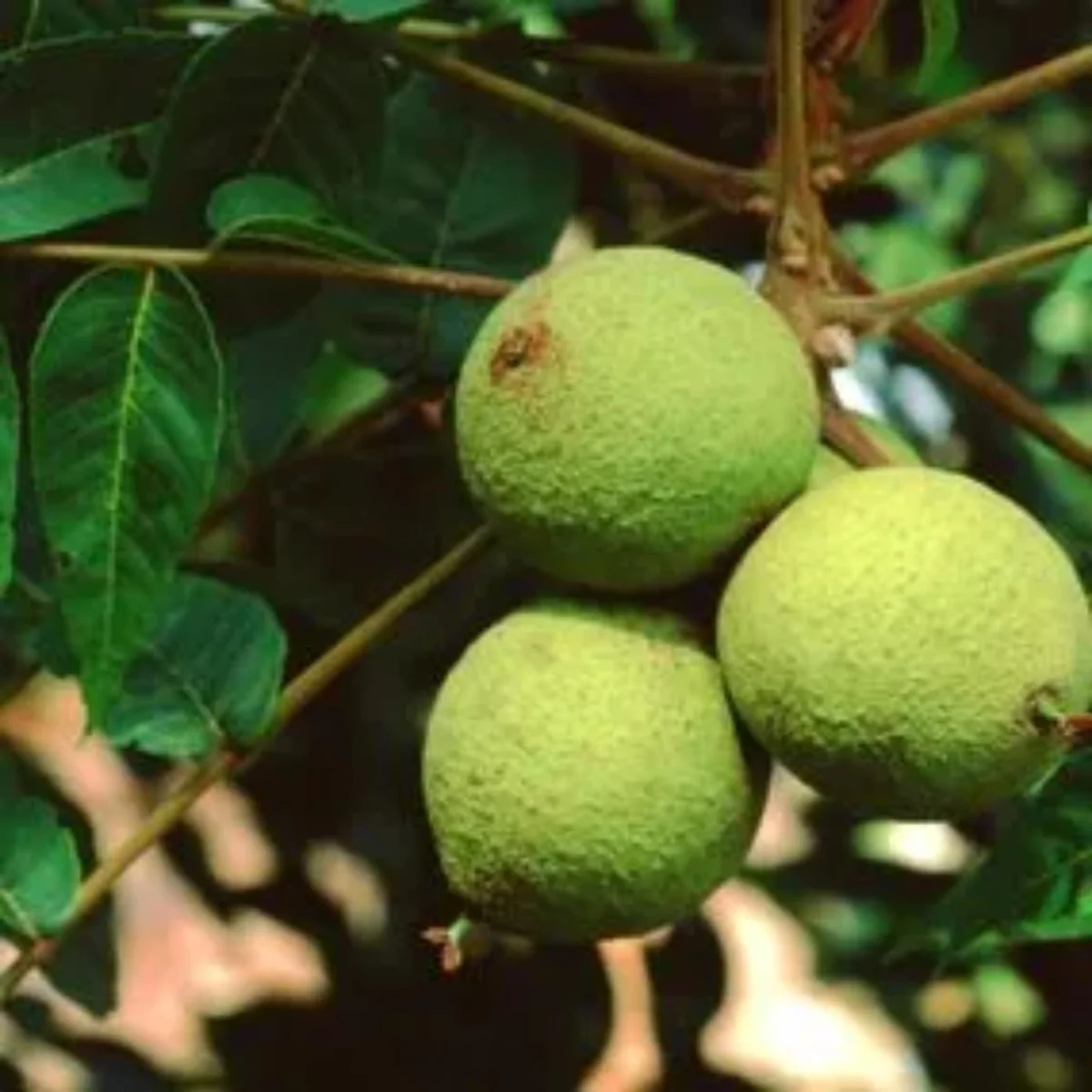
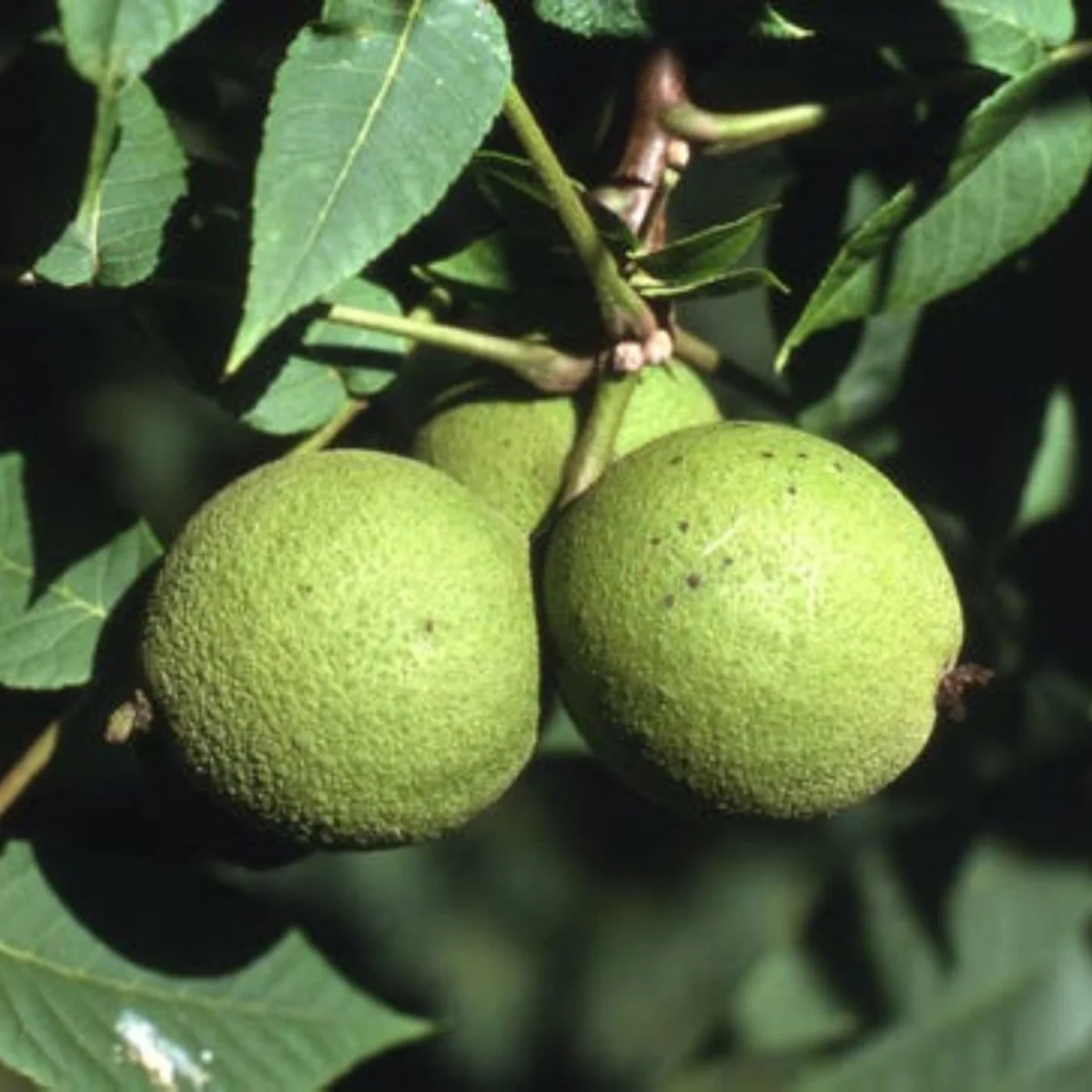
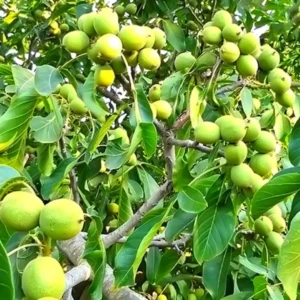
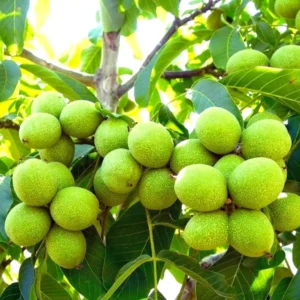
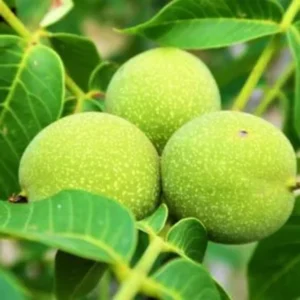
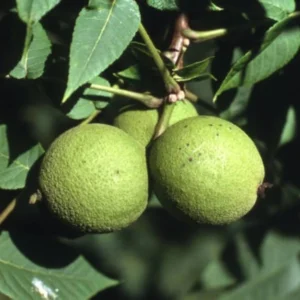
Embark on a rewarding horticultural journey with this robust black walnut tree live plant. This impressive 1-year-old specimen, scientifically known as Juglans nigra, is well-rooted in a 4-inch nursery pot and stands proudly at 6-12 inches tall, ready for its new home. Unlike its ‘white walnut’ or ‘butternut’ relatives, the black walnut tree live plant is prized for its dark, rich timber and distinctive, flavorful nuts that mature over several years. This deciduous tree is a classic choice for temperate landscapes, known for its stately presence and long-term value. It’s a fantastic addition for those looking to invest in a tree that offers both ecological benefits and potential future harvests, making it a truly unique and enduring choice for your garden or homestead.
Key Benefits
Choosing to plant a black walnut tree live plant offers a multitude of benefits, from ecological contributions to potential economic returns. Here are some of the compelling advantages:
- Long-Term Investment: Black walnuts are highly valued for their timber, which can appreciate significantly over many decades, making this a smart long-term investment for your property. The wood is sought after for furniture, cabinetry, and gunstocks.
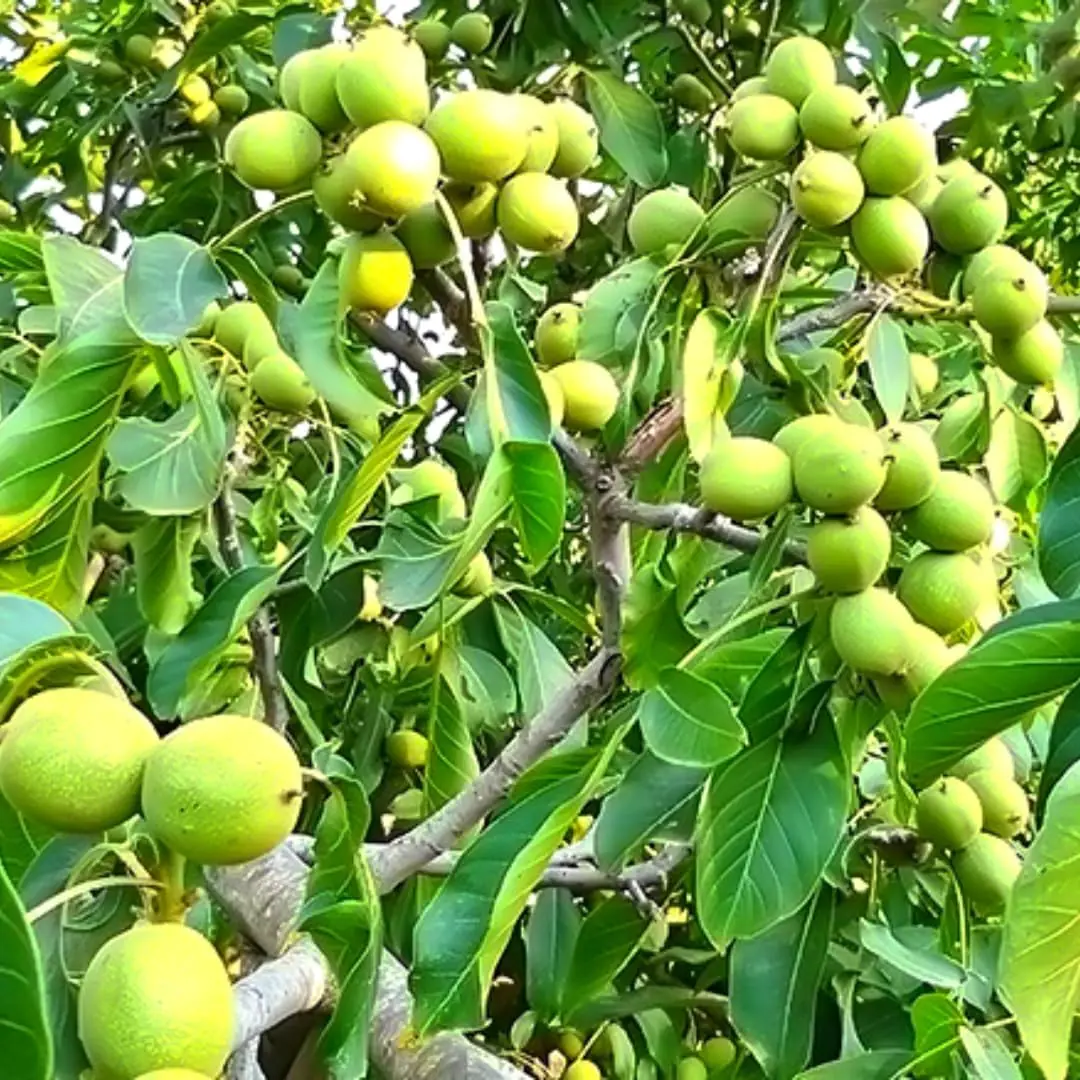
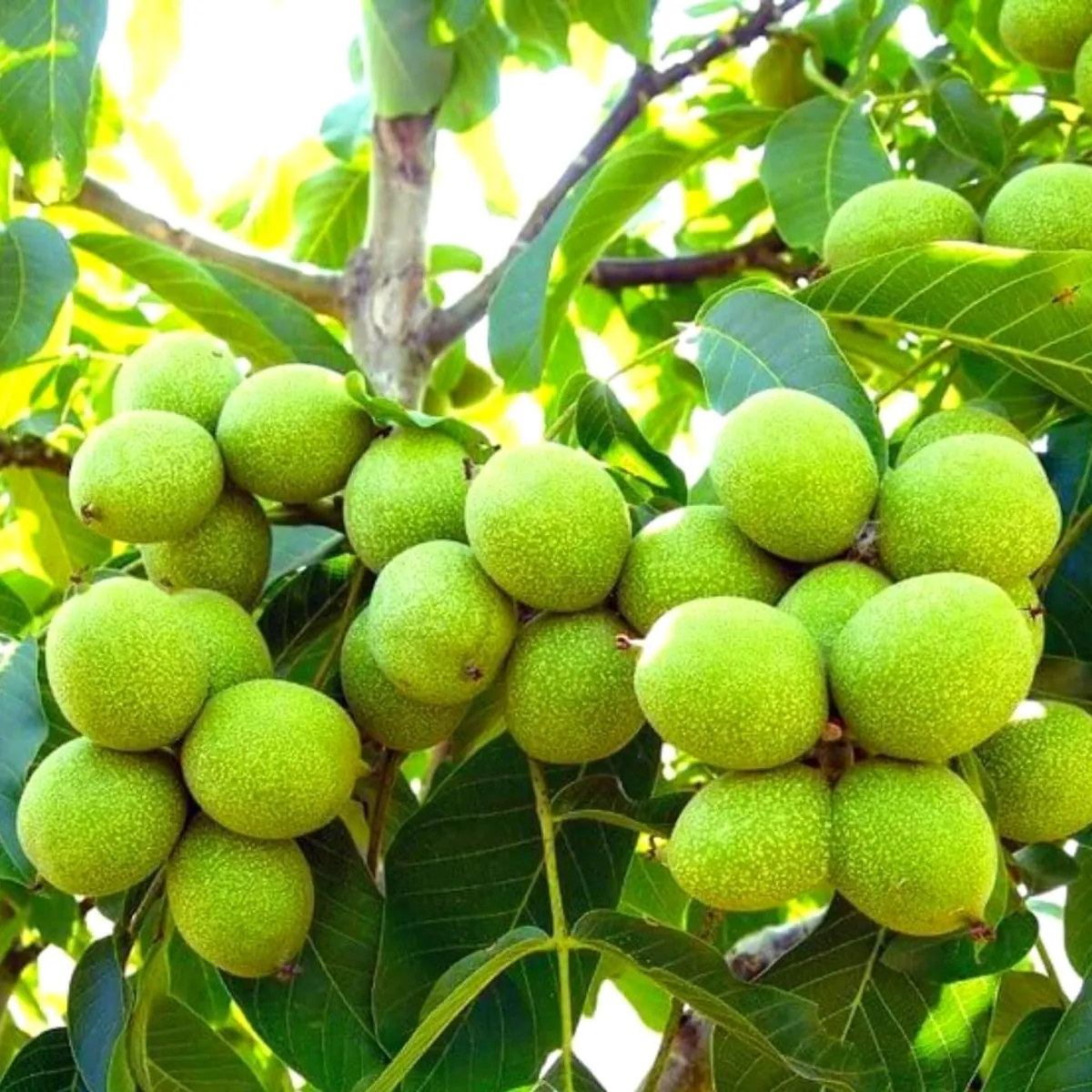
- Nut Production: After several years, your black walnut tree live plant will begin producing delicious, highly nutritious nuts. These nuts are excellent for baking, snacking, or even selling.
- Cold Hardy & Resilient: This particular variety is known to be a cold hardy walnut tree, thriving in a wide range of climates (USDA Zones 4-9). Once established, it requires minimal maintenance and can withstand various environmental conditions.
- Wildlife Attraction: The nuts provide a valuable food source for local wildlife, including squirrels and birds, contributing to the biodiversity of your garden.
- Shade & Landscape Value: With its broad canopy and attractive foliage, a mature black walnut tree provides excellent shade and adds significant aesthetic appeal to larger landscapes and properties.
- Ecological Contributions: Like many large trees, black walnuts help with soil stabilization, carbon sequestration, and creating microclimates.
Plant Care & Growing Tips
Caring for your black walnut tree live plant is straightforward, especially once it’s established. It’s a robust species that, with the right initial conditions, will thrive for many years. When considering planting black walnut tree, choose a location that can accommodate its mature size and root system.
Black walnut trees require full sun exposure, meaning at least 6-8 hours of direct sunlight per day to ensure optimal growth and nut production. They grow best in warm climates but are remarkably cold hardy, tolerating temperatures down to USDA Zone 4. The ideal soil type is deep, fertile, well-draining loam. While they can tolerate a range of soil conditions, avoid heavily compacted or waterlogged areas. During the first year after planting black walnut tree, consistent watering is crucial to help establish the root system. Water deeply 1-2 times per week, especially during dry spells. Once established, they are quite drought-tolerant. Fertilization is generally not required in fertile soils, but a balanced, slow-release fertilizer can be applied in early spring if growth appears sluggish. Keep the area around the tree free of weeds and grass, especially in its early years, to reduce competition for nutrients and water. Pruning should be done in late winter or early spring to remove dead or diseased branches and to shape the tree, promoting a strong central leader.
Size & Details
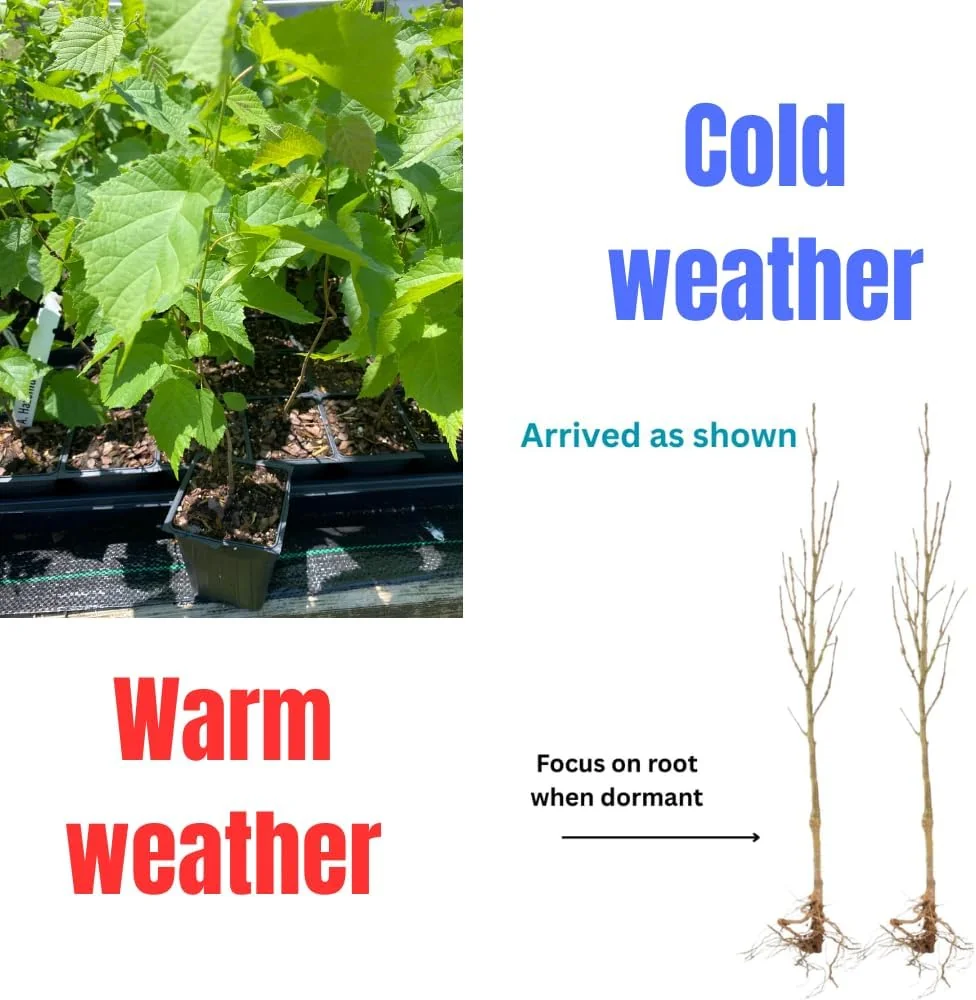
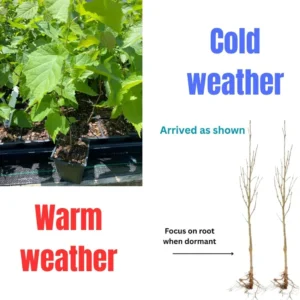
This offering is for one black walnut tree live plant, which is approximately 1 year old. It is well-rooted and arrives in a 4-inch nursery pot, ensuring a healthy start. The plant stands between 6-12 inches tall from the base of the soil. As it matures, a black walnut tree can grow quite large, typically reaching heights of 50-75 feet with a spread of 50-75 feet, though some specimens can exceed this. The growth rate is moderate to fast, depending on growing conditions. While this young plant is a bare-root to CA, it is generally shipped as a potted plant, ensuring minimal transplant shock. Expect the tree to begin producing nuts after 10-15 years, with peak production occurring later in its life. Its cold hardy nature ensures it can withstand harsh winters, making it a reliable choice for many regions. This particular walnut tree for sale is a fantastic investment for future harvests and landscape enhancement.
Frequently Asked Questions
- Q: How big will this black walnut tree get? A: This young black walnut tree live plant is currently 6-12 inches tall. Mature black walnut trees typically reach heights of 50-75 feet with a similar spread, so ensure you have ample space for its future growth.
- Q: Is this an indoor or outdoor plant? A: The black walnut tree live plant is an outdoor tree that requires significant space to grow. It is not suitable for indoor cultivation beyond a very temporary nursery stage.
- Q: How much sunlight does a black walnut tree need? A: For optimal growth and nut production, a black walnut tree requires full sun exposure, meaning at least 6-8 hours of direct sunlight per day.
- Q: Is this tree difficult to care for? A: Once established, the black walnut tree live plant is relatively low-maintenance. The initial years require consistent watering and protection from competition, but it becomes quite resilient.
- Q: When is the best time to plant a black walnut tree? A: The best time for planting black walnut tree is typically in early spring or late fall when the tree is dormant. This allows the roots to establish before extreme temperatures.
- Q: What condition will the plant arrive in? A: Your black walnut tree live plant will arrive well-rooted in a 4-inch pot, ready for planting. It is carefully packaged to ensure its health during transit.
- Q: Will this cold hardy walnut tree survive winter in my zone? A: Yes, this cold hardy walnut tree is suitable for USDA Zones 4-9, meaning it can tolerate a wide range of winter temperatures.
- Q: How long until it produces nuts? A: A black walnut tree typically begins producing nuts after 10-15 years, with significant yields occurring as the tree matures further.
- Q: Can I get a walnut tree for sale that produces nuts sooner? A: While this walnut tree for sale is a young plant, all black walnuts require several years to mature enough to produce nuts. Grafted varieties can sometimes bear fruit earlier, but this is a seedling.
- Q: What type of soil does it prefer? A: Black walnuts thrive in deep, fertile, well-draining loamy soils. Good drainage is crucial for its health.
Be the first to review “Black Walnut Tree Live Plant – 1 Year Old, 6-12″ Tall, 4″ Pot, Cold Hardy”
People Also Viewed
Flowers
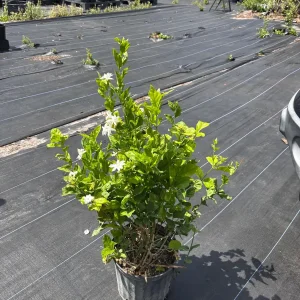
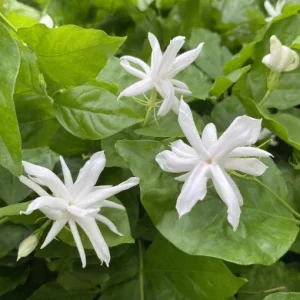
Jasmine ‘Belle of India’ Live Plant – Fragrant Double White Flowers, Jasminum sambac, 4-inch Pot
Sold 54 products
From $50.00
Sold 65 products
Original price was: $28.76.$14.38Current price is: $14.38.
Sold 69 products
Original price was: $90.00.$72.00Current price is: $72.00.
Sold 82 products
Original price was: $18.76.$9.38Current price is: $9.38.
Sold 85 products
Original price was: $161.56.$80.78Current price is: $80.78.
Sold 98 products
Original price was: $47.96.$23.98Current price is: $23.98.

Sold 63 products
$42.00

Sold 64 products
Original price was: $21.56.$10.78Current price is: $10.78.

Sold 76 products
Original price was: $346.76.$173.38Current price is: $173.38.
Sold 92 products
Original price was: $35.96.$17.98Current price is: $17.98.
Sold 66 products
From $17.84
Sold 95 products
From $82.00
Sold 76 products
Original price was: $26.76.$13.38Current price is: $13.38.

Sold 92 products
Original price was: $77.84.$38.92Current price is: $38.92.
Sold 80 products
Original price was: $38.76.$19.38Current price is: $19.38.
HousePlants
Dracaena Magenta Braid Live Plant – Braided Dracaena Marginata – 6 Inch Pot – Indoor Houseplant
Sold 63 products
Original price was: $77.96.$38.98Current price is: $38.98.
Sold 62 products
Original price was: $32.00.$25.60Current price is: $25.60.
Sold 91 products
From $54.00



Reviews
There are no reviews yet.